

Did you know that up to 15% of people are so highly suggestible that, under hypnotic suggestion, they can experience physical sensations—or even hallucinations—just by hearing a few carefully chosen words? This surprising fact unveils a captivating intersection between the human brain, cognitive neuroscience, and our untapped potential. As public intrigue around hypnosis grows, understanding the true depth and mechanics of hypnotic suggestion psychology has never been more vital—whether you’re looking to enhance your well-being, unlock performance, or simply satisfy your curiosity about how much influence words can really hold over the mind.
Unveiling the Phenomenon of Hypnotic Suggestion Psychology
Hypnotic suggestion psychology is not just an academic curiosity—it’s a field revealing profound truths about human behavior and the brain’s remarkable plasticity. At its core, the discipline explores how certain verbal cues or guided imagery trigger subtle, yet powerful, shifts in brain activity and perception. For instance, when individuals enter a hypnotic state, cognitive neuroscience research shows that regions involved in attention, perception, and even somatic sensation respond in ways that challenge the boundaries between imagination and reality. This insight has significant implications for real-world applications, from therapy to entertainment.
Whether you’re new to the concept or seeking deeper understanding, engaging with the mechanics of hypnotic suggestion psychology helps demystify why and how people can respond so vividly to suggestion. Through practical examples—like pain management without drugs or overcoming deep-seated fears—cognitive neuroscience research continuously uncovers the mind’s openness to suggestion in the right context. The growing interest comes not just from clinicians, but also from everyday people eager to measure and improve their cognitive flexibility. As you read on, consider how such phenomena might reveal as much about our vulnerabilities as our potential for positive change.
Interestingly, the altered states achieved through hypnotic suggestion share certain similarities with other practices that influence consciousness, such as meditation. If you’re curious about how hypnosis compares to meditation in terms of brain activity, focus, and outcomes, you might find it helpful to explore a detailed comparison in this guide on the differences between hypnosis and meditation.
Opening Insight: How Hypnotic Suggestion Shapes the Human Brain
Recent advancements in neuroimaging have made it possible to observe the human brain in action when exposed to hypnotic suggestion. Functional MRI (fMRI) studies illuminate how specific brain regions—such as the anterior cingulate cortex, thalamus, and precuneus—reconfigure their activity under hypnotic induction. This means a person can feel pain relief or even vivid sensory experiences, not because of external forces, but because carefully crafted suggestions recalibrate neural pathways.
These findings go beyond pop culture depictions. The hypnotic state is not sleep, nor mere compliance, but an altered neurological reality in which the brain accepts and acts upon suggestions more readily. Researchers describe it as entering a zone where normal cognitive boundaries soften, and the brain’s response to actions made under suggestion can blur the lines between intention, expectation, and perception. What this means for hypnotic suggestion psychology: our responses to words and ideas are not just behavioral—they are deeply physiological, offering a gateway to therapeutic interventions and a better understanding of consciousness itself.
What You'll Learn
- Definition and mechanisms of hypnotic suggestion psychology
- Role of cognitive neuroscience in understanding hypnotic suggestions
- Real-world examples and impact on the human brain
- Expert opinions and personal viewpoints
- Key factors influencing hypnotic suggestibility
Hypnotic Suggestion in Psychology: An Opinionated Overview
"Hypnotic suggestion psychology reveals as much about our vulnerabilities as our potential for change."
In my experience as both an author and a lifelong student of the mind, I have witnessed how hypnotic suggestion psychology provokes strong opinions—ranging from skepticism to enthusiasm. Some see it as a parlor trick, others acknowledge its transformative impact in therapy. But the truth is far more nuanced, shaped by decades of cognitive neuroscience research and countless real-world applications.
The hypnotic state is not about losing control, but about redirecting attention through purposeful, guided suggestion. This process involves more than mere imagination; it’s a collaboration between the conscious and subconscious elements of the brain, governed by language, expectation, and trust in the practitioner. Recognizing these mechanisms enriches both clinical interventions and our collective cultural understanding. I believe that recognizing the scientific backbone of hypnotic suggestion opens new avenues for both self-exploration and evidence-based psychological care.
Defining Hypnotic Suggestion in Cognitive Neuroscience
- Origins and historical context: Hypnotic suggestion has roots in the 18th and 19th centuries, with pioneers like Franz Mesmer and James Braid shaping modern conceptions. Early demonstrations focused on the apparent “magnetic” effects of suggestion, later reframed by cognitive neuroscience as controlled, reproducible psychological phenomena.
- Cognitive neuroscience perspective on hypnotic induction: Today, we know that hypnotic induction is less about mysticism and more about measurable shifts in brain activity, especially in areas controlling attention, memory, and sensory processing. The difference between the hypnotic state and normal mental states lies in altered connectivity and lowered critical judgment.
- Difference between hypnotic state and everyday suggestibility: Everyday suggestibility is passive, while hypnotic suggestion involves a conscious, collaborative effort. The dynamics transform as the hypnotic induction primes the brain for heightened receptivity, allowing the participant to follow complex suggestions more willingly and vividly.

The Human Brain Under Hypnotic Suggestions: Neuroscientific Insights
The human brain undergoes remarkable transitions during hypnotic induction. Functional brain imaging demonstrates that, in a hypnotic state, patterns of brain activity significantly diverge from those seen in normal waking consciousness. Typical cognitive filters—critical thinking, self-reflection, and default skepticism—are dialed down, allowing for more direct access to memory, sensation, and automatic processes. This underpins the wide range of hypnotic phenomena reported, from suggestions of amnesia to dramatic changes in physical sensation.
Emerging evidence from cognitive neuroscience emphasizes how hypnotic suggestion psychology reliably modifies sensory perception and neurophysiological pathways. Brain scans reveal how suggestion can reduce the subjective experience of pain, evoke or erase particular sensations, and even alter longstanding behavioral responses. These insights are not only fascinating but bring hope to those looking for new avenues in psychological therapies—proving that, under the right conditions, suggestion can amount to a request the brain is wired to honor.
How Hypnotic Induction Alters Brain Processes
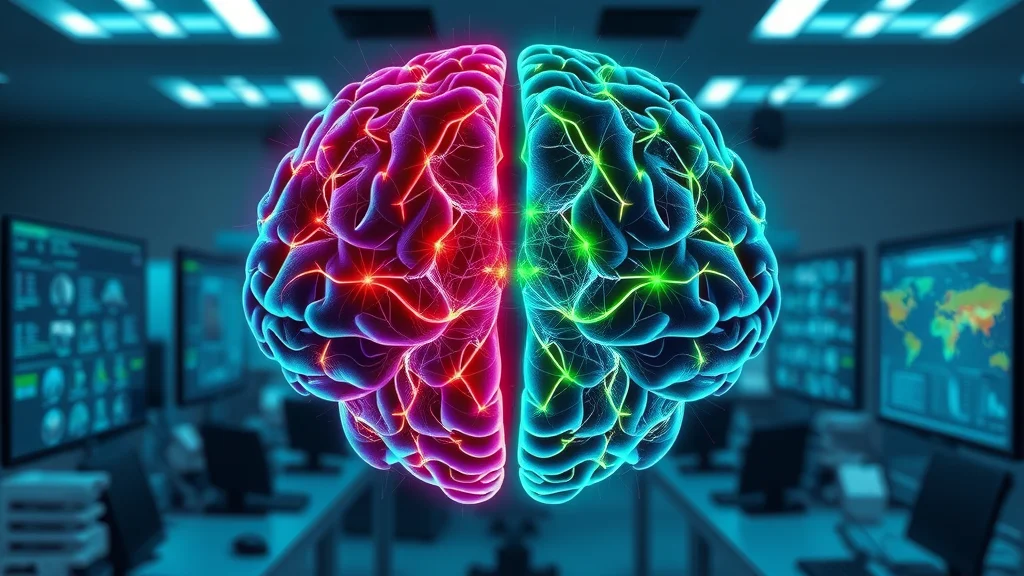
- fMRI findings on hypnotic state: When a participant enters hypnosis, fMRI reveals reduced activation in the dorsal anterior cingulate cortex (which detects cognitive conflict) and increased communication between other regions responsible for imagination, focus, and response to suggestion. This supports the unique effects witnessed during hypnotic suggestion psychology studies.
- Neurological pathways of suggestion acceptance: Cognitive neuroscience pinpoints that hypnotic suggestions travel along distinct pathways—translating words into neurochemical signals that impact attention, memory, and voluntary control. These pathways work in tandem, creating a state where imaginative experience feels real.
- Effectiveness in altering perceptions and memory: The brain’s plasticity allows for temporary (or sometimes lasting) changes in what a person feels, remembers, or believes under hypnosis. This is why both clinical and entertainment settings yield such dramatic demonstrations of human malleability.
| Aspect | Typical Brain Activity | Hypnotic State |
|---|---|---|
| Critical Judgment | Active, filters suggestions | Reduced, increased openness |
| Sensory Perception | Stable, reality-based | Highly malleable, suggestion-based |
| Attention Networks | Distributed across tasks | Focused, absorbed state |
| Memory Retrieval | Selective, context-driven | More direct, suggestion-driven |
What is Hypnotic Suggestion? (PAA)
Explaining Hypnotic Suggestion: Psychology’s Perspective
- Definition aligned with hypnotic suggestion psychology: Hypnotic suggestion refers to the structured use of language, imagery, and focused attention during a hypnotic state to alter perception, memory, or behavior. Within psychology, this is seen as both a window into the workings of the mind and a practical tool for change.
- Examples of hypnotic suggestions in clinical practice: Common clinical uses include suggestions to feel no pain during a medical procedure, to change a troubling habit, or to experience a sense of calm during anxiety-provoking events. The effectiveness of these suggestions varies based on individual hypnotic suggestibility, method of hypnotic induction, and the context of the session.
What Percentage of People Are Highly Suggestible to Being Hypnotized? (PAA)
Understanding Highly Hypnotizable Individuals
- Research statistics and data on susceptibility: Research consistently finds that approximately 10–15% of people are classified as “highly hypnotizable,” able to enter deep hypnotic states and respond to a wide range of suggestions. The majority—roughly 70%—fall within a normal range, with about 15–20% less responsive.
- Factors contributing to high hypnotic suggestibility: Genetics, personality traits, imaginative capacity, and even childhood experiences all play a part. High hypnotizable individuals tend to score higher in openness to experience and have a knack for focused absorption in tasks.
- Implications for psychological therapies: Hypnotic suggestion psychology emphasizes the importance of matching intervention style and therapeutic approach to the client’s personal hypnotic profile. Those who are highly hypnotizable often achieve the most dramatic therapeutic outcomes, especially in pain management, habit control, and anxiety reduction.

What Is Hypnotic Suggestibility in Psychology? (PAA)
Breaking Down Hypnotic Suggestibility’s Psychological Underpinnings
- Distinction between suggestibility and compliance: Hypnotic suggestibility refers to the capacity to experience changes in cognition or behavior as direct responses to suggestions during hypnosis. Unlike compliance (acting merely to please), suggestibility is a genuine mental shift, often occurring below conscious awareness.
- Role in clinical hypnosis and therapeutic outcomes: High suggestibility is a predictor for successful hypnotic interventions. In clinical settings, the ability to respond to suggestion enables profound changes—like amnesia for traumatic memories or alleviation of chronic pain—that might not be possible through willpower alone. Cognitive neuroscience underscores how suggestibility activates specific neural circuits, leading to measurable changes in brain activity.

What Makes People More Susceptible to Hypnotic Suggestions? (PAA)
The Psychology Behind Highly Hypnotizable Individuals
- Personality traits and cognitive styles: Openness, creativity, and capacity for vivid imagination all correlate with higher hypnotic suggestibility. Highly hypnotizable individuals are not simply “gullible,” but often possess greater cognitive flexibility and absorption (the tendency to become deeply involved in experiences).
- Environmental and situational influences on hypnotic state: Context matters: a supportive setting, trust in the practitioner, and clear expectations can greatly enhance receptivity to suggestion. Conversely, distractions or skepticism can diminish the chances of entering a deep hypnotic state.
- Relevant findings from cognitive neuroscience: Studies highlight that brain areas involved in inhibitory control, such as the prefrontal cortex, may function differently in the highly hypnotizable, leading to more fluid transitions into altered states when certain cues are present.
Hypnotic Induction: Methods, Myths, and Misconceptions
Debunking Popular Misunderstandings around Hypnotic Suggestion Psychology
- Step-by-step hypnotic induction process: Classic hypnotic induction involves guided relaxation, focused attention, and progressive deepening. Contrary to popular belief, most people don’t “fall asleep,” but enter a state of focused consciousness where suggestions have greater impact on cognition and perception.
- Myths about losing control under hypnosis: One of the most persistent myths is that hypnosis causes someone to lose all control or become a puppet to the hypnotist’s will. In reality, practitioners act as guides; no one accepts or acts on suggestions against their values or will.
- Scientific facts from cognitive neuroscience: Brain imaging proves that the hypnotized brain remains active, monitoring the situation and maintaining privacy preferences and behavioral limits even in a deeply altered state. This both protects individuals from unwanted suggestions and upholds the ethical boundaries drawn by the american psychological association.

The Role of Cognitive Neuroscience in Hypnotic Suggestion Psychology
Cutting-Edge Research: How the Human Brain Responds to Hypnotic Suggestions
- Recent experiment results: Groundbreaking studies employing advanced neuroimaging have revealed that hypnotic suggestions can down-regulate pain perception circuits, activate imagination centers, and even “block or alert” certain automatic responses—demonstrating the reach and flexibility of the human mind.
- Brain imaging studies and implications: Brain activity patterns change in real-time under hypnosis, often mirroring those seen with focused meditation, task absorption, or strong placebo effects. These patterns enable a wide range of hypnotic phenomena, expanding our appreciation for the complexity and adaptability of neural networks involved.
- Hypnotic suggestions’ effects on emotion and memory: Emotional responses are not simply dulled or exaggerated; they are actively re-shaped. Targeted hypnotic suggestions have reduced anxiety before surgery, improved performance in high-pressure situations, and enabled people to recall forgotten details or let go of disturbing memories—offering measure and improve avenues for psychological health.

Opinion: The Modern Relevance of Hypnotic Suggestions in Therapy and Entertainment
"In my view, hypnotic suggestion psychology bridges the divide between entertainment spectacle and therapeutic innovation."
Many people first encounter hypnosis through stage shows or viral videos presenting it as mind control or comedy. While these settings are entertaining, they only scratch the surface of what hypnotic suggestion psychology can offer. In therapeutic contexts, hypnotic suggestions enable deeply personal transformations—helping clients navigate pain, overcome addictions, or break free from anxiety disorders. The value is not in spectacle, but in introspective, evidence-based change, guided by advances in cognitive neuroscience.
I believe ethical considerations must be central to any application—especially when privacy preferences, informed consent, and the risk of creating false memories are at stake. As both technology and understanding evolve, hypnotic suggestion will increasingly require transparent, responsible use by practitioners, with clear boundaries between entertainment and clinical care. Ultimately, this field is poised to deliver even more enhanced functionality and hope to those seeking growth through psychological science.
Ethical Considerations in Using Hypnotic Induction
- Privacy preferences and informed consent: Hypnotic sessions must start with explicit consents—covering data privacy preferences, session boundaries, and intended outcomes. The american psychological association highlights these steps as critical in safeguarding participant welfare.
- Boundaries within clinical and entertainment settings: Entertainment hypnosis should always prioritize participant dignity, avoid coercion, and respect the line between voluntary engagement and manipulation. In therapy, maintaining clear ethical limits on implanting memories or influencing personal choices is vital.
- Current debates in professional ethics: Ongoing debates, especially within the psychological association, center on best practices for documentation, follow-up care, and protecting vulnerable individuals from potential adverse effects. With privacy preferences, clear communication, and rigorous training, hypnosis remains both safe and effective for a wide range of clients.
List: Top 7 Factors that Increase Hypnotic Suggestibility
- Openness to experience
- Imaginative capacity
- Trust in the practitioner
- Motivation to experience hypnosis
- Absorption in tasks
- Relaxed state (hypnotic induction)
- Contextual cues and expectations
Case Study: Hypnotic Suggestion in Clinical Practice
Real-Life Applications of Hypnotic Suggestion Psychology
- Pain management: Hypnotic suggestions can reduce or even eliminate pain, demonstrated in both chronic conditions and acute surgical procedures—offering an alternative to pharmaceuticals and providing enhanced quality of life.
- Addiction treatment: Smoking cessation and substance abuse interventions leverage targeted hypnotic phenomena to shift automatic behaviors and reinforce new, healthier patterns.
- Phobia resolution: Participants with deep-seated fears report meaningful improvements via guided imagery and desensitization under hypnosis, altering brain activity to break the habit loop.
- Hypnotic suggestions for performance enhancement: Athletes, performers, and professionals have used hypnosis to boost confidence, focus, and memory recall—utilizing cognitive neuroscience insights for a competitive edge.

FAQs on Hypnotic Suggestion Psychology
-
Can anyone be hypnotized?
Most people can experience some effects of hypnosis, but hypnotic suggestibility varies widely. Only about 10–15% are classified as highly hypnotizable, while a smaller portion are less responsive. Success depends on openness, context, and guided skill of the practitioner. -
Is hypnotic suggestion safe?
Hypnotic suggestion is generally safe when practiced ethically by trained professionals. The american psychological association and similar regulatory bodies require clear consent and boundaries. Major risks, such as false memory implantation, are rare but highlight the need for responsible practice. -
How long do effects of hypnotic suggestions last?
The duration of hypnotic suggestion effects depends on suggestibility, context, and intent. Some suggestions lead to short-term shifts in perception or behavior, while others (especially in therapy) may persist for weeks or longer with reinforcement. -
Are there risks of implanting false memories?
There is a documented, though rare, risk of false memories under hypnosis. This underscores the importance of ethical training, following guidelines from psychological associations, and avoiding suggestive questions or leading language.
Key Takeaways from Hypnotic Suggestion Psychology
- Hypnotic suggestion psychology is rooted in robust cognitive neuroscience findings
- Individual variation in hypnotic state is significant
- Practical applications range from therapy to entertainment, but ethical limitations persist
Shaping Public Opinion: My Final Thoughts on Hypnotic Suggestion Psychology
"Understanding hypnotic suggestion psychology isn’t just for clinicians—it can empower anyone to rethink belief, behavior, and the incredible adaptability of the human brain."
Ready to Explore the Power of Your Mind? Consult with a certified hypnotherapist or delve into further reading to unlock your full potential.
If this exploration of hypnotic suggestion psychology has sparked your curiosity about the broader landscape of altered states and mental training, consider expanding your understanding by examining how hypnosis and meditation each uniquely shape the mind. Discovering the distinctions and overlaps between these practices can offer valuable insights for personal growth, stress management, and cognitive flexibility. For a deeper dive into these transformative techniques, visit this comprehensive overview of hypnosis versus meditation and take the next step in mastering your mental potential.




Write A Comment