

Startling Fact: Did you know that “Nearly 75% of people believe hypnosis and guided meditation are interchangeable, yet science says otherwise”? This widespread misconception reveals just how misunderstood these two powerful practices actually are. If you’re seeking mental clarity, stress reduction, or a profound state of relaxation, knowing the key difference between hypnosis vs guided meditation is crucial. This article offers an in-depth, opinion-driven look into the surprising overlap and clear distinctions that make each approach uniquely valuable for mental health, personal growth, and self-improvement.
Unveiling the Truth: The Surprising Overlap and Divergence Between Hypnosis and Guided Meditation
“Nearly 75% of people believe hypnosis and guided meditation are interchangeable, yet science says otherwise.”
On the surface, hypnosis vs guided meditation might appear nearly identical: both techniques promise calm and focus, relief from intrusive thoughts, and a deeper connection to the present moment. Yet, as research into brainwave patterns and user experiences reveals, the similarities and differences run deeper than most realize. While both can help you achieve a state of deep relaxation and improved mental health, their intent, application, and effects vary widely. In this article, we’ll break down where these methods overlap, where they diverge, and the unique benefits each offers, so you can make an informed decision about which to try for your specific goals.
Many people have experienced guided meditations through popular wellness apps or have heard stories of hypnosis sessions used for weight loss, anxiety, or even chronic pain management. But how do these forms of meditation and hypnosis actually differ in their approach to conscious processing or suggestibility? Let’s delve deeper to uncover the truth behind the confusion and offer you a concise framework for choosing the right tool for your journey toward mental clarity and stress reduction.

What You’ll Learn About Hypnosis vs Guided Meditation
- Key definitions and differences between hypnosis and guided meditation
- How mindset and effectiveness differ with hypnosis versus meditation
- Suitable uses and risks for each technique—when to choose one over the other
- Expert opinions on the real-world applications of hypnosis and meditation
Defining Hypnosis and Guided Meditation: A Formal Introduction
What is Hypnosis?
- Origins and evolution of hypnosis
- Modern uses of hypnosis and hypnotherapy
Hypnosis is a psychological procedure characterized by focused attention, deep relaxation, and heightened suggestibility—often referred to as a hypnotic state. Its roots can be traced back for centuries, but the modern concept emerged in the late 18th century through figures like Franz Mesmer and later developed into clinical hypnotherapy by practitioners such as James Braid and Milton Erickson. Over time, hypnosis has evolved into a respected adjunct to therapy, particularly useful for habit change, addressing chronic pain, phobias, and enhancing mental health. A typical hypnosis session involves a therapist guiding an individual, or the individual practicing self-hypnosis, to achieve a state where the mind becomes more open to positive hypnotic suggestions, leading to behavioral and perceptual change.
In today’s world, hypnosis is frequently utilized not only in therapist-led hypnosis sessions but also through recorded hypnosis audio and self-help materials. It can address specific goals such as smoking cessation, stress reduction, and overcoming intrusive thoughts. Clinical evidence supports its effectiveness for certain targets, but it is always advised to proceed with proper training and professional oversight, especially for individuals with complex psychological conditions.

What is Guided Meditation?
- Origins and philosophy behind guided meditation
- Types of guided meditations and their focus areas
Guided meditation encompasses a broad set of practices rooted in ancient contemplative traditions such as Buddhist and yogic teachings, further popularized in the West for their applications in stress reduction and mental health. At its core, guided meditation involves listening to instructions—provided by a teacher, audio, or app—that direct attention to the breath, bodily sensations, visualization, or affirmations. Unlike hypnosis, which uses suggestion, guided meditation invites the meditator to observe thoughts, cultivate mindfulness, and rest in the present moment.
Different types of guided meditations exist to address a range of needs—from mindfulness meditation that hones awareness, to loving-kindness meditation promoting empathy, to body scans for physical relaxation. These forms of meditation and hypnosis are often accessed via digital platforms, allowing users to experience deep relaxation and inner peace at their convenience. Ultimately, guided meditations help individuals foster resilience, manage stress, and improve their overall well-being, emphasizing conscious processing and non-judgmental awareness.
The Science Behind Hypnosis vs Guided Meditation
Meditation and Hypnosis: The Neurological Perspective
- Brainwave states during hypnosis and meditation
- Differences between hypnosis and deep relaxation in meditation
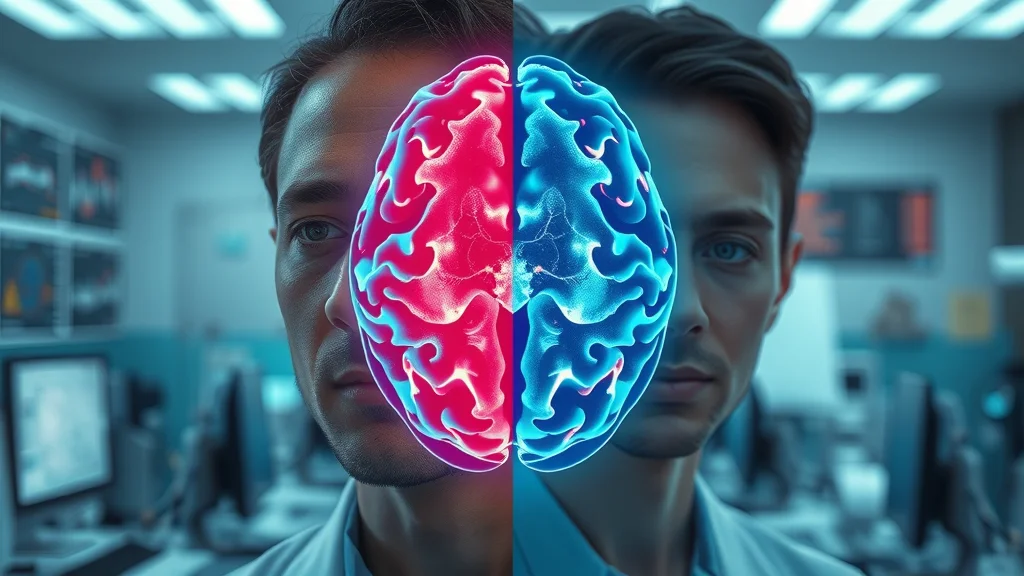
From a scientific perspective, both hypnosis and meditation induce measurable alterations in brain activity, although the patterns are not identical. During a hypnotic trance, electroencephalogram (EEG) studies show increased theta brainwaves—indicative of focused attention and suggestibility—alongside reduced conscious processing. In comparison, guided meditation also results in increased theta and alpha waves but maintains a greater level of conscious awareness and cognitive engagement associated with being mindful of the present moment.
The key difference in neurological terms lies in the intent and depth of the state achieved. Hypnosis is distinguished by a combination of deep relaxation, suggestibility, and detachment from critical self-awareness that allows participants to act on hypnotic suggestions. Guided meditation, however, fosters a meditative state where the mind observes thoughts non-judgmentally and achieves a state of calm without relinquishing awareness. As neuroscientists note, “Brain scans show unique patterns for meditation and hypnosis, supporting their distinctiveness. ” This scientific evidence underscores why each practice is uniquely suited for certain therapeutic or personal growth applications.
“Brain scans show unique patterns for meditation and hypnosis, supporting their distinctiveness.”
Practical Techniques Compared: Hypnosis and Meditation Guidance
How a Hypnosis Session Typically Proceeds
- Structure and phases of hypnosis
- Role of self-hypnosis
A typical hypnosis session unfolds in a structured way: First, the client is guided into a state of deep relaxation, often using progressive muscle relaxation or focused breathing. Next, the therapist employs techniques to focus attention and induce a hypnotic state, which may include visualization, countdowns, or verbal cues. Once in this state, the client becomes more open to hypnotic suggestions—targeted messages or affirmations aligned with their specific goal, such as quitting smoking, pain management, or phobia reversal. The session concludes with a gentle return to full alertness, often leaving the individual with increased mental clarity and calm.
Self-hypnosis draws upon the same principles, allowing individuals to enter a hypnotic trance without a therapist’s guidance. Self-hypnosis is commonly supported by recorded hypnosis scripts or self-help audio, and can be a powerful tool for ongoing stress reduction and behavior change. However, successful practice requires an understanding of proper technique and, ideally, initial instruction from a qualified hypnotherapist.
What Happens During Guided Meditations?
- Common steps in guided meditation sessions
- Tools and technology for guided meditations (apps, recordings)
During guided meditation, the structure is generally more flexible but follows a classic pattern: With eyes closed and body relaxed, participants listen to a guide (either live or recorded) who provides cues to direct awareness. This could range from focusing on the breath or body sensations, to visualizing peaceful scenes, or repeating positive affirmations. Unlike hypnosis, there is little to no emphasis on suggestibility; instead, the focus is on cultivating a meditative state—relaxed, aware, and present.
Modern technology has made guided meditations more accessible than ever, with countless apps, YouTube videos, and podcasts offering sessions tailored to mood, time constraints, or specific intentions (such as topics for sleep, chronic pain relief, or anxiety attacks). This democratization allows people to integrate meditation and hypnosis-like states into their daily routines, improving heart rate, lowering blood pressure, and supporting overall mental health with just a few minutes of dedicated attention.
For readers interested in a deeper dive into the nuanced distinctions and practical applications of these two approaches, you may find it helpful to explore a comprehensive comparison in this detailed guide on hypnosis vs meditation, which further clarifies how each method can support your personal wellness journey.
Hypnotherapy and Meditation: Goals and Expected Outcomes
What Results Can Hypnosis Achieve?
- Common therapeutic goals for hypnosis vs guided meditation
Hypnosis is often employed in clinical settings to achieve specific therapeutic outcomes. It is widely used to break negative habits (like smoking), manage chronic pain, reduce anxiety, address insomnia, and even aid in weight management. The effectiveness of hypnosis lies in its ability to help individuals bypass mental barriers and internal resistance, making it an ideal tool for those seeking rapid or targeted change. Clinical studies back up its suitability for certain mental health conditions and specific goal achievement. Outcomes underpin the value of hypnotherapy and meditation as complementary solutions, though hypnosis is typically applied to more acute therapeutic needs than guided meditations.
Guided hypnosis sessions are especially powerful when administered by a trained professional, but recorded hypnosis can also yield benefits when practiced regularly and safely. It’s essential to understand, however, that the value of hypnosis largely depends on readiness for change, the expertise of the practitioner, and the presence of clear, achievable goals.
What Results to Expect from Guided Meditation?
- Wellness, mindfulness, and stress reduction as primary targets
Guided meditation is best known for supporting mental health in a holistic, ongoing way. Research shows that regular use of guided meditations enhances emotional resilience, supports stress reduction, and builds mindfulness skills that translate into better focus, emotional balance, and overall life satisfaction. Unlike hypnosis, guided meditation is less focused on changing specific habits and more about fostering a general sense of well-being, enhancing the meditative state, and reducing day-to-day anxiety and tension. For those seeking to build a mindfulness or wellness practice, or to better manage stress and intrusive thoughts, guided meditation offers a gentle, non-invasive approach with science-backed benefits.
For many, guided meditation sessions become a lifestyle anchor—a way to regroup, reconnect with the present moment, and create a sense of inner stability. While the effects tend to accumulate gradually, the practice is largely free of side effects and accessible to people of most ages and backgrounds.

List: Common Myths About Hypnosis and Meditation
- Myth: Hypnosis can make you do things against your will
- Myth: Guided meditation is only spiritual
- Myth: All hypnotherapies are the same
- Myth: You can get ‘stuck’ in meditation
Table: Major Differences Between Hypnosis and Guided Meditation
| Aspect | Hypnosis | Guided Meditation |
|---|---|---|
| Definition | Focused state of suggestion | Relaxation and awareness with guidance |
| Technique | Often therapist-led or self-induced | Typically audio or video guided |
| Applications | Behavior change, therapy | Stress relief, mindfulness |
| Brain State | Altered suggestible | Relaxed, aware, mindful |
| Risks | May not suit all personalities | Few, mostly safe |
Guided Meditation vs Self-Hypnosis: Are They Interchangeable?
Differences Between Hypnosis and Guided Meditation in Practice
- Level of conscious involvement
- Therapeutic versus spiritual objectives
Despite overlapping practices—like deep relaxation, and use of audio cues—guided meditation and self-hypnosis diverge significantly in how the mind engages. Self-hypnosis intentionally directs focus toward suggestibility and bypasses conscious resistance, while guided meditation invites mindful awareness and acceptance of the present moment. In self-hypnosis, outcomes typically focus on a specific goal—behavior modification, habit change, or symptom relief. By contrast, guided meditation aims to enhance mindfulness, build resilience, and reduce baseline stress without overt behavioral programming.
A key difference, then, lies in depth and involvement: guided meditation requires ongoing engagement with one’s experience, whereas self-hypnosis asks the mind to temporarily suspend disbelief and accept suggestions as true. For some, this distinction means hypnosis and meditation are best used together—overlapping yet complementary, with each practice amplifying the benefits of the other.

Opinion: Which is More Effective—Hypnosis or Guided Meditation?
“In my experience, hypnosis accelerates habit change, while guided meditation fosters resilience.”
- When should you choose hypnosis over meditation?
- Personal insights on effectiveness and limitations
Which is better: hypnosis or guided meditation? The honest answer depends on your unique needs and preferences. If your primary aim is to rapidly transform behaviors or deeply ingrained patterns (such as quitting smoking, confronting phobias, or managing chronic pain), hypnotherapy may provide a faster and more targeted solution. Its focused attention and potent use of suggestion offer a direct route to change, especially for those resistant to talk therapy or conscious effort alone.
However, if your goals relate to ongoing stress management, cultivating mindfulness, or enhancing mental health in a holistic sense, guided meditations may better suit your needs. They nurture the present moment, calm the mind, and gently reduce heart rate and blood pressure without requiring surrender to suggestion. Personally, I believe in harnessing both: hypnosis for breakthrough moments and guided meditation for daily support, with each practice amplifying the other’s benefits in a well-rounded routine.
When Not to Use Hypnosis or Guided Meditation
- Contraindications for hypnosis: Hypnosis should be avoided by those with certain psychiatric disorders, like psychosis or uncontrolled epilepsy, or without proper professional supervision.
- When guided meditation may not be advised: In rare cases, people with a history of trauma or dissociative disorders may find deep meditative states triggering. It's best to consult a mental health professional if you have concerns.
Imagine a split-screen explainer: On one side, a therapist leads a hypnosis session, helping a client enter a hypnotic trance for behavior change. On the other, an instructor guides a group through a gentle meditation, focusing on breath and mindfulness. Brainwave graphics pop up to illustrate the different states. Both scenes feature comfortable, modern spaces and a sense of relaxed, engaged attention—underscoring that while the process may look similar, the intent, depth, and outcomes are distinct.
In a series of brief testimonial clips, real participants describe their journeys. One shares how hypnosis unlocked surprising willpower for healthier habits, while another credits guided meditations with helping manage anxiety and rediscover joy in the present moment. Unscripted and honest, these stories underline the practical value and personal resonance of each approach—for different people, at different times.
People Also Ask: Addressing Common Questions
What is better, hypnosis or meditation?
- The answer depends on your individual needs and preferences. Hypnosis is especially effective for targeted behavior change, rapid habit adjustment, and addressing issues like chronic pain or phobias. Guided meditation, meanwhile, excels at ongoing stress reduction, cultivating mindfulness, and supporting broad mental health. Research indicates both techniques are valuable—choose based on your specific goal and comfort with each modality.
Who should not be hypnotised?
- Certain groups should avoid hypnosis—most notably, individuals with psychosis, severe personality disorders, or uncontrolled seizures, due to potential adverse reactions. Children and people with suggestibility concerns should only attempt hypnosis under careful professional guidance.
Can sleep hypnosis help with sleep apnea?
- While sleep hypnosis may help with insomnia and general sleep quality, there is limited evidence to suggest it treats sleep apnea directly. Sleep apnea is a medical condition best managed with specialized interventions. Always consult a healthcare professional before using hypnosis for serious sleep disorders.
What are the four types of hypnosis?
- The main types of hypnosis are:
- Traditional Hypnosis: Uses direct suggestion and commands.
- Ericksonian Hypnosis: Utilizes stories, metaphors, and indirect suggestion.
- Cognitive-Behavioral Hypnosis: Combines hypnosis with CBT techniques.
- Self-Hypnosis: Individual self-induces a hypnotic state for personal goals.
Frequently Asked Questions on Hypnosis vs Guided Meditation
- Can you combine hypnosis and meditation for better results? Yes, many practitioners advocate blending the two. Initiating with meditation for deep relaxation can make subsequent hypnosis suggestions more effective, allowing for both present-moment awareness and lasting change.
- Is guided imagery different from guided meditation? Guided imagery is a type of guided meditation focused specifically on visualization for relaxation, goal achievement, or healing. All guided imagery is meditation, but not all guided meditations use imagery.
- How long do results from hypnosis last compared to meditation? Hypnosis can produce rapid change in a short time, though lasting results depend on reinforcement and readiness. Guided meditation builds gradual, sustained benefits through regular practice—think rapid reset versus ongoing maintenance.
Key Takeaways: Hypnosis vs Guided Meditation
- Hypnosis and guided meditation are distinct but can be complementary self-care tools
- Your choice depends on personal goals, preferences, and comfort with each technique
- Professional guidance helps maximize benefits and safety for both approaches

Ready to Begin Your Journey? Explore Professional Hypnosis and Guided Meditation Resources Today
Whether you’re new to these practices or looking to deepen your routine, connect with a certified hypnotherapist or seek out top-rated guided meditation apps to experience the profound benefits for yourself.
If you’re eager to expand your understanding and discover even more about how hypnosis and meditation can shape your well-being, consider exploring broader perspectives and advanced strategies. The article Hypnosis vs Meditation: What’s the Difference? offers a strategic overview that goes beyond the basics, helping you identify which approach aligns best with your personal growth goals. By delving into expert insights and practical tips, you’ll be empowered to make informed choices and unlock the full potential of these transformative practices. Take the next step in your journey and see how integrating both hypnosis and meditation can elevate your self-care routine to new heights.




Write A Comment