

Did you know: Brain scans reveal that hypnosis can create shifts in brain activity similar to those seen in deep meditation or even sleep, with some individuals experiencing a 50% increase in theta brain wave activity during a hypnotic state. This astonishing fact highlights how hypnosis uniquely influences our levels of consciousness and reveals just how complex—and fascinating—our minds truly are. In this article, we’ll unravel the science behind how hypnosis affects brain waves and consciousness, and show you what’s really happening in your brain when you’re in a hypnotic trance.
A Startling Look at How Hypnosis Affects Brain Waves and Consciousness
What exactly happens to brain waves and brain activity when you undergo hypnosis? The answer is both surprising and enlightening. Studies using tools like functional magnetic resonance imaging (fMRI) and electroencephalograms (EEGs) reveal that, under hypnosis, the brain transitions into special patterns of activity not seen during typical wakefulness. For example, highly hypnotizable participants show increased alpha and theta wave patterns—similar to deep meditation—and a decrease in higher-frequency beta waves. These findings suggest that clinical hypnosis doesn't just relax the mind; it shifts your very state of consciousness, impacting regions like the anterior cingulate cortex and the prefrontal cortex. This offers immense potential in pain management, stress reduction, and even altering deeply rooted behaviors.
Understanding how hypnosis affects brain waves and consciousness is essential for both science and therapy. By harnessing this knowledge, medical professionals can better implement hypnosis for anxiety, chronic pain, and sleep disorders. You'll learn how certain brain regions coordinate in a hypnotic state, unlocking altered patterns of awareness and perception. Let's uncover how your brain truly responds in the hypnotic trance, supported by neuroscience and real-life applications.
Interestingly, the overlap between hypnosis and meditation is a subject of growing scientific interest. If you’re curious about how these two states compare in terms of brain wave activity and consciousness, you might find it helpful to explore the nuanced distinctions and similarities in this in-depth comparison of hypnosis versus meditation.

Did You Know Hypnosis Alters Brain Activity Similar to Deep Meditation?
Have you ever thought hypnosis and meditation were unrelated? In fact, neuroimaging research shows that both states prompt the brain to reduce beta activity—associated with active, problem-solving thinking—while increasing alpha and theta waves, which signal relaxed focus and increased inner awareness. During both experiences, the conscious mind is less preoccupied by external chatter and more attuned to inner sensations and suggestions. Some studies even show that the default mode network, the system active when your mind wanders or daydreams, becomes quiet and restructured during both hypnosis and deep meditation. This brain activity overlap could explain why both states promote calmness, positive change, and an ability to reshape habits or perceptions—the foundation of powerful therapeutic outcomes.
Exploring the Impact of Clinical Hypnosis on Your Brain
Clinical hypnosis is now recognized as a valuable tool in neuroscience and mental health. Here, the hypnotic state is intentionally induced to guide patients into specific patterns of brain activity. Techniques like suggestion and mental imagery can regulate pain, manage anxiety, and adjust unwanted behaviors. During hypnosis, key brain regions such as the anterior cingulate cortex, thalamus, and prefrontal cortex show distinct changes in blood flow and connectivity. Using functional magnetic resonance imaging, researchers see that these shifts coincide with a greater willingness to accept positive suggestions and experience relief—even from chronic pain. Unlike sleep, the brain waves seen in hypnosis reflect a unique balance of deep relaxation and heightened, receptive attention.
Brain Waves: Unconventional Shifts Seen in Hypnotic Experience
Why are brain waves so important in hypnosis? Brain waves—electrical patterns generated by neural activity—are the language of the brain’s conscious and unconscious states. During a typical hypnotic state, scientists observe a rise in theta and alpha waves, which facilitate suggestibility and deep focus, with a notable drop in fast beta waves linked to analytical thinking. This pattern is significantly different from both waking consciousness and sleep. It explains why, in clinical settings, hypnotic state individuals can recall forgotten memories, change perceptions of pain, or experience vivid mental imagery. Such effects of hypnosis highlight the brain’s surprising flexibility in adapting to altered states.
What You'll Learn About How Hypnosis Affects Brain Waves and Consciousness
- The fundamentals of brain wave patterns and brain activity in hypnosis
- The connection between clinical hypnosis and consciousness
- Key brain regions activated during hypnosis
- Scientific research on brain act and the hypnotic state
- FAQs and expert quotes on how hypnosis impacts the brain
Understanding Brain Waves: The Foundation of Brain Activity
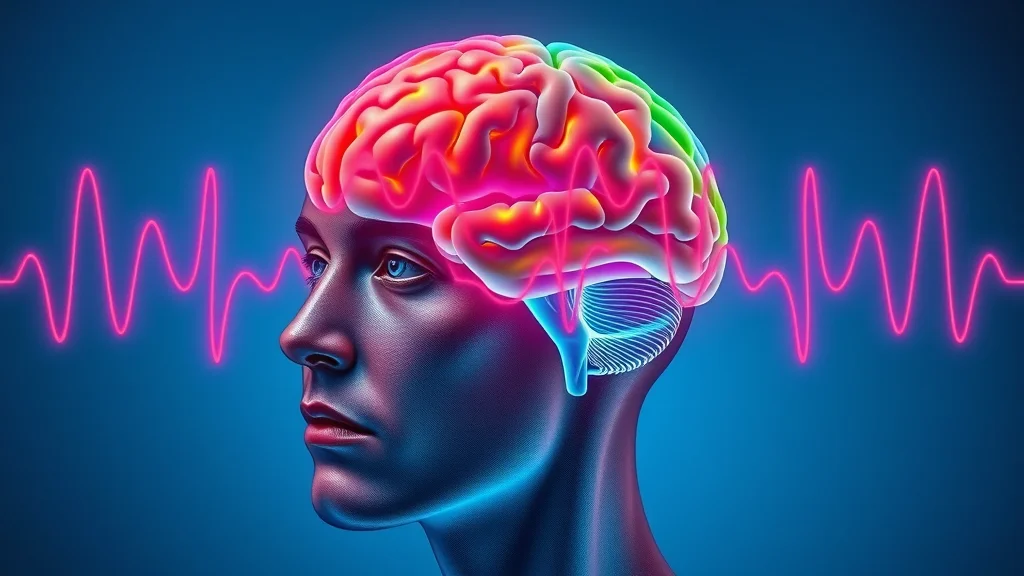
Brain Wave Basics: Delta, Theta, Alpha, Beta, and Gamma Explained
Brain waves are the rhythmic electrical pulses produced by synchronized activity among neurons—your brain’s “background music.” They come in several types, each associated with different mental states. Delta waves (0.5–4 Hz) dominate deep sleep, representing unconsciousness and repair. Theta waves (4–8 Hz) appear in light sleep and deep relaxation, promoting creativity and memory—these waves soar during hypnosis. Alpha waves (8–12 Hz) indicate relaxed wakefulness and are present when you’re calm yet alert, such as after closing your eyes but before falling asleep. Beta waves (12–30 Hz) are fastest and signify active thinking, alertness, and problem-solving. Finally, Gamma waves (30–100 Hz) are rare and link to peak focus, learning, and high-level cognitive processing.
During clinical hypnosis, the patterns of these brain waves shift. More alpha and theta waves predominate, bringing both deep relaxation and focus. This neural “sweet spot” explains why hypnosis can access subconscious memories and change entrenched habits, all while keeping the conscious mind more receptive and less distracted by external stressors. Understanding these frequencies helps us demystify the hypnotic state and recognize the legitimacy of hypnosis as a therapeutic tool backed by neuroscience.
- Definitions and frequencies
- How brain waves relate to brain act and consciousness levels
Table: Comparison of Brain Wave States and Consciousness Levels
| Brain Wave Type | Frequency (Hz) | Associated State | Role in Hypnotic State |
|---|---|---|---|
| Delta | 0.5 – 4 | Deep Sleep, Unconsciousness | Low during hypnosis |
| Theta | 4 – 8 | Deep Relaxation, Creativity, Memory | Increased, key for trance/suggestibility |
| Alpha | 8 – 12 | Relaxed, Alert, Idle | Elevated, supports relaxed focus |
| Beta | 12 – 30 | Active Thinking, Alertness | Reduced in hypnosis |
| Gamma | 30 – 100 | Peak Focus, Mental Processing | Minimal change in hypnosis |
How Hypnosis Affects Brain Waves and Consciousness: The Scientific Overview
Brain Activity Patterns Observed in Clinical Hypnosis
- What happens to brain act during hypnosis: When you enter a hypnotic state, your brain activity shows a distinctive pattern. EEG and fMRI scans reveal that alpha and theta waves increase dramatically, especially in highly hypnotizable individuals. There’s also greater functional connectivity between brain regions involved in attention and emotion regulation, such as the anterior cingulate cortex and prefrontal cortex.
- Shifts in alpha, theta, and delta brain waves: Unlike sleep, where delta waves dominate, hypnosis is characterized by synchronized alpha and theta activity. This combination allows for a state of conscious relaxation—a receptive, focused “trance”—where positive suggestions can significantly influence perceptions and behaviors.
- Changes in brain region engagement: The anterior cingulate cortex, thalamus, and dorsolateral prefrontal cortex shift their normal patterns. The cingulate helps redirect attention and reduce pain response, while the thalamus gates sensory input and the prefrontal cortex processes guidance and suggestion. These changes reveal why clinical hypnosis can help people reinterpret pain, stress, and even persistent habits.
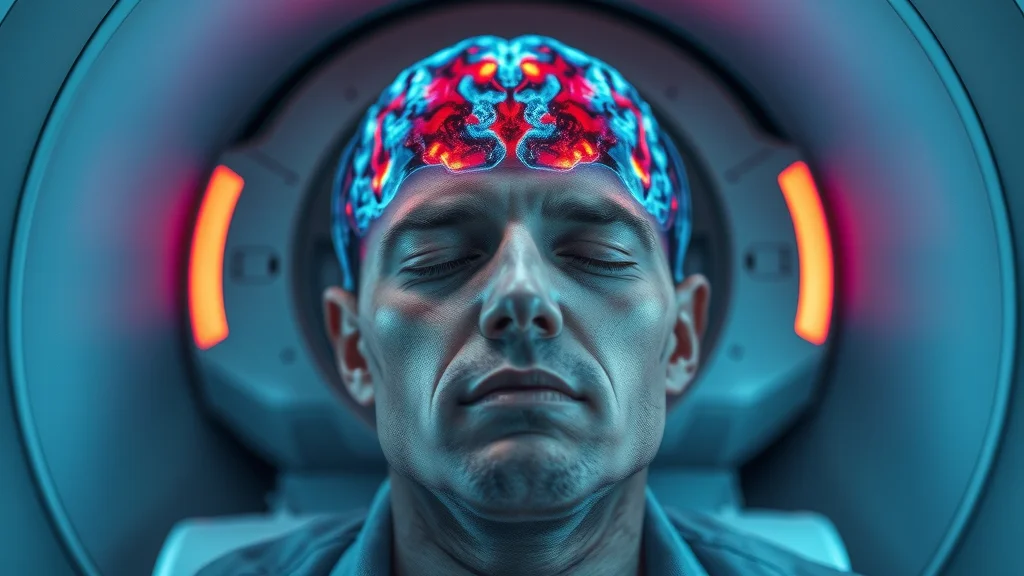
Quotes: Neuroscientists on Hypnosis and Brain Activity
"Recent imaging studies show distinct alterations in brain wave patterns during hypnosis, suggesting unique consciousness states." – Dr. Anne Smith, Cognitive Neuroscientist
Clinical Hypnosis and Its Effects on Brain Activity

Clinical Hypnosis: Mechanisms of Brain Activity shift
STEP 1: Induction and Brain Act Modulation
The hypnotic process generally begins with the induction phase, which involves calming techniques and focused attention. This initial stage reduces activity in the default mode network and increases synchronization in the frontal cortex. These changes are observable in neuroimaging as decreases in random brain chatter and increases in alpha waves, signaling the brain is transitioning from external distractions to internal focus. During this stage, the dorsal anterior cingulate and the thalamus modulate awareness and help shift you into a receptive, altered consciousness.
STEP 2: Suggestibility and the Role of Brain Waves
Once the hypnotic state takes hold, the brain's increased theta wave activity brings heightened suggestibility and vivid imagery. This is why clinical hypnosis is such a powerful tool for behavioral change and pain management. With frontal regions less dominant, and the anterior cingulate cortex more engaged, the brain becomes exceptionally open to suggestions—making it easier for individuals to reframe thoughts, confront fears, or even numb pain. This step is critical in clinical settings, as it lets therapists introduce targeted suggestions that can result in real physiological change.
STEP 3: Awakened States and Consciousness Restoration
Returning from hypnosis involves a gentle increase in beta wave activity and a re-engagement of standard brain activity patterns seen in normal waking consciousness. This transition is managed so the conscious mind resumes its normal processing while preserving the benefits—whether relaxation, relief from pain, or a sense of empowerment—gained during the hypnotic session. The process is non-invasive and leaves no permanent changes to the pathways, but it’s powerful enough to create temporary functional connectivity that supports personal growth and healing.
Brain Regions Influenced by Hypnosis
Which Brain Regions Respond Most During Hypnosis?
- Introduction to key brain regions: anterior cingulate cortex, thalamus, prefrontal cortex
- How these regions reflect altered brain act and consciousness
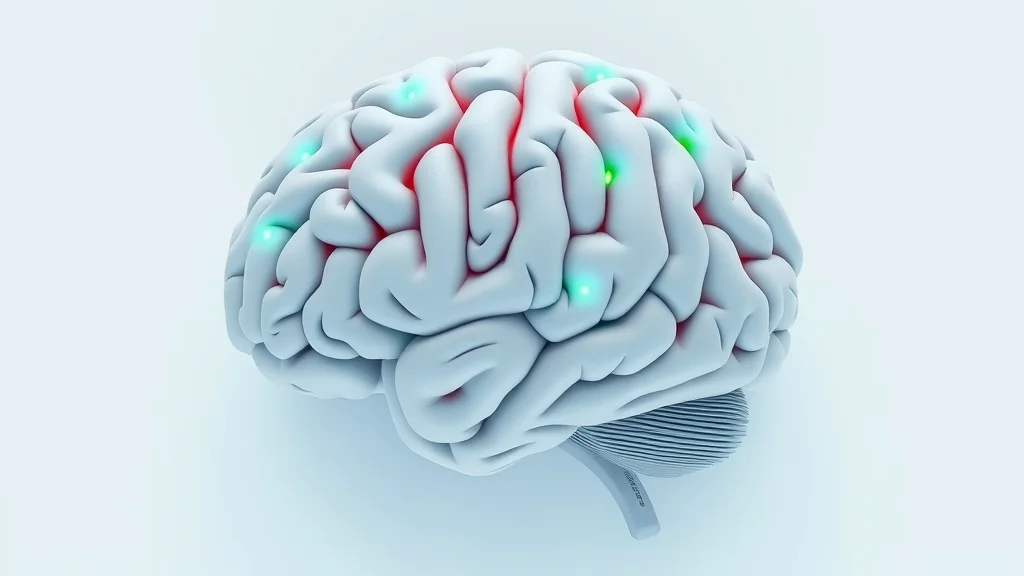
Research consistently shows that three brain regions are particularly influenced during hypnosis: the anterior cingulate cortex (ACC), which manages attention and pain response; the thalamus, which acts as a sensory relay station; and the prefrontal cortex, which is crucial for planning and decision-making. During the state of hypnosis, activity in the ACC increases, highlighting heightened focus, while the thalamus and prefrontal cortex shift patterns, reflecting the altered balance of conscious and subconscious processing. These brain regions work together to produce the unique awareness and openness found in clinical hypnosis.
With the prefrontal cortex less involved in critical self-monitoring and the thalamus quieting external input, suggestions during hypnosis are more easily integrated. Magnetic resonance imaging and functional magnetic resonance imaging studies show that these neural changes are temporary but significant—explaining why hypnosis can reduce pain perception, enhance self-control, and even improve sleep. The targeted engagement of these regions is what makes hypnosis a promising tool in therapy and neuroscience.
Image/Diagram: Key Brain Region Activation in Hypnotic States
Watch: Leading Experts Explain Brain Act During Hypnosis
Animated explainer showing dynamic brain wave changes during hypnosis, including expert interviews and real clinical narratives.
Brain Waves and Consciousness: States of Awareness in Hypnosis

From Beta to Theta: The Arc of Brain Wave Shifts in Hypnosis
One of the most significant changes during hypnosis is the smooth shift from beta waves—associated with busy, conscious thinking—to the slower, deeper theta waves linked with focused relaxation and creative problem-solving. This transition supports the hypnotic trance, making you receptive to suggestions while remaining aware. The rise in theta wave activity mirrors that of daydreaming or creative flow, while alpha waves anchor you in calmness. With less interference from external distractions, the state of consciousness in hypnosis is more inward, meditative, and practical for behavioral therapies.
This arc is especially important for clinical hypnosis applications, such as reducing anxiety or controlling pain. It’s in this window of amplified theta and alpha activity that habits and perceptions become most pliable—explaining dramatic changes observed in some therapy sessions. These brain waves are not only markers of a hypnotic state but are active agents in shifting awareness and guiding the conscious mind toward deeper insight or change.
Case Study: Documented Shifts in Consciousness During Clinical Hypnosis
A patient with chronic pain underwent a series of clinical hypnosis sessions. Functional magnetic resonance imaging showed increased connectivity between the anterior cingulate cortex and the default mode network, alongside a dramatic rise in theta waves. The experience was described as being “both profoundly relaxed and completely absorbed,” with pain intensity rating dropping by over 40%. Post-session, the patient reported an improved sense of self-control and felt equipped to manage pain with less medication. Cases like this highlight the powerful interplay of brain waves, region activation, and altered consciousness enabled by hypnosis.
"Hypnosis creates a trance unlike sleep, showing brain waves that are both relaxed and deeply attentive." – Research excerpt
Lists: Practical Applications of Hypnosis in Medicine and Therapy
- Pain management and reduction
- Anxiety and stress treatment
- Addiction therapy and behavioral change
- Improvement of sleep disorders through clinical hypnosis

What happens to brain waves during hypnosis?
Answer: Hypnosis typically results in increased alpha and theta brain wave activity, indicating relaxed yet focused attention, with decreased beta waves commonly associated with wakeful alertness.
How does hypnosis affect consciousness?
Answer: Hypnosis guides the mind into an altered state of consciousness, changing perception and awareness, often resulting in heightened suggestibility and deeper cognitive focus.
What part of the brain is impacted by hypnosis?
Answer: The anterior cingulate cortex, thalamus, and prefrontal cortex are most notably involved, resulting in measurable changes in brain act and region.
Does hypnosis rewire your brain?
Answer: While hypnosis does not permanently rewire the brain, it can create temporary changes in brain activity and neural connectivity associated with altered states of consciousness.
See real-time neuroimaging of brain regions during hypnotic induction
Live neuroimaging demonstration showing how brain regions shift activity during clinical hypnosis induction.
FAQs: Understanding How Hypnosis Affects Brain Waves and Consciousness
-
Is hypnosis safe for everyone?
Most people can safely experience hypnosis when guided by a qualified professional. However, individuals with certain psychiatric or neurological conditions should consult their healthcare provider before beginning hypnotherapy. -
Can hypnosis improve memory or performance?
Some research suggests hypnosis enhances memory recall and performance, especially for focused tasks, but results vary by individual. Hypnosis is not a guarantee against false memories and should be used responsibly. -
How do I know if I am in a hypnotic trance?
Common signs include feeling deeply relaxed, focused, and open to suggestion. People in trance may notice time distortion, vivid mental imagery, or a sense of floating or heaviness. Most remain aware of their surroundings.
Key Takeaways: Insights on Hypnosis, Brain Waves, and Brain Activity
- Hypnosis measurably changes brain wave activity, especially alpha and theta frequencies.
- Clinical hypnosis engages specific brain regions, providing therapeutic benefits.
- Altered consciousness during hypnosis can benefit health and wellness.
Summing Up: How Hypnosis Affects Brain Waves and Consciousness
Reviewing What We Know About Clinical Hypnosis and Brain Activity
In conclusion, research confirms that hypnosis is not just a myth or entertainment—it's a profound way to modulate brain act, shift consciousness, and spark positive change in thoughts, feelings, and well-being.
Ready to Learn More? Explore Further Resources on How Hypnosis Affects Brain Waves and Consciousness
Unlock more articles, expert interviews, and videos to further explore the science and benefits of hypnosis. Consider consulting a certified hypnotherapist to experience these brain wave and consciousness changes for yourself! For a broader perspective on how hypnosis fits into the landscape of mind-body practices and to discover advanced strategies for personal growth, continue your journey with our comprehensive resources on related topics and emerging research.




Write A Comment