

Did you know more than 75% of individuals now encounter digital interventions somewhere along their mental health journey? Technology is no longer just a tool—it's a transformative force, radically changing how we understand, deliver, and experience hypnosis for mental health. From artificial intelligence personalizing suggestions, to immersive virtual reality (VR) therapy, the landscape for treating anxiety, chronic pain, and other mental health needs looks dramatically different than just a few years ago. In this detailed exploration, we uncover how technology is shaping hypnosis, separating fact from hype, and providing a roadmap for anyone curious about the future of mental health care.
An Unconventional Path: The Surprising Impact of Technology on Hypnosis and Mental Health
"More than 75% of individuals now encounter digital interventions in some part of their mental health journey—technology is not just a tool but a transformative force."
Historically, hypnosis conjured images of softly-lit therapist offices and gentle voice cues tailored for deep relaxation or behavior change. Today, the scenario is a world apart: people connect with hypnosis apps from their living rooms, AI systems analyze their feedback in real-time, and virtual reality whisks them into custom-built calming environments. How technology is shaping hypnosis is not just a technical question but a central inquiry for modern mental health.
The impact on mental health care is far-reaching. Digital hypnosis platforms promise greater accessibility, often reducing costs and travel for clients. For conditions like chronic pain management, anxiety, and addiction, cutting-edge digital tools offer new hope, drawing on insights from brain imaging and artificial intelligence. Yet, these advancements also bring up new ethical considerations: Does the shift toward AI and VR risk replacing the nuanced touch of human intelligence in therapy? As we investigate these questions, it's clear that technology’s integration into hypnosis is both a revolution and a responsibility for health care professionals and users alike.

What You'll Learn About How Technology Is Shaping Hypnosis
The role of AI, virtual reality, and mobile apps in modern hypnosis
Latest research and scientific evidence supporting digital hypnosis
Ethical considerations and future challenges in health care technology
Expert and user perspectives on mental health and digital therapies
Overview: How Technology Is Shaping Hypnosis in Mental Health Settings
Defining Hypnosis and Its Traditional Uses for Mental Health
To understand how technology is shaping hypnosis, it's crucial to begin with what hypnosis involves. Hypnosis is a guided process often facilitated by a trained practitioner to gently shift the human mind into a focused, relaxed state, making it receptive to therapeutic suggestions. Traditionally, hypnosis has been used to address issues ranging from chronic pain management and anxiety to phobias and unhealthy habits. The classic setting—a private session with a mental health professional—would often involve spoken cues, relaxation techniques, and careful monitoring of a client’s heart rate and cognitive responses.
Early breakthroughs in brain imaging, such as studies focusing on the anterior cingulate cortex, prefrontal cortex, and dorsal anterior cingulate regions of the brain, have shown that highly hypnotizable people exhibit unique activity in these areas during trance states. This “rewiring” allows individuals to better manage pain and stress, and has drawn health care researchers to explore the mechanisms behind successful hypnosis. But traditional methods typically require human intelligence and an understanding of the subtle cues that lead to positive outcomes—a challenge now confronted head-on as technology continues to innovate.
As technology continues to transform mental health practices, it's also worth considering how hypnosis compares to other mind-body techniques. For those interested in understanding the distinctions and overlaps, exploring the key differences between hypnosis and meditation can provide valuable context for how these approaches fit into the broader landscape of digital wellness.
The Emergence of Technology in Health Care and Virtual Reality Therapies
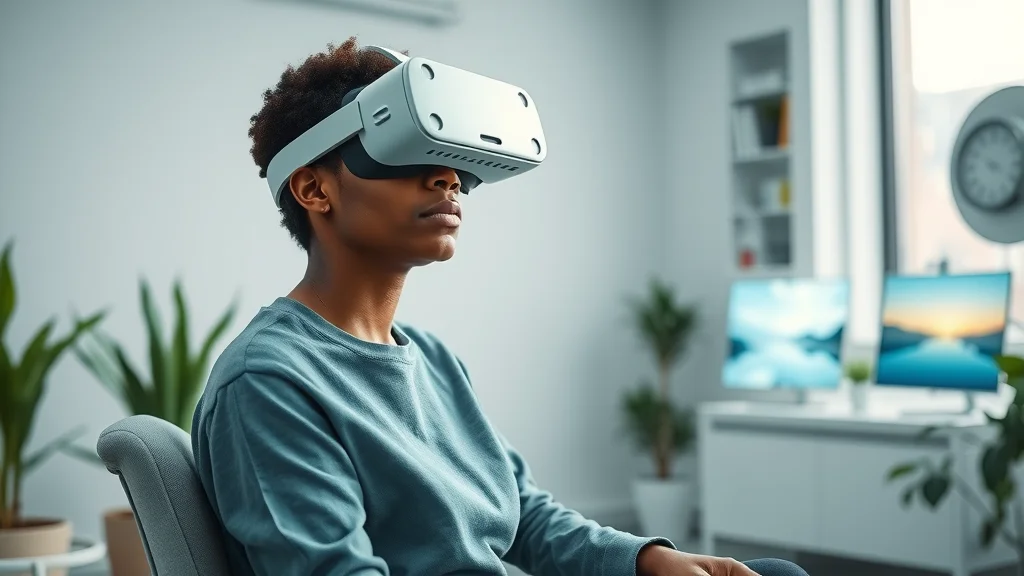
Over the last decade, the health care sector has witnessed dramatic technological shifts. Virtual reality (VR) therapy, for example, leverages simulated environments to immerse users in stress-reducing or exposure-based scenarios that can enhance traditional psychological interventions. VR is increasingly used in clinical settings, offering a controlled method to induce hypnotic-like states—sometimes even outperforming standard hypnosis for specific mental health and chronic pain applications.
The rise of digital delivery means that hypnosis is no longer bound by geography or clinic hours. Mobile apps and web platforms bring these interventions into users' homes, while artificial intelligence—including advanced ai systems that interpret user data—enables more personalized care in real time. This technological fusion raises opportunities for more precise treatment plans but also adds urgency to the discussion around privacy, ethical considerations, and the ongoing need for professional oversight.
Scientific Evidence: Is There Proof That Hypnosis Works?
Research and Success Rates in Hypnosis
A critical question for both health care professionals and users is whether hypnosis truly works—especially when delivered through technological means. In recent years, a growing number of peer-reviewed studies have affirmed the efficacy of hypnotic interventions. For example, randomized controlled trials have demonstrated that digital hypnosis and VR hypnosis platforms can reduce anxiety, manage chronic pain, and diminish addictive behaviors with success rates comparable to or exceeding those of in-person hypnosis for certain populations.
"A growing number of peer-reviewed studies affirm the efficacy of hypnotic interventions for anxiety, pain, and addiction."
Advanced brain imaging tools such as functional MRI have revealed significant increases in functional connectivity between the prefrontal cortex and the anterior cingulate cortex—regions involved in attention and pain regulation—among individuals undergoing hypnosis. Highly hypnotizable people often achieve better, longer-lasting results. Still, most experts agree that successful intervention—particularly for issues like chronic pain or anxiety—depends on both the delivery method and the individual’s unique profile. As technology continues to evolve, these insights offer hope for greater precision in digital treatment plans for mental health.
Comparing Traditional and Technology-Driven Hypnotherapy Outcomes
Comparing the results of classic, face-to-face hypnosis to those achieved with tech-enabled platforms is critical for charting the path forward. Traditional hypnosis relies on human intelligence: recognizing subtle body language, adjusting tone, and customizing language in real time. On the other hand, digital platforms use AI systems to adapt scripts, monitor progress, and nudge users at optimal moments for maximum impact. Both have their merits—what matters most is the alignment between user needs, the chosen delivery method, and a clear treatment plan.
Interestingly, meta-analyses of several technology-based hypnosis programs report outcomes nearly as positive as those found in clinical settings, especially when users are guided by an app or virtual avatar designed with up-to-date psychological principles. Yet, digital formats face limits—they typically require human oversight in tricky cases and may lack the deep nuance of personal interaction that certain mental health challenges demand.
Table: Comparing Traditional Hypnosis vs. Tech-Enabled Hypnosis for Mental Health Outcomes |
||
Aspect |
Traditional Hypnosis |
Tech-Enabled Hypnosis (Apps, AI, VR) |
|---|---|---|
Personalization |
High – Real-time practitioner adjustments using human intelligence |
Moderate-High – AI-driven script customization based on user input |
Accessibility |
Requires in-person sessions; limited by geography and availability |
Anytime, anywhere access via apps or VR platforms |
Cost |
Often higher due to professional fees |
Generally more affordable or subscription-based |
Success Rate |
High for motivated, highly hypnotizable individuals |
Comparable for many, but variable due to absence of in-person guidance |
Monitoring |
Therapist tracks shifts in heart rate and nonverbal cues |
AI analyzes input data, but lacks deep real-time nonverbal analysis |
Ethical Oversight |
Direct supervision under regulated environments |
Raises ethical considerations about privacy, data security, and clinical oversight |
How Has Technology Changed Therapy and Hypnosis?
Digital Delivery: Apps and Online Platforms for Hypnosis and Mental Health
Hypnosis has expanded far beyond the therapist's office into the world of digital health care. Apps like Reveri, Mindset Health, and others now serve as pocket therapists, guiding individuals through deeply relaxing sessions or habit-change protocols. These platforms use evidence-based scripts, soothing voiceovers, and interactive progress trackers to help users manage chronic pain, stress, anxiety, and more. Affordability and accessibility are major advantages—digital hypnosis in app form often costs less than a single in-person session, and many offer 24/7 availability.
Affordability and Accessibility of Hypnosis Apps
Teletherapy Integration in Modern Health Care
Teletherapy has rapidly integrated into mainstream health care, especially following the global need for remote services in recent years. Many mental health platforms now offer hypnotic interventions through secure video or audio calls, blending the best of traditional and digital approaches. Yet, even with these advances, experts remind us that the most complex situations typically require human intelligence—especially when mental health needs go beyond what an algorithm can address.
AI Revolution: Can AI Be Used for Hypnosis?
"AI's analytical power personalizes hypnotic scripts for maximum impact—ushering in a new era for mental health care."
Artificial intelligence is perhaps the biggest game-changer in how technology is shaping hypnosis and mental health. Sophisticated AI systems can now analyze user data, past feedback, even biometric inputs like heart rate or breathing patterns to generate highly individualized hypnotic scripts. This “on-demand personalization” gives users tailored suggestions based on their needs—something that required human expertise just a few years ago. AI also enables practitioners to scale their care, reaching more users simultaneously while maintaining a reasonable degree of customization.
However, as powerful as AI is in identifying user trends and optimizing suggestions, it has important limits. It cannot mimic the unique insights of human intelligence or fully replicate the deep trust established in a therapeutic relationship. In high-stakes or sensitive cases, AI-generated hypnotic treatments typically require human supervision to ensure user safety and efficacy. The growing role of AI in health care underscores the need for ongoing dialogue about clinical oversight, responsible development, and robust ethical considerations.

Virtual Reality: The Immersive Future of Hypnotherapy and Mental Health
Virtual reality is swiftly moving from experimental to everyday in mental health care. VR hypnosis sessions place users into fully immersive digital environments—calming beaches, forests, or abstract spaces designed to induce relaxation, relieve stress, and assist with pain management. These platforms integrate biofeedback such as heart rate monitoring to adjust the session in real time, providing a responsive therapeutic experience that rivals traditional hypnosis for many users.
VR Experiences for Stress and Pain Relief
Example: Virtual Reality Guided Hypnosis Sessions in Health Care
For example, NHS clinics in the UK and pioneering health tech startups worldwide are trialing VR-guided hypnosis for conditions ranging from chronic pain to post-traumatic stress disorder. Users don VR headsets, follow guided hypnotherapy scripts, and can often access a library of therapeutic landscapes or scenarios tailored to their needs. The immersive power of VR—combined with ongoing health care monitoring—demonstrates just how dramatically technology is shaping the future of hypnosis and mental health.
User Experiences: The Pros and Cons of Tech-Based Hypnosis for Mental Health
Success Stories: Individuals Who Benefitted from AI and VR Hypnosis
User feedback and case studies are among the strongest indicators of how technology is shaping hypnosis outcomes. Take the story of Emily, a young woman who struggled with anxiety and chronic pain for years. After integrating a VR hypnosis program into her health care regimen, Emily saw measurable reductions in her distress and developed new coping skills, as verified by both heart rate tracking and self-reported wellness scores. Similarly, many users report that AI-powered hypnosis apps offer a level of accessibility and privacy not possible in traditional settings, helping them address mental health issues anytime, anywhere.
These positive stories highlight the enormous potential of technology-enabled solutions for mental health. Many individuals especially appreciate the 24/7 support, affordability, and ability to easily track progress using digital dashboards. For highly hypnotizable people, the new tech-based tools can be just as effective, if not more so, than older modalities—provided the programs are evidence-based and uphold clinical best practices.
Potential Drawbacks: Virtual Reality Discomfort and App Overload
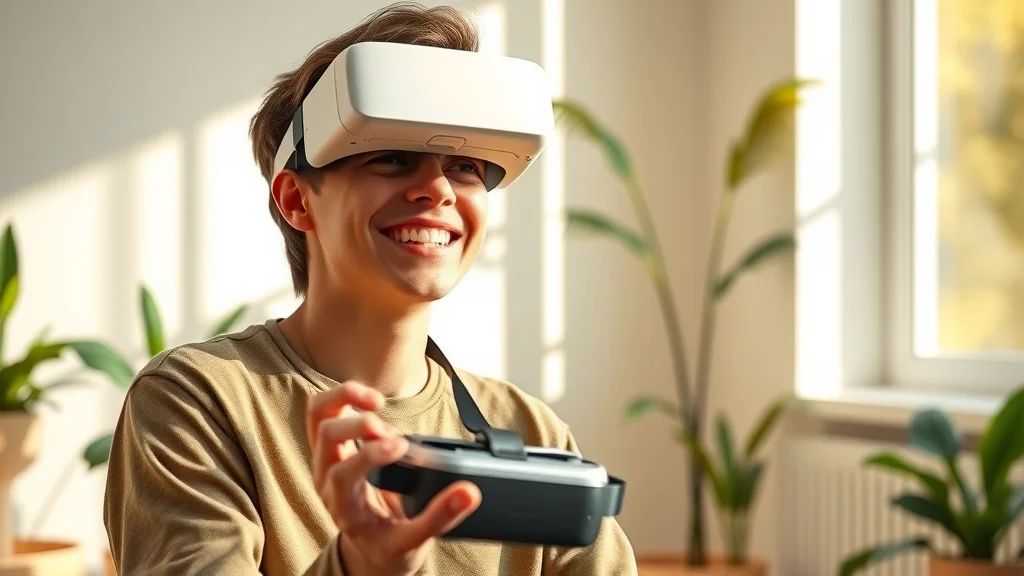
Despite the overwhelming positives, technology-based hypnosis has its drawbacks. Some users report discomfort when using VR—ranging from motion sickness to eye strain, or difficulties focusing in a simulated environment. Others find themselves overwhelmed by the sheer number of hypnosis apps, with ratings and script quality varying dramatically. Issues like data privacy loom large: users wonder how health data is stored, shared, and protected.
Key Pros: Accessibility, Affordability, Personalization in Health Care
Key Cons: Privacy Risks, Tech Dependency, Lack of Deep Personalization
Moreover, a minority of cases may require human intelligence and empathy, which digital tools can only partially provide. Tech dependency is real—those using apps exclusively may miss cues that only a live therapist can spot. Ethical considerations are front and center as technology continues to transform how we understand and deliver mental health care. The next section dives deeper into what experts are saying about this shift.
Expert Perspectives: How Technology Is Shaping Hypnosis in Health Care
"While technology expands mental health access, ensuring clinical oversight in health care is essential for patient safety."
Opinions from Mental Health and Health Care Professionals
Mental health and health care professionals widely agree that digital tools—apps, AI, and VR—are expanding the reach of hypnosis, making it more accessible than ever. Clinical psychologists, psychiatrists, and researchers note that these innovations empower users to manage symptoms and practice self-care at home or on the go. Yet, they consistently warn of the need for robust clinical oversight, especially for cases where deep emotional issues, trauma, or complex diagnoses are present. No matter how advanced AI or VR becomes, treatment plans typically require human intelligence and ethical judgment that only a trained professional can provide.
The consensus: technology should augment—not replace—the valuable relationship between client and therapist. As one expert remarked, “Tech can put powerful tools in people’s hands, but it can’t replace the trust and insight a real human brings to therapy.” Ultimately, combining evidence-based digital interventions with skilled clinical oversight will create the most effective mental health solutions in the future of health care.
Ethical Considerations: Privacy, Bias, and Consent in Tech-Enabled Hypnosis
Data Security and Patient Rights in Health Care
One of the top ethical considerations in how technology is shaping hypnosis is keeping patient data secure. With apps and AI systems collecting sensitive health care information—from name, age, heart rate, and emotional ratings to session transcripts—the challenge is both technical and moral. Secure storage, encrypted transmission, informed consent, and transparency are fundamental rights for anyone engaging in digital health care. Ethical guidelines now require tech developers and practitioners to put patient safety first, regularly auditing systems for vulnerabilities.

Regulators and advocacy groups have begun scrutinizing digital hypnosis platforms to ensure compliance with privacy rules, but users must remain vigilant, reading app privacy policies and understanding what data is collected. Only by prioritizing data security and ethical practice can technology maintain user trust and expand safely across the health care industry.
Bias in AI and Equitable Mental Health Access
AI systems powering hypnosis platforms must be trained on diverse datasets to avoid “algorithmic bias,” which can inadvertently exclude or disadvantage certain groups. Ensuring equitable access is an ongoing challenge in health care technology—programs must serve users from different backgrounds, languages, and levels of technological fluency. Without careful design and monitoring, AI-driven hypnosis could reinforce existing disparities in mental health support.
Proactive companies and clinical teams are beginning to build tools for inclusivity—offering multilingual interfaces, gender-neutral avatars, and regularly updating algorithms to close gaps in care. The lesson is clear: the shift toward AI, apps, and VR in mental health must always be guided by ethical considerations, active oversight, and a focus on human rights and fairness.
Short video clip: Virtual reality hypnotherapy in a modern clinic, with therapists monitoring sessions remotely and users reporting real-time changes in stress and pain management.
Is Hypnotherapy a 93% Success Rate? Debunking the Statistics
Understanding the Origins of the 93% Figure
A frequent online claim is that hypnotherapy boasts a 93% success rate for mental health and behavior change. Upon closer inspection, these statistics often stem from limited studies or anecdotal reports, sometimes decades old. While some highly hypnotizable people do experience dramatic improvements, the actual effectiveness of hypnosis—whether traditional or tech-enabled—depends on individual variation, the type of issue addressed, and broader context such as engagement, trust, and environmental support. Researchers caution against placing blind faith in headline numbers, emphasizing that no therapy, digital or otherwise, works for everyone.
Limitations and Realistic Expectations in Digital Hypnotherapy
Digital hypnotherapy, powered by AI or delivered through VR and apps, can offer strong results for motivated users with clearly defined goals. However, outcome variability remains high across populations. Brain imaging studies confirm that only a subset of individuals—those with particular activation patterns in areas like the anterior cingulate cortex and dorsolateral prefrontal cortex—respond exceptionally well. Others may need more hands-on support or complementary interventions.

Ultimately, digital hypnosis should be embraced as one tool among many in mental health care. Setting realistic expectations, pairing digital tools with clinical expertise, and maintaining openness to ongoing advancements will help each individual find the most effective path forward.
People Also Ask: How Technology Is Shaping Hypnosis
Is there scientific evidence that hypnosis works?
Yes, a growing body of scientific research—including randomized controlled trials and brain imaging studies—supports the efficacy of hypnosis for mental health conditions such as anxiety, chronic pain, and addiction. However, outcomes can vary depending on whether hypnosis is delivered in-person, via app, or through virtual reality. The best results occur with highly hypnotizable people and well-targeted strategies.
How has technology changed therapy?
Technology has dramatically expanded access to mental health support—through apps, teletherapy, and even AI-driven interventions. Digital platforms allow users to connect with skilled therapists or automated, evidence-based programs from anywhere. However, this transformative power also introduces new ethical considerations, especially regarding privacy and ensuring users receive the appropriate level of care for their needs.
Can AI be used for hypnosis?
Absolutely. AI can generate customized hypnotic suggestions and adapt session content based on prior user data and immediate feedback, such as changes in heart rate. However, while AI is powerful for personalization and accessibility, it cannot yet replace the nuanced care and intuition of experienced mental health professionals, particularly for complex emotional issues.
Is hypnotherapy a 93% success rate?
Some sources claim high success rates for hypnotherapy, but a rigorous review of current scientific literature finds that effectiveness is highly context-dependent. Realistic outcomes depend on the user's individual profile, the technology or method used, and the specific condition being treated. Success rates should be interpreted with caution, and expectations should be based on up-to-date evidence.
FAQs About How Technology Is Shaping Hypnosis
What are the best hypnosis apps for mental health?
Highly rated hypnosis apps include Reveri, Mindset Health, and Harmony Hypnosis. Look for apps developed with clinical oversight and strong privacy policies.Is virtual reality hypnosis safe for everyone?
While VR hypnosis is safe for most users, those with a history of seizures, motion sickness, or specific neurological conditions should consult a health care professional before starting.Can technology fully replace traditional hypnotherapy?
Technology brings major advantages but cannot fully replace in-person expertise for complex cases. For best results, use digital tools as a supplement to professional guidance.How is patient data protected in digital hypnosis sessions?
Leading platforms use encrypted data storage and transparent consent protocols, but users should always review privacy policies and choose providers who prioritize data security.
Key Takeaways: The Influence of Technology on Hypnosis and Mental Health
Technology is expanding the reach and personalization of hypnosis in mental health care.
AI, apps, and VR are leading the transformation, but human oversight remains crucial.
Ethical considerations are central as digital hypnosis evolves.
A Vision for the Future: How Technology Is Shaping Hypnosis and Health Care
Innovations on the Horizon for Mental Health and Health Care
As wearable biosensors, advanced AI, and ever-more immersive VR experiences come online, the future of hypnosis and mental health support looks increasingly bright. Real-time brain imaging and adaptive session scripts could empower users with unprecedented precision, while virtual support groups and digital communities foster connection. Ensuring these innovations are integrated safely and responsibly is the new frontier for health care professionals.
Ensuring Safe and Ethical Integration of New Technologies
Ongoing clinical oversight, transparent ethical standards, and active patient engagement will define the safe evolution of tech-based hypnosis. Periodic audits, user education, and multidisciplinary collaboration are essential to address the dynamic challenges that come with rapid technology adoption in health care. The ultimate goal: a mental health ecosystem in which every user receives safe, personalized, and effective hypnosis support—no matter where or how they choose to access it.
If you’re inspired by the ways technology is revolutionizing hypnosis, you might also be curious about how these innovations compare to other transformative practices. Delving into the distinctions between hypnosis and meditation can offer a broader perspective on mind-body wellness and help you choose the most effective approach for your personal growth. For a deeper dive into these complementary techniques and their unique benefits, explore the comprehensive guide on hypnosis versus meditation—and discover new strategies to enhance your mental well-being in the digital age.
Ready to Experience the Future? Explore Top-Rated Digital Hypnosis Apps and Tools Now!
Action is the first step toward transformation. Discover evidence-based hypnosis apps, try new VR platforms, or consult your health care provider about integrating digital hypnosis into your mental health journey today.




Write A Comment