

Did you know that over 75% of self-hypnosis practitioners quit within one month—not because it doesn't work, but because they can't see or measure their progress? Understanding how to track your journey can dramatically increase your chances to achieve your goals
Unlocking Potential: Why Measuring Progress in Self-Hypnosis Practice is Essential

“Self-hypnosis can be a powerful tool, but without mindful progress tracking, its potential benefits may go unrealized.”
Whether you're using self-hypnosis to manage stress, support weight loss, change unhelpful thought patterns, or simply improve your mental health, consistently measuring your progress is as important as practicing itself. Failing to track changes can lead to loss of motivation, uncertainty, and abandonment of what could become a powerful tool for personal transformation. When you regularly assess both subjective feelings and objective outcomes, you not only validate your effort but also adjust your hypnotic suggestions for maximum impact.
Practical measurement in self-hypnosis practice anchors your commitment and makes abstract improvements tangible. It sharpens your awareness of subtle changes in thought patterns, emotional responses, and behaviors—often the first signs of positive change. Keeping a progress journal, using a hypnosis app, or simply checking in with yourself after each session helps you notice the gradual shift toward your goals. By the time you open your eyes at the end of each session, you'll know exactly which areas to celebrate and which ones require renewed focus. Ultimately, tracking your journey transforms self-hypnosis from a vague routine into a targeted, results-driven practice.
What You'll Learn About Self-Hypnosis Practice
- Understanding key metrics in self-hypnosis practice
- The role of hypnotic suggestion and hypnotic suggestions
- Tools and techniques for monitoring your progress
- Addressing common questions about self-hypnosis
- Insights on weight loss and other potential benefits
The Science of Self-Hypnosis Practice: Core Concepts and Mechanisms
Defining Self-Hypnosis Practice

Self-hypnosis practice is a structured process of entering a hypnotic state intentionally and using hypnotic suggestions to create positive change in your thoughts, emotions, and behaviors. Unlike traditional hypnosis, where a practitioner induces the trance, self-hypnosis empowers you to direct your experience. Typically, you begin by assuming a comfortable posture (often with legs and feet uncrossed), taking a deep breath, and guiding yourself into a relaxed state. This process allows you to bypass the conscious mind and access your subconscious mind—where the seeds of change are planted.
In the trance state of self-hypnosis, you are highly focused and open to suggestion. This heightened suggestibility enables you to internalize new behaviors or beliefs, whether it’s for weight loss, improving muscle relaxation, or reshaping thought patterns. Self-hypnosis practice can be adapted to suit diverse needs: addressing chronic pain, managing stress, or even supporting your journey to achieve your goals. Consistency, clear intent, and regular tracking are essential to success.
How Hypnotic Suggestion Functions in Self-Hypnosis Practice
Central to self-hypnosis practice is the effective use of hypnotic suggestion. These are purposeful statements or affirmations delivered during a trance to guide your subconscious toward the outcomes you desire. By repeating specific, positive hypnotic suggestions, you can begin to override unhelpful thought patterns and embed new, constructive beliefs. For example, a suggestion like “I feel calm and confident in high-pressure situations” plants the idea that you are capable of managing stress.
Hypnotic suggestions work best when your mind is in a state of heightened suggestibility—usually achieved after a period of deep relaxation or progressive muscle relaxation. In this state, the barrier between your conscious mind and subconscious mind is softened, making it easier to bypass the conscious resistance that often hinders positive change. This mechanism is what enables people to use self-hypnosis for weight loss, breaking habits, or making lasting changes in their daily lives. By tracking which suggestions resonate most and yield results, you refine your sessions for greater impact.
Key Potential Benefits of Consistent Self-Hypnosis Practice
Engaging in regular self-hypnosis practice brings a wide range of potential benefits. Research and real-world accounts suggest that self-hypnosis can support weight loss, stress reduction, improvement in mental health, and the breaking of undesirable habits. The relaxed state reached during hypnosis sessions promotes deep muscle relaxation and can act as a buffer against daily stressors. Many practitioners report reduced anxiety, better sleep, enhanced focus, and even progress in managing chronic pain.
The underlying mechanism involves the creation of new patterns in the subconscious mind—whether related to attention, self-esteem, or self-control. Over time, the repeated use of focused, intentional hypnotic suggestions leads to lasting behavioral and psychological changes. The key lies in not just practicing regularly but also carefully monitoring your subjective and objective indicators of change, so you can recognize the benefits of hypnosis in your own life and adjust your approach for continued growth.
| Technique | Main Focus | Tools Needed | Typical Benefits |
|---|---|---|---|
| Self-Hypnosis Practice | Deep trance, hypnotic suggestion | Guided audio/affirmations | Behavior change, weight loss, habit formation, stress management |
| Meditation | Mindfulness, awareness of present moment | Quiet space, timer | Reduced stress, emotional clarity, increased focus |
| Guided Visualization | Imagery, positive mental rehearsal | Scripts, recordings | Performance enhancement, stress relief |
| Progressive Muscle Relaxation | Physical relaxation | Audio guide/script | Muscle relaxation, anxiety reduction |
Setting Benchmarks: How to Get Started with Self-Hypnosis Practice

Identifying Your Goals: Achieve Your Goals with Self-Hypnosis
Before you embark on your self-hypnosis journey, clearly identify your personal goals. This could mean aiming for weight loss, overcoming a bad habit, managing performance anxiety, or achieving general mental health improvements. Take time to consider what positive change you truly want and write down your intentions. When you know what you want to achieve, crafting effective hypnotic suggestions becomes much simpler and more effective.
Start by journaling your goals. For each target, note why it matters to you—this builds motivation and clarity for your subconscious mind. For instance, if your aim is to “achieve your goals in weight loss,” you might use hypnotic suggestions centered on enjoying healthy foods and savoring the feeling of physical movement. List each desired habit or change and revisit these regularly. The act of documenting ensures your self-hypnosis practice is personalized and measurable from day one.
Establishing Realistic Expectations for Self-Hypnosis Practice
Setting achievable expectations is crucial to prevent frustration during self-hypnosis practice. Recognize that progress often occurs gradually—each hypnosis session might bring subtle shifts in mood, emotions, or thought patterns, not immediate, dramatic results. It's important to remember that while some report rapid results with habits such as weight loss, most people require regular sessions and ongoing tracking to see reliable outcomes.
Develop patience by viewing your progress on a spectrum. Understand that practicing self-hypnosis isn’t about flawless deep trance states every time but about gentle, continuous improvement. If you don’t “open your eyes” feeling different after every attempt, that’s completely normal. Instead, use tools like progress logs or a hypnosis app to chart shifts in your attitudes, resilience, or behavior over weeks or months. By establishing this mindset early on, your self-hypnosis practice becomes sustainable and rewarding.
Preparing Your Environment for Consistent Hypnotic Suggestions
Your surroundings can greatly influence the effectiveness of self-hypnosis sessions. Designate a space that is quiet, comfortable, and free from interruptions. Make sure you are seated or lying down with your legs and feet uncrossed—this position encourages circulation and relaxation. Dim the lights, soften bold colors, and include personal touches like plants, comfortable cushions, or calming scents.
Consistency is key for success. Prepare your environment with any materials you need, such as an affirmation journal or app. Use guided audios with well-crafted hypnotic suggestions, or record your own scripts for tailored support. Below are three quick routines to reinforce your sessions:
- Using affirmations: Repeat personal, positive suggestions out loud or internally before and during your session.
- Journaling your hypnotic suggestions: Write and refine the statements you'll use, adjusting as your needs evolve.
- Tracking mental and physical changes: Record observations or measurable changes after each session to connect practice with progress.
Measuring Progress in Self-Hypnosis Practice: Step-by-Step Guide
Recognizing Internal Indicators of Progress in Self-Hypnosis

Internal signs of progress in self-hypnosis practice often appear as changes in your subjective experience during or after a session. These can include an enhanced sense of presence, deeper relaxation in your body, smoother transitions into trance state, or simply a more positive emotional baseline throughout the day. Pay close attention to shifts in your thoughts and emotions; many practitioners report moments when unhelpful thought patterns lose their grip, replaced by empowering alternatives inspired by hypnotic suggestion.
Another internal marker is your ability to enter a state of hypnosis more effortlessly over time. If you notice that relaxation techniques—like progressive muscle relaxation or focusing on muscles in your legs and feet—bring you into a highly focused trance state with less effort, that’s measurable progress. Track improvements like decreased nervousness, fewer intrusive thoughts, or an increase in instances where your subconscious mind easily accepts positive change. Journaling after each hypnosis session helps to make these internal shifts visible and actionable.
To further refine your approach and discover step-by-step methods for deepening your sessions, you might find it helpful to explore a variety of hypnosis techniques and practical guides that can complement your self-hypnosis practice and enhance your progress tracking.
Evaluating External Evidence of Change through Self-Hypnosis Practice
External indicators are the practical, observable outcomes influenced by your self-hypnosis practice. Over weeks of consistent use, monitor changes such as improvements in productivity, better sleep, successful habit formation, or steps taken toward weight loss. These markers are often more easily measured through logs, checklists, or input from trusted friends or professionals. Document not only what changes but also how quickly and sustainably it happens.
Look for evidence like reduced anxiety in social situations, more mindful meal choices, or a general ease in sticking to behavioral goals cultivated during hypnotic sessions. For instance, if your hypnotic suggestions are tailored for weight management, you might record lower body weight, a drop in cravings, or new consistency in healthy meal preparation. Mark your progress in objective terms—for example, “I attended two exercise classes this week” or “I felt less overwhelmed during stressful meetings”—to validate the effectiveness of your approach and align your next hypnotic suggestions with what works best.
Tracking the Impact of Hypnotic Suggestion on Weight Loss and Habit Change
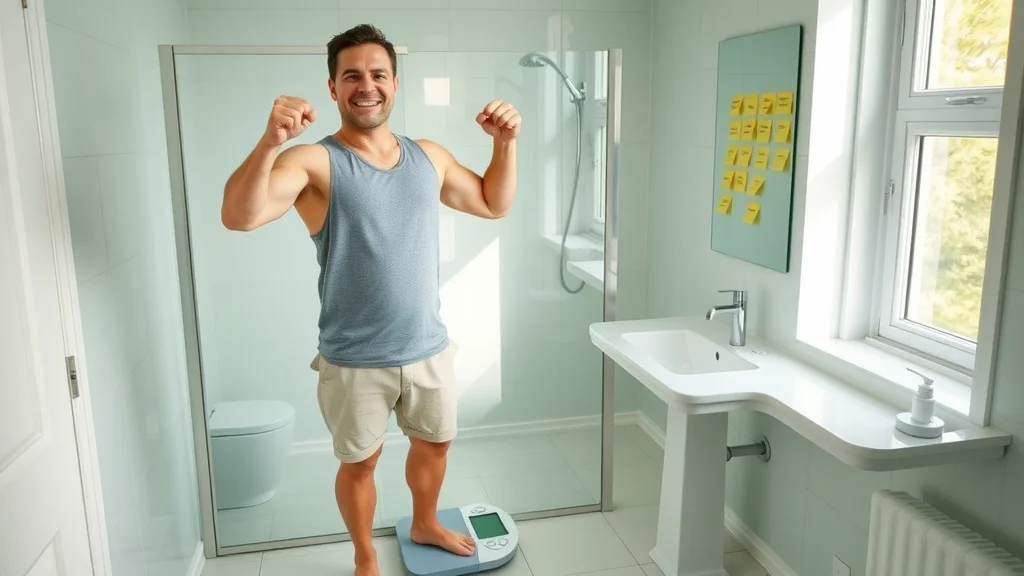
One of the most sought-after results in self-hypnosis practice is the support it provides for weight loss and the breaking of unhelpful behavioral patterns. When you consistently track hypnotic suggestions and their effect on daily habits, patterns of incremental progress begin to emerge. For weight loss, you might notice changes in how your subconscious mind views food, increased motivation for physical activity, and gradual loss of excess weight. Keep a detailed record of your hypnotic suggestions—adjust them based on what yields the most reliable shifts in behavior.
Habit change follows a similar path. Identify the behavior you wish to alter, such as snacking at night, and design a hypnotic suggestion like “I listen to my body and stop eating when I’m satisfied.” Over time, track days when you successfully resist unhelpful urges and reflect on the thoughts or emotions that accompanied your change. By coupling these subjective insights with measurable results—body measurements, frequency graphs, or mood trackers—you’ll have a richer understanding of how self-hypnosis is moving you closer to your goal.
| Date | Goal | Hypnotic Suggestion Used | Internal Changes | External Results | Notes/Adjustments |
|---|---|---|---|---|---|
| 01/05 | Weight Loss | I savor healthy foods. | Less interest in junk food, higher motivation | Lost 1.2 lbs/week | Continue with same suggestion |
| 01/12 | Reduce Anxiety | I feel calm in meetings. | Lower heart rate, more confidence | Attended 3 meetings comfortably | Add affirmation for public speaking |
| 01/19 | Better Sleep | I fall asleep easily. | Less tossing, woke refreshed | Full 7 hours sleep/night | Continue and monitor dreams |
How to Maintain a Self-Hypnosis Progress Journal
Top Tools and Techniques for Self-Hypnosis Practice Monitoring
Best Apps and Digital Trackers for Self-Hypnosis Practice

Technology offers powerful support for measuring self-hypnosis practice. Popular hypnosis apps provide digital journals, progress tracking, session reminders, and libraries of hypnotic suggestions. Features such as mood or habit trackers integrate seamlessly, allowing you to log both the frequency and the effectiveness of your practice. Look for apps that prompt you to rate emotional states before and after each hypnosis session, or those that let you build custom affirmation lists.
Digital trackers make it easy to visualize long-term progress. You can spot trends quickly—like increased consistency or improved outcomes tied to specific hypnotic suggestions. For those who value portability, these apps ensure you never miss a chance to record an insight—even if you “open your eyes” from a session on the go. Many offer privacy-oriented data storage, so you can reflect on your journey comfortably.
Paper-Based Logs: Old School Meets Self-Hypnosis Practice

For those who prefer tangible tools over technology, a dedicated self-hypnosis journal or logbook is simple and highly effective. By handwriting your observations, you create a deeper connection between conscious mind and subconscious mind. Each entry can include the date, session details, the hypnotic suggestions used, and both internal and external signs of change. Reviewing previous entries reveals which strategies result in lasting benefits.
Paper logs provide more creative freedom, too—use colors, sketches, or stickers to highlight milestones and breakthroughs. They serve as physical reminders of your ongoing commitment. Over time, the act of writing itself becomes meditative, further reinforcing your progress and motivation to continue. Whether you’re tracking deep breath techniques, progressive muscle relaxation outcomes, or new successes, an old-school journal complements any self-hypnosis practice.
Peer Support and Professional Guidance for Self-Hypnosis Practice

Human connection can accelerate your self-hypnosis success. Joining a support group or working with a certified professional offers accountability, fresh perspectives, and encouragement for when you face challenges. In group settings, you can share what hypnosis techniques or hypnotic suggestions have helped you most—often discovering new approaches from others’ journeys.
A professional may recommend adjustments to your practice, help you set realistic goals, or provide scripts for tailored hypnotic suggestion. Peer support combats the isolation that can creep in during personal development pursuits, and regular check-ins make tracking progress easier and more rewarding. Whether you meet in person or online, consider this a valuable supplement to your self-hypnosis toolkit.
Overcoming Common Challenges in Measuring Self-Hypnosis Practice Progress
Dealing with Subjectivity in Self-Hypnosis Sessions
One of the main obstacles in tracking self-hypnosis practice is the subjective nature of change. Subtle shifts in mood, self-image, or belief can be difficult to quantify objectively. To navigate this, combine self-report tools (like mood scales or habit trackers) with regular reflection on your internal and external progress. Documenting thoughts and feelings before and after sessions creates a valuable record for identifying trends over time.
Supplement your self-reporting with feedback from trusted peers or mentors, especially if you’re using self-hypnosis for visible goals like weight loss or professional achievements. Remember that incremental progress—such as greater confidence or reduced anxiety—is meaningful. Trust the process, knowing that subjective insights can be as powerful as quantifiable ones in guiding your journey.
Maintaining Motivation to Achieve Your Goals

Motivation often fluctuates during any self-improvement journey. To maintain yours, develop routines for regular reflection and celebration. Celebrate small wins—notice when you successfully complete a session, journal regularly, or experience positive changes in your reactions or moods. Set micro-goals: instead of focusing solely on weight loss, for instance, also celebrate resisting an unhealthy snack or using a calming hypnotic suggestion in a stressful moment.
Visual tools like vision boards or progress graphs help you see your trajectory. Keep reminders of your initial reasons for starting your self-hypnosis practice visible, and update your hypnotic suggestions to fit your evolving needs. Surround yourself with supportive people when possible, and schedule regular “self-check-ins” to assess both progress and obstacles. Remember: small steps taken consistently are what lead to substantial, lasting transformation.
Ensuring Safety and Mindfulness During Self-Hypnosis Practice
While self-hypnosis practice is generally safe, mindfulness and caution are essential. Always practice in a secure environment—free from interruptions or risks. Use gentle language in your hypnotic suggestions, and avoid topics or phrases that might trigger distress. If you have a history of mental health concerns, consult a qualified professional before beginning. Stay grounded by incorporating a “return to awareness” routine after each session, such as counting up to five or slowly moving your legs and feet uncrossed before standing.
Safety is also about setting boundaries—limit session lengths and allow yourself time to fully transition out of a trance state. Remember that all progress, even if gradual, is meaningful. As one expert shares:
“Progress in self-hypnosis often occurs gradually—trust the process and track the subtleties.”
Real-World Results: Success Stories and Case Studies in Self-Hypnosis Practice
Weight Loss Journeys Through Self-Hypnosis Practice
Many people discover self-hypnosis as a viable support for weight loss after struggling with traditional diets. Through guided sessions and carefully chosen hypnotic suggestions, individuals report shifts in attitude toward food, greater ease in making healthy choices, and sustained weight loss results not achieved through willpower alone. These success stories often include detailed logs correlating daily choices with post-session feelings, revealing a tangible connection between self-hypnosis practice and positive change.
In group studies, participants using consistent self-hypnosis practice (often supported by digital logs or progress journals) reported more lasting success in controlling portion sizes, avoiding late-night eating, and maintaining motivation—key elements for long-term weight management. Tracking small, incremental changes ultimately results in larger, more sustainable weight loss, reinforcing the value of ongoing measurement.
Personal Stories: From Hypnotic Suggestion to Transformation
Beyond weight loss, personal testimonials highlight how routine self-hypnosis can drive transformation in productivity, stress management, and daily habits. People report feeling more energized during work, experiencing fewer episodes of anxiety, or successfully adopting new routines like morning exercise—all by targeting these areas in their hypnotic suggestion scripts and monitoring outcomes in their logs.
The most impactful stories stem from regular review and refinement: practitioners note which sessions led to immediate improvements and which required adaptation of their hypnotic suggestions. Over time, this flexible, data-driven approach fosters a deeper understanding of what strategies work for the individual, ensuring self-hypnosis remains an evolving, responsive tool for personal growth.
- Productivity improvements
- Stress reduction
- Behavioral change and habit formation
People Also Ask: Self-Hypnosis Practice FAQs
Can I learn self-hypnosis on my own?
You can learn self-hypnosis independently with disciplined practice and the right resources. Guided sessions, online tutorials, and expert-authored materials can facilitate your journey.
What are three things hypnosis cannot do?
Hypnosis cannot force you to act against your core values, override your personal ethics, or generate physical changes (e.g., instant weight loss) without your commitment to the process.
Is it safe to be self hypnotized?
When practiced appropriately, self-hypnosis is generally safe. It's important to use caution, maintain realistic expectations, and consult a professional if you have underlying mental health conditions.
What does God say about hypnosis?
Interpretations vary by faith tradition. Many see self-hypnosis as a neutral tool, while others express spiritual concerns. Consult your religious leader if you’re uncertain.
Must-Know FAQs for Self-Hypnosis Practice
How often should I practice self-hypnosis for best results?
For most individuals, practicing self-hypnosis three to five times a week yields the best results. Like any new skill or habit, consistency is key—regular sessions ensure that your mind becomes more receptive to hypnotic suggestion, leading to incremental improvements and more noticeable outcomes over time.
What are signs that my self-hypnosis practice is effective?
Signs include easier entry into trance state, increased relaxation in body and mind, positive changes in thought patterns, and the gradual achievement of targeted goals (such as improved focus, less stress, or weight loss). Regular documentation in a journal or app helps clarify these improvements.
How do I adjust hypnotic suggestions if progress plateaus?
If you notice progress has plateaued, review your journal for patterns—are the same triggers or obstacles reappearing? Adapt your hypnotic suggestions to address current needs or seek new affirmations that resonate more deeply
Key Takeaways for Measuring Progress in Self-Hypnosis Practice
- Consistently measure subjective and objective changes
- Customize hypnotic suggestion for your evolving goals
- Document weight loss or other behavioral shifts
- Seek support to achieve your goals
Insights from Experts: How to Achieve Your Goals with Self-Hypnosis Practice
Summary and Next Steps in Your Self-Hypnosis Practice Journey
“Measuring your self-hypnosis practice progress isn’t just about noticing changes—it’s about empowering yourself for continual growth.”
Start your journey with intention, practice regularly, and commit to tracking every subtle and significant change. With mindful measurement, your self-hypnosis practice evolves from a routine to a catalyst for personal transformation.
If you’re ready to take your self-hypnosis journey even further, consider exploring how these practices can fuel broader personal growth and lasting habit change. By understanding the deeper connections between mindset, behavior, and transformation, you can unlock new levels of self-mastery. Discover more strategies and inspiration for evolving your routines by visiting our comprehensive resource on hypnosis for habit change and personal growth. Let your progress in self-hypnosis become the foundation for a more empowered, purpose-driven life.
Begin Your Self-Hypnosis Practice Journey—Start Tracking Your Progress Today!
Take the first step: Set clear goals, create a dedicated space, embrace digital or paper tracking, and watch as each session brings you closer to the life you envision. Your progress in self-hypnosis practice is the key to unlocking your fullest potential!




Write A Comment