

Did you know that over 70% of adults report struggling with stress or racing thoughts at least once a week? Yet, many remain unaware that hypnosis relaxation—a technique backed by clinical and experimental research—can unlock profound calm and support deep sleep, focus, and holistic well-being. This comprehensive guide reveals everything you didn’t know about hypnosis relaxation, from its scientific foundation to practical, everyday applications. If you’re ready to explore the surprising science and benefits of this relaxation technique, keep reading.
A Surprising Look at Hypnosis Relaxation: Facts You Didn't Know
While most people associate hypnosis with stage acts or entertainment, hypnosis relaxation is a clinically recognized relaxation technique used by mental health professionals and complementary medicine practitioners worldwide. According to the Society for Clinical and Experimental Hypnosis, this powerful practice is not about losing control, but about gaining deep access to your subconscious to foster greater mental health and holistic wellness. In fact, studies show hypnosis relaxation can be more effective than conventional meditation techniques for reducing anxiety and improving deep sleep. Yet, only a fraction of the population has tried a formal hypnosis session, meaning its potential for everyday well-being remains an untapped resource for many.
If you’ve ever wished you could fall asleep fast or stop your racing thoughts, hypnosis relaxation could be the key. Clinical trials reveal that even a single guided hypnosis session can prompt deep relaxation, helping with challenges like chronic pain and stress without pharmaceutical intervention. As more people search for natural and accessible ways to enhance daily life, unlocking these lesser-known advantages of hypnosis and relaxation could transform your approach to self-care.

What You'll Learn About Hypnosis Relaxation
- Scientific foundations and principles of hypnosis relaxation
- Major benefits for mind and body
- Practical steps to experience deep relaxation and improved well-being
- Comparison between hypnosis relaxation and other meditation techniques
- How to safely conduct a hypnosis session at home
Understanding Hypnosis Relaxation: Foundations and Concepts
"Hypnosis relaxation taps into the subconscious to unlock powerful states of calm and focus." — Dr. Emerson Lane, Clinical Hypnotherapist
At its core, hypnosis relaxation is a guided process designed to access your subconscious mind while inducing an intensely peaceful state—sometimes called deep relaxation. Unlike the dramatic portrayals in popular media, clinical hypnosis is rooted in science and often practiced in therapeutic settings to support mental health, manage chronic pain, and facilitate behavior change. By systematically easing into a trance-like state through deep breath and focused attention, individuals experience a profound sense of calm, often deeper than achieved in regular relaxation techniques or meditation sessions.
The key to effective hypnosis relaxation lies in guided suggestions and a structured environment. During a hypnosis session, the mind becomes more responsive to positive cues, helping to break free from racing thoughts and patterns that disrupt sleep or well-being. Techniques can range from in-person sessions with a licensed practitioner to self-guided programs at home, always centered around deep breathing, mindful focus, and clear, repeated hypnotic suggestions. As complementary medicine embraces these methods, their popularity continues to grow, offering a safe, accessible alternative or enhancement to other relaxation techniques.

The Science of Hypnosis Relaxation: How It Works
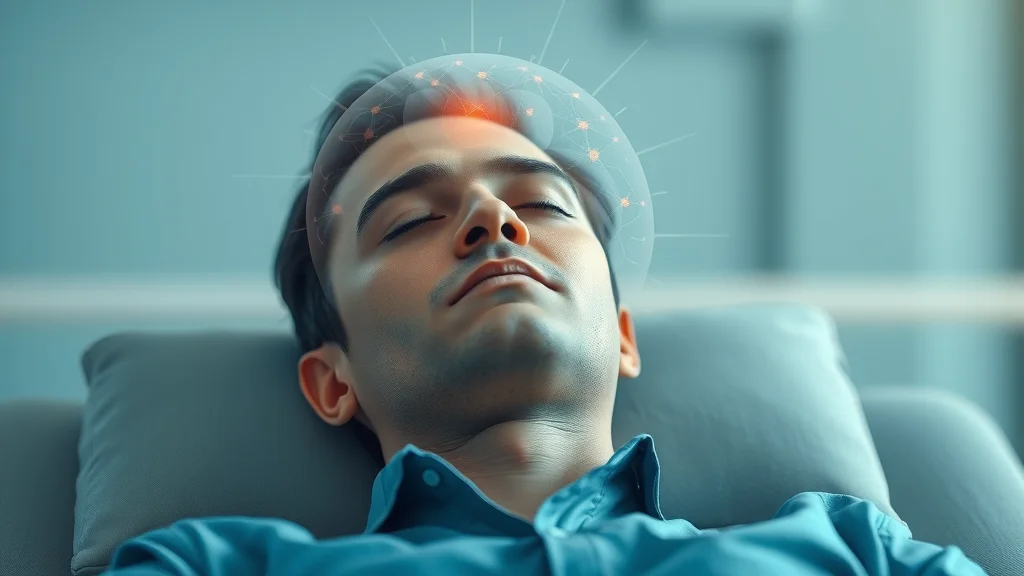
The effectiveness of hypnosis relaxation is supported by mounting scientific evidence from fields like neuroscience, psychology, and complementary medicine. At a physiological level, the process involves shifting your brainwave patterns from active beta waves (associated with day-to-day alertness and racing thoughts) to lower-frequency alpha and theta waves—states linked to deep relaxation and increased suggestibility. This shift is achieved through deep breath techniques, guided focus, and structured hypnosis sessions. By calming the nervous system, these methods can help regulate stress hormones, improve sleep quality, and even aid in managing chronic pain.
Neuroimaging studies have shown that hypnosis sessions activate regions of the brain associated with self-control, emotional regulation, and pain modulation. As a result, practicing hypnosis relaxation regularly not only enhances your body's ability to relax, but also strengthens your mind’s capacity to focus, manage anxiety, and fall asleep fast. The synergy between hypnosis and relaxation makes this a powerful tool for anyone seeking effective, natural ways to elevate well-being, especially compared to traditional meditation techniques or basic relaxation practices.
| Mechanism | Impact on Body/Mind |
|---|---|
| Deep Breath Techniques | Calms the nervous system, prepares for hypnosis relaxation |
| Hypnosis Session | Facilitates subconscious access, reduces stress |
| Meditation Techniques | Enhances mindfulness, supports relaxation |
| Deep Sleep Protocols | Improves quality of restorative sleep |

Hypnosis Relaxation vs. Meditation Techniques
Both hypnosis relaxation and meditation techniques offer powerful ways to achieve calm and clarity, but there are distinct differences. During hypnosis, a session often includes a deeper trance state, guided focus, and specific suggestions for changing thought or behavior patterns. This targeted approach can make hypnosis especially effective for overcoming obstacles like insomnia, anxiety, or chronic pain—outcomes that clinical and experimental hypnosis repeatedly demonstrates. Meditation, on the other hand, tends to emphasize mindfulness and passive observation, encouraging a broader awareness without necessarily targeting specific issues or behaviors.
These two relaxation techniques can complement each other: integrating deep breath practices from meditation with the focused trance of a hypnosis session often yields enhanced results. If your goal is to enjoy deep relaxation or fall asleep fast, hypnosis relaxation may provide greater, more direct impact. However, meditation techniques are ideal for those who seek ongoing presence and stress management in daily life. By understanding when and how to choose between these practices, you can create a personalized routine for everyday well-being.
- Core distinctions: trance depth, guided focus, and objectives
- Complementary strategies for enhancing deep breath and calmness
- When to choose hypnosis relaxation over meditation (and vice versa)
For a deeper dive into how these two practices compare and when to use each, you may find it helpful to explore a dedicated guide on the key differences between hypnosis and meditation. This resource breaks down the unique benefits and applications of both approaches, helping you tailor your relaxation routine to your specific needs.
Benefits of Hypnosis Relaxation for Mind and Body
The potential advantages of hypnosis relaxation are expansive and supported by many in the medical and complementary medicine communities. Regular practice is linked to reduced anxiety and stress, improved deep sleep, heightened focus, and a powerful sense of holistic well-being. Unlike some relaxation techniques that only scratch the surface, hypnosis relaxation works through the subconscious to reframe negative thought patterns, allowing for more overnight restoration and clarity during the day.
Benefits are not just theoretical—clinical hypnosis studies have documented lower rates of chronic pain, better management of mental health concerns, and improved sleep in users who integrate hypnosis sessions into their self-care routines. Whether you want to fall asleep fast, quell racing thoughts, or gain sharper mental focus, this relaxation technique may hold the answers you’re seeking.
- Reduction in anxiety and stress symptoms
- Facilitation of deep sleep and improved sleep quality
- Increased focus, clarity, and cognitive performance
- Enhanced overall holistic well-being
Deep Sleep and Hypnosis Relaxation
A common challenge—difficulty achieving deep sleep—can be significantly improved with hypnosis relaxation. By quieting racing thoughts and guiding the body into a state of deep relaxation, hypnosis sessions have been shown to help users fall asleep fast and enjoy more restorative slumber. Research from the American Society of Clinical Hypnosis suggests that even short, guided hypnosis practices before bed reduce the time it takes to fall asleep and extend periods of deep sleep, the phase most crucial for body repair and cognitive function.
Unlike basic sleep hygiene tips, hypnosis relaxation goes further by addressing subconscious stressors that may interfere with rest. Guided imagery, deep breath exercises, and soothing hypnotic suggestions blend to create a ritual that not only improves sleep quality, but also leaves you feeling more balanced the next day. If you’ve struggled to asleep fast or remain restful throughout the night, experimenting with a short, at-home hypnosis session could provide lasting change.

Core Hypnosis Relaxation Techniques: Step-by-Step Guide
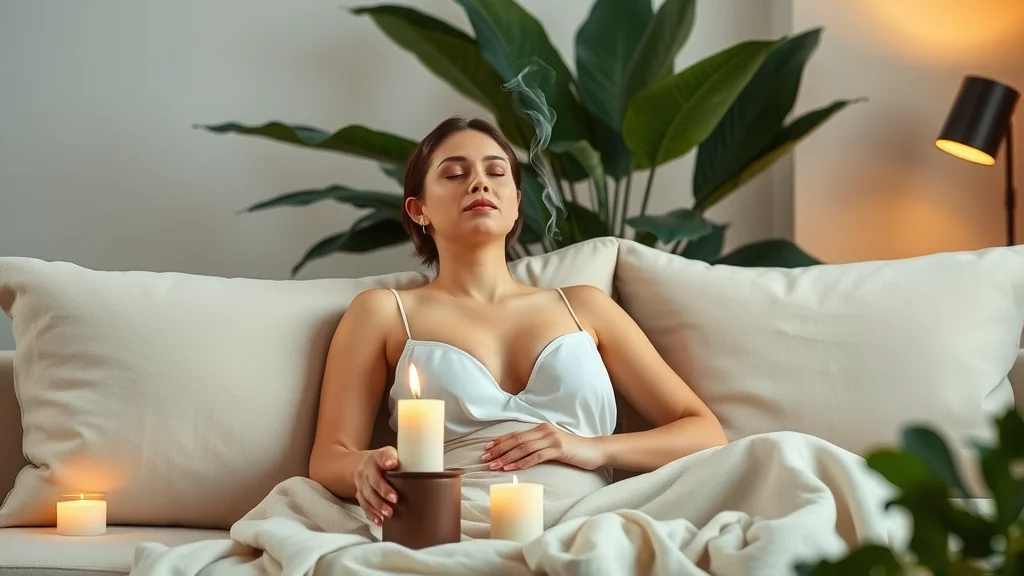
Embarking on your first hypnosis relaxation session can be an empowering experience. With just a few simple steps, you can create a calming environment and start your journey towards deeper well-being and personal clarity. Begin by choosing a quiet space free of distractions—your living room, bedroom, or even a sunlit corner works perfectly. Add soothing elements such as candles, comforting blankets, or a favorite pillow to set the stage for relaxation.
Next, practice deep breath techniques—inhale slowly through your nose, exhale gently through your mouth, repeating until you notice your mind quieting. Begin the self-guided hypnosis session by closing your eyes and focusing on positive affirmations or visualization cues. Integrate traditional meditation techniques, such as progressive muscle relaxation or mindfulness cues, letting your awareness soften and your body fully unwind. Finish each session with a gentle reflection and, if desired, make notes on how your experience felt. Regular, repeated sessions (even just 10-15 minutes each day) offer cumulative benefits for mind and body.
- Create a calming environment
- Practice deep breath methods
- Begin self-guided hypnosis session
- Integrate mindfulness and meditation techniques
- Assess and repeat for cumulative benefits
Conducting a Safe Hypnosis Session for Relaxation
Though hypnosis relaxation is broadly safe, it’s important to approach each session with mindfulness, especially for those with a history of mental health conditions or trauma. Experts recommend that individuals with severe psychiatric disorders, untreated clinical depression, or certain dissociative conditions avoid unsupervised hypnosis. Warning signs during a session can include dizziness, panic, extreme emotional discomfort, or unwanted flashbacks—signals that it may be time to pause and seek professional guidance.
A clinical hypnotherapist can provide a tailored, safe experience, ensuring that techniques are appropriate and beneficial for your unique situation. If you’re new to hypnosis or run into any issues during self-guided efforts, consulting with a qualified practitioner is always a wise step. Remember, the aim is deep relaxation, not distress—when practiced attentively, hypnosis relaxation is a gentle and supportive tool for most people’s self-care routines.
- Who should avoid hypnosis relaxation techniques
- Warning signs during a hypnosis session
- When to consult a clinical hypnotherapist

Integrating Hypnosis Relaxation into Everyday Life
One of the greatest strengths of hypnosis relaxation is its flexibility—you can weave short, effective practices into daily routines to enjoy continuous well-being. Starting and ending your day with brief relaxation techniques, such as deep breath exercises and focused visualizations, can shift your mindset and help reset stress levels. Midday hypnosis micro-sessions are perfect for work breaks, providing a quick reboot for attention and calm, even in a busy office environment.
Family-friendly hypnosis relaxation activities are gaining traction as well, helping children and adults alike re-center, soothe racing thoughts, and prepare for deep sleep together. Group relaxation sessions or guided audios make these practices accessible for every household member, making mental health and relaxation a shared experience rather than a solitary one. Over time, integrating diverse hypnosis sessions will nurture resilience and a greater sense of community well-being.
- Morning and evening relaxation rituals
- Short hypnosis relaxation exercises during work breaks
- Family-friendly hypnosis relaxation activities

Expert Insights: Real-World Success Stories Using Hypnosis Relaxation
"After just a few hypnosis relaxation sessions, my sleep improved dramatically." — Maya C., client testimonial
The transformative power of hypnosis relaxation isn’t just found in research—it’s reflected in countless personal stories. Many clients report shifting from chronic stress to a newfound sense of balance after just a few guided sessions. For some, persistent sleep issues become a thing of the past, as they’re finally able to fall asleep fast and stay restful throughout the night using simple, self-hypnosis rituals. Others describe enhanced focus and mental clarity that boosts their professional and personal performance, outpacing results from previous meditation techniques.
These testimonials echo what clinicians in the American Society of Clinical Hypnosis observe: regular hypnosis sessions, whether self-guided or conducted with a practitioner, deliver lasting benefits for mind and body. If you run into any issues starting on your own, guidance from an experienced clinician can accelerate your results and tailor techniques to your unique needs.
- Transformation stories: from stress to balance
- Overcoming deep sleep issues
- Enhanced focus for performance-driven individuals

Common Myths and Misconceptions About Hypnosis Relaxation
There are many myths that prevent people from trying hypnosis relaxation. A prevalent misconception is that you lose control during a hypnosis session; in fact, you remain fully aware and capable of making choices throughout the process. Others believe hypnosis is only for entertainment or stage shows, overlooking its well-documented therapeutic uses in mental health, pain management, and stress reduction as supported by the Society for Clinical and Experimental Hypnosis.
It’s also common to confuse hypnosis relaxation with meditation techniques, though they serve different purposes. Hypnosis often leverages deep breath and strategic hypnotic suggestion for targeted change, while meditation focuses on overall awareness and presence. Understanding these differences—and separating fact from fiction—can help you make informed choices and enjoy the new features of modern hypnosis sessions. Should you run into any issues or remain unsure, consulting resources like the American Society of Clinical Hypnosis can provide clarity and peace of mind.
- Myth: Hypnosis relaxation involves loss of control
- Myth: Hypnosis session is for entertainment only
- Clarifying the role of deep breath and meditation techniques

FAQs About Hypnosis Relaxation
-
What is hypnosis relaxation?
Hypnosis relaxation is a structured, guided process that uses focused attention, deep breath, and positive suggestion to achieve a heightened state of calm and awareness. Typically led by a hypnotherapist or through self-guided audio, it aims to help manage stress, improve deep sleep, and enhance well-being. -
Is hypnosis relaxation safe for everyone?
Most people safely enjoy hypnosis relaxation, but those with severe psychiatric disorders, dissociative conditions, or unaddressed trauma should consult a medical or mental health professional before attempting. Always listen to your own comfort levels and stop any session causing discomfort. -
How does hypnosis relaxation compare to deep sleep methods?
Hypnosis relaxation offers a unique approach by calming the mind at both a subconscious and conscious level, often making it easier to fall asleep fast and enter restorative deep sleep stages. Unlike general sleep fast hacks, it addresses underlying anxiety and behavioral patterns. -
Can hypnosis relaxation replace traditional meditation techniques?
While both practices offer relaxation, each has unique benefits. Hypnosis is more targeted and suitable for specific goals, such as overcoming chronic pain or racing thoughts. Many users find integrating both hypnosis and meditation techniques yields the best results. -
How often should hypnosis relaxation be practiced?
Daily or several times a week is recommended for cumulative benefits. Short sessions (10-20 minutes) can be highly effective when done regularly—consistency is more important than session length for deep relaxation and well-being.
People Also Ask: Hypnosis Relaxation
Who should not be hypnotised?
Individuals with a history of psychosis, untreated schizophrenia, severe personality disorders, or those experiencing profound trauma should avoid hypnosis unless under direct supervision of a healthcare professional. For safety, always seek advice from a licensed provider if you run into any issues or have unresolved mental health conditions before beginning a hypnosis session.
Is hypnosis good for relaxation?
Yes, hypnosis relaxation is among the most effective relaxation techniques available. Clinical and experimental hypnosis studies confirm that it reliably induces deep breath patterns, calms the nervous system, and promotes a state of deep relaxation that often outperforms basic meditation techniques or simple breathing exercises.
What are three things hypnosis cannot do?
Hypnosis cannot force you to act against your core values, create physical strength or abilities not already present, or cure all medical or mental health conditions instantly. It is a supportive tool, not a magic cure, and should always be used as part of a holistic well-being plan.
What does the Bible say about hypnosis?
The Bible does not specifically mention hypnosis. Perspectives on hypnosis varies among Christian denominations; some may see it as compatible with personal growth and well-being, while others may have reservations. If you have spiritual concerns, it's best to consult with a trusted faith leader to make an informed, comfortable decision.
Key Takeaways on Hypnosis Relaxation
- Scientific evidence supports hypnosis relaxation for stress and sleep
- Regular practice promotes everyday well-being
- Choose safe, guided sessions for best results
Explore Guided Hypnosis Relaxation: Try a Session Today
Ready to experience these benefits for yourself? Guided hypnosis relaxation sessions—whether in person or through professional audio—offer a simple, approachable first step. Start with a short session, and remember: safety and consistency are your keys to success.
Incorporate hypnosis relaxation into your daily routine and unlock a calmer, more focused, and healthier you—starting now!
If you’re inspired to deepen your understanding of mind-body wellness, consider exploring how hypnosis fits within the broader landscape of self-care and personal growth. By learning to distinguish the unique strengths of hypnosis and meditation, you can craft a holistic approach that supports both immediate relaxation and long-term resilience. For a comprehensive perspective on these complementary practices, visit our in-depth article on the differences between hypnosis and meditation. Expanding your toolkit with advanced insights empowers you to make informed choices and elevate your well-being journey even further.


Write A Comment