

Did you know research suggests that up to 95% of our daily behaviors and choices are influenced by the subconscious mind—far beyond the reach of our conscious control? Most people believe they’re in command of their minds, yet beneath the surface, a hidden world is steering their habits, reactions, and even their deepest beliefs. Hypnosis is a fascinating and often misunderstood method for tapping into this inner world, unlocking potential that many of us never realize we possess.

A Startling Connection: Hypnosis and the Subconscious Mind Revealed
For centuries, philosophers and scientists have debated the complex interplay between the conscious and unconscious parts of the human mind. Recent advances in neuroscience and psychology, however, reveal a powerful link between hypnosis and the subconscious mind—a connection that has the potential to transform our very approach to change, healing, and personal success. When we enter a hypnotic state, the mind becomes open and highly receptive, allowing us to bypass the rational, filtering systems of the conscious mind and communicate directly with the subconscious. This unique state—a blend of deep relaxation and intense mental focus, sometimes called an altered state of consciousness—enables us to access memories, habits, and beliefs that usually remain hidden from everyday awareness.
Understanding deep hypnosis isn’t about relinquishing mind control to outside forces; rather, it’s about learning to harness the power of suggestion, intention, and focused attention to initiate meaningful change at a subconscious level. Whether you’re seeking relief from anxiety, looking to enhance performance, or striving for personal growth, unlocking the secrets of hypnosis and the subconscious mind can offer profound, life-altering insights. As you read on, you’ll uncover practical applications, scientific support, and actionable tips for tapping into your own inner potential.
While hypnosis is a powerful tool for accessing the subconscious, many people wonder how it compares to other mind-focused practices. If you’re curious about the distinctions and overlaps between hypnosis and meditation, you can explore a detailed comparison in this guide on hypnosis versus meditation to better understand which approach might suit your personal growth journey.
The Role of the Subconscious Mind and Conscious Mind in Human Behavior
Our daily actions are the product of a subtle yet constant interplay between the conscious mind—what we’re actively thinking—and the subconscious mind, which silently guides our emotions, habits, and automatic responses. While your conscious awareness might direct you to eat a healthy breakfast or prepare for a meeting, it’s the subconscious that shapes how you feel about yourself, how you react to stress, and whether old habits persist. The conscious and subconscious mind work in tandem, but it’s the subconscious—the seat of beliefs formed in childhood, shaped by repeated experience, and stored beneath conscious awareness—that truly steers the ship.
Through hypnosis, it becomes possible to enter a state of relaxation or even a trance state where the conscious mind’s usual defenses drop, allowing new ideas or positive affirmations to sink in. Therapists frequently use this phenomenon in a therapeutic setting to address issues ranging from anxiety and addiction to performance blocks and phobias—treating them at the subconscious, not just the conscious, level. Appreciating this division is vital: while we consciously strive to improve, it’s the subconscious that determines how lasting those changes will be.
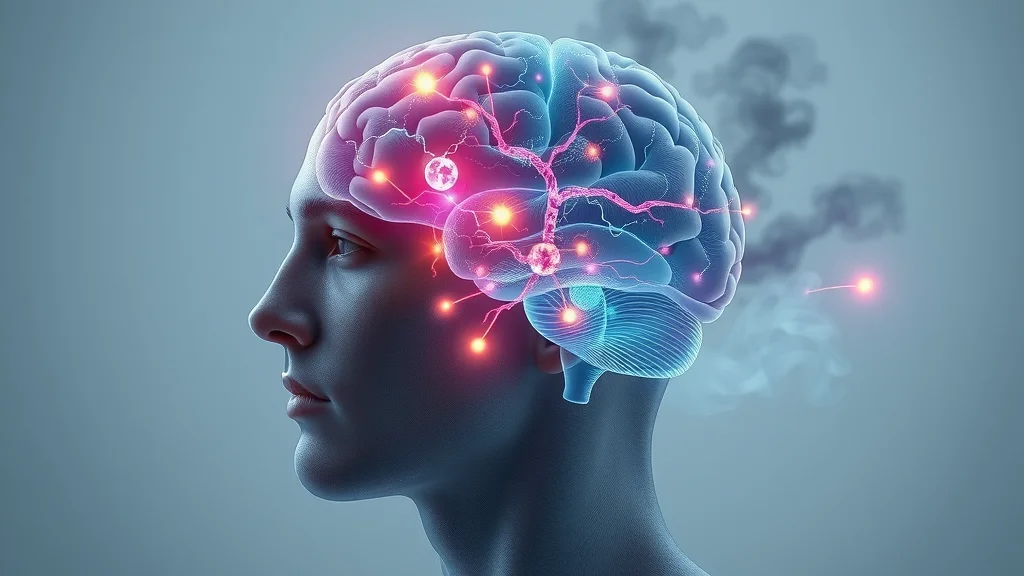
What You'll Learn About Hypnosis and the Subconscious Mind
How hypnosis interacts with the subconscious mind
Differences between the conscious and unconscious
Benefits and risks of deep hypnosis
Practical tips for unlocking inner potential
Understanding Hypnosis: Definitions and Misconceptions
The idea of hypnosis often brings to mind images of swinging watches, stage hypnosis spectacles, or mind control. Yet, modern research and clinical practice paint a vastly different picture. At its core, hypnosis is a naturally occurring altered state of consciousness—neither sleep nor full wakefulness—marked by heightened suggestibility and focus. This mental state, sometimes referred to as a hypnotic trance, can occur spontaneously (as when driving on autopilot) or intentionally through a hypnosis session. By leveraging verbal suggestion, imagery, and guided attention, a skilled hypnotherapist helps clients access the more receptive layers of their mind: the subconscious.
Many experts agree that hypnosis is not about surrendering autonomy but about gaining direct access to the part of the brain responsible for lasting behavioral change. This powerful tool can initiate personal growth, healing, and even positive shifts in mental health as it taps into subconscious programming. It’s a natural state used every day—whether drifting into a daydream or focusing deeply on a book—refined in clinical settings for therapeutic impact.
What Is Hypnosis and How Does It Affect the Subconscious Mind?
Hypnosis works by guiding an individual into a deeply focused, relaxed, and receptive mental state. During this trance-like experience, the conscious mind quiets, and the subconscious mind becomes highly engaged with incoming information. This altered state allows for new thought patterns, behaviors, and beliefs to be introduced and accepted more readily than during normal, conscious awareness. Scientific studies reveal changes in brainwave activity—most notably a surge in theta waves—during hypnosis, supporting the claim that the subconscious is more accessible in this state.
Therapists employ hypnosis to help clients resolve traumas, modify maladaptive behaviors, or foster new skills. By engaging both the conscious mind and subconscious mind, hypnosis can rekindle forgotten memories, shift entrenched beliefs, and facilitate deeper emotional healing. The result is not mind control or manipulation, but an empowered state where one can align current desires with long-held programming.
Common Myths About Hypnosis and the Subconscious Mind
Despite strong scientific backing, hypnosis is still shadowed by persistent myths. Many people believe hypnosis is a form of mind control, or that only the weak-minded can be hypnotized—neither of which is true. In reality, anyone with a willingness to concentrate and follow guidance can experience hypnosis, though levels of depth and suggestibility may vary. Another misconception is that hypnosis makes you lose control or awareness, but research shows that people retain full conscious awareness and can choose to accept or reject any suggestions during a hypnosis session.
Contrary to popular belief, hypnosis is not about getting stuck in an altered state or relinquishing autonomy to a therapist. Instead, it’s a collaborative process between client and practitioner, designed to unlock the subconscious mind for improved well-being, not for manipulation or entertainment. As more individuals turn to hypnotherapy for issues such as anxiety, addiction, and chronic pain, the public’s understanding is gradually catching up with the science.
The Subconscious Mind: Gatekeeper of Beliefs and Memories
The subconscious mind acts as the central archive of your experiences, programming, and self-perceptions. While the conscious mind navigates daily tasks, the subconscious sorts and stores memories, beliefs, and core emotional responses. This mental realm is the reason why, even with strong resolve at the conscious level, unwanted habits or fears persist. True transformation must occur at this deeper level to have lasting impact—for example, overcoming anxiety, breaking negative cycles, or building self-confidence.
When therapists guide clients in deep hypnosis, they do so to bypass the critical filters of the conscious mind and work directly with this more suggestible, open aspect of the self. Because the subconscious is the repository of deeply held beliefs and habitual reactions, influencing it can yield profound results, whether the goal is healing trauma, achieving success, or simply feeling happier in your everyday life.
How the Subconscious Mind Differs from the Conscious and Unconscious
The conscious mind is responsible for logical decision-making and aware thought, while the subconscious mind governs habits, emotions, and automatic responses just below conscious awareness. There’s also the unconscious, which stores even deeper, often inaccessible memories or suppressed experiences. While some theorists include the subconscious as part of the unconscious, practical psychology treats them as separate but interacting domains.
In everyday terms, think of the conscious mind as the driver, the subconscious as the GPS guiding long-term direction, and the unconscious as the car’s hidden electronics. Hypnosis and the subconscious mind work together to recalibrate the “GPS,” paving new neural pathways and allowing lasting change to occur. The conscious mind often sets goals or intentions, but unless those changes are adopted at the subconscious level, progress is likely to be temporary.
Why the Subconscious Mind Holds the Key to Change
All meaningful, lasting change in behavior, attitude, or self-image takes root not in momentary bursts of willpower but in the subconscious. This is because beliefs and habits ingrained at the subconscious level quietly influence every decision you make—often without your conscious knowledge. If you struggle with procrastination, negative thinking, or phobias, it’s usually the result of subconscious programming established years before.
Hypnosis intervenes here as a powerful tool: by guiding you into a deeply relaxed, receptive state, it allows positive suggestions, affirmations, and new perspectives to overwrite outdated patterns. This process doesn’t simply suppress undesirable behaviors but realigns your inner programming at the foundational, subconscious level—making genuine change smoother and more sustainable.

Conscious Mind vs. Subconscious Mind: A Comparative Analysis
Feature |
Conscious Mind |
Subconscious Mind |
Unconscious |
|---|---|---|---|
Awareness |
Full awareness and control |
Partial awareness, influences automatic behavior |
No direct awareness; hidden memories |
Functions |
Logical thinking, decision-making |
Emotional regulation, habits, beliefs |
Suppressed traumas, deep instincts |
Processing Speed |
Slow, linear processing |
Rapid, intuitive processing |
Automated responses |
Memory |
Short-term, active recall |
Long-term, associative memory |
Repressed or forgotten data |
Access in Hypnosis |
Bypassed |
Directly accessed and influenced |
Occasionally surfaces in deep hypnosis |
Hypnosis as a Tool for Unlocking Deep Potential
Far from being a parlor trick or stage spectacle, hypnosis has firmly established itself as a legitimate therapeutic setting tool across the globe, especially in the United States and Europe. Mounting evidence demonstrates its power to facilitate breakthroughs with anxiety, phobias, addiction, chronic pain, and even physical health concerns. During deep hypnosis, the line between the conscious and subconscious softens, allowing powerful, positive transformations to occur where it matters most: your automatic, internal programming.
In this altered state, limiting beliefs and self-defeating patterns can be replaced with empowering alternatives—often in fewer sessions than traditional therapy. By giving us access to both mental functions and emotional memory, hypnosis offers a unique avenue for holistic personal growth and change, especially for those seeking to break free from deeply-rooted patterns.
Scientific Evidence for Hypnosis and the Subconscious Mind
Clinical research over several decades supports the efficacy of hypnosis in influencing the subconscious mind. MRI and EEG studies reveal that during hypnosis, specific brain regions responsible for attention and self-reflection undergo marked changes, signifying heightened states of internal focus and suggestibility. The state of relaxation achieved mirrors that found in meditation and mindfulness practices, with similar benefits for mental health and emotional regulation.
Moreover, numerous controlled trials have shown that problems resistant to conscious-level interventions—such as chronic pain, smoking cessation, or anxiety—often respond favorably to treatment with hypnosis. By directly influencing the subconscious level, hypnosis allows for swift and meaningful changes that elude conventional therapy. As one expert puts it:
“In my opinion, hypnosis is perhaps the most underutilized pathway to behavioral change.”
Deep Hypnosis: Accessing Unconscious Resources
“Deep hypnosis” describes the most profound hypnotic states, wherein clients experience not just relaxed consciousness but vivid imagery, altered perception of time, and extraordinary receptivity to suggestion. In these states, the brain enters a trance state aligned with theta brainwave frequencies—sometimes likened to the twilight zone between sleep and wakefulness. This is where the boundary between the conscious and unconscious truly dissolves, and the therapist can help clients tap resources, memories, and creative insights that usually lie dormant.
Such altered states of consciousness aren’t about entertaining flights of fantasy; they’re invaluable for resolving trauma, changing core beliefs, and achieving lasting personal growth. By using a combination of relaxation, verbal suggestion, and visualization, deep hypnosis gives individuals the opportunity to rewrite the “mental script” governing their lives and unlock new levels of performance, focus, and well-being.

Practical Applications: How Hypnosis Impacts Everyday Life
A growing body of research and real-life testimonies shows that hypnosis and the subconscious mind can dramatically influence daily life. In the hands of a trained professional—or through safe self-practice—hypnosis empowers you to break cycles, heal old wounds, and pursue goals with newfound motivation. Its applications are as varied as the human mind itself: from overcoming phobias to accelerating skill acquisition or promoting better health.
By integrating hypnotic strategies into your routine, you may find yourself tackling long-standing challenges, building confidence, and cultivating healthy new habits. This approach is especially potent for those who find conventional strategies fall short, as subconscious change often precedes and drives success at the conscious level.
Personal Growth and Self-Discovery through Hypnosis
Many people turn to hypnosis as a tool for introspection and personal growth. Through methods such as guided imagery, affirmations, and self-reflection, you can gain deeper insights into your beliefs, identity, and desired direction in life. Unlike surface-level exercises, hypnotic techniques go straight to the root, facilitating change where it matters most—the subconscious.
As you begin to work with your subconscious mind, you may observe more clarity, confidence, and an increased ability to break old habits. The result is a life marked by greater self-awareness and a feeling of alignment between your intentions and your inner programming, leading to transformative shifts in your relationships, career, and self-esteem.
Healing Trauma and Reprogramming the Subconscious Mind
Hypnosis stands out as one of the most effective modalities for healing trauma and rewriting outdated or unhealthy subconscious narratives. When unresolved experiences linger at the subconscious or unconscious level, they often manifest as anxiety, depression, or unhelpful behaviors. Through a hypnosis session, these hidden scripts can be surfaced, processed, and reframed in a safe, controlled environment.
By utilizing relaxation and verbal suggestion, hypnosis enables individuals to release emotional pain, break free from old cycles, and lay down new, empowering pathways in the brain. This therapeutic process has helped countless people achieve relief and recovery from issues that seemed untouchable by conscious willpower alone.
Enhancing Performance, Focus, and Motivation
Performance coaching and sports psychology have increasingly embraced hypnosis for its ability to sharpen focus, boost motivation, and fine-tune mental habits critical for success. From Olympic athletes to CEOs, those who harness the power of the subconscious mind report heightened levels of clarity, endurance, and goal achievement. By visualizing desired outcomes and reinforcing positive self-beliefs in a hypnotic state, individuals are better equipped to handle pressure, overcome setbacks, and maintain peak performance in any field.
Motivation, memory, and concentration—all linked closely to subconscious programming—can be strengthened through repetitive, purpose-driven hypnosis sessions, making it easier to stay committed to your goals no matter the obstacles ahead.

Real-Life Examples of Hypnosis and the Subconscious Mind
Success stories in the world of hypnosis and the subconscious mind are both varied and compelling. Consider the executive who finally conquered public speaking anxiety after years of struggle, thanks to a handful of focused hypnotherapy sessions. Or the athlete who broke through a persistent performance plateau after learning to visualize success at the subconscious level. Even individuals battling addictions, phobias, or chronic pain have reported meaningful improvements when traditional treatments failed to deliver.
Real-world examples remind us that true transformation comes when we address the root causes, not just the symptoms, embedded deep within the subconscious. Video explainer: How hypnosis works on the subconscious mind in therapy.
Techniques for Deep Hypnosis and Subconscious Reprogramming
Unlocking the potential of hypnosis and the subconscious mind isn’t restricted to the therapy room. Well-established self-hypnosis strategies, guided meditations, and cognitive tools can be practiced safely at home to foster growth and healing. Consistency, self-awareness, and openness to new experiences are key to maximizing the benefits these techniques can offer.
Safe Self-Hypnosis for Beginners
If you’re new to hypnosis, it’s best to start with simple self-hypnosis exercises. Begin by choosing a quiet space, sitting or reclining comfortably, and focusing on your breath. Use slow, intentional inhalations and exhalations to enter a state of relaxation. From there, try out progressive muscle relaxation or gentle body scans to deepen the experience. Once you feel calm and centered, repeat a positive affirmation or visualize a desired outcome—this is your entry way to the subconscious mind.
Practicing regularly, even for short periods, can steadily strengthen your connection with the subconscious, making positive suggestions more potent and increasingly automatic. Remember, self-hypnosis is safe when approached mindfully—if any discomfort or resistance arises, gently return your awareness to the present moment.
Guided Sessions: Conscious and Unconscious Alignment
For those who benefit from external guidance, recorded sessions or live hypnosis from a qualified practitioner are invaluable. Professional hypnotherapists use voice tone, pacing, and strategic verbal suggestion to synchronize both your conscious and unconscious minds around specific goals. These guided journeys might explore confidence-building, healing past wounds, or fostering motivation, always working by aligning surface intentions with deep subconscious values.
Guided hypnosis is particularly useful for those tackling long-standing issues or seeking breakthroughs in areas where willpower alone has fallen short. By regularly attending these sessions, you can anchor positive changes, reprogram old habits, and experience a more harmonious inner life.

Using Affirmations and Visualization
Affirmations and mental imagery are among the most powerful strategies for communicating with the subconscious mind. When practiced in a state of relaxation—such as during hypnosis or meditation—affirmations bypass the critical filters of the conscious mind, enabling new beliefs to take root. For instance, consistently visualizing successful outcomes while repeating positive statements has been shown to accelerate behavior change and even alter brain chemistry.
To maximize impact, choose affirmations aligned with your desired self-image and envision, in detail, what achieving your goal would look and feel like. Repetition and emotional engagement are key: the more vividly and frequently you reinforce these scripts, the more likely they will be woven into your subconscious programming.
Warning Signs and When to Seek Professional Guidance
While self-hypnosis and related techniques are generally safe, it’s critical to be aware of strong emotional reactions, flashbacks, or discomfort that may arise during the process. If you encounter overwhelming or distressing feelings, discontinue the practice and consult a mental health professional. Individuals with a history of severe mental illness or trauma are encouraged to pursue hypnosis only in a supervised therapeutic setting with a credentialed practitioner.
Ethical and safe use of hypnosis ensures growth is always constructive, never harmful. If in doubt, professional support is the best way to unlock the gifts of your subconscious mind safely.
People Also Ask: Insights into Hypnosis and the Subconscious Mind
How to reprogram your subconscious mind with hypnosis?
Answer: Effective techniques include guided hypnosis, repetition of affirmations, and mental visualization in relaxed states.

What frequency opens the subconscious mind?
Answer: Brainwave frequencies around Theta (4–8 Hz) are often linked to deep hypnosis and heightened subconscious receptivity.
What is the negative side of hypnosis?
Answer: Potential risks may include creation of false memories, emotional discomfort, or dependence on hypnosis as a coping strategy.
What is the fastest way to reprogram your subconscious mind?
Answer: Combining deep hypnosis with targeted affirmations and frequent, short sessions tends to yield the quickest results.
Benefits and Limitations of Hypnosis and the Subconscious Mind
Though widely celebrated for its transformative power, hypnosis isn’t a cure-all or a substitute for medical care. Research and real-world experience highlight both its vast benefits—and its limitations—when working with the subconscious mind. Understanding both sides helps set realistic expectations and promote the most effective, ethical use of this powerful tool.
Top 5 Benefits of Hypnosis for the Subconscious Mind
Breaks negative patterns
Enhances self-confidence
Promotes stress management
Assists in trauma resolution
Improves concentration and memory
Risks and Ethical Concerns with Deep Hypnosis
Despite its many uses, deep hypnosis has risks that should not be overlooked. Improper use or unskilled guidance may lead to the creation of false memories—a phenomenon well documented by psychologists. Emotional discomfort may surface during or after sessions, particularly when working with trauma. Lastly, there’s a risk of developing reliance on hypnosis as a singular coping mechanism, potentially hindering the development of broader mental health strategies.
Ethical hypnosis practices always prioritize the well-being, autonomy, and informed consent of the client. Choosing a qualified professional and honoring personal boundaries ensures the positive impact of hypnosis on the subconscious mind is maximized and any risks minimized.
Expert Opinions: The Debate on Hypnosis and the Subconscious Mind
“While hypnosis remains controversial in some circles, clinical studies increasingly validate its power over the subconscious mind.”
While some skeptics still doubt the practical value of hypnosis, growing numbers of medical professionals, therapists, and neuroscientists recognize its contributions to mental and emotional health. The debate is less about whether hypnosis works—and more about how best to employ its potential safely and ethically. As further research accumulates, it’s likely hypnosis will become an even more integral tool in the quest for lasting personal growth and change.
Frequently Asked Questions on Hypnosis and the Subconscious Mind
Can anyone be hypnotized?
How long does it take to see results?
Is hypnosis safe for children?
Can hypnosis help with addiction?
Key Takeaways: Unlocking Your Inner Potential with Hypnosis and the Subconscious Mind
Hypnosis can transform habits by influencing the subconscious mind
Balancing the conscious and unconscious is key
Ethical and safe practice is crucial for long-term benefits
Final Thoughts: Embracing the Power of Hypnosis and the Subconscious Mind
Why an Open Mind About Hypnosis and the Subconscious May Change Your Life
Being open to the possibilities of hypnosis and the subconscious mind invites profound personal change. Whether you seek healing, growth, or greater fulfillment, embracing these tools can transform your beliefs, enhance well-being, and unlock the hidden resources within.
If you’re inspired to deepen your understanding of mind-body practices, consider broadening your perspective by learning how hypnosis compares to other transformative techniques. Exploring the unique benefits and subtle differences between hypnosis and meditation can help you choose the most effective path for your personal development. For a comprehensive look at how these practices intersect and diverge, visit this in-depth article on hypnosis versus meditation—and take your journey of self-discovery to the next level.

Ready to Explore Hypnosis and the Subconscious Mind? Start Your Journey Today
Take your first step toward unlocking your inner potential! Explore guided hypnosis, seek a trusted therapist, or begin a self-hypnosis practice now—and discover how your subconscious mind can propel you to new heights.




Write A Comment