

Did you know? Over 60% of individuals now utilize hypnosis techniques to reduce stress or improve their morning routine, according to recent wellness surveys. Hypnosis is no longer an alternative trend—it’s steadily becoming a mainstream tool for boosting your quality of life and mental health. In this comprehensive guide, you’ll discover how integrating a hypnosis wellness routine into your daily life can offer lasting benefits, especially for stress management and personal well-being.

Unlocking the Potential of Hypnosis in Your Wellness Routine
The core principle of a hypnosis wellness routine lies in harnessing the mind’s natural ability to relax and focus, creating a powerful foundation for lasting wellness. As research from institutions like Cleveland Clinic reveals, adding hypnosis to your daily or morning routine can provide measurable improvements in stress management, support weight loss, and even help with chronic pain management. With more people recognizing the importance of wellness habits, developing a routine that includes self-hypnosis or guided sessions can lead to profound shifts in mental state, helping individuals experience a sustained sense of calm and clarity.
Establishing a daily hypnosis practice does not require special skills or costly resources. Whether you're seeking to enter a highly focused state before a workday or craving a reliable way to reduce stress, hypnosis offers a scientifically-backed pathway to support your goals. From home practice using reputable apps to working with a trained hypnotherapist, there are a range of accessible options that make it easy for anyone to incorporate hypnosis sessions into their daily routine. By integrating these techniques into your schedule, you can optimize stress management and foster positive changes across all aspects of your life.
A Surprising Fact: The Growing Adoption of Hypnosis in Stress Management
Hypnosis is no longer confined to the realm of stage performances or experimental psychology. Recent studies show a dramatic rise in its use for legitimate medical and wellness applications, especially for those experiencing chronic stress or seeking better mental health. According to recent statistics cited by top mental health experts, thousands of people globally now report using hypnosis regularly to enter a relaxed state for daily stress management. The Cleveland Clinic has also published findings that highlight how clinical hypnosis can complement conventional treatments and improve the effectiveness of morning routines and overall stress reduction strategies.

What You'll Learn in This Guide to Hypnosis Wellness Routines
- How hypnosis enhances daily routines
- Key evidence supporting hypnosis for wellness
- Steps to integrate hypnosis into your morning routine
- Expert insights from Cleveland Clinic
- Answers to common questions about hypnosis wellness routines
Understanding Hypnosis: The Science Behind Hypnosis Wellness Routines
How Does Hypnosis Work in a Daily Routine?
At its core, hypnosis involves guiding yourself or being guided into a deeply relaxed yet highly focused state—sometimes called a hypnotic state. During this time, you become more open to suggestion, allowing you to use positive affirmations or therapeutic imagery to shift ingrained habits. Unlike popular myths, hypnosis does not cause you to lose control; rather, it helps you focus your attention, making it easier to adopt healthier patterns in your daily routine. Many practitioners and users report that just 10–15 minutes per day can lead to noticeable improvements in energy, mood, and stress response.
In a morning routine, hypnosis works best as a transition from sleep to wakefulness, setting a calm yet alert mental tone for the rest of the day. By entering a relaxed state before your usual daily activities, you set yourself up for optimal wellness. Scientific research, including recent findings from the Cleveland Clinic, confirms that this practice enhances focus, reduces anxiety, and can support weight loss or chronic pain management as part of a structured wellness routine.
If you’re curious about how hypnosis compares to other popular mind-body practices, exploring the key differences between hypnosis and meditation can help you determine which approach best fits your wellness goals and daily routine.
The Connection Between Hypnosis and Stress Management
Stress is a constant in our modern lives, but how you manage it can define your overall well-being. The connection between hypnosis wellness routines and stress management rests on the technique's proven ability to induce a relaxed state and reduce physiological markers of stress. Numerous studies show that implementing hypnosis sessions as part of your daily or morning routine leads to lower cortisol levels, deeper breathing, and reduced heart rates.
Regular practice encourages lasting change by retraining the mind’s response to stressors. Mental health experts advise that spending even a few minutes per day practicing hypnosis can provide relief for those who find it difficult to relax or struggle with chronic worry. Integrating hypnosis work into your daily routine teaches your mind to respond differently to stress, creating a sense of calm that supports both your physical and mental health goals.

Insights from Cleveland Clinic: Hypnosis in Modern Wellness
Many top health experts, including those at the Cleveland Clinic, now recognize the validity of hypnosis as part of holistic wellness strategies. According to their latest recommendations, effective hypnosis sessions can serve as powerful adjuncts to traditional care for conditions like anxiety, insomnia, and even weight loss. The Cleveland Clinic also emphasizes that a successful hypnosis wellness routine relies on consistent practice, realistic goal setting, and access to evidence-based resources—whether via self-guided audios or expert practitioners.
“Hypnosis is increasingly recognized as a valid tool for stress management and daily routine enhancement.” – Cleveland Clinic Expert
By following best practices and adopting insights from credible sources, you can experience genuine and lasting improvements in your sense of control, daily performance, and overall quality of life.
Designing a Hypnosis Wellness Routine: Core Elements and Best Practices
Integrating Hypnosis into Your Morning Routine
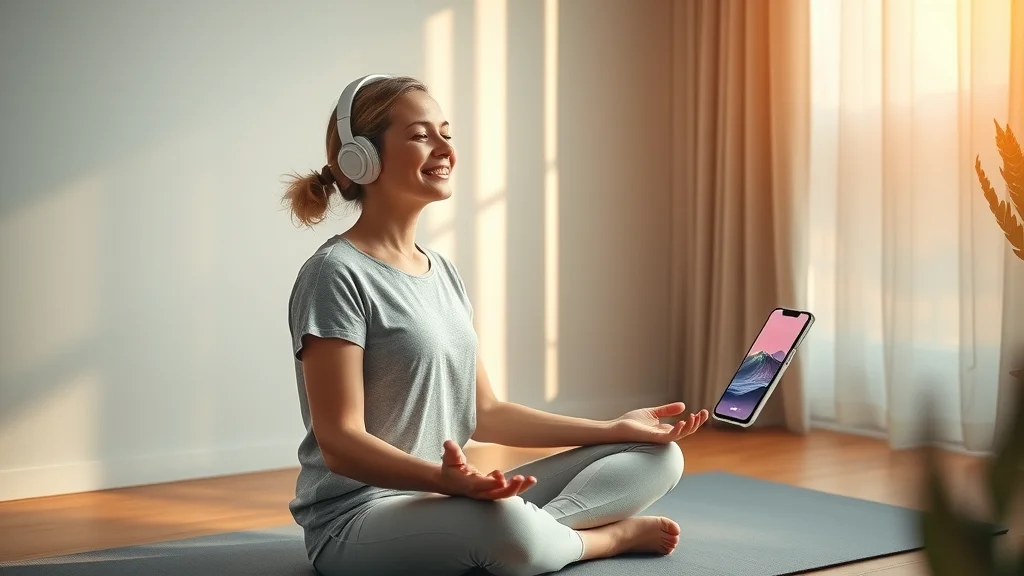
Starting your day with a hypnosis session offers a proactive way to cultivate a calm, focused mindset. Many people who have incorporated hypnosis into their morning routine report feeling more energized and clear-headed. Experts recommend setting aside a quiet moment—just after waking or before engaging with technology—to listen to a guided audio, participate in home practice, or use a reputable hypnosis app. The key is consistency: even spending a few focused minutes in a relaxed state each morning can improve how you approach stressors throughout the day.
Whether you’re hoping to manage weight loss, reduce anxiety, or simply feel more centered, designing a dedicated time for hypnosis as part of your morning routine primes your mind for success. This minor adjustment can make major differences in your ability to cope with challenges, stay productive, and foster sustainable habits for long-term wellness.
Choosing the Right Hypnosis Session for Your Wellness Goals
Selecting the right kind of hypnosis session is essential for maximizing the benefits of your wellness routine. Options range from self-guided scripts and audio programs to interactive mobile apps and sessions with professional hypnotherapists. Your choice should reflect your specific goals—such as stress management, weight loss, or improving sleep quality—and your comfort level with different methods. For beginners, starting with short, app-based sessions can offer structure and guidance, while those seeking deeper results may benefit from collaborating with a trained hypnotherapist. Consider the following when choosing the best fit: evidence-backed content, positive user reviews, and recommendations from health professionals.
Each type of hypnosis session has unique advantages. Self-guided routines allow flexibility and privacy, while professional sessions often provide tailored strategies for specific challenges like chronic pain or persistent anxiety. App-based programs bridge convenience and quality, often combining the best of both worlds for busy individuals looking to make hypnosis a regular part of their daily routine.
Creating a Daily Routine Backed by Science
Scientific research supports the benefits of a consistent, well-structured hypnosis wellness routine. Mental health experts suggest that adherence to evidence-based guidelines yields the most sustainable outcomes. Begin with clear, achievable goals—reduce stress, enhance sleep, or support weight loss. Track your sessions and, if possible, partner with a certified or recommended hypnotherapist who can help refine your approach based on your personal wellness journey.
The structure of a daily routine matters. Spend time in a distraction-free environment, use guided audio or scripts with proven effectiveness, and aim for regular practice—ideally at the same time every day. Over time, this disciplined approach fosters a heightened sense of self-awareness, enhances stress management, and empowers you to maintain a relaxed, focused state even in challenging situations.
| Session Type | Key Features | Best For | Considerations |
|---|---|---|---|
| Self-guided | Private, flexible timing, inexpensive | Experienced users, routine reinforcement | Requires self-motivation and credible scripts |
| App-based | Guided audio, progress tracking, accessible | Beginners, busy professionals, tech-friendly | Varies in quality; seek evidence-based content |
| Professional | Tailored sessions, deeper support, expert guidance | Challenging issues (weight loss, pain, trauma) | Higher cost, requires schedule coordination |
Hypnosis for Weight Loss: Facts and Myths
Does a Hypnosis Wellness Routine Aid in Sustainable Weight Loss?
One of the most commonly cited benefits of a hypnosis wellness routine is its ability to support weight loss without restrictive diets or harsh exercise regimens. The process works by helping individuals address deep-seated habits and beliefs around food, exercise, and self-image. A state of hypnosis allows people to become open to suggestion, making it easier to replace unhealthy cravings with positive behaviors—like choosing nutrient-dense foods or committing to regular movement throughout the day.
Unlike quick-fix diets, hypnosis for weight loss focuses on sustainable change, targeting the psychological triggers that often derail progress. Clinical hypnosis, as practiced in reputable wellness centers and promoted by the Cleveland Clinic, uses a mix of cognitive reinforcement and mindful relaxation to achieve long-term results. When integrated thoughtfully into your daily or morning routine, hypnosis can play a key role in helping you form healthier habits—paving the way for gradual, maintainable weight loss and improved overall well-being.

Evidence-Based Outcomes from Cleveland Clinic and Related Studies
Multiple peer-reviewed studies and expert reviews from institutions like the Cleveland Clinic have demonstrated the power of hypnosis to improve outcomes in wellness domains including stress management, chronic pain, and weight loss. For example, research has shown that individuals who combined hypnosis with standard behavioral interventions were more likely to sustain weight loss and report improvements in quality of life than those who relied solely on traditional methods. These studies suggest that the mind-body connection fostered by a regular hypnosis wellness routine is both substantial and scientifically credible.
The most successful participants were those who committed to hypnosis sessions consistently and paired them with lifestyle changes, such as balanced nutrition, regular activity, and mindful reflection. Such integrative wellness strategies—endorsed by major clinics and health professionals—not only address symptomatic concerns but also support longer-term mental health, self-esteem, and motivation.
Step-by-Step: How to Start a Hypnosis Wellness Routine at Home
- Assess your wellness goals: Identify whether your focus is stress reduction, weight loss, mental clarity, or another wellness objective.
- Find credible hypnosis resources: Seek out certified hypnotherapists, evidence-based apps, or reputable guided audios.
- Establish a dedicated practice time: Choose a quiet, comfortable period—preferably in your morning routine—for your hypnosis sessions.
- Incorporate hypnosis into your daily or morning routine: Be consistent, even if you start with just a few minutes per day.
- Track and evaluate your results: Keep notes in a wellness journal, monitor mood or weight changes, and adjust your routine as needed to maximize benefits.
Guided Introduction to Daily Hypnosis Wellness Routines – An expert-led video overview to help you begin your hypnosis wellness routine at home.
People Also Ask: Hypnosis Wellness Routine FAQs
What are three things hypnosis cannot do?
Hypnosis cannot force someone to act against their will, cannot cure all diseases, and cannot recover memories with perfect accuracy.
What does the Bible say about hypnosis?
The Bible does not specifically mention hypnosis, but some religious perspectives advise discernment, while others see hypnosis as a therapeutic tool when used ethically.
Can you train yourself to be hypnotized?
Yes, many hypnosis wellness routine techniques allow for self-training, often beginning with mindfulness and progressing to more advanced self-hypnosis methods.
What is the average cost of a hypnosis session?
A typical hypnosis session ranges from $75 to $200, depending on the practitioner and location; some online resources are more affordable.
How Hypnosis Sessions Work: A Beginner’s Perspective – Learn what to expect from your first hypnosis wellness session.
Expert Tips for a Successful Hypnosis Wellness Routine
- Begin with shorter sessions
- Use reputable hypnosis apps or practitioners
- Establish consistency for best results
- Document your progress in a wellness journal
“Consistency in your hypnosis wellness routine leads to greater long-term success in stress management and well-being.” – Certified Hypnotherapist
Key Takeaways on Hypnosis Wellness Routines
- Hypnosis enhances stress management when integrated into a daily or morning routine
- Scientific evidence supports hypnosis for specific wellness goals such as weight loss
- Anyone can begin a basic hypnosis wellness routine at home

Frequently Asked Questions about Hypnosis Wellness Routines
- Does hypnosis work for everyone? While many individuals benefit, some may find it difficult to enter a focused state or remain open to suggestion. Consistency and choosing the right approach can improve outcomes.
- Are online hypnosis sessions effective? Yes, many app-based or guided hypnosis programs offer effective results, especially for stress management and morning routines. Ensure your resource is reputable and evidence-based.
- How quickly can I expect results from my hypnosis wellness routine? Some users notice benefits such as reduced stress or improved focus within a few sessions, while others may take several weeks. Tracking progress in a journal is recommended.
- Are there any risks to hypnosis? Hypnosis is generally safe when performed by trained professionals or reputable apps. It is not suitable for individuals with certain psychiatric conditions—consult a healthcare provider if in doubt.
Bringing It All Together: Transform Your Wellness with a Hypnosis Wellness Routine
Integrating a hypnosis wellness routine into your daily life can unlock new levels of mental clarity, stress relief, and personal fulfillment. Commit to consistency, leverage evidence-backed techniques, and let this powerful practice elevate your wellness from the inside out.
As you continue to refine your wellness journey, consider broadening your understanding of mind-body practices and how they can work together for even greater results. Delving into the distinctions and unique benefits of approaches like hypnosis and meditation can empower you to create a more personalized and effective routine. For a deeper dive into how these practices compare and complement each other, explore the comprehensive guide on hypnosis versus meditation. Expanding your knowledge in this area can help you unlock new strategies for stress management, focus, and holistic well-being—taking your daily routine to the next level.




Write A Comment