

Did you know? According to recent research, over 30% of adults suffer from chronic insomnia or struggle to fall asleep regularly—yet, a growing number are achieving peaceful slumber through sleep hypnosis techniques. This guide uncovers how hypnosis is supporting restful nights, and what you can do to introduce it into your own bedtime routine for an improved, more restorative sleep.
A Surprising Answer to Sleepless Nights: The Rise of Sleep Hypnosis Techniques
Difficulty falling asleep, disruptive nighttime waking, and poor sleep quality are issues that plague millions worldwide. But with increasing awareness of sleep’s role in mental health and physical well-being, more people are turning to sleep hypnosis techniques as a gentle, non-pharmaceutical approach to better rest. Unlike sleep medication, hypnosis for sleep uses suggestive language, guided meditations, and calming routines to access your subconscious and promote natural, deep sleep. These methods are celebrated for offering fewer side effects and targeting the root causes of sleep disturbance, like anxiety or negative thoughts, rather than just treating the symptoms.
Incorporating hypnosis techniques into a nightly practice can address both short-term difficulties with falling asleep and long-term sleep disorders. From audio hypnosis recordings to self-hypnosis and integrating sleep hygiene, the rise in demand for sleep hypnosis is backed by scientific studies, professional sleep organizations, and countless personal testimonials claiming improved sleep quality and a restored sense of well-being.
An Eye-Opening Statistic About Sleep and Hypnosis
A 2022 clinical review in the Journal of Clinical Sleep Medicine found that participants practicing sleep hypnosis reported up to 67% improvement in time to fall asleep compared to control groups, highlighting the profound impact these techniques can have for those with persistent sleep disturbances. Such numbers show that deep sleep and true rest are within reach—even for those who feel they have “tried everything. ”

What You'll Learn From This Guide on Sleep Hypnosis Techniques
- How sleep hypnosis techniques promote better sleep
- Popular sleep hypnosis methods, including hypnotic suggestion and guided meditation
- Tips for integrating hypnosis for sleep into your nightly routine
- Insights on sleep hygiene and avoiding common pitfalls
- Answers to commonly asked questions about sleep hypnosis
Understanding Sleep Hypnosis Techniques
What Are Sleep Hypnosis Techniques?
Sleep hypnosis techniques refer to structured practices that use guided relaxation, focused attention, and suggestive cues to help people relax their bodies and minds, ultimately easing falling asleep and enhancing sleep quality. This can include direct hypnotic suggestion—where a professional or recording leads your subconscious toward calmness—or self-directed routines where you internalize relaxation cues on your own. These techniques often complement other sleep aids and form part of an integrative approach to tackling sleep issues such as insomnia, night waking, or feeling unrested after a full night in bed.
Unlike traditional sleep medicine, hypnosis for sleep addresses the root causes of sleep disturbance, such as residual stress, anxiety, or habitual negative thought cycles. Whether delivered through audio recordings, live therapists, or self-led scripts, sleep hypnosis techniques harness the mind’s power to enter a receptive, suggestible state, making it easier to let go of worries and drift into deep, restorative sleep.

The Science Behind Hypnosis for Sleep
Research shows that hypnosis accesses a unique state of consciousness—between wakefulness and sleep—called the state of hypnosis. In this state, the brain’s activity patterns shift, increasing slow-wave sleep and diminishing mental chatter. Hypnotic induction (the entry process) guides individuals to this receptive state, where suggestions to relax, let go, or sleep deeper are more readily accepted by the subconscious. This results in both immediate calming effects and, over time, reconditioned nighttime routines that improve sleep quality at the source.
"Hypnosis taps into the subconscious mind, offering pathways to relaxation that other sleep aids simply can't reach. " — Sleep Specialist
Numerous studies, including those from the American Academy of Sleep Medicine, confirm that participants using guided hypnosis for sleep—such as guided meditation or direct hypnotic suggestion—experience not only an easier time falling asleep but also more deep sleep or slow-wave sleep, which is crucial for feeling rested and refreshed in the morning.
For those interested in understanding how sleep hypnosis compares to other relaxation practices, exploring the distinctions between hypnosis and meditation can provide valuable context for choosing the right approach for your needs. You can learn more about the unique benefits and differences in this in-depth comparison of hypnosis vs meditation.
Hypnotic Suggestions and Guided Meditation for Better Sleep
How Hypnotic Suggestion Influences Falling Asleep
Hypnotic suggestion is the core tool of most sleep hypnosis techniques. Delivered either by a trained hypnotherapist or by carefully designed audio scripts, these suggestions leverage specific language patterns—such as describing sensations of heaviness, warmth, or peaceful imagery—to quiet an active mind. The intention is to redirect conscious focus away from worries or to-do lists and gently usher the mind towards a state of drowsiness and readiness for sleep. For many, this can break cycles of sleep disturbance that prevent falling asleep or cause frequent waking.
Scientific studies indicate that when participants listen to recordings of hypnotic suggestions before bedtime, their likelihood of entering deep sleep increases. Because these suggestions operate at a subconscious level, they can also diminish ingrained stress reactions and help people with chronic sleep disorders gradually shift their mental associations around bedtime from frustration to relaxation.
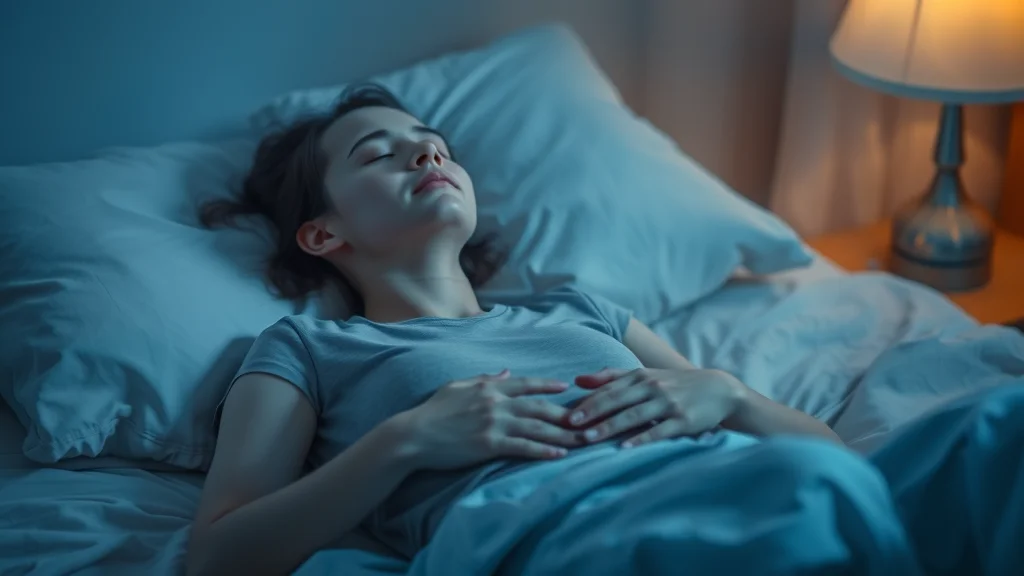
Role of Guided Meditation in Sleep Hypnosis
Guided meditation is a staple in many sleep hypnosis routines. These sessions invite listeners to follow calming narratives—progressive body scans, guided imagery of tranquil landscapes, or simple mindful breathing. The combination of soothing narration, peaceful soundscapes, and embedded hypnotic cues provides a comprehensive approach to improving your sleep.
Regular use of guided meditation for sleep trains the brain to associate certain audio cues or mental rituals with bedtime, helping to calm racing thoughts and facilitate the transition from wakefulness to sleep. Many users report that the layered approach of focusing attention, relaxing the body, and introducing suggestions for restorative sleep delivers positive results faster than using a single sleep aid alone.
Types of Sleep Hypnosis Techniques
- Direct hypnotic suggestion for deep relaxation
- Self-hypnosis and daily routines
- Audio hypnosis recordings tailored for sleep
- Combining hypnosis with sleep hygiene practices
| Technique | How It Works | Best For |
|---|---|---|
| Hypnotic Suggestion | Uses specific wording to induce sleepiness | Stress-related insomnia |
| Self-Hypnosis | Individuals use cues to relax themselves | Routine sleep improvement |
| Guided Meditation | Audio or live guidance for calmness | Restless minds |

Sleep Hypnosis Recordings: Tools for Every Night
Choosing and Using a Hypnosis Recording
Hypnosis recordings have democratized access to self-hypnosis, making it easier than ever to regularly practice sleep hypnosis techniques. When choosing a recording, it’s essential to pick one designed by certified professionals with proven results, and one whose voice, pacing, and background music (if any) feel relaxing. Many recordings are created to target specific concerns—such as stress management, falling asleep quickly, or deep sleep enhancement—so experiment with different styles until you find what works best for you.
To maximize benefits, listen to your chosen hypnosis for sleep recording in a comfortable, distraction-free environment with a routine bedtime schedule. Over time, your brain will link the cues in the recording to sleepiness, making it easier to fall asleep and sleep deeper throughout the night. For many, this forms the backbone of their nightly wind-down, complementing other sleep hygiene practices.
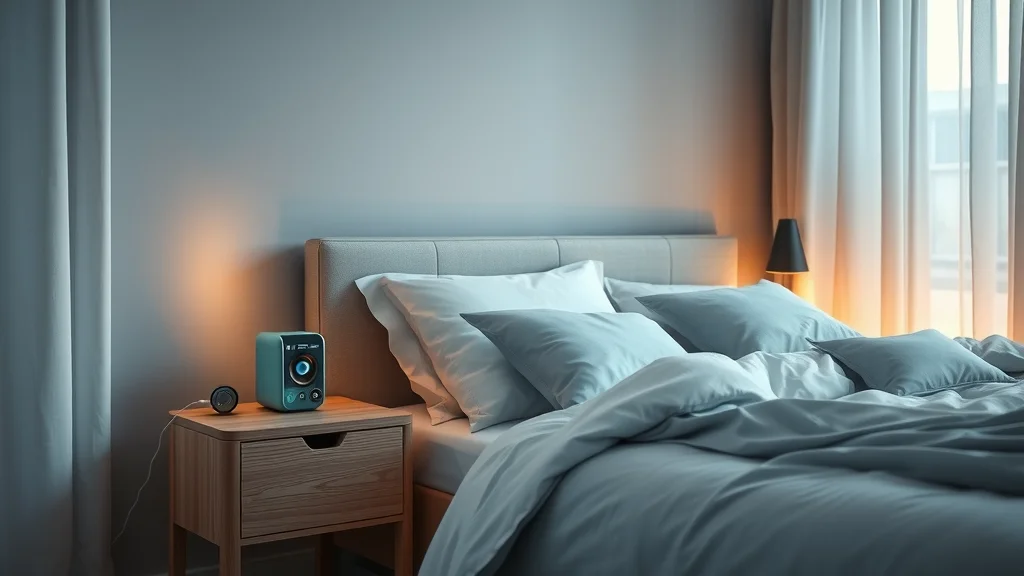
Critical Elements of Sleep Hygiene When Practicing Hypnosis Techniques
Blending Sleep Hygiene and Hypnosis for Better Sleep Quality
No technique works in isolation, which is why sleep experts emphasize combining sleep hypnosis techniques with solid sleep hygiene. Sleep hygiene includes habits like maintaining a regular sleep schedule, keeping your bedroom cool and free of electronics, and winding down with calm rituals before bed. Blending these principles with hypnosis techniques maximizes the brain and body’s natural signals for good sleep and helps cement the association between bedtime and relaxation.
Practical approaches for integrating both include establishing a wind-down period (dimming lights, turning off screens), using guided meditation or hypnosis recordings, and ensuring your sleep environment is quiet, comfortable, and inviting. This synergy not only boosts the immediate effects of hypnosis but can lead to sustained improvements in sleep quality and mood over weeks and months.
Addressing Common Health Conditions
If you have an underlying health condition—such as anxiety, depression, chronic pain, or a diagnosed sleep disorder—discuss sleep hypnosis techniques with your healthcare provider. Some people with complex health histories, neurological conditions, or mental health concerns may require personalized approaches to ensure both safety and effectiveness. In many cases, however, sleep hypnosis can be integrated safely with supervised support and as a complementary addition to other therapies, like cognitive-behavioral therapy or medication prescribed for sleep disorders.
Many studies show that, when combined with medical oversight, hypnosis can help mitigate sleep disturbances related to chronic illness, mental health conditions, or stressful life transitions, provided you follow recommended guidelines and monitor for any side effects. Always prioritize safety by choosing reputable resources and, if in doubt, consult professionals with experience in hypnosis for sleep.
Integrating Hypnosis Techniques Into Your Routine for Good Sleep
Step-by-Step Guide: Using Sleep Hypnosis Techniques at Home
- Prepare a comfortable sleep environment.
- Pick a trusted hypnosis for sleep recording or script.
- Practice relaxation breathing as you begin the session.
- Let hypnotic suggestions guide you toward sleep.
- Reflect on improvements in your sleep quality over time.
A consistent bedtime routine is likely the single strongest predictor of success with sleep hypnosis techniques. Following these steps night after night helps reinforce new, positive sleep associations in your brain. For the best results, combine relaxation practices—such as mindful breathing or gentle stretching—with your hypnosis sessions. Many people also find value in keeping a sleep journal to track their progress and fine-tune their approach.
"Consistency is the secret ingredient in mastering sleep hypnosis techniques and achieving lasting results." — Clinical Hypnotherapist

Measuring Outcomes: How Sleep Hypnosis Techniques Improve Your Sleep
Recognizing Changes in Sleep Quality
The true measure of success with sleep hypnosis techniques lies in recognizing and tracking improvements in your sleep. Look for signs such as falling asleep faster, waking up less often, spending less time awake at night, and feeling more refreshed in the morning. Additional positive outcomes might include a reduction in anxiety around bedtime, a brighter mood during the day, and a greater sense of control over your own sleep health.
Many people notice subtle changes within the first week or two—such as increased relaxation or drowsiness during the session—but sleep quality typically continues to improve with consistent, long-term use. Consider using a sleep tracking app or a simple sleep journal to monitor trends and celebrate your progress as you improve your sleep.

Potential Limitations and Safety Considerations of Sleep Hypnosis Techniques
Who Should Avoid Hypnosis for Sleep?
Sleep hypnosis techniques are safe for most adults, but they are not suitable for everyone. Certain neurological disorders, a history of psychosis or dissociative disorders, or specific untreated psychiatric conditions may be aggravated by self-hypnosis or guided hypnotic suggestion. If you have concerns about your mental health, current diagnosis, or a history of trauma, consult with a licensed health professional before trying hypnosis for sleep. In cases of children or vulnerable adults, working with a credentialed hypnotherapist (rather than self-guided techniques) is highly recommended to protect overall mental and emotional safety.

Understanding What Hypnosis Techniques Can—and Cannot—Do
Although sleep hypnosis techniques offer powerful benefits, it’s crucial to understand their limitations. They can improve sleep quality, reduce stress, and support healthier sleep routines—but they are not a magic cure for all types of insomnia or complex sleep disorders, and they do not replace medical intervention for serious health conditions. Hypnosis cannot make someone do anything against their will, cannot cure underlying health conditions without proper treatment, and cannot guarantee instant results; progress is often gradual and requires consistency. Recognizing these boundaries helps users set realistic expectations and avoid frustration, supporting a positive and safe journey toward better sleep.
People Also Ask About Sleep Hypnosis Techniques
What is the sleep hypnosis technique?
Sleep hypnosis technique refers to the use of guided suggestion, relaxation exercises, and focused attention to prepare the body and mind for deep, restorative sleep. This can be experienced through a therapist, audio recordings, or self-hypnosis scripts. The aim is to calm the nervous system, release mental tension, and make falling asleep feel natural and effortless by working with your subconscious mind.
Who should not be hypnotised?
Anyone with a history of psychosis, schizophrenia, dissociative disorders, or other severe mental health conditions should avoid hypnosis for sleep unless it is conducted by a trained and licensed mental health professional. It’s also not recommended for individuals currently experiencing a psychiatric crisis or untreated PTSD. Always consult your healthcare provider before beginning hypnosis techniques if you have concerns over side effects or mental health history.
What is the best trick to fall asleep quickly?
One of the best tricks to fall asleep quickly is to use a combination of relaxation breathing and guided hypnosis for sleep. Start by preparing your environment—dark, cool, and comfortable. Then, play a reputable hypnosis recording and focus your mind on the guided instructions, letting go of any distracting thoughts. Practicing this consistently can help create a reliable sleep association, supporting good sleep night after night.
What are three things hypnosis cannot do?
Hypnosis cannot: Make you do anything against your will or ethical standards; Instantly cure chronic or severe medical or psychological conditions without additional support; Guarantee instant sleep—it usually requires consistent practice over time to see substantial benefits.
Frequently Asked Questions About Sleep Hypnosis Techniques
- Is sleep hypnosis safe for everyone? Sleep hypnosis is safe for most people, but those with certain mental health or neurological conditions should consult their doctor before starting.
- How often should I use sleep hypnosis techniques? Most experts recommend daily practice for at least three weeks to build positive new sleep habits, but listen to your body’s needs and adjust as required.
- Can hypnosis for sleep be combined with other therapies? Yes. Sleep hypnosis can work alongside cognitive-behavioral therapy, medication, or mindfulness training for comprehensive support of sleep health.
- What results can I expect, and how fast? Many notice relaxation improvements within the first week, but more significant changes in sleep quality or patterns usually occur after several weeks of regular use.
Key Takeaways From Your Guide to Sleep Hypnosis Techniques
- Sleep hypnosis techniques are a legitimate and increasingly popular approach to improving sleep quality.
- Regular practice, alongside good sleep hygiene, often achieves the best results.
- Choose reputable recordings or certified professionals for best safety and effectiveness.
Take the First Step Toward Restful Evenings With Sleep Hypnosis Techniques
Ready for fewer sleepless nights? Start exploring sleep hypnosis techniques today—choose a trusted recording or consult a certified hypnotherapist, commit to your new bedtime routine, and experience the transformation to restful, refreshing sleep.
If you’re eager to deepen your understanding of how hypnosis fits into the broader landscape of mind-body wellness, consider exploring the nuanced relationship between hypnosis and meditation. Gaining clarity on their similarities and differences can empower you to tailor your nightly routine for maximum benefit, whether you’re seeking relaxation, focus, or restorative sleep. For a comprehensive look at how these practices complement and diverge from each other, visit this expert guide on hypnosis vs meditation and unlock new strategies for holistic well-being.




Write A Comment