

Almost 20% of adults in the U.S. report struggling with anxiety disorders each year—yet most have never tried hypnosis for anxiety as a solution. While traditional treatments like medication and behavioral therapy are well known, hypnosis remains an unconventional but powerful tool for reducing anxiety. This comprehensive guide explores how hypnosis for anxiety works, the science behind it, and why it might be the missing piece for those looking to quiet their mind and ease persistent tension.
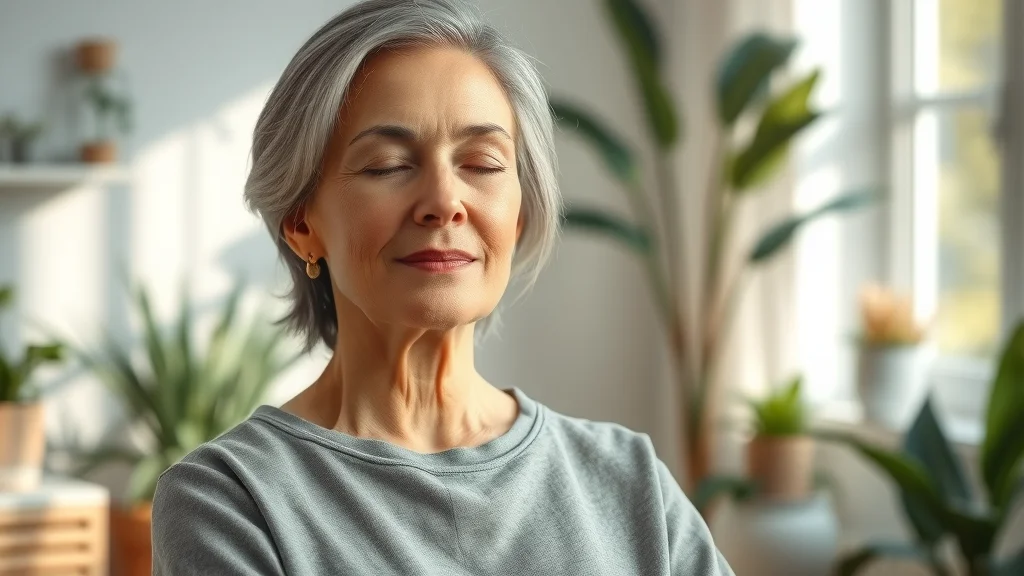
Understanding Hypnosis for Anxiety: An Unconventional Approach to Reducing Anxiety
Hypnosis for anxiety is an approach that leverages the mind’s natural ability to achieve a relaxed and focused state—known as the hypnotic state—to introduce powerful hypnotic suggestions aimed at reducing anxiety and stress. Unlike standard methods such as cognitive behavioral therapy or medications, hypnosis taps into altered states of consciousness, allowing the brain to reframe responses to anxiety triggers at a deep level.
Studies show that entering a hypnotic state can help individuals manage both physical symptoms—like increased heart rate and elevated blood pressure—and the inner turmoil often associated with anxiety disorders. For those who have found conventional options lacking, hypnosis for anxiety offers fresh hope, empowering people to retrain their thought patterns and achieve a sustained sense of calm. Throughout this article, you’ll gain clear, practical insight into how hypnosis for anxiety compares to other interventions, uncover the mechanics of a typical session, and learn actionable strategies to try self-hypnosis at home.
For a deeper dive into the specific ways hypnosis can calm the mind and support anxiety relief, you may find it helpful to explore how hypnosis for anxiety works to help calm the mind, including practical examples and additional research findings.
"Almost 20% of adults in the U.S. report struggling with anxiety disorders each year—yet most have never tried hypnosis for anxiety as a solution."

What You'll Learn About Hypnosis for Anxiety
- The science and process behind hypnosis for anxiety
- Key differences between hypnosis for anxiety and other anxiety treatments
- Step-by-step guide to what happens during a hypnosis for anxiety session
- Practical tips for self-hypnosis and everyday application
- Evidence, expert quotes, and answers to common questions
Defining Hypnosis for Anxiety: The Basics
What Is Hypnosis for Anxiety?
Hypnosis for anxiety is a targeted psychological intervention that places the mind into a relaxed, focused state—often referred to as the hypnotic state or an altered state of consciousness. In this state, the mind is open to creative solutions and positive suggestions that can help reframe anxiety-driven thought patterns.
Unlike stage hypnosis, clinical hypnosis for anxiety is facilitated by trained, certified hypnotherapists within a medical or therapeutic context. The process involves guided relaxation, followed by carefully crafted hypnotic suggestions to address specific sources of anxiety, such as social anxiety disorder, panic attacks, or generalized anxiety disorder. This approach works by quieting areas of the brain associated with anxiety and shifting the focus away from unproductive coping mechanisms, allowing you to regain control over your emotional responses.

The History and Evolution of Hypnotic State in Treating Anxiety
The practice of hypnosis dates back centuries, but its use in treating anxiety has experienced a surge over the last several decades. In the mid-20th century, research began to document observable changes in brainwave patterns and heart rate during the hypnotic state, suggesting measurable physiological shifts. Early clinical trials highlighted that hypnosis could induce deep relaxation and aid in managing everything from stress disorder to depressive disorder.
As modern psychiatry evolved, hypnotic techniques were increasingly integrated into mainstream mental health care. While traditional therapies remained dominant, hypnosis gained popularity as researchers found it effective in treating anxiety, especially when paired with other psychological interventions. Today, hypnosis is used alongside cognitive behavioral therapy, medication, and other holistic approaches, reflecting its growing reputation for supporting overall mental health.
How Hypnotic Suggestions Work for Reducing Anxiety
Hypnotic suggestions are the core feature of hypnosis for anxiety—and their unique strength lies in their ability to modify underlying thought patterns. During the hypnotic state, the mind experiences heightened focus and reduced distractions, making it highly receptive to new, empowering messages. Through positive hypnotic suggestions, individuals can break free from the “fight or flight” cycle associated with various types of anxiety, redirecting their internal dialogues towards calmness and rational thinking.
For example, a certified hypnotherapist might use phrases like, “You feel your breath slow and deepen with each word,” or, “You are safe and in control.” These suggestions target the subconscious, helping regulate blood pressure, ease muscle tension, and foster coping mechanisms for future anxiety triggers. Over time, these changes reinforce healthier mental habits and offer lasting relief from persistent anxiety disorders.
How Hypnosis for Anxiety Differs From Traditional Approaches
Comparing Hypnosis for Anxiety to Cognitive Behavioral Therapy and Medication
When assessing hypnosis for anxiety alongside traditional interventions such as cognitive behavioral therapy (CBT) and medication, key differences emerge in both approach and effectiveness. CBT focuses on conscious thought restructuring, challenging negative beliefs through logical reasoning and skill development. Medication works biochemically to manage symptoms and imbalances within the brain. By contrast, hypnosis addresses anxiety at a deeper, subconscious level, often bringing about transformative change through focused attention in the hypnotic state.
Studies show that, for some individuals—particularly those with high hypnotic suggestibility—hypnosis for anxiety can produce meaningful results, sometimes faster than talk therapy. Moreover, unlike medication, hypnosis generally comes with minimal side effects and can offer an alternative for those wary of pharmacological solutions or unresponsive to other therapies. It complements, rather than replaces, well-established mental health protocols.

When Hypnosis for Anxiety Is Most Effective
Hypnosis for anxiety tends to be most successful for individuals willing to engage deeply with the process and who possess a moderate to high level of openness to suggestion. It is particularly effective for cases where anxiety is triggered by specific thoughts, phobias, or social settings. People who have not found relief with medication, or who face unwanted side effects, may also benefit. For those with chronic stress, generalized anxiety disorder, or social anxiety disorder, hypnosis delivers its best results when applied by a trained professional, customized to the client’s unique needs.
At the same time, recognizing when to consult with a health professional is crucial. Hypnosis is a tool—not a replacement for urgent medical care or advanced psychiatric disorders. It offers a pathway for reducing anxiety and improving overall quality of life, especially when integrated with traditional behavioral therapy or other psychological interventions.
Limitations and Risks of Relying on Hypnotic Suggestions
Like all treatments, hypnosis for anxiety has limitations. While most people experience only mild or rare side effects (such as temporary dizziness or drowsiness), it may not be suitable for everyone. People with certain mental health conditions—including psychotic disorders or severe depressive disorder—may not be good candidates, as hypnosis can occasionally intensify underlying symptoms.
Another concern is the variability of hypnotic suggestibility; some individuals naturally enter a hypnotic state more easily than others, affecting outcomes. Reliance on hypnosis alone, especially without ongoing support or integration with other therapies, can also limit its long-term effectiveness. Always consult a qualified mental health professional before beginning hypnosis for anxiety—especially if you are managing complex health conditions.
How Does Hypnosis for Anxiety Work?
Entering the Hypnotic State: A Step-by-Step Guide
The process starts with creating a calming environment where you feel safe and undisturbed. With eyes gently closed and the mind focused inward, a hypnotherapist guides you into a relaxed state—this is your conscious mind gradually giving way to an altered state of consciousness marked by deep focus, slow breathing, and soothing mental imagery. Sometimes, self-hypnosis tools are provided so you can practice at home.
A typical session includes verbal cues (“Focus on the sound of my voice”), progressive muscle relaxation, and visualization exercises. This focused attention leads to reduced heart rate and blood pressure, prompting both immediate and sustained reductions in anxiety symptoms. Over several sessions, you’ll become more accustomed to the hypnotic state, making it easier to access the benefits whenever anxiety arises.

Role of Hypnotic Suggestion in Transforming Anxiety Thought Patterns
Once in the hypnotic state, the mind’s critical filters are temporarily bypassed, enabling hypnotic suggestions to reshape automatic thoughts. For anxiety, these may include statements designed to enhance confidence, promote calm, or reframe specific fears. For example, the acceptance of phrases like, “You can manage any stress you encounter,” or “Each breath brings more peace.”
Research in psychological interventions suggests that repeated exposure to positive suggestions during hypnosis fosters new neural pathways, reducing the intensity of anxious responses over time. This process makes hypnosis especially effective in treating anxiety linked to specific situations or health conditions, and it helps reinforce better coping mechanisms for ongoing stressors.
Physical and Psychological Effects During Hypnosis for Anxiety
During hypnosis, physical indicators of anxiety, such as rapid heart rate or elevated blood pressure, visibly decrease—reflecting the deep calm associated with the hypnotic state. Clients often report feeling both deeply relaxed and highly alert, as if the mind is “focused and free” at the same time.
Psychologically, anxiety thought patterns tend to quiet, replaced by a sense of safety and mastery over internal reactions. Brain scans from studies show dampened activity in areas of the brain that drive the stress response, while motivation and emotional regulation signals increase. These changes can outlast the session, empowering individuals to manage anxiety beyond the therapist’s office.
Health Conditions that Benefit Most from Hypnosis for Anxiety
- Social anxiety disorder
- Generalized anxiety disorder
- Panic attacks
- Phobias
- Stress-related health conditions

| Method | Duration | Side Effects | Evidence Level | Suitability |
|---|---|---|---|---|
| Hypnosis for Anxiety | 30–60min | Mild (rare) | Moderate | Targeted |
| Cognitive Therapy | 45min | Low | Strong | Broad |
| Medication | Daily | Moderate | Strong | Chronic |
What Happens During a Hypnosis for Anxiety Session?
The Hypnotic State Uncovered
A hypnosis for anxiety session is distinctively calm and collaborative. It often begins with a brief conversation about current anxiety triggers or health conditions. The hypnotherapist then invites the client to close their eyes and start focusing on gentle breathing or a relaxing visualization. As their senses narrow and external distractions fade, the hypnotic state emerges—a unique blend of deep relaxation and focused awareness that amplifies receptivity to hypnotic suggestions.
During this altered state of consciousness, the client does not lose control or awareness; instead, they gain rapid access to subconscious thought patterns, making it easier to address sources of anxiety and reinforce new, positive narratives. This nurturing, non-judgmental context differentiates clinical hypnosis for anxiety from stage performances or entertainment hypnosis.
Common Hypnotic Suggestions Used for Reducing Anxiety
A hypnotherapist might utilize suggestions such as, “You release tension with every breath,” or “Situations that once caused stress now bring calm.” Other suggestions target confidence—“You have all the tools needed to succeed”—or resilience, “You can face challenges with ease.” These hypnotic suggestions are designed to reduce anxiety both in the moment and in stressful situations that may arise later.
The effectiveness of these suggestions is influenced by the client’s level of engagement, openness, and the skill of the hypnotherapist. Most find they leave the session feeling noticeably lighter, with an enhanced sense of control over previously overwhelming emotions.
Safety Considerations for Health Conditions
Although hypnosis for anxiety is generally safe, individuals with certain health conditions—for instance, those with psychosis, severe depressive disorder, or epilepsy—should proceed cautiously. A qualified hypnotherapist will screen clients for medical history and collaborate with other mental health professionals as needed to ensure safety.
If you are taking medication for an anxiety disorder or other mental health issues, always consult with your prescribing physician before starting hypnosis for anxiety. This integrated approach will help ensure interventions complement, rather than conflict with, your existing care plan.
Who Should Consider Hypnosis for Anxiety?
Determining Suitability Based on Health Conditions
Anyone experiencing chronic tension, performance anxiety, panic attacks, or symptoms of generalized anxiety disorder may be a good candidate for hypnosis for anxiety. It is especially suitable for those seeking non-pharmacological solutions, or for people wanting to avoid side effects from medication.
Hypnosis can also benefit individuals with stress-related health conditions, such as irritable bowel syndrome or migraines, where psychological stress exacerbates physical symptoms. Before starting hypnosis, it’s important to undergo a proper evaluation to ensure the technique aligns with your specific health needs and mental health profile.
When to Consult a Medical Professional
While hypnosis for anxiety is safe for most, individuals with severe psychiatric disorders, history of dissociation, or complex health conditions should seek advice from a licensed mental health professional before participating. This ensures the use of hypnosis as part of a broader, individualized care plan and avoids any risk of interference with necessary treatments.
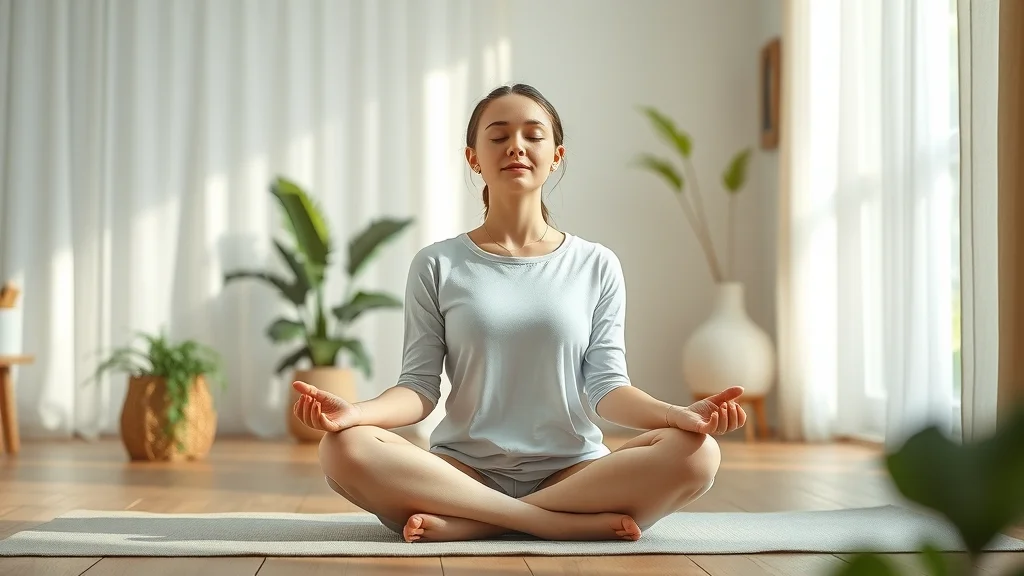
DIY: Self-Hypnosis for Anxiety in Everyday Life
Steps to Achieve a Hypnotic State on Your Own
You don’t need to visit a clinic to benefit from hypnosis for anxiety—practicing self-hypnosis at home is possible for many. Start by creating a quiet environment free from distractions. Sit or lie comfortably, close your eyes, and begin with several deep, slow breaths. Focus your mind on a specific word (like “calm” or “safe”) and let thoughts of the outside world fade away.
Mentally scan your body for tension, relaxing your muscles one by one. Visualize yourself entering a safe, peaceful space, such as a sunlit garden or tranquil beach. As you deepen your focus, introduce hypnotic suggestions: repeat affirmations (“I am safe and relaxed”) or imagine anxiety being released with each exhale. Practice this daily to reinforce the benefits, and journal your experiences to measure progress.

Effective Hypnotic Suggestions for Anxiety Relief
- Create a quiet environment
- Focus on deep breathing
- Use repeated affirmations
- Visualize calm places
- Practice daily for best results
Scientific Evidence and Expert Perspectives on Hypnosis for Anxiety
Current Research: Does Hypnosis for Anxiety Really Work?
The scientific community has steadily accumulated clinical trial evidence supporting hypnosis for anxiety. While not a cure-all, studies show meaningful reductions in anxiety symptoms among people who receive hypnosis—especially when integrated with behavioral therapy. The effects include lowered heart rate, reduced blood pressure, and increased ability to manage triggers.
Importantly, clinical trials emphasize that benefits are greatest when hypnosis is delivered by certified, experienced hypnotherapists. Evidence levels are considered moderate compared to established therapies, but the technique continues to gain credibility as part of comprehensive mental health care for anxiety disorders.
"Clinical trials show that for some, hypnosis for anxiety reduces stress and improves quality of life—when applied by trained professionals."
Success Stories: Personal Experiences with Hypnosis for Anxiety
Personal testimonials from those who’ve tried hypnosis for anxiety often reflect profound transformation: “I never believed I could regain control over my panic attacks until I experienced clinical hypnosis.” Others describe feeling persistent calm even during formerly stressful meetings or public speaking events. The recurring theme is an improved sense of resilience and freedom from anxious thought cycles.
While outcomes vary based on individual hypnotic suggestibility and commitment to regular practice, many find that supplementing traditional treatments with hypnosis leads to deeper, more sustainable relief.

People Also Ask About Hypnosis for Anxiety
How effective is hypnotherapy for anxiety?
Hypnosis for anxiety effectiveness varies: While research led by major universities notes moderate results—particularly among individuals with high suggestibility—its impact is typically greater when integrated alongside evidence-based therapies.
What is the 3-3-3 rule for anxiety?
The 3-3-3 rule is a grounding technique for anxiety: identify three things you see, three things you hear, and move three parts of your body. While not exclusive to hypnosis for anxiety, it supports awareness and calm that can complement hypnotic state practices.
What is the strongest natural remedy for anxiety?
Natural remedies for anxiety include mindfulness, exercise, and techniques like hypnosis for anxiety. Hypnosis, in particular, uses hypnotic suggestions to shift thought patterns without medication.
Can I hypnotize myself to stop anxiety?
Yes, many people employ self-hypnosis for anxiety. It requires learning how to enter the hypnotic state and consistently applying positive hypnotic suggestions for reducing anxiety.
Expert Tips for Getting the Most Out of Hypnosis for Anxiety
- Always work with a certified hypnotherapist for clinical sessions
- Track your progress in a journal
- Pair hypnosis with other wellness practices
- Prioritize regular practice to reinforce hypnotic suggestions
Key Takeaways: Hypnosis for Anxiety and Reducing Tension
- Hypnosis for anxiety deploys the hypnotic state and guided suggestions to combat stress
- Ideal for cases unresponsive to traditional therapies or seeking non-pharmacological options
- Evidence indicates moderate benefits, especially when professionally supervised
- Self-hypnosis for anxiety is an accessible tool to practice at home
Frequently Asked Questions (FAQs) About Hypnosis for Anxiety
- Is hypnosis for anxiety safe?
- How often should I do hypnosis for anxiety?
- Are the results from hypnosis for anxiety permanent?
- Does hypnosis for anxiety work for children?
- Can hypnosis for anxiety be covered by insurance?
Moving Forward with Hypnosis for Anxiety
Ready to explore new ways of reducing anxiety? Book a consultation with a certified hypnotherapist and take your first step toward a calmer mind today.
If you’re interested in expanding your understanding of how hypnosis can support not just anxiety relief but also broader aspects of health and wellness, consider exploring the diverse applications of hypnotherapy. From stress management to pain relief and overall well-being, hypnosis offers a holistic approach to health and wellness that goes beyond anxiety alone. Discover how integrating hypnotic techniques into your daily routine can enhance resilience, promote relaxation, and empower you to take charge of your mental and physical health. The journey to a calmer, more balanced life may start with anxiety relief, but it can lead to a comprehensive transformation in your overall wellness.


Write A Comment