

Did you know? According to recent studies, up to 20% of Olympic athletes have tried hypnosis as part of their mental training strategies—a figure that challenges long-held misconceptions about traditional sports psychology. Athletes like Tiger Woods and Michael Jordan have reportedly turned to hypnosis for sports performance, achieving high levels of success through focused visualization and mental training. In this opinion article, we will unlock the surprising ways sports hypnosis is shaping elite performance and mental resilience, offering insight and actionable recommendations for athletes at any level.
A Surprising Look at Hypnosis for Sports Performance
Hypnosis for sports is no longer reserved for side acts or skeptics—it's now gaining respect as a legitimate tool for mental performance enhancement. Modern research highlights how sports hypnosis can give athletes a powerful edge, contributing to greater consistency, improved performance under pressure, and even the reduction of performance anxiety. From Olympians to high school athletes in the United States, people in nearly every discipline—including basketball, golf, and track—are integrating hypnosis for sports training and competition. The core technique involves entering a relaxed state, focusing deeply on desired outcomes, and using guided imagery to reinforce success. This approach helps athletes regulate stress, sharpen concentration, and recover from setbacks.
Unlike many traditional methods, hypnosis in sports does not require expensive equipment, lengthy therapy, or strict protocols. It operates by aligning the body and mind for optimal performance—enabling athletes to overcome mental blocks and visualize their peak moments. Professional athletes often report increased confidence, more reliable focus, and a greater sense of control over their physical and mental reactions. Whether dealing with performance anxiety or seeking to improve performance in competitive settings, sports hypnosis delivers a toolkit that’s highly adaptable, making it suitable for a variety of issues—from weight loss to overcoming injuries.
Did You Know? Unconventional Facts About Hypnosis for Sports
One of the least known facts about hypnosis for sports is its versatility: it benefits not only seasoned professionals but also emerging amateurs and even youth athletes. Early Olympic teams used hypnosis as far back as the 1956 Melbourne Games, and clinical hypnosis for sports has since evolved with new neuroscience insights. Today, more than 80% of sports psychologists in the United States incorporate cognitive or hypnotic elements into training programs. Another surprising aspect is that hypnosis in sports can play a role not just during competitions, but also in skills training, recovery, and ongoing mental health maintenance. Athletes often credit hypnosis with reducing stress, addressing mental health issues, and establishing pre-competition routines that keep them at high levels of preparedness. These unexpected benefits make hypnosis an attractive asset for anyone seeking a holistic approach to achieving both physical and mental excellence.
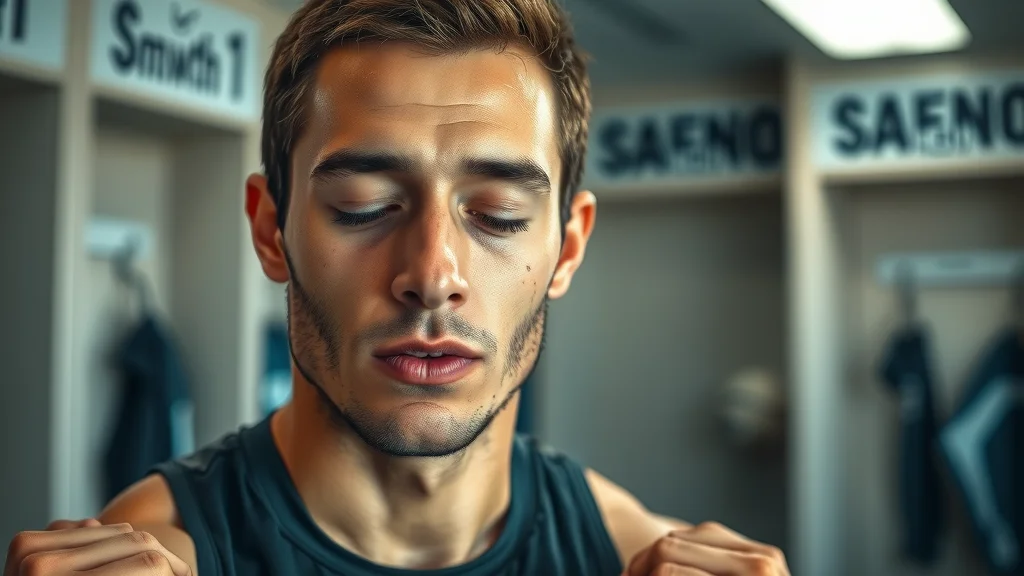
What You’ll Learn About Hypnosis for Sports
- The science and history of hypnosis in sports
- Expert and athlete viewpoints on mental training and sports performance
- The role of visualization and how hypnosis improves performance
- Answers to frequently asked questions about sports hypnosis
Understanding Hypnosis for Sports: Theory and Science
Defining Hypnosis in Sports and Mental Performance Enhancement
Hypnosis for sports is best understood as a focused, altered mental state where the mind becomes more open to suggestion—especially regarding behavior, attitude, and mental performance. For athletes, this state enables concentrated visualization and effective goal setting, both of which are foundational to sports performance. Scientific studies have shown that the role of hypnosis in sports is not just anecdotal; it is supported by neuroimaging evidence, which reveals measurable changes in brain activity when athletes visualize performance scenarios under hypnosis. Frequently, athletes undergo mental training that incorporates hypnotic scripts or audio, helping them solidify winning mindsets, overcome limiting beliefs, and develop new psychological training strategies.
The history of hypnosis in sports traces back to both Eastern and Western traditions, drawing from techniques similar to traditional Chinese meditation as well as clinical hypnosis used to address a variety of issues—ranging from general mental health to weight loss. Today, specialized sports psychologists and certified hypnotherapists are increasingly part of athletic support teams, providing expert guidance to help athletes build confidence, refine skills training routines, and maximize their athletic performance. By uniting physical and mental preparation, hypnosis for sports is becoming a key part of holistic athlete development.
Key Psychological Mechanisms: How Hypnosis Improves Sports Performance
The psychological power behind sports hypnosis rests on its ability to modulate attention, arousal, and physiological readiness. While in a hypnotic state, the brain engages deeply with targeted imagery and suggestion—a process supported by neurological studies utilizing EEG and functional MRI. This intensive focus allows athletes to rehearse movements and anticipate challenges, effectively strengthening neural pathways associated with athletic performance. As a result, techniques like guided imagery and positive affirmation, delivered during hypnosis, can increase focus, reinforce desired behaviors, and hasten psychological recovery after setbacks.
Athletes often experience reduced performance anxiety and improved coping strategies when integrating hypnosis into their mental training. This is, in part, due to hypnosis’s ability to reduce stress hormones and promote a sense of calm, even in high-stakes, high-pressure environments. Hypnotic interventions can enhance performance enhancement by building resilience, retraining responses to distractions, and boosting motivation for both physical and mental goals. This makes the role of hypnosis indispensable not just for peak moments but for maintaining consistency and well-being throughout the athlete’s journey.

The Role of Sports Hypnosis in Mental Training
Addressing Performance Anxiety Through Hypnosis
For many athletes, performance anxiety is a major barrier to realizing their true potential. Symptoms may include rapid heartbeat, intrusive thoughts, and a drop in overall mental performance. Here, sports hypnosis serves as a valuable intervention by teaching athletes how to recognize anxiety triggers and reframe them through deep relaxation and empowering mental imagery. Unlike traditional talk therapy or pharmacological methods, hypnosis helps athletes access a relaxed state at will, mitigating the effects of anxiety without harmful side effects.
Using targeted hypnotic techniques, sports hypnotists can help athletes anchor feelings of confidence, control, and composure, making these states more accessible during high-pressure moments in training and competition. Over time, this approach builds emotional intelligence, helps prevent mental health issues, and supports athletes in developing self-regulation strategies they can use beyond their athletic careers. When combined with other elements of sports psychology, hypnosis has been shown to lead to measurable improvements in both performance and overall well-being.
Hypnosis for Sports Visualization Techniques
Visualization is a cornerstone of effective mental training for athletes. Hypnosis for sports amplifies these effects by guiding athletes to imagine every detail of their performance—from the tactile sensation of a basketball in their hands to the sound of cheering crowds. During hypnosis, vivid mental rehearsal activates similar brain regions used during actual activity, creating a form of “virtual practice” that enhances motor skills, precision, and confidence. This is particularly transformative for athletes recovering from injuries or facing long periods away from their sport.
Common hypnosis for sports techniques include progressive relaxation, mental walkthroughs, and “anchoring” successful states to physical cues (such as a routine before serving in tennis). These methods leverage the brain’s plasticity, reinforcing positive patterns and diminishing mental roadblocks like fear of failure or “choking” in critical moments. As more athletes and coaches recognize the practical applications of visualization within hypnosis, this method is becoming essential for achieving consistent improvements in sports performance at all levels.
For those interested in how hypnosis compares to other mental training practices, exploring the distinctions between hypnosis and meditation can provide valuable perspective on which approach best suits an athlete’s needs. You can learn more about the unique benefits and differences in this in-depth guide on hypnosis vs meditation.

Real-World Success: Athletes and Hypnosis in Sports
Famous Athletes Who Used Hypnosis for Sports Performance
Numerous professional athletes have publicly credited sports hypnosis for their success. Golf legend Tiger Woods is known for incorporating hypnosis and visualization into his mental training routine from a young age. Likewise, basketball superstar Michael Jordan reportedly used hypnosis in concert with other sports psychology strategies to sharpen focus, rebound from setbacks, and maintain mental resilience at the highest levels of training and competition. Both athletes’ methods reflect a broader trend across disciplines, where hypnosis joins nutrition, physical conditioning, and psychological training as a pillar of peak athletic performance.
These real-world success stories demonstrate how hypnosis can provide the crucial “mental edge” needed to overcome unpredictable challenges and maximize potential. The benefits are not limited to elite competitors; high school and collegiate athletes increasingly use sports hypnosis for performance enhancement, team cohesion, and stress management. With consistent practice and expert guidance, these techniques can be adapted to match any level of aspiration, making hypnosis for sports a truly versatile performance tool.
"Hypnosis gave me the mental edge I needed to win." – Anonymous Professional Athlete

How to Improve Performance with Hypnosis for Sports
Step-by-Step: Integrating Hypnosis into Athletic Training Routines
Bringing hypnosis for sports into your athletic regimen is a structured yet flexible process. First, athletes and coaches should identify specific mental training goals, such as reducing performance anxiety, increasing focus, or optimizing pre-competition mindset. Next, select guided hypnosis sessions tailored for athletic contexts—these can be led by certified hypnotherapists or accessed via reputable audio programs. Athletes are encouraged to practice visualization and hypnotic routines regularly, ideally incorporating them into existing warmups, cool-downs, or pre-game rituals.
Continuous progress monitoring is essential: keep a training journal and note improvements in sports performance, confidence, and resilience after each session. Feedback from coaches or sports psychologists can help refine techniques, ensuring they remain relevant and challenging. With persistence and adaptability, integrating hypnosis into skills training can quickly yield benefits in competition environments, helping athletes consistently perform at high levels and better manage mental blocks.
- Identify mental training goals
- Choose guided sports hypnosis sessions
- Practice regular visualization under hypnosis
- Track improvements in sports performance
The Importance of Expert Guidance in Sports Hypnosis
While self-guided resources for hypnosis in sports are widely available, seeking expert support is recommended, especially for those new to the practice or dealing with complex mental health issues. Certified sports hypnotists and sports psychologists tailor hypnosis sessions to each athlete’s unique needs, ensuring that visualizations, affirmations, and relaxation exercises are both effective and safe. Professional oversight helps prevent unrealistic expectations and minimizes potential risks—such as reinforcing negative patterns or worsening anxiety.
Expert guidance also introduces athletes to advanced performance enhancement techniques, including biofeedback, neuro-linguistic programming, and integrated clinical hypnosis. This trio of support, structure, and skill development makes hypnosis for sports a key investment for athletes pursuing consistent improve performance and mental resilience. Coaches and athletic organizations are increasingly recognizing the value of expert-led hypnotic sessions as part of comprehensive psychological training programs.

| Aspect | Hypnosis for Sports | Traditional Sports Psychology |
|---|---|---|
| Mental State | Relaxed state, heightened focus, suggestibility | Active cognitive training, conscious skill-building |
| Tools/Methods | Guided imagery, mental rehearsal, suggestion | Goal setting, cognitive-behavioral strategies, mindfulness |
| Targets | Performance anxiety, confidence, resilience, visualization | Motivation, emotional regulation, team dynamics |
| Typical Duration | Short to medium term, session-based | Medium to long term, ongoing intervention |
| Population | Elite and amateur athletes, across ages | Primarily athletes, but also coaches and teams |
People Also Ask: Hypnosis for Sports
Does hypnosis work for sports?
Hypnosis for sports works by helping athletes visualize success, manage anxiety, and improve focus, although individual results can vary.
Research and athlete testimonials reveal that hypnosis for sports can be highly effective for many athletes. By practicing hypnotic visualization and suggestion, sportspeople gain greater clarity, reduced nervousness, and a sharper competitive edge. While some may see immediate improvements in sports performance, others may require repeated practice and expert guidance to fully realize the benefits. Importantly, integrating hypnosis in sports with traditional training and psychological support maximizes the likelihood of long-term improve performance and mental resilience in high-stakes environments.
What are the 5 C's of sports psychology?
The 5 C's are Confidence, Commitment, Concentration, Control, and Communication, all crucial for sports performance and can be enhanced with hypnosis.
Within sports psychology, the “5 C's” form a proven framework for achieving optimal performance. Hypnosis for sports assists in strengthening each area: it boosts confidence through positive reinforcement, deepens commitment by clarifying intentions, sharpens concentration using focused imagery, enhances control of stress responses, and even supports communication by building self-assurance. Athletes who consistently practice these skills under the guidance of a sports psychologist or hypnotist frequently report improved mental performance and greater resilience during training and competition.
Did Tiger Woods use hypnosis?
Tiger Woods is reported to have used hypnosis and visualization techniques to enhance his focus and maintain top sports performance.
Tiger Woods, one of the best golfers in modern history, began using hypnosis in sports as early as childhood to manage focus and mental training. His hypnotic routines enabled him to visualize his swing and putt under high-pressure circumstances, resulting in legendary composure and clutch performance. Many credit this integration of hypnosis for sports and visualization as a major contributor to Woods’ unprecedented golf achievements.
Did Michael Jordan use hypnosis?
Yes, Michael Jordan is said to have incorporated hypnosis and mental training as part of his strategy to improve performance and mental resilience.
Like Tiger Woods, Michael Jordan benefited from sports psychology and hypnosis for sports throughout his career. He would participate in guided visualization sessions designed by sports psychologists to reinforce confidence and ensure laser-sharp focus during games. This mental training helped him recover from setbacks and perform under immense pressure, characteristics that have sealed his legacy as one of basketball’s greatest athletes.
Key Takeaways on Hypnosis for Sports Visualization and Success
- Hypnosis is gaining credibility in the field of sports performance improvement
- Both amateurs and elite athletes can benefit from hypnosis in sports mental training
- Proper guidance is vital for harnessing the full potential of hypnosis for sports
FAQs: Common Queries About Hypnosis for Sports
Is hypnosis for sports suitable for all ages?
Yes, hypnosis for sports can be adapted for athletes of all ages, provided it is delivered by experienced professionals who account for developmental and emotional readiness. Youth athletes often benefit from brief, imaginative visualizations, while older competitors may prefer detailed, technique-oriented sessions. Parental guidance or coach involvement further ensures these practices are safe and effective.
How long does it take to see results using hypnosis in sports?
The time frame varies. Some athletes notice improvements in focus, confidence, or anxiety reduction after just a few sessions, while others experience gradual change over several weeks of regular practice. Consistency and the presence of expert support are key factors in achieving quicker, more lasting results from hypnosis in sports.
Are there risks associated with sports hypnosis?
When practiced under qualified supervision, risks are minimal. However, athletes should avoid self-hypnosis instructions that are not vetted by professionals, as these may be ineffective or inadvertently reinforce negative patterns. Those with underlying mental health issues should always consult both medical and psychological experts before starting hypnosis for sports programs.

Conclusion: My Viewpoint on Hypnosis for Sports and Athletic Success
Whether for performance anxiety or mental training, hypnosis for sports offers a unique advantage. Start exploring reputable hypnosis resources to unlock your athletic potential today.
If you’re eager to deepen your understanding of mental training and holistic performance, consider broadening your perspective beyond sports-specific techniques. Exploring the science and practical differences between hypnosis and meditation can reveal new strategies for focus, relaxation, and self-mastery—empowering you to tailor your mental approach for even greater results. For a comprehensive comparison and actionable insights, visit this resource on hypnosis versus meditation and take your mental game to the next level.


Write A Comment