

Imagine a moment when your mind feels overwhelmed, your body tense, and your thoughts racing beyond control. You yearn for a sense of peace—a gentle pathway back to calmness. This comprehensive guide explores how hypnosis sessions for stress, anxiety, and deep relaxation can help you rediscover that rare tranquility, offering science-backed techniques and practical strategies to transform daily overwhelm into lasting relief.
Finding Calm: The Power of Hypnosis Sessions for Stress, Anxiety, and Deep Relaxation
"In moments when your mind races and your body tenses, hypnosis sessions for stress, anxiety, and deep relaxation can offer a gentle pathway back to inner peace."

Why Choose Hypnosis Sessions for Stress, Anxiety, and Deep Relaxation?
Modern life can be relentless—emails, social pressure, uncertainty, and big-and-small challenges often take their toll on your mind and body. When you face persistent stress and anxiety, it’s natural to search for a path to deep relaxation. Hypnosis for stress is a research-backed, holistic approach; it enables you to manage stress, quiet anxious thoughts, and reach a deeply relaxed state even in everyday life. During a hypnosis session, a certified clinical hypnotherapist will guide you into a gentle, focused state, where your subconscious mind becomes more receptive to positive suggestions. This isn’t magic—it’s mental science supported by decades of evidence, offering a unique solution to those pursuing stress relief that lasts beyond the session itself.
For many, the appeal of deep relaxation through hypnotherapy sessions lies in its ability to address both the mind and body. It fosters a harmonious balance—physical tension melts away, mental relaxation deepens, and your day-to-day anxieties shift into a new perspective. As you learn to harness the benefits of hypnosis sessions, you will also discover effective self-care techniques you can use in everyday life, supporting your overall mental and physical health for the long term.
While hypnosis and meditation are both popular for managing stress and anxiety, they differ in their approach and outcomes. If you’re curious about how these two practices compare and which might suit your needs best, explore this detailed comparison of hypnosis versus meditation for stress relief to gain deeper insight into their unique benefits.
What You'll Learn About Hypnosis Sessions for Stress, Anxiety, and Deep Relaxation
- The fundamental concepts behind hypnosis for stress
- Key techniques in hypnotherapy sessions for managing anxious thoughts
- Deep relaxation strategies for mind and body
- How hypnosis sessions can complement traditional approaches to managing stress and anxiety
Understanding Stress and Anxiety: Definitions and Common Symptoms
What Are Stress and Anxiety?
Stress is your body’s automatic response to demands or threats, impacting both physical and mental health. In manageable doses, stress helps you perform under pressure or adapt to challenges. However, chronic or intense stress can overwhelm your mind and body, leading to numerous health concerns. Anxiety, meanwhile, refers to persistent worry or fear—even when a clear threat isn’t present. While stress and anxiety often occur together, they’re distinct: stress is typically triggered by external pressures, while anxiety arises from internal fears and perceptions. When either persists, they can disrupt your everyday life, relationships, and well-being.
Recognizing the difference between momentary stress and chronic anxiety is crucial for seeking appropriate support. Hypnosis sessions for stress, anxiety, and deep relaxation are designed to address both, guiding you toward a more balanced and peaceful state by interrupting negative thought patterns and promoting deep relaxation. Understanding these concepts is the first step in reclaiming your sense of peace and mental clarity.
Symptoms of Stress and Anxiety: Mind and Body
- Physical symptoms of stress
- Emotional and cognitive symptoms
The symptoms of stress and anxiety encompass both mind and body—often appearing as headaches, muscle tension, chest pain, rapid heartbeat, digestive upset, or fatigue. Emotionally and mentally, you might notice restlessness, difficulty concentrating, irritability, constant worry, or racing thoughts. These symptoms can make it difficult to participate fully in everyday life, and without effective strategies, they can spiral into chronic conditions or impact your physical health.
Through hypnosis sessions for stress, anxiety, and deep relaxation, you can address both the physical and mental repercussions. By learning effective relaxation techniques and accessing your subconscious mind, you can release tension, quiet anxious thoughts, and return to a state of deep relaxation, improving your overall mental health and quality of life.

When to Seek Help for Stress and Anxiety
If you notice that stress or anxiety is interfering with your sleep, work, relationships, or ability to function, it may be time to seek professional help. When symptoms persist for more than a few weeks or intensify over time, seeking support through hypnosis sessions for stress, anxiety, and deep relaxation can be an empowering step. A certified hypnotherapist can work with your unique needs so you can find relief—especially if other relaxation or stress-reduction techniques haven’t worked. Early intervention prevents minor symptoms of stress from developing into more severe mental health conditions, enhancing your overall sense of well-being.
It’s important to remember that you’re not alone—many people turn to hypnosis as a complement to traditional therapy. While not a replacement for medical care, hypnosis for stress can effectively manage stress and anxiety in partnership with broader mental health strategies, giving you new tools to maintain a calm mind and body through life’s ups and downs.
The Science Behind Hypnosis Sessions for Stress, Anxiety, and Deep Relaxation
How Hypnosis Works for Stress and Anxiety

During hypnosis sessions for stress, anxiety, and deep relaxation, the therapist will guide you into a deeply relaxed state known as a hypnotic trance. In this state, your conscious mind is calmed, allowing your subconscious mind to become more open to hypnotic suggestions. These suggestions are crafted to help you reframe negative thought patterns, address anxious thoughts, and reduce stress-related emotional responses. Research shows that this trance state has measurable effects—slowing brain wave activity, lowering blood pressure, and easing muscle tension. The result is an enhanced sense of peace and improved ability to manage stress in everyday life.
Hypnosis for stress is particularly effective because it addresses both mental and physical symptoms. While traditional approaches to stress management may focus on conscious coping strategies, hypnotherapy enables you to work at a deeper level—directly with the subconscious mind—leading to more profound and lasting changes. Studies demonstrate significant improvements in physical symptoms, such as headaches and muscular tension, and mental symptoms, like racing thoughts, following a structured hypnosis session.
Neuroscience of Deep Relaxation in Hypnotherapy Sessions
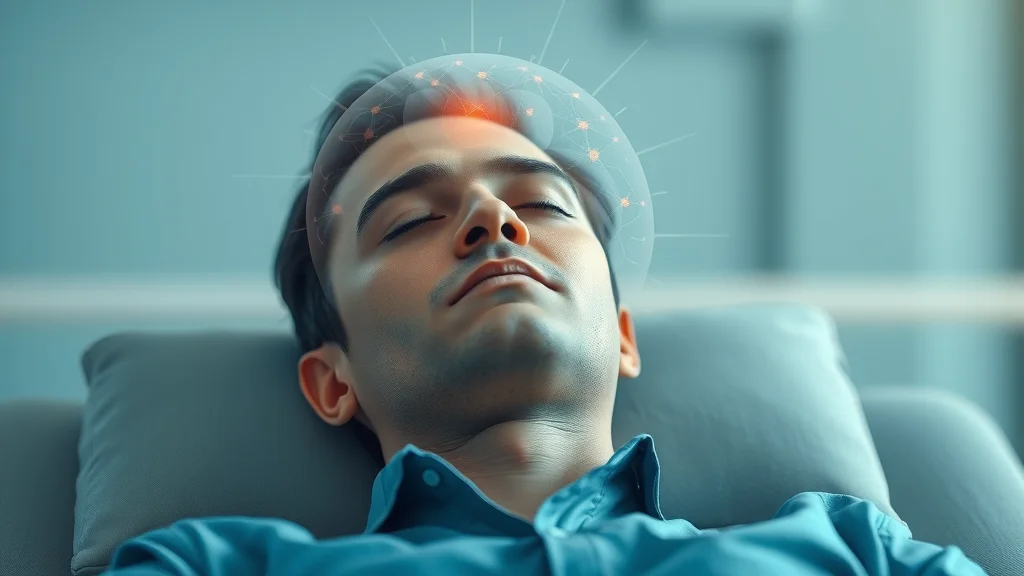
Neuroscientific studies using MRI and EEG scans reveal that hypnosis induces changes in the brain’s connectivity—especially in areas linked to sensory processing, emotional regulation, and self-awareness. When guided into a deep state of relaxation, the mind and body synchronize, activating pathways associated with calmness and well-being. Hypnotherapy enables participants to tap into these restorative brain states more easily, accessing a deeper level of mental relaxation that provides relief from chronic stress or anxiety.
This blend of science and experience positions hypnosis for stress, anxiety, and deep relaxation as more than just a calming technique—it’s a neurophysiological process that can help rewire your responses to everyday stressors.
"Neuroscientific studies support the effectiveness of hypnosis in eliciting deep relaxation and reducing stress-related symptoms."
How Hypnosis Sessions for Stress, Anxiety, and Deep Relaxation Benefit the Mind and Body
Managing Anxious Thoughts Through Hypnotic Suggestions
Hypnotherapy sessions are especially valued for their ability to quiet repetitive, anxious thoughts. By guiding you into a deeply relaxed state, a hypnotherapist helps you bypass critical mental filters, so positive suggestions can be absorbed more fully by your subconscious mind. These hypnotic suggestions might include affirmations of calmness, visualizations of safe spaces, or reminders of personal strength. Over time, these suggestions help reframe your mental outlook so that anxious thoughts trigger less distress or are replaced with a sense of peace. Through hypnosis sessions, it becomes easier to manage stress, navigate triggers, and return to a state of emotional equilibrium.
By practicing these skills in everyday life, you develop resilience. You begin to identify early warning signs of anxiety and apply hypnosis-based coping mechanisms automatically. This dual focus on mental and emotional habits means hypnosis for stress doesn’t just offer temporary relief but fosters lasting change.
Physical Relaxation and Mind-Body Techniques
- Progressive muscle relaxation
- Guided imagery
- Breathwork techniques
In addition to quieting the mind, hypnosis sessions for stress, anxiety, and deep relaxation deploy proven physical relaxation techniques linking the mind and body. Progressive muscle relaxation, for example, involves systematically tensing and then releasing different muscle groups, fostering a sense of deep relaxation throughout the body. Guided imagery helps you visualize calming, secure environments—whether a peaceful beach or a quiet garden—which lowers your body’s stress response. Finally, breathwork techniques in hypnotherapy sessions slow your heart rate, regulate breathing, and anchor awareness in the present moment.
These mind and body practices are more than surface-level fixes—they create physical changes (lowered blood pressure, reduced muscle tension, improved sleep quality) that support your mental health long after each hypnosis session ends. By integrating these strategies, you reinforce the connection between a calm mind and a relaxed body, building a reliable foundation for stress relief.

Types of Hypnosis Sessions for Stress, Anxiety, and Deep Relaxation
Individual Hypnosis for Stress
Individual hypnosis sessions are tailored to your unique needs. In these one-on-one hypnotherapy sessions, the therapist will guide you through a personalized process, focusing directly on your personal stressors, past experiences, and current mental health goals. Individual sessions often lead to deeper, more targeted changes since you receive specific hypnotic suggestions relevant to your daily life and emotional triggers. If you want privacy or need intensive support, individualized hypnosis for stress is an excellent option.
Many people find these sessions helpful for achieving a deep state of relaxation that is hard to reach alone. You might work through guided imagery scenarios, progressive relaxation, or other techniques—each session designed to help you reduce stress, quiet anxious thoughts, and return to a calmer state. After several sessions, your ability to manage stress and your sense of overall well-being can significantly improve.
Group Hypnotherapy Sessions
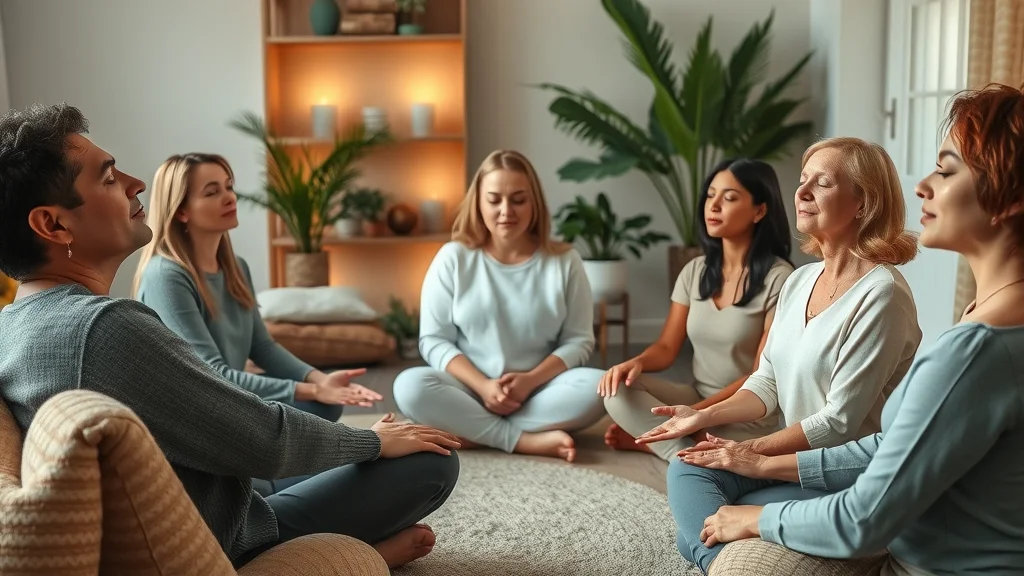
For those who thrive in a supportive community environment, group hypnotherapy sessions provide the benefits of shared experience and collective motivation. In these sessions, a certified clinical hypnotherapist leads the group through relaxation exercises and hypnotic trance, often focusing on common concerns like workplace stress, test anxiety, or everyday life pressures. Participants draw comfort from knowing they aren’t alone, while still enjoying the benefits of mind and body interventions.
Group sessions incorporate the same principles as individual hypnotherapy but are tailored for a collective audience. This dynamic can amplify relaxation experience and foster a sense of belonging, adding an extra layer of support in your stress management journey.
Virtual and Digital Hypnosis Sessions
As technology advances, virtual and digital hypnosis sessions have become popular for those with busy schedules or mobility concerns. With video conferencing platforms and specialty apps, you can now experience hypnosis for stress, anxiety, and deep relaxation from the comfort of your home. Certified hypnotherapists adapt traditional techniques to the digital space, providing guided audio, visual exercises, and interactive tools to help you manage stress and reach a deeply relaxed state.
Virtual sessions are convenient, private, and accessible, helping you maintain consistency and receive expert care regardless of location. They are ideal if you’re integrating hypnosis with other online mental health services or if you want supplemental support between in-office visits.
Hypnotherapy Session: What to Expect During Your Session
Initial Assessment and Goal Setting
Your first hypnotherapy session will begin with a confidential assessment, during which the therapist will discuss your unique symptoms of stress and anxiety. You’ll set clear, achievable goals—such as improving sleep, reducing physical tension, or quieting anxious thoughts. The hypnotherapist will explain the hypnosis process, answer your questions, and ensure you feel comfortable before beginning. This collaborative approach builds trust and ensures that each session is relevant to your everyday life and mental health objectives.
Establishing goals early in the process empowers you to track your progress, celebrate small victories, and create an open dialogue with your therapist. Together, you’ll design a plan that meets your needs, whether you aim for immediate stress relief or longer-term transformation.
The Structure of a Typical Hypnosis Session
Once the session begins, your hypnotherapist will guide you through gentle induction techniques, such as focused breathing or visualizations, to help you achieve a state of deep relaxation. In this deeply relaxed and receptive state, your subconscious mind becomes more open to positive, supportive hypnotic suggestions designed to manage stress and address anxious thoughts. The format may also include progressive muscle relaxation, guided imagery, or customized scripts targeting your unique stressors.
Throughout the session, you remain in control—able to speak, stop, or adjust your comfort as needed. At the end of each hypnotherapy session, the therapist will gently lead you back to full awareness, ensuring you feel refreshed and grounded before you leave or finish your virtual session.
Post-Session Guidance and Follow-Up
After each hypnosis session, your therapist will offer post-session guidance—suggestions for self-care, mental relaxation, or recommended exercises to use at home. Follow-up may include personalized MP3 recordings, progress check-ins, or referrals to additional resources if necessary. By staying proactive between sessions, you reinforce new habits, deepen relaxation experience, and maximize your progress toward stress relief.
This ongoing support ensures that the benefits of each hypnosis session extend into your daily life, enabling you to consistently manage stress and enjoy a renewed sense of peace.
How to Prepare for Hypnosis Sessions for Stress, Anxiety, and Deep Relaxation
- Choose a certified hypnotherapist
- Set realistic goals regarding stress and anxiety
- Understand the process and expectations
Preparation starts with selecting a qualified hypnotherapist—look for certifications, positive reviews, and professional credentials. Set clear, realistic goals about what you hope to achieve, whether that’s reducing symptoms of stress, conquering anxious thoughts, or building new relaxation techniques. Finally, take time to learn about the process, ask questions, and set aside a comfortable, quiet space free from distractions for both in-person and virtual sessions. This foundation sets you up for a transformational stress relief journey.
Video Resource: Live Hypnosis Sessions for Managing Stress and Anxiety
Watch a certified hypnotherapist guide a one-on-one hypnosis session for deep relaxation, demonstrating each step from introduction and goal setting through guided suggestions and gentle reawakening. This video provides a close look at effective techniques you can expect in real-life sessions.
Frequently Used Deep Relaxation and Hypnosis Techniques
| Technique | Description | Best For |
|---|---|---|
| Progressive Muscle Relaxation | Systematically relaxing muscle groups | Physical tension relief |
| Guided Visualization | Imagining calming scenarios | Reducing anxious thoughts |
| Trigger Phrases | Key hypnotic suggestions for the subconscious mind | Behavioral change |
Evidence-Based Benefits: Can Hypnosis Sessions for Stress, Anxiety, and Deep Relaxation Help You?
Research Findings on Hypnosis for Stress and Anxiety
Multiple clinical studies support the effectiveness of hypnosis sessions for stress, anxiety, and deep relaxation, reporting notable decreases in both physical symptoms (headaches, muscle pain, fatigue) and psychological distress (worry, irritability, mental overload). In randomized trials, participants engaged in hypnotherapy experienced greater improvements in resilience and daily functioning compared to control groups receiving standard care. Hypnosis for stress is particularly valuable for those who seek complementary approaches to stress relief—especially when coupled with lifestyle changes and consistent practice.
Reviewers and experts highlight its ability to help participants enter a deep state of relaxation quickly, access the subconscious mind for behavioral change, and reduce overall symptoms of stress and anxiety more efficiently than many conventional relaxation techniques.
Expert Quotes: How Hypnotherapy Sessions Support Deep Relaxation
“Clinical hypnotherapy unlocks the mind and body’s innate capacity to return to a deeply relaxed state—even amid life’s swirling anxieties. With the right guidance, stress no longer rules your outlook.”
– Certified Clinical Hypnotherapist
Experts agree that hypnosis sessions distinguish themselves by their focus on the holistic connection between mind and body. The integration of physical relaxation techniques, guided imagery, and hypnotic suggestions creates a sustainable path to mental health improvement.
Video Resource: Deep Relaxation Hypnosis for Anxiety Relief
This resource guides you through a professional deep relaxation hypnosis script, perfect for anxiety relief at home or in conjunction with traditional therapy.
Potential Risks and Common Misconceptions About Hypnosis for Stress
What Hypnosis Sessions Cannot Do
While hypnosis sessions for stress, anxiety, and deep relaxation can provide valuable relief, they are not magical solutions or substitutes for medical treatment. Hypnosis cannot force you to act against your will, reliably recover forgotten memories, or cure physical or mental health conditions on its own. Instead, hypnosis serves as a supportive tool within a broader wellness plan—ideal for managing stress and building new, healthier coping strategies.
Debunking Myths Around Deep Relaxation and Hypnotherapy
Common myths—such as the fear of “mind control,” total unconsciousness, or a loss of personal agency—are unfounded. During a hypnosis session, you retain full awareness and control, collaborating with the therapist to guide your relaxation experience. Hypnotherapy is rooted in science, and certified professionals adhere to strict ethical guidelines, focusing on your safety, dignity, and long-term well-being.
Is Hypnosis Safe? Ethical Considerations in Hypnotherapy Sessions
Requirements and Regulations for Hypnosis for Stress
Safe, ethical hypnosis sessions are delivered by practitioners with thorough training and certifications. Regulatory bodies in many regions oversee hypnotherapy standards, including requirements for transparency, privacy, and consent. Before booking a session, verify the practitioner’s credentials, association memberships, and client reviews. This ensures you receive evidence-based support for stress and anxiety in a secure and trustworthy environment.
Practitioner Credentials and Training
Look for therapists holding certifications from respected institutions (such as the American Society of Clinical Hypnosis or the National Guild of Hypnotists). A certified clinical hypnotherapist will have formal training in both the practice of hypnotherapy and ethics, as well as ongoing education in mind and body health practices.
Best Practices: Getting the Most from Your Hypnosis Sessions for Stress, Anxiety, and Deep Relaxation
- Consistency of sessions
- Self-hypnosis techniques
- Combining hypnosis with lifestyle changes
Achieving the best results from hypnosis for stress and anxiety requires consistency—regular sessions reinforce new habits. Consider incorporating self-hypnosis between appointments, using recordings or scripts provided by your therapist to help maintain a relaxed state. It’s also beneficial to combine hypnosis with lifestyle adjustments, such as exercise, healthy sleep patterns, and mindfulness practices, to support mind and body wellness.
Remember, the benefits of hypnosis sessions often build over time. Stay patient, remain engaged in the process, and consult your hypnotherapist about any challenges—so you can maximize your stress relief and emotional resilience.
People Also Ask: Top Questions About Hypnosis Sessions for Stress, Anxiety, and Deep Relaxation
Does hypnotherapy work for severe anxiety?
For many, hypnosis sessions for stress, anxiety, and deep relaxation can provide significant relief even for severe cases, but effectiveness depends on individual factors and professional guidance.
What are three things hypnosis cannot do?
Hypnosis sessions for stress cannot force you to act against your will, cannot reliably recover forgotten memories, and cannot cure medical conditions on their own.
What is the rule 4 of hypnosis?
Rule 4 of hypnosis states that effective hypnotic suggestions require the subject’s cooperation and willingness, highlighting the collaborative aspect of hypnosis sessions for stress and anxiety.
How many sessions of hypnotherapy are needed for anxiety?
The number of hypnotherapy sessions varies per person; many see benefits after 4–6 hypnosis sessions for stress, anxiety, and deep relaxation, whereas ongoing issues may require a longer-term approach.
FAQs: Hypnosis Sessions for Stress, Anxiety, and Deep Relaxation
-
How do hypnosis sessions help relaxation?
Hypnosis sessions use focused relaxation and positive suggestions to guide you into a deeply relaxed state, calming both mind and body, reducing stress hormones, and creating lasting changes in how you respond to everyday stressors. -
Are there any side effects?
Side effects are rare and typically mild; some individuals may feel drowsy or experience vivid dreams after a session. Most leave feeling rejuvenated and calm. -
Can I perform self-hypnosis for stress at home?
Yes, many people effectively use self-hypnosis with guided recordings, visualization, and relaxation techniques to maintain stress relief between professional sessions. -
What credentials should a hypnotherapist hold?
A qualified hypnotherapist should have credentials from recognized bodies, demonstrating training in ethical, evidence-based hypnotherapy for stress and mental health. -
What’s the difference between hypnotherapy and meditation?
While both promote relaxation and stress relief, hypnotherapy uses guided suggestions and focuses on behavior or thought change, while meditation emphasizes mindfulness and present-moment awareness.
Key Takeaways on Hypnosis Sessions for Stress, Anxiety, and Deep Relaxation
- Hypnosis sessions offer practical techniques for deep relaxation and anxiety management
- Evidence-based approaches support the effectiveness of mind and body interventions
- Certified hypnotherapists provide individualized care in both group and individual settings
Moving Forward: Try a Hypnosis Session for Stress, Anxiety, and Deep Relaxation Today
Embrace a new chapter of mental clarity and deep relaxation—explore hypnosis sessions for stress, anxiety, and deep relaxation and discover the lasting benefits of guided change.
As you continue your journey toward greater well-being, understanding the subtle distinctions between various relaxation practices can empower you to make the best choices for your mental health. If you’re interested in exploring how hypnosis compares to other popular methods like meditation, you’ll find valuable guidance in our in-depth article on the differences between hypnosis and meditation. This resource offers advanced insights to help you tailor your stress management approach, deepen your relaxation experience, and unlock new pathways to resilience. Take the next step and discover which practice aligns best with your personal goals for lasting calm and clarity.


Write A Comment