

Did you know? Recent studies reveal that up to 70% of chronic pain sufferers report significant improvement with self-hypnosis techniques. Could this natural practice be your answer to lasting relief? Self-hypnosis for pain is gaining recognition as a powerful method for reducing discomfort, improving quality of life, and returning control to those struggling with chronic pain. This guide demystifies how self-hypnosis works, who it helps, and how you can start your own journey to relief today.
Unlocking the Science: Self-Hypnosis for Pain and Chronic Pain Management
Self-hypnosis for pain is more than just a relaxation technique—it's an evidence-based approach that empowers individuals to take charge of their pain experience. The science behind this modality draws on decades of research, clinical trials, and real-world success stories, showing that self-hypnosis can effectively lower pain intensity for many pain patients. Notably, with chronic pain affecting millions in the United States, there is a growing demand for alternatives to medication and invasive treatments.
By encouraging a focused state of attention and relaxation, self-hypnosis works to filter the hurt perceived by the brain, altering the way pain signals are processed. The effects of hypnosis extend beyond pain relief; this method also promotes a sense of well-being, enabling better pain control, reduced reliance on medication, and improved daily function. Whether you're a patient seeking alternatives or a health care provider exploring new pain management strategies, self-hypnosis for pain offers a holistic point of view that is safe, empowering, and adaptable to various pain conditions, including management of chronic pain.

"Recent studies reveal that up to 70% of chronic pain sufferers report significant improvement with self-hypnosis techniques. Could this natural practice be your answer to lasting relief?"
What You'll Learn in This Guide on Self-Hypnosis for Pain
The science and evidence supporting self-hypnosis for pain control
Step-by-step techniques for self-hypnosis for pain relief
How to apply self-hypnosis for chronic pain and discomfort
Best practices to maximize pain control benefits
Expert tips and commonly asked questions
Defining Self-Hypnosis for Pain: Understanding the Basics
Self-hypnosis for pain is a self-directed process where individuals harness the power of focused attention and relaxation to reduce the perception and intensity of pain. Unlike medication-based approaches, self-hypnosis does not deliver chemicals into the body but instead, taps into the mind's ability to influence pain through altered brain activity and suggestion. Often recommended within health care and pain management programs, this method is suitable for a wide range of conditions, including back pain, migraines, arthritis, and fibromyalgia.
The process involves guiding oneself into a relaxed state, known as a hypnotic induction, followed by delivering targeted suggestions that direct the mind’s response to pain. Many pain patients report that regular self-hypnosis sessions result in meaningful pain relief, better sleep, and greater emotional resilience. For those dealing with chronic pain, integrating self-hypnosis into a broader pain management strategy—sometimes alongside clinical hypnosis or medical hypnosis supervised by a health professional—can be transformative.
For those interested in how self-hypnosis compares to other mind-body practices, it's helpful to explore the distinctions between hypnosis and meditation. Understanding these differences can clarify which approach may best suit your pain management needs; you can learn more in this detailed comparison of hypnosis versus meditation.
How Does Self-Hypnosis for Pain Differ from Clinical Hypnosis and Medical Hypnosis?
One of the most common questions in pain control circles is the difference between self-hypnosis, clinical hypnosis, and medical hypnosis. Self-hypnosis for pain is a solo practice, with no professional required once the basic techniques are learned. Clinical hypnosis, on the other hand, is performed by a trained health care provider or hypnotist, often within a formal hypnosis session. Medical hypnosis is a specific form of clinical hypnosis, usually overseen by a licensed clinician, within a medical context, sometimes used for surgery or acute pain.
While all three leverage similar brain activity processes—altering perception, reducing stress, and modulating the pain response—they differ in terms of support, regulation, and application. Clinical settings often emphasize informed consent, professional guidance, and integration with other pain management strategies. Self-hypnosis can be just as effective when practiced correctly, giving individuals a vital tool for day-to-day pain control and chronic pain management.

Key Terms: Chronic Pain, Pain Control, Hypnosis for Pain, and Informed Consent
Understanding key terms is essential as you begin exploring self-hypnosis for pain:
Chronic Pain: Persistent pain lasting three months or longer, affecting daily life and functionality.
Pain Control: Techniques and strategies that lessen pain perception and its impact.
Hypnosis for Pain: The use of hypnotic techniques to manage discomfort, whether induced by a clinician or oneself.
Informed Consent: Receiving and understanding information about the methods, benefits, and risks associated with pain management techniques, including self-hypnosis and clinical hypnosis.
The ethical use of hypnosis, particularly in clinical and experimental hypnosis, always involves informed consent to ensure that pain patients understand what to expect and can make empowered health care decisions. Pain management strategies such as self-hypnosis must be transparent, evidence-based, and tailored to individual needs for maximum benefit.
Comparison of Pain Management Methods |
||||
Method |
How it Works |
Typical Settings |
Main Benefits |
Potential Drawbacks |
|---|---|---|---|---|
Self-Hypnosis |
Self-guided focused attention and relaxation with suggestion |
Home/anywhere |
Empowering, drug-free, flexible |
Requires practice and motivation |
Clinical Hypnosis |
Hypnotic induction led by trained professional |
Clinic, hospital |
Supervised, tailored, suitable for complex needs |
Cost, clinic access needed |
Medication |
Pharmaceutical pain relief (OTC/Rx) |
Prescribed at home or hospital |
Immediate relief, simple to use |
Side effects, dependency, not holistic |
Natural Methods |
Lifestyle changes, exercise, breathing exercises |
Anywhere |
Promotes overall well-being, few side effects |
May require lifestyle overhaul, gradual results |
The Science Behind Self-Hypnosis for Pain Relief
Years of research support the use of self-hypnosis for pain, with major clinical trials and studies published by respected institutions such as the American Society of Clinical Hypnosis and university health care centers. The latest findings demonstrate that hypnosis for pain control can significantly reduce both acute and chronic pain, often outperforming placebo and many standard interventions.
Notably, the positive effects of hypnosis, including pain reduction and enhanced relaxation, appear consistent across numerous conditions—surgeries, fibromyalgia, cancer treatment, and migraines. This consistent evidence underpins the increasing popularity of self-hypnosis among both health professionals and pain patients, marking it as an essential addition to modern pain management toolkits.
Clinical Studies: Hypnosis for Pain and Chronic Pain
Multiple clinical trials have rigorously examined the effects of both clinical and self-hypnosis for pain relief. In one landmark study, chronic pain patients practicing self-hypnosis reported an average pain reduction of 30–50%. Other research from the School of Medicine at leading universities highlights that regular hypnosis sessions may lead to longer-lasting pain relief compared to pharmacological interventions.
What makes these outcomes notable is their reliability across clinical and experimental hypnosis settings. Patients with chronic pain—the largest pain management demographic—benefit the most, particularly when hypnotic induction is combined with specific suggestions targeting pain control. These results have led many health professionals to recommend hypnosis training as a valuable adjunct or alternative to medication, placing it on par with some of the strongest natural pain relievers available in modern health care.

Neurological Mechanisms: How Self-Hypnosis Impacts Pain Control
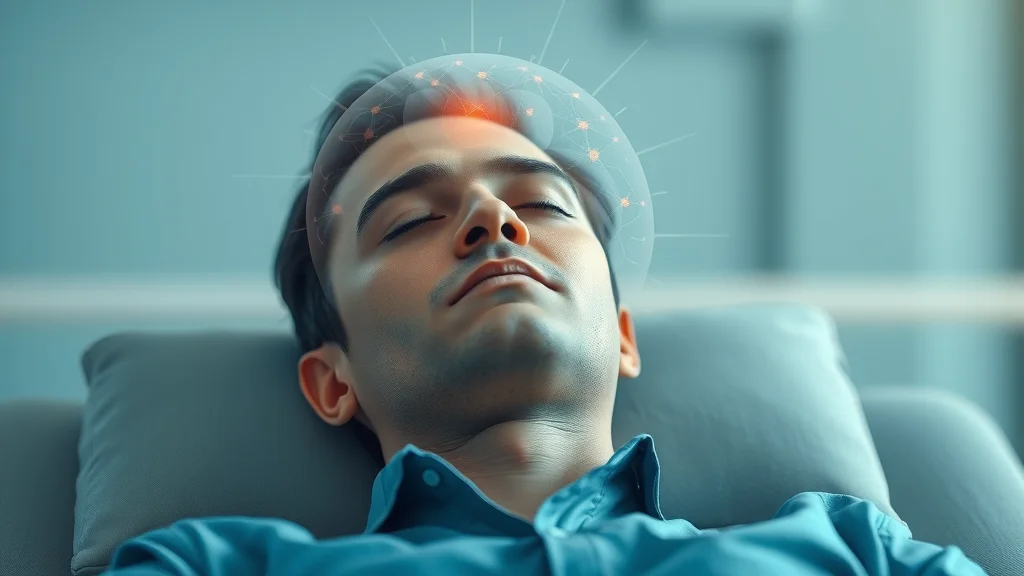
The science of self-hypnosis for pain centers on changes in brain activity that influence the way pain signals are processed. Studies using brain imaging show that hypnosis exercises activate areas involved in controlling physical sensations and emotional responses, allowing individuals to filter the hurt or reduce the severity of their pain experience. Self-hypnosis increases focused attention, shifting awareness away from discomfort and promoting a pleasant place of relaxation.
Through repeated hypnosis training, the brain becomes more adept at dampening the pain response, rewiring neural pathways to associate relaxation and comfort with situations that once caused pain. This neuroplasticity is the foundation of lasting pain relief and greater resilience against chronic pain. Ultimately, self-hypnosis for pain empowers patients to reframe their experience of pain, offering a non-pharmaceutical and proactive approach to health care.
"Clinical hypnosis and self-hypnosis tap into powerful brain mechanisms that reframe pain signals, offering a promising avenue for pain management."
Benefits of Self-Hypnosis for Pain: More Than Pain Relief
Choosing self-hypnosis for pain offers a range of benefits for both acute and chronic pain sufferers. The technique’s non-invasive, holistic nature allows individuals to regain a sense of autonomy over their pain management, bypassing many risks associated with medication. This makes it an especially attractive option for those concerned about side effects or drug dependency commonly seen in pain patients.
Additionally, regular self-hypnosis practice can foster a positive emotional state, as sessions enhance relaxation and reduce anxiety. This not only eases the pain experience but also supports better sleep and overall quality of life. Over time, many users report a significant decrease in pain-related stress, alongside improved coping and resilience, positioning self-hypnosis as a cornerstone of sustainable pain control practices.
Reduces the reliance on medication
Empowers individuals with chronic pain
Can be practiced anywhere, anytime
Enhances relaxation and quality of life

How to Begin Self-Hypnosis for Pain: A Step-by-Step Tutorial
Ready to take control of your pain experience? Follow this step-by-step tutorial to begin practicing self-hypnosis for pain and unlock lasting relief. Remember, consistency and patience are key, and informed consent with your health care provider is always recommended before starting any new pain management practice.
Find a quiet, comfortable space and allot at least 10–20 minutes daily for your sessions. As you progress, these steps can be adapted to suit your unique pain control needs, ensuring optimal benefits.
Preparing for Self-Hypnosis: Safe Practices and Informed Consent
Before starting self-hypnosis for pain, create a safe environment and ensure you fully understand the process. If you have chronic pain or underlying health conditions, it’s wise to consult your health professional or pain management specialist. Informed consent—knowing the benefits, possible risks, and how the technique works—is essential, especially if you combine self-hypnosis with clinical hypnosis or other modalities.
Preparation begins with establishing realistic goals for your pain relief, understanding what a hypnosis session involves, and knowing how to integrate suggestions for pain control. Consider briefing a trusted contact about your practice if you’re new or anxious. Once ready, gather any items that help create a pleasant, focused space, like headphones, eye masks, or blankets.

Step 1: Setting the Environment for Pain Control
A soothing, distraction-free environment is crucial for effective self-hypnosis for pain. Start by choosing a comfortable position—some prefer lying down while others feel more at ease seated upright. Adjust lighting to a soft glow, minimize noise, and set the temperature to a level that promotes relaxation. Remove any devices or objects that may interrupt your session; silence your phone and inform those around you that you need private time.
Using props like cushions, soft blankets, or a gentle playlist of ambient music can further enhance your focused attention, creating a mental association between your surroundings and pain management. Consistency in your routine helps signal to your brain that it is time for a hypnosis session, priming your mind and body for maximum pain control benefits.
Step 2: Induction Techniques for Hypnosis for Pain
Begin your self-hypnosis session with an induction phase—a set of actions that guide you from a normal waking state into focused relaxation. Common hypnotic induction strategies include slow, deep breathing exercises and progressive muscle relaxation. Close your eyes, take slow breaths, and direct your attention to each body part, consciously releasing any tension.
Some pain patients benefit from imagining a pleasant place, such as a quiet beach, forest, or sun-drenched room. Visualize all the sensory details—sounds, smells, colors—to deepen your immersion. The more vivid and real this imaginary setting becomes, the more effective your session. This initial hypnosis exercise is the foundation for later pain relief suggestions and helps disconnect from distressing physical sensations.

Step 3: Creating Suggestions Specific to Chronic Pain
The core of self-hypnosis for pain lies in personalized suggestions—short, positive statements aimed at altering your pain experience. Suggestions should be realistic, clear, and tied to your goals. Examples include, "With each breath, I feel more comfortable," or "I can filter the hurt and welcome relaxation." For chronic pain, direct your focus toward specific improvements, such as movement ease or lowering pain intensity.
Research shows that carefully crafted suggestions, adapted from clinical and experimental hypnosis, help rewire the brain's pain pathways over time. If you struggle with wording or focus, consider using audio hypnosis exercises designed by reputable pain management professionals. Regularly updating your suggestions keeps your sessions fresh and effective for ongoing pain control.
Step 4: Deepening Relaxation and Pain Relief
After delivering your suggestions, take a few minutes to deepen your relaxation. Focused attention on rhythmic breathing, imagining warmth spreading through the areas of discomfort, or visualizing a gentle wave washing away pain all enhance pain relief. Each additional minute spent in this state trains your brain for more rapid future relaxation.
As your mind drifts, allow any thoughts or sensations to simply pass by without judgment. If pain intensifies or distractions arise, gently return your attention to your breath, your pleasant place, or your positive affirmations. This repetition is the essence of pain management through self-hypnosis and helps patients shift their response to pain from distress to calm acceptance.

Step 5: Concluding Your Self-Hypnosis Session for Pain
Conclude your self-hypnosis session by counting up from one to five or repeating a phrase like, "I return refreshed and at ease." Allow yourself a few moments to gradually reawaken and gently stretch or move. Take note of any differences in your pain perception or mood, and jot down observations in a journal for reference in future sessions.
Over time, even brief self-hypnosis practice can deliver profound improvements in pain control, emotional balance, and overall quality of life. Remember that the cumulative effect of consistent, intentional practice is key to lasting pain relief and personal empowerment.
Demonstration: Self-Hypnosis Techniques for Managing Pain
Expert Advice and Safety Considerations for Self-Hypnosis for Pain
Pain control strategies, including self-hypnosis, are most effective when they are integrated with guidance from health care professionals. Before starting, discuss your plans with your doctor, especially if you have a complex medical history or are undergoing changes in medication. Safety should always be the top priority—never use self-hypnosis as a substitute for prescribed medical care without supervision.
Stay informed about potential contraindications, such as severe mental illness or cognitive impairment, and be open to feedback from professional hypnotists or pain management specialists. Combining approaches—such as self-hypnosis with medical hypnosis or other natural techniques—can provide a comprehensive toolkit for chronic pain management. Always seek informed consent from your healthcare provider before starting any new pain control technique, including medical hypnosis or self-hypnosis.
"Always seek informed consent from your healthcare provider before starting any new pain control technique, including medical hypnosis or self-hypnosis."
Success Stories: Real Experiences with Self-Hypnosis for Pain and Chronic Pain
Around the world, countless pain patients have found new hope and relief through self-hypnosis. Some have returned to activities they thought were lost forever—like gardening, cycling, or working full days—thanks to dedicated practice and ongoing support. These stories underscore the power of mind-body medicine and reinforce the role of self-hypnosis as a legitimate, evidence-backed pain management strategy.
From clinical trial participants to everyday people managing back pain or migraines, consistent themes emerge: a sense of control, reduced anxiety, improved sleep, and transformational pain relief. Sharing your journey with supportive communities or journaling your progress can both inspire others and provide encouragement during challenging periods.
Case Studies: Chronic Pain and Hypnosis for Pain Management
Consider Emma, who struggled with fibromyalgia pain for years and relied heavily on medication. By learning self-hypnosis through a local training program, she gradually reduced her medication, slept better, and improved her quality of life. Or James, who suffered chronic lower back pain from a sports injury—after six weeks of daily self-hypnosis, his pain episodes became less frequent and intense.
Such accounts mirror findings in medical literature, where both clinical and experimental hypnosis are shown to benefit the management of chronic pain across various conditions. Individual point of view and dedication to regular hypnosis sessions are crucial in transforming pain control outcomes.

People Also Ask: Common Questions about Self-Hypnosis for Pain
Does self-hypnosis work for pain?
Yes, self-hypnosis is supported by multiple clinical and experimental hypnosis studies indicating substantial benefits for pain relief. Many pain patients report decreased intensity and better pain control after consistent practice. Self-hypnosis works by training the brain’s attention and response to discomfort, making it a valuable addition to pain management programs recommended by health professionals.
What is the strongest natural pain reliever?
While various options exist—including turmeric, meditation, and exercise—self-hypnosis stands out as one of the most effective natural pain relievers. Unlike most over-the-counter remedies, it addresses both the physical sensations and the emotional aspects of pain, helping you filter the hurt and regain your sense of control.
How to stop thinking about pain?
Self-hypnosis helps redirect attention away from pain by fostering deep relaxation and mental imagery. Techniques involve immersive visualization of a pleasant place, focused breathing exercises, and positive self-suggestions, all proven by neuroscience to alter pain experience and reduce rumination.
How to deal with chronic pain without medication?
Strategies include practicing self-hypnosis, engaging in regular physical activity, using heat or cold therapy, breathing exercises, cognitive-behavioral techniques, and seeking support from health care providers. Combining self-hypnosis for pain with these methods often delivers superior results in chronic pain management compared to relying on medication alone.
FAQs: Self-Hypnosis for Pain
Can self-hypnosis for pain be combined with medical hypnosis?
Yes, combining self-hypnosis with professional medical hypnosis can amplify results, especially for complex chronic pain cases requiring continuous care.Is self-hypnosis safe for everyone?
Generally, yes, but people with certain mental health conditions or severe cognitive impairment should consult health professionals before beginning self-hypnosis for pain.How often should I practice hypnosis for pain to see results?
For most people, daily sessions of 10–20 minutes are effective. Consistency over several weeks maximizes benefits and accelerates pain control success.Do I need a clinician for chronic pain management or can self-hypnosis suffice?
Many chronic pain patients find self-hypnosis effective on its own, but those with complex needs may benefit from additional clinical or medical hypnosis involvement for personalized support.
Key Takeaways: Self-Hypnosis for Pain
Self-hypnosis for pain is supported by clinical research.
Empowering individuals, it reduces the need for conventional pain medication.
Safe practice and informed consent are crucial for pain control success.
Summary and Next Steps
Your journey to pain relief begins with understanding—and self-hypnosis may be the empowering solution you've been searching for. Start practicing today and monitor your progress to unlock a better quality of life, reduced discomfort, and renewed hope in chronic pain management.
"Your journey to pain relief begins with understanding—and self-hypnosis may be the empowering solution you've been searching for."
If you’re eager to deepen your understanding of mind-body techniques and how they can transform your approach to pain management, consider exploring the broader landscape of hypnosis and meditation. By learning how these practices differ and complement each other, you can tailor a holistic strategy that supports both your physical comfort and mental well-being. Discover new perspectives and advanced insights by reading our comprehensive guide on the differences between hypnosis and meditation. Expanding your toolkit with this knowledge can empower you to make more informed choices and achieve lasting relief on your wellness journey.
Start Your Self-Hypnosis for Pain Practice Today: Download Our Free Step-by-Step Guide
Ready to take the first steps toward better pain control? Download our free step-by-step guide and begin experiencing the benefits of self-hypnosis for pain—safe, effective, and tailored for chronic pain management in your own home.



Write A Comment