

Did you know that up to 75% of adults report significant stress? As daily responsibilities and pressures mount, finding an effective pathway to relaxation becomes vital. Hypnosis for stress relief is emerging as a compelling, science-backed solution for those seeking natural, lasting calm. This comprehensive guide explores the science, methods, practical applications, and essential safety tips for integrating hypnosis into your life — so you can experience measurable relief and resilience from stress.
Unlocking the Science: How Hypnosis for Stress Relief Works
"According to recent studies, up to 75% of adults report significant stress, but hypnosis-based approaches may provide an innovative pathway to relaxation."

Understanding Clinical Hypnosis and Its Role in Stress Management
The foundation of hypnosis for stress relief lies in the use of clinical hypnosis — a therapeutic modality practiced by certified clinical hypnotists or board-licensed health providers within a professional medical setting. Clinical hypnosis is much more than the stage antics often seen in popular culture. It is a thoroughly researched approach involving focused attention, guided relaxation, and the use of positive suggestions to foster new, beneficial patterns in the subconscious mind.
During a hypnosis session, the hypnotist and board-licensed practitioner guides the individual into a deeply relaxed yet highly focused state, often described as a trance. In this state, people become more open to suggestions that aid in reducing anxiety, shifting their mental perceptions of stress triggers, and implementing effective stress reduction strategies. By targeting these thought processes, clinical hypnosis helps break the cycle of feeling overwhelmed and supports the adoption of healthier stress management responses.
For a deeper dive into the specific advantages and science-backed outcomes of using hypnosis for stress, you may find it helpful to explore the key benefits of hypnosis for stress relief as outlined in recent research and expert reviews. This resource offers additional perspective on how hypnosis can be integrated into a holistic wellness plan.
Neurological Mechanisms: The Brain on Hypnosis for Stress Relief
Clinical research, including brain imaging studies, shows that hypnosis for stress relief actively alters brain activity. Specific regions related to self-awareness, emotional regulation, and the physiological relaxation response become more engaged during hypnosis. These neurological shifts facilitate decreased heart rate, lower cortisol levels, and cultivate a sense of calm reminiscent of deep meditation or guided meditation practices.
This mind-body connection is further supported by timeline therapy concepts — where past experiences triggering stress are reprocessed with positive hypnosis. Through the guidance of certified clinical hypnotists or qualified mental health providers, clients experience improved emotional stability, enhanced resilience, and a reduction in recurring stress symptoms. As more findings validate these mechanisms, hypnosis is gaining recognition as a legitimate adjunct in both personal wellness and professional medical care.
What You'll Learn from Hypnosis for Stress Relief
- The principles of clinical hypnosis for stress relief
- Key hypnosis for stress relief techniques and processes
- How hypnosis for stress relief compares to other therapies
- Who can benefit from hypnosis-based approaches
- Safety and efficacy considerations
Clinical Hypnosis and Its Applications for Stress Relief
Defining Clinical Hypnosis: More Than Just Relaxation
Many believe hypnosis is simply a relaxation technique, but clinical hypnosis transcends this stereotype. In the hands of a certified clinical hypnotist or hypnotist and board-licensed clinician, it is a potent therapy used for shifting deep-seated patterns that fuel chronic stress. Unlike basic mindfulness strategies, clinical hypnosis systematically alleviates stress by addressing the underlying subconscious beliefs and emotional associations that perpetuate overwhelm.
The techniques used in clinical hypnosis also set it apart from other mental health modalities. Where guided meditation often directs attention to bodily sensations or mindful awareness, hypnosis enables a more interactive dialogue with the subconscious mind. This approach allows for targeted suggestions that support stress reduction, improved sleep, enhanced focus, and even relief from medical conditions such as back pain that amplify stress levels in daily living.
Evidence-Based Benefits of Clinical Hypnosis in Managing Stress
Mounting evidence establishes clinical hypnosis as an effective intervention for stress relief and overall mental health. Multiple randomized controlled trials have demonstrated that individuals receiving clinical hypnosis report substantial reductions in perceived stress, anxiety symptoms, and physiological stress markers. In some studies, hypnosis for stress relief was also linked to improvements in related conditions, including insomnia and chronic pain disorders such as back pain.
Further, clinical hypnosis is often well-tolerated, and adverse effects are rare when facilitated by a qualified professional medical provider. Not only does it help clients manage acute stressors, but repeated sessions can build long-term resilience, equipping individuals to handle life's challenges with greater composure and confidence. When compared with traditional talk therapy, hypnosis may accelerate the process of achieving relaxation, behavioral change, or symptom relief for many people.

Expanding Horizons: Applications Beyond Stress Relief (Including Back Pain)
While stress relief remains a cornerstone benefit, clinical hypnosis is increasingly utilized as a supportive therapy for a range of related conditions. Chronic back pain, which can be both a cause and symptom of ongoing stress, often shows significant improvement when patients participate in positive hypnosis and guided sessions. Techniques such as progressive muscle relaxation, timeline therapy, and direct hypnotic suggestions all contribute to reducing the physical and emotional impacts of pain.
In addition to back pain, clinical hypnosis has shown notable results in helping individuals overcome anxiety, improve sleep, address dietary habits, and cope with other medical conditions. This versatility has made hypnosis a valuable component of interdisciplinary care plans, especially when overseen by a professional medical or qualified mental health provider working in tandem with traditional therapies.
Techniques and Approaches in Hypnosis for Stress Relief
Direct Suggestion Strategies for Hypnosis for Stress Relief
Direct suggestion is a core technique in hypnosis for stress relief. Here, the hypnotist delivers clear and positive statements to the subconscious mind, encouraging responses such as calmness, confidence, or a reduced physiological reaction to stress triggers. These statements are carefully tailored for each client, often leveraging knowledge of their unique stressors and goals. Through repetition and reinforcement, suggested outcomes—such as relaxing more deeply in stressful situations or overcoming the feeling of overwhelm—begin to manifest in everyday life.
Direct suggestion can also work alongside other interventions like timeline therapy, enabling clients to resolve historical causes of stress. Professional hypnotists may adapt scripts to include post-hypnotic cues, empowering individuals to invoke relaxation techniques automatically when stress arises. With consistent sessions, direct suggestion strategies foster lasting resilience, making it easier to sustain a positive hypnosis mindset independently—and without side effects common to certain medications.
Guided Visualization and Deepening Methods
Guided visualization and deepening methods are powerful tools employed by clinical hypnotists, programming practitioner and timeline therapy experts. These approaches immerse the client in soothing, mentally constructed environments—such as tranquil beaches or peaceful forests—encouraging deep physical relaxation while the mind explores safe, restorative imagery. Visualization not only lessens the intensity of stress but also strengthens self-regulation skills, promoting healthier mental and emotional habits outside the therapy session.
Deepening techniques, including progressive relaxation and layered counting, further stabilize the hypnotic state. They create a receptive landscape where positive suggestions and anchor points for relaxation can be firmly embedded in the subconscious mind. Clients emerge from sessions with a sense of renewal and increased capacity for dealing with daily stressors, making these methods a highly valued addition to both guided meditation practices and specialized clinical hypnosis protocols.

Self-Hypnosis for Stress: Learning to Take Control
For those eager to develop self-reliance, self-hypnosis provides practical tools to manage stress independently. Through simple scripts, guided meditation recordings, or practice under a certified clinical hypnotist, individuals can learn to access a hypnotic state on their own. This skill is especially beneficial for people with demanding schedules or for those who seek daily relaxation between professional sessions. Self-hypnosis fosters autonomy, giving people actionable techniques to reduce anxiety and prevent stress escalation in real time.
Reliable self-hypnosis strategies often integrate mindfulness, progressive relaxation, mind-body anchoring, and the implementation of post-hypnotic suggestions. These practices can be adapted for various needs—from rapid stress reduction before big events to sustained mood enhancement during challenging periods. As with any new behavioral tool, the guidance of a clinical hypnosis provider or mental health professional ensures optimal technique and positive, meaningful results.
- Progressive relaxation
- Anchoring positive sensations
- Mindfulness integration through hypnosis
- Post-hypnotic suggestions for daily calm
- Group versus individual hypnosis for stress relief
Clinical Hypnosis vs. Other Approaches to Stress Relief
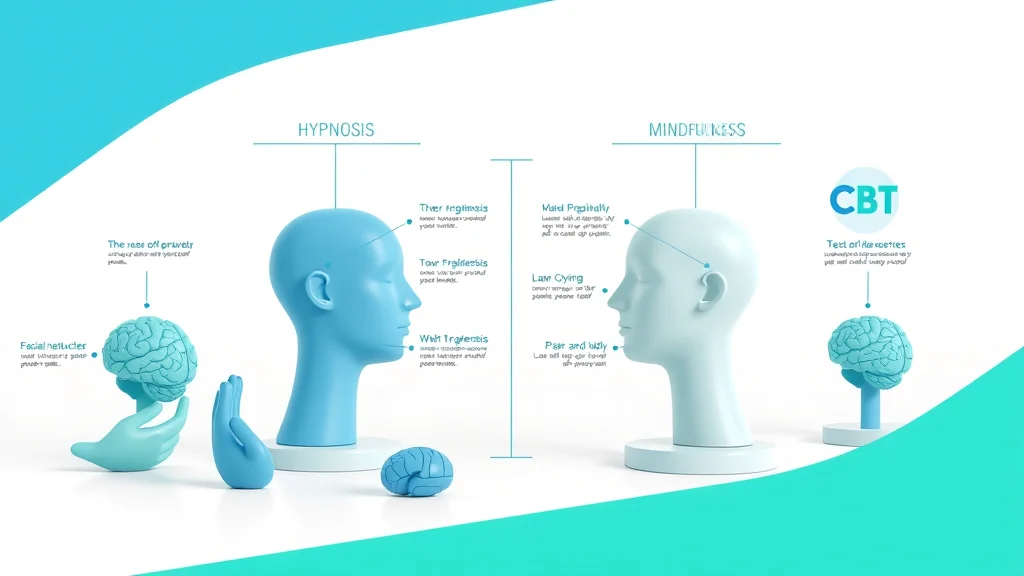
| Therapy | Pros | Cons | Session Duration | Effectiveness | Accessibility |
|---|---|---|---|---|---|
| Hypnosis for Stress Relief |
|
|
30–60 min/session | High (especially with trained practitioner) | Moderate — must find certified provider |
| Mindfulness |
|
|
10–30 min/practice | Moderate to high | High — widely available resources |
| Cognitive Behavioral Therapy (CBT) |
|
|
45–60 min/session | High (varied by client) | Moderate — licensed therapists required |
Combining Clinical Hypnosis with Lifestyle Modifications (Including for Back Pain)
Optimal stress management is multifaceted, often requiring a blend of modalities. Combining clinical hypnosis with lifestyle changes—such as physical activity, ergonomics for back pain, balanced nutrition, and adequate sleep—enhances outcomes. Medical advice supports a holistic approach, affirming that integrating hypnosis with proven self-care strategies and other therapies such as guided meditation or cognitive behavioral therapy results in greater, more enduring relief from stress.
Specifically for those with chronic back pain, adding hypnosis for stress relief to physical therapy or medical treatment can decrease pain sensitivity and modify pain perceptions via the subconscious mind. Collaboration with a qualified mental health provider or licensed medical professional ensures safe, tailored care, especially when clients suffer from a medical condition or require ongoing support.
Is Hypnosis for Stress Relief Right for You? Assessing Suitability and Safety
Who Should and Shouldn’t Try Hypnosis for Stress Relief
- Individuals seeking alternative therapies for stress
- Those with chronic back pain as a stress trigger
- People with certain psychological or medical contraindications (see below)
- Consulting with licensed clinical hypnosis professionals
"Not everyone is a suitable candidate for hypnosis—for example, people with psychotic disorders should seek alternative modalities."
Hypnosis for stress relief is generally safe for the majority of adults, but it is not universally appropriate. Individuals with severe mental health conditions—such as psychosis, dissociative disorders, or certain personality disorders—should seek the advice of your physician or a qualified mental health provider before participating in hypnosis. Likewise, those who suffer from a medical condition or are under active psychiatric care must obtain personalized medical advice before beginning hypnosis or any new therapeutic activity on this service.
When in doubt, always consult a board-licensed provider with any questions about the suitability of hypnosis for your specific needs. Hypnosis is not a substitute for professional psychological or medical treatment if such care is indicated. Choose a certified clinical hypnotist trained by reputable organizations, such as the National Guild of Hypnotists, and prioritize collaborative care involving your current health providers.
Preparing for Your First Hypnosis for Stress Relief Session
How to Find a Qualified Clinical Hypnosis Practitioner

Locating a skilled, reputable practitioner is crucial for safe and effective hypnosis for stress relief. Begin by verifying credentials—look for certification from the National Guild of Hypnotists or similar reputable boards. The practitioner should be a certified clinical hypnotist and, ideally, a licensed counselor, psychologist, or health provider. Read reviews, request references, and ask about training in medical or mental health contexts—especially if seeking support for conditions such as back pain or persistent stress.
Initial consultations provide an opportunity to address concerns, understand the practitioner’s therapeutic style, and set clear expectations. Collaborating with a professional medical advisor ensures a comprehensive plan and that hypnosis is the right choice in relation to any medical condition or ongoing mental health support.
What to Expect During the Initial Consultation
At your first session, the clinical hypnosis professional will conduct a detailed assessment of your stress levels, history, and wellness goals. You may discuss prior experiences with alternative therapies, the impact of back pain or other medical issues, and your expectations for stress relief. The practitioner will explain the process, address myths and misconceptions, and answer questions such as “Will I lose control during hypnosis?” or “How soon can I see results?”
Often, an initial hypnotic induction is performed, allowing you to experience a light trance and evaluate your comfort. The provider may teach basic self-hypnosis or mindfulness integration methods for use between sessions. Clear communication and trust are vital, as hypnosis works best in a supportive and collaborative environment guided by professional medical advice and ethical standards.
People Also Ask: Frequently Asked Questions About Hypnosis for Stress Relief
Can hypnosis relieve stress?
Yes, numerous studies support hypnosis for stress relief as an effective technique, particularly when administered by trained professionals. Clinical trials and real-world reports indicate that many people benefit from positive hypnosis and guided approaches, experiencing measurable reductions in anxiety, improved mood, and greater resilience after targeted sessions.
Can you get hypnosis for anxiety?
Absolutely. Hypnosis for stress relief is frequently extended to address anxiety symptoms, helping individuals relax, challenge unhelpful thinking patterns, and reduce physical tension. Hypnotist and board-licensed clinicians customize sessions to address anxiety triggers, providing guided tools for daily calm and emotional regulation.
Who should not be hypnotised?
Clinical hypnosis is generally safe, but not recommended for those with active psychosis, severe personality disorders, or other serious mental health conditions without direct oversight from a physician or qualified mental health provider. If you suffer from a medical condition, always seek the advice of your physician before starting hypnosis or related therapies.
Does hypnotherapy actually work?
Research on clinical hypnosis affirms its efficacy for many people seeking stress reduction and adjunctive treatment for related symptoms (like back pain or anxiety). Success rates are highest when sessions are led by certified clinical hypnotists and incorporated into a well-rounded wellness strategy.
Addressing Key Challenges: Debunking Myths About Hypnosis for Stress Relief

- Myth: Hypnosis for stress relief means giving up control
- Myth: Only weak-minded people can benefit from clinical hypnosis
- Fact: Clinical hypnosis is evidence-based and widely accepted
- Fact: Hypnosis for stress relief works best with professional guidance
Despite popular misconceptions, clinical hypnosis is a collaborative process in which you maintain awareness and agency. Highly trained, certified providers focus on ethical care, support, and safety—not entertainment. By debunking myths and highlighting the robust research behind positive hypnosis, more individuals can confidently explore its potential to transform their response to stress.
Integrating Hypnosis for Stress Relief into Your Daily Routine
Daily Self-Hypnosis Practice for Ongoing Stress Management

Building a daily habit of self-hypnosis amplifies the resiliency cultivated in professional sessions. Devote 10–15 minutes each morning or evening to practice progressive relaxation, use anchoring cues developed during clinical hypnosis, or follow a guided meditation tailored to stress relief. Journaling after each session can deepen awareness of triggers, insights, and positive changes over time. These routines, combined with mindfulness or relaxation app resources, sustain your progress—even on the busiest days.
Remember: If you experience challenges maintaining the practice, or if stress symptoms persist or worsen, it’s best to seek the advice of a certified clinical hypnotist or qualified mental health provider. They can fine-tune your approach, offer medical advice where needed, and ensure you benefit from positive hypnosis tailored to your evolving needs.
Tracking Your Progress and When to Seek Clinical Hypnosis Support
Consistently measuring the impact of your hypnosis for stress relief efforts ensures lasting change. Simple tools—like mood or stress trackers, periodic self-assessments, or feedback from a trusted health provider—can highlight improvements and indicate when extra support might be warranted. If you find that stress is interfering with your daily life, or if a medical condition such as chronic back pain resurfaces, reach out to a certified provider or clinical hypnosis specialist for a formal review of your routine.
By staying proactive, you can harness hypnosis as a lifelong ally for emotional balance, physical comfort, and empowered living.
Key Takeaways: The Value of Hypnosis for Stress Relief
- Hypnosis for stress relief offers a safe, evidence-based option for many.
- Benefits extend to related conditions like back pain and anxiety.
- Success rates are highest with trained clinical hypnosis practitioners.
- Daily practice enhances long-term resilience.
Frequently Asked Questions (FAQs) About Hypnosis for Stress Relief
-
How long does it take to see results with hypnosis for stress relief?
Many clients notice a reduction in stress and anxiety after just a few sessions, while long-term resilience continues to build with regular, guided practice and daily self-hypnosis. -
Can clinical hypnosis address multiple types of stress-related conditions?
Yes. Hypnosis is effective not only for acute stress but also for chronic issues, including back pain, insomnia, anxiety, and even certain medical conditions where stress is a trigger. -
Is hypnosis for stress relief covered by insurance?
Coverage varies by provider, location, and practitioner credentials. Some insurance plans may cover clinical hypnosis as part of mental health or pain management benefits. Always check with your provider for details. -
Are online hypnosis for stress relief sessions effective?
Many people benefit from positive hypnosis and guided sessions delivered virtually—especially if facilitated by certified clinicians—and report comparable outcomes to in-person therapy. -
Can hypnosis help with chronic pain as well as stress?
Absolutely. Hypnosis is frequently recommended by professional medical providers as an adjunct therapy for chronic pain (including back pain), leveraging the power of the subconscious mind and positive suggestion for relief.
Ready to Experience Hypnosis for Stress Relief? Book a Consultation With an Expert Today
If stress is taking a toll on your life, consider the evidence-based relief that hypnosis can offer. Reach out to a certified clinical hypnosis professional, and take the first step toward lasting calm, improved well-being, and greater resilience now.
As you continue your journey toward greater calm and resilience, remember that the world of hypnosis offers even more to discover. Exploring the broader landscape of hypnosis for stress relief can reveal additional strategies, research findings, and practical tips to further enhance your well-being. If you’re interested in expanding your understanding and uncovering new ways to integrate these techniques into your daily routine, take a moment to review the comprehensive overview of hypnosis benefits for stress relief. This next step can empower you with advanced insights and inspire a more holistic approach to managing stress for the long term.



Write A Comment