

Imagine waking up each morning wrapped in a gentle sense of peace—a tranquility that stays with you through life's storms. If you’ve ever struggled with stress, racing thoughts, or sleepless nights, you know how precious inner calm can be. Supporting inner calm through hypnosis sessions isn’t just a dream; it’s a powerful, proven approach that can help you find your own sanctuary within. In this guide, you’ll discover the transformative power of hypnosis for calm, learn how it differs from other relaxation techniques, and see how even a single session could unlock your path to relief, better sleep, and real peace of mind.
Finding Tranquility: The Power of Hypnosis for Calm
For many, the words “hypnosis session” conjure an image of swinging watches and mysterious rituals. In reality, hypnosis for calm harnesses focused relaxation and gentle suggestion to create deep changes in how you manage stress and restore your mental health. This process is grounded in science, rooted in compassion, and tailored to you—the unique person seeking genuine relief.
By guiding you into a relaxed, trance-like state, hypnosis for calm gently quiets racing thoughts, soothes anxiety, and allows your subconscious mind to adopt powerful, positive habits for serenity. Whether you’re striving to overcome constant stress, seeking a solution for sleepless nights, or simply ready to find a new level of peace, hypnosis for calm offers accessible, noninvasive support. The results? Lower stress levels, improved heart rate variability, and a sense of zen mind clarity that lingers long after your session ends. Thousands have found comfort, deep sleep, and renewed confidence through hypnosis, proving that anyone can learn to cultivate their own inner calm.
“Hypnosis opened the door to a newfound serenity in my daily life.”
Establishing a Personal Connection: Your Journey to Calm Starts Here
Your journey with hypnosis for calm begins with you and your needs at the center. Think of it as entering a soothing conversation with your deepest self. Skilled practitioners take time to understand your goals, interests, and personal stress triggers before starting any session, ensuring you feel seen and supported from the very start. This highly personalized approach means your experience with hypnosis for calm won’t be a one-size-fits-all routine—instead, it’s an evolving process tailored to your challenges and aspirations. Alongside expert guidance, you’ll learn to build daily rituals that support a balanced heart rate, improved sleep, and lower levels of stress and anxiety. No matter where you’re starting from, your path to a more peaceful, zen mind begins with one intentional session—and the support of a trained, caring professional.
Each session grows from your interests and personal aspects of life. It acknowledges not just the stress and anxiety present, but also your hopes, your desire for deeper sleep, and your readiness for positive change. This deep connection between practitioner and client is what sets hypnosis apart from generic sleep stories or automated guided meditations. If you’ve been seeking a safe, collaborative, and compassionate way to restore mental health and build resilience, hypnosis for calm offers a uniquely powerful solution—right from your first step.
If you’re curious about how hypnosis for calm compares to other popular relaxation methods, it’s helpful to understand the distinctions between hypnosis and meditation. Exploring the key differences between hypnosis and meditation can clarify which approach best aligns with your personal wellness goals and preferences.
What You’ll Learn on Your Journey to Hypnosis for Calm
- What hypnosis for calm entails and how it can help manage stress
- Differences between hypnosis for calm, sleep hypnosis, and guided meditation
- Scientific evidence supporting hypnosis for inner calm and mental health
- What to expect from a hypnosis for calm session
- FAQs about effectiveness, safety, and best practices
Understanding Hypnosis for Calm: Methods and Benefits
The Science Behind Hypnosis for Calm: How It Works
Hypnosis for calm operates by inducing a relaxed, focused state where your subconscious mind becomes more open to helpful suggestions and new ways of thinking. Unlike popular myths, this isn’t mind control—it’s a gentle invitation for your mind to step back from stress triggers, so you can access deep relaxation and self-improvement. During a session, you might experience a noticeable drop in heart rate and a sense of complete tranquility, similar to what’s achieved in advanced meditation practice or deep sleep. Brainwave studies show increased alpha and theta activity, correlating with relaxation and creative insight, fostering an ideal environment for stress relief.
The primary difference between hypnosis for calm and casual relaxation techniques is how it reprograms responses to stress and anxiety at the subconscious level. This means not only do you relax while under guidance, but your response to future stressors also changes—leading to a calmer mind and body outside of the session. For those struggling with temporary or chronic anxiety, this can be life-changing. With consistent practice, hypnosis for calm supports the purposes of long-term mental health maintenance and better sleep hygiene, working as a bridge between therapeutic intervention and self-care.
Benefits of Hypnosis for Calm for Mental Health
The growing body of research on hypnosis for calm demonstrates proven benefits for both acute and chronic stress management. Regular hypnosis sessions can reduce anxiety, help manage panic attacks, and create a sustainable sense of tranquility. Unlike sleep stories or binaural beats, hypnosis works directly with subconscious patterns, targeting stress and anxiety where they begin. This deeply relaxed state cultivates mental space for new perspectives, making it easier to handle daily challenges without feeling overwhelmed or reactive.
Additionally, hypnosis for calm is associated with improved sleep quality, deeper sleep cycles, and faster ability to fall asleep. Many practitioners note improved heart rate regulation and an easier time letting go of stress at the end of the day. This makes hypnosis for calm an effective complement to mental health interventions, whether you’re seeking relief from panic attacks, enhanced zen mind clarity, or simply a more robust, resilient state of mind. Integrating hypnosis for calm sessions into your wellness regimen means investing in a future where stress no longer controls your personal or professional life.
- Reduction in anxiety and panic attacks
- Improvement in sleep quality and deep sleep
- Tools for managing overwhelming stress
Hypnosis for Calm vs. Sleep Hypnosis and Guided Meditation
| Technique | Features | Primary Use | Science-Backed Benefits |
|---|---|---|---|
| Hypnosis for Calm | Induces relaxed, trance-like state; practitioner-guided; personalized suggestions | Managing stress, reducing anxiety, mental health maintenance | Reduces stress and anxiety, improves resilience and focus |
| Sleep Hypnosis | Focuses on sleep induction, uses progressive relaxation cues | Helps fall asleep, guides to deeper sleep, manages insomnia | Improves sleep quality, supports deeper sleep cycles |
| Guided Meditation | Uses voice or app to guide awareness and breath; may include mindfulness or visualization | General well-being, stress relief, mindfulness training | Reduces stress, supports calm, increases self-awareness |

When to Choose Hypnosis for Calm Over Sleep Hypnosis
If your main challenge is managing daytime anxiety, stress, or emotional overwhelm, hypnosis for calm is more directly targeted than sleep hypnosis. While sleep hypnosis is designed to guide you into a restful state to fall asleep and stay asleep fast, hypnosis for calm equips you with powerful coping strategies you can use anytime—whether facing a panic attack at work or preparing for a challenging conversation. This approach offers you the tools to not just escape stress but to transform your reaction to it, fostering a mental environment where calm is your baseline, not the exception.
Additionally, hypnosis for calm may be more beneficial if you find that issues such as racing thoughts, heart rate spikes, or sudden stress arise during waking hours—not just at bedtime. Since the process is often collaborative with a trained professional, it can be tailored to specific triggers, helping you draw upon relaxation techniques in real-time. For those whose main issue is the inability to fall asleep or stay asleep, sleep hypnosis and guided sleep meditation can be ideal, while hypnosis for calm can run alongside these practices for a more comprehensive wellness strategy.
Integrating Guided Meditation with Hypnosis for Calm
Guided meditation and hypnosis for calm are both powerful tools, and when combined, they deliver synergistic benefits for mental health. Many hypnosis sessions begin or end with guided meditation or breathing exercises, priming your mind for deep trance and helping integrate new positive suggestions. Apps, audio tracks, and live sessions often blend the two, offering tailored programs that ease you from mindfulness practices into hypnotic states. This integration helps individuals with a meditation practice deepen their relaxation and supports the purposes of both mindfulness and subconscious reprogramming.
If you’re accustomed to using meditation apps or guided sleep stories, incorporating hypnosis for calm can enhance your experience and lead to deeper, more lasting effects. These blended approaches work especially well for those who struggle with a busy mind or find it hard to fully relax on their own, leveraging the structure of guided meditation and the transformative depth of hypnosis. Combining both can also support sleep escape, deeper sleep, a regulated heart rate, and overall enhanced mental health.
Who Can Benefit Most from Hypnosis for Calm?
- Individuals experiencing chronic stress
- People struggling with panic attacks
- Those seeking to improve deep sleep and relaxation
- Anyone interested in mental health maintenance
Hypnosis for calm is versatile and well-suited for a wide variety of people. Whether you’re facing stress and anxiety due to work, personal relationships, or longstanding mental health challenges, hypnosis for calm sessions provide direct, compassionate support. Those experiencing panic attacks or chronic anxiety often report swift relief and fewer recurrences after just a few consistent sessions. Moreover, anyone wanting to improve sleep quality, attain deeper sleep, or maintain a zen mind in a fast-paced world will benefit from integrating hypnosis for calm into their daily routine.
Because hypnosis is a safe, non-invasive technique, it is suitable for most adults and even older teens. The support of a professional also makes it accessible for those new to meditation or relaxation techniques. If you’re seeking respite from the unrelenting noise of modern life or want to maintain resilient mental health for the long-term, hypnosis for calm may be the next step on your journey.

A Closer Look: What Happens During a Hypnosis for Calm Session
Step-by-Step of a Typical Hypnosis for Calm Session
Every hypnosis for calm session follows a gentle and reassuring flow designed for maximum comfort and effectiveness. First, your practitioner discusses your goals, stress triggers, and personal interests to tailor the experience. Once you’re settled in a comfortable, quiet environment, the session begins with relaxation and breathing exercises, easing you into the hypnotic state. Soft music, visualization cues, or even gentle frequency waves may be used to help you settle into a state of zen mind calmness.
The core of the session features guided suggestions—these may include affirmations, mental imagery, or stories designed to help you release stress, reduce anxiety, or reframe negative patterns. Throughout, you remain aware and in control, able to pause the process or ask questions at any point. The session typically ends with gradual reawakening and a post-session reflection, ensuring any personal aspects or insights are integrated into your daily life. Sessions last anywhere from 30 to 60 minutes, and some practitioners offer recordings so you can revisit the calm whenever needed.

Personalization: Tailoring Sessions for Unique Needs
No two hypnosis for calm sessions are alike—and that’s by design. Individuals bring unique histories, stressors, and wellness goals to each session, and a core strength of hypnosis is its adaptability. A trained hypnotist will draw on your personal interests, emotional triggers, and even your preferred sensory experiences to craft hypnosis that resonates and sticks. For example, if you’re someone who finds solace in nature, visualizations might include peaceful forests or gentle waves. If your sleep escape involves guided sleep meditation or binaural beats, these elements can be merged into your custom script.
This personalized approach ensures that your journey to a calmer, healthier mind evolves as you do, keeping sessions relevant, supportive, and effective. It also increases the likelihood of long-term change, as techniques learned can be woven into daily routines—from morning meditations to evening rituals that prepare you to fall asleep with confidence and ease.
Scientific Evidence: Hypnosis for Calm and Mental Health
“Recent studies show that hypnosis for calm can significantly lower anxiety levels and improve overall well-being.”
Clinical Trials on Sleep Hypnosis, Sleep Meditation, and Hypnosis for Calm
A wealth of clinical research underscores the effectiveness of hypnosis for calm—not just as a means of relaxing, but as a serious tool for supporting mental health. Studies comparing hypnosis to guided meditation, sleep hypnosis, and even cognitive behavioral therapy show significant reductions in anxiety and panic attacks, better heart rate variability, and a measurable increase in subjective well-being. One standout feature is that many individuals achieve deeper sleep and can fall asleep fast after just a few hypnosis sessions compared to typical meditation practice or sleep stories.
Trials have also examined the impact of combined approaches: integrating hypnosis for calm with sleep meditation or guided sleep solutions amplifies benefits, with participants reporting less stress and anxiety, enhanced relaxation, and longer, more restful sleep cycles. These evidence-backed outcomes highlight hypnosis not merely as an alternative, but as a first-choice intervention for those seeking robust, lasting stress reduction and mental health improvement.

How to Prepare for Your First Hypnosis for Calm Session
- Set clear intentions and goals
- Choose a comfortable, quiet environment
- Understand the process to alleviate concerns
Readying yourself for your first hypnosis for calm session is an act of self-care. Begin by reflecting on your reasons for seeking hypnosis—is it chronic stress, panic attacks, a desire for deeper sleep, or overall mental health maintenance? Jotting down your main goals gives your practitioner a clear roadmap and increases the effectiveness of your session. Ensuring you’re in a peaceful space, free from distractions or interruptions, sets the stage for a successful session. If you’re working with a remote or virtual practitioner, noise-cancelling headphones and cozy lighting can deepen your relaxation.
Finally, take time to read about the process or ask your practitioner any lingering questions—understanding the techniques and reassurances will ease nerves and prime your subconscious for positive change. Entering the session with an open mind and willingness to participate, rather than merely to be “put under,” makes a dramatic difference in both comfort and outcome.
Watch inspiring stories: Real people describe finding peace, overcoming stress, and experiencing transformative calm after hypnosis sessions. Serene visuals of relaxation and restful environments bring their words to life. (1–3 minutes)
Common Misconceptions About Hypnosis for Calm
- Myth: Hypnosis is mind control
- Fact: Hypnosis is a collaborative and controlled process
- Myth: Only certain people can be hypnotized
- Fact: Most people can achieve some degree of hypnotic state
Despite the evidence and growing popularity, misconceptions about hypnosis for calm persist. Some fear losing control or becoming “stuck” in trance, when in fact, hypnosis for calm is a fully conscious process where you are always aware and able to respond. The collaborative nature of hypnosis ensures your beliefs and personal aspects are honored throughout, debunking the idea that it’s only for the highly “suggestible. ” In practice, nearly everyone who wants to experience a state of focused relaxation is capable, making hypnosis an inclusive, accessible route to mental health support.
Moving beyond myths helps more people—including those struggling with stress and anxiety—discover the lifelong benefits of hypnosis for calm, from improved sleep escape to greater peace during everyday challenges.

Overcoming Panic Attacks and Anxiety with Hypnosis for Calm
Understanding Panic Attacks and How Hypnosis for Calm Can Help
Panic attacks can feel overwhelming—rapid heartbeat, shortness of breath, and an urgent need to escape. Fortunately, hypnosis for calm offers powerful relief. By retraining your subconscious response to stress triggers, hypnosis helps prevent the escalation of anxiety and panic attacks right at their root. Sessions often incorporate relaxation techniques, mindfulness cues, and positive affirmations, providing you with on-the-spot coping strategies when panic arises.
The benefits extend beyond panic attacks, as the underlying relaxation skills learned during hypnosis sessions also soothe general anxiety, support deeper sleep, and improve daily confidence. Integrating these techniques into your life significantly reduces the frequency and severity of panic attacks, empowering you to regain control and live with greater freedom and peace.
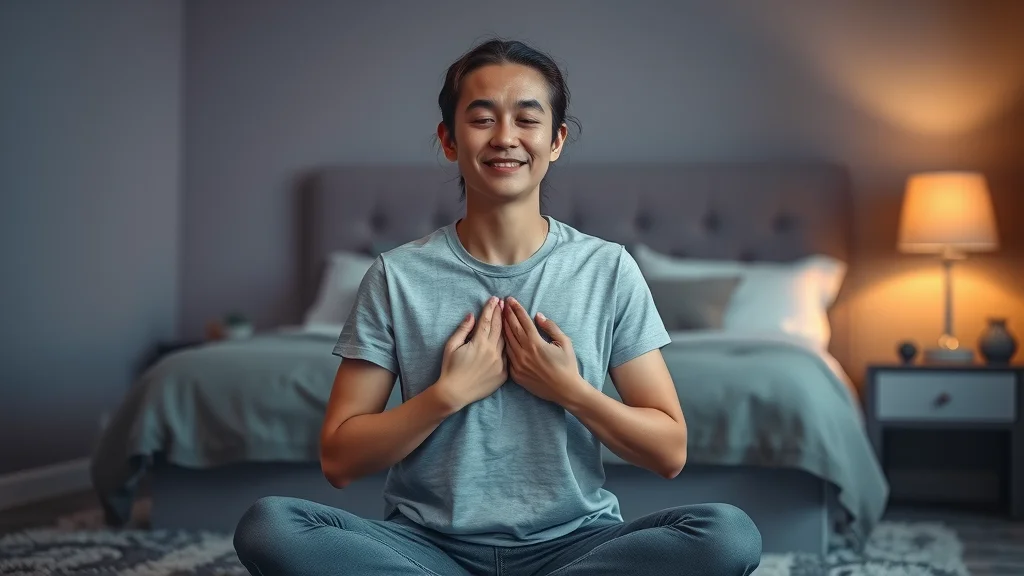
Sleep Meditation and Deep Sleep as Tools Against Anxiety
Many people with anxiety find their nights disrupted, struggling to fall asleep or stay asleep through the night. Sleep meditation and deep sleep hypnosis are valuable tools to combat this cycle. Both use calming scripts, gentle soundscapes, and sometimes binaural beats to help you unwind and achieve restorative deep sleep. The hypnotic suggestions used in these sessions can go beyond surface-level relaxation, promoting subconscious healing and long-term resilience to stress.
Regular use of guided sleep meditations—on their own or in tandem with hypnosis for calm—can break the pattern of anxiety-fueled insomnia, creating a healthy feedback loop: improved sleep leads to reduced anxiety, which then supports better sleep the next night. For those seeking holistic mental health support, integrating sleep hypnosis and guided meditation into your nightly routine is an accessible, evidence-backed way to reclaim restful sleep and wake restored.
Integrating Hypnosis for Calm Into Your Daily Routine
- Scheduled self-hypnosis or guided hypnosis sessions
- Combining hypnosis with guided meditation apps
- Adopting healthy sleep hygiene for deep sleep
Building hypnosis for calm into your day doesn’t require major lifestyle changes—in fact, it’s easier than ever to access professional guidance, self-hypnosis tracks, and integrated meditation apps. Blocking out ten to thirty minutes daily for hypnosis or relaxation practice can dramatically lower stress and anxiety, boost sleep escape, and reinforce positive mental health habits. Pairing hypnosis with guided meditations or breathing exercises provides a holistic toolkit, while optimizing your sleep hygiene by maintaining a consistent bedtime, limiting screens, and creating a tranquil environment further amplifies benefits.
As you practice, you’ll notice a cumulative effect—calm comes more naturally, sleep deepens, and the ability to handle stress and anxiety improves, setting the foundation for a life marked by peace, purpose, and clarity.

See hypnosis in action: Watch as an expert leads a calming session, guiding you through breathing exercises, gentle affirmations, and mindfulness visualizations. Ideal for first-timers and anyone seeking to add a dose of instant calm to their day. (1–3 minutes)
People Also Ask About Hypnosis for Calm
Does hypnosis calm you down?
Answer: Yes, hypnosis for calm has been shown to induce relaxation, reduce stress levels, and help the mind achieve a peaceful state.
What are three things hypnosis cannot do?
Answer: Hypnosis cannot make you do anything against your will, cannot cure serious psychiatric or medical conditions on its own, and cannot retrieve lost memories with 100% accuracy.
What is the rule of 7 in hypnosis?
Answer: The rule of 7 in hypnosis, while not a universal law, typically refers to the principle that suggestions should be repeated at least seven times for deeper subconscious integration.
Who should not be hypnotised?
Answer: Individuals with certain psychiatric disorders, such as psychosis, or those unable to understand the process due to cognitive impairment, should not undergo hypnosis without medical guidance.
FAQs on Hypnosis for Calm, Sleep Hypnosis, and Guided Meditation
- Is hypnosis for calm safe? Yes, when practiced by a trained professional, hypnosis for calm is safe, collaborative, and empowering.
- How many sessions are needed for results? Many report benefits after just one session, but a series of 3–6 tailored sessions yields the most profound and lasting changes.
- Can I combine sleep hypnosis with hypnosis for calm? Absolutely—it’s common and beneficial to integrate both, especially if you want to address sleep and daily stress together.
- Are there at-home resources or free trials for hypnosis for calm? Yes, many practitioners offer free trials, guided downloads, or introductory sessions so you can experience the benefits firsthand before committing.
Key Takeaways from Hypnosis for Calm Sessions
- Hypnosis for calm leverages relaxation and subconscious reprogramming to deliver real mental health benefits
- Sessions are personalized, collaborative, and safe when guided by a professional
- Hypnosis for calm works in conjunction with other tools, such as guided meditation and sleep hypnosis, for cumulative effect
Next Steps: Try a Free Trial of Hypnosis for Calm Sessions
- Sign up for a complimentary hypnosis for calm session and start experiencing true tranquility
- Explore expert resources, guided meditations, and free introductory content
Ready to take the first step towards lasting calm? Book a free trial session today and discover how expert-led hypnosis for calm can help you transform stress, sleep better, and reclaim your peace of mind.
Conclusion: Begin Your Journey Towards Inner Calm Today with Hypnosis for Calm
“Every journey towards inner calm begins with a single session. Step into peace with hypnosis for calm.”
Now is the perfect moment to invest in your well-being and explore the benefits of hypnosis for calm. Your path to a more peaceful, balanced, and resilient mind starts here.
As you continue your journey toward greater tranquility, consider expanding your understanding of mind-body wellness by exploring related practices and their unique benefits. Delving deeper into the distinctions between hypnosis and meditation can help you make more informed choices about your personal growth and stress management strategies. For a comprehensive look at how these two powerful techniques compare—and how each can support your pursuit of inner calm—visit our in-depth guide on the differences between hypnosis and meditation. Gaining this broader perspective empowers you to tailor your approach, combining the best of both worlds for a truly holistic path to well-being.

Write A Comment