

Hook: Did you know that up to 95% of our thoughts and behaviors unfold beyond conscious awareness? This striking truth hints at the powerful influence the subconscious mind wields in our daily lives. In this article, we take a fresh, evidence-based journey into the complex relationship between hypnosis and the subconscious mind, uncovering the deepest mechanics of altered consciousness and questioning longstanding myths with a practical, personal lens.
A Surprising Perspective on Hypnosis and the Subconscious Mind
"Up to 95% of our thoughts and behaviors occur beneath our conscious awareness—a startling revelation about the power of the subconscious mind."
The sheer volume of subconscious activity shapes our beliefs, habits, and reactions—often without us noticing. This foundational insight sets the stage for exploring hypnosis, a technique that claims to tap into these unseen processes. By shifting our state of consciousness through a hypnotic trance or deep hypnosis, individuals and therapists attempt to access, modify, or observe the operations of the subconscious mind. But what is the science behind it? Can we truly influence such a vast domain within ourselves? Throughout this guide, we’ll explore not only how hypnosis interacts with the conscious and unconscious but also how brain wave patterns and altered states of consciousness play into this complex relationship.

What You'll Learn About Hypnosis and the Subconscious Mind
- How hypnosis interacts with the conscious and unconscious elements of the mind
- Scientific foundations underlying deep hypnosis and brain waves
- Practical applications and controversial opinions on subconscious mind reprogramming
- Risks and negative aspects related to hypnosis
Defining the Conscious and Unconscious: Frameworks for Hypnosis and the Subconscious Mind
In order to understand how hypnosis and the subconscious mind connect, it’s vital to distinguish between the conscious mind and the subconscious mind. These states don’t just coexist; they interact, overlap, and at times, seem to blur during hypnosis sessions and other altered states of consciousness. Concepts like the conscious level (our awareness, rational thought, and voluntary actions) and the subconscious level (habits, feelings, automatic responses) are central to both psychological theory and hypnotic practice. As we’ll see, the bridge between conscious and unconscious states, especially in hypnosis, is not just theoretical—it’s observable in the field of neural science.
The framework we use to view the mind profoundly affects how we evaluate the effectiveness of hypnosis. Some suggest that the subconscious acts as a vast database of memories and learned patterns, accessible only during specific states—such as the hypnotic state or in moments of deep hypnosis. Others argue that hypnosis is simply a form of focused attention or a light trance, without any magical access to hidden mental powers. Navigating these viewpoints is essential for uncovering both the science and controversy of hypnosis.
What Is the Conscious Mind Versus the Subconscious Mind?
- Attributes of the conscious mind: Responsible for logic, reasoning, awareness, and deliberate action, it operates in the present, filtering perceptions and making purposeful decisions. When you’re actively solving a problem or having a conversation, you’re engaging the conscious mind.
- Features of the subconscious mind: The subconscious harbors habits, intuitions, emotions, and automatic behaviors. It stores past experiences, internalizes repeated actions, and governs a remarkable range of activities from falling asleep to reacting instinctively under stress. In hypnosis, the subconscious is believed to play a leading role.
- Overlap and distinctions relevant to hypnosis: Hypnotists assert that under trance or during a hypnosis session, the boundaries between the conscious and unconscious become blurred. Verbal suggestion and relaxation may help direct attention away from the conscious mind, allowing access—or at least influence—on the deeper subconscious level.
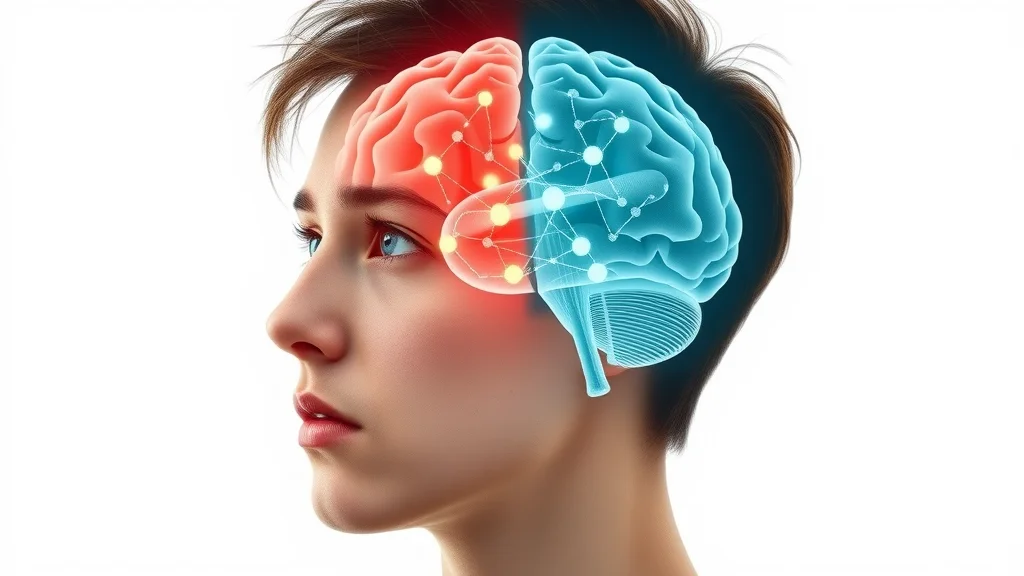
The Mechanics of Hypnosis: Influencing the Subconscious Mind
Hypnosis is often described as an altered state of consciousness—a unique state where the critical faculty of the conscious mind relaxes and the subconscious becomes more accessible. During a hypnosis session, a hypnotist may use verbal suggestion, focused attention, and relaxation to induce this state, which can range from a light trance to the more immersive deep hypnosis. This process is not “mind control”; rather, it heightens suggestibility and narrows focus. In this state, the subject may find themselves open to positive suggestions, behavior change, or new ways of thinking, all working below the conscious level.
Neurological research shows that hypnosis is accompanied by unique brain wave patterns and changes in specific regions responsible for attention, awareness, and habit formation. These changes help explain why some people experience vivid imagery, profound relaxation, or significant behavioral shifts while hypnotized. As the boundary between the conscious and subconscious mind blurs, individuals are often able to reconsider deeply-rooted beliefs and automatic behaviors, which are otherwise resistant to conscious effort alone.
For those interested in how hypnosis compares to other mind-altering practices, it's worth noting that meditation and hypnosis share some overlapping brain wave patterns, yet differ in their methods and intended outcomes. Exploring the distinctions between hypnosis and meditation can provide further clarity on how each approach uniquely interacts with the subconscious mind. For a detailed comparison, see how hypnosis and meditation differ in accessing altered states.
Deep Hypnosis: Unlocking Hidden Patterns in the Brain
Deep hypnosis, a state well beyond simple relaxation or light trance, is believed to offer even greater access to the subconscious mind. Studies using functional MRI (fMRI) and EEG technology have revealed that in deep hypnosis, there is a marked reduction in the activity of the default mode network—the part of the brain associated with self-reflection, daydreaming, and background thoughts. At the same time, connectivity increases between regions linked to attention, memory retrieval, and habit loops. This suggests that during deep hypnosis, subjects may bypass habitual resistance, directly engaging the subconscious to explore new perspectives or change entrenched patterns, such as quitting smoking or overcoming phobias.
However, not everyone enters deep hypnosis with the same ease. Some people respond more readily to the techniques than others, implying an individual variability in hypnotic susceptibility. Notably, the trance state achieved in deep hypnosis is not akin to sleep; rather, it is a distinct, wakeful altered state of consciousness marked by focused concentration and increased absorbency to suggestion. These findings have important implications for how hypnosis is applied in therapeutic settings, experimental research, and even stage hypnosis performances.
Brain Waves, Brain Wave Patterns, and Their Role in Hypnosis and the Subconscious Mind
The science of hypnosis is intricately linked to the study of brain waves—the electrical patterns of neural activity measured by EEG. Different states of consciousness (alert, relaxed, dreaming, and deep sleep) are associated with different types of brain wave frequencies. During a typical hypnosis session, the subject’s brain waves often shift from the high-frequency beta waves of normal waking consciousness to slower, deeper alpha and theta waves, signaling deeper relaxation and a more receptive mind. In very deep hypnosis or trance states, delta waves (the slowest frequency, seen in deep sleep) can also appear, though the person remains partly aware.
These altered states are not unique to hypnosis and occur in other contexts—such as meditation, daydreaming, or creative visualization. What distinguishes hypnosis is the deliberate induction of these states through verbal suggestion or focused attention, often under the guidance of a hypnotist. Understanding the relationship between brain wave patterns and hypnosis helps demystify the process and supports the idea that accessing the subconscious is a scientifically observable phenomenon, not just a parlor trick.
| Brain Wave Type | Frequency (Hz) | Conscious State | Role in Hypnosis/Subconscious |
|---|---|---|---|
| Beta | 13–35 | Active, alert, conscious engagement | Present during normal waking state and logical reasoning; less prevalent during hypnosis |
| Alpha | 8–13 | Relaxed awareness, light trance | Facilitates access to subconscious; prominent in hypnotic trance and visualization |
| Theta | 4–8 | Deep relaxation, meditative state | Enables deep hypnosis; associated with habit change, creativity, and subconscious programming |
| Delta | 0.5–4 | Deep sleep, unconscious processes | Occasionally observed in deepest states; may allow profound subconscious access |
Personal Perspective: Can Hypnosis Truly Access the Subconscious Mind?
"Hypnosis is not a magic trick—it is a focused technique that reveals the profound influence of suggestion on the subconscious mind."
From my perspective, based on field research and firsthand observation, hypnosis offers a unique pathway to interact with the subconscious mind. While the process is sometimes oversimplified as “mind control” or entertainment, true hypnosis is about guiding the subject into a deeper state where the critical gatekeeper of the conscious mind temporarily steps aside. Here, carefully structured suggestions can direct or reshape entrenched mental patterns, changing habits or confronting stuck emotional responses. The results aren’t always dramatic, but when they are, the transformation seems to emerge from a place deeper than conscious effort alone.
However, it’s important to remain skeptical and honest about the limitations. Not everyone can easily enter a hypnotic trance—a fact that invites questions about personal suggestibility, therapeutic rapport, and even cultural expectations about what hypnosis can and cannot do. Ultimately, the power of hypnosis lies not in bypassing the will, but in focusing attention in ways that amplify our ability to change from within.
Dissenting Voices: Skepticism About Hypnosis and the Subconscious Mind
Skeptics contend that many claims about hypnosis tapping the subconscious mind are overstated or unproven. Critics often cite studies where post-hypnotic changes fade quickly, or where placebo and expectation produce results as powerful as those attributed to hypnosis. Others question the very existence of a “subconscious mind” as a separate entity, arguing that what we call subconscious processes might simply be automatic, unconscious mechanisms that function outside conscious awareness. This ongoing debate ensures the science of hypnosis remains an evolving—and contested—field.
Furthermore, the spectacle of stage hypnosis sometimes distorts public understanding, emphasizing dramatic antics rather than subtle therapeutic changes. As with any psychological technique, genuine change requires intention, skillful guidance, and sometimes a deep willingness to engage in the process—not merely the presence of a hypnotist and the subject on a stage.
Notable Applications: Therapeutic, Experimental, and Everyday Uses of Hypnosis
- Habit change and addiction: Hypnosis is widely used for smoking cessation, weight loss, and breaking other entrenched patterns, with varying degrees of evidence and success.
- Managing anxiety and stress: Through guiding relaxation and positive suggestion, hypnosis can help reduce symptoms of anxiety, chronic stress, and even pain.
- Enhancing memory and cognition: Some therapists use hypnosis to improve memory recall or support cognitive-behavioral interventions, though the results are mixed and more research is needed.
- Entertainment and staged hypnosis: On the lighter side, hypnosis is well known in popular culture for its dramatic, often humorous displays of altered states during public performances.

Watch: A clear, animated explainer shows how hypnosis session techniques shift brain wave patterns from the fast beta state to slower alpha and theta waves, guiding the viewer through the process with visualizations of conscious and subconscious transitions. This helps demystify how hypnosis works at the neural level and supports the claim that suggestion can directly impact the subconscious mind.
Informational explainer: Hypnosis, brain waves, and the subconscious mind
People Also Ask: Does Hypnosis Target the Subconscious Mind?
Exploring How Hypnosis Interacts With the Subconscious Versus the Conscious Mind
Hypnosis primarily aims to influence the subconscious mind by quieting the analytical, logical part of the conscious mind. Under guided relaxation or suggestion, a person enters a hypnotic state—an altered state of consciousness—where the subconscious becomes more receptive. While in this state, verbal suggestions can bypass the usual mental gatekeepers, directly addressing deeply held beliefs, habits, and emotions that shape behavior. Although hypnosis doesn't provide full "mind control," research shows measurable changes in attention, brain wave patterns, and suggestibility, making it a preferred method for habit change, stress reduction, and therapeutic intervention.
Unlike everyday awareness, which is dominated by conscious mental functions, the trance state created during hypnosis shifts the balance—allowing deeper mental layers to process, respond to, or reframe old patterns. This unique aspect has fueled both excitement and skepticism, but regardless of controversy, hypnosis remains one of the most direct approaches for accessing hidden realms of the mind.
People Also Ask: How to Reprogram Your Subconscious Mind with Hypnosis?
Techniques and Limitations: The Intersection of Deep Hypnosis and Subconscious Mind Conditioning
Reprogramming the subconscious mind through hypnosis usually involves entering a deeper state of relaxation and making positive suggestions about desired changes. Techniques range from guided visualization and affirmations to regression (exploring past experiences) or anchoring new habits. A professional hypnotist tailors the session to individual needs, guiding subjects into a trance state where conscious resistance fades and new instructions can take root at the subconscious level.
However, there are limits. While hypnosis can help reinforce new beliefs or habits, true change still requires conscious effort—such as intention, follow-up, and practice. Some critics point out that only suggestible individuals experience dramatic results, while others may need repeated sessions for incremental progress. It’s also vital to ensure a safe, ethical practice, as tapping into the subconscious mind isn't without potential pitfalls. Always consult an accredited practitioner if you’re considering hypnosis for personal transformation.

People Also Ask: What Frequency Opens the Subconscious Mind?
Scientific Perspectives on Brain Wave Frequencies, Deep Hypnosis, and the Subconscious Mind
Scientists and hypnotherapists often point to the theta brain wave range—typically 4-8 Hz—as the sweet spot for accessing the subconscious mind. This frequency band is dominant during deep relaxation, meditation, and the period just before falling asleep—all natural states closely linked with subconscious processing. During hypnosis, as the subject shifts into alpha and then theta brain wave patterns, the mind becomes less critical, allowing new ideas or suggestions to enter more easily. Some practitioners assert that delta waves (0.5–4 Hz) also play a role in the very deepest states of hypnosis, particularly for long-term memory or emotional healing work.
However, it’s essential to recognize that while brain wave frequencies can be measured, the connection between specific states and the accessibility of the subconscious remains an area of active research. Not everyone responds identically in terms of brain waves or hypnotic depth—making hypnosis both a science and an art. For those seeking to reprogram their subconscious mind, techniques that promote theta-dominant states—like deep relaxation and guided visualization—may increase effectiveness, especially when combined with professional guidance.
People Also Ask: What is the Negative Side of Hypnosis?
Potential Risks and Criticisms: An Unfiltered Look at Hypnosis and the Subconscious Mind
While hypnosis is considered safe for most people, potential risks include the creation of false memories, emotional distress, or reinforcement of negative beliefs, especially in the hands of unqualified practitioners. Some subjects may feel increased anxiety, confusion, or discomfort after revisiting traumatic experiences during a session. There have been rare reports of people developing unwanted behavioral changes or psychosomatic symptoms following poorly managed hypnotic suggestion.
Critics also highlight the risk of over-reliance on hypnosis for serious mental health conditions. Those with certain forms of mental illness (such as psychosis) are advised against hypnotherapy, and ethical guidelines demand informed consent, transparency, and the avoidance of “pushy” mind control tactics. As with any technique that alters states of consciousness, responsible application, clear boundaries, and competent guidance are essential to minimize harm and maximize benefit.

Frequently Asked Questions About Hypnosis and the Subconscious Mind
-
Is hypnosis real or just a placebo effect?
Numerous studies indicate that hypnosis produces measurable physiological and psychological changes. While the placebo effect may play a role in suggestibility, brain imaging and clinical trials demonstrate valid, repeatable distinctions in brain wave activity and perception during hypnosis compared to normal waking states. -
Can anyone be hypnotized?
Most people can experience some level of hypnotic state, though responsiveness varies widely. Factors influencing hypnotizability include personal willingness, trust in the hypnotist, and individual differences in imagination and suggestibility. -
What happens in the brain during hypnosis?
During hypnosis, activity in the conscious mind decreases while areas involved in emotional processing and habit learning become more active. Shifts in brain wave frequencies, particularly from beta to theta, are commonly observed, supporting the notion of an altered state optimal for subconscious access. -
Is hypnosis mind control?
No. Hypnosis cannot override free will or force someone to act against their values. The relationship between the hypnotist and the subject is one of partnership and suggestion, not domination or control. -
Can hypnosis cure mental illness?
Hypnosis is not a stand-alone cure for mental illness but can complement standard treatment for certain conditions, such as anxiety or habit disorders, when administered by a licensed professional. It should never substitute for medical or psychiatric care where those are required.
Expert Quotes on Hypnosis, the Subconscious Mind, and Brain Waves
"If you want to change habits, you must work with the subconscious, not fight against it." — Anonymous Hypnotherapy Practitioner
Key Takeaways: The Science and Controversy of Hypnosis and the Subconscious Mind
- Hypnosis offers a unique gateway to influence the subconscious mind.
- Scientific evidence demonstrates altered brain wave activity during deep hypnosis.
- Critics debate the effectiveness and ethical considerations of subconscious reprogramming.
- Personal experiences inform public perception as much as clinical studies.
Conclusion: Reflecting on the Power and Possibilities of Hypnosis and the Subconscious Mind
The frontier between hypnosis and the subconscious mind is as full of promise as it is of mystery. Use it wisely; and stay curious.
If you’re eager to expand your understanding of altered states and the mind’s potential, consider exploring the broader landscape of mind-body practices. Delving into topics like the differences between hypnosis and meditation can offer new perspectives on self-awareness, relaxation, and personal transformation. For those ready to take the next step, discovering how these practices intersect may unlock even deeper insights into the science—and art—of the subconscious mind.
Connect With Us to Explore More About Hypnosis and the Subconscious Mind
Interested in diving deeper or sharing your experience with hypnosis and the subconscious mind? Connect with us: leave a comment, subscribe for updates, or reach out for a personalized hypnosis session and further resources tailored to your journey towards self-discovery.




Write A Comment