

Did you know the adult brain forms thousands of new neural connections every day—regardless of age? This extraordinary ability to adapt, reorganise, and rewire itself sits at the heart of human resilience and growth. Yet, many overlook a powerful tool that can accelerate this transformation: self-hypnosis. In this article, we’ll dive deep into how neuroplasticity and self-hypnosis combine to unlock potential, foster personal change, and offer hope for individuals seeking to overcome challenges or enhance mental agility. Whether you’re looking to form new habits, manage stress, or spark positive change, understanding this synergy may be your gateway to a transformed self.
Unlocking the Potential of Neuroplasticity and Self-Hypnosis
The concept of neuroplasticity and self-hypnosis is reshaping how we understand change and personal development. Neuroplasticity refers to the brain's remarkable ability to reorganise itself by forming new neural connections throughout life, even well into adulthood. Self-hypnosis builds upon this foundation, offering a practical, self-directed method to introduce positive suggestions into the subconscious mind. Recent studies show that deliberate hypnotic suggestion can actively strengthen neural pathways, making it an ideal partner for those pursuing self-improvement or recovery from negative thought patterns.
Harnessing the power of focused attention during self-hypnosis, the brain can increase its ability to rewire and recover from injuries or negative emotional responses. This means we’re not at the mercy of old habits, but have the conscious ability to change and form new neural connections that support our mental health, emotional resilience, and learning experience. Whether you’re recovering from life challenges or seeking to enhance performance, the union of neuroplasticity and self-hypnosis delivers a compelling blueprint for brain change and long-term positive transformation.
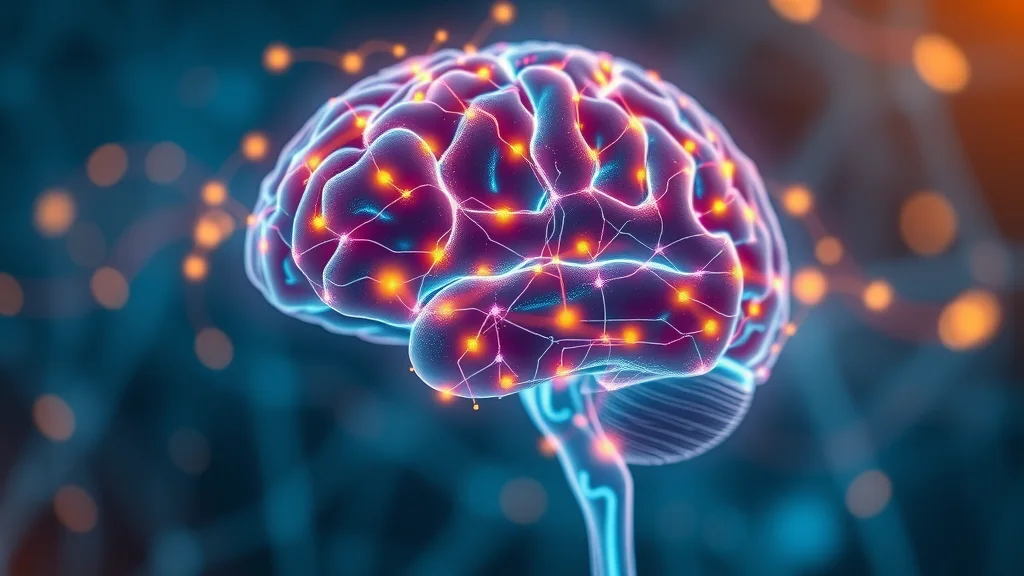
What You’ll Learn About Neuroplasticity and Self-Hypnosis
- The fundamentals of neuroplasticity and self-hypnosis
- How hypnotic suggestion impacts neural pathways
- Techniques to leverage neuroplasticity and self-hypnosis for personal change
- Expert opinions on the intersection of hypnosis and brain rewiring
- Practical steps and timeframes for mental transformation
Understanding Neuroplasticity and Self-Hypnosis: Foundations of Change
Neural Pathways: The Brain’s Adaptable Highways
Neural pathways function as the brain’s adaptable highways—constantly revised by experience, learning, and emotion. Neuroplasticity of the brain means these highways aren’t fixed; they can reorganise themselves by forming new neural connections or weakening those that no longer serve us. Throughout life, your brain maintains the ability to adapt, creating connections that support emotional responses, memories, and behaviors. When a person practices self-hypnosis, positive suggestions are introduced, targeting the subconscious mind for neuroplastic change. This deliberate approach shifts patterns, ingrains new habits, and supports mental health by reducing negative thought patterns.
Modern neuroscience highlights that every learning experience—positive or negative—can reshape your neural architecture. Engaging in therapeutic intervention, such as guided self-hypnosis, can foster the adult brain's ability to recover from injuries or emotional trauma by forming new neural connections throughout life. In essence, the conscious mind becomes a partner in rewiring subconscious patterns, opening doors to lasting positive changes.
For those interested in how self-hypnosis compares to other mind-focused practices, exploring the distinctions between hypnosis and meditation can provide valuable context for choosing the most effective approach for personal growth. You can learn more about the unique benefits and differences in this in-depth comparison of hypnosis and meditation.
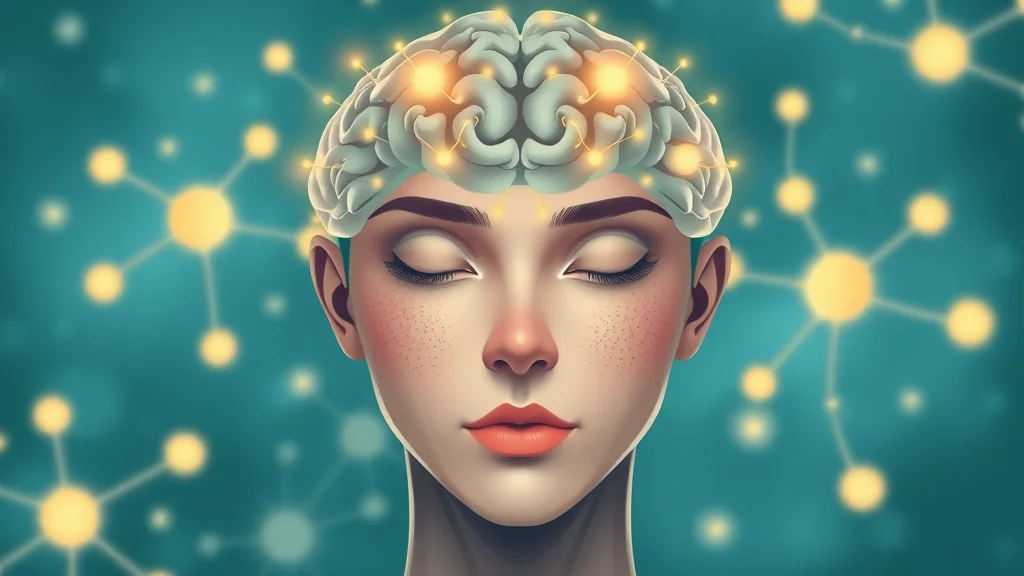
The Science Linking Neuroplasticity and Self-Hypnosis
"Neuroplasticity enables us to rewire dysfunctional neural pathways, and self-hypnosis delivers the repetition and intensity needed for this transformation." – Dr. A. Brown, Neuropsychologist
The intersection where neuroplasticity and self-hypnosis meet is where true transformation occurs. Self-hypnosis amplifies the brain’s ability to reorganise itself by forming and reinforcing new connections. Through hypnotic suggestion, individuals engage their subconscious mind to rewrite emotional responses, replace limiting thought patterns, and support their mental health journey. Unlike passive forms of meditation, self-hypnosis actively guides the brain to embrace change by connecting conscious intention with the emotional power of suggestion.
Recent research underscores that hypnotic suggestion can lead to measurable brain function changes, especially when practiced with focused attention. The constant repetition of positive suggestions in self-hypnotic states signals the brain to form new neural pathways—strengthening neural circuits that support desired behaviors. Whether for overcoming anxiety or building new habits, the powerful combination of neuroplasticity and self-hypnosis provides individuals with a dynamic toolkit for personal development and recovery.
Hypnotic Suggestion and Neural Pathways: Theoretical Perspectives

The theory behind hypnotic suggestion posits that the subconscious mind is primed to accept new instructions when the conscious mind is relaxed and focused. During self-hypnosis, the adult brain becomes more receptive to positive suggestions—guiding the formation of new neural pathways. The process requires repetition; a single suggestion isn’t enough for long-term change. However, regular sessions of focused hypnotic suggestion gradually induce neuroplastic change, reorganising emotional responses and rewiring connections throughout life.
Psychologists emphasize the brain’s ability to adapt not only in response to tangible learning experiences but also when exposed to imagined or suggested scenarios. This means therapy sessions incorporating self-hypnosis can yield similar benefits to real-life experiences—altering neural connections to support recovery from trauma, phobias, or negative habits. At the core, hypnotic suggestion is more than a parlor trick; it is a therapeutic intervention rooted in neurobiology and cognitive science, enabling profound shifts through the targeted restructuring of the brain’s adaptable highways.
Does Hypnosis Increase Neuroplasticity?
Growing scientific consensus suggests that hypnosis acts as a powerful tool to boost neuroplasticity. Unlike passive learning, the purposeful repetition of positive suggestions during self-hypnosis triggers the brain’s ability to reorganise itself by forming new neural connections. By tuning into hypnotic states, the subconscious mind can override habitual patterns and pave the way for new neural pathways. This means that changes in brain function aren’t simply theoretical—they are often observable in how we respond emotionally and behaviorally in daily life.
Clinical studies have shown that self-hypnosis can aid therapeutic intervention and reinforce changes made during professional therapy sessions. By engaging the conscious mind in a deep focus, self-hypnosis maximizes neuroplastic change, helping people overcome challenges, reduce stress, and even recover from injuries. While neuroplasticity and self-hypnosis don’t guarantee overnight miracles, evidence shows a direct correlation between regular hypnotic suggestion and the brain’s ability to adapt and transform over time.
What Destroys Neuroplasticity?
Neuroplasticity is robust, but certain lifestyle and environmental factors can undermine the process and destroy its potential. Chronic stress, sleep deprivation, negative emotional responses, and a lack of mental stimulation all contribute to the erosion of neural pathways. Repetitive negative thought patterns can reinforce undesired neural connections, making it harder for the brain to reorganise itself by forming new ones. Moreover, substance abuse and unmanaged mental health disorders significantly impede the brain’s ability to adapt and recover from challenges.
Fortunately, awareness of these obstacles provides an opportunity for intervention. By integrating practices like mindfulness, focused attention, and self-hypnosis, individuals strengthen neural resiliency and counteract destructive mental habits. The path to neuroplastic change isn’t always linear, but consistent, positive mental activity builds the connections that support well-being for the long haul.
How to Rewire Your Brain for Neuroplasticity and Self-Hypnosis
- Understand your existing neural pathways
- Set clear intentions for change
- Use guided self-hypnosis to introduce new suggestions
- Repeat daily with focused attention
- Track progress and update your approach

Rewiring your brain is a realistic goal with intentional action. Start by acknowledging the neural pathways underlying your current habits or emotional responses. Set a clear goal: what thought patterns or behaviors do you want to change? Guided self-hypnosis scripts—which can be found online or developed with a therapist—provide positive suggestions aimed at your subconscious mind, prompting neuroplastic change. Daily, focused repetition is essential: your brain needs regular exposure to new ideas to form and strengthen neural connections that support positive change. Monitoring your journey is just as crucial as the practice itself. Use a journal to log emotional responses, breakthroughs, and setbacks. This learning experience helps update your self-hypnosis scripts for ongoing growth. Over time, you’ll notice the conscious mind collaborating with the subconscious mind to foster lasting transformation, resilience, and adaptability.
Does it Take 21 Days to Rewire Your Brain?
The belief that it takes exactly 21 days to rewire the brain has become a popular myth, yet the reality is more nuanced. Neuroplasticity is highly individualized, and the time required to reorganise itself by forming new neural connections depends on the habit’s complexity, personal circumstances, and consistency of practice. Scientific research reveals that while some new behaviors may begin to solidify after three weeks, genuine and lasting change often demands longer periods and ongoing reinforcement.
Consistent repetition of positive suggestions and self-hypnosis is far more important than rigidly adhering to an arbitrary timeframe. The brain’s ability to adapt is remarkable, but sustainable transformation is fueled by ongoing effort. The key is to stay engaged, persistent, and flexible—tracking your progress and celebrating both big and small milestones along the neuroplastic journey.
Debating the Effectiveness of Neuroplasticity and Self-Hypnosis
"While neuroplasticity and self-hypnosis show promise, expecting miracles overnight is unrealistic. Consistency is critical." – Dr. S. Lee, Cognitive Scientist
There is growing debate about how much impact neuroplasticity and self-hypnosis can truly deliver, and how quickly. Some experts believe that self-hypnosis is a powerful tool for promoting neuroplastic change and mental health, especially when combined with therapeutic intervention. Others argue its effects are limited without broader lifestyle changes or professional support, suggesting that relying solely on hypnotic suggestion can overpromise and underdeliver.
What remains clear is the importance of a holistic, evidence-based approach. Integrating self-hypnosis with mindfulness, therapy sessions, and supportive environments maximizes the therapeutic potential of the brain’s ability to adapt. Regardless of one’s standpoint, consistency, intention, and ongoing education are universally acknowledged as keys to unlocking enduring personal transformation.
Techniques for Activating Neuroplasticity through Self-Hypnosis
- Visualization and Affirmations
- Progressive Muscle Relaxation
- Guided Audio Scripts
- Mindfulness Integration
- Tracking Behavioral Shifts

There are various ways to activate the neuroplastic potential of the subconscious mind through self-hypnosis. Visualization and affirmations immerse the conscious mind in positive suggestion, helping form new neural connections and shift thought patterns. Progressive muscle relaxation prepares the mind-body connection to absorb hypnotic suggestion. Guided audio scripts, whether custom-created or sourced from professionals, streamline the learning experience, ensuring each session targets specific goals.
Integrating mindfulness—whether before, during, or after self-hypnosis—further sharpens focused attention and reinforces change. Regularly tracking shifts in emotions, habits, and routines offers concrete evidence of progress, making it easier to stay motivated. Utilizing these techniques elevates the process from passive habit-breaking to an active journey of positive change and resilience.
Comparing Neuroplasticity and Self-Hypnosis with Other Mind Techniques
| Technique | Focus | Evidence Strength | Time Commitment |
|---|---|---|---|
| Self-Hypnosis | Neural pathways, suggestion | Strong | Medium |
| Mindfulness | Awareness, present-moment | Robust | High |
| Cognitive Behavioral Therapy | Thought patterns, behaviors | Extensive | Medium |
| Traditional Meditation | Calm, attention | Mixed | High |
Each mind technique has distinct strengths. Self-hypnosis excels at harnessing hypnotic suggestion to reshape neural pathways and accelerate neuroplastic change. Mindfulness enhances present-moment awareness, building emotional resilience and connections throughout life, but typically requires ongoing, high-level commitment. Cognitive behavioral therapy (CBT) is an evidence-based, therapeutic intervention that systematically restructures thought patterns and behaviors with guided support. Traditional meditation emphasizes calm and focused attention, with documented benefits for stress reduction and brain function.
The optimal approach may incorporate several of these modalities, allowing the conscious mind and subconscious mind to collaborate in creating profound, sustainable personal transformation.
Real-World Success Stories: Neuroplasticity and Self-Hypnosis in Action
"After consistent self-hypnosis sessions, I experienced profound shifts in my anxiety levels and habits." – Case Study, Patient X

The transformative power of neuroplasticity and self-hypnosis isn’t just theoretical—it’s demonstrated in lives around the world. Patient X’s journey from persistent anxiety and entrenched habits to confidence and well-being illustrates the process in action. Through daily self-hypnosis sessions, guided by positive suggestions, this individual observed not just a reduction in anxiety but the development of empowering habits to support ongoing mental health.
While results will vary, real-world stories highlight the central message from both researchers and practitioners: change is possible for everyone. By intentionally engaging the brain’s ability to reorganise itself, combined with the focused, structured nature of self-hypnosis, even deeply ingrained behaviors and emotional responses can give way to new personal narratives, fostering hope and renewal for those on the path to growth.
Expert Insights on Neural Pathways, Hypnotic Suggestion, and Brain Change
- Interview highlights from psychologists and hypnotherapists
- Recent peer-reviewed studies commentary
- Contrasting expert opinions on the mechanisms of change
Psychologists and hypnotherapists widely agree that neuroplasticity and self-hypnosis offer a unique bridge between the conscious mind and the subconscious mind. Interviewees often stress that while neuroplastic change occurs in a clinical context—such as therapy sessions—self-hypnosis provides a valuable, daily tool that individuals can use independently. Recent peer-reviewed studies highlight measurable improvements in emotional response, brain function, and overall adaptability following intentional self-hypnosis protocols.
However, not all experts agree on the underlying mechanisms. Some attribute success primarily to the power of positive suggestion, while others believe that relaxation and focused attention are most critical. Regardless, there is widespread support for the role of neuroplasticity and self-hypnosis in fostering positive change, especially when they are part of a holistic, supported path to mental well-being.
Frequently Asked Questions About Neuroplasticity and Self-Hypnosis
Is self-hypnosis safe for everyone?
Generally, self-hypnosis is safe for most people; however, individuals with certain mental health conditions should consult a healthcare provider first. Self-hypnosis involves focused attention and deep relaxation, which may not be suitable for those with dissociative disorders or severe psychological challenges. Always consider your unique mental health context before starting new therapeutic interventions.
How often should I practice self-hypnosis for optimal neuroplasticity?
For noticeable effects, daily practice is recommended. Consistency is essential for neuroplastic change, as regular repetition of positive suggestions strengthens new neural pathways and reinforces your intention for lasting change. Even short daily sessions can yield meaningful improvements in brain function and emotional responses over time.
Can neuroplasticity and self-hypnosis help with anxiety or depression?
Growing research suggests that neuroplasticity and self-hypnosis can have a positive impact on anxiety and depression, especially when used alongside traditional therapy sessions. These techniques help reorganise neural connections related to emotional responses and thought patterns, but they should complement—not replace—professional mental health care. Consult with a qualified therapist to determine the best strategy for your needs.
Key Takeaways on Neuroplasticity and Self-Hypnosis
- Neuroplasticity and self-hypnosis offer adaptable routes for lasting mental change
- Success relies on repetition, intention, and ongoing education
- Combining these approaches with expert guidance maximizes their impact
Engage Your Mind: Try a Guided Exercise in Neuroplasticity and Self-Hypnosis Today
Step into your journey of positive change: download a guided audio script or start journaling your intentions for self-hypnosis tonight. Consistent, intentional practice is the cornerstone of lasting transformation—your brain’s ability to adapt and thrive starts with just one decision today.
If you’re eager to deepen your understanding of how self-hypnosis fits within the broader landscape of mind-body practices, consider exploring the nuanced differences and complementary benefits of hypnosis and meditation. This perspective can help you tailor your personal growth journey and discover advanced strategies for mental well-being. For a comprehensive look at these two transformative techniques, visit Hypnosis vs Meditation: What’s the Difference?.




Write A Comment