

Did you know over 70% of professional hypnotherapists use visual metaphors such as the staircase hypnosis technique to achieve deeper states of trance? This surprising fact reveals the enduring power of guided imagery within modern hypnosis. If you’ve ever wondered how hypnotherapists help clients reach deeper levels of relaxation and openness, the answer often lies in this vivid, structured approach. The staircase hypnosis technique isn’t just another pass at hypnotic induction—it’s a key that unlocks more profound, lasting states of trance and self-discovery. In this article, you’ll learn exactly why this method stands out, how it works, and how you or your clients can benefit from its practical application.
An Unconventional Pathway: Understanding the Staircase Hypnosis Technique
"Did you know over 70% of professional hypnotherapists use visual metaphors such as the staircase hypnosis technique to achieve deeper states of trance?"
- Why the staircase hypnosis technique matters
- Unique strengths of hypnotic induction
- Key differences from conventional induction methods
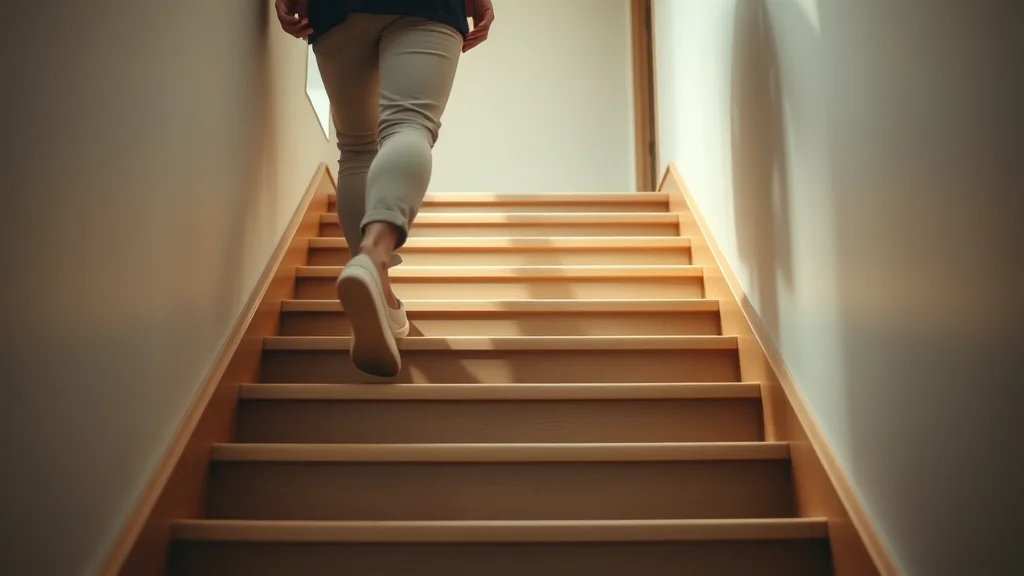
The staircase hypnosis technique stands apart as an unconventional yet highly effective form of hypnotic induction. Where many traditional approaches may rely solely on verbal cues for achieving a trance state, the staircase metaphor introduces a strong visual and somatic element. Imagine yourself gently placing your foot on the first step of a serenely lit, beautiful staircase—the act itself delivers a psychological and physiological cue to step away from the everyday world and into a tranquil state of mind. This guided visualization process harnesses imagery to help subjects become deeply relaxed and attentive, making it especially valued by both novice and seasoned hypnotherapists.
Unlike rapid induction techniques—quick methods focused on quickly bypassing conscious resistance—the staircase technique lets subjects descend into a trance experience gradually, offering finely tuned depth control. Along each step, the therapist counts down or emphasizes relaxing cues, allowing the hypnotic trance to deepen with each movement. This gentle approach is often preferred in hypnotherapy practice for its reliability, making it ideal for therapeutic work that requires clients to be deeply and comfortably relaxed while maintaining a sense of control and safety throughout.
What You'll Learn About the Staircase Hypnosis Technique
- Core principles of the staircase hypnosis technique
- How hypnotic induction is facilitated with staircase imagery
- Practical applications in therapy and self-hypnosis
By the end of this guide, you’ll have foundational knowledge of how the staircase hypnosis technique functions as a structured form of trance induction and why its metaphorical steps leading downward are so effective in clinical and self-hypnosis settings. You'll see not only how hypnotic induction is gently achieved through imagery, but also the practical ways this technique supports stress relief, pain control, and self-development. You’ll also gain insight into the broader psychological and physiological benefits, so you can evaluate if the staircase technique might enhance your own therapeutic or leisure interests.
Whether you're exploring this as a client, therapist, or simply out of curiosity, understanding the mechanics behind cause-and-effect in the staircase hypnosis technique will enable you to participate actively in your trance experience—or to more effectively guide others. You’ll also learn why this method offers unique advantages over rapid inductions and why it is embraced by professionals in both city hypnosis centers and private practices alike.
The Hypnotic Induction Foundation: Exploring the Staircase Hypnosis Technique
- What is hypnotic induction?
- Fundamental steps of the staircase hypnosis technique
- Importance of progressive relaxation
Hypnotic induction refers to the deliberate process by which a therapist or individual guides someone from their normal, waking mind into a focused trance state. The staircase hypnosis technique excels at this by blending guided visualization with progressive relaxation cues. Each imagined step down the staircase serves as an invitation for your mind and body to become more deeply relaxed, more open to suggestion, and less distracted by the everyday world. This journey inward is the hallmark of successful trance induction; it's where the boundaries between the stairs and the ordinary slip away and a deeply and comfortably relaxed state emerges.
The progressive nature of this induction is especially valuable. Each phase—beginning with slow, conscious breathing and visualization of the beautiful staircase—helps participants achieve a strongly anchored psychological and physiological state. Unlike rapid induction, which seeks to provoke trance states quickly (sometimes abruptly), the staircase method prioritizes comfort and safety, allowing each session to be as gentle or deep as required by the individual. It’s this adaptability that makes it a staple in both clinical hypnotherapy practice and self-hypnosis routines for personal growth or leisure activities.
For those interested in how the staircase technique compares to other forms of hypnotic induction, exploring the nuances between progressive relaxation and rapid induction can provide valuable context for choosing the most effective approach for each individual. Understanding the distinctions between hypnosis and meditation can also help clarify which method aligns best with your personal goals and preferences.

A Step-by-Step Walkthrough of the Staircase Hypnosis Technique
- Pre-induction preparation
- Guided visualization
- Progressive descent
- Anchoring and deepening of hypnosis
- Gentle re-emergence
Each session using the staircase hypnosis technique follows a clear, methodical pathway. First, pre-induction preparation ensures the participant is comfortable, all leisure activities and distractions are set aside, and the psychological and physiological state is primed for focus. Next, the guided visualization begins; the therapist paints an evocative mental picture of a softly lit staircase, inviting the participant to gently open their senses to the imagery, thus grounding their mind in the present moment.
During progressive descent, the therapist counts as you “step” deeper and deeper down the staircase, using language cues and subtle sensory details—like feeling the texture of each step—to solidify the trance experience. This phase is critical for fostering a deeply and comfortably relaxed state, allowing both conscious and subconscious awareness to stay harmonized. Once you reach the bottom of the stairs, anchoring and deepening of hypnosis occur. This stage often uses counting or affirmations to further deepen the hypnotic trance, ensuring any therapeutic suggestion can be more readily internalized. Finally, gentle re-emergence is guided by the therapist, who helps you return from trance gradually, reinforcing a sense of comfort, clarity, and well-being.
| Criteria | Staircase Hypnosis Technique | Progressive Relaxation | Rapid Induction |
|---|---|---|---|
| Depth Control | Excellent | Good | Moderate |
| Visualization | Essential | Minor | Minimal |

How the Staircase Hypnosis Technique Engages the Mind
- Role of imagery and metaphor
- Cognitive responses to staircases in hypnosis
- Evidence-based results from clinical studies
The impact of the staircase hypnosis technique lies in its evocative use of imagery and metaphor. By guiding a person to focus on steps leading downward, the mind equates each movement with a transition away from the everyday world, fostering a more receptive, deeply relaxed trance state. Research in cognitive-behavioral science shows that structured metaphors, like the staircase, reliably activate neural pathways associated with comfort, safety, and gradual transformation. These elements work harmoniously to deepen the hypnotic trance and maintain participant engagement—an advantage not always seen in rapid induction or other less-visual methods.
Clinical studies further underscore how this method supports positive trance experiences. Engaging both imagination and sensory awareness, the staircase technique helps participants maintain focus and feel empowered through every step. When the therapist counts, or when you place your hand on the virtual railing, there’s a subtle but effective alignment of psychological and physiological responses that reinforce the hypnotic state. The result is a more sustained, effective experience of hypnosis, with tangible outcomes in both therapy and personal self-exploration.
"The staircase metaphor is not just a tool but a bridge between conscious suggestion and subconscious change." — Leading Hypnosis Practitioner
Applications of the Staircase Hypnosis Technique in Modern Therapy
- Stress and anxiety management
- Pain control
- Self-development and peak performance
- Remediation of phobias
Modern therapists and wellness practitioners draw upon the staircase hypnosis technique across a spectrum of clinical and personal growth applications. For stress and anxiety management, the technique’s structured metaphor helps move clients from tense, active states into calmer, more deeply comfortable states, reducing mental pressure and promoting feelings of safety. In pain control settings, the stairs are used to help patients “descend” away from discomfort, disconnecting from pain cues and enhancing physiological relaxation.
Self-development enthusiasts and athletes also turn to this method for peak performance, as it helps them enter optimal psychological and physiological states for visualization, affirmations, or practice sessions. Additionally, for those addressing phobias or previous trance experiences, the gentle, highly controlled nature of the staircase induction provides a sense of agency, minimizing distress and helping reframe negative associations. No matter the application—be it city hypnosis clinics or group therapy sessions—the staircase technique’s flexibility makes it a valuable resource for a wide variety of leisure activities and therapeutic goals.

Expert Insights: The Psychology Behind the Staircase Hypnosis Technique
- Why staircases promote trance states
- Insights from clinical psychologists
- Alignment with cognitive-behavioral frameworks
Clinical psychologists offer valuable perspectives on why staircases act as such a powerful anchor for trance induction. The imagery of descent—one step at a time—mirrors the gradual shift our brains make from heightened awareness to the relaxed focus characteristic of trance states. Insights from the field highlight how the staircase model parallels therapeutic approaches in cognitive-behavioral therapy (CBT), emphasizing stepwise change and the process of connecting abstract suggestions to concrete physiological responses. The repetitive, rhythmic aspect of counting or moving down stairs is also shown to reinforce the transition into mental relaxation.
Furthermore, the staircase hypnosis technique supports the notion of safety and control in hypnosis, as participants are always moving at their own pace. Clinical data suggests that this perceived autonomy enhances the effectiveness of hypnotic suggestions, ensuring changes are not only experienced during the trance but can carry over into real-world behavior. By aligning with established psychological principles, the staircase method becomes more than a simple visualization—it stands as an evidence-based, accessible path for psychological and physiological wellness.

People Also Ask: What is the staircase method of hypnosis?
Answer: The staircase method of hypnosis employs imagined stairs as a focus for progressive muscle relaxation and deeper hypnotic induction, eliciting a sense of controlled descent into altered consciousness.
People Also Ask: How does the staircase method work?
Answer: The staircase method works by guiding a person’s attention to the act of walking down imagined steps, synchronizing structured count-backs and relaxation cues to progressively increase hypnotic depth.
People Also Ask: What is the staircase method in psychology?
Answer: In psychology, the staircase method is recognized as an effective metaphorical tool for gradual change, control, and stepwise immersion in therapeutic techniques, including cognitive behavioral modalities and hypnosis.
People Also Ask: What are three things hypnosis cannot do?
Answer: Hypnosis cannot make someone act against their core values, cannot create superhuman abilities, and cannot serve as an infallible method for uncovering repressed memories.
Common Misconceptions and Limitations of the Staircase Hypnosis Technique
- Not everyone responds equally to the staircase hypnosis technique
- Myths about control and memory retrieval
- Appropriate contexts and cautions
While the staircase hypnosis technique is widely celebrated for its effectiveness, there are inherent misconceptions and limitations to address. Not every participant will experience the same depth of trance induction; previous experience, personality differences, and individual comfort with visualization can all influence outcomes. Some people mistakenly believe that hypnosis—especially with visual metaphors—can force them into giving up control or automatically retrieving lost memories. Clinical evidence counters these myths, showing that the trance state created is not one of helplessness, but rather of focused attention with preserved agency.
Further, there are important precautions. The staircase induction is ideally suited for clients who enjoy guided imagery as part of their leisure activities or self-development efforts, but it might require modification for use in children or those with particular psychological and physiological concerns. For anyone exploring their first hypnotic trance, consulting a qualified professional helps ensure the technique is used appropriately, maximizing benefits and minimizing misunderstandings or misconceptions about its role in therapy or everyday relaxation.

FAQs About the Staircase Hypnosis Technique
-
Who benefits most from the staircase hypnosis technique?
The staircase hypnosis technique is especially beneficial for individuals who respond well to visualization and guided meditation, including those seeking anxiety reduction, self-development, and stress relief. Both newcomers and experienced clients can benefit, provided they have interest in experiential mind-body practices. -
Can I use this on myself?
Yes, many successful self-hypnosis routines use the staircase model. Recording your own guided script or following a professional recording allows you to gradually descend into relaxation and then emerge, ensuring safety and comfort throughout your session. -
How long does a session typically last?
Sessions using the staircase hypnosis technique often last between 20 and 40 minutes, depending on the individual's responsiveness and therapeutic goals. This allows time for thorough induction, deepening, and a gentle return to everyday awareness. -
Is it suitable for children?
Yes, with professional adaptation. Children who enjoy stories, guided play, and leisure activities often respond well to staircase imagery, though sessions should be tailored to their developmental stage and attention span.
Key Takeaways: Maximizing Effects with the Staircase Hypnosis Technique
- Staircase hypnosis technique leverages structured metaphor for reliable hypnotic induction
- Applications range from therapy to personal growth
- Awareness of limitations and best practices leads to optimal results.
Final Thoughts
"The staircase hypnosis technique is not only effective but also empowering for those seeking personal transformation through guided mind work."
- Take your self-discovery further—consult with certified professionals for a personalized staircase hypnosis technique session today.
If you’re inspired to deepen your understanding of mind-body practices, consider exploring how hypnosis and meditation differ in their approach to relaxation and self-awareness. Gaining clarity on these distinctions can help you select the most effective technique for your personal growth journey, whether you’re seeking therapeutic change or simply greater peace of mind. For a comprehensive comparison and actionable insights, visit the guide on the key differences between hypnosis and meditation—and discover new ways to unlock your potential.




Write A Comment