

Picture this: You recline comfortably in a softly lit therapy chair, slipping on a VR headset. Around you, digital brainwave patterns flicker across a screen as your therapist guides you—live—through a tranquil virtual landscape, blending mind and technology in ways clinical hypnotherapy could only dream of a decade ago. These are the kinds of experiences that define the latest hypnosis trends, rapidly transforming both the way we perceive mental health care and the everyday practice of therapy sessions.
What You’ll Learn About Hypnosis Trends and Their Impact
- Explore the latest hypnosis trends transforming clinical hypnotherapy
- Discover advancements in brain activity monitoring during hypnotherapy sessions
- Understand the relationship between hypnosis and mental health in mainstream healthcare
- Uncover how technology, such as virtual reality, is redefining the hypnosis profession
Setting the Stage: New Waves in Hypnosis Trends
"Imagine entering a hypnotherapy session and finding yourself in a virtual landscape where the lines between consciousness and subconscious are actively monitored in real time."
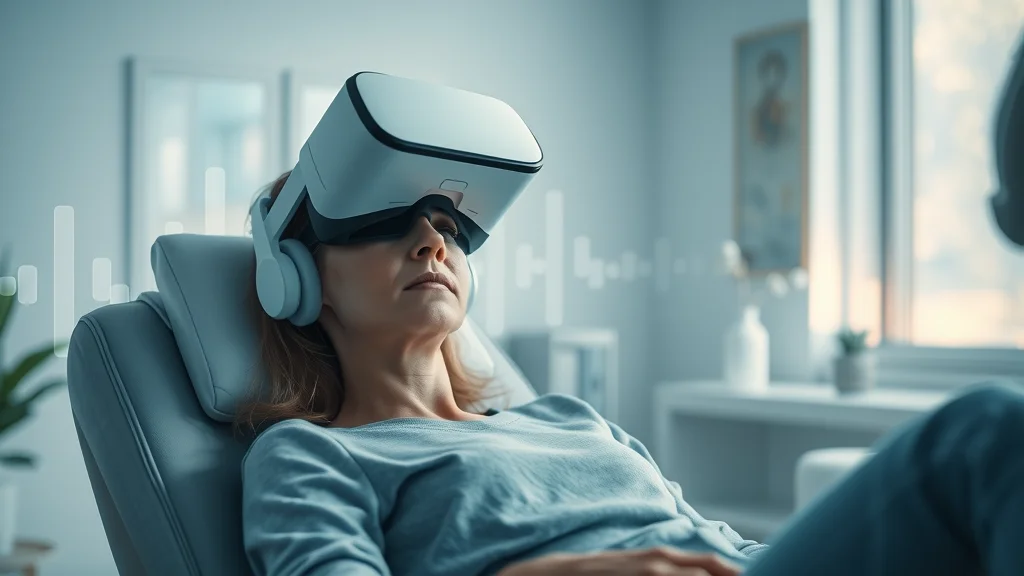
Today, hypnosis is experiencing a renaissance, fueled by technological innovation and a deepening integration into mainstream healthcare. While some may still imagine hypnosis as swinging pendulums and stage acts, clinical hypnotherapy is now recognized as a sophisticated, evidence-based form of therapy session with far-reaching benefits. These emerging trends are not just reshaping therapy for pain management and mental health; they are redefining how the medical profession understands and utilizes altered states of consciousness for holistic healing.
What sets the current hypnosis trends apart is their intersection with digital monitoring and VR, allowing practitioners to personalize care and monitor brain activity in ways that drive positive change across conditions from chronic pain to irritable bowel syndrome. As we move deeper into this new era, hypnosis is just as likely to be discussed at a medical school seminar as it is in alternative medicine circles. This shift raises a crucial question: How do these developments impact clinical outcomes and the lives of patients who rely on hypnotherapy session interventions for relief and well-being?
As the boundaries between hypnosis and other mind-body practices continue to blur, many professionals and clients are curious about how hypnotherapy compares to similar modalities. For a deeper understanding of how hypnosis and meditation differ in their mechanisms and therapeutic applications, you might find it helpful to explore the distinctions between hypnosis and meditation and how each can play a unique role in holistic wellness.
Growth of Clinical Hypnotherapy in Mainstream Healthcare
Why Mental Health Professionals Are Embracing Hypnosis Trends

Mental health professionals are increasingly advocating for clinical hypnotherapy as part of a holistic approach to well-being. In recent years, the stigma surrounding hypnosis has faded, allowing a wider range of practitioners, including clinical psychologists and psychiatrists, to integrate hypnotherapy sessions into patient care. This shift is not just the result of anecdotal evidence; it stems from a growing body of research highlighting hypnotherapy’s role in alleviating chronic pain, reducing stress, and improving symptom management for mental health conditions.
The growth rate of clinical hypnotherapy’s acceptance forms part of a broader trend where therapeutic modalities like mindfulness meditation and behavioral therapy coexist. The willingness of the medical profession to blend these approaches demonstrates an openness to innovation and personalization, supporting patients in achieving tangible relief from issues like anxiety, depression, and even pain management in cancer patients. This evolving landscape means that hypnotherapy is no longer relegated to the fringes of alternative medicine but is being reimagined as an essential tool in mainstream healthcare.
Integration of Hypnotherapy Session Protocols in Medical Profession
Today’s medical profession is responding to patient demand for holistic approaches by incorporating hypnotherapy session protocols into multi-disciplinary care teams. Hospitals and clinics are training nurses, counselors, and allied health professionals in hypnotic induction and therapeutic suggestion. Rather than standing alone, hypnotherapy now complements traditional treatments, providing support for a wide range of health conditions—from insomnia and pain relief to distress in cancer patients. The integration of hypnosis also includes standardized session documentation, ethical guidelines, and outcome monitoring, all aimed at increasing efficacy and safety.
Collaborative care models are emerging, where clinical hypnotherapy is integrated into care plans alongside medication and counseling. Hypnosis trends reveal that patients value these services, reporting improvements in mental health, reduced medication reliance, and enhanced day-to-day functioning. By embracing evidence-based hypnosis protocols, the medical profession is opening up new pathways for healing, making hypnotherapy more accessible and acceptable to those seeking alternative and complementary treatments within the healthcare system.
Technological Innovation: Virtual Reality and Hypnosis Trends
The Emergence of Virtual Reality in Hypnotherapy Sessions

Virtual reality (VR) is one of the most exciting hypnosis trends revolutionizing therapy sessions today. The integration of VR into clinical hypnotherapy provides immersive therapeutic environments that engage more of the senses and deeper layers of consciousness. By combining hypnotic induction with customized virtual landscapes, therapists can guide patients into a focused, relaxed state more efficiently—whether addressing chronic pain or anxiety. These high-tech interventions transform the traditional hypnotherapy session, providing an experience that is both captivating and clinically controlled.
For mental health professionals, VR technology offers real advantages: controlled exposure therapies for phobias, simulated "safe spaces" for trauma recovery, and even targeted suggestion environments for pain management. This tech-driven approach not only improves engagement and adherence but also facilitates measurable outcomes, making it easier to blend hypnotherapy into standardized health protocols. As VR hardware becomes more accessible, expect a surge in its use for both in-person and remote sessions, democratizing advanced hypnotherapy for a broader segment of mainstream healthcare and alternative medicine clients alike.
How VR Is Reshaping Therapy Session Experiences
The impact of VR on therapy sessions goes beyond novelty. Virtual reality brings a dynamic layer to hypnotherapy sessions by making the process less abstract and more interactive. Therapists can script environments tailored to a wide range of patient needs, from serene beaches to growth forests—each designed to elicit the kind of relaxed, hypnotic state associated with increased therapeutic receptivity. For those dealing with chronic pain or stress-related disorders, a personalized VR experience can facilitate a sense of escape and control not easily achieved in conventional therapy offices.
By enabling real-time feedback and sensory cues, VR-enhanced hypnosis allows for a more adaptive and responsive approach to the hypnotherapy session. Patients report higher levels of satisfaction and engagement, while therapists gain tools to track progress and adapt interventions instantly. This personalization is a hallmark of the newest hypnosis trends, promising more effective treatments across the spectrum of mental health conditions, pain management, and behavioral therapy.
Understanding Brain Activity During Hypnosis Trends
Advancements in Measuring Brain Activity During Clinical Hypnotherapy

One of the most compelling emerging trends in hypnotherapy is the use of advanced technology to observe and measure brain activity in real time. Techniques like EEG and fMRI scanning have moved beyond the research lab to become integral parts of clinical hypnotherapy practice. These tools allow clinicians to monitor neural patterns before, during, and after hypnotic induction, offering tangible insight into how hypnosis affects consciousness, pain perception, and emotional regulation.
By tracking brain activity, practitioners not only validate the physiological shifts associated with the hypnotic state but also adapt their therapeutic methods for better outcomes. For example, if a particular hypnotic suggestion triggers a positive neural response, the therapist can fine-tune future sessions for even greater efficacy. This feedback loop, enabled by digital technology, is accelerating hypnotherapy’s acceptance within mainstream healthcare and solidifying its reputation as a science-backed form of therapy. Ultimately, the fusion of neuroscience with clinical hypnotherapy enhances trust among patients and professionals alike.
What Brain Scans Reveal about Hypnotherapy Session Outcomes
Modern brain scans have shed new light on the effectiveness of hypnotherapy session protocols. Studies show that during hypnosis, there is heightened connectivity between regions of the brain that process memory, emotion, and sensory perception. This lends scientific support to clinical observations that patients under hypnosis can experience profound shifts in mood and perception, even resulting in measurable reductions in chronic pain or anxiety.
The continued use of imaging technology to monitor brain activity not only demystifies the hypnotic state but also helps practitioners develop evidence-based approaches tailored to specific health conditions. These breakthroughs affirm the legitimacy of hypnosis trends within both the medical profession and alternative medicine, empowering mental health practitioners to harness hypnotic induction for reliable, repeatable, and personalized therapeutic gains.
Hypnosis Trends for Treating Irritable Bowel Syndrome and Related Conditions
Hypnosis Trends in Addressing Irritable Bowel Syndrome

Perhaps nowhere is the therapeutic potential of clinical hypnotherapy more apparent than in the treatment of irritable bowel syndrome (IBS) and related functional bowel disorders. As a mind-gut connection disorder, IBS responds positively to holistic approaches—including hypnosis sessions targeting gastrointestinal symptoms. Recent years have seen a convergence of evidence from clinical trials validating the benefits of hypnotherapy for symptom relief, improvement in quality of life, and reduced reliance on medication for bowel syndrome sufferers.
Hypnotherapists use relaxation techniques, guided imagery, and suggestion to help patients normalize digestive motility, reduce abdominal pain, and manage stress. This approach is particularly valuable for those for whom traditional treatments have failed. The integration of hypnosis trends with standard medical care underscores the growing respect for alternative medicine, especially in complex, multidimensional conditions like irritable bowel. This not only expands the treatment arsenal but also offers hope and empowerment to patients living with chronic symptoms.
Clinical Hypnotherapy for Bowel Syndrome: Current Evidence
Research on the use of clinical hypnotherapy for bowel syndrome has grown significantly, with multiple studies confirming improvements in pain relief, reduced bloating, and sustained remission for many patients. Hypnosis sessions often run as part of a broader pain management and mental health plan, highlighting its value in addressing both the physical and psychological dimensions of irritable bowel syndrome.
Mainstream healthcare systems are beginning to acknowledge hypnotherapy as an essential tool for treating bowel conditions. Multidisciplinary teams now refer patients for hypnotherapy alongside dietary and psychological support. While skepticism remains among some in the medical profession, the mounting clinical trial evidence and growing patient satisfaction suggest that hypnosis trends offer a positive change for individuals managing IBS and related syndromes.
The Expanding Role of Hypnosis Trends in Mental Health
Mainstream Healthcare Perspectives on Hypnosis Trends

Mainstream healthcare’s attitude toward hypnosis trends has shifted from curiosity to cautious integration. As more evidence emerges, clinical psychologists and psychiatrists increasingly view hypnotherapy as a complementary intervention rather than fringe science. This endorsement is visible in institutional protocols, insurance reimbursement options, and the inclusion of hypnotherapy in treatment guidelines for certain mental health and pain disorders.
Healthcare providers describing hypnosis as a "gateway tool" for deeper psychological change point to its compatibility with mindfulness meditation and cognitive behavioral therapy. Rather than supplanting traditional therapy models, hypnotherapy is being used to enhance access, reduce resistance, and facilitate holistic approaches to wellness. The willingness to consider hypnosis as part of a broader treatment plan is a testament to the growing openness of the medical profession to innovation and patient-centered care.
Shifting Attitudes within the Medical Profession toward Hypnotherapy
Across medical school classrooms and continuing education seminars, training in hypnotherapy techniques is rising. This next generation of healthcare professionals is more likely to embrace hypnosis as a safe, evidence-based modality for a wide range of mental health problems and chronic pain syndromes. The old skepticism that once dominated the field is giving way to curiosity and, in many cases, enthusiastic support. As the benefits of clinical hypnotherapy become clearer, more physicians and allied professionals are recommending hypnosis sessions to their patients.
Such shifts indicate that hypnosis trends are not a passing fad. Instead, they are fundamentally reshaping the field, empowering providers to diversify care and granting patients greater autonomy in their healing journey. From mainstream healthcare institutions to private clinical practice, the profession is witnessing an inflection point—one driven by evidence, innovation, and a growing demand for accessible, holistic approaches to health.
Hypnosis Trends: Challenges, Critiques, and Controversies
Skepticism from the Medical Profession

Despite advances, challenges persist. Skepticism from segments of the medical profession remains a significant barrier. Critics often question the reproducibility of hypnotherapy session outcomes and highlight a lack of standardized training across practitioners. Misinformation and outdated portrayals in media add to the confusion, sometimes undermining the credibility of hypnosis in mainstream healthcare.
Addressing skepticism is essential for hypnotherapy’s longevity and respectability. Advocates within the clinical hypnotherapy community point to the necessity of clinical trial evidence, rigorous certification, and ongoing research. Through transparent discussion, evidence-led education, and patient testimonials, hypnosis trends may eventually overcome these critiques and become a principal feature in the mental health and pain management toolkit.
Overcoming Misconceptions in Mainstream Healthcare
Misconceptions about hypnosis—that it involves loss of control, mind manipulation, or stage antics—persist among both patients and healthcare providers. Dispelling these myths requires proactive education and demonstration. Leading hypnotherapy practitioners regularly engage with medical institutions to explain the science, safety, and boundaries of hypnotic induction, emphasizing its status as a well-regulated, patient-driven therapy.
The best antidote to misconception is exposure to clinical success stories and peer-reviewed research. By sharing data and collaborating on interdisciplinary teams, hypnotherapists can gradually shift professional attitudes. As more patients experience positive change, momentum builds for broader acceptance. Ultimately, the journey of hypnosis from alternative therapy to mainstream healthcare staple will depend on continued advocacy, transparency, and rigorous validation of session outcomes.
Notable Hypnosis Trends Practitioners to Watch
-
List of influential clinical hypnotherapy experts:
- Dr. David Spiegel (Stanford University)
- Professor Peter Whorwell (Manchester, IBS and hypnosis)
- Dr. Michael Yapko (Depression and hypnotherapy specialist)
- Dr. Bryant Esquejo (Technology-driven hypnosis trends)

-
Emerging voices in technology-driven hypnosis trends:
- Dr. Janet Kanzler (Pioneering VR in clinical hypnotherapy)
- Professor Eric Willmarth (Biofeedback and brain activity research)
Watch: A short, informative video showcases modern hypnotherapy techniques—like VR therapy session simulations, real-time brain scan monitoring, and expert commentary on the innovative approaches taking center stage in today’s clinical hypnotherapy field.
Hypnosis Trends in Therapy Sessions: The Shift Toward Personalized Approaches
Personalized Hypnotherapy Session Plans

A defining characteristic of modern hypnosis trends is the rise of highly personalized hypnotherapy session plans. Instead of relying on “one-size-fits-all” scripts, practitioners now leverage digital assessments, brain activity data, and patient feedback to design individualized sessions. Whether the focus is on chronic pain, behavioral therapy, or mental health, personalization ensures that both the content and pacing of each hypnotherapy session align with unique patient needs.
Personalized plans can integrate a holistic approach, including mindfulness meditation, self-hypnosis techniques, and even at-home VR therapy modules for between-session reinforcement. This shift toward customization reflects a broader trend in mental healthcare: treating patients as active partners rather than passive recipients. As the tools available to therapists expand, so too does the potential for positive change and sustainable outcomes in practice.
Adapting to Patient Needs in Modern Mental Health Practice
Flexibility is key in mental health practice, and hypnosis trends are fast adapting to the increasingly diverse needs of today’s patients. Modern clinical hypnotherapy recognizes differences in symptomatology, cultural background, and digital literacy. Therapists pay attention not just to the presenting condition, be it chronic pain or irritable bowel syndrome, but also to the resources and preferences of each patient—integrating technology and traditional methods as appropriate.
This adaptation is particularly important in community and teletherapy settings, where accessibility and comfort are paramount. By using digital platforms for virtual reality or at-home hypnotherapy session exercises, practitioners minimize barriers and maximize engagement. Such responsiveness is reshaping mental health care delivery, ensuring that hypnosis trends serve the needs of an ever-wider range of individuals looking for alternative, evidence-backed mental health support.
See VR in action: Innovative therapy sessions featuring VR immersion, clinician-patient interaction, live monitoring, and testimonials about improved outcomes—highlighting exactly how virtual reality is changing the landscape of clinical hypnotherapy.
Global Perspectives: Hypnosis Trends Around the World
Adoption of Hypnosis Trends in Various Healthcare Systems

Globally, hypnosis trends reflect regional attitudes toward alternative medicine, mental health, and regulation. Countries like the UK and Australia offer clinical hypnotherapy through national healthcare services, while others limit its use to private practice. In the United States, clinical hypnotherapy is increasingly available in academic medical centers and pain clinics, though insurance coverage and regulatory consistency vary.
Some healthcare systems, particularly in Europe and Asia, are harnessing hypnosis for palliative care, pain relief in cancer patients, and adjunct therapy for anxiety and sleep disorders. These cross-continental contrasts provide valuable lessons about policy, acceptance, and the cultural framing of hypnotherapy as a credible, mainstream healthcare tool.
Cross-Cultural Attitudes Toward Clinical Hypnotherapy and Mental Health
Attitudes toward hypnosis and mental health differ significantly around the world. In some cultures, hypnosis is embraced as a respected form of therapy session, deeply embedded in community mental health practice. In others, lingering suspicion—often driven by media or lack of formal training—creates obstacles for broader adoption. Nonetheless, the spread of digital technology and the proven value of holistic approaches are gradually eroding boundaries.
As healthcare becomes increasingly globalized, the cross-cultural exchange of best practices and innovations will drive the adoption of new hypnosis trends. The challenge remains: establish international standards while honoring cultural nuance, thus making clinical hypnotherapy accessible and effective for an ever-broader population.
Table: Comparing Hypnosis Trends in Clinical Hypnotherapy Applications
| Application Area | Key Innovations | Mainstream Acceptance | Primary Outcomes |
|---|---|---|---|
| Mental Health | Personalized scripts, digital feedback, VR integration | High in UK, Australia, growing in US | Reduced stress, improved anxiety/depression management |
| Pain Management | Real-time brain activity monitoring, self-hypnosis protocols | Increasing in hospitals, pain clinics | Sustained chronic pain relief, lower opioid use |
| Irritable Bowel Syndrome | Gut-directed scripts, teletherapy, group sessions | UK & Europe leading, global interest rising | Fewer GI symptoms, higher quality of life |
| Technology Integration | VR, biofeedback, AI-guided sessions | Adoption varies, fast growth in private sector | Increased patient engagement, measurable outcomes |
Expert Quotes on the Future of Hypnosis Trends
"Hypnosis trends are breaking barriers and redefining what it means to heal both mind and body in clinical settings." – Noted Hypnotherapy Expert
Key Takeaways from the Latest Hypnosis Trends
- The integration of technology—like virtual reality and brain activity monitoring—is transforming hypnotherapy sessions and enhancing treatment outcomes.
- Mainstream healthcare, including medical professionals and clinical psychologists, is increasingly embracing clinical hypnotherapy for chronic pain, mental health, and IBS.
- Personalized, patient-driven plans are at the forefront of modern hypnosis trends, promoting holistic approaches for a wider range of health conditions.
- Continued research, professional collaboration, and education are helping overcome skepticism in the medical profession and advance hypnosis as a credible form of therapy.
- Best practices include evidence-based session protocols, continuous monitoring, and leveraging technology for maximizing positive outcomes.
- Ongoing innovation and cross-cultural exchange will shape the future growth rate of hypnotherapy in mainstream healthcare.
FAQs on Emerging Hypnosis Trends
How are hypnosis trends changing the mental health landscape?
Hypnosis trends are shifting the mental health landscape by introducing evidence-based, technology-enhanced modalities that empower patients and clinicians alike. Through methods like VR and personalized session plans, hypnotherapy is providing new avenues for managing stress, anxiety, trauma, and chronic pain, complementing other therapies in a holistic approach.
What role does brain activity monitoring play in modern hypnotherapy sessions?
Brain activity monitoring using tools like EEG and fMRI allows hypnotherapists to observe real-time neural changes during hypnosis. This provides critical data for personalizing treatment, validating therapeutic effects, and advancing our understanding of the subconscious, all while building credibility within mainstream healthcare.
Can virtual reality improve outcomes in clinical hypnotherapy?
Yes, virtual reality can significantly enhance the effectiveness of clinical hypnotherapy by immersing patients in controlled environments specially designed for relaxation and focused suggestion. These experiences can improve session engagement, facilitate deeper hypnosis, and offer new treatment options for conditions like phobias and chronic pain.
How is clinical hypnotherapy used to address irritable bowel syndrome?
Clinical hypnotherapy for irritable bowel syndrome employs gut-focused suggestion and relaxation techniques to alleviate symptoms. Tailored sessions can help reduce abdominal discomfort, decrease stress, and improve quality of life, especially for patients not responsive to standard medical treatments.
What are the main controversies in current hypnosis trends?
The primary controversies involve skepticism about efficacy, inconsistent training standards, and lingering misconceptions about hypnosis. Overcoming these challenges requires ongoing research, strict professional guidelines, and education to ensure safe, ethical, and effective practice in clinical and mainstream healthcare settings.
People Also Ask: Common Questions about Hypnosis Trends
What are the most significant hypnosis trends in therapy sessions today?
Personalization, technology integration (like VR), targeting chronic pain and bowel syndrome, and rigorous outcome monitoring are the leading trends in hypnotherapy sessions and clinical practice today.
How is virtual reality impacting clinical hypnotherapy?
Virtual reality is revolutionizing hypnotherapy by enabling immersive, customizable environments that enhance relaxation, focus, and therapeutic outcomes while boosting patient engagement and satisfaction.
Are hypnosis trends gaining acceptance in mainstream healthcare?
Yes, hypnosis trends are increasingly accepted as more providers recognize the benefits for mental health, pain management, and chronic conditions, integrating hypnotherapy into standard care protocols and interdisciplinary teams.
What conditions can benefit from the latest hypnosis trends?
Conditions benefiting from modern hypnosis trends include chronic pain, stress, anxiety disorders, irritable bowel syndrome, insomnia, phobias, and some forms of behavioral change or addiction.
Join the Conversation: Share Your Opinion on Hypnosis Trends
Are you a practitioner, patient, or curious observer? What’s your experience with modern hypnotherapy, VR integration, or personalized session plans? Share your thoughts below and join the ongoing conversation about the future of hypnosis trends in mental health and clinical care!
If you’re inspired by the evolving landscape of hypnotherapy and want to expand your understanding of related mind-body practices, consider delving into the nuanced differences between hypnosis and meditation. Exploring how these two approaches complement and contrast with each other can offer valuable insights for both practitioners and those seeking holistic wellness solutions. Discover how integrating diverse techniques can further enhance your mental health journey by visiting this comprehensive guide on hypnosis versus meditation—and unlock new perspectives on personal transformation and therapeutic innovation.




Write A Comment