

Did you know that nearly one-third of adults get less sleep than recommended? This widespread struggle is fueling an urgent search for effective, medication-free solutions. Enter hypnosis for sleep: a technique gaining traction with both science and sleep specialists. In this guide, you'll uncover how sleep hypnosis can naturally improve your sleep, the research behind its effectiveness, and step-by-step advice to help you finally fall asleep faster and wake up refreshed.
A Surprising Look at Hypnosis for Sleep: What Science and Sleep Experts Reveal
- Approximately 35% of adults experience symptoms of insomnia at least a few nights each week, and up to 10% of adults meet criteria for chronic insomnia, according to the Sleep Foundation and clinical sleep medicine research.
- Sleep hypnosis has been shown in recent studies (including those published in the Journal of Clinical Sleep Medicine) to increase deep sleep by up to 80% in some participants—an impressive outcome compared to traditional sleep hygiene practices.
- People using hypnosis for sleep report feeling noticeably more rested and alert in the morning, with some clinical sleep disorder clinics noting reduced reliance on medication after integrating guided hypnosis practices.
"Nearly one-third of adults report getting less than the recommended amount of sleep, making effective sleep interventions like hypnosis even more critical."
What You'll Learn About Hypnosis for Sleep
- The definition and simple science behind sleep hypnosis
- How hypnosis for sleep supports or even enhances sleep hygiene routines
- Ways hypnosis addresses physical and mental health conditions that impact rest
Understanding Hypnosis for Sleep: The Basics
What Is Hypnosis for Sleep?
- Sleep hypnosis involves guided relaxation and focused attention techniques that lead your mind into a state especially responsive to positive suggestions. By quieting racing thoughts and worries, hypnosis for sleep gently walks you toward a more restful night, making it easier to fall asleep naturally.
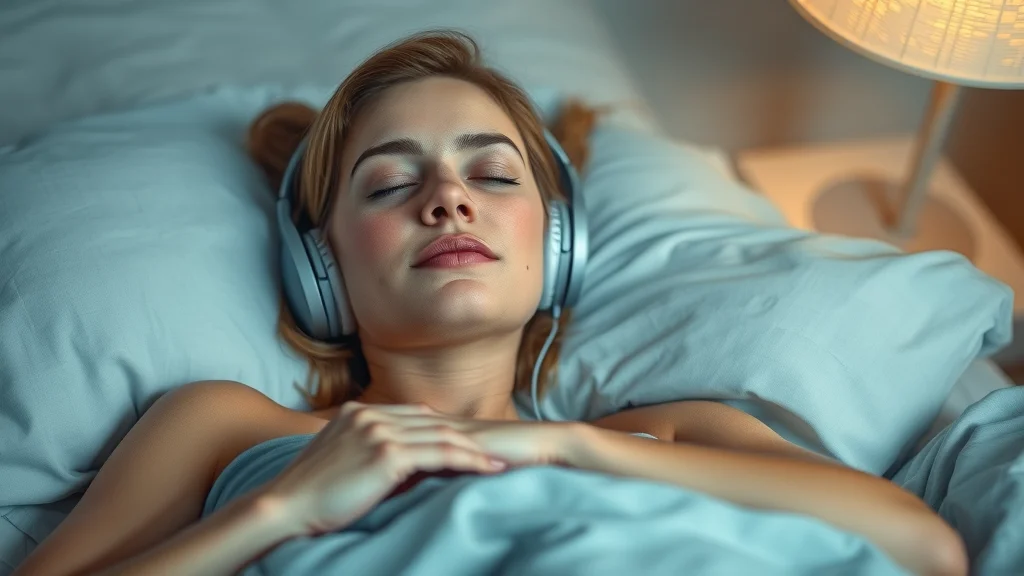
- The most common techniques in hypnosis for sleep include progressive muscle relaxation, visualization, and listening to audio sessions or using a hypnosis app. Each method targets the mind and body through pathways proven by neuroscience studies to slow brainwave activity and promote visible physical calm.
Hypnosis vs Traditional Sleep Hygiene Approaches
- Traditional sleep hygiene focuses on creating a comfortable bedroom, sticking to a schedule, and limiting distractions (like screens and caffeine). In contrast, hypnosis for sleep zeroes in on your internal environment: thoughts, emotions, and sensation patterns that keep you awake at night.
- While both approaches can be highly effective, hypnosis offers a more direct avenue to addressing subconscious stress, breaking negative thought cycles, and promoting relaxation at a deeper level than general routines alone.
"Hypnosis for sleep leverages focused attention and guided relaxation, making it distinct from general sleep hygiene routines."
For those interested in a more detailed breakdown of practical hypnosis techniques and how they can be integrated into your nightly routine, you may find it helpful to review this comprehensive guide on using hypnosis for better sleep and restful nights. It offers actionable steps and further insights to support your journey toward improved rest.
The Science Behind Sleep Hypnosis: How Hypnosis for Sleep Works
Latest Research on Hypnosis for Sleep
- Multiple peer-reviewed studies, including those from the Journal of Clinical Sleep Medicine, have documented how sleep hypnosis increases slow-wave (deep) sleep and improves subjective sleep quality in people with both chronic insomnia and mild sleep disorders. The American Academy of Sleep Medicine even recognizes hypnosis as a safe, low-risk intervention for certain health conditions.

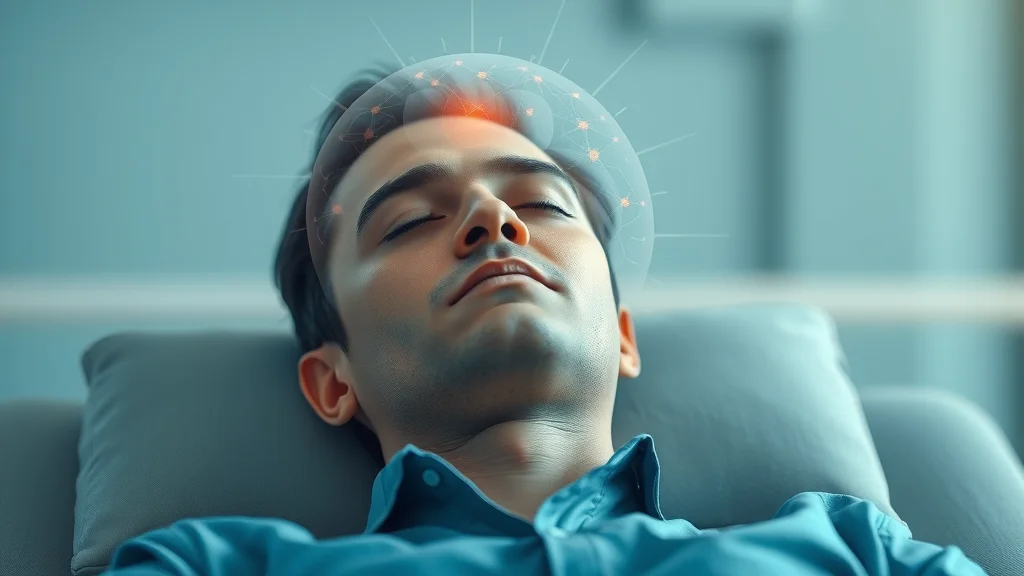
- Neuroscience has found that hypnosis for sleep can increase alpha and theta brainwaves, which are associated with calm, restorative sleep. By aligning brain activity to these restful patterns, hypnosis helps shut out distractions and makes it easier to fall—and stay—asleep.
Benefits for Various Health Conditions
- Research has shown that hypnosis for sleep benefits those with insomnia, anxiety, chronic pain, and even restless leg syndrome. Its non-pharmacological nature makes it especially attractive for people seeking to avoid the side effects of medication or who have not responded well to cognitive behavioral therapy for sleep (CBT-I).
- Zoning in on both physical and mental health issues, sleep hypnosis can complement treatment plans for people coping with stress, trauma, or chronic illness, helping to restore a more natural sleep cycle for ongoing wellness.
Who Should Try Hypnosis for Sleep? Assessing Suitability and Health Conditions
Identifying If Hypnosis for Sleep Matches Your Needs
- If you've tried basic sleep hygiene—like keeping regular hours, reducing caffeine, or creating a dark bedroom—but still struggle to fall asleep or stay asleep, hypnosis for sleep could be well worth exploring.
- It's suitable for adults, teens, and even older children with persistent sleep issues, especially if stress, unwanted thoughts, or lifestyle habits disrupt rest. However, for anyone with a significant health condition, such as untreated mental health disorders, consulting a trained sleep specialist or clinical sleep psychologist is a must before beginning hypnosis.
- People with more complex sleep disorders—like sleepwalking, night terrors, or symptoms related to another underlying health issue—should seek a professional assessment. Hypnosis can be a fantastic tool, but only when matched to your unique health condition and needs.
Precautions for Certain Health Conditions
- While hypnosis for sleep is generally safe, there are important exceptions: those with psychotic disorders, severe depression, or a vulnerable mental health history should avoid unsupervised self-hypnosis. A trained therapist can help tailor and monitor hypnosis strategies to safeguard well-being and maximize benefits.
- Always share your full medical history, including any physical or mental health challenges, before starting sleep hypnosis. This ensures a customized, ethical approach aligned with leading practices from the American Academy of Sleep Medicine and the Sleep Foundation.
Step-by-Step Guide: How to Use Hypnosis for Sleep
Establishing an Effective Pre-Sleep Routine Using Hypnosis
- Set a consistent bedtime and wake time, even on weekends.
- Dim lights and use blackout curtains to signal your body it's time for sleep.
- Put electronics away 30 minutes before bed to reduce blue light exposure.
- Turn down the thermostat for a cooler, more sleep-friendly environment.
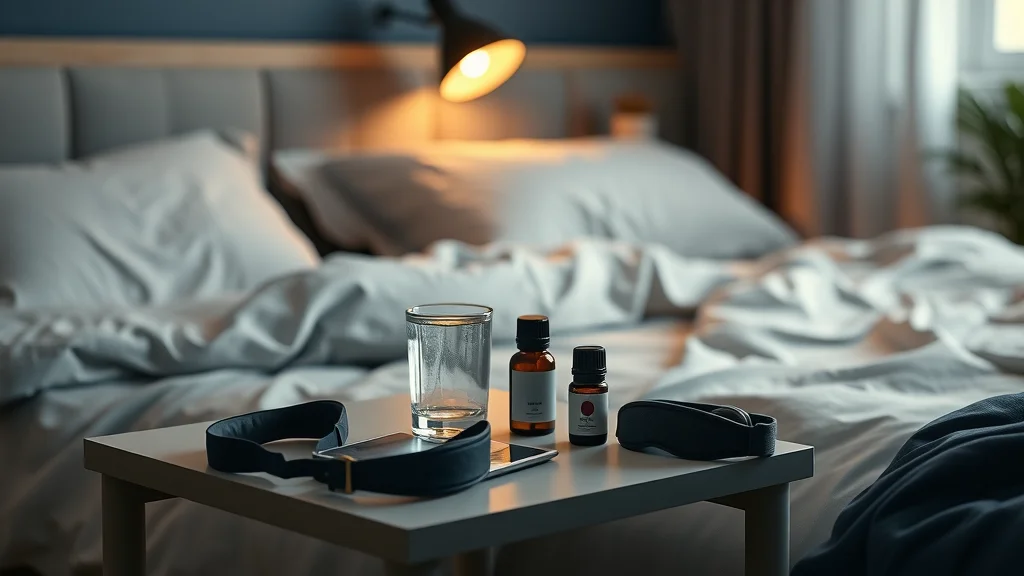
- Try calming scents like lavender or chamomile essential oils to create a tranquil atmosphere.
- Drink a cup of caffeine-free herbal tea, if desired.
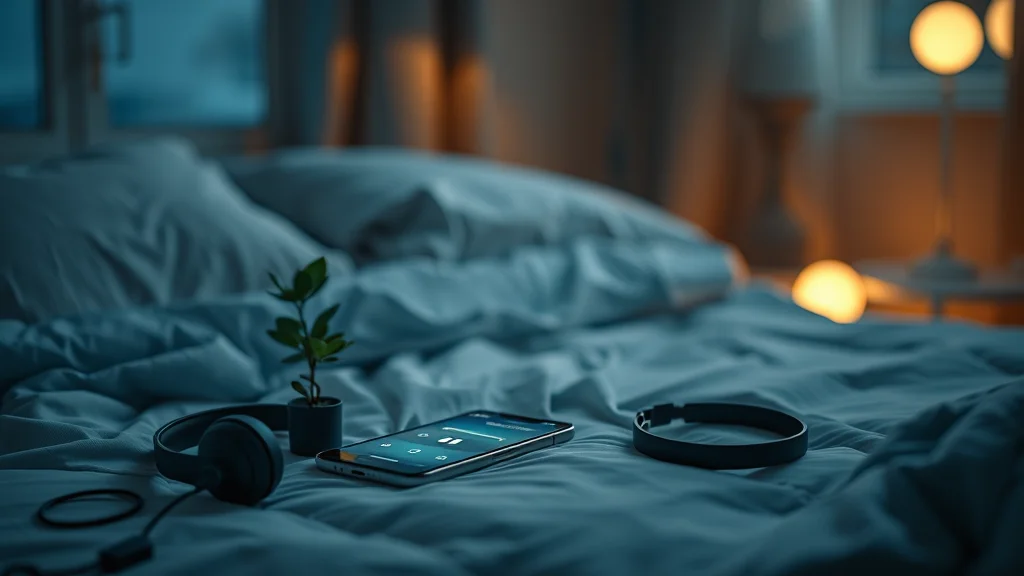
- Prepare headphones, your favorite hypnosis app, or recorded sleep hypnosis audio tracks.
- Lie down comfortably, focusing on a smooth breathing pattern as you get ready to listen.
Guided Sleep Hypnosis Techniques You Can Try
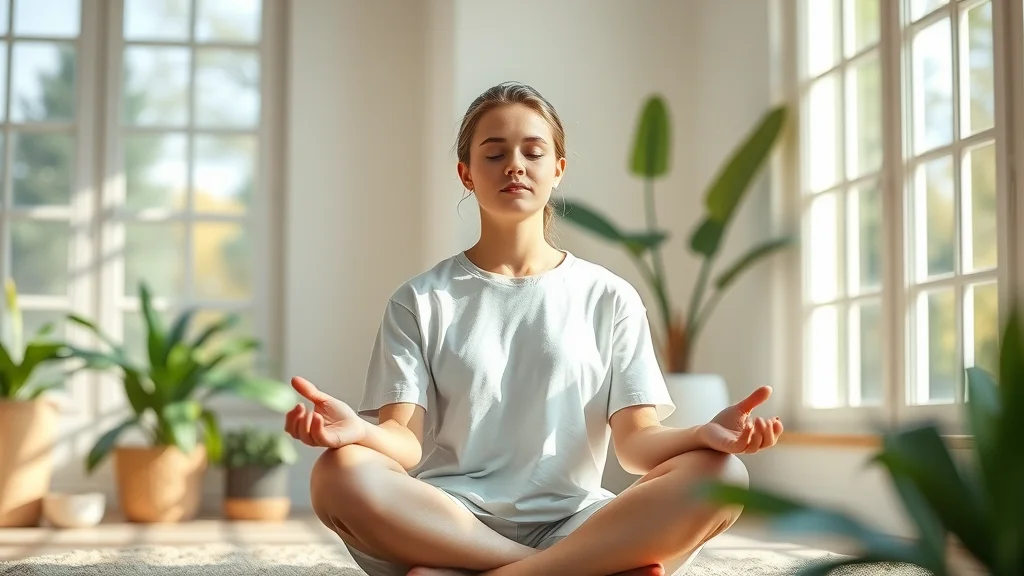
- Progressive Muscle Relaxation: Systematically tense and relax each body part from your toes to head, signaling your body to let go of physical tension and preparing your mind for sleep hypnosis.
- Guided Visualization: Picture a peaceful scene—like a forest, beach, or gentle stream—using all your senses. Let a recorded hypnosis track or live guide walk you through, making details vivid in your imagination.
- Audio and Apps: Use a reputable hypnosis app or trusted sleep hypnosis audio from a clinical sleep specialist. Choose tracks with soothing voices, gentle music, and language that guides your thoughts toward calm and rest.
The Role of Sleep Hygiene in Enhancing Hypnosis for Sleep
Synergizing Mind Control, Sleep Hygiene, and Hypnosis for Sleep
- Start with a sleep-friendly environment: clean, cool, quiet, and dark. Add comfort cues such as weighted blankets or relaxing aromas as part of your nightly routine.
- Identify and minimize barriers: turn off electronics early, avoid late-in-the-day caffeine, and develop simple routines to wind down your mind and body before initiating hypnosis for sleep.

- Consistency is vital—regular routines, daily practice, and positive sleep habits lay the groundwork for hypnosis to work its best, supporting both mind control (in terms of focus, not manipulation) and long-term sleep improvement.
| Sleep Hygiene Practices | Hypnosis for Sleep Strategies |
|---|---|
| Limiting screen time before bed | Guided meditation or visualization to shift mental focus |
| Maintaining consistent sleep/wake times | Listening to sleep hypnosis audio or using an app nightly |
| Optimizing bedroom environment (cool, dark, quiet) | Progressive muscle relaxation techniques |
| Avoiding caffeine and big meals late in the day | Planting positive suggestions for rest and calm |
| Dealing with stress through journaling or light reading | Replacing negative sleep associations with positive imagery |
Real Success Stories: Hypnosis for Sleep in Action
Quotes from Sleep Specialists and Users
"Integrating hypnosis for sleep has transformed the way my patients overcome chronic insomnia." — Dr. Lydia Owens, Sleep Specialist
Testimonials on Improved Sleep Quality
- “Before sleep hypnosis, it took me over an hour to fall asleep most nights. After two weeks of guided sessions, I now drift off in under 20 minutes.” — Jamie, user of a popular hypnosis app
- “I struggled with waking up every few hours due to anxiety. The relaxation techniques of hypnosis for sleep helped calm my mind so I finally experience deep, restorative sleep.” — Ron, patient with clinical sleep disorder

- Patients with underlying health conditions—like chronic pain or menopause-related disturbances—have reported measurable improvement in sleep quality following several weeks of dedicated sleep hypnosis, according to small case studies from sleep disorder clinics.
Comparing Hypnosis for Sleep with Other Natural and Medical Sleep Aids
Advantages and Limitations of Sleep Hypnosis
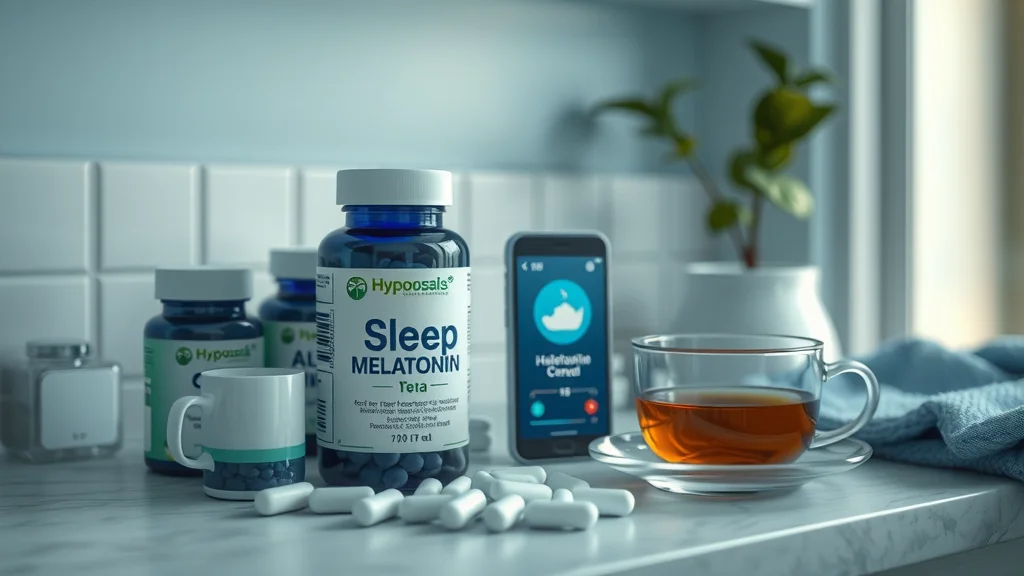
- Compared to supplements, CBT-I, and prescription medication: Hypnosis for sleep is non-invasive, non-habit forming, and has minimal side effects—unlike melatonin or sleep medications which may lead to grogginess or dependency (per the Sleep Foundation).
- Potential drawbacks? Not all users respond equally—those with certain mental health disorders may need professional guidance, and the effects can take time to build with daily practice.
- Side effects are rare, mostly limited to temporary drowsiness or vivid dreams. Always seek a professional opinion if unsure about suitability with an existing health condition.
Integrating Hypnosis for Sleep with Traditional Therapies
- Hypnosis for sleep often works well as part of an integrated plan with cognitive behavioral therapy, stress management, or as an add-on for people tapering off sleep medications. According to the American Academy of Sleep Medicine, it should not replace prescribed therapy for severe sleep disorders but can complement it beautifully.
People Also Ask: Deepening Your Knowledge of Hypnosis for Sleep
Does sleep hypnosis really work?
- Clinical findings published in journals like the Journal of Clinical Sleep and statements from the Sleep Foundation show that sleep hypnosis helps many people fall asleep faster and enter deeper, more restorative sleep stages.
- Health organizations such as the American Academy of Sleep Medicine recommend hypnosis as a valid adjunct for non-complex sleep problems, though results can vary by individual and health condition.
Can I hypnotise myself to sleep?
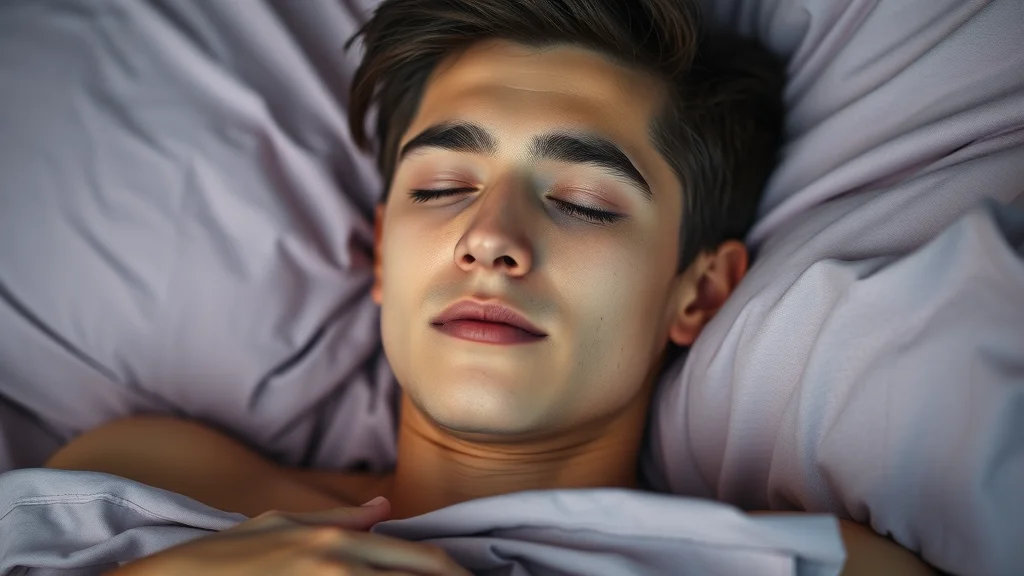
- Absolutely! Practical self-hypnosis for sleep techniques include guided audio, progressive relaxation, and visualization. Anyone can start by following prompts on a trusted hypnosis app or from a certified specialist’s recordings.
- Contrary to some "mind control" myths, self-hypnosis is about self-management and empowerment, not loss of agency. Practiced regularly, it can be a safe, effective way to improve your sleep quality at home.
What does the Bible say about hypnosis?
- Religious and cultural responses to hypnosis for sleep vary. Some Christian groups accept it as a therapeutic tool, while others express hesitancy. Hypnosis for sleep is not inherently spiritual; it functions as a science-based mind-body technique.
- With public acceptance growing and ethical guidelines in place, sleep hypnosis is increasingly viewed as a legitimate health practice when used responsibly and transparently.
What's the best thing to listen to to fall asleep?
- Recommended tracks include soft-spoken guided sleep hypnosis, gentle ambient music, or nature sounds (like rain or waves). Leading apps are Calm, Headspace, and Insight Timer, each offering science-backed hypnosis for sleep modules.
- Scientifically, the best audio fosters relaxation without abrupt shifts in volume or rhythm and uses proven triggers like slow tempos and soothing voices to support healthy sleep cycles.
Tips and Best Practices for Maximizing the Benefits of Hypnosis for Sleep
- Create a daily sleep routine—consistency builds results.
- Reinforce improvements with a sleep journal to track progress and setbacks.
- Use hypnosis for sleep after a calming evening routine for maximum effect.
- If setbacks occur, adjust your environment or try a new hypnosis technique rather than giving up.

- Top expert tips: Use positive affirmations, avoid caffeine in the evenings, and set realistic expectations. Daily practice creates the foundation for profound change.
- Remember: temporary disturbed sleep is normal on the path to consistent improvement—stay patient and keep notes to share with your sleep specialist if needed.
Common Myths and Misconceptions About Hypnosis for Sleep
- Myth: Hypnosis is "mind control" or removes your willpower. Fact: Clinical sleep hypnosis involves suggestion, not command, and you remain aware and in control at all times.

- Myth: Sleep hypnosis is unsafe or untested. Fact: Leading organizations and research show it's a low-risk, effective tool, with millions of satisfied users worldwide.
Essential FAQs: Hypnosis for Sleep
- Is sleep hypnosis safe for all ages? Sleep hypnosis is generally safe for adults and teens. For young children or older adults with complex health conditions, a consult with a healthcare professional is advised.
- How long does it take for hypnosis for sleep to show effects? Many notice benefits within one to two weeks of consistent use. Full effects may take a month of steady practice.
- Can hypnosis for sleep help with nightmares or restless sleep? Yes, it can reduce the frequency of nightmares and restless sleep by improving relaxation and breaking negative thought cycles, especially with guidance from a certified therapist.
- How often should hypnosis for sleep be practiced? Nightly practice delivers best results, but even 3–4 times weekly can lead to marked improvement for most people.
Key Takeaways on Using Hypnosis for Sleep Naturally
- Consistent, guided use of sleep hypnosis can significantly improve sleep quality, especially when combined with strong sleep hygiene and stress management.
- Always consult a professional if you have complex physical or mental health conditions before starting hypnosis for sleep.
- Stick with it—true changes come through routine and dedicated practice!
Next Steps: Improve Your Sleep with Hypnosis
- Ready to start? Explore well-reviewed hypnosis for sleep sessions on apps or certified platforms, or find a licensed sleep hypnosis practitioner for customized support. Your path to better sleep begins tonight.
If you’re eager to deepen your understanding and discover even more ways hypnosis can transform your nights, consider exploring additional resources that expand on both the science and the art of restful sleep. By learning about the broader applications of hypnosis for better sleep and restful nights, you’ll gain valuable strategies to personalize your approach and address unique challenges. This next step can empower you to move beyond the basics and embrace advanced techniques for lasting, restorative rest. For a more comprehensive perspective and expert-backed advice, visit this in-depth article on using hypnosis for better sleep and restful nights. Your journey to truly rejuvenating sleep is just beginning.


Write A Comment