

Hook: What if the secret to hypnosis lies not in mystical words or mysterious forces, but in the boundless landscape of your own imagination? Can imagining a vivid mental image truly alter how we feel, behave, and even heal?
Opening Inquiry: Can Imagination Truly Shape Our Hypnotic Experience?
The relationship between imagination and hypnosis has long fascinated practitioners, researchers, and the curious alike. Is the hypnotic experience simply a case of playing along, or does imagination in hypnosis truly reshape our mental state and offer genuine change? Many people tend to underestimate the significance of mental imagery—sometimes dismissing it as daydreaming or fantasy. But in the realm of hypnotherapy, the ability to create rich, vivid mental images serves as the pathway to deep transformation.
When you relax into a hypnotherapy session, your conscious mind becomes more receptive to suggestions that leverage your creative visualization abilities. This heightened suggestibility forms the bedrock of effective hypnosis, enabling you to connect emotionally with new ideas while bypassing habitual mental resistance. Thus, understanding how imagination plays a pivotal role in hypnosis can help you make a more informed decision about whether hypnotherapy is the right path for achieving positive change.

Challenging Conventional Wisdom About Imagination in Hypnosis
For years, popular culture has portrayed hypnosis as a trance where a hypnotic subject surrenders control to a practitioner who simply “reprograms” the mind. But new perspectives, backed by cognitive behavioral insights and neuroscience, are revealing that the imagination is far from a passive observer. Instead, the conscious mind actively recruits mental imagery and visualization techniques, engaging with hypnotic suggestions to shape thoughts, influence emotions and sensations, and drive meaningful actions.
By challenging the misconception that imagination is mere fantasy, we open the door to appreciating how creative visualization in hypnotherapy catalyzes real, lasting transformation. The more skillfully we utilize our imagination, the more empowered we become to direct the sensations that occur during hypnosis and to unlock the healing and self-improvement benefits that modern hypnotherapy promises.
What You'll Learn About Imagination in Hypnosis
- How imagination fuels effective hypnotherapy sessions
- Why creative visualization is vital in successful hypnosis
- Ways the conscious mind interacts with imagination during hypnosis
- Answers to common questions about the role of imagination in hypnosis
Understanding Imagination in Hypnosis: An Author’s Perspective
Defining Imagination in Hypnosis Versus Everyday Imagination
Imagination in hypnosis is fundamentally different from the passing daydreams or fantasies that color everyday life. While we often use imagination casually—recalling past experiences or planning future events—in hypnosis, imagination takes center stage as a tool for transformation. In a hypnotherapy session, the focus is on leveraging vivid mental imagery and carefully guided scenes to evoke specific feelings, memories, and outcomes. The hypnotic subject is encouraged to form mental images of desired changes, enhanced by the practitioner's cues, which deepens the level of engagement and suggestibility.
Everyday imagination might involve replaying a recently visited location in your mind, while hypnotic imagination requires a deeper connection, fully engaging multiple senses to create mental images so real that they influence your emotions and sensations on a conscious level. This ability to experience imagined scenarios as if they are happening in real time is what makes imagination so important in hypnosis—and why it’s essential for effective hypnotherapy.
The Connection Between Creative Visualization and Hypnosis
Creative visualization goes beyond simply picturing a scene; it involves engaging all your senses to bring a desired mental image to vibrant life. In hypnosis, practitioners use creative visualization to help clients overcome obstacles, connect emotionally to goals, and reprogram subconscious patterns. The mind cannot always distinguish between real events and vividly imagined ones—this is why mental imagery can trigger feelings and behaviors almost as powerfully as actual experiences.
For instance, a person preparing for public speaking might use visualization techniques to imagine themselves exuding calm confidence, rehearsing each movement and word until it feels second nature. This process not only boosts self-assurance during the real event but also rewires the mind to associate new, positive outcomes with what was once a source of anxiety. Creative visualization in hypnotherapy is thus a practical tool for taking abstract desires and making them tangible—bridging the gap between where you are and where you want to be.
While imagination and visualization are central to hypnotherapy, they also play a significant role in other mind-focused practices. For those interested in how hypnosis compares to similar approaches, exploring the key differences and overlaps between hypnosis and meditation can provide valuable context for understanding the unique power of imagination in each discipline.
“Imagination is the workshop of the mind; in hypnosis, it is the architect.” – Expert Hypnotherapist
Why Imagination Is Important in Hypnosis
The Scientific Perspective: How Imagination Alters Brain States
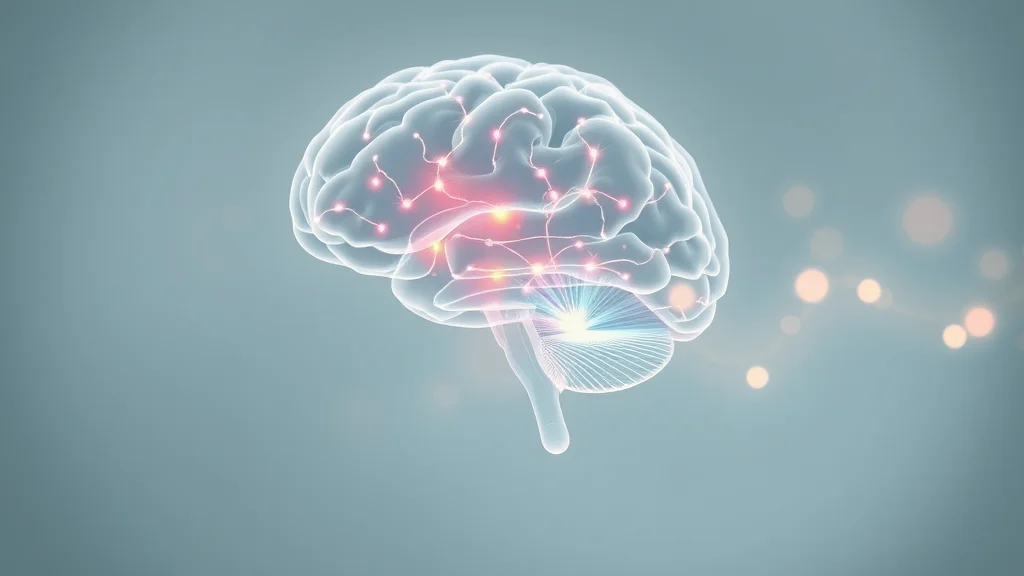
Neuroscientific research has shown that when we engage in mental imagery or imagine vividly during hypnosis, specific brain regions in charge of perception, memory, and emotion light up as if we are experiencing the event for real. This neural overlap explains why hypnosis, which capitalizes on visualization techniques, can alter pain perception, enhance learning, and effect positive change. Brain imaging studies indicate that creative visualization in hypnotherapy stimulates the prefrontal cortex and related neural networks, laying the groundwork for new beliefs and behaviors to take root.
By harnessing the brain’s neuroplasticity through guided imaginative processes, hypnotherapists help clients access and modify subconscious patterns. This is why imagination in hypnosis is so important: it gives the mind a “blueprint” to follow, enabling it to respond more readily to hypnotic suggestions. Through this lens, imagination becomes the bridge linking conscious desire and subconscious acceptance—the key to lasting transformation.
Imagination in Hypnotherapy Sessions: The Practitioner’s View
From a hypnotherapist’s perspective, the quality and depth of a client’s imagination can determine the outcome of a hypnotherapy session. During hypnosis, practitioners guide the hypnotic subject to create mental images related to their goals—whether that’s conquering a fear, adopting healthier habits, or overcoming stress. The richer and more engaging the visualization, the more capable the subconscious is at treating these imagined scenarios as real, making positive outcomes more likely.
For many clients, connecting emotionally to visualization exercises unlocks reservoirs of motivation, peace, and clarity. Even individuals who struggle with forming clear mental images can benefit as they practice and enhance their imaginative skills over time. Effective hypnotherapy is, above all, a partnership—one where practitioner and client use visualization techniques and sustained, focused attention to overcome barriers and pave the way for deep, meaningful change.
“Visualization techniques bridge the conscious and subconscious, making change possible.”
Visualization Techniques: The Heart of Hypnotherapy
Popular Visualization Techniques Used in Hypnosis
Visualization techniques are central to almost every hypnotherapy session. Some of the most effective methods include guided imagery, in which the hypnotherapist leads the client through a detailed scenario designed to evoke specific states of mind; mental rehearsal, which involves repeatedly imagining successful behaviors or outcomes; and sensory amplification, where the subject purposefully enhances their perception of colors, sounds, or sensations in a scene.
Other techniques involve connecting visualization with affirmations, which deepens the emotional impact of the imagined experience. By using these practices, hypnotic subjects become more adaptive in everyday life, finding it easier to alter habits or embrace new perspectives. When these techniques are combined with the client’s personal values and history, their power is multiplied—anchoring positive change at a conscious and subconscious level.

Creative Visualization in Hypnotherapy: Cultivating Inner Change
The transformative power of creative visualization in hypnotherapy comes from the hypnotic subject's ability to not only imagine but emotionally inhabit new potential realities. When a person visualizes overcoming stress, achieving goals, or enjoying improved wellbeing, they are priming their mind to recognize and seize similar opportunities in everyday life. Hypnotherapy amplifies this process, using focused attention to unlock subconscious blocks and nurture new mental habits.
Practitioners often report that clients who practice visualization between sessions see faster, more sustainable gains. Whether it’s picturing oneself calmly managing public speaking or visualizing the steps to break a bad habit, creative visualization becomes a rehearsal for real-life change. Over time, these imagined experiences begin to inform actual behaviors, making positive outcomes and personal growth much more attainable.
-
Step-by-Step Guide: Applying Visualization in a Hypnotherapy Session
- Preparation: Get comfortable, close your eyes, and focus on your breath to quiet the conscious mind.
- Guided Induction: Listen as the hypnotherapist describes a peaceful scene, inviting you to create mental images using all your senses.
- Active Imagination: Picture specific changes or goals—the more vivid the visualization, the more potent the effect.
- Emotional Engagement: Notice and amplify any feelings and emotions that arise as you inhabit the experience.
- Suggestion Integration: Accept positive, encouraging suggestions that support your desired changes.
- Return and Reflect: Gently reawaken, carrying the benefits and insights from your mental journey back into everyday life.
The Conscious Mind and Imagination: Allies or Opposites?
How the Conscious Mind Responds to Visualization Techniques
The conscious mind often acts as a gatekeeper, analyzing the hypnotic suggestions and mental images presented during hypnosis. In some cases, this analysis can foster insight and deeper engagement with the hypnotherapy process. If the conscious mind is open and receptive, it encourages a state of heightened suggestibility—allowing the vivid mental imagery to stir genuine feelings and behaviors. When visualization techniques are practiced consistently, even the most skeptical minds can learn to surrender, paving the way for the subconscious to accept new beliefs and habits.
Conversely, the conscious mind’s innate skepticism or critical nature may sometimes inhibit imagination, especially if a person is preoccupied with daily worries or doubts about hypnosis. Experienced hypnotherapists work with clients to gently bypass these barriers, helping create a sense of safety and trust in the process. This collaboration supports creative visualization and helps unlock more profound levels of change.
Overcoming Barriers: When the Conscious Mind Resists Imagination
Not everyone finds it easy to tap into their imagination during hypnosis. Sometimes, the conscious mind puts up resistance, casting doubts about the reality or effectiveness of mental images. In such moments, it’s important to remember that even abstract or fleeting imagery can be harnessed for positive change given patience and practice. Hypnotherapy involves a gradual process of helping the conscious mind relax and step back, allowing imagination to take the lead and guide the participant into deeper, more transformative states.
Practitioners employ a range of techniques—including progressive relaxation, storytelling, and direct suggestion—to support clients in bypassing resistance. Over time, the conscious mind can shift from being an adversary to an active ally, participating willingly in the formation and integration of new mental habits.
“True transformation happens when the conscious lets go and imagination takes the lead.”

Creative Visualization in Hypnotherapy: Modern Applications
Creative Visualization for Personal Growth
Creative visualization in hypnotherapy is not limited to addressing stress or habits—it has blossomed into a core tool for personal growth. Whether you're seeking improved confidence, greater clarity in life direction, or enhanced performance in areas like public speaking, mental rehearsal through creative visualization allows you to “practice” new behaviors in a safe, supportive setting. Over time, these mental rehearsals transfer to real-world situations, resulting in measurable gains.
Many people find that journaling after sessions helps solidify the emotional and cognitive benefits gained from visualization. Writing about mental images, feelings, and new insights creates bridges between the imagined and the real, making it more likely that personal development goals are achieved and maintained in everyday life.

Imagination in Hypnosis for Managing Everyday Stress
One of the most practical uses of imagination in hypnosis is the management of everyday stress. Visualization exercises in hypnotherapy encourage individuals to reimagine stressful events with new outcomes or to mentally “escape” to calming, restorative environments. These sessions effectively teach the body and mind how to respond to challenges with greater flexibility and resilience.
The positive effects aren’t confined to the session itself: people often carry the sensations of peace and control into their daily routines, making it easier to navigate pressures and setbacks. With regular practice, managing stress through guided mental imagery becomes second nature, reinforcing the role of imagination as an indispensable ally in mental health and wellbeing.
People Also Ask: Exploring Common Questions About Imagination in Hypnosis
What are the 4 types of imagination?
Answer: The four main types of imagination—synthetic, creative, active, and passive—each play a role in hypnosis. Synthetic imagination draws from past experience to reassemble known elements, while creative imagination invents new mental images or solutions. Active imagination is when the mind purposefully creates vivid scenarios, as in creative visualization, and passive imagination involves spontaneous mental imagery, such as dreams. In hypnotherapy, all four types may emerge: synthetic and creative are often engaged intentionally, while active and passive can arise throughout the hypnotic process, supporting the formation of new habits and perspectives.
What are the 4 stages of active imagination?
Answer: The four stages of active imagination mirror key elements of a hypnotherapy session. First is Observation, where one tunes into mental images or feelings. Next is Dialogue, which involves interacting with these images or imagined characters. The third is Amplification, deepening awareness of emotions and sensations tied to the imagery. Finally, Transformation occurs, as insights or behavior change emerge. These steps align with hypnosis by encouraging a collaborative process between the conscious and subconscious, helping the hypnotic subject shape positive outcomes and integrate new patterns into everyday life.
Is hypnosis believed in imaginings?
Answer: While hypnosis certainly utilizes the power of mental imagery and imagination, it is not based solely on fanciful “imaginings.” Instead, modern hypnotherapy draws upon robust scientific evidence showing that imagination in hypnosis activates real brain changes, creating measurable effects on perception, behavior, and emotional regulation. Visualization techniques and imaginative exercises serve as functional tools, not just wishful thinking, helping to create lasting transformation through brain-based mechanisms.
Can hypnosis help with sleep apnea?
Answer: Hypnosis is not a direct cure for sleep apnea—a medical condition usually needing specialized diagnosis and treatment—but emerging studies suggest hypnotherapy can support adjunctive relief. Through imagination-driven techniques, clients may address underlying stress, anxiety, or maladaptive sleep patterns that contribute to the disorder. By learning to visualize deep relaxation and healthier sleep habits, some people experience mitigation of symptoms, but always consult a doctor for any sleep-related concerns.
Imagination in Hypnosis: Neuroscientific Insights
Brain Imaging Studies: What Happens During Visualization in Hypnotherapy
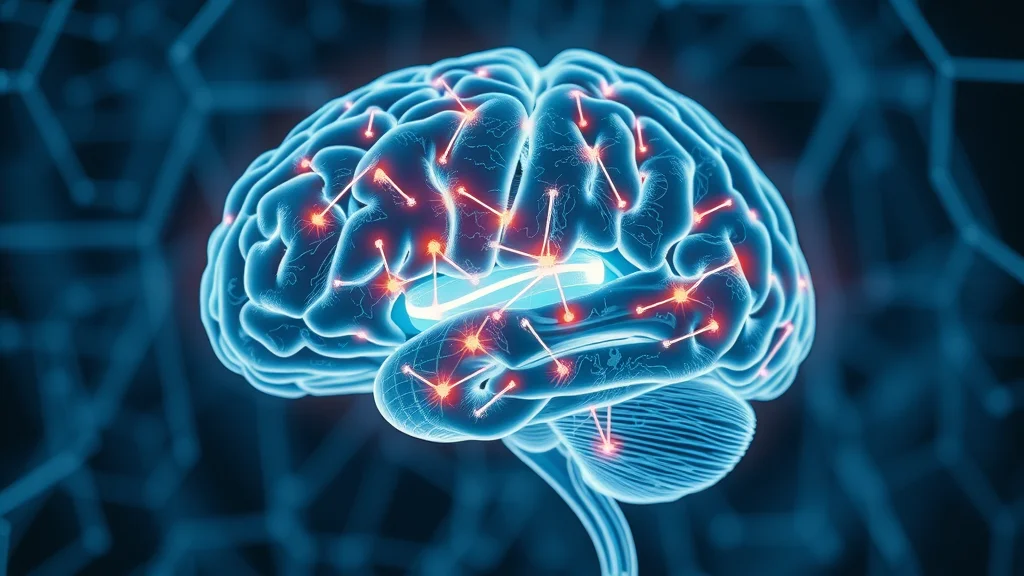
Brain imaging techniques like fMRI and PET scans have illuminated what occurs when a person visualizes during hypnotherapy. Regions responsible for sensory perception, language, emotion regulation, and executive functioning become highly active—almost indistinguishable from actual lived experiences. This validates why imagination in hypnosis can evoke real sensations, support learning, and catalyze change, giving scientific credence to what practitioners have observed for generations.
These findings underscore that creative visualization in hypnotherapy is not simply make-believe; the vivid mental imagery it creates can spark actual shifts in brainwave activity and neurotransmitter release. The result is a more plastic, adaptable mind, primed for receptive learning and personal growth through suggestibility and focused attention.
The Role of the Conscious Mind in Brainwave Changes During Hypnosis
As someone enters hypnosis, the conscious mind’s analytical faculties diminish while slower, more receptive brainwave states (like theta and alpha waves) predominate. This shift, observed through EEG and brain imaging, makes it easier for mental images, feelings, and hypnotic suggestions to bypass the usual “filters. ” The partnership between relaxation and imagination creates the optimal environment for transformative plasticity.
When the conscious mind stops blocking and starts collaborating, the impact of visualization techniques intensifies. This unlocking of subconscious resources is why imagination plays such a vital role in the effectiveness of hypnotherapy, fostering deeper healing and lasting behavioral change.
Table: Comparisons of Visualization Techniques in Hypnotherapy
| Technique | Description | Best For | Client Experience |
|---|---|---|---|
| Guided Imagery | Practitioner leads client through specific, detailed scenes | Stress reduction, phobia relief | Relaxing, immersive, emotionally soothing |
| Mental Rehearsal | Repetitive imagining of behaviors or scenarios | Skill development, confidence building | Empowering, proactive, future-oriented |
| Sensory Amplification | Enhancing detail and feeling in mental images | Heightening emotion, strengthening suggestibility | Vivid, multisensory, transformative |
| Affirmation Linking | Pairing visualizations with positive verbal statements | Self-esteem, belief change | Motivating, confidence-boosting |
| Symbolic Imagery | Creating and interacting with personal symbols | Complex change, unconscious insight | Insightful, creative, intuitive |
Lists: Top 5 Benefits of Leveraging Imagination in Hypnosis
- Enhanced suggestibility and openness
- Easier access to subconscious habits
- Increased emotional and behavioral flexibility
- Heightened capacity for stress reduction
- Greater potential for transformative personal change
FAQs: Imagination, Visualization Techniques, and Hypnotherapy
How can I strengthen my imagination for hypnotherapy sessions?
Practicing creative activities (art, music, writing), engaging in regular daydreaming, and repeatedly visualizing calming scenarios can help you build stronger mental imagery. Consistency and openness are key—don’t worry if your images aren’t clear at first; they will sharpen with practice and guided experience.
Is creative visualization more effective than standard visualization in hypnosis?
Yes—creative visualization involves active engagement of all senses and emotions, making imagined scenarios more vivid and compelling. This heightened realism increases suggestibility and integration, aiding deeper shifts in both thought and behavior compared to more passive, standard visualizations.

Can the conscious mind block effective hypnosis if not engaged?
If the conscious mind is resistant, it can create barriers to entering deeper hypnotic states or fully embracing hypnotic suggestions. However, with gentle guidance and consistent practice, most people learn to relax conscious control and let imagination guide the process.
Which conditions benefit the most from imagination-based hypnotherapy sessions?
Conditions like stress, anxiety, phobias, habit change, confidence issues, sleep disturbances, and performance anxiety respond particularly well to imagination-based approaches in hypnotherapy, thanks to the mind’s power to transform emotional and behavioral patterns.
Key Takeaways: The Central Role of Imagination in Hypnosis
- Imagination is not a mere accessory—it's essential in effective hypnotherapy and personal transformation.
- Creative visualization techniques bridge conscious intent and subconscious change.
- Harnessing your imagination can make hypnotherapy sessions more meaningful and life-changing.

Ready to Experience the Transformative Power of Imagination in Hypnosis? Book Your First Hypnotherapy Session Today
If you're curious about harnessing the remarkable potential of your imagination in hypnosis, reach out to a certified hypnotherapist and take the first step toward profound personal growth.
Conclusion: Imagination lies at the very core of hypnosis, opening doors to personal change and wellbeing. Harness its power—and you may just surprise yourself with what's possible.
As you continue your journey into the world of hypnosis and the mind’s creative potential, consider expanding your understanding by exploring how hypnosis compares to other transformative practices. Delving into the distinctions and synergies between hypnosis and meditation can reveal new strategies for personal growth and mental clarity. By appreciating the unique strengths of each approach, you’ll be better equipped to choose the right tools for your own self-improvement journey. Discover more about the interplay between these powerful modalities in this in-depth guide to hypnosis versus meditation and unlock even greater possibilities for transformation.




Write A Comment