
cropper

Wellness News for You
 Example site

  • Home
    • Contact Us
  • Blog Categories
    • Hypnosis Basics & Education
    • Hypnosis Techniques & Methods
    • Health & Wellness Applications
    • Habit Change & Personal Growth
    • Hypnosis for Performance & Success
    • Self-Hypnosis Practice & Tools
    • Hypnosis Industry & Trends
    • Neuro-Linguistic Programming (NLP)
September 27.2026
1 Minute Read

The Psychology Behind Hypnotic Suggestion

Did you know that nearly 15% of people are considered “highly hypnotizable,” able to shift their perceptions, behaviors, and even their pain response after a single suggestion? Far from a sideshow curiosity, hypnotic suggestion and psychology are rapidly becoming focal points in clinical neuroscience and everyday practice. Today, we’ll unravel the science, challenge common assumptions, and offer a fresh perspective on how hypnotic suggestions really shape the human mind. Whether you’re skeptical or intrigued, what you discover about the frontal cortex, working memory, and the boundaries of consciousness might surprise you.

A Startling Glimpse: Unmasking the Power of Hypnotic Suggestion and Psychology

The intersection of hypnotic suggestion and psychology is more than a fascinating academic subject—it’s a window into the true flexibility of the human brain. At the heart of it all is the realization that suggestions made in an altered state of consciousness, like hypnosis, can prompt deep and measurable changes in cognition, emotion, and even the body’s physical response. Decades of hypnosis research confirm that the most suggestible among us can experience radical alterations in perception (such as reduced pain perception), lose or gain memories, or perform behaviors on cue. But even beyond the spectacle, there’s a careful science investigating how hypnosis works, with an ever-sharper focus on working memory, the frontal cortex, and the brain’s default mode network.

In recent years, clinical hypnosis has earned credibility as an evidence-based adjunct in the treatment of anxiety, pain, and even some chronic clinical conditions. At the same time, cognitive neuroscience has been busy mapping the subtle pathways that enable a hypnotic response, using techniques such as brain imaging and experimental paradigms like studies using hypnotic suggestion. These advances have begun to paint a clearer picture of the profound effects—and real limitations—of hypnosis, both in therapy and in our broader understanding of psychological science.

hypnotic suggestion and psychology modern therapy session ethereal psychologist with relaxed participant

What You'll Learn About Hypnotic Suggestion and Psychology

  • How hypnotic suggestion influences thoughts and behavior
  • The intersection of cognitive neuroscience and clinical hypnosis
  • The role of working memory and the frontal cortex
  • Contemporary findings from hypnosis research
  • Expert opinions and public perceptions

Defining Hypnotic Suggestion and Psychology: Core Concepts

To genuinely grasp the influence of hypnotic suggestion and psychology, it’s crucial to establish clear definitions. Hypnotic suggestion refers to a statement or instruction delivered during a state of hypnosis—typically following a process known as hypnotic induction. When engaged in clinical or experimental settings, subjects enter a trance state characterized by focused attention, reduction in peripheral awareness, and heightened responsiveness to suggestion. This state isn’t mysterious “mind control”; rather, it’s a measurable state of consciousness supported by distinct psychological and neurological markers (like shifts in the frontal cortex and working memory).

Modern clinical hypnosis builds on these foundations to address real-world clinical conditions. Structured inductions and personalized suggestions can influence anything from pain perception to habits and phobias. However, the clinical success of hypnosis hinges on understanding both the science of suggestion and the nuances of individual hypnotic suggestibility. Not everyone responds the same way, and research is unfolding new insights into why certain minds are more “bendable” than others.

clinical hypnosis session hypnotic suggestion pendulum in softly lit consultation room

Hypnotic Suggestion in Clinical Hypnosis: Essential Definitions

In clinical hypnosis, a hypnotic suggestion is more than a verbal prompt; it’s a carefully crafted communication designed to elicit a subjectively compelling response. Practitioners leverage knowledge about the mode network of the brain, cognitive focus, and the subconscious to nudge the mind toward changes in thought and behavior. This targeted approach makes hypnotic suggestion a powerful mechanism for therapeutically addressing distress, shifting habits, or reducing physical symptoms. For example, posthypnotic suggestion can help individuals reinterpret pain, manage anxiety, or recall forgotten memories with a new perspective. In every case, the relationship between the hypnotist’s suggestion and the participant’s conscious mind is central—a partnership illuminated by the growing field of cognitive neuroscience.

The efficacy of hypnotic suggestions relies on the unique ability of the default mode network and related pathways within the human brain to temporarily suspend habitual disbelief or skepticism. Under hypnosis, subjects are not under “mind control,” but are instead highly open to suggestion due to physiological and psychological changes in attention and awareness. Ongoing hypnosis research continues to refine our definitions and tools to maximize benefits while minimizing ethical dilemmas.

Cognitive Neuroscience Meets Hypnosis: Bridging the Gap

The marriage of cognitive neuroscience and hypnosis represents one of the most exciting frontiers in modern psychology. By employing advanced brain imaging methods such as functional MRI (fMRI) and EEG, researchers can now observe in real time how hypnotic induction and suggestion interact with working memory, attention, and the frontal cortex. Results consistently show changes in neural activity patterns, particularly in regions governing executive function and self-control. These changes appear to correlate strongly with the depth of hypnosis and the potency of hypnotic suggestions.

By viewing clinical hypnosis and hypnotic phenomena through the lens of neuroscience, we’re able to validate subjective experiences with objective, measurable data. For example, a subject’s experience of altered sensation or memory loss under suggestion is mirrored in alterations within their neural pathways. This research support for hypnosis works not only clarifies how suggestion can override normal inhibitory processes but also shapes evolving best practices for real-world therapeutic use.

As you explore the mechanisms of hypnotic suggestion, it’s helpful to consider how these altered states compare to other mind-focused practices. For instance, understanding the distinctions and overlaps between hypnosis and meditation can provide valuable context for how each approach influences consciousness and self-regulation. If you’re curious about these differences, you might find this in-depth comparison of hypnosis versus meditation particularly insightful.

The Science of Hypnotic Suggestions: Cognitive Neuroscience, Working Memory, and the Frontal Cortex

No longer relegated to stage acts or pseudoscience, hypnotic suggestion and psychology now form a major strand in the tapestry of cognitive neuroscience. At the heart of this strand are two critical concepts: working memory and the frontal cortex. Both are responsible for high-level cognitive functions like goal setting, planning, impulse control, and self-awareness—all of which are subtly, yet powerfully, shifted in the context of hypnosis.

Recent hypnosis research has pinpointed the importance of the default mode network (DMN)—a set of interconnected brain regions active during wakeful rest and internal thought. Under hypnotic suggestion, there is a decrease in DMN activity, freeing up cognitive resources for the suggested experience. As a result, the conscious mind becomes more focused, responsive, and open to the hypnotist’s cues, which can explain why a well-worded suggestion can feel “real” or lead to changes in perception and behavior.

How Working Memory Responds to Hypnotic Suggestion

Working memory plays a critical role in how we process, temporarily hold, and act upon information in real time. In the state of clinical hypnosis, the brain’s normal filtering and updating functions—usually directed by the frontal cortex—can become selectively relaxed or redirected. What this means is that suggestions made during hypnosis are able to bypass our usual resistance, accessing layers of the mind that are otherwise shielded from influence. Recent studies using hypnotic suggestion have demonstrated that people undergoing hypnotic induction can exhibit changes in pain perception and memory performance, directly correlated with neural changes in the regions responsible for working memory.

This doesn’t indicate a lack of control—it’s an example of the remarkable flexibility of the human mind. The suggestive process temporarily shifts the brain’s “operating mode,” so attentional resources are funneled toward the task (or suggestion) at hand. Whether it’s supporting habit change or modifying unwanted responses, this dynamic underscores why hypnotic suggestion and psychology is such a promising area for both clinical intervention and basic psychological science.
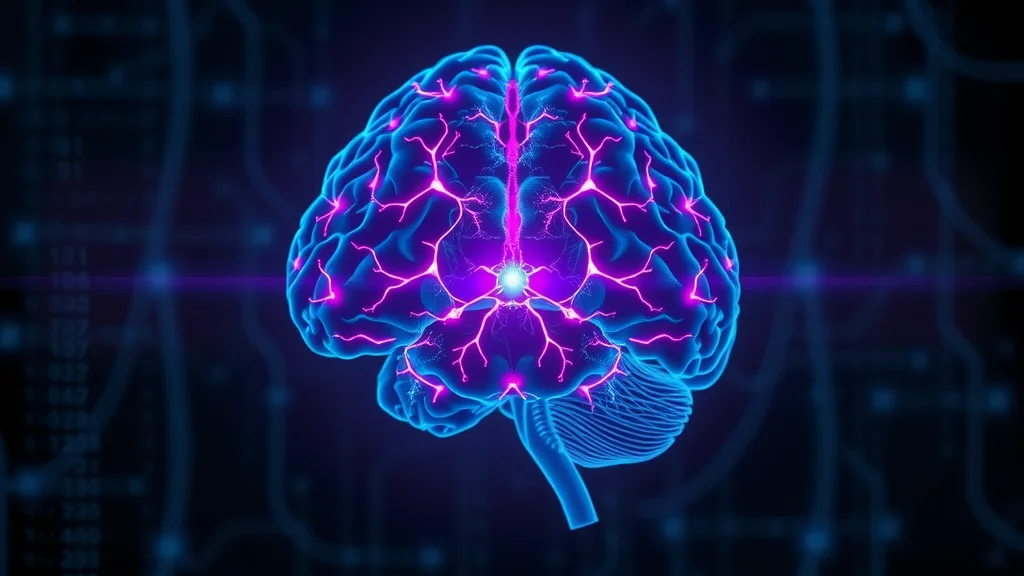
frontal cortex activation brain scan working memory under hypnosis illustrating neural pathways

Exploring the Frontal Cortex: Mechanisms Behind Hypnotic Control

The frontal cortex—especially the prefrontal areas—is the control center that regulates decision-making, social behavior, and voluntary movement. During hypnosis, brain imaging studies reveal a unique pattern: the frontal cortex doesn’t disengage but rather reshapes its activity to prioritize the experiences dictated by suggestion. This neural plasticity means that, if a person imagines “forgetting” pain or gaining new confidence, the brain often treats those imaginings as real enough to prompt biological and behavioral change.

A critical insight from the cognitive neuroscience perspective is that not everyone’s brain responds in the same way. People who are considered highly hypnotizable display more pronounced shifts in frontal cortex functioning, allowing for deeper focus and diminished self-reflection—a state closely tied to the “trance” described in clinical hypnosis. This personalized variability has become a prime area for hypnosis research, suggesting future interventions may one day tailor hypnotic techniques to individual differences in brain function, much like precision medicine.

Clinical Hypnosis and Hypnotic Phenomena: A Review of Hypnosis Research

A growing body of hypnosis research has moved beyond the question of whether hypnosis “works” to investigate how, when, and for whom it works best. Instead of viewing hypnotic suggestion as a mysterious force, contemporary research approaches it as a measurable phenomenon with well-defined psychological and neurological underpinnings. Case studies, clinical trials, and experimental paradigms have shown that clinical hypnosis can catalyze lasting change in pain response, stress levels, substance use, and other clinical conditions—but only with the right pairing of subject and suggestion.

This robust line of research supports the idea that hypnotic phenomena can include everything from positive hallucinations (seeing or feeling things that aren’t present) to negative ones (blocking out existing sensations or memories). The consistent factor across these outcomes is the subject’s hypnotic suggestibility—their natural or learned ability to respond to and enact hypnotic cues. Thus, hypnosis is no longer thought of as an “all or nothing” skill, but a spectrum influenced by genetics, brain structure, prior experience, and ongoing psychological state.

hypnosis research group discussing brain diagram clinical hypnosis laboratory

Hypnotic Phenomena and Their Psychological Foundations

Classic and modern hypnosis research highlights a spectrum of hypnotic phenomena. Some subjects experience age regression, amnesia, or changes in sensory perception (such as feeling no pain during a medical procedure). In every case, these experiences derive from a complex interplay between expectation, attention, and the unique ways our brains construct reality under suggestion. Psychological science now recognizes that these shifts are not simply tricks of imagination but can be corroborated with changes in behavior, brain imaging, and physiological response.

The pluralistic view—accepting that hypnotic phenomena arise from both psychological settings and physical neural changes—enables a far more nuanced understanding of hypnotic suggestion and psychology. Therapeutically, this insight is invaluable: clinicians can calibrate their techniques to the suggestibility profile of the patient and the presenting problem, leading to better—and safer—outcomes.

Contemporary Hypnosis Research: What We Know Now

Modern research has unraveled that the efficacy and reach of hypnotic suggestion depend on more than just practitioner skill. Factors like the subject’s working memory capacity, activity in their default mode network, and unique patterns in the frontal cortex all contribute to their hypnotic profile. Recent studies using hypnotic suggestion have provided critical data: for instance, suggestions delivered during clinical hypnosis can modify neural responses to pain, disrupt habitual anxiety patterns, or even accelerate recovery in certain mental health conditions.

Nonetheless, ethical considerations remain paramount. Hypnosis research continues to address issues of consent, false memory, over-suggestibility, and social stigma. The consensus is clear: clinical hypnosis and its related hypnotic phenomena are most effective, and most safe, when conducted within a rigorous, evidence-based framework that respects both the science and subjectivity of the individual.

"Hypnotic suggestion can literally rewire attention and perception — its potential is both profound and controversial."

Opinion: The True Influence of Hypnotic Suggestion on Human Behavior

Having delved into the scientific and practical evidence, it’s clear that hypnotic suggestion and psychology can exert a real and often dramatic influence on the way we think, feel, and behave. Yet, the true power of suggestion rests not in magical thinking, but in the tangible, testable, and deeply personal dynamics of brain function and psychological context. In my experience, both as a researcher and an everyday observer, the variability in response to hypnosis is less a shortcoming and more a testament to the individualized complexity of the human brain. Each person’s unique brain wiring, life history, and current psychological state shape how deeply a trance state is entered and which suggestions “stick. ”

As clinical practices and cognitive neuroscience continue to intersect, it’s worth remembering that hypnotic suggestion is best thought of as a tool—one with immense positive potential, but not without its caveats. Presented responsibly, it can help unlock latent self-control, overcome unwanted habits, and even bolster resilience to pain or distress. But as with all tools that operate on the boundary between conscious and unconscious, its application must be guided by ethical rigor and continuous research and practice.

hypnotic suggestibility person in mild trance reflecting on suggestion psychology

Why Hypnotic Suggestibility Differs Among Individuals

Why do some people achieve deep trance states with apparent ease, while others remain unaffected by the most skilled practitioner? The answer lies partly in genetics and partly in the structure and functional connectivity of the frontal cortex and the default mode network. Some research has found that highly hypnotizable individuals show distinct patterns on brain scans, including unique activity in areas tied to attention, imagination, and dissociation. Interestingly, this heightened responsiveness is not always linked to gullibility; it may signify extraordinary control over internal focus.

Meanwhile, psychological factors—such as expectation, prior experience with clinical hypnosis, and even levels of trust in the hypnotist—exert their own powerful influence. Add in the effects of cultural attitudes (in some societies, hypnosis is normalized, while in others it’s regarded with skepticism), and it becomes clear that hypnotic suggestibility is more a sliding scale than a fixed trait.

Hypnotic Suggestion as a Tool for Positive Change: Possibilities and Pitfalls

There’s no denying the clinical and personal value of hypnotic suggestion and psychology, yet it is equally important to recognize its boundaries. Let’s clarify the most notable possibilities and potential pitfalls that shape the discussion today:

  • Therapeutic potentials: Clinical hypnosis has shown efficacy for issues ranging from chronic pain to anxiety, phobias, and even smoking cessation. Its noninvasive nature and reliance on the subject’s own capacities make it an appealing adjunct for those seeking change without pharmaceuticals.
  • Limitations and ethical considerations: Not everyone can be hypnotized, and certain conditions (like psychosis) may exclude some from safe use. Ethical risks include the formation of false memories, dependency, and misuse by unqualified practitioners. Informed consent and ongoing research support are non-negotiable foundations.
  • Cultural perceptions of hypnosis: Across cultures, hypnosis vacillates between credible therapy and stage entertainment. Public misunderstanding lingers, but rising public access to hypnosis research and neuroscience may soon reshape consensus toward a more balanced—and less sensationalized—view.

clinical hypnosis caring therapist supporting hopeful client after hypnosis session

People Also Ask About Hypnotic Suggestion and Psychology

What is a hypnotic suggestion in psychology?

In psychology, a hypnotic suggestion is a statement or instruction delivered during hypnosis that aims to elicit a specific response, perception, or behavior from a participant. These suggestions often leverage altered states of consciousness to instigate changes, relying on collaborations between cognitive neuroscience, working memory, and neural pathways, particularly in the frontal cortex.

What does psychology say about hypnosis?

Psychology recognizes hypnosis as a legitimate altered cognitive state utilized for clinical hypnosis, research on hypnotic phenomena, and as a tool for exploring working memory and brain function. Major research supports its capacity to modulate perception, behavior, and even neural activity, with the degree of hypnotic suggestibility varying greatly between individuals.

What is the psychology behind suggestion?

The psychology of suggestion involves the mechanism whereby individuals accept and act on ideas proposed to them—especially under conditions of reduced critical thinking. Hypnotic suggestion and psychology intersect at this point: suggestion capitalizes on altered attentional states and the pliability of working memory, as understood through recent advancements in cognitive neuroscience.

What is hypnotic induction in psychology?

Hypnotic induction in psychology refers to a structured process—often used in clinical hypnosis—to guide an individual from full alertness to a trance-like state, increasing susceptibility to hypnotic suggestion. Induction techniques target working memory and the frontal cortex, preparing the mind for effective reception of suggestion.

Short explainer video with animated graphics visually demonstrating how the brain's neural pathways alter during a hypnosis session, highlighting the frontal cortex and working memory activation. Includes smooth transitions between scientific illustrations and live-action reenactments of a person responding to a hypnotic suggestion.

Table: Comparative Overview of Hypnotic Suggestion, Clinical Hypnosis, and Cognitive Neuroscience Findings

Aspect Hypnotic Suggestion Clinical Hypnosis Cognitive Neuroscience
Definition Instruction delivered under hypnosis to elicit specific effects Therapeutic use of hypnosis for medical/psychological treatments Study of mental processes and brain function
Key Focus Behavioral and perceptual changes Health and therapy outcomes Brain region involvement (e.g., frontal cortex, working memory)
Research Methods Experimental induction and measurement Clinical trials & case studies Neuroimaging, EEG

Expert Perspectives: Hypnotic Suggestions and Future Research

A wave of new research—and a lively dialogue among leading scholars—suggests that the best is yet to come for hypnotic suggestion and psychology. While mechanisms are increasingly mapped by cognitive neuroscience, our societal understanding still lags behind the science. Experts contend that the integration of brain imaging, clinical observation, and rigorous methodological controls will help resolve lingering debates about the scope and limitations of hypnosis. They also call for wider public education to demystify the process, reduce lingering stigma, and ensure therapy is delivered by trained professionals within an ethical, evidence-based framework.

If the pace of discovery in hypnosis research is any indication, the next decade could yield groundbreaking advances in personalized hypnotic therapies, new protocols for mental health, and even insights into consciousness itself. For now, the strongest professional advice remains: approach clinical hypnosis and hypnotic suggestions with both curiosity and caution.

engaged expert panel discussing hypnotic suggestion clinical hypnosis research conference
"While the mechanisms of hypnotic suggestion are increasingly mapped by cognitive neuroscience, our societal understanding still lags behind the science."

My Take: Bridging Public Perception and Neuroscientific Insights on Hypnotic Suggestion

Public opinion often paints hypnotic suggestion in dramatic shades—either as dangerous mind control or a miraculous cure-all. But neither view stands up to the nuanced picture emerging from modern cognitive neuroscience, which reveals that hypnosis is a collaborative process limited and shaped by the individual’s psychology, the practitioner’s expertise, and the context in which it is delivered. As both a fascinating tool and a topic sometimes clouded by misconception, hypnotic suggestion and psychology deserve neither blind devotion nor outright dismissal. My hope is that ongoing research and public education will continue to close the gap, ensuring this tool is accessible, effective, and always guided by rigorous standards.

Closing Thoughts: The Limits and Possibilities of Hypnotic Suggestion and Psychology

The journey toward fully understanding hypnotic suggestion is far from over. As we accumulate more evidence and bridge gaps between disciplines, we open new doors for both clinical utility and insight into the deepest workings of the conscious mind. In the meantime, curiosity, skepticism, and respect should remain the hallmarks of any approach to clinical hypnosis, hypnotic phenomena, and their profound place in human psychology.

Key Takeaways: Hypnotic Suggestion and Psychology

  • Hypnotic suggestion and psychology is backed by both clinical and scientific evidence
  • Cognitive neuroscience highlights the roles of the frontal cortex and working memory
  • Hypnosis research continues to illuminate therapeutic and ethical dimensions
  • Opinion on the societal acceptance and skepticism of hypnotic phenomena
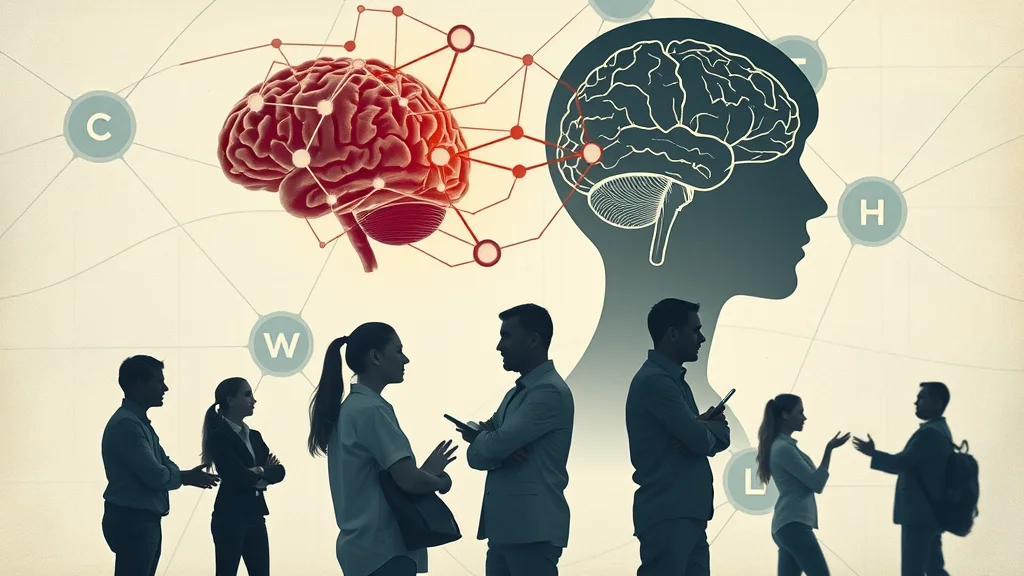
hypnotic suggestion and psychology montage neuroscience brain diagrams contemplation engagement

FAQs: Hypnotic Suggestion and Psychology

  • Can anyone be hypnotized?
    Not everyone achieves the same depth of hypnosis. Hypnotic suggestibility varies between individuals based on genetics, brain patterns, personality, and psychological state. While most people can experience some effects, only a minority are highly responsive.
  • How does hypnotic suggestion differ from subliminal messaging?
    Hypnotic suggestion is delivered directly in a focused state (usually during clinical hypnosis), with the subject’s awareness and cooperation. Subliminal messaging is often received outside conscious awareness, with less reliable effects.
  • Is clinical hypnosis safe for everyone?
    For most individuals, hypnosis is considered safe when conducted by a trained professional. However, those with some psychiatric or neurological conditions may not be suitable candidates. Always consult a healthcare provider before considering hypnosis for clinical use.
  • What scientific evidence supports hypnotic suggestion?
    Dozens of studies using hypnotic suggestion, brain imaging, and clinical trials point to measurable changes in perception, behavior, and brain activity, especially among highly hypnotizable individuals. Research and practice continue to clarify both potential and limitations.

Ready to learn more about how hypnotic suggestion and psychology can reshape your understanding? Subscribe for updates and exclusive expert insights.

Watch in-depth interviews with clinical hypnosis experts, neuroscientists, and practitioners discussing their latest findings, real-world case studies, and ethical perspectives on the evolving field of hypnotic suggestion and psychology.

If you’re inspired to deepen your understanding of altered states and the science of the mind, consider broadening your perspective beyond hypnotic suggestion alone. Exploring the nuanced differences between hypnosis and meditation can reveal new strategies for self-awareness, stress reduction, and personal growth. By comparing these two powerful modalities, you’ll gain a richer appreciation for how intentional mental practices can transform both brain and behavior. For a comprehensive look at their unique benefits and scientific foundations, visit the guide on what sets hypnosis and meditation apart—and discover which approach might best support your journey toward mental clarity and well-being.


Hypnosis Basics & Education

Write A Comment

*
*
Please complete the captcha to submit your comment.
Related Posts All Posts

Why Focus Matters More Than Relaxation in Hypnosis

Did you know that over 80% of hypnotic effectiveness comes from your ability to focus—not simply relax? This staggering fact challenges the popular belief that deep relaxation is the key to successful hypnosis. Instead, new science reveals that sharp, sustained focus in hypnosis is the true catalyst for real transformation. In this comprehensive guide, you’ll uncover the essential differences between focus and relaxation in hypnosis, explore cutting-edge research, and gain practical tools to harness focus for peak performance and positive change. The Startling Truth: Focus in Hypnosis vs. Relaxation “Recent research reveals that over 80% of hypnotic effectiveness is attributed to an individual’s ability to focus, not just relax.” The field of hypnosis has long been associated with relaxation—a tranquil body, calm mind, and soothing voice. While relaxation is an integral element, recent research has found that focus in hypnosis is the true engine driving change. In fact, studies consistently show that individuals who can maintain focused attention during hypnosis sessions achieve much better results, whether they’re overcoming bad habits, boosting mental clarity, or seeking peak performance. This means that simply drifting into a relaxed state is not enough. To truly harness the power of hypnosis, you must activate your conscious and unconscious mind toward a single, clear purpose—requiring both mental discipline and sustained attention. Understanding this shift transforms both the way we approach hypnosis and the benefits we can expect from it. What You'll Learn About Focus in Hypnosis The critical differences between focus and relaxation in hypnosis How hypnosis helps sharpen attention The role of focus in achieving peak performance through hypnosis Practical hypnosis techniques to boost focus Answers to frequently asked questions about focus in hypnosis Understanding Focus in Hypnosis: Definition and Key Principles Focus in hypnosis refers to the intense narrowing of attention on a specific goal, thought, or suggestion during a hypnotic state. Unlike traditional relaxation—which soothes the nervous system and helps clear brain fog—focus in hypnosis demands a deliberate, sustained connection between the conscious mind and unconscious mind. This focused attention enables individuals to respond more openly to positive suggestion and deeply embedded change, breaking free from limiting beliefs and fostering mental clarity. In effective hypnosis sessions, the role of focus is to transform simple relaxation into a powerful tool for reprogramming thought patterns, behaviors, and emotional responses. The foundational principles of focus in hypnosis include directed attention, heightened suggestibility, and purposeful mental engagement. These allow practitioners to harness the power of their own minds, making hypnosis work efficiently for specific goals such as habit change, peak performance, or overcoming challenging emotions. In practice, this means the hypnotic state becomes more than just a period of rest—it’s an active, dynamic experience where conscious intention meets unconscious receptivity, making real transformation not just possible, but probable. How Focus in Hypnosis Differs from Simple Relaxation "While relaxation prepares the mind, focus in hypnosis drives transformation." It’s common to believe that hypnosis is simply about getting comfortable and drifting away, yet this is a misconception. Relaxation helps quiet the nervous system and sets the stage for hypnosis, but focus carries the session to its destination. When someone is deeply relaxed, they might struggle with brain fog or lose track of the session’s purpose. Conversely, the focused state in hypnosis transforms your attention into a laser-like force, keeping both your conscious and unconscious mind aligned and open to suggestion. Focus in hypnosis allows you to maintain clarity about your specific goals throughout the hypnotic induction and therapeutic process. Rather than becoming passive or overly sedate, hypnotic states that rely on focus ensure you’re present, mentally engaged, and ready to seize positive suggestion. This is why hypnosis techniques that prioritize attention—such as guided visualization or active mental rehearsal—consistently outperform relaxation-only approaches for long-lasting results. What Exactly Does Hypnosis Focus On? Depending on the hypnosis session’s goals, the focus can vary. For some, hypnosis zeroes in on overcoming limiting beliefs—helping people reframe negative thought patterns or break persistent bad habits. For others, the hypnotic state is used to sharpen mental clarity, improve a specific brain region’s function, or unlock peak performance in athletics, business, or academics. By narrowing the conscious mind’s attention toward a single purpose, hypnosis helps activate the unconscious mind, making it open to suggestion and ready to embrace positive change. Importantly, hypnosis focuses on achieving specific goals—from reducing anxiety to enhancing concentration, conquering fears, or learning new skills. By engaging both the conscious and unconscious mind, focus in hypnosis not only expedites change but also provides a solid foundation for sustaining results long after the session ends. It’s this targeted, focused attention that separates the most effective hypnosis work from superficial or temporary improvements. For those interested in how hypnosis compares to other mind-training practices, exploring the distinctions between hypnosis and meditation can provide valuable context. Understanding these differences can help clarify why focus plays such a pivotal role in hypnosis sessions. Learn more in this in-depth guide on hypnosis versus meditation. How Hypnosis Works: The Role of a Focused State Understanding how hypnosis works means understanding the delicate balance between relaxation, suggestion, and focused state. In every effective hypnosis session, the hypnotist guides you to relax enough to mute distractions while maintaining an alert, focused attention on the session’s objectives. This unique blend allows for deeper access to the unconscious mind, amplifying the impact of positive suggestion and facilitating rapid change. Focused states are what make hypnosis more than a complementary therapy—they allow you to directly harness the power of your mind. Recent studies confirm that focused hypnosis sessions increase neuroplasticity—the brain’s capacity to rewire itself—helping people achieve their goals with greater efficiency. When we maintain focus during hypnosis, we’re able to bypass common side effects of scattered thought, such as anxiety or procrastination, and instead channel our energy into constructive, goal-oriented outcomes. This is especially important for those seeking mental clarity, healing trauma, or aiming for peak performance in competitive fields. The Neuroscience Behind Achieving a Focused State During a Hypnosis Session The science behind hypnosis reveals that a truly focused state activates specific brain regions, particularly in the frontal cortex responsible for attention, self-control, and decision-making. During hypnosis, imaging studies show increased activity in these areas, while networks related to internal dialogue and distraction—like the default mode network—become less active. This shift enables individuals to move beyond habitual thought loops and focus intensely on the present moment or their hypnotic goals. As a result, focused hypnosis sessions help people rewire thinking patterns, enhance cognitive control, and reduce the mental clutter that leads to brain fog. This explains why hypnosis is used to improve memory, sharpen attention, and support learning—because the brain regions needed for focus and behavioral change are actively engaged. Achieving this state during hypnosis practice is what makes the process so effective for personal and professional transformation. The Rule of 7 in Hypnosis: What Does It Mean For Focus? The rule of 7 in hypnosis refers to the power of repeated cycles—each iteration deepening the focused state and cementing new suggestions within the mind. Practically, this might involve repeating a key phrase or visualization seven times during a session. With every repetition, the conscious mind’s resistance decreases, and the unconscious mind becomes increasingly open to suggestion. This systematic approach maximizes both attention and receptivity, ensuring that new mental “programming” is accepted more readily. Understanding and applying the rule of 7 gives practitioners and clients a structured way to maintain focus throughout the hypnosis session. When repeated suggestions are paired with focused attention, the likelihood of achieving and retaining positive change—such as breaking a bad habit or reaching peak performance—grows exponentially. This is a central reason why hypnosis helps deliver results well beyond the effects of simple relaxation or surface-level interventions. Why Hypnosis Helps More When Sessions Emphasize Focus Over Relaxation "Focus is the engine that powers every successful hypnosis session." When hypnosis sessions prioritize focus over relaxation, they activate deeper cognitive and neural mechanisms that drive lasting change. Relaxation may soothe the nervous system and ease the conscious mind, but only focus can fully engage the unconscious mind, making you open to suggestion and innovative problem-solving. In fact, numerous case studies in hypnosis training have shown that focused attention is the critical factor in breaking through limiting beliefs, overcoming resistance to change, and unleashing hidden potential. This focus-first approach turns hypnosis into a powerful tool for self-improvement, helping participants maintain clarity, strengthen willpower, and steadily work toward specific goals. Ultimately, choosing focus as the organizing principle of your hypnosis practice ensures you’re not just relaxing—you’re actively building pathways to success, resilience, and peak performance. Hypnosis Techniques That Enhance Focus Guided imagery for deeper attention Anchoring techniques Progressive focus-building exercises Today’s top hypnosis techniques harness the art of focused attention to drive real change in behavior, mindset, and performance. Guided imagery involves leading the mind through vivid, purposeful scenarios that keep the conscious and unconscious mind aligned. Anchoring teaches you to connect a certain touch, word, or image with a mental resource, so you can recall focus whenever you need it most. Progressive focus-building exercises are carefully structured to help people maintain focus and gradually shift attention from surface distractions to core intentions—a key component in successful hypnosis sessions. These techniques are used by hypnotherapists and self-hypnosis practitioners to structure every step of the hypnotic induction for maximum engagement, minimal side effects, and ultimate transformation. Whether you’re aiming to overcome brain fog, break a bad habit, or reach peak performance, incorporating focus-enhancing strategies into hypnosis ensures you make real, lasting progress toward your goals. How to Focus During Hypnosis: Step-by-Step Hypnosis Techniques To achieve and maintain a focused state during hypnosis, follow these key steps: Set a clear intention: Decide on a specific goal or outcome for your hypnosis session. This primes both your conscious and unconscious mind to work together. Eliminate distractions: Turn off digital devices, find a quiet space, and inform others not to disturb you. Clearing your environment is foundational in hypnosis practice. Pre-session breathing: Engage in slow, deep breathing exercises for several minutes to activate your nervous system’s relaxation response without losing alertness. Visualize or anchor focus: Use guided imagery, repeating a word or pressing a finger to engage a physical anchor, and bring your attention back if it drifts. Follow your hypnotist's guidance: Whether working with a professional or using audio hypnosis, remain fully engaged, repeating and deepening suggestions to strengthen your focus. Practicing these steps strengthens your ability to sustain attention for the duration of any hypnosis session, maximizing the odds that the session will drive meaningful and measurable change. Comparing Popular Hypnosis Techniques: Focus-Centric vs. Relaxation-Based Technique Primary Goal Key Benefit Best for Guided Imagery Focus-Centric Sharpens attention and goal clarity Performance, learning, habit change Anchoring Focus-Centric Connects focus with cues for easy recall Anxiety reduction, self-control Progressive Muscle Relaxation Relaxation-Based Soothes nervous system and reduces stress Stress relief, better sleep Breathwork Relaxation-Based Calms body/mind for easier induction Pre-session preparation Active Repetition or Rule of 7 Focus-Centric Deepens focused state, maximizes suggestion Skill building, performance, strong habit change The Connection Between Focus in Hypnosis and Peak Performance The connection between focus in hypnosis and peak performance is profound. Elite athletes, artists, and top professionals repeatedly credit focused hypnosis sessions with giving them the mental resilience and clarity needed to excel under pressure. When attention becomes laser-sharp, performance anxiety dissipates, mental barriers vanish, and the brain is primed for optimal decision-making and execution. Ultimately, focus-driven hypnosis helps people sustain attention, maintain focus on specific goals, and access powerful mental states associated with flow and mastery. This shift allows for faster learning, greater adaptability, and a measurable increase in performance across a variety of demanding environments—from sports arenas to business boardrooms. Building Mental Resilience and Cognitive Control Continuous hypnosis practice that emphasizes focus helps build mental resilience by training the nervous system to stay calm under stress while maintaining cognitive control. This prevents the onset of brain fog and ensures the conscious mind and unconscious mind stay synchronized, creating an inner environment where limiting beliefs lose their grip. Over time, repetition in focused hypnosis sessions leads to a robust mental toolkit—where maintaining composure, adapting to setbacks, and deploying focused attention become second nature. The benefits of this approach aren’t limited to athletes. Everyday professionals report clearer thinking, more energy, and the ability to rise above distraction or stress-induced side effects. By establishing an inner blueprint for success, focus in hypnosis helps people achieve peak performance in all walks of life. Case Studies: Hypnosis Sessions That Drove Peak Performance Through Focus In recent case studies, elite athletes and business leaders underwent focus-driven hypnosis sessions before major competitions or high-stakes presentations. They reported heightened concentration, emotional control, and faster recovery from setbacks—attributes essential for peak performance. In one instance, a track athlete used anchoring and guided imagery to visualize every stage of a sprint, maintaining attention on each step. The result: a significant personal best and a newfound confidence under pressure. Similarly, a senior executive faced with brain fog and performance anxiety before major pitches integrated progressive focus techniques into her hypnosis training. Over several weeks, not only did she regain mental clarity, but her public speaking skills and executive decision-making soared. These examples underscore the transformative, real-world power of emphasizing focus in hypnosis over mere relaxation. Common Myths: Why Relaxation Alone Isn’t Enough in Hypnosis Misconception: Hypnosis is just deep relaxation Truth: Hypnosis relies on active focused engagement Many assume that simply lying back and relaxing is all it takes to benefit from hypnosis. In reality, hypnosis work requires far more than comfort alone. It’s the active, intentional focusing of attention that makes hypnosis work, supporting deep change, not just temporary calm. Too much emphasis on relaxation can lead to drifting or even mental disengagement, whereas proper focus keeps the mind “in gear”—ready to act on positive suggestion, overcome limiting beliefs, and pursue specific goals. Remember: the most effective hypnosis techniques balance preparation (relaxation) with purpose (focus), always prioritizing sustained attention as the true catalyst for change. Does Hypnosis Help With Focus? What the Science Says Scientific literature increasingly shows that hypnosis helps with improving focus, memory, and sustained attention. Brain scans reveal enhanced activation in brain regions responsible for prioritizing information and inhibiting distraction. Experimental studies have found that focused hypnosis sessions can improve academic performance, work efficiency, and athletic outcomes by teaching people to enter a focused state at will. For those struggling with brain fog, poor mental clarity, or scattered attention, hypnosis work provides a structured and effective complementary therapy. Whether in clinical settings or self-directed practice, hypnosis helps people harness the power of their own minds for learning, change, and growth. Hypnosis Helps: Evidence-Based Outcomes and Statistics Numerous clinical trials and surveys by the Society of Clinical Hypnosis report that focused hypnosis sessions lead to measurable improvements in attention span, habit change, and peak performance. For example, a meta-analysis found that over 70% of participants experienced improved sustained attention and reduced anxiety-related side effects following structured, focus-driven hypnosis training. In education, hypnosis techniques that leverage focused attention have helped students boost test scores, manage stress, and overcome self-doubt. The verdict is clear: hypnosis isn’t just a relaxation tool—it is a highly effective method for building the mental skills necessary for achievement, performance, and resilience. Real-World Applications: From Elite Athletes to Everyday Professionals The power of focus in hypnosis extends far beyond the hypnosis practice room. Elite athletes use focus-centric hypnosis to visualize winning races or flawlessly execute routines. Corporate professionals employ these techniques to conquer performance anxiety, boost cognitive control, and unleash creativity in high-pressure scenarios. Even those seeking relief from brain fog, procrastination, or burnout have found that hypnosis helps restore focus and renew their drive. Whether aiming for the podium, the boardroom, or a personal milestone, developing focused attention through hypnosis training consistently leads to more rapid progress and enduring results than relaxation-focused methods alone. How Peak Performance Is Achieved With Focused Hypnosis Sessions Focused hypnosis sessions act like a mental gym, training your brain to block out distractions, clarify goals, and maintain composure in challenging moments. These skills are foundational for peak performance because they allow individuals to adapt, rebound, and thrive—even in the face of setbacks. The process is simple but profoundly effective: by rehearsing desired outcomes in a focused state, both the conscious and unconscious mind become primed for action, making it easier to follow through in real-world situations. Repeated use of these techniques builds “focus muscle”—the ability to bring laser-sharp attention to any task. This is why athletes, musicians, and executives credit hypnosis with breakthroughs in performance and well-being. High-quality video montage of elite athletes and professionals briefly describing their experience with focused hypnosis — calm, confident expressions, minimalistic interview backgrounds, occasional B-roll of performance settings, natural lighting and modern color grading. How to Prepare for a Focused Hypnosis Session Setting intentions Eliminating distractions Practicing pre-session breathing exercises Preparing for a focused hypnosis session is essential to maximizing its benefits. First, set a clear intention: decide on the specific goal, challenge, or habit you want to address. Next, eliminate distractions in your space—turn off devices, tell others you need privacy, and choose a comfortable setting free from interruptions. Finally, practice a few minutes of deep breathing to calm your body while bringing your attention to your hypnotic goal. These steps will prime the nervous system and keep the conscious mind ready, making it far easier to enter and maintain a focused state throughout your hypnosis session. Guided video walkthrough showing how to set up your environment, practice breathing, and anchor your intention for maximum focus during hypnosis. People Also Ask: Answers About Focus in Hypnosis How to focus during hypnosis? Focusing during hypnosis involves minimizing distractions, setting a clear intention, following the hypnotist’s guidance, and actively engaging your concentration on the desired goal. By consciously directing attention and remaining open to suggestion, you maximize the potential for hypnosis to create positive, lasting change. What is the rule of 7 in hypnosis? The rule of 7 in hypnosis commonly refers to leveraging repetition to deepen a focused state and reinforce suggestions, with every cycle taking you deeper into focus and receptivity. This structured repetition helps cement new ideas in the unconscious mind, driving more efficient results. What does hypnosis focus on? Hypnosis typically focuses on a specific goal or issue, directing conscious and subconscious attention towards positive change, behavioral modification, or enhanced performance. The targeted nature of focus distinguishes effective hypnosis from simple relaxation. Does hypnosis help with focus? Yes, evidence shows hypnosis helps improve cognitive focus and attention span, aiding in learning, performance, and habit formation. By practicing hypnosis with a focus-driven approach, individuals can build lasting mental clarity and resilience. FAQs on Focus in Hypnosis Is it possible to practice focus in hypnosis at home? Absolutely. With guided recordings or self-hypnosis scripts, anyone can develop focus and harness its benefits from their own space. Are there risks to over-focusing in hypnosis? For most people, deep focus is safe, but rare side effects like mental fatigue can occur if sessions are too long or intense. Balance is key—listen to your body and take breaks as needed. How long do the benefits of focus in hypnosis last? Benefits can be immediate and, with consistent practice, remain long-lasting. Periodic hypnosis sessions help reinforce focused attention and maintain positive outcomes. Key Takeaways: Why Focus in Hypnosis Is Essential Focus, not just relaxation, drives hypnotic success Hypnosis helps by harnessing focused attention Peak performance is often achieved through focused hypnosis sessions Summary and Next Steps Ready to experience the transformative power of true focus in hypnosis? Connect with a certified hypnosis professional today to elevate your performance and well-being. As you continue your journey into the world of hypnosis, consider broadening your understanding by exploring how hypnosis compares to other powerful mind-body practices. Delving into the unique contrasts and complementary benefits of hypnosis and meditation can reveal new strategies for personal growth and mental mastery. If you’re curious about how these approaches differ in their mechanisms and outcomes, discover the key differences between hypnosis and meditation to unlock even greater potential in your self-development practice. Expanding your knowledge in this area can help you tailor your approach for maximum impact, whether your goal is peak performance, stress relief, or lasting transformation.

What Happens Before, During, and After Hypnosis

Did you know nearly 70% of people enter some form of hypnotic trance every day—while driving, reading, or even scrolling through their phones? Despite this, myths about hypnosis abound, obscuring its real power and scientifically validated benefits. In this comprehensive guide, you'll discover what actually occurs before, during, and after a hypnotherapy session, debunking common misconceptions and empowering you with the knowledge to leverage hypnosis for personal transformation. A Surprising Look at Hypnosis Stages: Unveiling Myths and Realities Hypnosis stages have long captured the imagination, yet they're shrouded in misunderstandings. Contrary to the belief that hypnosis is about mind control or losing awareness, modern research reveals it is a collaborative journey focused on harnessing the subconscious mind for positive change. Whether seeking to stop smoking, break bad habits, or enhance mental health, the path through hypnosis involves distinct phases—each with unique dynamics and profound impact. As you explore what happens before, during, and after hypnosis, you'll see why more mental health professionals recommend hypnotic techniques as powerful therapeutic techniques. You'll also gain clarity on the differences between entertainment-based stage hypnosis and the evidence-based processes used in clinical hypnotherapy sessions. It's time to move past the common myth that hypnosis is mystical or manipulative—it's an accessible state of focused attention and suggestibility everyone can benefit from. What You'll Learn About Hypnosis Stages Key hypnosis stages before, during, and after a session How hypnotic trance and suggestions play a role Essential hypnosis techniques for effective hypnotherapy Expert insights into the depth and effectiveness of hypnotic trance What Are Hypnosis Stages? Defining the Process At its core, the process of hypnosis follows a series of recognizable stages, each serving a unique function in facilitating deep change. Understanding these stages demystifies the experience, highlighting how hypnotic trance is both a natural and purposeful state. Before a hypnotherapy session even begins, both client and practitioner work together to foster trust—a critical foundation for the phases that follow. The journey then progresses into hypnotic induction, where the conscious mind gradually gives way to a state of heightened suggestibility. As you move through the core stages of hypnosis, the hypnotist applies refined hypnosis techniques—from direct and indirect hypnotic suggestions to inducing deeper levels of trance. The session concludes with careful reawakening, ensuring you return to your normal waking awareness feeling refreshed, empowered, and ready to implement lasting changes. By learning these steps, you prepare yourself for a successful and transformative experience, whether your focus is mental wellness, breaking bad habits, or pursuing new goals. Stages of Hypnosis: An Overview Hypnosis typically unfolds in three primary stages—preparation (before), the trance state (during), and reawakening (after). While each practitioner may bring their own artistry to a hypnotherapy session, these pillars remain constant. During preparation, the hypnotist sets the scene, addresses questions, and ensures comfort. The induction stage follows, employing techniques such as progressive relaxation, focused attention, or guided breathing to move the participant into a deeply relaxed state of hypnosis. Deepening strategies come next, enhancing hypnotic depth and making the mind more open to suggestion. In the main phase—trance—the hypnotist delivers hypnotic suggestions tailored to your specific goals, whether that’s to stop smoking, resolve a phobia, or cultivate resilience. The session finishes with a gentle exit, where clients regain full awareness while often experiencing a profound sense of clarity, relaxation, and discovery. This cyclical structure transforms hypnosis stages into a reliable roadmap for growth. The Role of Hypnotic Trance and Hypnotic Depth in Hypnosis Stages The hypnotic trance is a pivotal component of hypnosis—the bridge between the conscious mind and the subconscious mind. In this state, your focus narrows, distractions fade away, and you become highly receptive to positive change. The concept of hypnotic depth refers to the level of immersion achieved during a session. Some individuals experience only a light trance, feeling a sense of calm and focus while remaining aware of their surroundings. Others may enter a state of deep relaxation where the conscious mind recedes, allowing the subconscious to take the lead. Both hypnotic trance and depth are influenced by hypnosis techniques used by the hypnotist and the participant’s mindset. Enhanced hypnotic depth increases the potency of hypnotic suggestions and can accelerate breakthroughs in a hypnotherapy session. Crucially, you’re never out of control or unconscious during any stage of hypnosis—contrary to what common myth or stage hypnotist demonstrations might suggest. Instead, you remain an active participant in the process of change. Before Hypnosis: Essential Preparation and Setting the Stage Effective hypnosis starts well before a trance state is entered. The environment, rapport, and expectations all play a vital role in welcoming you into the process. A comfortable, private setting instills safety and trust—an often overlooked but critical ingredient for success. The hypnotist provides clear information, debunks common myths (such as fears about mind control or being “put under”), and discusses goals tailored to your needs, whether related to bad habits, mental health, or personal growth. This preparation phase deepens outcomes in the proceeding hypnosis stages. Addressing emotions, reducing anxiety, and highlighting the collaborative nature of hypnosis all contribute to an open, focused state of mind. When you know what to expect and feel empowered within the process, hypnotic induction proceeds smoothly, laying the groundwork for profound, lasting change. Preparing for Hypnosis: The Initial Phase of Hypnosis Stages The initial phase of hypnosis involves practical and psychological preparation. Practitioners may use calming techniques—soft lighting, comfortable seating, soothing music—to support deep relaxation and signal a shift away from ordinary, everyday awareness. Beyond the physical, preparation includes a candid conversation about goals, boundaries, and any previous experiences with hypnosis. This helps to dissolve apprehension about entering a hypnotic trance and counteract any persistent common myths about hypnosis as “entertainment purposes” only. During this stage, the hypnotist pays close attention to nonverbal cues, including eye contact and body language, ensuring that their approach is attuned to your level of comfort. This rapport-building is crucial: studies show that trust and clear expectations can increase suggestibility, enhancing the effectiveness of direct suggestion and other hypnosis techniques during later stages. Understanding Mindset and the Power of Expectation Mindset is an underrated yet decisive factor in hypnosis outcomes. Scientific research confirms that positive expectations can dramatically boost responsiveness to hypnotic suggestion. When you approach a session with curiosity rather than skepticism, and see yourself as an active participant, you create an internal environment ripe for transformation. This is why skilled hypnotists invest time in reframing any anxiety or doubts prior to induction—helping shift focus from “Will hypnosis work for me?” to “How will I benefit from this experience?” As with most therapeutic techniques, the power of suggestion is strongest when the client is motivated and open to change. Managing expectations is key: participants should understand that even subtle shifts in thought patterns or habits, like feeling less compelled by bad habits or starting to crave healthier choices, represent progress. Framing hypnosis as a tool you control—rather than a stage hypnotist “performance”—instills confidence and bolsters the success of all subsequent hypnosis stages. "Proper preparation and a receptive mindset are the cornerstones of a successful hypnosis session." During Hypnosis: Induction, Trance, and the Flow of Suggestion The heart of any hypnotherapy session lies in what unfolds during the trance state—an orchestrated dance between mind and suggestion. This phase is where hypnotic induction guides you gently into a state of focused relaxation, away from the mental chatter of the day, and toward your core intent. The hypnotist often uses voice modulation, guided imagery, breathing exercises, or rhythmic counting to deepen your immersion. As your conscious mind relaxes, access to the subconscious mind becomes more fluid, making you more open to suggestion and change. In this state, you’re neither asleep nor unconscious; rather, you’re fully aware and in control, but in a deeply relaxed and hyper-focused condition. This is when direct suggestions to overcome bad habits or indirect suggestions for attitude shifts have the most impact. The flow and style of each session depend on your goals and the chosen hypnosis technique, but the structure—induction, deepening, suggestion, and return—remains a constant across effective practice. For those interested in how hypnosis compares to other mind-focused practices, exploring the distinctions between hypnosis and meditation can provide valuable context for understanding the unique mechanisms and benefits of each approach. You can learn more about these differences in this in-depth comparison of hypnosis and meditation. Hypnotic Induction: Guiding the Mind into Hypnotic Trance Hypnotic induction is the gateway to the hypnotic state. This phase uses gentle verbal cues, slow-paced instructions, or sensory focus to lower resistance and allow the participant’s mind to enter a state of hypnosis. Popular induction techniques might include eye fixation, progressive muscle relaxation, or imaginative visualization. The goal is to bypass the critical conscious mind so that purposeful, well-crafted suggestions can access the subconscious mind—where real change takes place. The effectiveness of hypnotic induction can vary based on a client’s suggestibility, comfort, and willingness to suspend disbelief. A crucial element is trust; when you believe the process is working, you’re more likely to allow yourself to “let go” and experience the trance state. Techniques are customized—some clients respond well to a soothing voice, while others prefer a more direct approach or might require visual or tactile cues. Understanding the nuances of induction techniques can greatly enhance hypnotherapy outcomes and pave the way for profound transformation during the trance state. The Depth of Hypnotic Trance During Hypnosis Stages Hypnotic depth refers to how deeply immersed a person becomes during the hypnosis stages. Experts typically describe three levels: light, medium, and deep trance. In a light trance, you may feel a sense of calm, heaviness in your limbs, or slight changes in perception—all while being totally aware of your surroundings. As you progress to medium or deep trances, physical relaxation increases, awareness of the outside world diminishes, and you may feel as though “time disappears. ” Deep trance is when the subconscious takes the lead, providing the richest ground for lasting behavioral change. Not every session aims for the deepest possible trance. For some therapeutic goals, a lighter state of hypnosis is just as effective, especially when working on habit change, confidence, or stress reduction. The hypnotist will monitor your level of hypnotic depth by observing changes in breathing, facial expression, and body tension. Matching techniques and suggestions to your changing depth ensures maximum effectiveness and minimizes discomfort, making each session uniquely tailored to you. Comparing Hypnotic Induction Techniques and Their Effects on Hypnosis Stages Induction Technique Typical Depth Achieved Ideal For Common Applications Eye Fixation Light to Medium New clients; group demos Reducing anxiety, stress, habit change Progressive Muscle Relaxation Medium to Deep Individuals with high stress Chronic pain, insomnia, emotional wellbeing Visualization (e.g., beach imagery) Light to Medium Creative individuals Performance anxiety, goal setting Rapid Induction Deep Experienced clients Smoking cessation, deep-seated habits Hypnotic Suggestions: Direct and Indirect Approaches The heart of change in hypnosis lies in the delivery of hypnotic suggestions. Direct suggestion involves plainly stated objectives, such as, “You will no longer crave cigarettes” for those seeking to stop smoking. Indirect suggestion, however, uses metaphors, questions, or stories to facilitate deeper, subconscious shifts—“As you notice your breath, you might discover a new sense of freedom from old habits. ” The choice of suggestion depends on your preferences, your receptiveness, and the depth of trance achieved. Repetition is central to both approaches; the more a message aligns with your values and is repeated (see the ‘rule of 7’), the more likely it is to imprint on your subconscious mind. By carefully blending direct and indirect suggestions, the hypnotist empowers you to shed limiting beliefs, install helpful behaviors, and create lasting change. Whether you’re working to improve mental health, enhance performance, or simply unwind deeply, skillfully crafted suggestions are the engine that drives results at every stage. Walkthrough of a Hypnotherapy Session: Experiencing All Hypnosis Stages After Hypnosis: Returning to Awareness and Post-Session Reflection Emerging from a hypnotic trance is gentle and empowering. The hypnotist uses specific cues or counts to gradually reawaken your conscious mind, ensuring you return to a normal waking state feeling safe, refreshed, and alert. This phase is as important as the induction itself—rushing can leave participants feeling disoriented, while slow, steady emergence reinforces the positive changes initiated in the session. The period immediately after a session is ideal for integrating insights and reinforcing suggestions. Many people report a profound sense of clarity, increased motivation, or emotional release after a successful hypnotherapy session. Guided reflection helps to solidify outcomes, whether you’re aiming to quit bad habits or simply want to feel more in tune with your own mental health and well-being. The Reawakening: Exiting Hypnotic Trance and Ending Hypnosis Stages The final “reawakening” phase is a structured part of every hypnosis stage. The hypnotist may use gentle counting, guided deep breaths, or positive affirmations to help transition from the state of deep trance back to everyday consciousness. Rather than feeling groggy or confused, most clients report feeling deeply relaxed with a clear mind—ready to face daily life with fresh energy. Unlike sleep, hypnosis preserves full awareness; clients are often reminded that at any moment, they could have ended the session themselves. Post-session, the hypnotist invites you to reflect on the experience and discuss any insights or shifts you noticed. These discussions reinforce the suggestions and help bring subconscious realizations into conscious awareness. Paying attention to subtle changes—like an unexpected confidence boost, more positive self-talk, or even a desire to choose healthier habits—strengthens the transformation initiated during the session. Integration: Applying Insights and Lasting Effects of Hypnosis Stages Integration is the process of translating the insights and changes achieved during hypnosis into sustainable habits. The aftermath of a session is ripe for self-reflection; taking time to journal, set intentions, or revisit hypnotic recordings (if provided) can deepen the benefits. Key practices—like reinforcing hypnotic suggestions through self-talk, visualization, or mindfulness—help strengthen the changes made on the subconscious level. Consistency is vital for the long-term impact of hypnotherapy. Many clients benefit from scheduled follow-up sessions or ongoing communication with their practitioner. This ongoing support helps to reinforce the suggestions, address new challenges, and foster a sense of agency in managing one’s mental health and wellbeing. Whether your goal is to stop smoking, break old patterns, or simply feel a sense of peace, repeated application and integration drive lasting success. Best practices for post-session success Common experiences immediately after a hypnotherapy session Key steps to reinforce hypnotic suggestions The Science Behind Hypnosis Stages: Evidence and Expert Opinions Advances in neuroscience have transformed our understanding of hypnosis from mystique to measurable science. Neuroimaging studies demonstrate clear changes in brainwave activity and connectivity during hypnotic trance, particularly in areas linked to focused attention, emotional regulation, and pain perception. These shifts confirm that the hypnotic state is real, distinct from sleep or simple relaxation, and has tangible benefits for mental health, habit change, and therapeutic intervention. Best-practice hypnosis techniques are now standard in clinical psychology, with growing use for managing anxiety, trauma, addiction, and more. Experts agree: the credibility of hypnotherapy rests not in entertainment or spectacle, but in the measurable outcomes reported by clients and observed in brain scans. As evidence mounts, professionals increasingly view the stages of hypnosis as a valuable complement to traditional counseling, offering new hope for those struggling with intractable issues or seeking personal growth. "Current research demonstrates that hypnosis stages elicit measurable neurological changes, strengthening its credibility in clinical settings." Summary of Research on Hypnotic Induction, Trance, and Suggestibility Study Findings Implications Kirsch et al., 1993 Participants in trance showed increased theta brainwave activity Confirms hypnotic trance as a measurable neurological state Oakley & Halligan, 2013 Enhanced suggestibility correlated with specific brain network shifts Validates link between hypnotic depth and suggestion receptivity Landry et al., 2017 fMRI showed reduced default mode network connectivity in hypnosis Explains effectiveness for treating anxiety and depression Common Questions About Hypnosis Stages: People Also Ask What is the rule of 7 in hypnosis? The rule of 7 in hypnosis refers to the repetition of suggestions—research indicates that repeating a hypnotic suggestion up to seven times can significantly enhance its effectiveness during the hypnosis stages. What are the different levels of hypnosis? Different levels of hypnosis are usually classified into light, medium, and deep trance states, each corresponding to varying hypnotic depth within the standard hypnosis stages. What are the steps of hypnosis? Typical steps of hypnosis stages include preparation, hypnotic induction, deepening of trance, application of hypnotic suggestions, and reawakening or exiting the trance. What are the three stages of hypnosis? The three classic hypnosis stages are: induction (leading into trance), deepening (increasing suggestibility), and emergence (returning to normal awareness). Hypnotic Suggestion in Action: Demonstrating Stages of Hypnosis Live FAQs on Hypnosis Stages and Related Techniques How long do hypnosis stages typically last? Most hypnotherapy sessions range from 30 to 60 minutes. Each hypnosis stage—preparation, induction, deepening, suggestion, and emergence—typically lasts several minutes; the exact duration varies according to the individual's responsiveness and the practitioner’s approach. Are all individuals equally susceptible to hypnotic suggestions? Everyone can experience hypnosis, but susceptibility varies due to factors like mindset, trust, and openness. About 10–15% of people are highly suggestible, most are moderately responsive, and a small percentage may find trance states more challenging. What are the safety considerations during hypnosis stages? Hypnosis is widely considered safe when conducted by a trained professional. You remain aware of your surroundings, able to stop at any time. Concerns are rare but may include emotional discomfort if difficult memories arise. Always choose certified practitioners. How does hypnosis technique vary by practitioner? Techniques depend on practitioner training, client needs, and session goals. Some rely on script-based direct suggestion while others use conversational or Ericksonian (indirect) methods. The best practitioners tailor their approach to optimize comfort and outcomes. Key Takeaways: Navigating the Hypnosis Stages Effectively Preparation and environment directly influence the success of hypnosis stages. Understanding hypnotic trance and depth is critical for positive results. The effectiveness of hypnotic suggestions can be increased by repetition and alignment with client goals. Post-session integration is essential for maximizing the benefits of each hypnosis stage. Expert Panel Q&A: Addressing Myths About Hypnosis Stages Ready to Explore Hypnosis Stages? Start Your Self-Discovery Journey Today Now that you understand the full journey—before, during, and after hypnosis—why not take your first step? Find a qualified practitioner, or try guided hypnosis recordings to begin harnessing the benefits of every hypnosis stage for your personal growth and mental wellness. If you’re eager to deepen your understanding of mind-body practices and how they can complement your personal development, consider exploring the broader landscape of mental wellness techniques. Discovering the nuanced differences between hypnosis and meditation can open new pathways for self-awareness and growth, helping you choose the right approach for your unique needs. For a comprehensive look at how these practices compare and where they intersect, visit our guide on hypnosis versus meditation. Expanding your knowledge in this area can empower you to make more informed decisions and unlock even greater potential on your journey to well-being.

How Hypnosis Fits Into the Spectrum of Consciousness

Did you know? More than 15% of people are considered “highly hypnotizable,” and brain scans show that the hypnotic state activates areas of the brain not seen in typical waking or sleeping modes. Hypnosis isn’t just for stage shows or therapy rooms—it’s a window into the remarkable flexibility of the human mind. In this article, we’ll unravel how states of consciousness with hypnosis blend into the broader spectrum of awareness, spotlighting the boundaries between what you think you know and what your subconscious can unlock. Exploring the Spectrum: States of Consciousness with Hypnosis and Beyond Understanding the spectrum of states of consciousness with hypnosis goes far beyond outdated images of swinging watches and “sleepy” voices. Research suggests hypnosis cultivates a unique altered state of consciousness, distinct from sleep, daydreaming, and the default mode network that characterizes our everyday experiences. Instead of being zoned out or unconscious, a person under hypnosis usually experiences focused attention and heightened responsiveness to suggestion—qualities that set it apart from other states of consciousness. From the dreaming mind in REM sleep to the laser focus of a hypnotic session, our mental reality is fluid and ever-shifting. Hypnosis, in particular, raises fresh questions: Are you more aware or less? Who controls your thoughts—conscious or subconscious? The answers reveal how hypnosis works and why it’s gaining ground in pain management, mental health, and personal transformation. Whether you’re skeptical or intrigued, understanding the place of hypnosis in our conscious landscape is key to unlocking its full potential. Opening Insights: A Surprising Look at States of Consciousness Picture your mind like a dimmer switch, not a simple on/off light. Every day, you shift between normal waking state, meditative states, moments of distraction, and even the abstract logic of a dream state. Hypnosis gently slides the switch, letting you tune in to a state with surreal focus and hyper-suggestibility. Many people, even if they haven’t realized it, have “lost track of time” while absorbed in a book or movie—a spontaneous induction of altered consciousness not so different from those crafted by hypnotherapists. What’s truly surprising is how closely these states are enmeshed with everyday consciousness, yet how profoundly different they become through purposeful hypnotic induction. Rather than being an escape from reality, the hypnotic state invites an exploration of your own conscious mind—an experience that can illuminate uncharted areas of the subconscious, shift ingrained habits, and even reshape sensory perception. For those interested in a deeper comparison between hypnosis and other mental practices, exploring the distinctions and overlaps between hypnosis and meditation can provide valuable clarity. You can learn more about how these two states differ and intersect in this detailed guide on hypnosis versus meditation. What You'll Learn in This Article on States of Consciousness with Hypnosis An understanding of what defines states of consciousness, especially in relation to hypnosis How hypnosis compares to other altered states of consciousness Personal perspectives on the transformative potential of hypnosis Scientific and philosophical opinions on consciousness and hypnotic experience Defining States of Consciousness with Hypnosis State of Consciousness: Core Definitions and Historical Context "Consciousness is like a spectrum, with hypnosis opening unique windows into our inner worlds. " The definition of a state of consciousness has long been a philosophical and scientific puzzle. From the early musings of William James, who spoke of a "stream of consciousness," to modern neuroscience, there’s consensus around certain cognitive markers: awareness, perception, self-control, and responsiveness to the world. Traditionally, states of consciousness include waking, sleep (including the dream state), and the perplexing territory of altered states. When it comes to hypnosis, its journey from sideshow spectacle to scientific legitimacy has been colorful. Once dismissed as mere suggestion or showmanship, modern imaging studies have found that hypnosis activates unique areas in the brain, notably affecting the default mode network and the executive network. These discoveries, together with research into theta activity (slow brainwaves commonly observed during the hypnotic state), have established that hypnosis is far more than relaxation. It is a structured, repeatable altered state that bridges the conscious mind and subconscious mind, often facilitating enhanced focus, memory, and even pain management. Altered State of Consciousness: Where Does Hypnosis Fit In? Hypnosis earns its place within the family of altered states of consciousness by combining qualities of both waking and dreamlike awareness. Unlike sleep, where conscious thought is suspended, the state of hypnosis maintains self-awareness while introducing heightened receptivity to hypnotic suggestion. What sets it apart from a simple meditative state or focused attention is the measurable change in brainwave frequency and the unique pattern of activity in networks such as the default mode network and the anterior cingulate cortex. Whether induced by a skilled hypnotherapist or self-guided practice, the hypnotic state is consistently characterized by reduced peripheral awareness, increased internal focus, and amplified hypnotic suggestibility. Scientific studies have found that hypnosis can lead to changes in sensory experience, memory recall, and even the body’s physiological responses. In this sense, hypnosis works in ways both similar to and different from meditation, drug-induced states, or the involuntary transitions of sleep. Table: Comparing States of Consciousness and Hypnosis State Awareness Suggestibility Physiological Response Normal Waking State High; external & internal awareness balanced Low Typical heartbeat; full muscle tone; default mode network active Sleep (REM/non-REM) Low (external); vivid dreams (REM) Minimal Muscle atonia (REM); irregular breathing; slow wave brain activity Meditation Focused internal awareness Moderate (especially in guided meditative states) Reduced heart rate; increased theta activity; relaxation Hypnosis Narrowed but heightened focus on suggestion High (especially in highly hypnotizable subjects) Relaxation, altered pain perception, distinct brainwave frequency Drug-Induced States Variable (can span from heightened to severely diminished) Variable (often increased or distorted) Altered heart rate, body temp, perception, and brain activity States of Consciousness with Hypnosis: From Waking to Altered State States of Consciousness: Waking, Sleeping, and Hypnotic Experience Normal waking state REM and non-REM sleep Daydreaming and meditative states Hypnotic trance as an altered state of consciousness Our minds are designed to slip fluidly among various states of consciousness throughout the day—even when we aren’t aware of it. In the normal waking state, we juggle internal thoughts, external events, and background noise with remarkable ease. New research suggests that even this “ordinary mind” contains layers—where the conscious part interfaces with the subconscious mind via the default mode network. The transition from waking to sleep reveals even greater complexity. REM sleep, home to the vivid dream state, shares some features with the hypnotic state: namely, increased theta brainwave activity and reduced inhibition of imagination. Meanwhile, meditative states—both guided and self-induced—can blur boundaries between body and mind, producing a shift in self-awareness not unlike what is found in a hypnosis session. Altered State of Consciousness: How Hypnosis Alters Perception and Reality What really defines the altered state of consciousness achieved in hypnosis? Expert opinion underscores the striking duality: you remain awake and aware, yet experience a profound shift in perception, attention, and even voluntary control of muscle movement or pain response. Quote: Expert Opinion on Hypnosis as an Altered State "Hypnosis uniquely straddles conscious awareness and subconscious processing, marking it as a distinct altered state apart from sleep or waking." During hypnosis, a person’s focused attention is honed on specific thoughts or suggestions, while normal critical judgment and self-reflection recede into the background. This enhances the power of hypnotic suggestion—which is why pain management, breaking unwanted habits, and exploring subconscious patterns are all supported by clinical hypnosis. Some imaging studies show the anterior cingulate and parts of the executive network lighting up in unique configurations that blend traits of waking consciousness with dreamlike openness. Delving Deeper: States of Consciousness with Hypnosis Examined Neuroscience Perspectives on States of Consciousness with Hypnosis Brainwave patterns during hypnosis vs. other altered states Cognitive shifts and suggestibility Functional MRI findings Neuroscientists are uncovering the mechanics behind hypnotic states using tools like EEG and fMRI. In the state of hypnosis, the brain typically exhibits increased theta activity (4–8 Hz), similar to the frequencies seen in deep meditation and the threshold of sleep, yet with notable differences. Hypnotic induction amplifies connectivity in the anterior cingulate cortex—a node in the executive network—and dampens the default mode network, supporting deep focus and diminished environmental awareness. Imaging studies also show that highly hypnotizable subjects display more pronounced neural changes. During a hypnosis session, these individuals process hypnotic suggestions more visually and emotionally, as if the suggestion were reality. This is why posthypnotic suggestion (a task given during trance to be executed afterward) can have persistent effects. The neuroscience is clear: hypnosis is not just an illusion or shallow relaxation, but a replicable brain state with measurable cognitive and sensory impact. Personal Reflections: My Experience With Hypnotic States of Consciousness As someone who has undergone both formal and casual experiences of hypnosis, I can attest to its subtle yet powerful transformative impact. The first thing I noticed was an unusual balance between feeling deeply relaxed and yet acutely aware—like observing my own thoughts while letting someone else “drive” for a while. The hypnotic induction process was gentle and non-intrusive, centering on breathing and visualization, much like a meditative state but with clear goals set through hypnotic suggestion. Themes of memory, healing, and self-discovery emerged, all while I remained able to recall everything—contrary to the myth that hypnosis erases conscious memory. Afterward, some long-held patterns shifted, and I found myself more receptive to change, both mentally and emotionally. Hypnosis, for me, was less about losing control and more about redefining the boundaries of my conscious mind and subconscious mind. It’s an experience I’d recommend to anyone willing to approach it with curiosity and an open mind. List: Similarities and Differences Between States of Consciousness Awareness level: Highest in the normal waking state and hypnosis; lowest during deep sleep. Control over thoughts: Deliberate in waking and meditative states, more passive in hypnosis and dreams. Degree of suggestibility: Markedly elevated in hypnosis compared to waking or sleep states. Sensory perception: Sharpened or selectively filtered in both meditation and hypnosis; dreamlike and unpredictable in REM sleep. People Also Ask: Common Questions About States of Consciousness with Hypnosis What is the state of consciousness of hypnosis? Answer: Hypnosis represents an altered state of consciousness marked by deep relaxation, focused attention, and heightened suggestibility. What is the rule of 7 in hypnosis? Answer: The 'rule of 7' suggests that suggestions or instructions are more effective when repeated up to seven times, exploiting the pattern-based receptivity of the subconscious mind during hypnosis. What state are you in during hypnosis? Answer: During hypnosis, individuals are in an altered state of consciousness—aware, yet deeply relaxed and receptive to guidance. Are you conscious when hypnotised? Answer: Yes, you are typically conscious and aware but may experience a narrowed focus and reduced peripheral awareness. Video Insight: Understanding States of Consciousness with Hypnosis Video Insight: Expert Panel on Hypnosis as an Altered State of Consciousness FAQs About States of Consciousness with Hypnosis Can everyone experience an altered state of consciousness with hypnosis? While most people can achieve some level of hypnotic state, individual hypnotic suggestibility varies. Roughly 10–15% of adults are considered “highly hypnotizable,” able to quickly and deeply enter a hypnotic state. For others, it may take repeated practice, but almost everyone can experience some hypnotic effects with the right guidance and context. Does hypnosis feel similar to meditation or sleep? Hypnosis shares some characteristics with both meditation and sleep—such as deep relaxation and changes in brainwave frequency—but remains distinct. Most people report that hypnosis feels more focused and purposeful than meditation, and unlike sleep, you remain parly conscious and can later recall what happened during the session. Is hypnosis a natural state of consciousness? Yes, many practitioners and scientists agree that hypnosis works by amplifying mental processes that occur naturally in daydreaming, focused attention, or highly immersive states. The difference lies in the deliberate guidance and intensified suggestibility that define the hypnotic state. Key Takeaways: States of Consciousness with Hypnosis Hypnosis is a distinct, scientifically recognized altered state of consciousness. It bridges the gap between conscious thought and deep subconscious processing. States of consciousness are varied, with hypnosis offering unique therapeutic and introspective opportunities. Final Thoughts Continue Your Exploration Into States of Consciousness with Hypnosis—Subscribe for the Latest Insights, Research, and Personal Experiences If you’re inspired to further expand your understanding of consciousness and the transformative power of the mind, consider exploring how hypnosis compares to other self-awareness practices. Delving into the nuanced differences between hypnosis and meditation can reveal new strategies for personal growth, stress reduction, and mental clarity. By broadening your perspective on these states, you’ll be better equipped to harness their unique benefits in your own life. For a comprehensive look at how these practices align and diverge, visit this in-depth article on hypnosis versus meditation and take your journey into consciousness to the next level.

© 2026 PIP Consulting, LLC All Rights Reserved. 3773 Howard Hughes Parkway South Tower, Suite 500, Las Vegas, NV 89169 . Contact Us . Terms of Service . Privacy Policy

eyJjb21wYW55IjoiUElQIENvbnN1bHRpbmcsIExMQyIsImFkZHJlc3MiOiIzNzczIEhvd2FyZCBIdWdoZXMgUGFya3dheSBTb3V0aCBUb3dlciwgU3VpdGUgNTAwIiwiY2l0eSI6IiBMYXMgVmVnYXMiLCJzdGF0ZSI6IiBOViIsInppcCI6Ijg5MTY5ICIsImVtYWlsIjoiaW5mb0BkaXNjb3ZlcmluZ2h5cG5vc2lzLmNvbSIsInRvcyI6IlBIQStQSE4wY205dVp6NDhaVzArVjJobGJpQjViM1VnYzJsbmJpMXBiaUIzYVhSb0lIVnpMQ0I1YjNVZ1lYSmxJR2RwZG1sdVp5WnVZbk53T3lCNWIzVnlJSEJsY20xcGMzTnBiMjRnWVc1a0lHTnZibk5sYm5RZ2RHOGdjMlZ1WkNCNWIzVWdaVzFoYVd3Z1lXNWtMMjl5SUZOTlV5QjBaWGgwSUcxbGMzTmhaMlZ6TGlCQ2VTQmphR1ZqYTJsdVp5QjBhR1VnVkdWeWJYTWdZVzVrSUVOdmJtUnBkR2x2Ym5NZ1ltOTRJR0Z1WkNCaWVTQnphV2R1YVc1bklHbHVJSGx2ZFNCaGRYUnZiV0YwYVdOaGJHeDVJR052Ym1acGNtMGdkR2hoZENCNWIzVWdZV05qWlhCMElHRnNiQ0IwWlhKdGN5QnBiaUIwYUdseklHRm5jbVZsYldWdWRDNDhMMlZ0UGp3dmMzUnliMjVuUGp3dmNENEtDanh3UGp4aElHaHlaV1k5SW1oMGRIQTZMeTkzZDNjdVoyOXZaMnhsTG1OdmJTSSthSFIwY0RvdkwzZDNkeTVuYjI5bmJHVXVZMjl0UEM5aFBqd3ZjRDRLQ2p4d1BpWnVZbk53T3p3dmNENEtDanh3UGp4emRISnZibWMrVTBWU1ZrbERSVHd2YzNSeWIyNW5Qand2Y0Q0S0NqeHdQbGRsSUhCeWIzWnBaR1VnWVNCelpYSjJhV05sSUhSb1lYUWdZM1Z5Y21WdWRHeDVJR0ZzYkc5M2N5QjViM1VnZEc4Z2NtVmpaV2wyWlNCeVpYRjFaWE4wY3lCbWIzSWdabVZsWkdKaFkyc3NJR052YlhCaGJua2dhVzVtYjNKdFlYUnBiMjRzSUhCeWIyMXZkR2x2Ym1Gc0lHbHVabTl5YldGMGFXOXVMQ0JqYjIxd1lXNTVJR0ZzWlhKMGN5d2dZMjkxY0c5dWN5d2daR2x6WTI5MWJuUnpJR0Z1WkNCdmRHaGxjaUJ1YjNScFptbGpZWFJwYjI1eklIUnZJSGx2ZFhJZ1pXMWhhV3dnWVdSa2NtVnpjeUJoYm1RdmIzSWdZMlZzYkhWc1lYSWdjR2h2Ym1VZ2IzSWdaR1YyYVdObExpQlpiM1VnZFc1a1pYSnpkR0Z1WkNCaGJtUWdZV2R5WldVZ2RHaGhkQ0IwYUdVZ1UyVnlkbWxqWlNCcGN5QndjbTkyYVdSbFpDQW1jWFZ2ZER0QlV5MUpVeVp4ZFc5ME95QmhibVFnZEdoaGRDQjNaU0JoYzNOMWJXVWdibThnY21WemNHOXVjMmxpYVd4cGRIa2dabTl5SUhSb1pTQjBhVzFsYkdsdVpYTnpMQ0JrWld4bGRHbHZiaXdnYldsekxXUmxiR2wyWlhKNUlHOXlJR1poYVd4MWNtVWdkRzhnYzNSdmNtVWdZVzU1SUhWelpYSWdZMjl0YlhWdWFXTmhkR2x2Ym5NZ2IzSWdjR1Z5YzI5dVlXeHBlbUYwYVc5dUlITmxkSFJwYm1kekxqd3ZjRDRLQ2p4d1BsbHZkU0JoY21VZ2NtVnpjRzl1YzJsaWJHVWdabTl5SUc5aWRHRnBibWx1WnlCaFkyTmxjM01nZEc4Z2RHaGxJRk5sY25acFkyVWdZVzVrSUhSb1lYUWdZV05qWlhOeklHMWhlU0JwYm5admJIWmxJSFJvYVhKa0lIQmhjblI1SUdabFpYTWdLSE4xWTJnZ1lYTWdVMDFUSUhSbGVIUWdiV1Z6YzJGblpYTXNJRWx1ZEdWeWJtVjBJSE5sY25acFkyVWdjSEp2ZG1sa1pYSWdiM0lnWTJWc2JIVnNZWElnWVdseWRHbHRaU0JqYUdGeVoyVnpLUzRnV1c5MUlHRnlaU0J5WlhOd2IyNXphV0pzWlNCbWIzSWdkR2h2YzJVZ1ptVmxjeXdnYVc1amJIVmthVzVuSUhSb2IzTmxJR1psWlhNZ1lYTnpiMk5wWVhSbFpDQjNhWFJvSUhSb1pTQmthWE53YkdGNUlHOXlJR1JsYkdsMlpYSjVJRzltSUdWaFkyZ2dVMDFUSUhSbGVIUWdiV1Z6YzJGblpTQnpaVzUwSUhSdklIbHZkU0JpZVNCMWN5NGdTVzRnWVdSa2FYUnBiMjRzSUhsdmRTQnRkWE4wSUhCeWIzWnBaR1VnWVc1a0lHRnlaU0J5WlhOd2IyNXphV0pzWlNCbWIzSWdZV3hzSUdWeGRXbHdiV1Z1ZENCdVpXTmxjM05oY25rZ2RHOGdZV05qWlhOeklIUm9aU0JUWlhKMmFXTmxJR0Z1WkNCeVpXTmxhWFpsSUhSb1pTQlRUVk1nZEdWNGRDQnRaWE56WVdkbGN5NGdWMlVnWkc4Z2JtOTBJR05vWVhKblpTQmhibmtnWm1WbGN5Qm1iM0lnWkdWc2FYWmxjbmtnYjJZZ1pXMWhhV3dnYjNJZ1UwMVRMaUJVYUdseklHbHpJR0VnWm5KbFpTQnpaWEoyYVdObElIQnliM1pwWkdWa0lHSjVJSFZ6TGlCSWIzZGxkbVZ5TENCd2JHVmhjMlVnWTJobFkyc2dkMmwwYUNCNWIzVnlJR2x1ZEdWeWJtVjBJSE5sY25acFkyVWdjSEp2ZG1sa1pYSWdZVzVrSUdObGJHeDFiR0Z5SUdOaGNuSnBaWElnWm05eUlHRnVlU0JqYUdGeVoyVnpJSFJvWVhRZ2JXRjVJR2x1WTNWeUlHRnpJR0VnY21WemRXeDBJR1p5YjIwZ2NtVmpaV2wyYVc1bklHVnRZV2xzSUdGdVpDQlRUVk1nZEdWNGRDQnRaWE56WVdkbGN5QjBhR0YwSUhkbElHUmxiR2wyWlhJZ2RYQnZiaUI1YjNWeUlHOXdkQzFwYmlCaGJtUWdjbVZuYVhOMGNtRjBhVzl1SUhkcGRHZ2diM1Z5SUdWdFlXbHNJR0Z1WkNCVFRWTWdjMlZ5ZG1salpYTXVJRmx2ZFNCallXNGdZMkZ1WTJWc0lHRjBJR0Z1ZVNCMGFXMWxMaUJLZFhOMElIUmxlSFFnSm5GMWIzUTdVMVJQVUNaeGRXOTBPeUIwYnlBOGFHbG5hR3hwWjJoMElHTnNZWE56UFNKamIyMXdZVzU1VUdodmJtVlZjR1JoZEdVaVBpc3hPRFEzT1RrNU5ETTBORHd2YUdsbmFHeHBaMmgwUGk0Z1FXWjBaWElnZVc5MUlITmxibVFnZEdobElGTk5VeUJ0WlhOellXZGxJQ1p4ZFc5ME8xTlVUMUFtY1hWdmREc2dkRzhnZFhNc0lIZGxJSGRwYkd3Z2MyVnVaQ0I1YjNVZ1lXNGdVMDFUSUcxbGMzTmhaMlVnZEc4Z1kyOXVabWx5YlNCMGFHRjBJSGx2ZFNCb1lYWmxJR0psWlc0Z2RXNXpkV0p6WTNKcFltVmtMaUJCWm5SbGNpQjBhR2x6TENCNWIzVWdkMmxzYkNCdWJ5QnNiMjVuWlhJZ2NtVmpaV2wyWlNCVFRWTWdiV1Z6YzJGblpYTWdabkp2YlNCMWN5NDhMM0ErQ2dvOGNENDhjM1J5YjI1blBsbFBWVklnVWtWSFNWTlVVa0ZVU1U5T0lFOUNURWxIUVZSSlQwNVRQQzl6ZEhKdmJtYytQQzl3UGdvS1BIQStTVzRnWTI5dWMybGtaWEpoZEdsdmJpQnZaaUI1YjNWeUlIVnpaU0J2WmlCMGFHVWdVMlZ5ZG1salpTd2dlVzkxSUdGbmNtVmxJSFJ2T2p3dmNENEtDanh2YkQ0S0NUeHNhVDV3Y205MmFXUmxJSFJ5ZFdVc0lHRmpZM1Z5WVhSbExDQmpkWEp5Wlc1MElHRnVaQ0JqYjIxd2JHVjBaU0JwYm1admNtMWhkR2x2YmlCaFltOTFkQ0I1YjNWeWMyVnNaaUJoY3lCd2NtOXRjSFJsWkNCaWVTQjBhR1VnVTJWeWRtbGpaU1lqTXprN2N5QnlaV2RwYzNSeVlYUnBiMjRnWm05eWJTQW9jM1ZqYUNCcGJtWnZjbTFoZEdsdmJpQmlaV2x1WnlCMGFHVWdKbkYxYjNRN1VtVm5hWE4wY21GMGFXOXVJRVJoZEdFbWNYVnZkRHNwSUdGdVpEd3ZiR2srQ2drOGJHaytiV0ZwYm5SaGFXNGdZVzVrSUhCeWIyMXdkR3g1SUhWd1pHRjBaU0IwYUdVZ1VtVm5hWE4wY21GMGFXOXVJRVJoZEdFZ2RHOGdhMlZsY0NCcGRDQjBjblZsTENCaFkyTjFjbUYwWlN3Z1kzVnljbVZ1ZENCaGJtUWdZMjl0Y0d4bGRHVXVJRWxtSUhsdmRTQndjbTkyYVdSbElHRnVlU0JwYm1admNtMWhkR2x2YmlCMGFHRjBJR2x6SUhWdWRISjFaU3dnYVc1aFkyTjFjbUYwWlN3Z2JtOTBJR04xY25KbGJuUWdiM0lnYVc1amIyMXdiR1YwWlN3Z2IzSWdkMlVnYUdGMlpTQnlaV0Z6YjI1aFlteGxJR2R5YjNWdVpITWdkRzhnYzNWemNHVmpkQ0IwYUdGMElITjFZMmdnYVc1bWIzSnRZWFJwYjI0Z2FYTWdkVzUwY25WbExDQnBibUZqWTNWeVlYUmxMQ0J1YjNRZ1kzVnljbVZ1ZENCdmNpQnBibU52YlhCc1pYUmxMQ0IzWlNCb1lYWmxJSFJvWlNCeWFXZG9kQ0IwYnlCemRYTndaVzVrSUc5eUlEeHpkSEp2Ym1jK1BITndZVzRnYzNSNWJHVTlJbU52Ykc5eU9pTkdSakF3TURBN0lqNTBaWEp0YVc1aGRHVWdlVzkxY2lCaFkyTnZkVzUwTDNCeWIyWnBiR1VnWVc1a0lISmxablZ6WlNCaGJua2dZVzVrSUdGc2JDQmpkWEp5Wlc1MElHOXlJR1oxZEhWeVpTQjFjMlVnYjJZZ2RHaGxJRk5sY25acFkyVWdLRzl5SUdGdWVTQndiM0owYVc5dUlIUm9aWEpsYjJZcExqd3ZjM0JoYmo0OEwzTjBjbTl1Wno0OEwyeHBQZ284TDI5c1Bnb0tQSEErSm01aWMzQTdQQzl3UGdvOGFHbG5hR3hwWjJoMElHTnNZWE56UFNKamIyMXdZVzU1VG1GdFpWVndaR0YwWlNJK1VFbFFJRU52Ym5OMWJIUnBibWNzSUV4TVF6d3ZhR2xuYUd4cFoyaDBQanhpY2lBdlBnbzhhR2xuYUd4cFoyaDBJR05zWVhOelBTSmpiMjF3WVc1NVFXUmtjbVZ6YzFWd1pHRjBaU0krTXpjM015QkliM2RoY21RZ1NIVm5hR1Z6SUZCaGNtdDNZWGtnVTI5MWRHZ2dWRzkzWlhJc0lGTjFhWFJsSURVd01Dd2dUR0Z6SUZabFoyRnpMQ0JPVmlBNE9URTJPU0E4TDJocFoyaHNhV2RvZEQ0OFluSWdMejRLUEdocFoyaHNhV2RvZENCamJHRnpjejBpWTI5dGNHRnVlVkJvYjI1bFZYQmtZWFJsSWo0ck1UZzBOems1T1RRek5EUThMMmhwWjJoc2FXZG9kRDQ4WW5JZ0x6NEtQR2hwWjJoc2FXZG9kQ0JqYkdGemN6MGlZMjl0Y0dGdWVVVnRZV2xzVlhCa1lYUmxJajVwYm1adlFHUnBjMk52ZG1WeWFXNW5hSGx3Ym05emFYTXVZMjl0UEM5b2FXZG9iR2xuYUhRKyIsInByaXZhY3kiOiJQSEErUEhOMGNtOXVaejVRVWtsV1FVTlpQQzl6ZEhKdmJtYytQQzl3UGdvS1BIQStQSE4wY205dVp6NVVhR1VnYVc1bWIzSnRZWFJwYjI0Z2NISnZkbWxrWldRZ1pIVnlhVzVuSUhSb2FYTWdjbVZuYVhOMGNtRjBhVzl1SUdseklHdGxjSFFnY0hKcGRtRjBaU0JoYm1RZ1kyOXVabWxrWlc1MGFXRnNMQ0JoYm1RZ2QybHNiQ0J1WlhabGNpQmlaU0JrYVhOMGNtbGlkWFJsWkN3Z1kyOXdhV1ZrTENCemIyeGtMQ0IwY21Ga1pXUWdiM0lnY0c5emRHVmtJR2x1SUdGdWVTQjNZWGtzSUhOb1lYQmxJRzl5SUdadmNtMHVJRlJvYVhNZ2FYTWdiM1Z5SUdkMVlYSmhiblJsWlM0OEwzTjBjbTl1Wno0OEwzQStDZ284Y0Q0OGMzUnliMjVuUGtsT1JFVk5Ua2xVV1R3dmMzUnliMjVuUGp3dmNENEtDanh3UGp4bGJUNVpiM1VnWVdkeVpXVWdkRzhnYVc1a1pXMXVhV1o1SUdGdVpDQm9iMnhrSUhWekxDNGdZVzVrSUdsMGN5QnpkV0p6YVdScFlYSnBaWE1zSUdGbVptbHNhV0YwWlhNc0lHOW1abWxqWlhKekxDQmhaMlZ1ZEhNc0lHTnZMV0p5WVc1a1pYSnpJRzl5SUc5MGFHVnlJSEJoY25SdVpYSnpMQ0JoYm1RZ1pXMXdiRzk1WldWekxDQm9ZWEp0YkdWemN5Qm1jbTl0SUdGdWVTQmpiR0ZwYlNCdmNpQmtaVzFoYm1Rc0lHbHVZMngxWkdsdVp5QnlaV0Z6YjI1aFlteGxJR0YwZEc5eWJtVjVjeVlqTXprN0lHWmxaWE1zSUcxaFpHVWdZbmtnWVc1NUlIUm9hWEprSUhCaGNuUjVJR1IxWlNCMGJ5QnZjaUJoY21semFXNW5JRzkxZENCdlppQkRiMjUwWlc1MElIbHZkU0J5WldObGFYWmxMQ0J6ZFdKdGFYUXNJSEpsY0d4NUxDQndiM04wTENCMGNtRnVjMjFwZENCdmNpQnRZV3RsSUdGMllXbHNZV0pzWlNCMGFISnZkV2RvSUhSb1pTQlRaWEoyYVdObExDQjViM1Z5SUhWelpTQnZaaUIwYUdVZ1UyVnlkbWxqWlN3Z2VXOTFjaUJqYjI1dVpXTjBhVzl1SUhSdklIUm9aU0JUWlhKMmFXTmxMQ0I1YjNWeUlIWnBiMnhoZEdsdmJpQnZaaUIwYUdVZ1ZFOVRMQ0J2Y2lCNWIzVnlJSFpwYjJ4aGRHbHZiaUJ2WmlCaGJua2djbWxuYUhSeklHOW1JR0Z1YjNSb1pYSXVQQzlsYlQ0OEwzQStDZ284Y0Q0OGMzUnliMjVuUGtSSlUwTk1RVWxOUlZJZ1QwWWdWMEZTVWtGT1ZFbEZVend2YzNSeWIyNW5Qand2Y0Q0S0NqeHdQanh6ZEhKdmJtYytXVTlWSUVWWVVGSkZVMU5NV1NCVlRrUkZVbE5VUVU1RUlFRk9SQ0JCUjFKRlJTQlVTRUZVT2p3dmMzUnliMjVuUGp3dmNENEtDanh2YkQ0S0NUeHNhVDVaVDFWU0lGVlRSU0JQUmlCVVNFVWdVMFZTVmtsRFJTQkpVeUJCVkNCWlQxVlNJRk5QVEVVZ1VrbFRTeTRnVkVoRklGTkZVbFpKUTBVZ1NWTWdVRkpQVmtsRVJVUWdUMDRnUVU0Z0puRjFiM1E3UVZNZ1NWTW1jWFZ2ZERzZ1FVNUVJQ1p4ZFc5ME8wRlRJRUZXUVVsTVFVSk1SU1p4ZFc5ME95QkNRVk5KVXk0Z0xDNGdRVTVFSUZWVExDQkpWQ1lqTXprN1V5QkRWVk5VVDAxRlVsTXNJRVZZVUZKRlUxTk1XU0JFU1ZORFRFRkpUVk1nUVV4TUlGZEJVbEpCVGxSSlJWTWdUMFlnUVU1WklFdEpUa1FzSUZkSVJWUklSVklnUlZoUVVrVlRVeUJQVWlCSlRWQk1TVVZFTENCSlRrTk1WVVJKVGtjc0lFSlZWQ0JPVDFRZ1RFbE5TVlJGUkNCVVR5QlVTRVVnU1UxUVRFbEZSQ0JYUVZKU1FVNVVTVVZUSUU5R0lFMUZVa05JUVU1VVFVSkpURWxVV1N3Z1JrbFVUa1ZUVXlCR1QxSWdRU0JRUVZKVVNVTlZURUZTSUZCVlVsQlBVMFVnUVU1RUlFNVBUaTFKVGtaU1NVNUhSVTFGVGxRdVBDOXNhVDRLQ1R4c2FUNU5RVXRGVXlCT1R5QlhRVkpTUVU1VVdTQlVTRUZVSUNocEtTQlVTRVVnVTBWU1ZrbERSU0JYU1V4TUlFMUZSVlFnV1U5VlVpQlNSVkZWU1ZKRlRVVk9WRk1zSUNocGFTa2dWRWhGSUZORlVsWkpRMFVnVjBsTVRDQkNSU0JWVGtsT1ZFVlNVbFZRVkVWRUxDQlVTVTFGVEZrc0lGTkZRMVZTUlN3Z1QxSWdSVkpTVDFJdFJsSkZSU3dnS0dscGFTa2dWRWhGSUZKRlUxVk1WRk1nVkVoQlZDQk5RVmtnUWtVZ1QwSlVRVWxPUlVRZ1JsSlBUU0JVU0VVZ1ZWTkZJRTlHSUZSSVJTQlRSVkpXU1VORklGZEpURXdnUWtVZ1FVTkRWVkpCVkVVZ1QxSWdVa1ZNU1VGQ1RFVXNJRUZPUkNBb2FYWXBJRUZPV1NCRlVsSlBVbE1nU1U0Z1ZFaEZJRk5QUmxSWFFWSkZJRmRKVEV3Z1FrVWdRMDlTVWtWRFZFVkVMand2YkdrK0NnazhiR2srUVU1WklFMUJWRVZTU1VGTUlFUlBWMDVNVDBGRVJVUWdUMUlnVDFSSVJWSlhTVk5GSUU5Q1ZFRkpUa1ZFSUZSSVVrOVZSMGdnVkVoRklGVlRSU0JQUmlCVVNFVWdVMFZTVmtsRFJTQkpVeUJFVDA1RklFRlVJRmxQVlZJZ1QxZE9JRVJKVTBOU1JWUkpUMDRnUVU1RUlGSkpVMHNnUVU1RUlGUklRVlFnV1U5VklGZEpURXdnUWtVZ1UwOU1SVXhaSUZKRlUxQlBUbE5KUWt4RklFWlBVaUJCVGxrZ1JFRk5RVWRGSUZSUElGbFBWVklnUTA5TlVGVlVSVklnVTFsVFZFVk5JRTlTSUV4UFUxTWdUMFlnUkVGVVFTQlVTRUZVSUZKRlUxVk1WRk1nUmxKUFRTQlVTRVVnUkU5WFRreFBRVVFnVDBZZ1FVNVpJRk5WUTBnZ1RVRlVSVkpKUVV3dVBDOXNhVDRLQ1R4c2FUNU9UeUJCUkZaSlEwVWdUMUlnU1U1R1QxSk5RVlJKVDA0c0lGZElSVlJJUlZJZ1QxSkJUQ0JQVWlCWFVrbFVWRVZPTENCUFFsUkJTVTVGUkNCQ1dTQlpUMVVnUmxKUFRTQlBVaUJVU0ZKUFZVZElJRTlTSUVaU1QwMGdWRWhGSUZORlVsWkpRMFVnVTBoQlRFd2dRMUpGUVZSRklFRk9XU0JYUVZKU1FVNVVXU0JPVDFRZ1JWaFFVa1ZUVTB4WklGTlVRVlJGUkNCSlRpQlVTRVVnVkU5VExqd3ZiR2srQ2p3dmIydytDZ284Y0Q0OGMzUnliMjVuUGt4SlRVbFVRVlJKVDA0Z1QwWWdURWxCUWtsTVNWUlpQQzl6ZEhKdmJtYytQQzl3UGdvS1BIQStXVTlWSUVWWVVGSkZVMU5NV1NCVlRrUkZVbE5VUVU1RUlFRk9SQ0JCUjFKRlJTQlVTRUZVSUVGT1JDQlRTRUZNVENCT1QxUWdRa1VnVEVsQlFreEZJRVpQVWlCQlRsa2dSRWxTUlVOVUxDQkpUa1JKVWtWRFZDd2dTVTVEU1VSRlRsUkJUQ3dnVTFCRlEwbEJUQ3dnUTA5T1UwVlJWVVZPVkVsQlRDQlBVaUJGV0VWTlVFeEJVbGtnUkVGTlFVZEZVeXdnU1U1RFRGVkVTVTVISUVKVlZDQk9UMVFnVEVsTlNWUkZSQ0JVVHl3Z1JFRk5RVWRGVXlCR1QxSWdURTlUVXlCUFJpQlFVazlHU1ZSVExDQkhUMDlFVjBsTVRDd2dWVk5GTENCRVFWUkJJRTlTSUU5VVNFVlNJRWxPVkVGT1IwbENURVVnVEU5VFUwVlRJQ2hGVmtWT0lFbEdJRWhCVXlCQ1JVVk9JRUZFVmtsVFJVUWdUMFlnVkVoRklGQlBVMU5KUWtsTVNWUlpJRTlHSUZOVlEwZ2dSRUZOUVVkRlV5a3NJRkpGVTFWTVZFbE9SeUJHVWs5Tk9qd3ZjRDRLQ2p4dmJENEtDVHhzYVQ1VVNFVWdWVk5GSUU5U0lGUklSU0JKVGtGQ1NVeEpWRmtnVkU4Z1ZWTkZJRlJJUlNCVFJWSldTVU5GT3p3dmJHaytDZ2s4YkdrK1ZFaEZJRU5QVTFRZ1QwWWdVRkpQUTFWU1JVMUZUbFFnVDBZZ1UxVkNVMVJKVkZWVVJTQkhUMDlFVXlCQlRrUWdVMFZTVmtsRFJWTWdVa1ZUVlV4VVNVNUhJRVpTVDAwZ1FVNVpJRWRQVDBSVExDQkVRVlJCTENCSlRrWlBVazFCVkVsUFRpQlBVaUJUUlZKV1NVTkZVeUJRVlZKRFNFRlRSVVFnVDFJZ1QwSlVRVWxPUlVRZ1QxSWdUVVZUVTBGSFJWTWdVa1ZEUlVsV1JVUWdUMUlnVkZKQlRsTkJRMVJKVDA1VElFVk9WRVZTUlVRZ1NVNVVUeUJVU0ZKUFZVZElJRTlTSUVaU1QwMGdWRWhGSUZORlVsWkpRMFU3UEM5c2FUNEtDVHhzYVQ1VlRrRlZWRWhQVWtsYVJVUWdRVU5EUlZOVElGUlBJRTlTSUVGTVZFVlNRVlJKVDA0Z1QwWWdXVTlWVWlCVVVrRk9VMDFKVTFOSlQwNVRJRTlTSUVSQlZFRTdQQzlzYVQ0S0NUeHNhVDVUVkVGVVJVMUZUbFJUSUU5U0lFTlBUa1JWUTFRZ1QwWWdRVTVaSUZSSVNWSkVJRkJCVWxSWklFOU9JRlJJUlNCVFJWSldTVU5GT3lCUFVqd3ZiR2srQ2drOGJHaytRVTVaSUU5VVNFVlNJRTFCVkZSRlVpQlNSVXhCVkVsT1J5QlVUeUJVU0VVZ1UwVlNWa2xEUlM0OEwyeHBQZ284TDI5c1Bnb0tQSEErUEhVK1Fua2djbVZuYVhOMFpYSnBibWNnWVc1a0lITjFZbk5qY21saWFXNW5JSFJ2SUc5MWNpQmxiV0ZwYkNCaGJtUWdVMDFUSUhObGNuWnBZMlVzSUdKNUlHOXdkQzFwYml3Z2IyNXNhVzVsSUhKbFoybHpkSEpoZEdsdmJpQnZjaUJpZVNCbWFXeHNhVzVuSUc5MWRDQmhJR05oY21Rc0lDWnhkVzkwTzNsdmRTQmhaM0psWlNCMGJ5QjBhR1Z6WlNCVVJWSk5VeUJQUmlCVFJWSldTVU5GSm5GMWIzUTdJR0Z1WkNCNWIzVWdZV05yYm05M2JHVmtaMlVnWVc1a0lIVnVaR1Z5YzNSaGJtUWdkR2hsSUdGaWIzWmxJSFJsY20xeklHOW1JSE5sY25acFkyVWdiM1YwYkdsdVpXUWdZVzVrSUdSbGRHRnBiR1ZrSUdadmNpQjViM1VnZEc5a1lYa3VQQzkxUGp3dmNENEtDanh3UGladVluTndPend2Y0Q0S1BHaHBaMmhzYVdkb2RDQmpiR0Z6Y3owaVkyOXRjR0Z1ZVU1aGJXVlZjR1JoZEdVaVBsQkpVQ0JEYjI1emRXeDBhVzVuTENCTVRFTThMMmhwWjJoc2FXZG9kRDQ4WW5JZ0x6NEtQR2hwWjJoc2FXZG9kQ0JqYkdGemN6MGlZMjl0Y0dGdWVVRmtaSEpsYzNOVmNHUmhkR1VpUGpNM056TWdTRzkzWVhKa0lFaDFaMmhsY3lCUVlYSnJkMkY1SUZOdmRYUm9JRlJ2ZDJWeUxDQlRkV2wwWlNBMU1EQXNJRXhoY3lCV1pXZGhjeXdnVGxZZ09Ea3hOamtnUEM5b2FXZG9iR2xuYUhRK1BHSnlJQzgrQ2p4b2FXZG9iR2xuYUhRZ1kyeGhjM005SW1OdmJYQmhibmxRYUc5dVpWVndaR0YwWlNJK0t6RTRORGM1T1RrME16UTBQQzlvYVdkb2JHbG5hSFErUEdKeUlDOCtDanhvYVdkb2JHbG5hSFFnWTJ4aGMzTTlJbU52YlhCaGJubEZiV0ZwYkZWd1pHRjBaU0krYVc1bWIwQmthWE5qYjNabGNtbHVaMmg1Y0c1dmMybHpMbU52YlR3dmFHbG5hR3hwWjJoMFBnPT0ifQ==

Terms of Service

Privacy Policy

Core Modal Title

Sorry, no results found

You Might Find These Articles Interesting

T
Please Check Your Email
We Will Be Following Up Shortly
*
*
*