

Did you know that up to 15% of adults are considered highly susceptible to hypnosis—a surprisingly high proportion, according to recent studies on hypnotic susceptibility? This statistic challenges common misconceptions about hypnotherapy and opens up a world of questions about why some people can dive deeply into a hypnotic state while others remain resistant. If you’ve ever wondered why clinical hypnosis works wonders for a friend but leaves you unaffected—or vice versa—this exploration of hypnosis susceptibility is for you. Here, we’ll uncover the psychological, biological, and experiential factors that determine who’s more likely to respond to hypnotic suggestion, and what it all means for mental health, pain control, and self-discovery.
Hypnosis Susceptibility: Why Are Some People More Susceptible to Hypnosis?
Hypnosis susceptibility describes how easily a person can enter a hypnotic state or respond to hypnotic induction and suggestion. Not everyone is equally susceptible to hypnosis, and researchers have spent decades uncovering the reasons for the wide range of hypnotizability among individuals. While some people are highly hypnotizable and can experience dramatic shifts in perception or behavior, others may find it difficult to follow hypnotic suggestions or enter a deep trance state at all.
Factors such as personality, imagination, and openness to experience play a significant role in determining an individual's susceptibility to hypnosis. Some studies indicate a significant correlation between these traits and the ease with which a person can experience clinical hypnosis. The implications are profound, as individuals with high hypnotic susceptibility often achieve greater pain control, better outcomes in the management of chronic pain, and improved responses to stress disorders. At the same time, understanding why some people are less susceptible to hypnosis can help tailor hypnotic induction techniques and therapeutic approaches for maximum benefit.
"Up to 15% of adults are considered highly susceptible to hypnosis—a surprisingly high proportion, according to recent studies on hypnotic susceptibility."
Understanding Hypnotic Susceptibility and Its Impact
- Defining hypnosis susceptibility: Hypnosis susceptibility, also called hypnotic susceptibility, refers to an individual's ability to experience a hypnotic state and respond to hypnotic suggestions.
- Link with hypnotic susceptibility: A strong link exists between specific cognitive traits and one's susceptibility to hypnosis, influencing both hypnotic induction and effectiveness.
- Relevance for hypnotic state and hypnotic induction: The degree of susceptibility directly impacts the depth and benefits of the hypnotic state reached during clinical hypnosis, as well as the choice of hypnotic induction method.
For those interested in how hypnotic states compare to other altered states of consciousness, exploring the distinctions and overlaps between hypnosis and meditation can provide valuable context. Understanding these differences may further clarify why some individuals are more receptive to hypnotic suggestion than others; you can learn more in this detailed comparison of hypnosis versus meditation.

What You'll Learn About Hypnosis Susceptibility
- How hypnotic susceptibility is measured and what it means
- The role of personality and cognitive traits
- How hypnotic induction techniques work
- Scientific insights into susceptibility to hypnosis
The Science Behind Hypnosis Susceptibility
The question of why some people are more susceptible to hypnosis than others has long intrigued psychologists and neuroscientists. Scientific investigations reveal that both psychological attributes and biological mechanisms underpin hypnotic susceptibility. Variables such as personality, brain activity, and even genetics combine to create a unique hypnotic profile for each person, affecting their ability to enter a hypnotic state and benefit from clinical hypnosis interventions.
Recent studies have shown that susceptibility to hypnosis is not just a product of suggestibility or imagination; it also involves measurable neurological changes in the brain. This makes hypnotic susceptibility a blend of nature and nurture, shaped by individual differences but also potentially modifiable through experience and practice. Understanding these scientific insights equips therapists, researchers, and individuals to use hypnotic techniques more effectively.
Psychological and Biological Factors Influencing Hypnotic Susceptibility
- Personality traits and hypnotic susceptibility: Individuals who are imaginative, creative, and open to new experiences tend to score high on the hypnotic susceptibility scale. The personality trait known as "openness to experience" is consistently associated with easier entry into the hypnotic state.
- Imagination, absorption, and openness to experience: High levels of absorption (the tendency to become fully immersed in experiences) are directly linked to someone’s ability to respond to hypnotic suggestions and induction techniques. This link explains why artists and creative thinkers are often highly hypnotizable.
- Biological markers and neurological patterns: Neuroscientific research suggests that certain brainwave patterns—such as increased theta activity—are common among those who are highly susceptible to hypnosis. Some studies even report genetic and hereditary influences, indicating that susceptibility to hypnosis may run in families.
"People who are creative, open to new experiences, and can deeply focus tend to be more susceptible to hypnosis." —Dr. Jane Blackwell, Clinical Hypnotherapist

Hypnotic Susceptibility Scale: Measuring Who is Susceptible to Hypnosis
Determining how susceptible to hypnosis someone is often involves formal measurement using standardized scales. Two of the most widely recognized measures are the Harvard Group Scale of Hypnotic Susceptibility and the Stanford Hypnotic Susceptibility Scale. These tools help researchers and clinicians assess a person's hypnotizability and tailor their approach to hypnotic induction for therapeutic benefit.
The Harvard Group Scale is often used in group settings and involves guided hypnotic induction followed by specific suggestions. Participants' responses provide scores indicating high, medium, or low hypnotic susceptibility. Meanwhile, the Stanford Hypnotic Susceptibility Scale is a more detailed, individual assessment of a person's ability to accept hypnotic suggestions. Interpreting results from these scales informs the effectiveness of clinical hypnosis and guides the use of hypnotic techniques for health interventions and therapy.
The Role of the Harvard Group Scale and Other Testing Methods
- Harvard group scale procedures: Participants listen to standardized hypnotic induction and respond to suggestions; results provide a group overview of susceptibility.
- Stanford hypnotic susceptibility scale explanation: Individual tests use a series of hypnotic suggestions such as arm levitation, posthypnotic amnesia, or altered perception to assess levels of hypnotizability.
- Interpreting susceptibility scale results: Scores are used to inform treatment plans and predict likely response to pain control protocols or other clinical hypnosis applications.
| Scale Name | Format | Key Features | Used For |
|---|---|---|---|
| Harvard Group Scale | Group | Administered to multiple people at once; measures immediate response to standardized induction | Research, group clinical assessment |
| Stanford Hypnotic Susceptibility Scale | Individual | Assesses range from low hypnotizability to highly hypnotizable; detailed suggestions | Therapy planning, individual profiling |
| Scale of Hypnotic Susceptibility | Varies | Includes self-report and behavioral assessments; some tailored to medical applications | Research, pain management trials |

The Hypnotic State: What Happens in the Brain During Hypnosis?
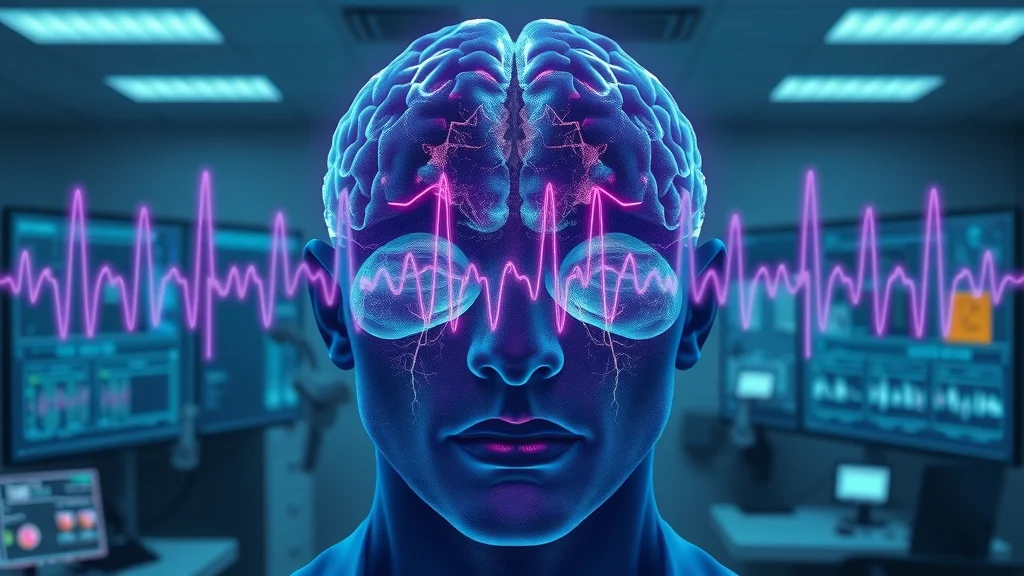
The hypnotic state triggers measurable changes in brain activity, heart rate, and consciousness. Using technologies like EEGs (electroencephalograms) and fMRI scans, researchers observe shifts in brainwave patterns—theta and alpha waves increase—indicating a deep, focused relaxation distinct from ordinary wakefulness or sleep. This altered neural state is closely associated with hypnotic susceptibility, making it easier for suggestions to bypass conscious resistance and reach the subconscious mind.
During hypnotic induction, these brainwave modifications coincide with physiological changes such as slowed heart rate and reduced pain intensity, especially for people highly susceptible to hypnosis. This altered state enhances the individual’s ability to follow hypnotic suggestions, offering clear neurological support for the clinical use of hypnosis in anxiety, chronic pain, and other health concerns.
Neuroscientific Insights Into Hypnosis Susceptibility
- Brainwave patterns in a hypnotic state: High and low hypnotizability are reflected in distinct patterns. Highly hypnotizable people show increased connectivity between sensory areas and improved modulation of pain signals.
- How hypnotic induction creates altered states: Techniques guide attention inward, increasing openness to suggestion while quieting conscious criticism. The hypnotic experience correlates with specific neural changes that enhance absorption and focus.
- Connection between susceptibility to hypnosis and chronic pain management: Individuals with high hypnotic susceptibility benefit most from hypnotic analgesia, exhibiting greater reduction in pain intensity and improved pain control outcomes.
Factors Affecting Susceptibility to Hypnosis
- Genetics and family history: Research hints that hypnotic susceptibility may run in families, with heritability playing a role in one's ability to experience a hypnotic state.
- Age and life stage: Children and young adults often display higher openness to experience and suggestibility, which can increase clinical hypnosis efficacy. Susceptibility may shift as people age.
- Cultural and societal influences: Beliefs about hypnosis and mental health, as well as exposure to hypnotic techniques, shape an individual's willingness and responsiveness. Societies emphasizing self-control or skepticism can reduce susceptibility.
- Previous experiences with hypnosis: Prior positive experiences or familiarity with hypnotic induction improve openness and responsiveness, while negative or skeptical attitudes can create a barrier to entering a hypnotic state.
Hypnotic Induction Techniques and the Role of Hypnosis Susceptibility
The success of hypnotic induction largely depends on individual susceptibility to hypnosis. Different techniques are designed to accommodate a range of hypnotic profiles—from those who are highly hypnotizable to those who display low hypnotizability. Identifying the right induction strategy makes the hypnotic state accessible and effective for people with varying levels of responsiveness.
Highly susceptible individuals may transition quickly into deep hypnosis with standard relaxation or suggestion methods. Those with lower hypnotic susceptibility often require specialized cognitive-behavioral approaches, emphasizing focus and structured relaxation protocols. Personalizing the induction technique enhances the therapeutic reach of clinical hypnosis, allowing more people to benefit from hypnotic analgesia and related applications.
Popular Methods for Hypnotic Induction Based on Susceptibility to Hypnosis
- Progressive relaxation and visualization: This gentle approach uses soothing verbal cues and guided imagery to calm the mind and body, leading the subject into a receptive hypnotic state. Particularly effective for those with moderate to high openness to experience.
- Eye fixation approach: Traditional hypnotists may use a fixed object (like a swinging pendulum or spot on the wall) to focus the subject's attention and bypass conscious resistance. This is often helpful for first-time participants or skeptics.
- Cognitive-behavioral hypnotic induction: This method combines structured relaxation with guided cognitive tasks, such as counting or breath awareness, tailoring the process for low hypnotizability individuals or those with analytic personalities.

Hypnotic Analgesia: Using Hypnosis for Chronic Pain and Medical Conditions
Hypnotic analgesia stands as one of the most validated and practical uses of clinical hypnosis, particularly among individuals who are highly susceptible to hypnosis. Extensive research links higher hypnotic susceptibility scores with greater reductions in pain intensity, improved pain control, and even less need for medication during chronic pain management. In hospitals and clinics, hypnosis is now regularly integrated into pain management programs, especially for conditions like fibromyalgia, arthritis, and procedural pain.
Therapists often assess hypnotic susceptibility before beginning hypnotic analgesia protocols. High hypnotizability not only boosts the effectiveness of hypnotic suggestions for pain relief but also predicts higher satisfaction and better clinical outcomes. As a non-invasive, drug-free option, hypnotic analgesia offers hope to patients seeking alternatives for chronic pain, provided they or their therapist understand their unique susceptibility to hypnotic states.
Does Hypnosis Susceptibility Enhance Pain Relief?
"High hypnotic susceptibility predicts better outcomes in hypnotic analgesia for chronic pain."
- Medical uses of hypnotic analgesia: It is applied for post-surgical recovery, cancer pain, childbirth, and dental procedures—often reducing perception of pain intensity and anxiety without medication.
- Research linking susceptibility to hypnosis and pain management: Studies at institutions like University College have shown a significant correlation between high hypnotizability and successful pain control during clinical hypnosis sessions.
- Clinical implications for therapy: Understanding a patient's place on the hypnotic susceptibility scale informs therapy choices and predicts whether hypnotic induction will result in meaningful pain modulation.

Are People with ADHD More Susceptible to Hypnosis?
A common question in both clinical and educational circles is whether individuals with ADHD are more susceptible to hypnosis. Neurodevelopmental differences associated with ADHD—such as heightened distraction, deep absorption in favored activities, and variable attention span—create a unique susceptibility profile. Although some believe that ADHD's impulsivity and creativity might increase hypnotizability, research paints a nuanced picture. While those with strong imaginative capabilities often respond well to hypnotic induction, distractibility can sometimes hinder their ability to maintain the focused attention required for deep hypnosis.
Therapists working with teens or adults with ADHD often adjust hypnotic induction techniques to encourage concentration, structured visualization, and clear, repeated instructions. The relationship between ADHD and hypnosis susceptibility remains an evolving field, with ongoing studies investigating how these neurodevelopmental differences affect responsiveness to hypnotic suggestion and clinical hypnosis for mental health and pain control.
Hypnosis Susceptibility and Neurodevelopmental Differences
ADHD is just one example of how neurodivergence may impact the hypnotic experience. Individuals with heightened absorption or engagement in imaginative tasks—whether due to ADHD or other factors—may find some aspects of hypnosis more accessible, but often require additional support to sustain the hypnotic state. Understanding these differences helps therapists personalize both assessment and intervention for mental health and pain modulation.

What is a Common Test of Hypnosis Susceptibility?
If you’ve ever taken part in a psychology experiment or explored clinical hypnosis, chances are you’ve encountered the Harvard Group Scale of Hypnotic Susceptibility or the Stanford Hypnotic Susceptibility Scale. These tests are the “gold standards” for assessing how easily someone enters a hypnotic state and responds to suggestions. Typically, participants are guided into a relaxed state and given a series of standardized suggestions: imagine your arm floating upward, forget a number, or hallucinate a taste or sound. Reactions are observed and scored according to the established scale.
Other practical methods include self-report questionnaires and behavioral assessments, sometimes administered by a clinical psychologist trained in hypnosis. Interpreting these results not only maps individual hypnotic profiles but also predicts how effective therapeutic hypnosis or hypnotic analgesia sessions will be for pain control, behavior change, or stress management.
Practical Overview of Hypnotic Susceptibility Scales
When a clinical psychologist reviews your results—whether from the Harvard group scale or a custom clinical battery—they’ll look for the ability to experience spontaneous motor responses, follow complex hypnotic suggestion, or achieve partial amnesia for posthypnotic events. This comprehensive assessment helps ensure that any hypnotic induction technique is matched to your unique cognitive style and psychological needs.

Why Aren't Some People Susceptible to Hypnosis?
Despite its proven therapeutic value, not everyone is easily hypnotized. Barriers to hypnotic susceptibility include ingrained skepticism, fear of losing control, or a strong preference for independent thinking. Analytical or deeply self-conscious personalities often have difficulty relaxing into the focused attentiveness hypnosis demands. Additionally, cultural attitudes toward hypnosis—ranging from acceptance to suspicion—can influence both willingness and outcome.
It’s also worth noting that susceptibility to hypnosis functions along a spectrum. Low hypnotizability is not a flaw, but simply a difference. Some individuals may benefit from alternative relaxation or mind-body therapies if standard hypnotic induction proves ineffective. The best clinical outcomes occur when therapists recognize and adapt to each person's unique hypnotic profile.
Barriers to Hypnotic Susceptibility
Common obstacles include lack of trust in the process, high anxiety, or unfamiliarity with hypnotic suggestions. Awareness and reassurance can help lower these barriers, as can flexible, personalized hypnotic induction techniques. Ultimately, hypnotic susceptibility is only one part of a broader toolkit for achieving therapeutic change or pain control.

What Percent of People Are Susceptible to Hypnosis?
Population studies using standardized scales consistently reveal that hypnotic susceptibility follows a bell curve. Approximately 10-15% of adults are highly susceptible to hypnosis and can easily achieve deep hypnotic states. Around 70% display moderate responsiveness, benefiting from most hypnotic suggestions or induction techniques. The remaining 15-20% are considered low in hypnotizability—meaning they may require alternative approaches to achieve similar therapeutic results.
This distribution holds true across cultures and age groups, although individual profiles can shift with experience, training, and increased openness to experience. Understanding these statistics demystifies hypnosis and encourages more people to explore their own capacity for focused attention, clinical hypnosis, or self-hypnosis.
Population Statistics on Hypnosis Susceptibility
Whether you fall into the high, moderate, or low hypnotizability group, your ability to experience a hypnotic state is shaped by both innate and learned factors. Participation in group scale testing, self-assessment, or clinical hypnosis means you can discover your place on the hypnotic susceptibility spectrum—and use it as a starting point for self-development, therapy, or pain modulation.
Debunking Myths: Hypnotic Susceptibility Misconceptions
- Myth: Only gullible people are susceptible to hypnosis. In reality, people across the intelligence spectrum—including highly analytical or creative minds—can be deeply hypnotizable.
- Myth: High intelligence means low susceptibility. Numerous studies show no link between intelligence level and hypnotic susceptibility; openness and absorption matter much more.
- Myth: Hypnotic susceptibility cannot be measured. Standardized tools like the Harvard Group Scale and Stanford Hypnotic Susceptibility Scale reliably assess an individual’s responsiveness to hypnotic suggestion.

FAQs on Hypnosis Susceptibility
-
Can susceptibility to hypnosis be improved?
Many people can increase their hypnotic responsiveness with practice, openness, and repeated exposure to hypnotic induction. Engaging in guided relaxation, meditation, or clinical hypnosis often enhances receptivity to hypnotic suggestions over time. -
Is hypnotic susceptibility permanent or changeable?
While baseline susceptibility is relatively stable, especially in adulthood, it can shift somewhat through training, therapy, or changes in mindset. Children and young adults, for example, tend to be more flexible in their hypnotic susceptibility. -
Does cultural background influence susceptibility?
Yes—attitudes toward mental health, suggestibility, and self-control can either increase or decrease someone’s openness to hypnotic experiences. Cultures that embrace imagination or healing rituals may foster higher responsiveness to hypnosis. -
Are there dangers to being highly susceptible to hypnosis?
For most people, high susceptibility presents more opportunities than risks—enabling effective pain control and self-improvement. However, working with qualified hypnotherapists ensures safety and ethical practice during clinical hypnosis sessions.
Key Takeaways on Hypnosis Susceptibility and Its Implications
- Multiple factors influence hypnosis susceptibility, including psychology and biology
- Testing can reveal unique individual hypnotic profiles
- Hypnotic susceptibility relates to the effectiveness of therapeutic hypnosis
Engage Further: Explore Your Own Hypnotic Potential
The science of hypnotic susceptibility suggests we each carry the seeds of transformative focus, creativity, and self-healing. Whether you’re highly hypnotizable or simply curious, learning about your hypnotic profile can spark new paths for wellness, pain control, and self-discovery. Consider exploring guided clinical hypnosis, mindfulness, or relaxation—openness may reveal unexpected strengths within your mind.
If you’re inspired to deepen your understanding of altered states and how they can support personal growth, consider broadening your perspective beyond hypnosis alone. Exploring the nuanced relationship between hypnosis and meditation can illuminate new strategies for cultivating focus, relaxation, and self-awareness. By comparing these practices, you’ll gain insight into which approach—or combination—best aligns with your goals for mental clarity, stress reduction, or self-improvement. For a comprehensive exploration of these transformative techniques, visit the guide on the differences between hypnosis and meditation and discover how each can unlock unique pathways to well-being.




Write A Comment