

Did you know that up to 70% of people experience meaningful shifts in pain perception during a hypnosis session—without ever losing their sense of control or awareness? The power of hypnosis perception challenges persistent myths, inspiring curiosity about how a simple suggestion can reshape your experience of reality. In this article, I’ll share expert opinion and research-backed evidence to demonstrate how hypnotic suggestion can modulate sensory input, influence brain activity, and empower you—all while you remain in charge of your own mind.
Revealing the Unexpected: Startling Facts About Hypnosis Perception
When most people think about hypnosis perception, flashy entertainers and scenes of lost agency often come to mind. However, the reality is far different and far more fascinating. According to the American Journal of Clinical Hypnosis, clinical and experimental hypnosis studies consistently reveal that pain perception can be dramatically reduced through hypnotic suggestion—in some cases, outperforming traditional control conditions used in research. Notably, these changes happen even though individuals report feeling fully aware and in a waking state.
Research in the Journal of Clinical Hypnosis goes further: participants subjected to hypnotic suggestion show measurable changes in brain activity, especially in regions linked to attention and sensory processing, such as the anterior cingulate and dorsolateral prefrontal cortex. These findings challenge outdated narratives that associate hypnosis perception with a loss of autonomy or agency. In contrast, we see a modality that enhances personal control by focusing the mind’s resources.

"Research shows hypnosis can modulate perception without stripping away personal agency — a nuance often overlooked in mainstream discussions."
What You'll Learn About Hypnosis Perception and Control
- How hypnosis reshapes perception without diminishing autonomy
- Insights into brain activity and brain regions involved during hypnosis perception
- The interplay between hypnotic suggestion, pain perception, and awareness
- Common myths and truths about hypnosis perception

Understanding Hypnosis Perception: Fundamentals and Misconceptions
At its core, hypnosis perception refers to the way hypnotic suggestion actively shapes our sensory experience—without erasing self-awareness or the ability to exercise choice. While the international journal of clinical and behavioral sciences both note the dramatic results achievable in experimental hypnosis, misconceptions remain deeply rooted. Pop culture dramatizes hypnosis sessions as a surrender of will, when clinical and experimental hypnosis proves the opposite: agency is preserved.
One of the biggest misconceptions is the belief that, under hypnosis, people become mere puppets. Yet, accounts from the journal of clinical hypnosis highlight that even highly hypnotizable subjects resist suggestions that conflict with their morals or values. The process of entering a state of hypnosis may resemble deep focus or meditative absorption, but the brain activity measured using fMRI and other imaging methods shows retention of decision-making faculties, especially in the prefrontal cortex and other brain regions linked to executive function.
Interestingly, the distinctions between hypnosis and other altered states, such as meditation, often come up in discussions about perception and control. For a deeper look at how these practices compare in terms of awareness and cognitive shifts, you might find it helpful to explore the key differences between hypnosis and meditation and how each uniquely influences the mind.
Demystifying Hypnotic Suggestion in Hypnosis Perception
Hypnotic suggestion lies at the center of hypnosis perception. The phenomenon doesn’t override logical thought or erase identity—instead, it leverages highly suggestible states to recalibrate how thin lines between sensation and reality are perceived. The experimental hypnosis literature indicates that while suggestion can shift how the brain interprets pain signals or visual input, subjects retain a robust sense of self—something not portrayed in theatrical representations. Hypnotic suggestion typically requires a willing participant, and its effects are temporary and context-dependent.
Studies in the american journal of clinical hypnosis show that well-crafted suggestions can dampen pain perception or heighten sensory awareness. The dorsal anterior cingulate and dorsolateral prefrontal cortex are activated during this process, representing brain regions that govern attention, monitoring, and self-checks. Far from rendering the subject passive, these neural pathways support active engagement with internal experiences, reinforcing that hypnosis perception is participatory rather than coercive.
Challenging Loss of Control: How Hypnosis Perception Differs from Pop Culture Narratives
Contrary to fictionalized accounts, entering a state of hypnosis does not strip away free will or self-control. Extensive hypnosis research documents that suggestions requiring actions out of character or against moral judgment are consistently rejected by subjects. The clinical and experimental hypnosis community takes great care to distinguish between entertainment-based portrayals and the clinical reality.
In a hypnosis session conducted for clinical hypnosis or research, practitioners find that participants remain in a waking state—alert, observant, and able to break the trance at any time. This means hypnosis perception, if anything, showcases the mind’s adaptability and resilience. The brain region responsible for voluntary action—the prefrontal cortex—remains engaged throughout, acting as a safeguard for autonomy. Thus, the fear of being overpowered during a hypnosis session is more myth than fact.

How Hypnosis Perception Influences Pain Perception
Perhaps the most well-understood benefit of hypnosis perception is its impact on pain perception. For patients struggling with chronic pain, migraine, or even acute discomfort during medical procedures, hypnotic suggestion offers a drug-free pathway to relief. Trials published in the journal of clinical hypnosis and other peer-reviewed journals show that the application of clinical hypnosis can substantially lower subjective pain scores compared to the control condition.
What’s happening in the brain? fMRI studies and research in the american journal reveal that specific areas of the brain, including the anterior cingulate cortex and the dorsolateral prefrontal cortex, show changes in activity. This alteration in brain activity appears to disrupt the normal flow of pain signals—effectively muting their impact—yet the subject's awareness remains intact. This underscores how hypnosis perception is unlike medication: it empowers the mind to reinterpret incoming signals, not to silence consciousness.
Scientific Insights: Brain Activity and Hypnosis Perception
Scientific interest in hypnosis perception has accelerated in the past decade, particularly concerning the relationship between brain activity and hypnotic suggestion. Analytical imaging in clinical and experimental hypnosis has demonstrated that, during hypnosis sessions, brain regions connected to attention management and pain processing—such as the cingulate cortex and dorsolateral prefrontal cortex—“light up” compared to the control condition.
These findings debunk the misconception that hypnosis is akin to a sleep state or unconsciousness. Instead, the dorsal anterior cingulate becomes more attuned to suggestion, while the prefrontal cortex moderates the selective suspension of certain sensory filters. This means highly hypnotizable individuals experience vivid perceptual changes, yet retain the critical faculties necessary for safe practice. The difference between hypnosis and normal perception comes down to which regions are more engaged and what functional outcomes result.
| Aspect | Under Hypnosis | Normal Perception |
|---|---|---|
| Pain Perception | Can be diminished through hypnotic suggestion | Unaffected |
| Awareness | Maintained | Maintained |

Clinical Applications: Hypnosis Sessions for Pain Perception
- Chronic pain management
- Reducing discomfort during medical procedures
- Migraine relief
As these clinical applications illustrate, the effects of hypnosis extend beyond mere relaxation—they provide a practical tool for redirecting attention and modifying pain perception pathways in the brain. In every hypnosis session focused on pain, the goal is to harness the subject’s innate capacity for self-regulation and targeted focus, rather than dependence on external agents.
The Brain Region Connection: Hypnosis Perception and Brain Activity
Behind hypnosis perception lies a complex interplay of brain region activation. Neuroimaging has allowed scientists to map areas of the brain that respond to hypnotic suggestion, highlighting both the precision and subtlety of this process. In their clinical and experimental hypnosis articles, neuroscientists often reference the anterior cingulate and prefrontal cortex as control centers for selective attention and evaluation.
It is within these brain regions that thin lines are drawn between automatic response and conscious oversight. Hypnosis perception, through a hypnosis session, activates networks associated with focus, intent, and sensory reinterpretation. The result? Subjects often describe experiences that are highly absorbing and vivid, yet never out of their conscious grasp. Functional MRI (fMRI) continues to reveal more about how hypnotic suggestion can enhance or diminish certain patterns of brain activity—shedding light on why some individuals are more highly hypnotizable than others.
Mapping Brain Regions Activated by Hypnosis Perception
Imaging studies repeatedly find increased blood flow and activity in the anterior cingulate cortex and prefrontal cortex during states of hypnosis. These areas are known to mediate both self-reflection and action planning. According to the international journal of clinical, subtle differences in these regions can predict a subject’s probable response to hypnotic suggestion. This points to the importance of individual variation—a fact underscored in experimental hypnosis literature, where hypnotic susceptibility is a subject of ongoing debate.
The functional mapping of these brain regions during hypnosis perception suggests that, compared to the control condition, individuals in a state of hypnosis retain—or even amplify—their ability to monitor internal experience. The role of dorsal anterior cingulate and dorsolateral prefrontal cortex is critical here, supporting both the top-down influence of suggestion and the bottom-up processing of sensation. In short, hypnosis does not erase self; it spotlights selective engagement with experience.

fMRI Studies on Hypnosis Perception and Hypnotic Suggestion
Functional MRI (fMRI) has been transformative in explaining hypnosis perception. In recent years, studies in the journal of clinical hypnosis and in the behavioral sciences have identified significant changes in brain activity during hypnosis sessions. These shifts involve both increased and decreased activation in areas responsible for awareness, attention, and sensory filtering—confirming that hypnosis perception is a dynamic, not dormant, state.
One landmark finding: the cingulate cortex becomes a hotspot for hypnotic suggestion, especially when pain perception is the focus. Compared to the control, individuals under hypnosis reliably engage brain regions necessary for strong mental imagery and self-reflection. These neural differences may explain why clinical and experimental hypnosis yields such promising outcomes for pain management and other perceptual shifts.
"Modern neuroimaging highlights how hypnosis perception selectively influences specific brain regions, subtly steering sensory experience."
Hypnotic Suggestion in Practice: Real-World Hypnosis Sessions
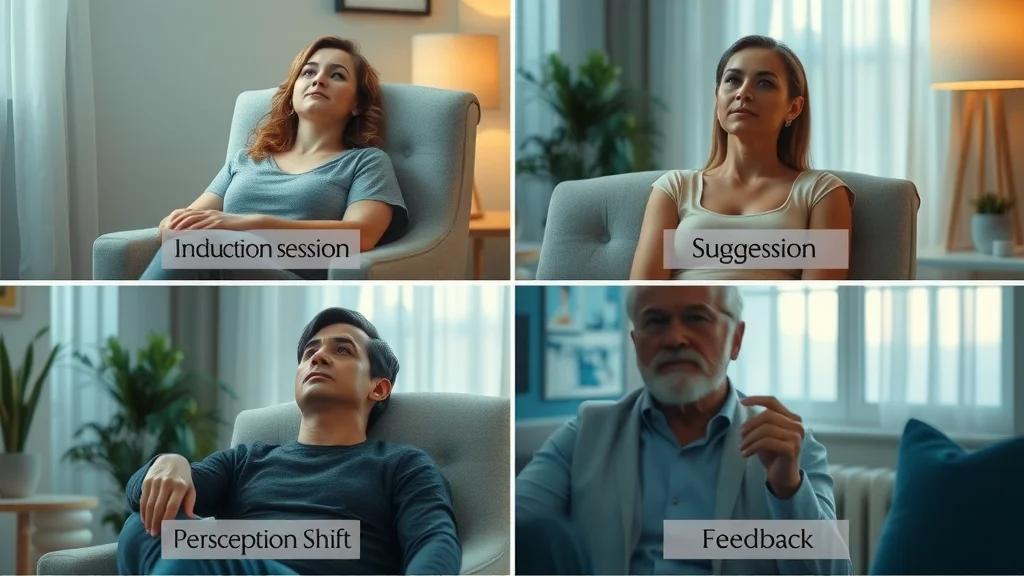
So, how are these scientific insights translated into clinical practice or day-to-day hypnotherapy? In a real-world hypnosis session, the therapist begins with gentle guidance to induce relaxation, followed by carefully tailored hypnotic suggestion targeting the client’s goal—be it a shift in pain perception, anxiety reduction, or behavioral change. The subject’s experience is never one of unconsciousness, but rather, of enhanced receptivity.
Feedback and interaction play a crucial role. Clients frequently report an altered perception—colors may seem brighter or pain less intense—while remaining aware of the therapist’s voice and their own environment. This stepwise approach, informed by both research and client feedback, helps ensure the effects of hypnosis remain beneficial and client-centered. In my opinion, having observed many sessions and outcomes, hypnosis perception deserves to be recognized as a tool for empowerment, not manipulation.
How Hypnosis Sessions Utilize Hypnotic Suggestion for Perception Change
The strategy underlying perception change is both art and science. Skilled practitioners employ hypnotic suggestion to guide attention toward specific sensations or mental images, often amplifying the client’s own ability to regulate sensation or emotion. The experimental hypnosis field confirms that acceptance and reintegration—guided by supportive feedback—are vital to a successful session.
Over time and through repeated hypnosis sessions, clients often become more receptive to suggestion, honing their ability to shift perception purposefully. Unlike stage hypnosis, therapeutic sessions maintain a framework where autonomy, insight, and feedback are built into each phase. In my informed view, the partnership model between therapist and client is one of the strongest indicators of successful, client-centric hypnosis perception.

Step-by-Step Flow of a Typical Hypnosis Session Aimed at Shifting Perception
- Relaxation induction
- Focused hypnotic suggestion
- Perceptual shifts and feedback
- Acceptance and reintegration
| Step | Description |
|---|---|
| Induction | Guided relaxation to alter state of awareness and susceptibility |
| Suggestion | Targeted cues to shift perception (e.g., pain, color, sound) |
| Feedback | Client describes altered perception while fully aware |
Agency Preserved: The Truth About Awareness in Hypnosis Perception
One of the least understood truths about hypnosis perception is that awareness remains nearly always intact. According to leading experts referenced in the american journal of clinical hypnosis, not even the most profound state of hypnosis can force someone to act against their will, values, or safety. Instead, hypnosis perception works by inviting focused attention and suggestibility, while each client remains able to reflect, choose, and even exit the trance at will.
This reality has great ethical importance, especially as clinical hypnosis becomes more mainstream in pain clinics and counseling settings. Autonomy and self-direction are never suspended—hypnosis works in partnership with, not in opposition to, personal agency.
Are You Truly Aware During Hypnosis Perception?
The simple answer is yes: most subjects report clear, sometimes even enhanced, awareness of both their internal experience and external surroundings during hypnosis perception. The “waking state” analogy is often used in the journal of clinical hypnosis to emphasize the difference between genuine trance and sleep or unconsciousness. While the boundaries between voluntary action and automatic response may soften, the core self remains constantly present throughout the process.
If you've ever wondered whether you could be made to do something embarrassing or unethical during a hypnosis session, rest assured that your critical faculties—and your sense of agency—are consistently enforced by the very brain regions that govern executive function. This is the central misunderstanding corrected by clinical and experimental hypnosis research: while suggestion is powerful, it is never all-powerful.

Expert Perspectives: Maintaining Autonomy Through Hypnotic Suggestion
Experts underscore that those in a state of hypnosis still retain choice and self-determination. The process supports, rather than overrides, inner guidance. The journal of clinical hypnosis notes that even the most highly hypnotizable individuals reject commands inconsistent with their goals or ethics. This is evidence of the enduring partnership dynamic between hypnotist and client—a clinical and moral safeguard that distinguishes ethical hypnosis practice.
From a neurobiological standpoint, as revealed through fMRI and behavioral sciences, the same brain regions responsible for willpower and critical thought remain engaged. This is why every ethical hypnosis session emphasizes informed consent, collaborative goal-setting, and continuous, open communication.
Myth or Reality: The Rule of 7 in Hypnosis Perception
The so-called ‘rule of 7’ is a widely circulated belief within hypnosis circles: it claims that a suggestion must be repeated at least seven times to be effective. But is this rule rooted in scientific fact or merely a persistent myth?
According to the international journal of clinical, the number of repetitions required for a hypnotic suggestion to take hold varies significantly from individual to individual. Hypnotic susceptibility, personal goals, and the context of the hypnosis session all influence outcome. While the rule of 7 offers a practical guideline for practice, it’s not a rigid benchmark seen in clinical trials or experimental hypnosis studies. The effectiveness of suggestion is a dance between practitioner skill, participant engagement, and the targeted brain activity in regions primed for change.

Exploring the Origins and Validity of the Rule of 7 in Hypnosis Sessions
The 'rule of 7' may have originated from early behavioral experiments, where repetition was deemed essential for cementing new associations. However, as research in clinical and experimental hypnosis shows, some individuals experience rapid effects after only a few repetitions, while others need more iterative suggestion. This is also why skilled practitioners customize the approach during each hypnosis session.
Ultimately, the rule acts as a reminder of the power of focused attention, not as an obligatory step. As supported by accounts published in the american journal and international journal of clinical hypnosis, success is measured by functional outcomes—like decreased pain perception and empowered agency—rather than by arbitrary repetition counts.
Hypnosis Perception in Light of Religion and Morality
For those intrigued by the morality of hypnosis perception within a spiritual framework, scriptural context is key. Many inquire whether hypnosis is ethically neutral, manipulative, or expressly forbidden. The Bible, often referenced in Western religious discourse, has been widely interpreted on this point.
Most theologians agree that neither the Old nor New Testament mentions hypnosis by name. Instead, religious concern is mostly directed toward practices involving deceit, coercion, or the loss of free will. Contemporary analyses in behavioral sciences highlight the naturalness of hypnotic states—comparable, for instance, to deep prayer or meditation. Ethically applied, hypnosis perception guided by informed consent and therapeutic intent is rarely condemned in mainstream spiritual texts.
What the Bible Says About Hypnosis Perception: Scriptural Contexts
In reviewing scriptural texts, scholars often point out that practices designed for mental clarity, healing, or increased compassion are permitted—so long as they aren’t manipulative or exploitative. The Bible’s silence on hypnosis perception is generally viewed as tacit permission for beneficial applications, especially those free of cult-like control or deception. In other words, a clinical hypnosis session that preserves agency and promotes healing aligns with most faith traditions.
In my view, when examined honestly within both theological and scientific frameworks, the practice of hypnosis perception can be comfortably separated from the ethical pitfalls of coercion or loss of self. Thus, spiritual concerns are more about motives and misuse than about the practice itself.
"Hypnosis perception, when separated from manipulation or coercion, is rarely condemned in spiritual texts as loss of control."

People Also Ask About Hypnosis Perception
How does hypnosis affect perception?
Hypnosis affects perception by altering how the brain interprets sensory signals, often leading to diminished pain perception or changes in awareness without causing unconsciousness.
What is the rule of 7 in hypnosis?
The 'rule of 7' in hypnosis refers to the idea that at least seven repetitions of a suggestion are needed for effective hypnosis perception, though research suggests effectiveness varies individually.
Are you aware when you're hypnotized?
Most individuals remain fully aware during hypnosis perception, capable of critical thinking and personal agency while responding to hypnotic suggestion.
What does the Bible say about hypnosis?
The Bible does not directly discuss hypnosis perception, but interpretations generally separate therapeutic use from practices condemned as manipulative or exploitative.
Key Takeaways on Hypnosis Perception, Brain Activity, and Control
- Hypnosis perception does not equate to loss of control.
- Brain activity and brain regions are selectively engaged during hypnotic suggestion.
- Clinical hypnosis sessions effectively use guided suggestion to shift perception, especially pain perception.
- Awareness is maintained throughout hypnosis perception.
Frequently Asked Questions About Hypnosis Perception
- Is hypnosis perception safe for everyone?
- Can hypnotic suggestion help with chronic pain?
- How long does a hypnosis session last?
- Are hypnosis sessions effective over time?
Expert Explainer: Professional hypnotherapist discusses, with visual aids and simple animations, how hypnosis influences perception while preserving autonomy and agency. Set in a bright, modern clinical office with clear real-life case material and supportive graphics. Duration: 3 minutes.
This video provides a neuroscience-focused overview of which brain regions are engaged during hypnosis perception, using simple animations and research highlights.
Summary and Reflections on Hypnosis Perception and Personal Agency
Discover how hypnosis perception could help enhance your wellbeing—consult a certified hypnotherapist today to explore safe and effective hypnosis sessions.
In summary: Hypnosis perception offers a science-backed approach to shifting pain and awareness while always preserving autonomy and control.
If you’re interested in expanding your understanding of how altered states can support personal growth and wellbeing, consider exploring the nuanced relationship between hypnosis and meditation. By learning how these practices differ in their approach to awareness, focus, and self-regulation, you can make more informed choices about which modality best aligns with your goals. For a comprehensive comparison and actionable insights, visit this in-depth guide on hypnosis versus meditation. Delving into these distinctions can empower you to harness the unique benefits of each, whether you seek relaxation, pain relief, or deeper self-awareness. The journey to mastering your mind starts with understanding your options—take the next step and discover which path resonates most with you.




Write A Comment