

Imagine being able to create a calm, focused mindset on demand—redirecting stress and shaping your habits by simply closing your eyes for a few minutes each day. With the right self hypnosis routine, this isn’t just possible; it's practical and attainable for anyone. This guide will help you understand the science and art of self hypnosis, outline the steps to make it a lasting routine, and reveal how these powerful techniques can transform your thoughts and daily life.
Establishing Your Self Hypnosis Routine: An Overview
Starting a self hypnosis routine is about more than just learning a relaxation trick. It’s an intentional commitment to personal development that brings significant rewards over time. Unlike guided hypnosis, where a practitioner leads the process, self hypnosis puts the control directly in your hands. This autonomy makes it easier to practice regularly and tailor sessions to your needs. Self hypnosis routines empower you to leverage the power of your subconscious mind and the benefits of hypnosis to achieve meaningful, positive change in your habits, mindset, and overall health.
Why is building a self hypnosis routine so important? Consistency is the secret for long-term growth. Regular practice helps you experience the potential benefits—including stress management, better sleep, support for weight loss, and a stronger, more resilient mental state. Unlike one-off sessions, a consistent routine allows you to reinforce positive suggestions and thought patterns, making it easier to form lasting habits and maintain a relaxed state even when life feels overwhelming. Whether you’re looking to manage anxiety, promote weight loss, or simply reset your mindset, a personalized self hypnosis practice holds significant potential for personal growth.
- Why building a self hypnosis routine matters
- Self hypnosis versus guided hypnosis
- Potential benefits of a self hypnosis routine for long-term growth
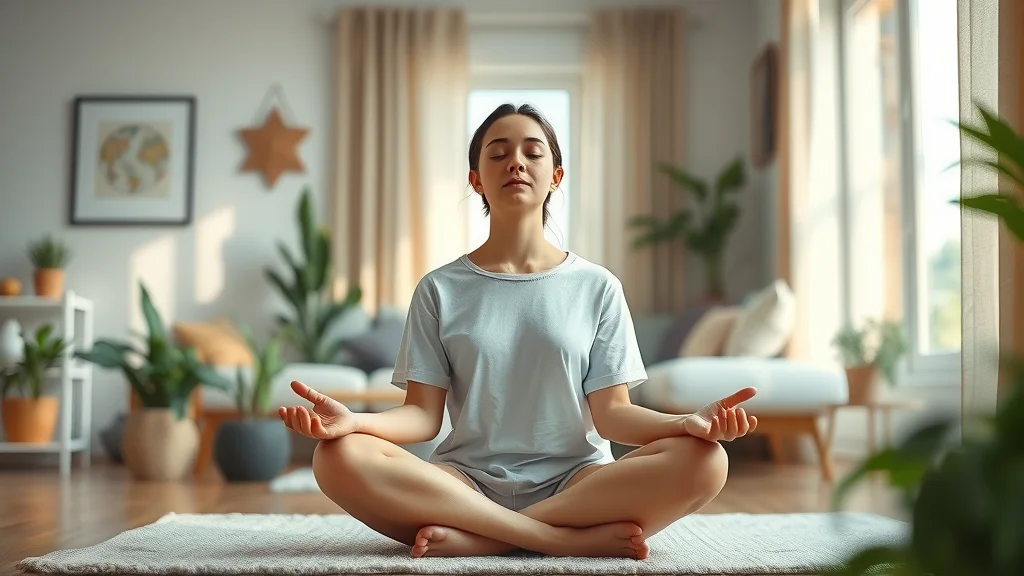
What You'll Learn in This Guide to Self Hypnosis Routine
Ready to empower yourself with practical, science-based strategies? This guide will illuminate the core principles of creating a lasting self hypnosis routine, the mindset and neuroscience behind effective self hypnosis, and the practical tools and techniques that can support your progress—for improved mental health, habit change, and long-term well-being.
With actionable advice, relatable examples, and stepwise instructions, you’ll discover how to personalize your approach, overcome common obstacles, and truly reap the rewards self hypnosis routines can offer. Let’s dive in!
- Key principles of lasting self hypnosis routines
- The science and mindset behind self hypnosis
- Tools and techniques to support your practice
Understanding the Power and Potential Benefits of Self Hypnosis Routines
How Self Hypnosis Routine Transforms Mindset
The process of creating a self hypnosis routine is rooted in harnessing the power of suggestion and focused relaxation to rewrite unhelpful thought patterns. By entering a relaxed, highly focused state—also known as a hypnotic state or trance—you access the subconscious mind, where ingrained beliefs and habits dwell. This makes it possible to rewire those beliefs with positive suggestions, directly targeting unwanted behaviors or thoughts. Over time, this can transform your emotional responses and reshape the way you perceive challenges or stressors.
One of the most exciting aspects of a self hypnosis routine is its ability to provide a foundation for ongoing personal growth. Practicing regularly not only improves your ability to relax and manage stress, but also trains your mind to adopt healthier perspectives, leading to improvements in mental health and well-being. The power of suggestion, when applied in these deeply relaxed states, makes it easier to establish new, beneficial habits and interrupt cycles of negative thoughts or behaviors.
Potential Benefits of a Consistent Self Hypnosis Routine
Building a consistent self hypnosis routine opens the door to a wealth of potential benefits. Regular sessions can decrease anxiety, help you fall asleep faster, reduce chronic pain, promote weight loss, and generally support positive change across many areas of life. The adaptive nature of hypnosis techniques allows you to customize your approach, targeting the thoughts and emotions that matter most for your situation.
Studies and anecdotal experience alike point toward benefits such as reduced stress, improved focus, and better management of health issues and emotional eating. Even just a few minutes of deep breathing and progressive muscle relaxation as part of your daily routine can reinforce calm, help address unhelpful thought patterns, and boost your resilience. The cumulative effect of daily practice is what makes it easier to sustain positive habits and overcome setbacks for lasting progress.
As you explore the benefits of self hypnosis, you might also be curious about how it compares to other mind-body practices. Understanding the distinctions and overlaps between hypnosis and meditation can help you choose the right approach for your personal growth. For a detailed comparison, see how hypnosis and meditation differ and complement each other.
Brief introduction: What is self hypnosis and how does it work?
The Science Behind Self Hypnosis Routine
Cognitive and Emotional Mechanisms of Self Hypnosis Routines
When you follow a structured self hypnosis routine, you’re actively leveraging mechanisms within both your conscious mind and subconscious mind. The ritual of relaxing, focusing your attention, and using positive suggestions initiates changes in your brain’s activity, shifting you from a state of alertness to one with improved receptivity. This highly focused state, often compared to meditation, allows you to access the subconscious mind—which governs many of your ingrained thoughts, feelings, and behaviors.
Scientific research has shown that self hypnosis routines can induce a relaxed state, reducing mental tension, eye strain, and the impact of stress hormones. This not only supports psychological well-being, but also bolsters your ability to manage chronic pain and emotional eating. When practiced regularly, these routines train your mind to respond differently to triggers, supporting new, healthier pathways in your brain—a phenomenon known as neuroplasticity.
“A daily self hypnosis routine is like pressing a reset button for your mind” – Hypnotherapy Expert
Self Hypnosis Routine Research: What Experts Say
Experts in clinical hypnosis suggest that while guided sessions provide valuable support for mental health issues, self hypnosis routines offer unique long-term advantages. Recent studies highlight the potential benefits in supporting weight loss goals, improving sleep quality, and enhancing overall mental health. The structured use of positive affirmations, progressive muscle relaxation, and visualization techniques have all been validated as effective for personal growth and wellness.
In particular, systematic and regular exposure to hypnotic trance states appears to quiet mental noise and enhance focus, making it easier to reinforce healthy behaviors and reduce the grip of unhelpful thoughts. Whether you're striving to overcome insomnia, reduce anxiety, or address health issues like chronic pain, experts agree that a sustainable self hypnosis routine can be a powerful tool in your personal development arsenal.

Step 1: Setting Realistic Goals for Your Self Hypnosis Routine
Every effective self hypnosis routine begins with clear, realistic intentions. Ask yourself: what do you want to achieve with your hypnosis sessions? Clarifying your intention—be it to reduce stress, manage weight loss, fall asleep more easily, or shift negative thought patterns—sets a direction for your practice. Once you identify your main goals, break them down into smaller, achievable milestones.
For example, if your overarching goal is to use hypnosis to promote weight loss, you might start by aiming to recognize and manage emotional eating triggers. For those struggling with anxiety, a milestone could be reducing the frequency or intensity of anxious thoughts during high-stress periods. The key is to set specific, measurable objectives that guide each session, ensuring your self hypnosis routine evolves along with your progress and supports positive change in daily life.
- Clarifying your intention
- Choosing achievable milestones
- Examples of goals for a self hypnosis routine
Step 2: Creating the Ideal Environment for Your Self Hypnosis Routine
Best Time and Place for Self Hypnosis Routine Practice
Environment heavily influences the effectiveness of your self hypnosis routine. The best results come when you choose a time and place that minimizes sensory distractions and supports relaxation. Many practitioners find early mornings or just before bedtime ideal, as these are natural transitions in your body’s rhythm and mental state. Select a quiet, comfortable spot with supportive seating (a cozy chair or mat is perfect) and a temperature that makes it easy to relax.
To further enhance the atmosphere, pay close attention to lighting, sound, and comfort. Gentle, natural light or dimmed lamps help set a tranquil mood, while soft background music or calming soundscapes can speed the transition into a hypnotic state. Set aside devices that could interrupt your session, and consider adding subtle touches like a favorite blanket, essential oils, or soft pillows. With a thoughtfully crafted space, your mind will more quickly associate this environment with calm, focused self hypnosis practice.
- Sensory distractions to avoid
- Atmospheric enhancements: lighting, sound, comfort
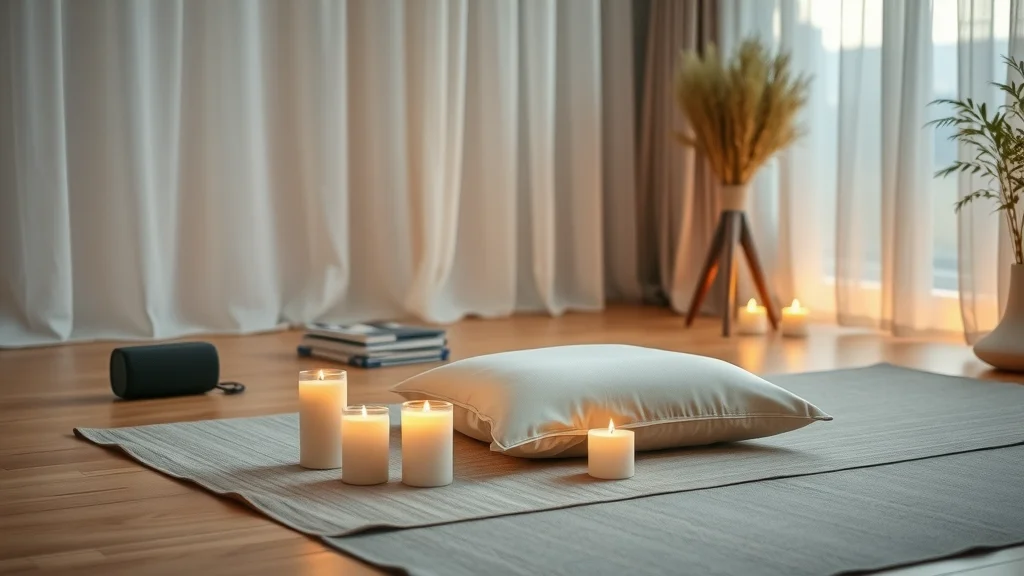
How to set up a calming space for your self hypnosis routine
Step 3: Mastering Self Hypnosis Techniques for a Sustainable Routine
Popular Techniques for Self Hypnosis Routines
There are several proven methods for entering a hypnotic trance as part of your self hypnosis routine. Three of the most popular include visualization and guided imagery, progressive muscle relaxation, and focus-counting and deep breathing. Visualization involves picturing yourself in a serene setting or imagining the desired outcome of your goal. This helps engage your subconscious and primes it for positive suggestions.
Progressive muscle relaxation is another effective technique. Starting at your toes and working upward, you gradually tense and then release each muscle group, signaling your body and mind to enter a relaxed state. Combined with slow, deep breaths, this method eases tension and prepares you for the power of suggestion. Alternatively, focus-counting (slowly counting down from ten to one, for example) while breathing deeply can guide your mind into the highly focused state necessary for self hypnosis. Experimenting with these hypnosis techniques will help you find the one that works best for your unique routine and goals.
- Visualization and guided imagery
- Progressive muscle relaxation
- Focus-counting and deep breathing

Step 4: Personalizing Your Self Hypnosis Routine for Lasting Results
Customizing Affirmations & Suggestions in Your Self Hypnosis Routine
For your self hypnosis routine to stick, it’s essential to make it your own. The most impactful self hypnosis sessions use customized affirmations—short, positive, and believable statements designed to promote specific change. Whether your goal is to support weight loss, shift your mindset, or address specific health issues, tailoring your affirmations ensures they directly resonate with your subconscious mind.
Keep affirmations present-focused and action-oriented: for instance, "I handle stress calmly and confidently," or "I enjoy nourishing foods and respect my body's signals. " The more personal and vivid your suggestions, the more easily they will take root in both your conscious mind and subconscious, helping sustain positive change and maintain motivation for your self hypnosis routine.
Tracking Progress: Journals and Digital Tools
Monitoring your journey is crucial to maintaining momentum in your self hypnosis routine. A dedicated journal allows you to record each hypnosis session, reflect on insights, and notice trends in your thoughts and emotions. This ongoing record serves as both a motivational tool and a way to measure the effectiveness of your techniques and affirmations. Over time, tracking progress can highlight the cumulative benefits and pinpoint areas where adjustments may be needed.
For those who prefer technology, numerous digital tools and apps can help manage your routine, time sessions, and even remind you of your next appointment with yourself. Whether you prefer paper or digital, consistency is key: regular check-ins reinforce your commitment and celebrate the growth that comes with sustained practice.
| Routine Structure | Typical Duration | Main Techniques | Best For |
|---|---|---|---|
| Morning Mindset Boost | 10-15 minutes | Visualization, Affirmations, Deep Breathing | Productivity, Focus, Positivity |
| Evening Wind Down | 15-20 minutes | Progressive Muscle Relaxation, Guided Imagery, Focus-Counting | Sleep, Stress Relief, Relaxation |
| Targeted Goal Practice | 5-10 minutes | Custom Affirmations, Specific Visualizations | Weight Loss, Health Issues, Anxiety |
Common Challenges and Solutions in Maintaining a Self Hypnosis Routine
Staying Consistent with Your Self Hypnosis Routine
Consistency is the main hurdle in any new habit, especially with a self hypnosis routine. Common challenges include procrastination, loss of motivation, and lack of accountability. One effective strategy for overcoming procrastination is to anchor your hypnosis sessions to existing habits (like brushing your teeth or bedtime rituals), making it easier to stick with the practice. Motivation boosters such as setting visual reminders, tracking streaks, or rewarding yourself after sessions can also help maintain enthusiasm.
Another useful approach is accountability—sharing your goals with a friend or joining an online community for self hypnosis practitioners. By consistently tracking your progress and celebrating small wins, you’ll cultivate a sense of achievement that fuels further growth. It’s also helpful to remind yourself of the potential benefits and positive change you’re working toward, keeping your purpose front and center even on tough days.
- Overcoming procrastination
- Motivation boosters
- Accountability tips

Troubleshooting common self hypnosis routine mistakes
Self Hypnosis Routine for Weight Loss, Stress, and More
Weight Loss Goals and Self Hypnosis Routines
Research and expert experience suggest that self hypnosis routines can promote weight loss by targeting the subconscious drivers behind emotional eating and helping you build healthier habits. Through focused sessions on positive suggestions related to eating patterns, body image, or goal achievement, you can gradually reprogram ingrained responses to food and stress. Consistency in your self hypnosis routine is key—each session helps reinforce new behaviors and diminishes the pull of old, unhelpful thought patterns that may have affected weight management in the past.
It’s important to note that while self hypnosis can support weight loss, it should be used in conjunction with healthy lifestyle changes. By cultivating heightened self-awareness and self-control, your routine serves as a valuable companion on your wellness journey, empowering you on both the mental and practical sides of positive change.
Self Hypnosis Routine Applications for Anxiety and Sleep
Individuals struggling with anxiety or difficulty falling asleep often turn to self hypnosis routines for relief. By entering a relaxed state before bed and using visualization or progressive muscle relaxation, you can quiet racing thoughts, soothe tension, and create the optimal mental conditions for sleep. Repeating calming affirmations as part of your bedtime routine helps train your mind and body to associate these rituals with deep relaxation and restfulness.
Similarly, for anxiety, regular hypnosis sessions focused on positive suggestions and deep breathing can lessen the intensity of anxious feelings and improve overall emotional well-being. By replacing unhelpful thought or worry cycles with constructive, calming mental practices, your self hypnosis routine offers a personalized path out of chronic stress and into steadier emotional ground.

Integrating Self Hypnosis Routine Into Daily Life
Blending Self Hypnosis Routines with Mindfulness Practices
One way to deepen and sustain your self hypnosis routine is by integrating it with other mindfulness practices, such as meditation, mindful breathing, or yoga. Combining self hypnosis with these techniques reinforces the mind-body connection and enhances your results. For instance, starting or ending your meditation sessions with a few minutes of hypnotic visualization or affirmations creates a synergistic effect, supporting both mental clarity and emotional balance.
The act of blending routines can also make it easier to maintain your practice through life’s ups and downs. When one technique starts to feel routine or stale, you can easily adapt and refresh your approach by drawing on your larger self-care toolbox.
Adapting Your Self Hypnosis Routine When Life Changes
Life is dynamic, and your self hypnosis routine should be adaptable too. When your schedule shifts, routines get disrupted, or new challenges arise, don’t abandon your practice. Instead, find ways to modify the length, timing, or techniques to suit new circumstances—perhaps switching to shorter sessions or focusing on stress relief during periods of change. The key is flexibility: staying open to new formats and being patient with your progress helps you maintain continuity even when life gets busy.
Ultimately, personalizing and adapting your self hypnosis routine ensures it remains a reliable anchor through both calm and turbulent times.
People Also Ask About Self Hypnosis Routine
How long should a self hypnosis routine take each session?
Answer
Most self hypnosis sessions last between 10 and 20 minutes, but effective routines can be as brief as five minutes if practiced regularly. What matters most is consistency—setting aside scheduled, uninterrupted time creates the habit and amplifies results. You can always tailor the length to your lifestyle and needs.
Can self hypnosis routine be practiced without prior experience?
Answer
Absolutely. Self hypnosis routines are designed to be accessible for beginners. With simple techniques like deep breathing and visualization, you can start right away—even without prior experience. Many people find following a guided script or recording helps at first until routines become second nature.
Is self hypnosis routine safe for everyone?
Answer
For most healthy adults, self hypnosis routines are very safe and carry few risks. However, individuals with certain mental health issues or a history of dissociative disorders should consult a qualified professional before beginning any hypnosis routine. If unsure, always seek advice from a licensed clinician.
What if I miss a day or lose motivation in my self hypnosis routine?
Answer
It's normal to miss a day or feel your motivation fluctuate. The most important thing is to gently return to your practice rather than abandoning it altogether. Reviewing your goals, tracking progress, or varying your techniques can help reignite your interest and strengthen your commitment over time.
Top Tips and Takeaways for a Successful Self Hypnosis Routine
- Commit to regular practice: Consistency is what creates lasting change.
- Personalize your affirmations: Tailor suggestions to your unique goals.
- Monitor progress: Journaling or using digital tools keeps you motivated and accountable.
- Adjust techniques as you evolve: Flexibility ensures longevity and engagement.
- Celebrate small wins: Every step forward is worth acknowledging.
Frequently Asked Questions
- How long does it take to see results from a self hypnosis routine?
- Some people notice subtle improvements after just a few sessions, while more lasting change can take several weeks to months of consistent practice. The timeline varies depending on your goals, commitment, and the techniques used, but patience and regularity yield the best outcomes.
- Are self hypnosis routines safe for everyone?
- Self hypnosis is generally safe for most people. Those with certain mental health issues or specific psychological conditions should consult a qualified professional before starting. Always practice self care and listen to your body's responses during sessions.
- Can a self hypnosis routine help with specific health issues?
- Yes, scientific reviews and expert reports suggest that self hypnosis can support positive change for issues such as stress, sleep disturbances, weight loss, anxiety, and even chronic pain. Still, it should complement—not replace—medical advice or treatment.
- How do I know if my self hypnosis routine is effective?
- Track your progress by journaling how you feel before and after sessions, watching for improvements in your target areas (like sleep, mood, or stress). If you notice a greater ability to manage challenges or a consistent sense of well-being, your routine is working.
Summary of Building a Self Hypnosis Routine That Sticks
Creating and maintaining a self hypnosis routine offers a reliable tool for personal growth, stress reduction, and well-being. By following practical steps, adapting your techniques, and remaining consistent, you can unlock the potential benefits hypnosis has to offer—making every session a building block for lasting change.
If you’re inspired to deepen your understanding of mind-body practices, consider exploring the broader landscape of mental wellness techniques. Learning about the unique strengths and subtle differences between self hypnosis and meditation can help you refine your approach and maximize your results. For a comprehensive look at how these practices intersect and diverge, visit this in-depth guide on hypnosis versus meditation. Expanding your toolkit with this knowledge can empower you to create a truly holistic routine that supports your well-being from every angle.



Write A Comment