

Imagine starting your morning in a calm, sunlit room, closing your eyes, and letting the noise of the world fade away as you guide your mind into peaceful concentration. This scenario isn’t just a dream for some—it’s the reality of practicing self hypnosis focus. For many, regular self-hypnosis sessions have become a trusted ally in building sustained attention and resilience, especially in our fast-paced, distraction-heavy world. In this comprehensive guide, you’ll discover why self hypnosis focus is gaining traction as a vital tool for supporting mental health and how you can integrate it into your own life for lasting benefits.
Unlocking Potential: How Self Hypnosis Focus Can Improve Mental Health
The modern world places hefty demands on our attention spans, often leaving us feeling overwhelmed or scattered. Research and expert consensus increasingly recognize a direct relationship between regular self hypnosis focus and improved mental health. By intentionally guiding your mind into a relaxed and focused state, self hypnosis sessions can calm the nervous system and help you break free from cycles of stress, anxiety, and restless thinking. Whether you're coping with anxiety disorders, struggling with sleep affirmation routines, or simply looking to boost your daily productivity, practicing self hypnosis can create a foundation for emotional balance and mental clarity.
Effective self hypnosis focus isn’t just about relaxation. It involves purposefully entering a hypnotic state—between full wakefulness and sleep—where the subconscious mind becomes receptive to positive suggestions. This focused state helps clear mental clutter and brings about enhanced concentration, which ultimately supports both brain health and emotional well-being. While it's common to feel skeptical about hypnosis and hypnotherapy, a growing body of clinical evidence—in areas like pain relief, chronic pain, and attention deficit—reveals that, when practiced consistently, self hypnosis focus can become a vital part of your mental health toolkit.
"Many individuals find that self hypnosis focus not only improves concentration but supports overall mental health by fostering calm and clarity." – Expert Hypnotherapist
What You'll Learn About Self Hypnosis Focus
- The science and principles behind self hypnosis focus
- Benefits for mental health and daily productivity
- Step-by-step practices to establish a regular self hypnosis routine
- Comparisons between hypnosis, hypnotherapy, and other relaxation techniques
- Common misconceptions addressed

The Core Concepts: What Is Self Hypnosis Focus?
At its heart, self hypnosis focus is a method for guiding your own attention and entering a gentle yet heightened state of concentration. The process wisps you away from daily distractions, helping activate pathways in the brain associated with restorative sleep, stress management, and improved mental clarity. But what’s really happening inside your mind and body during these sessions?
Understanding self hypnosis involves exploring its relationship to hypnosis and hypnotherapy. While clinical hypnotherapy is guided by a professional to address specific mental health or physical issues (such as anxiety disorders or chronic pain), self hypnosis gives you agency. It is a skill you can develop to support relaxation, reinforce healthy habits, and tune into your subconscious mind for lasting relief and transformation.
Exploring the Link between Hypnosis and Hypnotherapy
- Defining self hypnosis and comparing it to hypnotherapy
- Applications for mental health and daily life
Both hypnosis and hypnotherapy rely on achieving a relaxed state where the subconscious mind becomes more accessible. While hypnotherapy typically involves a trained practitioner guiding you into a focused state for therapeutic purposes, self hypnosis places control firmly in your hands. This makes it a versatile tool for boosting focus, overcoming attention deficit, or building resilience in response to health issues. It's especially valuable for those who wish to complement professional medical or therapeutic advice with ongoing, proactive self-care routines.
Whether your goal is managing stress, supporting mental health, or enhancing daily productivity, integrating self hypnosis focus helps bridge the conscious and subconscious mind—catalyzing positive change from within. For those who desire greater autonomy in their mental wellness journey, developing this skill complements other relaxation techniques and can yield significant, personally meaningful results.
Self Hypnosis Focus and Its Impact on Mental Health
- How focused awareness improves psychological well-being
- Backed by evidence and expert insights
Scientific studies suggest that when we regularly engage in self hypnosis sessions, we activate the body’s nervous system in a way that reduces stress hormones and promotes a tranquil, alert awareness. This focused, hypnotic state quiets the mental chatter that often fuels anxiety or negative thought cycles, making it easier to process complex emotions or even drift into deep relaxation for better sleep. Expert hypnotherapists frequently recommend self hypnosis for individuals seeking relief from mental health challenges such as anxiety disorders, insomnia, or chronic pain.
Self hypnosis focus isn’t just a mental exercise—it can visibly affect physical states as well. Many report improved sleep, reduced muscle tension, and greater overall well-being after just a few minutes per day of regular practice. By reinforcing positive beliefs and behaviors through focused attention and affirmation, self hypnosis offers a gentle, accessible route to bolster your psychological resilience.
Why Incorporate Self Hypnosis for Focus in Daily Life?
If you've ever wished for more hours in your day or found your mind wandering during important tasks, developing self hypnosis focus can be a breakthrough. Integrating self hypnosis into your daily or weekly routines creates a dependable mental oasis—an opportunity to recenter, reset, and refocus in order to bring clarity and peace into every aspect of your life. Unlike some relaxation techniques that offer fleeting calm, self hypnosis harnesses the power of your subconscious mind to fuel long-term improvements.
The key is consistency; committing even a few minutes per day can produce significant benefits. Not only does this practice support concentrated attention and boost productivity, but it also empowers you to address emotional and physical challenges head-on. People often report lessened anxiety, diminished tension, and a greater ability to manage daily stressors in their personal and professional worlds through self hypnosis focus.
Top Benefits of Self Hypnosis Focus Practices
- Enhanced focus and productivity
- Stress reduction and improved relaxation
- Support for mental health challenges
Practicing self hypnosis focus can unlock numerous mental, emotional, and physical rewards. Enhanced concentration and improved productivity are among the most celebrated. By habitually quieting the noise of your conscious mind and connecting deeply within, you can naturally develop sharper planning skills, better short-term memory, and an internal drive for goal achievement. This mental clarity is particularly helpful for those managing attention deficit or needing to maintain sustained focus through long work or study sessions.
Beyond cognitive advantages, self hypnosis focus reliably provides profound stress reduction. As you learn to guide yourself into a relaxed state, you train your nervous system to recover more swiftly from life’s everyday pressures. This is invaluable for individuals juggling multiple responsibilities, managing health issues, or seeking effective treatment for anxiety disorders and chronic pain. Many also notice ancillary benefits such as more restorative sleep, consistent energy levels, and an increased sense of control over both physical and mental health symptoms.

Self Hypnosis Focus vs. Other Relaxation Techniques
While classic relaxation techniques—such as deep breathing, progressive muscle relaxation, and visualization—certainly play a role in stress relief, self hypnosis focus stands out for its unique use of intentional trance and subconscious suggestion. Unlike surface-level calm, self hypnosis engages the deeper mind, allowing you to work with core beliefs, motivations, and emotional triggers that shape daily experience. This distinction makes self hypnosis a valuable complement to traditional relaxation practices, offering both immediate relaxation and deeper personal change.
Pairing self hypnosis with other strategies, like guided meditation or sleep affirmation exercises, can further amplify its benefits. The combination encourages both the conscious and subconscious mind to work together, building resilience, increasing adaptability, and anchoring new, healthier habits over time. Many who struggle with sleep disturbances or persistent stress find that integrating self hypnosis focus into their relaxation routine leads to more sustained, long-term results.
For those interested in understanding how self hypnosis compares to other mindfulness practices, exploring the distinctions between hypnosis and meditation can provide valuable perspective. You can learn more about the unique benefits and applications of each approach in this detailed comparison of hypnosis vs meditation.
| Self Hypnosis Focus | Relaxation Techniques |
|---|---|
| Intentional trance state | Variable methods (breathing, visualization, etc.) |
| Directs subconscious attention | Mainly conscious-level |
Step-by-Step Guide: Practicing Self Hypnosis Focus for Mental Health
Getting started with self hypnosis focus can be straightforward, even if you have no prior experience. Developing a regular practice requires mindful preparation, a gentle approach to induction, and simple techniques such as sleep affirmation and guided imagery. The following step-by-step guide will walk you through building a sustainable self hypnosis routine that maximizes both relaxation and mental clarity.
Remember, creating your own hypnosis session does not require any special equipment—just a willingness to explore your inner world and a commitment to regular, comfortable practice. Carving out a set space in your routine, whether that’s in the early morning or just before bed, helps train your brain to slip into a state of relaxation and focused attention with growing ease.
Preparation: Creating the Right Environment
- Importance of a quiet space
- Comfort and safety considerations
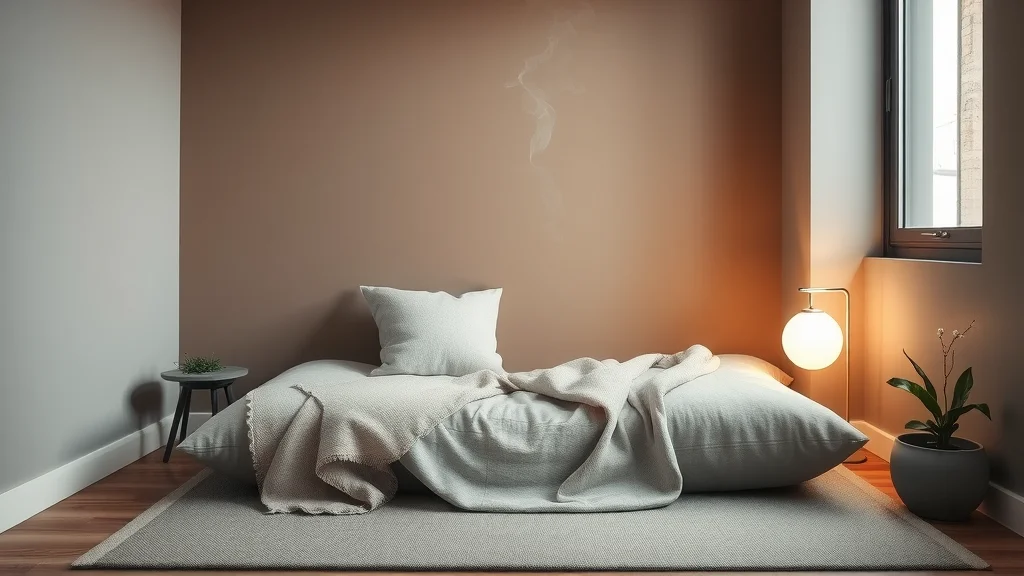
The environment in which you practice self hypnosis focus plays a crucial role in your ability to achieve a deep, effective state. Choose a quiet space where you won’t be interrupted—this could be a cozy corner in your home, a comfortable chair in your office, or even a dedicated meditation nook. Soft lighting, calming scents (such as lavender or chamomile incense), and a gentle ambient temperature all help signal to your body and mind that it is time for intentional relaxation.
Safety and physical comfort are equally important. Make sure your body is supported—use a soft cushion, throw blanket, or chair that encourages you to close your eyes and release tension. If you find yourself thinking about unfinished tasks or outside noise, simply acknowledge it before gently directing your attention back to the present moment. Over time, these cues will help you enter a relaxed state more quickly and fully during each self hypnosis session.
Induction: Entering a Focused State
- Breathing and relaxation technique to calm the body
- Focusing attention and intention
- Using positive suggestions for focus and clarity
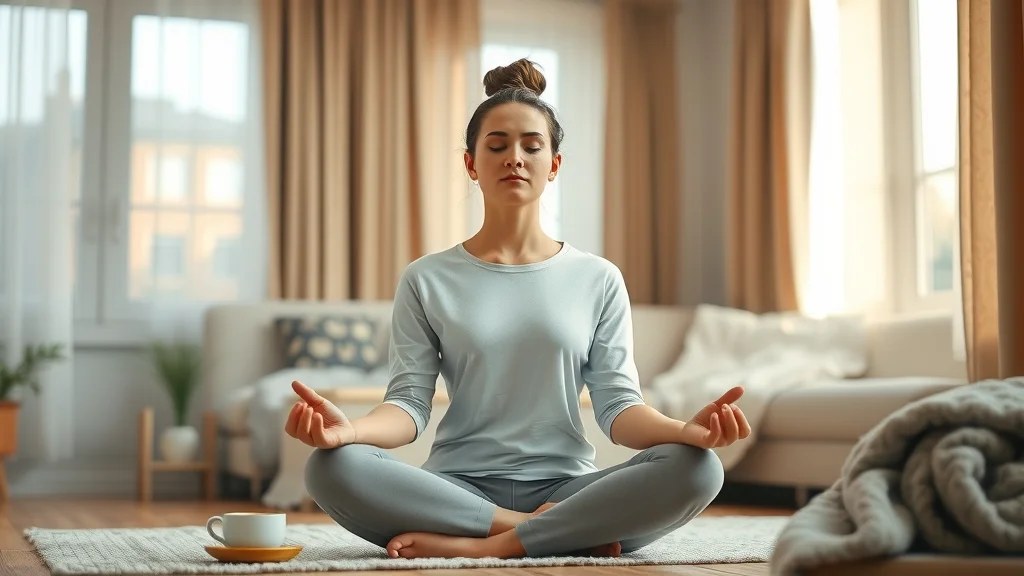
Begin your self hypnosis focus session by taking several slow, controlled breaths. Let each inhale fill your lungs, and each exhale release lingering tension from your body. Drop your shoulders, relax your jaw, and allow your muscles to ease into a tranquil, grounded state. As you feel your body begin to settle, focus your attention on a single intention—such as improving concentration, managing stress, or cultivating better sleep.
With your eyes closed, silently repeat a positive suggestion or affirmation like, “I am calm, clear, and able to focus on what matters most. ” Imagine each word sinking effortlessly into your subconscious mind, reinforcing your intention and preparing the groundwork for deeper change. If thoughts begin to wander, simply acknowledge them with kindness, then gently refocus. Over time, this practice strengthens your ability to enter a hypnotic state quickly and anchor new, healthier mental habits.
Integrating Sleep Affirmation and Guided Imagery
- Visualization techniques to reinforce positive focus
- Using sleep affirmation to enhance results
Visualization and sleep affirmation are powerful self hypnosis techniques that help imprint your desired state on the subconscious mind. As you rest comfortably, picture a scene where you are performing at your highest focus and calm—maybe completing a complex task with ease, feeling relaxed and prepared before an important meeting, or drifting into deep, restorative sleep at the end of the day.
Pair this mental imagery with soothing affirmations. For example, repeat to yourself: “Each night, I drift into deep and restorative sleep. My mind and body are fully relaxed. ” Practiced consistently, these methods help condition the mind to respond with focus and calm at will, extending the benefits of self hypnosis focus into every aspect of your daily routine.
Watch: Animated walkthrough of a step-by-step self-hypnosis focus session, including setting up the environment, relaxation, induction, using affirmations, and concluding with gentle awakening. Presented with calming visuals, clear demonstration, and relaxing background music.
Self Hypnosis Focus for Different Goals
The versatility of self hypnosis focus means it can be adapted for many personal goals, from improving health behaviors to addressing sleep disturbances. Two of the most popular applications are using self hypnosis focus for weight loss and for enhancing restorative sleep.
By tailoring hypnotic suggestions and visualization to your specific needs, you can accelerate habit change and see improvements in both physical and mental health.
Applying Self Hypnosis Focus for Weight Loss and Healthy Habits
- Subconscious reinforcement for habit change
- Example approaches
Weight loss journeys often involve breaking ingrained patterns and resisting powerful cravings. Self hypnosis focus helps you work directly with the subconscious mind to anchor new routines and healthy eating habits. For example, you can use sessions to visualize making positive food choices, feeling satisfied with smaller portions, or enjoying physical activity. Repeating simple affirmations like, “I nourish my body with healthy foods every day,” reinforces these behaviors and can make lasting change more attainable.
This approach not only supports weight loss, but it also addresses the emotional aspects of eating and self-care. Many people find that, over time, the urge to overeat or succumb to unhealthy snack habits fades, leading to more sustainable results. Combined with regular practice and kind self-reflection, self hypnosis focus can be a valuable companion on your journey to better health.

Enhancing Sleep with Self Hypnosis Focus and Affirmations
- Using sleep affirmation scripts
- Managing insomnia and restless nights
Struggling with insomnia or anxious nights can take a toll on both physical or mental health. Self hypnosis focus, especially when paired with sleep affirmation scripts, provides a gentle alternative for those seeking to fall asleep easily and achieve deep, restorative rest. Begin your session with a winding-down ritual: dim lights, relax your body, and repeat to yourself, “With each breath, I sink deeper into calm and peace. ” Eventually, these cues will become an automatic signal to your subconscious that it’s time to let go.
For chronic sleep disturbances, integrating guided imagery—such as picturing yourself in a safe, tranquil environment—can create positive associations with bedtime. Combined with consistent self hypnosis focus, this dual practice can make it easier to transition from wakefulness to sleep, reduce nighttime anxiety, and awaken feeling refreshed and stable.
Watch: Visual demonstration of self hypnosis focus for sleep affirmations and relaxation techniques. See how creating a bedtime ritual can ease the mind, encourage restorative sleep, and help you awaken with clarity and energy.
Common Barriers and Myths About Self Hypnosis Focus
Despite its growing popularity, myths and misconceptions still surround self hypnosis focus. Addressing these misunderstandings is key to making this mental health tool more accessible and effective for everyone.
Many worry about safety or doubt their own ability to enter a hypnotic state without professional help. In reality, self hypnosis is a safe, natural, and effective practice when done thoughtfully and consistently—no special talent or background required!
Dispelling Misconceptions Surrounding Hypnosis and Hypnotherapy
- Reality vs. myth: What self hypnosis focus is not
- Addressing safety and efficacy concerns for mental health
One of the most persistent myths is the belief that hypnosis can make you lose control or behave against your will. In fact, during a self hypnosis session, you remain aware and fully in control; the process simply quiets your conscious mind to help access deeper resources and creativity. Unlike stage hypnosis or sensationalized media portrayals, self hypnosis is a methodical and gentle tool for mental health and well-being.
Another concern—especially for those with existing health issues—is whether hypnosis and hypnotherapy can be safely integrated into their daily routine. As always, consult with your healthcare provider if you have questions or underlying medical conditions. For the vast majority, self hypnosis focus is a low-risk, evidence-based relaxation technique that complements existing treatments and fosters resilience over time.

Overcoming Initial Difficulties in Practicing Self Hypnosis Focus
- Staying patient with results
- Strategy for building a sustainable routine
It’s not uncommon to experience frustration or impatience when first starting self hypnosis focus. Some may worry they’re “not doing it right” or get discouraged if results aren’t immediate. The key is persistence—change happens gradually as your brain forms new pathways around focus and relaxation. Set realistic expectations and celebrate small shifts, such as feeling slightly calmer or more present after a few sessions.
For those hoping to make self hypnosis a sustainable habit, pairing the practice with existing routines (like brushing your teeth or daily meditation) will aid consistency. Recording progress in a journal or tracking symptoms related to mental health, attention, or sleep can provide valuable feedback and keep you motivated. The longer you stick with your daily practice, the more natural and rewarding the experience becomes.
List: Essential Tips for Effective Self Hypnosis Focus
- Consistency in daily or weekly practice
- Pairing self hypnosis focus with other relaxation techniques
- Journaling post-session reflections
Tip 1: Practice consistently. Whether you set aside five minutes per day or dedicate a longer session each week, regularity helps train your mind to respond more easily and enter a “relaxed and focused” state.
Tip 2: Mix self hypnosis with other relaxation strategies such as deep breathing, gentle stretching, or guided imagery to support a comprehensive approach to wellness.
Tip 3: Reflect after each hypnosis session. Journaling helps reinforce positive experiences, surface new insights, and document progress toward specific mental or physical health goals.

Frequently Asked Questions About Self Hypnosis Focus
Can hypnotherapy help with dementia?
- Evidence-based perspectives on mental health benefits
While there is no cure for dementia, some studies suggest that hypnotherapy can offer supportive benefits for both patients and caregivers. Techniques focusing on relaxation, memory enhancement, and anxiety reduction can improve daily quality of life. However, always consult with a professional medical provider to determine the best approach for individual cases.
Can hypnosis help with MS?
- Insights on hypnosis and hypnotherapy as supportive techniques
Hypnosis and hypnotherapy have shown promise in supporting people with multiple sclerosis (MS) by easing symptoms such as pain, stress, and sleep disturbances. These practices are best used as complementary strategies alongside conventional medical treatments, helping some individuals develop better coping mechanisms and maintain emotional stability.
Can hypnosis help with sleep apnea?
- Research and clinical opinion on hypnosis, relaxation technique, and sleep problems
While hypnosis may not address the physical causes of sleep apnea, it can be helpful in managing related insomnia, anxiety, and stress through relaxation techniques and sleep affirmations. Always seek guidance from a sleep specialist to adequately address sleep apnea and integrate hypnosis as part of a holistic sleep improvement plan.
What is the rule of 7 in hypnosis?
- Explanation of the concept and its significance in self hypnosis focus
The “rule of 7” in hypnosis generally refers to the idea that, on average, a person may need to hear a suggestion at least seven times before it starts to influence the subconscious mind. This principle underscores the importance of repetition—consistent, daily exposure to positive suggestions during self hypnosis focus sessions strengthens new habits and beliefs over time.
Key Takeaways for Practicing Self Hypnosis Focus
- Regular practice supports mental health
- Self hypnosis focus is accessible and adaptable
- Integrating relaxation techniques and sleep affirmations enhances efficacy
Explore the Power of Self Hypnosis Focus Today
Consistently dedicating time to self hypnosis focus can help unlock your full potential—improving concentration, soothing the nervous system, and supporting long-term mental health. Start building your daily practice now and experience restful sleep, sharper attention, and a renewed sense of calm in every aspect of life.
If you’re eager to deepen your understanding of mind-body practices and discover how self hypnosis fits within the broader landscape of wellness, consider exploring the differences and synergies between hypnosis and meditation. This broader perspective can help you tailor your approach for even greater mental clarity and resilience—visit Hypnosis vs Meditation: What’s the Difference? for advanced insights and next-level strategies.



Write A Comment