

Have you ever wondered whether mastering your own mind could be the key to profound relaxation and stress management? Imagine being able to quiet your inner chatter, break unhealthy patterns, and unlock greater mental clarity—all from the comfort of your own home.
This comprehensive guide unpacks the science, strategy, and simplicity behind creating a self-hypnosis routine. Whether your goal is to relieve daily tension, support health issues like chronic pain, or achieve your goals in weight loss and self-improvement, learning to harness hypnotic suggestion puts control back in your hands. Let’s begin this transformative journey toward effective stress management and a richer quality of life.
Unlocking The Mind: Why Creating a Self-Hypnosis Routine Is Your Key to Effective Stress Management
The fast pace of modern life often leaves us seeking better ways to manage stress and enhance well-being. Amid all the advice about mindfulness and meditation, creating a self-hypnosis routine emerges as a uniquely powerful strategy. Self-hypnosis offers the benefits of relaxation, focused attention, and positive suggestions that directly support stress management. Unlike other techniques that may only scratch the surface, self-hypnosis enables you to engage both the conscious mind and subconscious mind, addressing negative thoughts and unhelpful thought patterns at their roots.
Most people are focused on fixing problems rather than fostering resilience, but self-hypnosis offers a proactive tool for ongoing mental health and personal transformation. By guiding yourself into a relaxed state—similar to a meditative state or hypnotic trance—your mind becomes more receptive to helpful thoughts and affirmations. This can lessen anxiety, improve mood, and act as a bridge between your conscious mind and inner resources, rewriting negative thought habits with positive suggestions. In the sections ahead, we’ll break down how a self-hypnosis routine works, its potential benefits, and how you can tailor it for your life, health issues, and personal goals.
While self-hypnosis and meditation both promote relaxation and mental clarity, they differ in their methods and outcomes. If you're curious about how these practices compare and which might best suit your needs, explore this detailed comparison of hypnosis versus meditation to gain deeper insight into their unique benefits.
Exploring the Potential Benefits of Creating a Self-Hypnosis Routine
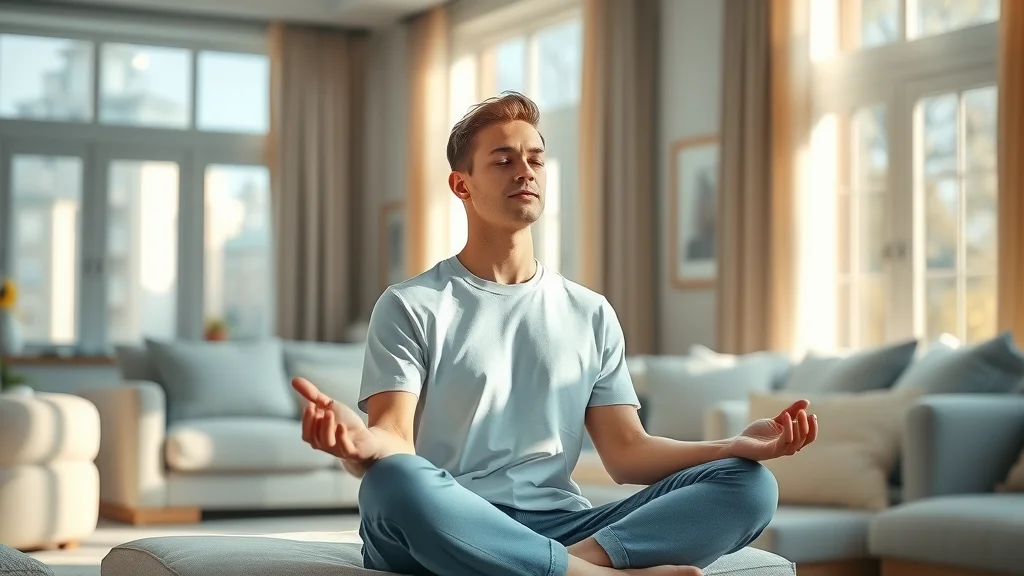
Establishing a consistent self-hypnosis practice can yield several measurable improvements in both mental health and overall quality of life. As you integrate hypnotic suggestions into your daily routine, you may notice not just reduced anxiety and better stress management, but substantial changes in focus, resilience, and physical well-being. Engaging in self-hypnosis routines on a regular basis also helps break cycles of negative thoughts, supports pain relief strategies, and encourages more positive thoughts and emotions.
Reducing anxiety and supporting stress management
Enhancing focus and concentration
Supporting weight loss and self-improvement goals
Promoting better sleep quality
Increasing resilience to daily pressures
"Through the daily practice of self-hypnosis, individuals often experience profound improvements in well-being and mental clarity." – Certified Hypnotherapist
What You’ll Learn in This Guide to Creating a Self-Hypnosis Routine
This comprehensive educational guide is designed to help you not only create a self-hypnosis routine but also understand the principles behind its effectiveness. From practical structure to science-based approaches, you’ll uncover how to make self-hypnosis part of your toolkit for stress and emotion management, chronic pain, and even weight loss.
How to structure and customize a self-hypnosis session for stress management
Integrating hypnotic suggestions effectively
The science and principles behind self-hypnosis
Common misconceptions about self-hypnosis routines
Tools and resources to enhance your self-hypnosis practice
Understanding Self-Hypnosis: Foundations for Creating a Self-Hypnosis Routine
Self-hypnosis is the process by which you guide yourself into a relaxed state, allowing the mind to become intensely focused and receptive to suggestion. Rooted in the same theories as clinical hypnosis, this technique empowers you to improve mental health, manage stress, and address physical health issues with deliberate thought patterns and positive self-talk.
The value of self-hypnosis extends far beyond surface relaxation: it targets both the conscious mind and subconscious mind, encouraging the formation of new habits and behaviors. The ability to create a hypnotic trance—where the conscious mind relaxes while the subconscious mind becomes more accessible—makes self-hypnosis a cornerstone method for those wanting sustainable stress management or to tackle pain relief without medication.
The Science Behind Hypnotic Suggestions and Their Role in Stress Management
Scientific research validates that hypnotic suggestions can be powerful tools for influencing both physical sensations and psychological states. When deep relaxation is achieved—such as during muscle relaxation or progressive muscle relaxation—the brain’s waves shift, allowing hypnotic suggestions to penetrate more effectively.

In a hypnotic state, people are focused and intensely receptive to new ideas, which makes it a prime opportunity to replace negative thought patterns with constructive beliefs. Stress management becomes more effective as self-hypnosis sessions repeatedly reinforce calm, positive thoughts, and improved coping mechanisms. This neuroscientific foundation underlies why a consistent self-hypnosis routine brings real, lasting changes in both mood and daily well-being.
Defining Hypnotic Suggestion and Its Application in Self-Hypnosis
A hypnotic suggestion is any statement or directive designed to guide your subconscious mind toward a specific response or behavior. During self-hypnosis, these suggestions are intentionally crafted to promote relaxation, banish negative thoughts, and foster a particular goal such as stress management, pain relief, or even weight loss.
By delivering positive suggestions like "I am calm and in control," you direct your inner awareness away from unhelpful thought patterns and toward desired positive change. Integrating hypnotic suggestions into self-hypnosis sessions forms the basis for shifting thoughts and emotions over time, leading to better mental health and a stronger foundation for achieving your goals.
Step-by-Step Guide: Creating a Self-Hypnosis Routine from Start to Finish
Building an effective self-hypnosis routine means moving through each stage with intention and clarity, maximizing the potential benefits at every step. Below is a simple outline to help you get started, whether your focus is on stress management, weight loss, or breaking other habits:
Identify your primary goal: stress management, weight loss, breaking bad habits, etc.
Design your script with tailored hypnotic suggestions
Establish a calming environment—music, lighting, scents
Practice induction techniques to enter a hypnotic state
Deliver self-scripted suggestions for desired change
Use positive affirmations to reinforce hypnotic suggestions
Conclude your session and monitor your well-being

Optimizing Your Environment for Creating a Self-Hypnosis Routine
Your surroundings play a significant role in the effectiveness of any self-hypnosis session. A relaxing, distraction-free environment enhances your ability to achieve a highly focused, relaxed state—and supports the absorption of hypnotic suggestions for long-term mental health.
To maximize results, consider strategic use of sound, scent, lighting, and technology. For instance, using noise-canceling headphones can help tune out unhelpful thought patterns, while essential oils can trigger a sense of calm. Visualization aids and hypnosis apps also provide structure and consistency to your practice, making it easier to maintain a steady self-hypnosis routine and track your mental health progress.
Tools, Techniques, and Environmental Factors That Amplify Hypnotic Suggestions
Choose a space where you feel safe and comfortable to enter a meditative state or hypnotic trance. To further strengthen your self-hypnosis routine, incorporate these supportive tools and techniques:
Noise-canceling headphones
Essential oil diffusers
App-guided self-hypnosis resources
Visualization aids

Weight Loss and Motivation: Adapting Your Self-Hypnosis Routine to Achieve Personal Goals
Self-hypnosis is adaptable, making it particularly effective for goals like weight loss and breaking unwanted habits. By consistently applying personalized hypnotic suggestions, you can address underlying thought patterns and emotions linked to your goals. This approach not only aids in making healthier choices, but also supports long-term lifestyle changes and enhances motivation.
As with stress management, successful weight loss with self-hypnosis relies on positive suggestions and reinforcement. For example, you might use suggestions like "I choose nourishing foods," helping you cultivate behaviors that align with weight loss and a healthier quality of life. With regular sessions, you’ll find your resistance to negative thoughts and cravings gradually diminishes.
Incorporating Weight Loss Hypnotic Suggestions into Your Routine
Designing a self-hypnosis routine for weight loss starts with setting a clear intention. Identify specific triggers or negative thought cues that lead to unhelpful habits, and prepare a customized script rich in positive suggestions. Hypnotic suggestions should emphasize self-control, body positivity, and the benefits of healthy living. Reinforcing these concepts during a relaxed self-hypnosis state makes new thought patterns stick, turning them into everyday behaviors.

Tracking Results and Adjusting Hypnotic Suggestions for Maximum Impact
Progress tracking is essential to any successful self-hypnosis routine. Regularly journaling outcomes—such as changes in cravings, mood, or self-confidence—helps you adjust your suggestions for even greater impact. Over time, you’ll see which hypnotic suggestions are most effective and which may need refinement.
This reflective practice not only maintains your motivation but also strengthens the connection between your conscious mind and subconscious mind. Whether your goal is weight loss, pain relief, or better stress management, customizing your scripts based on tracked results ensures that your self-hypnosis sessions keep evolving to support your ongoing goals.
Safety Considerations and Common Misconceptions When Creating a Self-Hypnosis Routine
"Self-hypnosis is a safe and empowering practice, but clarity of intent is essential for optimal results." – Certified Clinical Hypnotherapist
While self-hypnosis is widely considered safe and effective, it’s important to approach it with a clear purpose and informed expectations. Some misconceptions suggest that hypnosis can make individuals lose control or act against their will. In reality, self-hypnosis is voluntary, and you remain entirely aware and empowered during every session. Start each practice with positive intention, and never use self-hypnosis as a replacement for necessary medical or psychological care, especially for serious health issues or chronic pain.
Addressing FAQs About Hypnotic Suggestion and Stress Management
Can anyone practice self-hypnosis?
What should I do if I feel uncomfortable during a session?
How quickly can I expect results?
Can anyone practice self-hypnosis? Yes, virtually anyone can learn and benefit from creating a self-hypnosis routine, provided they approach it with an open mind and willingness to follow the process.
What should I do if I feel uncomfortable during a session? If you ever feel uneasy, simply end the session and return to a fully conscious state. Comfort and safety are paramount for positive change.
How quickly can I expect results? Results vary, but consistency is key. Many people begin noticing benefits after a few sessions, especially with regular practice and thoughtful adjustment of their hypnotic suggestions.

Advanced Tips for Creating a Self-Hypnosis Routine That Supports Ongoing Stress Management
After establishing basic proficiency with your self-hypnosis routine, you can deepen its impact by integrating advanced techniques including longer-term affirmations and detailed progress tracking. Regularly updating your routine keeps your sessions fresh, maintaining a high level of engagement with your subconscious mind and allowing for continued stress management success.
When you personalize your routine and maintain positive momentum, your self-hypnosis practice grows into a cornerstone of ongoing mental health management and personal achievement.
Using Affirmations and Long-Term Hypnotic Suggestions
As you become more adept at self-hypnosis, incorporating layered, long-term affirmations helps transform surface-level relief into lasting change. These affirmations define who you wish to become, aligning your day-to-day behaviors and beliefs with your deepest values and goals. Effective long-term hypnotic suggestions might include statements like "Stress rolls off me easily" or "I am resilient in every situation." The more regularly you repeat these in your relaxed state, the more naturally they reshape old thought patterns and bolster your efforts toward stress management and self-improvement.

Scheduling and Tracking Your Progress
Consistency is central for seeing results from your self-hypnosis routine. Use tools like smartphone habit trackers or detailed written logs to record each session, track observable changes in mood or behavior, and monitor your evolving progress. Some hypnosis apps even feature automated reminders and guided sessions, making it easier to build and maintain this life-giving habit. With regular tracking, you can continually refine your hypnotic suggestions for maximum benefit and stay accountable to your personal mental health, weight loss, or stress management objectives.
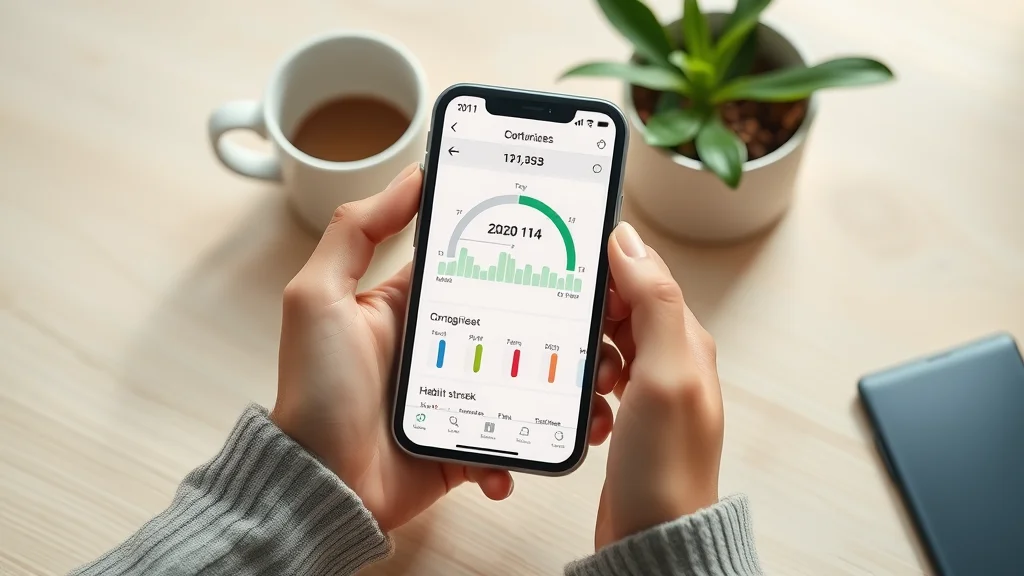
Table: Comparing Common Applications for Self-Hypnosis Routines
Application |
Hypnotic Suggestions Example |
Potential Benefits |
Session Frequency |
|---|---|---|---|
Stress Management |
'I am calm and in control' |
reduces anxiety, improves mood |
5x/week |
Weight Loss |
'I choose nourishing foods' |
supports healthy choices |
3x/week |
Improved Sleep |
'My mind is peaceful at bedtime' |
better sleep quality |
daily |
People Also Ask: Creating a Self-Hypnosis Routine
How to make your own self-hypnosis?
To make your own self-hypnosis routine, begin by determining your main goal—such as stress management or weight loss. Write out a personalized script using positive suggestions that address your goal directly. Find a quiet space, relax your body with deep muscle relaxation, and enter a highly focused, calm state. During this time, repeat your script to yourself with belief and intent, reinforcing beneficial thought patterns.
What is the rule 4 in hypnosis?
The "Rule 4" in hypnosis emphasizes the importance of reinforcing hypnotic suggestions through repetition. Lasting habit formation and effective stress management come from ongoing practice, so be sure to revisit your tailored script and practice your self-hypnosis routine consistently in order to make meaningful changes.
Can I learn self-hypnosis on my own?
Yes, anyone motivated to improve their quality of life can learn self-hypnosis independently. Many accessible resources and hypnosis app guides offer structured support, making it a manageable skill for home practice. With guidance and regular effort, you’ll soon cultivate both the method and confidence needed to maintain your own self-hypnosis routine for stress management and other personal goals.
What does God say about hypnosis?
Views on hypnosis vary among different faiths and traditions. Many consider self-hypnosis as a neutral, empowering tool when used for personal development, stress management, and mental health. However, if you are concerned about religious implications, it’s wise to consult with your faith advisor to ensure alignment with your beliefs as you incorporate self-hypnosis into your life.
Comprehensive Answers On Creating a Self-Hypnosis Routine
To make your own self-hypnosis, determine your goal, write a script with positive suggestions, relax your body, and repeat your script during a calm, focused state.
Rule 4 in hypnosis usually refers to the need for ongoing reinforcement of hypnotic suggestions—habit formation requires repetition.
Yes, self-hypnosis is a learnable skill. Many resources exist to guide you through safe practice at home.
Views on hypnosis vary across faiths. Many religious perspectives see self-hypnosis as a neutral tool when used for self-care and personal development, but it's wise to consult your own faith advisor for guidance.
Addressing Common Questions on Creating a Self-Hypnosis Routine
How often should I practice my self-hypnosis routine?
For best results, aim to practice your routine at least three to five times a week. Consistency is crucial to reinforcing hypnotic suggestions, supporting stress management, and nurturing new thought patterns for ongoing improvement.
Can self-hypnosis help with chronic stress or anxiety?
Yes, when practiced regularly, self-hypnosis can help manage chronic stress and anxiety by shifting your mental focus, reducing negative thoughts, and supporting more resilient reactions to daily pressures.
What are the signs that my self-hypnosis routine is working?
You may notice feeling calmer, experiencing less anxiety, sleeping better, or having greater control over unhelpful thoughts and emotions. Over time, you will also identify positive, lasting changes in your quality of life and daily stress management.
Key Takeaways for Creating a Self-Hypnosis Routine
Consistency is crucial: frequent practice supports lasting stress management
Tailoring hypnotic suggestions: enhances personal relevance
Tracking progress: helps maintain motivation and results
Ready to Begin Creating a Self-Hypnosis Routine for Stress Management?
"The journey of creating a self-hypnosis routine starts with intention and grows with dedication. Commit to your well-being today."
Start your first session and experience the difference with guided resources and professional insights!
Conclusion: Start where you are, keep your intention clear, and practice regularly—self-hypnosis is your tool for powerful change.
If you’re inspired to deepen your understanding of mind-body practices, consider broadening your perspective by learning how self-hypnosis and meditation each uniquely support relaxation and personal growth. Exploring the distinctions and synergies between these approaches can help you refine your wellness routine and discover new strategies for mental clarity. For a comprehensive look at how these transformative techniques compare, visit the guide on the differences between hypnosis and meditation—and unlock even more pathways to lasting well-being.



Write A Comment