

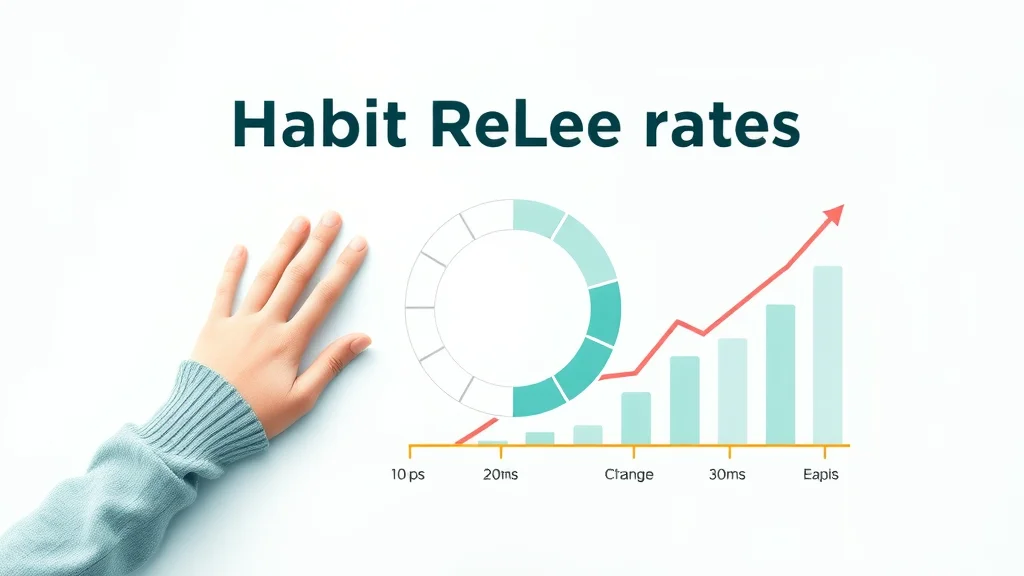
Did you know that over 90% of people attempting to change a habit relapse within a year—often due to a lack of genuine habit awareness? This startling fact reveals why so many well-intentioned attempts at change fail and why shifting your focus inward may be the missing link. In this article, we uncover how habit change transforms when approached as a process of self-awareness, moving beyond just behavior modification to meaningful, lasting results.
Revealing the Hidden Drivers: Why Most Habit Change Fails Without Habit Awareness
Millions of individuals strive to break free from unwanted behaviors such as nail biting, skin picking, or hair pulling every year, only to find themselves stuck in familiar cycles. Why does this happen? The key culprit is the absence of real habit awareness—a deep, conscious recognition of the triggers, emotions, and routines that silently drive our actions every day. Unlike traditional habit reversal methods, which often treat the surface of the problem, habit awareness digs deeper, addressing the roots instead of just trimming the branches.
Without developing this inner understanding, attempts at behavior change can be short-lived. Even the best reversal training programs or clinical interventions may falter if the active agent—your innate self-reflection—is not given center stage. Intentions are commendable, but lasting transformation demands becoming an active participant, not just a passive follower of instructions. By integrating practices of mindfulness, self-monitoring, and guidance from a trusted healthcare provider, success rates for habit reversal and overall mental health improvement can dramatically increase.
As you explore the role of mindfulness and self-reflection in habit change, it’s helpful to understand how these practices compare to other inner-focused techniques. For a deeper look at the distinctions and overlaps between mindfulness-based approaches and altered states like hypnosis, consider reading this guide on hypnosis versus meditation, which breaks down their unique benefits for self-awareness and behavioral transformation.
Unconventional Insights: Astonishing Statistics on Habit Formation and Failure
According to leading behavioral studies, fewer than 10% of people who attempt significant habit change succeed over a one-year period. The figures are even more daunting for deeply ingrained unwanted behaviors like hair pulling or skin picking, conditions sometimes known as Body-Focused Repetitive Behaviors (BFRBs). Research from institutions such as the Cleveland Clinic further highlights that the absence of habit awareness is one of the top reasons for relapse. Individuals may diligently follow external steps—trigger monitoring, competing behaviors, or even reversal training—yet miss the fundamental act of tuning into the emotional cues that trigger their actions. This disconnect is a significant barrier to effective, long-term behavior change.
"Over 90% of people attempting habit change relapse within a year—often due to lack of genuine habit awareness."
What You'll Learn About Habit Awareness and Habit Reversal Training
- How habit awareness goes beyond surface-level behavior modification
- The fundamentals and benefits of habit reversal and reversal training
- Steps to foster self-reflection and sustained change
- Evidence-based insights from places like the Cleveland Clinic
- Real-world applications: tackling skin picking, hair pulling, nail biting, and more
Understanding Habit Awareness: The Key to Changing Unwanted Behaviors
Habit awareness is the conscious practice of tuning into your thoughts, feelings, and physical urges right before an unwanted behavior occurs. Unlike simple willpower, it’s about noticing the subtle cues in your environment or emotions that nudge you toward actions like nail biting, skin picking, or hair pulling. This heightened self-awareness acts as a foundation for all successful habit reversal and reversal training strategies. Being aware gives you the power to break free from autopilot and become the active agent in your own change process.
For people struggling with repetitive behaviors, the path to lasting change often starts with developing this dynamic self-reflection. Mental health experts and trusted sources like the Cleveland Clinic assert that genuine change always begins with awareness—without it, even the best intentioned plans can falter. Noticing patterns, triggers, and internal reactions can help reveal when you might engage in damaging behaviours and give you the leverage to substitute them with healthier alternatives. The shift from passive participant to active observer is truly transformative.

How Habit Awareness Differs from Traditional Habit Reversal
While habit reversal training and reversal training typically focus on teaching concrete replacement behaviors ("competing behaviors"), habit awareness pushes further by making you acutely mindful of why a behavior emerges in the first place. Traditional habit reversal may prompt you to clench your fists instead of biting your nails, but true awareness uncovers the stress, boredom, or emotional state that precedes the urge. This depth of self-reflection makes reversal strategies not just reactive but preventative, giving you the insight needed to break the habit cycle for good.
Many people find that when they address only the physical aspects—by suppressing the action—damaging behaviours may later resurface under different guises. Habit awareness, recommended by mental health providers and healthcare professionals, is about holistic change. You’re not only instructing yourself what *not* to do, but also becoming fully present with the urge, exploring its origins, and making intentional decisions about your responses. This comprehensive self-understanding is at the heart of long-term BFRB recovery, nail biting prevention, and the reversal of other unwanted behaviors.
Identifying Unwanted Behavior Patterns through Self-Awareness
Embracing habit awareness means becoming a detective in your own daily life. By regularly reflecting on the moments that lead up to repetitive behaviors, such as nail biting or skin picking, you develop sharper insight into your personal triggers. Mental health providers encourage journaling thoughts, feelings, and situations—examples include noticing you often bite their nails during stressful meetings, or pick at your skin when feeling bored or anxious. This ongoing process, paired with support from a healthcare provider or virtual peer coaching, helps you uncover nuanced patterns and begin crafting proactive solutions.
Over time, consistent self-awareness will reveal not just what you do, but why you do it and how these repetitive behaviors are woven into your routine. With each self-reflection, the power of the unwanted behavior weakens. You replace passivity with agency, setting the stage for effective implementation of habit reversal and lasting mental health improvements. Self-awareness truly becomes a habit—one that supports all levels of behavior change and recovery starter journeys.
The Science Behind Habit Awareness and Reversal Training
The effectiveness of habit awareness and habit reversal training is underpinned by robust psychological and neuroscientific research. Experts in behavior change, including those at the Cleveland Clinic, have demonstrated that genuine transformation relies not only on changing external actions but also on modifying internal processes. Habit awareness rewires neural pathways, helping shift the brain from reactive autopilot to deliberate, conscious action. This is particularly relevant for deeply entrenched repetitive behaviors.
Key scientific findings show that aware individuals have higher success rates with habit reversal training. Through methods such as self-monitoring, trigger analysis, and cognitive-behavioral interventions, the process promotes new, healthier pathways in the brain. Studies confirm that combining these awareness strategies with support from skilled healthcare providers further increases the odds of long-term behavior change, supporting overall mental health and well-being.
Psychological and Neuroscientific Perspectives on Habit Reversal
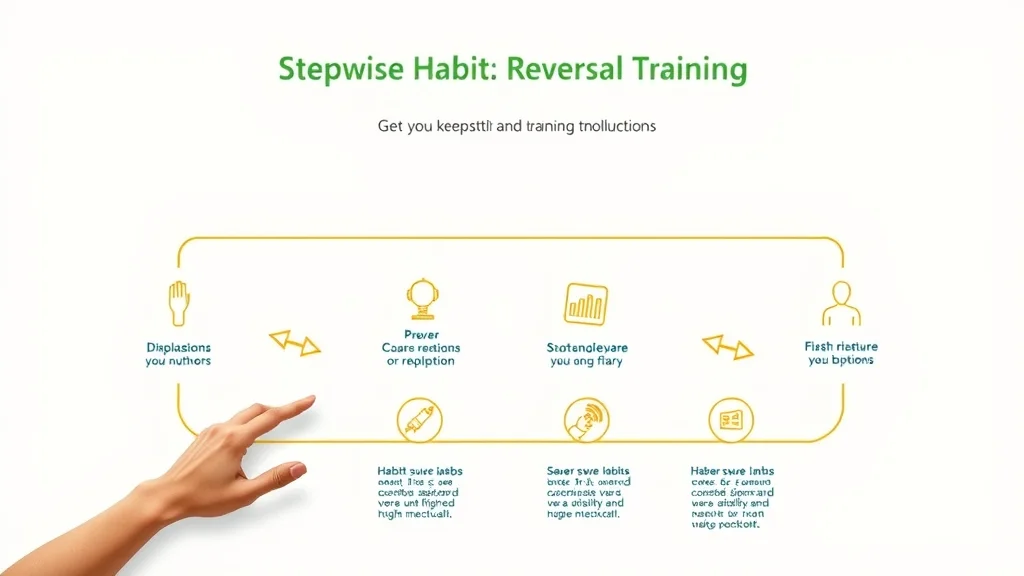
From a psychological perspective, habit reversal training involves three primary steps: awareness training, developing a competing behavior, and building ongoing support. Neuroscientifically, the shift begins as individuals direct conscious attention to typically unconscious routines, often using implementation intention strategies and mindfulness. This heightened state of habit awareness interrupts neural loops that sustain unwanted habits, reducing the automaticity of repetitive behaviors like hair pulling or nail biting.
"Awareness training is the cornerstone of effective habit change." —Cleveland Clinic Behavioral Expert
Behavioral experts point out that awareness does more than disrupt patterns—it also empowers the individual to choose healthier, more adaptive coping mechanisms. The Cleveland Clinic’s research on reversal training demonstrates a clear link between self-awareness, cognitive control, and sustained change. When paired with practical habit tracking—such as logging urges or responses—the results are even more pronounced.
Role of Healthcare Providers in Supporting Habit Awareness
Engaging with a qualified healthcare provider or mental health professional significantly enhances the habit awareness process. Providers can guide clients through the nuances of self-monitoring, accurately identifying personal triggers that lead to unwanted behaviors. These specialists are not only a source of information but serve as motivators and accountability partners, encouraging consistency in routine and facilitating BFRB recovery or the end of nail biting for good.
Providers also help implement evidence-based reversal training methods, such as regular habit tracking and the integration of competing behaviors, while ensuring a safe, judgment-free space for honest reflection. Their support transforms the client from a passive participant to an active agent in their own recovery starter class, amplifying outcomes and building lasting skills for mental health resilience.
Core Features of Habit Awareness Techniques
- Mindfulness and self-monitoring practices: Regular check-ins, journaling, and meditation to observe urges without automatic reaction.
- Trigger identification methods: Recording events, emotions, or environments that precede unwanted behaviors.
- Cognitive-behavioral interventions for unwanted behaviors: Structured reversal training to create new, competing behaviors and challenge harmful or damaging behaviours.
- Tracking progress with digital and analog tools: Utilizing smartphone apps or traditional journals to log insights, triggers, and improvements.

Habit Awareness in Practice: Applications for Common Unwanted Behaviors
-
Skin picking: From awareness to action
For individuals struggling with skin picking, awareness practices offer a critical starting point. By documenting the moments and emotions that spark the urge, and tracking each episode with digital tools, people gain the clarity needed to implement effective reversal training. Cleveland Clinic research affirms that this blend of habit awareness and action dramatically reduces relapse rates.
-
Hair pulling: Habit reversal training in real life
Habit reversal techniques—when combined with real habit awareness—empower those with hair pulling habits (trichotillomania) to become active agents rather than passive participants. Stepwise practice, with guidance from a healthcare provider and community peer coaching, transforms the urge into a cue for positive, competing behavior, such as squeezing a stress ball or redirecting hands to another task.
-
Nail biting: Prevention through self-awareness
Nail biting, while common, can become a deeply entrenched repetitive behavior. Addressing it with habit awareness—by logging triggers (stress, boredom) and implementing reversal training—has helped countless people, including those in BFRB recovery programs, to finally stop biting their nails and reclaim healthy habits with the help of expert support.
-
General unwanted behaviors: Sustainable strategies
Whether the behavior involves damaging behaviours, other repetitive behaviors, or less visible unwanted actions, the principles of self-awareness and support from healthcare providers apply universally. Sustainable change arises from understanding the root causes, fostering mindfulness, and tracking progress with digital or analog tools. Community, peer support, and clinical expertise provide the final push to lasting change, reinforcing self-reflective routines and mental health progress.

Habit Reversal Training: A Stepwise Approach
Successful habit change requires a structured yet flexible process. Habit reversal training brings evidence-based steps together with inner habit awareness, forming a comprehensive roadmap for anyone battling unwanted behaviors. This approach does not just instruct you to swap out an undesired action for a competing behavior but starts by cultivating deep self-reflection and building proactive plans with your healthcare provider or mental health professional.
You’ll journey through initial awareness training, creating detailed implementation intention plans, and practicing replacement behaviors that suit your unique lifestyle. Add in regular tracking—either manually or via habit aware digital apps—and you’ve set the stage for real, sustainable transformation.
Breaking Down the Habit Reversal Training Process
Habit reversal training typically involves a sequence of evidence-based phases:
- Awareness Training: Track instances of the unwanted behavior and identify specific triggers or settings where the urge is strongest.
- Developing a Competing Behavior: Design and practice a healthy, alternative response—such as clenching fists or squeezing a stress object—whenever the urge arises.
- Building Support Systems: Involve healthcare providers, peer coaching, or virtual peer groups for accountability and guidance.
- Maintenance and Tracking: Use digital apps or analog journals to monitor daily progress, highlight successes, and adjust strategies as needed.
This structure empowers both the active agent and passive participant to adopt lasting changes, informed by clinical success stories and real-life recovery journeys.
| Approach | Key Steps | Primary Focus | Expected Outcomes |
|---|---|---|---|
| Habit Awareness | Self-monitoring, trigger identification, mindfulness | Increase self-reflection, recognize urges | Build foundation for long-term change |
| Habit Reversal Training | Competing behavior, clinical guidance, tracking | Replace unwanted actions, practical skills | Immediate reduction in damaging behaviours |
| Reversal Training | Structured steps, professional support | Holistic recovery, relapse prevention | Sustained mental health improvement |
Expert Insights: Cleveland Clinic on the Link Between Habit Awareness and Lasting Change
The Cleveland Clinic, a renowned institution for mental health and behavioral research, emphasizes that awareness training stands at the heart of successful behavior change. Their published research and behavioral experts consistently reinforce that individuals who pair inner awareness with clinical habit reversal tools report significantly higher rates of long-term success. These programs are especially effective for repetitive behaviors such as skin picking, hair pulling, and chronic nail biting.
Drawing on years of clinical experience and patient data, Cleveland Clinic’s specialists believe that collaboration with healthcare providers—combined with habit tracking and awareness practices—creates a powerful synergy for lasting transformation. Their commitment to patient-centered care ensures individuals are not alone in their journey, receiving expert coaching and motivational support throughout the behavior change process.
How Healthcare Providers Coach Clients Through Awareness and Reversal
Healthcare providers play a pivotal role in guiding clients through the stages of habit awareness and reversal training. They teach clients how to tune into warning signs and recognize early triggers before an unwanted behavior occurs. Once habit awareness is established, providers introduce practical reversal training steps, helping clients experiment with and refine competing behaviors that feel natural and effective.
Moreover, these experts assist in selecting the right tracking tools (like habit aware apps or progress journals) and encourage ongoing evaluation to make evidence-based adjustments. The guidance of a professional health provider ensures a holistic approach—addressing both the psychological and physiological aspects of habit change. Through this partnership, clients learn to trust their own agency while leveraging the clinical resources required for sustainable outcomes.
People Also Ask: Addressing Top Habit Awareness Questions
Does HabitAware work?
Evidence and user reviews indicate that HabitAware’s devices and habit awareness tools have helped many users recognize and interrupt repetitive actions, especially when integrated with clinical coaching. Many individuals dealing with nail biting, hair pulling, or skin picking report noticeable reductions in unwanted behaviors, enhanced by the practical reminders and monitoring these tools provide.
How to stop repetitive habits?
Experts recommend habit awareness as a crucial first step—using self-monitoring, reversal training, and support from healthcare providers can interrupt and replace unwanted behaviors. This multi-layered approach helps identify triggers, fosters mindfulness, and leverages both digital and analog tracking to reinforce positive, sustainable change.
Is self-awareness a habit?
Self-awareness can be cultivated into a habit by regular mindful observation and structured habit awareness practices. Over time, consistent self-monitoring turns awareness into an automatic, supportive routine that empowers individuals to recognize and address behavioral triggers more effectively.
How does awareness training help with habits?
Awareness training brings unconscious routines into conscious focus, enabling effective habit reversal and long-term change. By shining a light on the thoughts, feelings, and contexts behind unwanted actions, individuals are better equipped to intervene early and choose healthier, competing responses.
Watch an uplifting video exploring real-life successes: see individuals overcome unwanted habits through mindfulness exercises, group support, and habit tracking, set in authentic everyday environments with guidance from caring healthcare providers.
Real User Reviews: Success Stories with Habit Awareness and Reversal Training
- "I finally overcame nail biting thanks to daily habit awareness logs."
- "Habit reversal training helped me take control of skin picking—my healthcare provider’s guidance was key."
FAQs about Habit Awareness and Habit Reversal
-
What is the main goal of habit awareness?
The main goal is to help individuals notice and understand the triggers, emotions, and environments that drive unwanted behaviors, giving them the tools for practical and lasting change. -
How long does it typically take to see results from habit reversal training?
Many people notice positive changes within a few weeks of consistent practice, especially when combined with guidance from a qualified healthcare provider. -
Can habit awareness address long-standing unwanted behaviors?
Yes, habit awareness is often cited as the foundation for addressing even deeply rooted repetitive behaviors, particularly when paired with individualized support and structured training. -
Is professional help required for effective reversal training?
While some individuals find success on their own, partnering with a healthcare or mental health provider greatly enhances effectiveness and ensures strategies are evidence-based. -
What are some digital tools for tracking habit awareness?
Popular options include HabitAware’s wearable devices, smartphone tracking apps, and habit journal templates tailored to support awareness logs and behavior reversal.
Key Takeaways: Achieving Lasting Change with Habit Awareness
- Habit awareness is fundamental to any successful habit reversal or modification
- Effective training combines self-reflection, clinical guidance, and structured monitoring
- Support from credible sources, such as Cleveland Clinic and skilled healthcare providers, amplifies results

Ready to Begin Your Habit Awareness Journey? Start Experiencing Change Today
Empower your transformation with proven strategies—embrace habit awareness, practice self-reflection, and reach out to trusted providers. Begin your journey today, and experience real, lasting change.
If you’re inspired to deepen your understanding of how inner awareness shapes personal growth, there’s even more to explore. Expanding your toolkit with knowledge about related practices—such as the differences and synergies between hypnosis and meditation—can offer fresh perspectives on self-mastery and behavioral change. Discover how these powerful modalities compare and how each can support your journey toward greater self-awareness by visiting this comprehensive overview of hypnosis versus meditation. By broadening your approach, you’ll unlock new strategies for lasting transformation and personal empowerment.




Write A Comment