

Did you know? You’re 2–3 times more likely to stick to a new habit if it’s aligned with your identity rather than focused solely on outcomes. Imagine becoming the type of person who doesn’t just start habits, but keeps them for a lifetime. This article dives into the remarkable world of identity based habit change—the secret to building habits that last because they’re rooted in who you believe you are. Let’s explore why shifting your identity—not just your actions—brings breakthrough transformation, and how you can harness these insights for your own growth.
Revealing the Power of Identity Based Habit Change: Why Your Identity Shapes Your Success
Building lasting habits isn’t just about setting ambitious goals or following strict routines. Groundbreaking research and insights—including those from James Clear’s Atomic Habits—reveal that what truly matters is the type of person you believe yourself to be. When you shift your self-perception, you naturally make choices that reflect your identity, making habit change easier and more sustainable. For example, if you identify as a runner, you are far more likely to go for a jog even on tough days than if you simply focus on wanting to “run more often. ”
Many people typically set goals focusing only on outcomes—like wanting to lose weight, read more, or exercise regularly. While these aims are common, research consistently shows that identity based habit change produces more resilient habits. The core idea: current behaviors are simply a reflection of your identity. Change your beliefs about who you are, and your actions will naturally align. This new perspective not only removes the pressure of chasing results but also empowers you to see yourself as a person who can achieve lasting change, motivating you to take small steps each day that compound over time. When you make identity shifts, you set the stage for transformation that lasts well beyond this time next year.
“A change in your identity leads to a change in your habits. ” – Inspired by Atomic Habits by James Clear
Surprising Statistics: How Identity Drives Habit Transformation
Recent studies underscore the substantial effect of identity on habit adoption. According to habit researcher Wendy Wood, nearly 45% of our daily behaviors are automatic and often linked to unconscious identity cues. In one striking example, adults trying to quit smoking who began identifying themselves as “non-smokers” were twice as likely to sustain abstinence compared to those framing their efforts as simply “trying to quit. ” This phenomenon extends beyond health—students who saw themselves as “dedicated learners” outperformed peers with outcome-focused mindsets by a significant margin in high school according to longitudinal data.
James Clear also highlights how every tiny action is like a vote for the type of person you want to become. Focusing attention on identity—rather than just outcomes—leads to stronger motivation in the face of adversity, better resilience, and the accumulation of many small wins that build confidence. That’s why “being good at remembering” identity cues throughout daily life is essential for habitual success. Identity based habit change transforms not just what you do, but fundamentally who you are becoming.
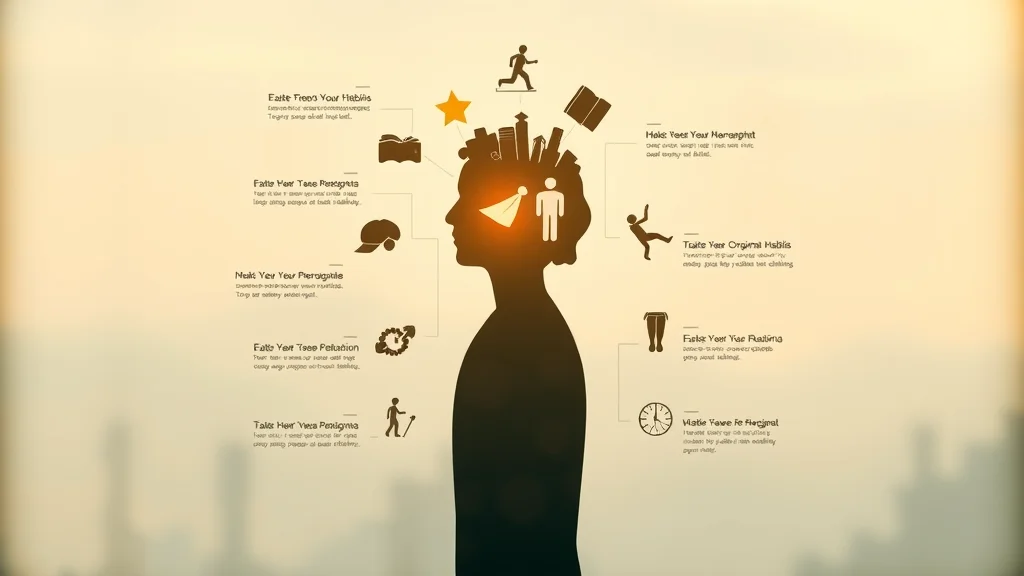
Debunking Conventional Wisdom About Habit Formation
The common wisdom around habit formation—relying solely on discipline and worrying about results—is incomplete, if not misleading. We’re often told to “just try harder” or “set bigger goals. ” While ambition and willpower have their place, real change rarely happens by sheer determination alone. In fact, studies reveal that people who focus only on performance or external outcomes struggle with consistency, especially when motivation drops. This is why so many resolutions—from learning a new language to losing weight—fail within weeks.
Instead, aligning habits with identity removes much of the internal friction. It’s not about forcing yourself to act differently—it’s about becoming the type of person for whom those actions are a natural expression. By debunking these outdated models, you can finally make change easier and shift your self-talk from “I have to” to “This is just what I do. ” Embracing the principles of identity based habit change offers a more compassionate, effective approach to building habits that truly last.
As you explore the science behind identity and habit formation, you might also be interested in how different mental practices can influence your mindset and daily routines. For example, understanding the distinctions between hypnosis and meditation can offer additional tools for reinforcing positive identity shifts and supporting new habits. Learn more about the unique roles of hypnosis and meditation in personal change to expand your approach to habit transformation.
What You'll Learn About Identity Based Habit Change
- The fundamentals of identity based habit change and why it matters
- Key insights from Atomic Habits by James Clear
- How small wins reinforce your new identity
- Step-by-step process to design identity driven habits
- Real-world examples and practical tips for long-term change
Understanding Identity Based Habit Change and Its Science
What Is Identity Based Habit Change?
At its core, identity based habit change is the process of anchoring your new behaviors to a desired self-image. Traditional habit building is often outcome-focused: you plan to do something until you get a result. Identity-based change flips this: instead, you decide the type of person you want to become and allow your decisions and routines to flow from that self-definition. Instead of saying, “I want to run three times a week,” you internalize, “I am a runner. ” Each action taken reinforces that new identity, strengthening your motivation and resilience over time.
This approach draws on a powerful psychological principle: actions and self-beliefs are intertwined. As Clear puts it in Atomic Habits, every behavior is a “vote” for your new identity. Performing even tiny actions consistent with your ideal self builds evidence for the brain to start believing new things about who you are. You don’t need to overthink it—just taking small steps each day cements your emerging sense of self and makes it easier to repeat the same people or routines the next day. The result? Lasting habits become second nature because they’re simply a reflection of your new story.
How Beliefs Shape Behavioral Patterns
Your beliefs are the lens through which you interpret your actions and the world around you. When you hold the belief that you are someone who eats healthy, you face decisions about food with confidence and clarity. Conversely, if you don’t see yourself as healthy, even strong intentions to eat well can easily falter when temptation surfaces. This belief-behavior loop is central to identity based habit change. What you believe to be true about yourself drives the automatic responses and routines that shape your day.
Studies in high school students, for example, found that those who identified as high achievers consistently practiced behaviors—like maintaining regular study times or joining study groups—without conscious effort. Their actions were not burdensome chores, but natural expressions of who they saw themselves to be. When you learn to see yourself as the type of person who prioritizes their health, builds skills, or pursues creative projects, it becomes easier to make the right decision automatically. Over time, these patterns accumulate, and a new identity emerges as the most accurate description of your lived experience.
Scientific Evidence Behind Identity Shifts
The science of habit formation and identity change has emerged from decades of psychological research. Studies by leading behavioral scientists demonstrate that major life changes—such as quitting smoking, losing weight, or becoming a daily exerciser—are far more sustainable when driven by a shift in self-concept. For example, one study published in the journal Personality and Social Psychology Bulletin found that people who articulated their desired identity (e. g. , “I am a non-smoker”) were significantly less likely to relapse than those who simply tracked progress or counted days.
Neuroscientific research also supports the idea that environmental cues and rituals tied to self-image create robust neural pathways, reinforcing new habits automatically. By leveraging identity based habit change, you harness both conscious intent and powerful subconscious mechanisms, making it easier to repeat positive behaviors and stay close to desired outcomes. The difference is profound: when you change your beliefs, you change your behavior, and your behavior gradually reshapes your brain and your future.
| Aspect | Identity Based Habits | Outcome Based Habits |
|---|---|---|
| Focus | Who you wish to become (type of person) | What you want to achieve (results) |
| Motivation Source | Internal alignment with self-image | External targets, numbers, or goals |
| Consistency | Actions feel natural and sustainable | Willpower required, often short-lived |
| Resistance | Lower (embedded in identity) | Higher (must overcome internal friction) |
| Longevity | Habit endures even when motivation dips | Habit wanes without constant reminders |
Atomic Habits: Lessons from James Clear on Identity Based Habit Change
Core Principles of Atomic Habits Supporting Identity Change
James Clear’s Atomic Habits has brought the world’s attention to identity based habit change, distilling its key principles into simple, actionable steps. According to Clear, the secret to building lasting habits lies in shifting your focus from “what” you want to achieve to “who” you want to become. He argues that every action is either a vote for or against the type of person you’re aiming to be. Small steps, repeated daily, accumulate into small wins that shape your self-image.
The essence of his philosophy is encapsulated in the process: don’t start with goals, start with beliefs, then design small habits that reinforce your chosen identity. This approach makes change easier by sidestepping the motivational traps that derail outcome-based routines. Whether you’re trying to lose weight, improve your work, or develop a creative skill, Clear’s model highlights that good at remembering identity cues and tweaking your environment are both crucial for success. Practicing these strategies consistently can transform your self-perception, making new habits feel more like a natural part of who you are rather than a fleeting achievement.

The Importance of Being Good at Remembering Identity Cues
A recurring lesson from both behavioral science and Atomic Habits is the power of reminders and cues in cultivating a new self. Being consistently good at remembering who you want to be is half the battle won. It’s not just motivation, but the reliable presence of visual and environmental cues—habit trackers, sticky notes, or environmental design—that prompt identity-affirming actions. James Clear stresses that the more often you can associate cues with the identity you’re building, the more quickly your brain will automate the right decisions, turning effortful behaviors into effortless routines.
Clear’s own story is a classic example—after a high school injury, he used the identity of a type of person who “never misses twice” to rebuild his routine. For anyone wanting lasting change, it’s vital to structure daily life so cues, reminders, and supportive environments reinforce your evolving identity. Over time, this repetition weaves a new belief system, so you can maintain habits and stay close to your goals even when old patterns resurface or motivation dips. This is how you start believing new things about yourself—and turn aspirations into automatic, lasting behavior.
"Every action is a vote for the person you wish to become. " – James Clear
How Small Wins Drive Identity Based Habit Change
What Are Small Wins and Why Do They Matter?
In the journey of identity based habit change, “small wins” are the tiny, daily actions that provide instant feedback and validation. Unlike grand, sweeping changes, these are the easily achievable milestones—like walking for five minutes, writing one paragraph, or swapping a soda for water. Each small win is meaningful because it confirms your belief in becoming the type of person you aspire to be. Research shows that these regular, low-bar victories create positive emotion, fuel momentum, and release dopamine, embedding the new identity more deeply with every repetition.
James Clear and other experts note that people often underestimate the power of small steps. Collect enough small wins, and you’ll see yourself differently—no longer as someone trying to change, but as someone who is changed. That’s why habit transformation isn’t about willpower or dramatic overnight success—it’s about stacking small wins, day after day, to gradually shift your internal narrative and build lasting habits.

Leveraging Small Wins to Cement a New Self-Image
When it comes to developing new habits, small wins serve as the foundation for identity change. Each time you follow through—no matter how minor the action—you reinforce the story that you’re the type of person who is consistent, determined, and capable of positive change. These micro-successes matter more than you might realize; by continually tracking progress and celebrating even modest victories, you create a feedback loop that strengthens your new identity while making change easier to sustain.
In practice, this could mean making your bed each morning as an early sign of order, choosing to read a page a day if you want to become a reader, or doing a single set of an exercise if you aspire to fitness. Over time, these small wins accumulate, convincing your brain that you have what it takes to repeat the same people-driven actions tomorrow—and the next day. The result is a self-fulfilling prophecy: you start believing you are, indeed, the person you set out to become.
| Desired Identity | Small Win Example |
|---|---|
| Healthy eater | Choosing fruit over chips once a day |
| Consistent runner | Putting on running shoes each morning |
| Organized professional | Writing a daily to-do list after breakfast |
| Lifelong learner | Reading one page before bed |
| Creative writer | Journaling a single sentence a day |
Designing Habits That Align With a New Identity
Step-by-Step Process for Identity Based Habit Change
Crafting habits aligned with a fresh identity isn’t just inspirational—it’s surprisingly practical. Here’s a proven, step-by-step process you can use to make change easier and more consistent in daily life:
- Identify the person you want to become: Define your desired self (“I am a healthy eater,” “I am a creative writer”).
- Clarify beliefs that support this new identity: Recognize old self-talk and replace it with empowering beliefs.
- Choose small, actionable habits: Select simple routines that express your new self-image every day.
- Track small wins to reinforce identity: Use journals, apps, or habit trackers to record progress and celebrate victories.
- Refine habits as your identity evolves: Gradually build more challenging habits as confidence grows and self-image shifts.

Overcoming Common Barriers in Identity Based Habit Change
Even the best-designed habits face resistance, especially as you move from old patterns to a new self-image. Some of the most common barriers include self-doubt (“Can I really become this type of person?”), lack of visible progress, and forgetting important cues. What helps? Start small and stay patient; recognize that setbacks are natural and that each tiny success is evidence for your evolving identity. Surround yourself with reminders—sticky notes, digital alerts, or environment tweaks—so you stay close to the process even if motivation dips.
Community support and accountability can also resolve obstacles. Whether it’s a friend who schedules meetings for healthy walks or an online group inspiring and supporting your journey, “repeat the same people” who reflect your desired identity can reinforce positive change. Remember, changing your beliefs and actions is a journey—celebrate every small win, and don’t let temporary setbacks convince you to revert to old identities.
Real-World Examples of Identity Based Habit Change
From Smoker to Non-Smoker: Reimagining Self
Identity transformation isn’t abstract; it’s happening in real lives every day. Take, for example, someone who moves from smoker to non-smoker. Instead of telling themselves, “I’m trying to quit,” they start saying, “I am a non-smoker. ” Each time they turn down a cigarette or avoid triggers, they reinforce this new identity. Eventually, the urge fades—not just because of willpower, but because they truly see themselves as a different type of person.
Athlete Mindsets: Using Small Wins to Build Identity
Amateur athletes offer another clear example. After a high school setback or time off, many return to consistent training by stringing together small wins—such as putting on running shoes daily or finishing a short workout. These actions rebuild their identity as runners or athletes. According to James Clear, this approach is far more reliable than relying on fleeting bursts of motivation. Over time, the small step of exercising just a little each day transforms self-perception, helping people stay close to their desired performance level and making training a natural part of life.

Career and Creativity: Crafting Habits for Professional Growth
Career advancement and creative development hinge on a similar principle: aligning daily actions with a chosen identity. Professionals aiming for growth can start by carving out five minutes a day for skill development, writing, or networking. Each completed step signals, “I am a proactive learner,” or “I am a dedicated creator. ” These habits help individuals view themselves less as imposters and more as competent and motivated in their field. In creative circles, the simple act of producing a sketch, writing a few lines, or practicing an instrument daily can shift your sense of self—and produce results that compound for years.
The Role of Environment and Reminders in Supporting Identity Based Habit Change
Good at Remembering: Environmental Cues That Build Identity
Physical reminders are powerful allies in embedding new habits and identities. A thoughtfully organized space—such as a kitchen stocked with healthy foods or a workspace with visible habit trackers—keeps desired behaviors top of mind. James Clear emphasizes that changing your environment to align with your goals is as important as any other step. People who are “good at remembering” their goals often use strategic placement of cues, such as workout clothes by the bed or a gratitude journal on the nightstand, to trigger actions aligned with who they want to be.

Sustaining Changes When Motivation Wanes
Motivation naturally ebbs and flows, but strong environmental and social cues help you maintain progress when enthusiasm fades. Having “repeat the same people” in your support circle—community, friends, or online groups—reinforces your new identity. Tools like habit trackers, physical cues, and scheduled routines make it easier to stay engaged and adjust when life disrupts your plans. As the environment takes on the role of a silent partner in your transformation, you realize you don’t have to rely on willpower alone to make habits last; your surroundings and tribe do a lot of the heavy lifting.
- Physical cues
- Community reinforcement
- Habit tracking tools
People Also Ask: Essential Questions About Identity Based Habit Change
What is an example of an identity-based habit?
A person aiming to become a healthy eater identifies as someone who chooses nutritious foods, prompting them to consistently make better food choices.
What is the 3-3-3 rule for habits?
The 3-3-3 rule involves doing a habit for three minutes, at three different times a day, for three consecutive days to kickstart consistency and reinforce your desired identity.
What is James Clear's idea of identity-based habits?
James Clear asserts that lasting habit change results from focusing on identity—the type of person you believe you are—rather than on outcomes alone.
How do your habits change your identity?
Each time you perform a new habit, you reinforce the belief that you are the kind of person who acts in that way, gradually shifting your self-concept.
Frequently Asked Questions About Identity Based Habit Change
-
What is the first step in creating identity based habits?
Start by deciding the type of person you want to be and the qualities you want to embody. -
How long does it take to change your identity through new habits?
It varies, but consistent small wins accelerate the process, often resulting in meaningful change within a few months. -
Does self-talk contribute to identity based change?
Absolutely—positive, identity-affirming self-talk helps reinforce desired beliefs about yourself. -
How do small wins reinforce identity?
They provide daily proof that you’re becoming your ideal self, making new beliefs more concrete over time. -
Can identity based habit change help break bad habits?
Yes, replacing old self-beliefs with empowering identities makes it easier to let go of unwanted habits.
Key Takeaways: Identity Based Habit Change Essentials
- Identity based habit change is about who you believe you are, not just what you do.
- Small wins matter—they cumulatively reshape your identity.
- Adopt proven strategies from Atomic Habits and James Clear.
- Being good at remembering cues and designing environments supports new identities.
- Iterate and evolve your habits as your self-image grows.
Ready to Redefine Yourself? Start Your Identity Based Habit Change Today
Take the first small win today—decide who you want to become, pick one simple habit, and start building a new identity, one action at a time.
If you’re inspired to deepen your understanding of how mindset and self-perception drive lasting change, consider exploring related approaches that complement identity-based habit work. Techniques like meditation and hypnosis can further support your journey by helping you access subconscious beliefs and reinforce positive self-talk. For a broader perspective on how these practices differ and how each can empower your transformation, discover the key differences between hypnosis and meditation. Expanding your toolkit with these insights can unlock new pathways to personal growth and make your habit change journey even more effective and rewarding.




Write A Comment