

Did you know? More than 15% of people are considered “highly hypnotizable,” and brain scans show that the hypnotic state activates areas of the brain not seen in typical waking or sleeping modes. Hypnosis isn’t just for stage shows or therapy rooms—it’s a window into the remarkable flexibility of the human mind. In this article, we’ll unravel how states of consciousness with hypnosis blend into the broader spectrum of awareness, spotlighting the boundaries between what you think you know and what your subconscious can unlock.
Exploring the Spectrum: States of Consciousness with Hypnosis and Beyond
Understanding the spectrum of states of consciousness with hypnosis goes far beyond outdated images of swinging watches and “sleepy” voices. Research suggests hypnosis cultivates a unique altered state of consciousness, distinct from sleep, daydreaming, and the default mode network that characterizes our everyday experiences. Instead of being zoned out or unconscious, a person under hypnosis usually experiences focused attention and heightened responsiveness to suggestion—qualities that set it apart from other states of consciousness.
From the dreaming mind in REM sleep to the laser focus of a hypnotic session, our mental reality is fluid and ever-shifting. Hypnosis, in particular, raises fresh questions: Are you more aware or less? Who controls your thoughts—conscious or subconscious? The answers reveal how hypnosis works and why it’s gaining ground in pain management, mental health, and personal transformation. Whether you’re skeptical or intrigued, understanding the place of hypnosis in our conscious landscape is key to unlocking its full potential.
Opening Insights: A Surprising Look at States of Consciousness
Picture your mind like a dimmer switch, not a simple on/off light. Every day, you shift between normal waking state, meditative states, moments of distraction, and even the abstract logic of a dream state. Hypnosis gently slides the switch, letting you tune in to a state with surreal focus and hyper-suggestibility. Many people, even if they haven’t realized it, have “lost track of time” while absorbed in a book or movie—a spontaneous induction of altered consciousness not so different from those crafted by hypnotherapists.
What’s truly surprising is how closely these states are enmeshed with everyday consciousness, yet how profoundly different they become through purposeful hypnotic induction. Rather than being an escape from reality, the hypnotic state invites an exploration of your own conscious mind—an experience that can illuminate uncharted areas of the subconscious, shift ingrained habits, and even reshape sensory perception.
For those interested in a deeper comparison between hypnosis and other mental practices, exploring the distinctions and overlaps between hypnosis and meditation can provide valuable clarity. You can learn more about how these two states differ and intersect in this detailed guide on hypnosis versus meditation.

What You'll Learn in This Article on States of Consciousness with Hypnosis
- An understanding of what defines states of consciousness, especially in relation to hypnosis
- How hypnosis compares to other altered states of consciousness
- Personal perspectives on the transformative potential of hypnosis
- Scientific and philosophical opinions on consciousness and hypnotic experience
Defining States of Consciousness with Hypnosis
State of Consciousness: Core Definitions and Historical Context
"Consciousness is like a spectrum, with hypnosis opening unique windows into our inner worlds. "
The definition of a state of consciousness has long been a philosophical and scientific puzzle. From the early musings of William James, who spoke of a "stream of consciousness," to modern neuroscience, there’s consensus around certain cognitive markers: awareness, perception, self-control, and responsiveness to the world. Traditionally, states of consciousness include waking, sleep (including the dream state), and the perplexing territory of altered states.
When it comes to hypnosis, its journey from sideshow spectacle to scientific legitimacy has been colorful. Once dismissed as mere suggestion or showmanship, modern imaging studies have found that hypnosis activates unique areas in the brain, notably affecting the default mode network and the executive network. These discoveries, together with research into theta activity (slow brainwaves commonly observed during the hypnotic state), have established that hypnosis is far more than relaxation. It is a structured, repeatable altered state that bridges the conscious mind and subconscious mind, often facilitating enhanced focus, memory, and even pain management.

Altered State of Consciousness: Where Does Hypnosis Fit In?
Hypnosis earns its place within the family of altered states of consciousness by combining qualities of both waking and dreamlike awareness. Unlike sleep, where conscious thought is suspended, the state of hypnosis maintains self-awareness while introducing heightened receptivity to hypnotic suggestion. What sets it apart from a simple meditative state or focused attention is the measurable change in brainwave frequency and the unique pattern of activity in networks such as the default mode network and the anterior cingulate cortex.
Whether induced by a skilled hypnotherapist or self-guided practice, the hypnotic state is consistently characterized by reduced peripheral awareness, increased internal focus, and amplified hypnotic suggestibility. Scientific studies have found that hypnosis can lead to changes in sensory experience, memory recall, and even the body’s physiological responses. In this sense, hypnosis works in ways both similar to and different from meditation, drug-induced states, or the involuntary transitions of sleep.
Table: Comparing States of Consciousness and Hypnosis
| State | Awareness | Suggestibility | Physiological Response |
|---|---|---|---|
| Normal Waking State | High; external & internal awareness balanced | Low | Typical heartbeat; full muscle tone; default mode network active |
| Sleep (REM/non-REM) | Low (external); vivid dreams (REM) | Minimal | Muscle atonia (REM); irregular breathing; slow wave brain activity |
| Meditation | Focused internal awareness | Moderate (especially in guided meditative states) | Reduced heart rate; increased theta activity; relaxation |
| Hypnosis | Narrowed but heightened focus on suggestion | High (especially in highly hypnotizable subjects) | Relaxation, altered pain perception, distinct brainwave frequency |
| Drug-Induced States | Variable (can span from heightened to severely diminished) | Variable (often increased or distorted) | Altered heart rate, body temp, perception, and brain activity |
States of Consciousness with Hypnosis: From Waking to Altered State
States of Consciousness: Waking, Sleeping, and Hypnotic Experience
- Normal waking state
- REM and non-REM sleep
- Daydreaming and meditative states
- Hypnotic trance as an altered state of consciousness
Our minds are designed to slip fluidly among various states of consciousness throughout the day—even when we aren’t aware of it. In the normal waking state, we juggle internal thoughts, external events, and background noise with remarkable ease. New research suggests that even this “ordinary mind” contains layers—where the conscious part interfaces with the subconscious mind via the default mode network.
The transition from waking to sleep reveals even greater complexity. REM sleep, home to the vivid dream state, shares some features with the hypnotic state: namely, increased theta brainwave activity and reduced inhibition of imagination. Meanwhile, meditative states—both guided and self-induced—can blur boundaries between body and mind, producing a shift in self-awareness not unlike what is found in a hypnosis session.

Altered State of Consciousness: How Hypnosis Alters Perception and Reality
What really defines the altered state of consciousness achieved in hypnosis? Expert opinion underscores the striking duality: you remain awake and aware, yet experience a profound shift in perception, attention, and even voluntary control of muscle movement or pain response.
Quote: Expert Opinion on Hypnosis as an Altered State
"Hypnosis uniquely straddles conscious awareness and subconscious processing, marking it as a distinct altered state apart from sleep or waking."
During hypnosis, a person’s focused attention is honed on specific thoughts or suggestions, while normal critical judgment and self-reflection recede into the background. This enhances the power of hypnotic suggestion—which is why pain management, breaking unwanted habits, and exploring subconscious patterns are all supported by clinical hypnosis. Some imaging studies show the anterior cingulate and parts of the executive network lighting up in unique configurations that blend traits of waking consciousness with dreamlike openness.
Delving Deeper: States of Consciousness with Hypnosis Examined
Neuroscience Perspectives on States of Consciousness with Hypnosis
- Brainwave patterns during hypnosis vs. other altered states
- Cognitive shifts and suggestibility
- Functional MRI findings
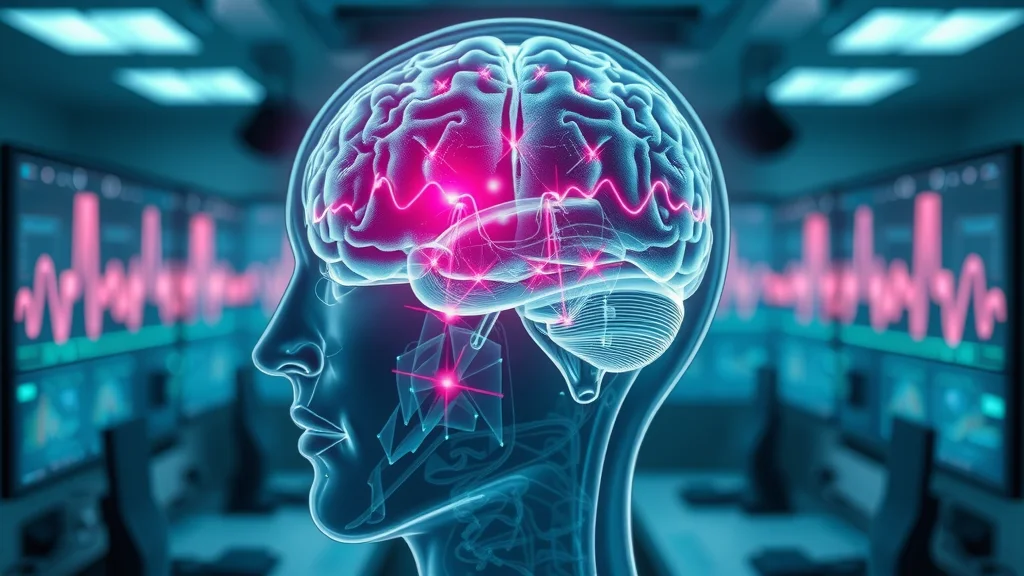
Neuroscientists are uncovering the mechanics behind hypnotic states using tools like EEG and fMRI. In the state of hypnosis, the brain typically exhibits increased theta activity (4–8 Hz), similar to the frequencies seen in deep meditation and the threshold of sleep, yet with notable differences. Hypnotic induction amplifies connectivity in the anterior cingulate cortex—a node in the executive network—and dampens the default mode network, supporting deep focus and diminished environmental awareness.
Imaging studies also show that highly hypnotizable subjects display more pronounced neural changes. During a hypnosis session, these individuals process hypnotic suggestions more visually and emotionally, as if the suggestion were reality. This is why posthypnotic suggestion (a task given during trance to be executed afterward) can have persistent effects. The neuroscience is clear: hypnosis is not just an illusion or shallow relaxation, but a replicable brain state with measurable cognitive and sensory impact.

Personal Reflections: My Experience With Hypnotic States of Consciousness
As someone who has undergone both formal and casual experiences of hypnosis, I can attest to its subtle yet powerful transformative impact. The first thing I noticed was an unusual balance between feeling deeply relaxed and yet acutely aware—like observing my own thoughts while letting someone else “drive” for a while. The hypnotic induction process was gentle and non-intrusive, centering on breathing and visualization, much like a meditative state but with clear goals set through hypnotic suggestion.
Themes of memory, healing, and self-discovery emerged, all while I remained able to recall everything—contrary to the myth that hypnosis erases conscious memory. Afterward, some long-held patterns shifted, and I found myself more receptive to change, both mentally and emotionally. Hypnosis, for me, was less about losing control and more about redefining the boundaries of my conscious mind and subconscious mind. It’s an experience I’d recommend to anyone willing to approach it with curiosity and an open mind.

List: Similarities and Differences Between States of Consciousness
- Awareness level: Highest in the normal waking state and hypnosis; lowest during deep sleep.
- Control over thoughts: Deliberate in waking and meditative states, more passive in hypnosis and dreams.
- Degree of suggestibility: Markedly elevated in hypnosis compared to waking or sleep states.
- Sensory perception: Sharpened or selectively filtered in both meditation and hypnosis; dreamlike and unpredictable in REM sleep.
People Also Ask: Common Questions About States of Consciousness with Hypnosis
What is the state of consciousness of hypnosis?
Answer: Hypnosis represents an altered state of consciousness marked by deep relaxation, focused attention, and heightened suggestibility.
What is the rule of 7 in hypnosis?
Answer: The 'rule of 7' suggests that suggestions or instructions are more effective when repeated up to seven times, exploiting the pattern-based receptivity of the subconscious mind during hypnosis.
What state are you in during hypnosis?
Answer: During hypnosis, individuals are in an altered state of consciousness—aware, yet deeply relaxed and receptive to guidance.
Are you conscious when hypnotised?
Answer: Yes, you are typically conscious and aware but may experience a narrowed focus and reduced peripheral awareness.
Video Insight: Understanding States of Consciousness with Hypnosis
Video Insight: Expert Panel on Hypnosis as an Altered State of Consciousness
FAQs About States of Consciousness with Hypnosis
Can everyone experience an altered state of consciousness with hypnosis?
While most people can achieve some level of hypnotic state, individual hypnotic suggestibility varies. Roughly 10–15% of adults are considered “highly hypnotizable,” able to quickly and deeply enter a hypnotic state. For others, it may take repeated practice, but almost everyone can experience some hypnotic effects with the right guidance and context.
Does hypnosis feel similar to meditation or sleep?
Hypnosis shares some characteristics with both meditation and sleep—such as deep relaxation and changes in brainwave frequency—but remains distinct. Most people report that hypnosis feels more focused and purposeful than meditation, and unlike sleep, you remain parly conscious and can later recall what happened during the session.
Is hypnosis a natural state of consciousness?
Yes, many practitioners and scientists agree that hypnosis works by amplifying mental processes that occur naturally in daydreaming, focused attention, or highly immersive states. The difference lies in the deliberate guidance and intensified suggestibility that define the hypnotic state.
Key Takeaways: States of Consciousness with Hypnosis
- Hypnosis is a distinct, scientifically recognized altered state of consciousness.
- It bridges the gap between conscious thought and deep subconscious processing.
- States of consciousness are varied, with hypnosis offering unique therapeutic and introspective opportunities.
Final Thoughts
Continue Your Exploration Into States of Consciousness with Hypnosis—Subscribe for the Latest Insights, Research, and Personal Experiences
If you’re inspired to further expand your understanding of consciousness and the transformative power of the mind, consider exploring how hypnosis compares to other self-awareness practices. Delving into the nuanced differences between hypnosis and meditation can reveal new strategies for personal growth, stress reduction, and mental clarity. By broadening your perspective on these states, you’ll be better equipped to harness their unique benefits in your own life. For a comprehensive look at how these practices align and diverge, visit this in-depth article on hypnosis versus meditation and take your journey into consciousness to the next level.




Write A Comment