

Feeling trapped by stress and anxious thoughts? You’re not alone—and a cutting-edge solution may be closer than you think. Over 40 million adults in the United States suffer from anxiety disorders, yet hypnosis for anxiety remains one of the most overlooked solutions that could pave your way to groundbreaking relief.
A Startling Look at Hypnosis for Anxiety: Surprising Facts and Figures
"Did you know that over 40 million adults in the United States suffer from anxiety disorders, yet hypnosis for anxiety remains one of the most overlooked solutions?"
Breaking Down Anxiety: The Stress Epidemic
Anxiety disorders are widespread, silently affecting people of every background, profession, and age. If you’ve ever felt your heart rate accelerate, your thoughts spiral, or your palms sweat in a stressful situation, you’re certainly not alone. The stress epidemic has led many to seek conventional treatments—like cognitive behavioral therapy or medication—without always experiencing long-term relief or reduced symptoms of anxiety. The challenge in managing anxiety lies not just in the presence of stress itself, but in how we respond to it and the coping mechanisms we choose. Millions struggle with daily panic attacks, blood pressure spikes, and even physical symptoms. Yet, while the mainstream focuses on traditional approaches, hypnosis for anxiety is steadily gaining recognition for fostering deep, sustainable changes in both mind and body, making it highly relevant for reducing anxiety in innovative ways.
What’s often overlooked is how anxiety affects areas of the brain related to emotional regulation and memory. Left unmanaged, anxiety can lead to more profound mental health issues, such as depressive disorder or chronic stress disorder. Fortunately, evidence-backed solutions—like hypnosis for anxiety—are emerging as powerful alternatives. Through focused attention and guided imagery, hypnosis can address the root triggers of anxious cycles, giving you the chance to rewrite your stress response without the need for long-term medication or intensive behavioral therapy. This opens a door to new coping strategies that are safe, accessible, and, perhaps most importantly, life-changing.
If you’re interested in a deeper dive into the mechanisms and benefits of this approach, you may find it helpful to explore a comprehensive overview of how hypnosis for anxiety helps calm the mind, which breaks down the science and practical applications in even greater detail.
What You'll Learn About Hypnosis for Anxiety
- The science behind hypnosis for anxiety
- How hypnotic state reduces stress and anxious thoughts
- Expert insights and personal perspectives on effectiveness
- Comparison to traditional anxiety reduction methods
- Tips for choosing hypnosis therapy
Understanding Hypnosis for Anxiety: A Personal Perspective
How Hypnotic State Impacts Reducing Anxiety
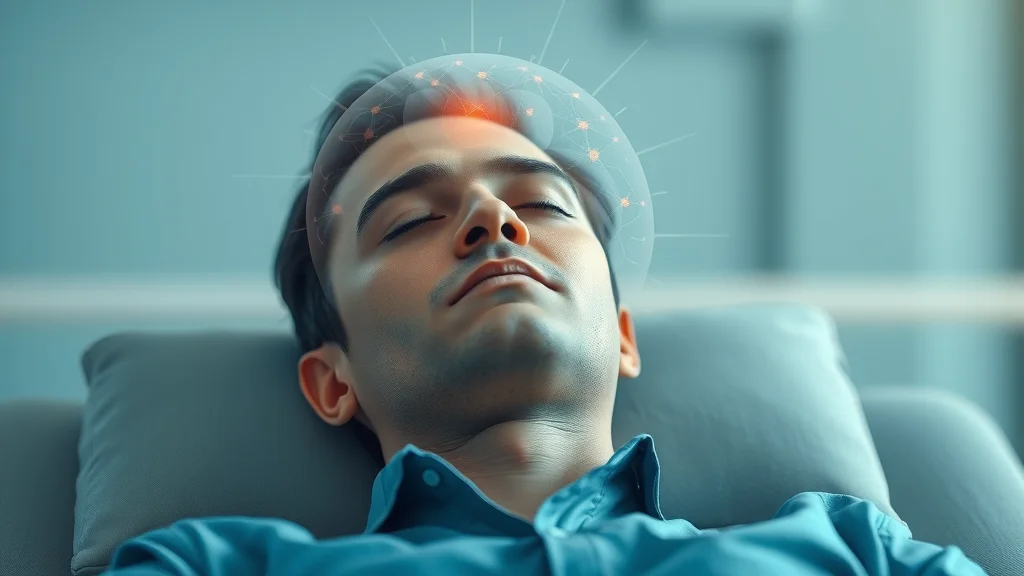
Entering a hypnotic state isn’t about losing control or being manipulated. Instead, it’s about achieving a focused, relaxed state of consciousness—sometimes referred to as an altered state—that allows your mind to be more open to positive suggestions and psychological interventions aimed at reducing anxiety. Many individuals who struggle with anxiety disorders describe this experience as a mental reset. When you’re under hypnosis, your heart rate and blood pressure tend to decrease naturally, giving your nervous system a break from the constant stress it faces in social situations or during panic attacks.
Research reveals that hypnotic techniques can alter areas of the brain responsible for fearful and anxious responses, making hypnosis for anxiety an effective tool for breaking the cycle of stress. Rather than simply masking symptoms with medication or struggling through cognitive behavioral exercises that may feel draining, hypnosis allows individuals to directly confront and reframe the thoughts that contribute to anxiety disorder. It’s about providing the brain with new coping mechanisms and teaching it to react calmly—even in previously stressful situations—offering new hope for anyone battling anxiety disorders.

Hypnosis for Anxiety Versus Conventional Stress Treatments
For decades, medication and cognitive behavioral therapy have been the mainstays of treating anxiety. While both have a solid track record and can be effective, neither provides lasting relief for everyone—especially those with persistent symptoms or side effects. Hypnosis for anxiety stands apart because it targets the subconscious patterns that fuel anxious thinking. By using hypnotic suggestions and guided imagery, this approach can reshape automatic mental scripts, encouraging a more relaxed response in stressful situations.
Unlike medication, which often comes with unwanted side effects or the risk of dependency, hypnosis for anxiety offers a non-invasive option. And while cognitive behavioral therapy and other psychological interventions require a conscious effort to identify and modify thought patterns, hypnosis leverages the power of the altered state of consciousness to bypass conscious resistance. This makes the process of reducing anxiety feel easier and more intuitive for some—providing an avenue for sustainable change, especially when combined with other coping strategies.
The Science Behind Hypnosis for Anxiety
What Happens in a Hypnotic State?
A hypnotic state is an altered state of consciousness where the mind becomes exceptionally receptive to suggestion and learning. Advanced neuroimaging studies demonstrate that during hypnosis, activity shifts in areas of the brain associated with self-awareness, emotions, and stress response. This shift can reduce the brain’s sensitivity to triggers, lessening symptoms of anxiety and helping individuals handle panic attacks more effectively. Key research findings show hypnosis for anxiety can significantly lower heart rate and blood pressure, offering measurable benefits for both mental health and physical well-being.
- Brain activity during hypnosis for anxiety: Imaging reveals synchronization in brainwaves linked to relaxation, which helps “reset” anxious neural pathways to healthier patterns.
- Key research findings supporting hypnosis for anxiety: Randomized clinical trials indicate hypnosis is effective in treating anxiety disorders and stress disorder, showing sustained results even months after treatment ends.
- Differences between hypnosis and guided meditation: Both involve focused attention, but hypnosis leverages therapeutic techniques and hypnotic suggestions specific to reducing anxiety and treating anxiety disorders, while meditation is generally passive.
For those seeking alternatives or enhancements to traditional treatments, hypnosis for anxiety stands out as both scientifically promising and easily accessible. This makes it a compelling option for anyone looking to achieve lasting relief from the toll anxiety can take on their quality of life.
Real-Life Experiences: How Hypnosis for Anxiety Has Helped Others
"After years of struggling with social anxiety, hypnosis helped me find calm I never thought possible." - Anonymous Client
Notable Success Stories and Testimonials
Many people have found lasting relief from anxiety through hypnosis. Take the case of Sarah, who suffered from chronic panic attacks and could barely handle daily life without feeling overwhelmed. After several sessions of hypnosis for anxiety, she began to reclaim her sense of calm—her symptoms declined, heart rate stabilized, and even social situations became manageable. These testimonials echo what numerous studies show: hypnosis, when practiced by trained professionals, is effective in treating anxiety, and often brings results faster than some traditional methods of psychological interventions.
Group and individual experiences alike reveal that hypnosis for anxiety facilitates more than just surface-level changes; it transforms core beliefs and habitual reactions. People report improved sleep, heightened confidence, and a reduction in stress—empowering them to face life’s challenges head-on. Their stories align with clinical evidence, spotlighting hypnosis’s unique ability to access the subconscious mind and implement positive, lasting change in those grappling with anxiety disorders.

Addressing Different Health Conditions With Hypnosis for Anxiety
Hypnosis for anxiety is not just for those with generalized anxiety; it also aids individuals dealing with related health conditions, such as depressive disorder, stress disorder, and chronic pain. The practice is increasingly being applied as part of integrated treatment plans, recognizing that anxiety often overlaps with other mental health challenges. For example, patients struggling with simultaneous depressive disorder and anxiety disorder frequently see improvement not just in their mood but also in physical symptoms—like tension, headaches, or elevated blood pressure—when hypnosis is part of their care.
Medical experts are continually exploring how hypnosis can complement or even enhance existing therapies, such as behavioral therapy and medication, offering patients more comprehensive options for treating anxiety. As a result, hypnosis for anxiety is becoming a go-to intervention for many seeking holistic, multidimensional approaches to their well-being.
Comparing Anxiety Reduction Techniques: Hypnosis for Anxiety in Context
| Technique | Effectiveness | Side Effects | Accessibility | Cost |
|---|---|---|---|---|
| Hypnosis for Anxiety | High (especially for anxiety disorders and stress-related symptoms) | Minimal, rare mild headaches or fatigue | Moderate (requires certified hypnotherapist; self-hypnosis apps available) | $$ (Varies by session; self-help methods usually lower cost) |
| Cognitive Behavioral Therapy (CBT) | High, most evidence-backed for various mental health conditions | None/Minimal (initial discomfort possible) | Good, widely available | $$$ (Therapist required, ongoing sessions can add up) |
| Medication | Moderate to High (good for acute symptoms but may not address root issues) | Varies (e.g., drowsiness, dependency, weight gain) | Excellent (prescription from physician) | $$$ (Depends on medication and insurance) |
| Mindfulness/Guided Meditation | Moderate, especially for general stress | None | Excellent (online resources, apps, classes) | $ (Often free or low-cost) |
How to Access Hypnosis for Anxiety: Finding Qualified Professionals
- What certifications to look for: Seek hypnotherapists certified by reputable organizations like the American Society of Clinical Hypnosis (ASCH), International Certification Board of Clinical Hypnotherapy (ICBCH), or National Guild of Hypnotists (NGH).
- Questions to ask during consultations: Ask about specific experience with anxiety disorders, success stories, and the approach used for treating anxiety.
- Red flags and credible resources: Beware of practitioners promising miracle cures, lacking credentials, or refusing to answer your questions transparently. Refer to medical associations and regulatory bodies for credible resources and professional directories.
Step-by-Step: What to Expect in a Hypnosis for Anxiety Session
- Initial consultation and anxiety assessment
- Induction into a hypnotic state
- Targeted anxiety-reducing suggestions
- Gradual return to full awareness
- Post-session guidance and self-care
During your first hypnosis session for anxiety, a qualified therapist will start with a collaborative consultation, exploring your anxiety history and triggers. You'll then be gently guided into a deeply relaxed, altered state of consciousness, often using techniques like guided imagery and focused attention. In this state, the therapist introduces personalized, positive suggestions targeting your anxiety patterns, retraining your mind to respond more calmly to stress. When the session ends, you'll be safely returned to your usual state, and the therapist will offer practical self-care advice or recommend further psychological interventions, such as at-home self-hypnosis or mindfulness exercises, ensuring you receive support both inside and outside the therapy room.

Common Misconceptions About Hypnosis for Anxiety
- Myths about mind control: Hypnosis does not make you lose control or act against your will. You remain aware and can reject any suggestion that doesn’t feel right.
- Hypnotic state and sleep: the differences: Unlike sleep, hypnosis induces an alert, aware state of focused attention in which your mind is highly responsive to positive therapeutic suggestions.
- Efficacy and safety perceptions: Hypnosis for anxiety is both effective and safe when performed or guided by trained professionals; adverse effects are rare and typically mild, such as brief headaches or temporary drowsiness.
Potential Risks and Limitations of Hypnosis for Anxiety
- When hypnosis may not be suitable for health conditions: Individuals with certain psychiatric or neurological health conditions, such as psychosis or epilepsy, should avoid hypnosis unless approved and supervised by a specialist.
- Possible side effects: Most side effects are minor and short-lived, but they may include dizziness, headaches, or brief emotional discomfort.
- How to ensure safe practice: Always seek out a certified, trained hypnotherapist and disclose your complete medical and mental health history before starting any session.
Self-Hypnosis for Anxiety: Tools and Techniques
- Best self-hypnosis practices: Practice daily in a quiet, comfortable space, using deep breathing and positive suggestions focused on reducing anxiety.
- Guided audio resources: Trusted hypnotherapists often provide downloadable or streaming audio for at-home practice. Look for hypnosis for anxiety tracks with high ratings and clear, evidence-based scripts.
- Integrating self-hypnosis with other anxiety-reduction practices: Combine self-hypnosis with mindfulness, yoga, or supported exercise routines for holistic anxiety management and improved mental health.
Self-hypnosis gives you the tools to reinforce positive coping strategies throughout your daily life. When paired with guided audio or apps, it empowers you to address anxious thoughts before they spiral, helping to reposition anxiety as a manageable, not overwhelming, part of your life journey.
Frequently Asked Questions About Hypnosis for Anxiety
Can hypnosis work for anxiety?
Research and expert opinions on the effectiveness of hypnosis for anxiety
Yes, hypnosis can work for anxiety, and mounting scientific evidence supports its effectiveness. Multiple studies show hypnosis for anxiety leads to significant improvements—especially for those with chronic anxiety disorders and panic attacks who haven’t responded well to other treatment forms. Clinical experts emphasize that when integrated sensibly alongside cognitive behavioral therapy or mindfulness, hypnosis significantly enhances overall outcomes in treating anxiety.
What is the 3 3 3 rule for anxiety?
Explanation of the 3 3 3 rule and its relationship to hypnosis for anxiety
The 3 3 3 rule for anxiety is a simple, grounding technique: look around and name three things you see, three things you hear, and three parts of your body you can move. This strategy works to break the cycle of anxious thoughts and is often used by therapists as part of behavioral therapy or mindfulness. While not specific to hypnosis, combining the 3 3 3 rule with hypnotic techniques can help individuals deepen their state of relaxation and reinforce positive coping mechanisms learned during hypnosis for anxiety sessions.
What is the success rate of hypnosis for anxiety?
Statistics and studies on success rates of hypnosis for anxiety
Research indicates hypnosis for anxiety has a high success rate, with many studies reporting improved anxiety symptoms in 60% to 80% of participants, depending on the anxiety disorder and treatment duration. Factors such as practitioner skill, patient readiness, and supplemental use of cognitive behavioral therapy can influence results, but the evidence clearly points to hypnosis as effective in treating anxiety for a wide range of people.
Why do I wake up at 3am with anxiety?
How hypnosis for anxiety addresses stress-related sleep disturbances
Waking up at 3am with anxiety is a common issue tied to an overactive stress response, often exacerbated by lingering anxious thoughts and stress hormone fluctuations. Hypnosis for anxiety helps by easing the subconscious triggers that disrupt sleep, reducing overall arousal levels, and providing coping strategies you can employ immediately upon waking. These techniques can lead to deeper, more restorative sleep and diminish the frequency of night-time panic attacks associated with anxiety disorders.
Key Takeaways: The Power of Hypnosis for Anxiety
- Hypnosis for anxiety is a powerful, evidence-backed technique
- Hypnotic state allows for deep relaxation and resetting anxious patterns
- Accessible through both professionals and guided self-hypnosis methods
Recommended Videos: Learn More About Hypnosis for Anxiety
- Animated explainer: How hypnosis for anxiety works in the brain
Practical Tips: Incorporate Hypnosis for Anxiety in Daily Life
- Routines to promote calm with daily hypnosis exercises
- Tips for using hypnosis apps safely and effectively
- Combining hypnosis techniques with mindfulness and other anxiety reduction methods
Building hypnosis into your life is as simple as setting aside 10–15 minutes each day for focused relaxation. Using reputable hypnosis apps or audios can make it easier to stay consistent. For best results, integrate your hypnosis sessions with mindfulness practices, such as deep breathing or progressive muscle relaxation. This approach not only magnifies the positive impact of hypnosis on reducing anxiety, but also creates a steady foundation for improved mental health over the long term.
Conclusion: Moving Forward with Hypnosis for Anxiety
"In my opinion, exploring hypnosis for anxiety can open doors to lasting relief—empowering you to reclaim your peace of mind."
- Hypnosis for anxiety is a valid and increasingly recognized method
- Personal experiences and evidence highlight its effectiveness for stress reduction
As you continue your journey toward better mental health, remember that hypnosis is just one of many holistic tools available for managing stress, anxiety, and even chronic pain. If you’re curious about how hypnosis fits into a broader wellness strategy, consider exploring the diverse health and wellness applications of hypnosis—from stress relief to pain management and beyond. Expanding your understanding of these integrative approaches can empower you to make more informed choices and discover new pathways to lasting well-being. Take the next step and see how a comprehensive approach to mind-body health can transform your outlook and quality of life.


Write A Comment