

Did you know that nearly 1 in 5 adults in the United States experiences an anxiety disorder each year, yet only a fraction seek out natural, effective options like hypnosis for anxiety? With tens of millions of people searching for relief from anxiety, it’s time to shine a light on an approach that’s as powerful as it is misunderstood. In this article, you’ll discover why hypnosis for anxiety is rapidly gaining recognition—not just as a complementary therapy, but as a transformative, holistic path to calm, confidence, and emotional well-being.
A Surprising Insight: The Untapped Power of Hypnosis for Anxiety
When most people think about reducing anxiety, talk therapy and medication often come to mind first. But recent advances show that hypnosis for anxiety is rapidly emerging as a game-changer. Unlike conventional approaches that focus primarily on conscious thought processes, hypnosis gets right to the root—working within the hypnotic state to tap into the subconscious mind. This allows for deep emotional shifts, helping individuals break free from the relentless cycles of worrying and negative self-talk common with anxiety disorders.
Embracing hypnosis for anxiety doesn’t mean you have to abandon mainstream methods. In fact, many practitioners encourage blending hypnosis with cognitive behavioral therapy and mindfulness, making it a practical and personalized tool for managing anxiety. The result? Reduced reliance on medication, minimized side effects, and a greater sense of control over one’s own mental health journey. This natural approach is finally being recognized as effective in treating anxiety, with growing evidence to support its role in long-term emotional resilience and well-being.
Unveiling the Numbers: Why Hypnosis for Anxiety Is Gaining Attention
Statistics reveal a surprising trend: Over 60% of people trying hypnosis for anxiety report significant improvements, compared to around 50% with traditional psychological interventions alone. The numbers are even more impressive for those with health conditions like panic attacks, stress disorder, or generalized anxiety disorder. As cases of anxiety disorders rise—with millions of people seeking relief from overwhelming emotions—interest in hypnosis has surged. Clinical reviews have shown that hypnotic techniques are not only safe but often more sustainable than quick-fix solutions. The gentle approach, customized through positive suggestions and guided imagery, appeals to those wanting to avoid the side effects of medication and the endless cycle of trial-and-error therapies.

Hypnosis for anxiety session in a tranquil, modern clinic—supportive environment enhances relaxation.
"Hypnosis for anxiety has transformed the way many people approach emotional wellbeing — a gentle yet profound shift." – Hypnotherapy Expert
What You'll Learn About Hypnosis for Anxiety
How hypnosis for anxiety works by leveraging the hypnotic state
The connection between health conditions and anxiety management
Key facts on hypnosis for anxiety effectiveness and success rates
Ways hypnosis for anxiety complements traditional therapies
Understanding Hypnosis for Anxiety: Foundations and Facts
To truly appreciate the power of hypnosis for anxiety, it’s important to understand what happens during a hypnotic session. This natural state of focused attention—also called the hypnotic state—transforms how the brain processes information. Research using brain scans has identified active changes in areas of the brain related to emotional regulation during hypnosis. These changes help individuals move past repetitive worry, often at the root of persistent anxiety disorders, and enter an altered state of consciousness that feels both deeply calming and empowering. In this altered state, the mind is highly responsive to positive suggestions and healing imagery, making real transformation possible.
Foundationally, hypnosis for anxiety stands apart because it is safe, customizable, and uniquely empowering. It can be tailored for those with co-occurring health conditions like sleep deprivation, depressive disorder, or even high blood pressure—matching suggestions to the individual’s needs and desired outcomes. The science is clear: through effective hypnotic suggestions within the hypnotic state, people can unlock lasting changes in their emotional responses and their bodies’ physical reactions to stress.
For a deeper dive into the specific ways hypnosis calms the mind and the science behind its effectiveness, you might find it helpful to explore how hypnosis for anxiety helps soothe mental stress and foster emotional balance. This resource offers additional insights into the mechanisms and practical benefits of hypnotherapy for anxiety relief.
The Science Behind Hypnosis for Anxiety and the Hypnotic State
Scientific literature describes the hypnotic state as an altered state of consciousness, characterized by focused awareness and heightened openness to suggestion. When someone enters this state, measurable changes occur in brain waves and neural connectivity—especially in regions involved in fear, memory, and self-awareness. According to researchers, engaging the subconscious mind with hypnotic suggestions during guided hypnosis sessions leads to reductions in heart rate, blood pressure, and stress hormone levels.
But what makes hypnosis for anxiety especially effective? It’s the ability to bypass the “critical filter” of the conscious mind, which often gets stuck in overthinking and anxious thought cycles. Through guided imagery and positive suggestions, clients can shift negative thought patterns and reinforce feelings of safety and confidence, directly affecting physiological markers like heart rate and blood pressure. This foundation provides lasting support, even for individuals who haven’t responded fully to talk therapy or cognitive behavioral interventions.
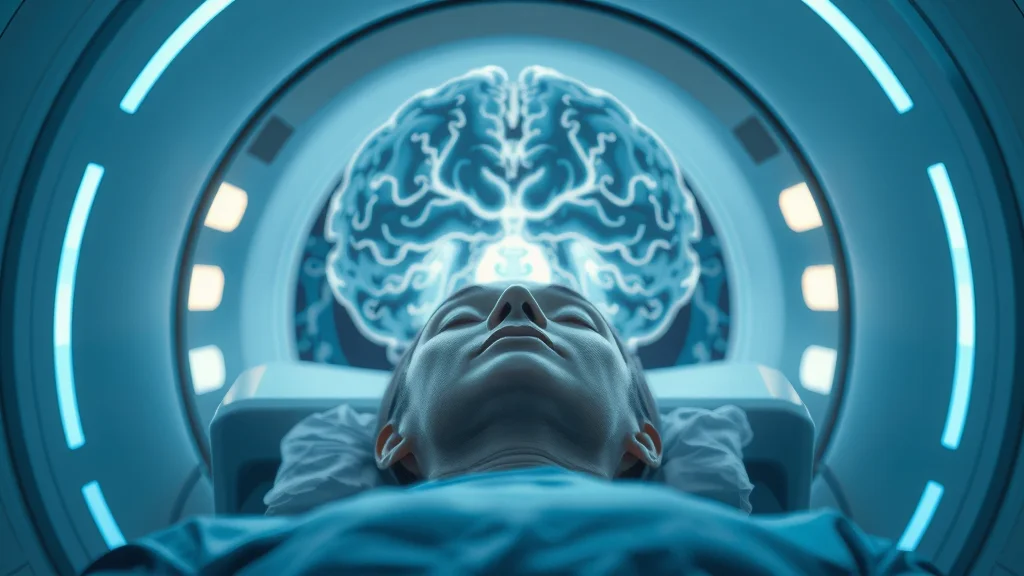
Brain imaging reveals how the hypnotic state during hypnosis for anxiety changes neural pathways, aiding calm.
Key Health Conditions Linked to Anxiety and Hypnosis Outcomes
Many physical and mental health conditions are tightly interwoven with anxiety. Chronic pain, cardiovascular issues like high blood pressure, sleep problems, and depressive disorders, frequently intensify or trigger anxiety symptoms. Research shows hypnosis for anxiety can provide relief by addressing both the mental and bodily aspects of these overlapping concerns. For example, stress and anxiety can lead to elevated blood pressure and heart rate, perpetuating a cycle of distress. Hypnosis helps break this cycle by instilling new, healthier responses to stressful situations.
For those with generalized anxiety disorder, panic attacks, or stress disorder, the hypnotic state offers a safe “reset,” calming both mind and body. Clients often report reduced panic attacks, deeper relaxation, and better sleep—all medically relevant outcomes that go far beyond momentary relief. For individuals managing anxiety alongside other health conditions, hypnosis for anxiety acts as an adjunct, amplifying the positive effects of medication or behavioral therapy while reducing the need for pharmaceuticals. This approach is now recommended by an increasing number of forward-thinking therapists for its ability to complement existing psychological interventions and offer holistic support.
Comparison of Hypnosis for Anxiety With Other Approaches |
||||
Approach |
Method |
Side Effects |
Success Rate |
Complementary Potential |
|---|---|---|---|---|
Hypnosis for Anxiety |
Guided hypnotic state, positive/therapeutic suggestions |
Minimal to none |
60–80% |
High (can be combined with CBT, medication, mindfulness) |
Medication |
Pharmaceutical (SSRIs, benzodiazepines) |
Potentially significant (drowsiness, dependency, etc.) |
50–70% |
Moderate (often paired with therapy) |
Cognitive Behavioral Therapy (CBT) |
Structured talk therapy, behavioral modification |
None (occasionally discomfort discussing issues) |
50–70% |
High (can pair with hypnosis, medication) |
Mindfulness |
Meditation, present-moment awareness techniques |
None |
40–60% |
High (blends well with hypnosis and CBT) |
Reducing Anxiety: Can Hypnosis Help?
The short answer is: Absolutely—hypnosis for anxiety can be life-changing. The hypnotic state is carefully guided by a trained practitioner, enabling clients to relax deeply while shifting attention away from constant worries and physical symptoms like increased heart rate or panic attacks. This unique state isn’t “sleep” or “unconsciousness,” but a highly focused, deeply relaxed condition where the mind is open to new ways of thinking and feeling. The process is gentle, non-invasive, and designed to help you regain control over anxiety, rather than letting anxiety control you.
Real-world evidence shows that even individuals with chronic anxiety disorders find relief through hypnosis. The technique is especially helpful for those who have not achieved full results with medication or cognitive behavioral therapy. By targeting the subconscious patterns underlying chronic worry and emotional reactivity, hypnosis for anxiety serves as a valuable bridge: reducing anxiety’s hold while building greater emotional resilience, improved mood, and increased confidence.
How the Hypnotic State Affects the Mind and Body
One of the most powerful benefits of hypnosis for anxiety lies in its impact on both mental and physical health. During a session, the shift into a hypnotic state can lower physiological markers of stress, such as blood pressure and heart rate. Clients often report a gentle “unwinding” sensation—racing thoughts slow, muscles relax, and breathing deepens. This state provides fertile ground for introducing new, calming associations using hypnotic suggestions, flooding the mind with sensations of safety and control.
Beyond relaxation, the hypnotic state also helps the brain “re-wire” anxious responses to stressful situations. Functional MRI scans demonstrate that hypnosis for anxiety quiets activity in the areas of the brain responsible for fight-or-flight reactions, while activating neural pathways linked to calmness and positive feelings. Over time, this shift enables people to experience fewer panic attacks, better sleep, and a more resilient response to everyday challenges. For many, it also brings liberation from the cycle of avoidance behaviors and emotional fatigue that often accompany anxiety disorders.

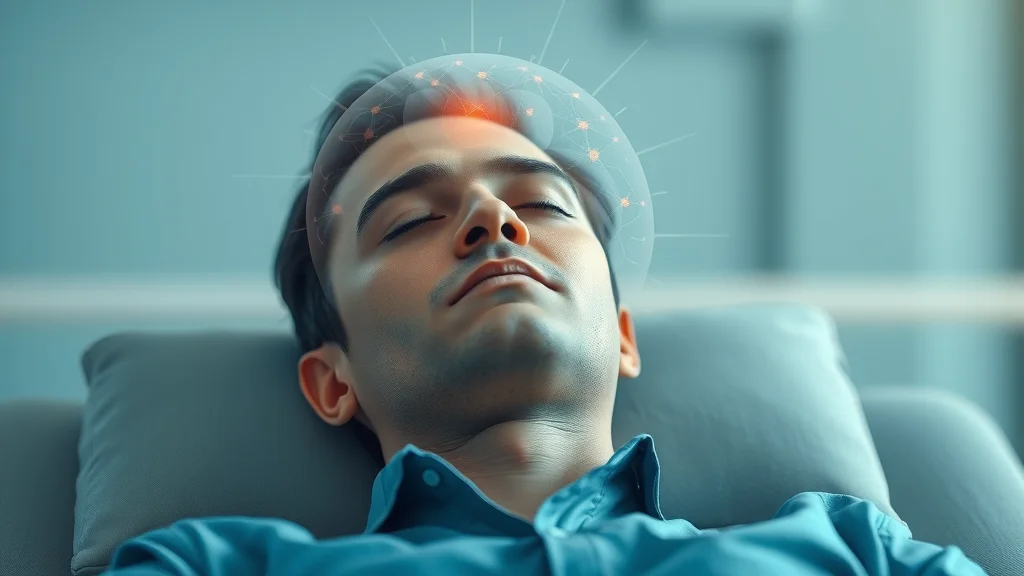
Relaxed at home: The hypnotic state during hypnosis for anxiety brings peace and groundedness.
Exploring Practical Steps in Hypnosis for Anxiety Programs
Hypnosis for anxiety isn’t a one-size-fits-all process. Sessions typically begin with a warm discussion to clarify goals and triggers. The practitioner may use progressive relaxation, guided imagery, or gentle breathing exercises to guide you into the hypnotic state. In this deeply focused yet relaxed condition, the therapist introduces hypnotic suggestions designed to rewrite anxious automatic reactions and foster calm, confidence, and resilience. Clients often experience a sense of mastery after just a few sessions—a testament to the process’s effectiveness in treating anxiety, even when other approaches haven’t fully succeeded.
Programs may also include techniques for self-hypnosis, empowering clients to reinforce new behaviors and manage stress between sessions. Because hypnosis works at the level of the subconscious, its effects tend to build with regular practice, offering protection against future triggers and relapses. Whether you’re new to psychological interventions or seeking a complementary path, hypnosis for anxiety provides a gentle, structured way to build a calmer, more resilient life.
Animated explanation: What happens in the hypnotic state during hypnosis for anxiety?
Top Benefits of Hypnosis for Anxiety
Rapid reduction in stress and anxious thought cycles
Enhancing confidence and emotional resilience
Minimal side effects compared to medications
Customizable to various health conditions
Hypnosis for Anxiety in Real Life: Success Stories and Clinical Perspectives
Behind every statistic, real people are discovering transformative relief through hypnosis for anxiety. Therapists and clients alike describe profound calm and newfound control in the face of even the most challenging health conditions. From those with long-standing panic attacks to people managing anxiety due to chronic pain or health scares, the hypnotic process offers a sense of safety and hope that's often elusive with other treatments. Hypnosis for anxiety is not just another therapy—it’s an invitation to rediscover your inner resources and finally break free from the hold of relentless worry.
"Many clients report experiencing calm almost immediately after a hypnosis for anxiety session." – Licensed Therapist
Case Studies: Different Health Conditions, Personalized Hypnosis for Anxiety Approaches
Consider the case of a young professional battling panic attacks that disrupt her work and sleep. Traditional therapy offers some relief, but it’s hypnosis for anxiety—delivered over just six sessions—that helps her decode subconscious triggers and regain emotional balance. Another example: an older adult with generalized anxiety disorder and high blood pressure, who finds that regular hypnosis sessions not only reduce anxious rumination but also improve cardiovascular health outcomes. Customizing hypnotic suggestions to each person’s unique life stressors and health conditions makes this approach especially effective in treating both emotional and physical manifestations of anxiety.
In more complex cases—like those combining anxiety with depressive disorder or sleep deprivation, clinicians report even greater success when combining hypnosis for anxiety with standard psychological interventions. This integrated approach often shortens the road to recovery, lessens dependence on medications, and increases overall satisfaction with the therapeutic journey. These real-life examples highlight one truth: hypnosis for anxiety adapts seamlessly to diverse needs and delivers measurable, lasting results.

Personalized guidance: Therapy sessions for hypnosis and anxiety foster trust and progress.
The Role of the Hypnotic State in Lasting Change
Why does hypnosis for anxiety so often lead to enduring change, even after years of failed attempts with other methods? The answer lies in the hypnotic state’s direct access to the subconscious mind. It is here, in this receptive altered state of consciousness, that deep-seated habits, beliefs, and emotional responses can be gently and efficiently reorganized. Unlike conscious willpower alone, hypnotic suggestions bypass critical resistance, allowing new patterns—calm, confidence, emotional control—to take hold quickly and persistently. Studies show the changes “stick” because the brain’s most fundamental pathways have been actively engaged, not simply overruled.
For clients who have long equated anxiety with a lack of control, these subtle, profound shifts can feel nothing short of miraculous. The hypnotic state—guided by skilled practitioners—restores agency over emotional reactions, offering a reliable route to well-being that’s both rapid and sustainable. Lasting change, critics now agree, is entirely possible with the right knowledge and support.
Client testimonial: Personal transformation through hypnosis for anxiety
Common Concerns and Myths About Hypnosis for Anxiety
Addressing misconceptions about the hypnotic state
Highlighting scientific support for hypnosis for anxiety
Despite growing scientific support, misconceptions about hypnosis for anxiety persist. Some believe it’s akin to losing control or falling asleep. In reality, the hypnotic state is one of heightened focus and awareness, not “mind control.” You remain fully aware, able to make decisions, and return to normal consciousness at any time. Another myth is that only “suggestible” people benefit. In truth, most people can enter a hypnotic state with the right approach, especially when motivated to try new ways of reducing anxiety.
Science continues to dismantle doubts about hypnosis for anxiety. Decades of research—including rigorous brain imaging studies—show real, measurable changes in the brain and body during and after hypnosis. The process is supported by respected organizations, including the American Psychological Association, as a valid tool for treating anxiety and related mental health challenges. The growing clinical consensus is clear: for many, hypnosis for anxiety delivers rapid relief and empowers lasting change.
People Also Ask
Can hypnosis work for anxiety?
Yes, hypnosis for anxiety has been shown in multiple studies to help reduce anxiety symptoms by tapping into the subconscious mind and promoting relaxation within the hypnotic state. Its effectiveness can vary depending on the individual and practitioner expertise.

Curiosity drives discovery: Learn how hypnosis for anxiety could work for you.
What is the 3 3 3 rule for anxiety?
The 3 3 3 rule for anxiety is a simple grounding technique used to manage acute anxiety. It involves naming three things you see, three things you hear, and moving three parts of your body. While it’s not hypnosis for anxiety per se, it is often used in conjunction with relaxation strategies.

The 3 3 3 rule offers quick relief, and pairs well with hypnosis for anxiety practices.
What is the success rate of hypnosis for anxiety?
The success rate of hypnosis for anxiety varies, with research indicating positive outcomes in 60–80% of cases. Results depend on the client’s state during the hypnotic process, health conditions, and practitioner expertise.
Why do I wake up at 3am with anxiety?
Waking up at 3am with anxiety may be linked to disrupted sleep cycles, underlying health conditions, or unresolved stress. Techniques like hypnosis for anxiety may help address these subconscious stressors.
Frequently Asked Questions About Hypnosis for Anxiety
Is hypnosis for anxiety safe? Yes, hypnosis for anxiety is widely considered safe when performed by a trained professional. It is non-invasive, non-addictive, and has a minimal risk of adverse effects compared to medication.
Is the hypnotic state similar to sleep? No, the hypnotic state is an altered state of consciousness marked by focused attention and heightened suggestibility. Unlike sleep, you remain awake and aware, yet deeply relaxed.
Can hypnosis for anxiety replace medication? In some cases, hypnosis for anxiety can reduce or eliminate the need for medication, especially when symptoms respond well to psychological interventions. However, it is best used as part of a holistic treatment plan, and changes to medication should always be supervised by your healthcare provider.
How many sessions of hypnosis for anxiety are necessary? Many people notice change after just a few sessions, but lasting results often require 4–10 sessions, depending on individual needs, health conditions, and therapeutic goals.
Key Takeaways: Choosing Hypnosis for Anxiety as a Holistic Approach
Hypnosis for anxiety leverages the hypnotic state for stress reduction
Tailored to address diverse health conditions
Evidence supports hypnosis for anxiety as a useful complementary therapy
Pursue Calm and Confidence: Start Your Journey with Hypnosis for Anxiety Today
If you’re ready for a natural, effective, and empowering way to reclaim peace of mind, now is the perfect time to explore hypnosis for anxiety. Reach out to a qualified practitioner, ask questions, and take your first step toward lasting calm and confidence.
As you consider integrating hypnosis into your anxiety management toolkit, remember that its benefits extend well beyond emotional relief. Hypnotherapy is increasingly recognized for its positive impact on a range of health and wellness concerns, from stress reduction to pain management and overall well-being. If you’re interested in exploring how hypnosis can support your broader health goals, discover more about its diverse applications for stress, anxiety, and pain relief in our comprehensive guide on health and wellness through hypnotherapy. Taking this next step could open the door to a more balanced, resilient, and vibrant life—empowering you to thrive in every aspect of your well-being.



Write A Comment