

Have you ever wondered if your own voice could guide you toward deeper relaxation and self-improvement? Recording your own self-hypnosis audio is a surprisingly powerful, underappreciated tool in personal development. Unlike generic hypnosis audios, using your voice to deliver tailored suggestions can lead to more meaningful change—and it allows you to challenge what’s possible in the world of self-care. In this article, I’ll share why I believe recording your own hypnosis track could unlock benefits no pre-recorded session ever could.
Unlocking the Potential: Why Record Your Own Self-Hypnosis Audio?
"Have you ever wondered if your own voice could guide you toward deeper relaxation and self-improvement? Let’s challenge the traditional approach to hypnosis audio and explore the benefits of creating personalized hypnosis audios."
There’s something uniquely compelling about being the source of your own positive change. When you record your own self-hypnosis audio, you tap not only into relaxation techniques but also into a deep level of trust with your inner voice. Unlike many generic hypnosis audios you might find online, a personalized recording allows you to tailor the script, background music or sounds, and language patterns to fit your needs and current state of mind. For people frustrated with one-size-fits-all hypnosis tracks or the main issue of disengagement during sessions, DIY hypnosis audios can completely transform results by fostering connection and intention.
Beyond the basics, your own hypnosis audio can be more than just a relaxation technique. It can bring targeted relief for issues like pain management, public speaking, or creative blocks. By recording your messages with purpose, you create a safe place and reinforce the idea that all hypnosis is self-hypnosis. If you’ve ever wondered about what it’s like to fall asleep listening to your own encouragement, or how your calming affirmations could shape the conscious and unconscious mind, you’ll find the process both empowering and surprisingly effective.

What You'll Learn About How to Record Your Own Self-Hypnosis Audio
The essentials of self-hypnosis and hypnosis audio
How to design and record your own hypnosis track
Expert tips for effective hypnosis audios
Pros and cons of DIY vs. professional hypnosis audios
Understanding Self-Hypnosis and Hypnosis Audio
What is a Hypnosis Audio?
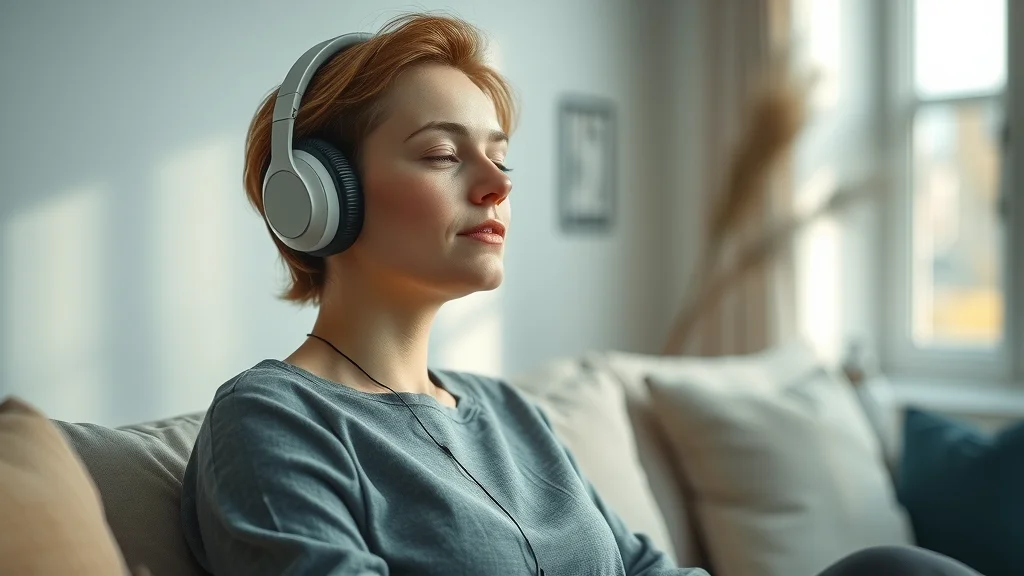
At its core, a hypnosis audio is a recorded session—usually featuring a calming voice, hypnotic language, and often soothing background music—designed to lead you into a relaxed state and alter your habitual patterns of thought. You’ll typically listen through headphones, close your eyes, and allow the suggestions to guide your conscious mind and unconscious mind toward your desired goal. These audios serve as a practical tool for anyone seeking positive change in areas from stress relief and relaxation techniques to more specific personal development challenges.
The real advantage of a hypnosis audio is that it brings you unlimited access to relaxation techniques and self-improvement, without having to schedule live hypnosis sessions or work with a hypnotist every time. While traditional hypnosis sessions are interactive, the right hypnosis track or script can often replicate much of the experience—especially for issues like pain management, sleep support, public speaking nerves, or just deepening your general sense of well-being.
How Hypnosis Tracks Work
Hypnosis tracks, whether guided by a professional or self-recorded, work by systematically quieting the conscious mind through relaxation techniques—like slow breathing or progressive muscle relaxation—until you reach a hypnotic state. In this state, your mental defenses are lowered, your mind is more open to suggestion, and your unconscious mind becomes more receptive to positive change.
The process usually involves soft background music or sounds, clear language patterns, and a gentle, reassuring tone. As you listen, you’ll often be encouraged to visualize a safe place, focus on sensation, or repeat affirmations, helping you to engage in a relaxation technique that supports the purposes of your chosen goal. Consistent use of a recorded hypnosis audio trains your mind to respond more quickly each time, which accelerates progress compared to occasional live hypnosis sessions.
Benefits of Listening to Self-Recorded Hypnosis Audios
Self-recorded hypnosis audios offer major advantages over off-the-shelf tracks. Personalization stands out as the main benefit: every suggestion is tailored to your voice, your goals, and what truly resonates with you. This helps build trust, reduce main issues of engagement, and turn the session into a safe place for deep transformation.
Another key advantage is consistency—recorded hypnosis tracks can be replayed as often as needed, allowing unlimited access to relaxation techniques and guidance whenever you wish. And since the conscious level is gently bypassed by hearing your own voice, many find deeper, faster entry into a hypnotic state. For those working on complex areas like the human condition, such as confidence, stress, pain management, or even sleep (to help them fall asleep), self-directed tracks can be a transformative aid.
If you're interested in understanding how self-hypnosis compares to other popular mind-body practices, you might find it helpful to explore the distinctions between hypnosis and meditation. This can provide valuable context as you develop your own audio sessions and refine your approach. For a detailed comparison, see how hypnosis and meditation differ in their techniques and outcomes.
Key Ingredients: Preparing to Record Your Own Self-Hypnosis Audio
Writing a script tailored to your goals
Selecting the right environment and equipment
Understanding voice tone and pacing in hypnosis audios
The quality of your self-hypnosis audio begins long before you press record. Start by writing a hypnosis script that focuses on your specific intent—whether it's relaxation, building self-esteem, enhancing creativity, or supporting positive change. Your script should include specific language patterns, positive and present-tense statements, and be structured with enough clarity that you can read naturally and confidently. Avoid overcomplication; simplicity ensures your unconscious mind can easily absorb the messages.
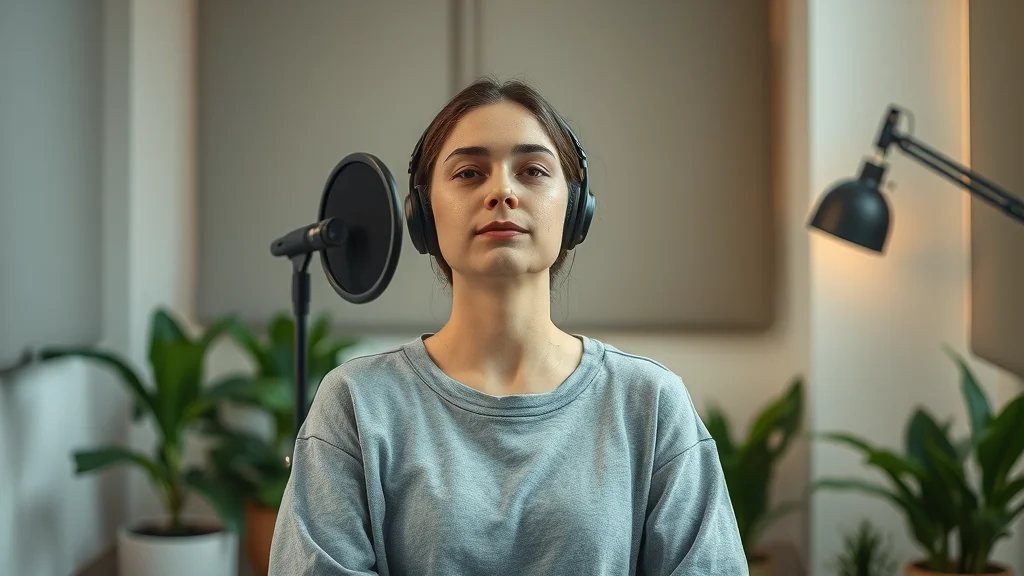
Choose a quiet, comfortable space as your recording environment—a “safe place” free from noise, distractions, or interruption. Quality equipment is key too: a reliable microphone, headphones, and basic recording software will improve clarity dramatically. Pay attention to your tone, pacing, and volume; a soothing, steady voice works best for hypnosis tracks, helping listeners (including future you!) enter a relaxed, receptive state effortlessly.

Step-by-Step Guide: How to Record Your Own Self-Hypnosis Audio
Step 1: Scripting Your Hypnosis Track for Success
Begin with clarity: Why are you making this hypnosis audio? Define your key goals—be it achieving a relaxed state, working with pain management, boosting public speaking confidence, or another kind of positive change. Write out a hypnosis script using straightforward, positive, present-tense language. Use hypnotic language and language patterns such as “You are calm,” “You are safe,” or “You easily fall asleep.”
Break your script into logical sections: induction (to help you close your eyes and relax), deepening (to reach a hypnotic state), suggestion (directing your unconscious mind), and re-orientation (returning to conscious level awareness). Keep the phrasing simple and relatable. Remember, great hypnosis audios are clear, not complex – this helps the unconscious mind best absorb the intended message.
Step 2: Choosing Recording Tools and Software
The right audio recording tools matter. You don’t need a fancy studio, but a reasonable condenser microphone and basic editing software will go a long way. Open-source programs like Audacity or GarageBand are perfect for beginners, and you can add soft background music or sounds for an extra relaxing touch if you wish. Test your recording equipment in your chosen safe place for the best results—acoustics are especially important, as background noise is a main issue for many home recordings.
Using headphones while recording helps you monitor quality, ensuring your voice is clear and regulated. Adjust your microphone for natural-sounding depth and minimize echo with soft furnishings, blankets, or even DIY soundproofing. When adding a music track, keep it gentle and low—your voice should always be the main focus, supporting the purposes of your script without distraction.

Step 3: Recording, Editing, and Finalizing Your Hypnosis Audio
With your script ready, environment set, and gear tested, begin recording. Speak slowly, warmly, and with intention—imagine you’re guiding a friend into a relaxed state. Don’t rush; pause where you want the listener to reflect or close their eyes. After your first pass, listen back for clarity, volume consistency, and any distracting background noises.
Edit out stumbles, long pauses, or external sounds. Layering background music can help—but keep the music track soft and gentle. Once satisfied, export your final “hypnosis track” as an MP3 or similar file for easy playback. Congratulations, you now have a powerful self-care tool, crafted just for you! Share it with yourself regularly to reinforce positive change and experiment with tweaks as your needs evolve.
Popular Recording Tools vs. Professional Hypnosis Audios |
||
Feature |
DIY Hypnosis Audio |
Professional Hypnosis Audio |
|---|---|---|
Personalization |
Fully customizable to your goals, voice, and language patterns |
Partially customizable, often generic scripts |
Cost |
Low (free or minimal equipment/software cost) |
High (session fees, limited unlimited access) |
Repetition & Access |
Unlimited access—use any time |
May require purchase, subscription, or attendance |
Expertise Required |
None needed, learn as you go |
Guided by training and experience |
Voice Familiarity |
Your own voice, enhances trust |
Stranger’s voice, may disrupt rapport/trust |
Opinion: The Psychological Impact of Using Your Own Voice in Hypnosis Audios
"In my experience, embracing the sound of my own voice made self-hypnosis more intimate and effective—a surprising twist on the traditional hypnosis track experience."
There’s a profound shift that happens when you listen to your own hypnosis audio. At first, many people are skeptical—worried their voice will sound strange, or it will disrupt the entrance into a hypnotic state. However, what I’ve consistently discovered is the opposite. When you record your own self-hypnosis audio, you not only deepen trust between your conscious and unconscious mind, but you engage more fully with relaxation techniques and suggestions because your voice has unique authority for you alone.
This effect supports the purposes of hypnosis: personal development, rapid behavior change, and ongoing self-improvement. Your voice becomes a safe place—a familiar sound guiding you into relaxation technique after relaxation technique, dismantling resistance at the conscious level. In my opinion, this is the ultimate advantage of DIY hypnosis audios, and why even seasoned users of hypnosis tracks and apps should give it a try.
Common Mistakes to Avoid When You Record Your Own Self-Hypnosis Audio
Overcomplicating the script
Neglecting background noise
Ignoring voice modulation
If you want your self-hypnosis audio to be effective, avoid these frequent pitfalls. Overcomplicating your hypnosis script—packing it with too many suggestions or complex language patterns—can confuse your unconscious mind and reduce the hypnotic state’s effectiveness. Stick to one or two key aims per session and keep language simple, clear, and positive.
Background noise can undermine the main issue of listener comfort. Record in your quietest room and use soft furnishings to reduce echo. Lastly, don’t underestimate the power of your voice—flat or rushed delivery can make even the best hypnosis track less effective. Practice natural, soothing modulation, pausing to allow the conscious mind to process and relax. Test and refine as needed, until your audio recording sounds as inviting as a live guided session.
Tips and Best Practices for Powerful Hypnosis Audios
Keep scripts simple and relatable.
Record in a quiet, controlled space.
Practice positive, present-tense statements.
Test on yourself and adjust as needed.
Powerful hypnosis audios follow a few golden rules. Simplicity helps the unconscious mind accept new ideas. Your recording space should be carefully chosen, free from interruptions and noise that could break your hypnotic state. Always use positive, present-tense language in your script—it reinforces what you want, right now, rather than focusing on what you’re trying to change or avoid.
Finally, always test your track on yourself before adopting it as a regular relaxation technique. Notice how long it takes to reach a relaxed state, where your mind starts to wander, or whether background music is supportive or distracting. Each tweak makes your hypnosis audio a more effective tool for personal breakthrough, whether your target is better sleep, pain management, or something uniquely yours.
For a hands-on walkthrough, see this sample demo. I’ll show you everything from script setup and environment selection to recording, editing, and exporting your finished hypnosis track.
Expert Insights: Comparing Different Hypnosis Audio Approaches
Hear from professionals and avid home users about the pros and cons of DIY audios versus purchasing professional hypnosis tracks or using a hypnosis app, along with best practices for making your home studio sessions a success.
People Also Ask: Does Self-Hypnosis Audio Work?
Yes, self-hypnosis audio can be effective when scripted and used consistently with intention, belief, and relaxation techniques. Personalization often increases engagement and impact.
When you use a personalized hypnosis audio, scripted with your specific goals and spoken in your own voice, the effect is often stronger than generic hypnosis audios or hypnosis apps. Over time, repetition helps you achieve a relaxed state faster and increases the positive change in your behavior or outlook. Consistency, belief in the process, and clear intention are key—just as much as in any professionally recorded hypnosis session.
People Also Ask: What Is the Rule 4 of Hypnosis?
Rule 4 of hypnosis traditionally refers to the principle that ‘All hypnosis is self-hypnosis.’ It underscores the importance of internal motivation and the subject’s willingness during any hypnosis track or process.
This rule highlights a core truth: the best hypnosis audios can only guide—the true power lies in your willingness and intention. When you record your own self-hypnosis audio, you amplify this effect, becoming both guide and subject, playing an active role in your transformation and creating a direct path to the unconscious mind.
People Also Ask: Is There a Free Self-Hypnosis App?
Yes, there are several free self-hypnosis apps available for Android and iOS. These often allow users to listen to or even record their own self-hypnosis audio tracks.
Apps like Insight Timer, Mindset, and HypnoBox have free tiers where you can explore pre-recorded tracks—and, in some cases, create your own. While dedicated audio recording is often best for complete personalization, many hypnosis apps now offer support for recording and editing scripts, experimenting with music tracks, and sharing sessions with friends. This is an affordable way to get started with relaxation techniques or as a supplement to your own recordings.
People Also Ask: How Much Does HypnoBox Cost?
HypnoBox, a leading self-hypnosis app, typically offers a free tier with optional premium upgrades ranging from a one-time purchase to a monthly subscription. Pricing may vary, so always check their latest offers.
HypnoBox stands out for customizable scripts, unlimited access to sound options, and the ability to create specialized hypnosis audios for a variety of goals. The free plan is a great way to experiment with new relaxation techniques and compare the results with your home-recorded tracks. Keep in mind, current prices and premium features may change, so it’s always best to check their website or app store listing for up-to-date information.
FAQs About How to Record Your Own Self-Hypnosis Audio
Can anyone create an effective hypnosis track?
Yes! Anyone can write a basic script, use easy-to-find equipment, and craft a hypnosis track tailored to their needs—no special training required. Perfection isn’t necessary; even simple, honest suggestions can be highly effective.How long should my self-recorded hypnosis audio be?
Most listeners benefit from 15–30 minute sessions, but you can make shorter (10 minute) or longer (45 minute) tracks depending on your purpose and available time. Start with short audios and extend as you gain comfort.What music or sounds work best in hypnosis audios?
Use gentle, non-distracting background music like soft ambient tracks, nature sounds, or calming instrumentals. Avoid lyrics or sudden changes. The goal is to reinforce your relaxation technique, not take focus away from your voice.
Key Takeaways: Why You Should Try to Record Your Own Self-Hypnosis Audio
Personalized hypnosis audios can improve relaxation and results.
DIY hypnosis tracks are cost-effective and customizable.
Your voice may enhance trust and suggestibility in the process.
Final Thoughts on How to Record Your Own Self-Hypnosis Audio
"Recording your own self-hypnosis audio is a fulfilling journey toward self-discovery and empowerment. Challenge conventional wisdom and put your voice front and center."
Ready to transform your self-care routine? Start recording your own self-hypnosis audio today!
As you continue to refine your self-hypnosis practice, consider broadening your understanding of how these techniques fit within the larger landscape of mind-body wellness. Exploring the nuanced differences between hypnosis and meditation can reveal new strategies for relaxation, focus, and personal growth. If you’re curious about how these practices complement or contrast with each other, take a deeper dive into the key distinctions and unique benefits of hypnosis versus meditation. This knowledge can empower you to make more informed choices and elevate your self-care journey even further.



Write A Comment