

Did you know? According to recent studies, over 60% of people report significant benefits after trying self-hypnosis techniques. These range from reduced stress and anxiety to improvements in sleep, pain relief, and even weight loss. But what exactly makes self-hypnosis so powerful, and is it truly the breakthrough you’ve been searching for? In this guide, we pull back the curtain on self-hypnosis, equipping you with actionable strategies and science-backed insights to help you unlock your mind’s full potential.
Unlocking the Power of Self-hypnosis: A Startling Look into the Mind
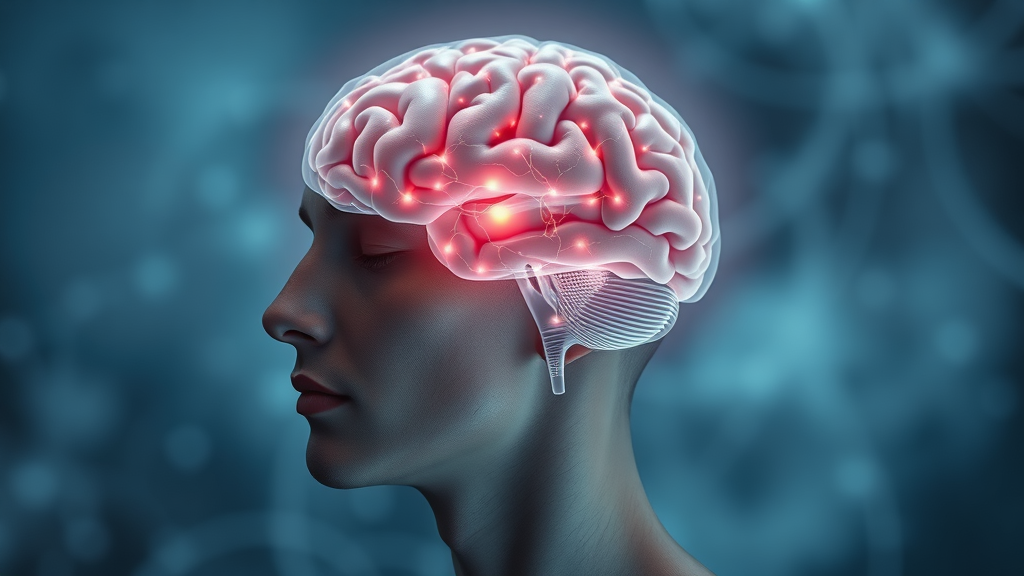
"According to recent studies, over 60% of people report significant benefits after trying self-hypnosis techniques – but what makes self-hypnosis so powerful?"
The allure of self-hypnosis lies in its remarkable accessibility and its ability to help people make lasting changes in their lives—from altering thought patterns to managing physical pain. Today, more individuals are exploring self-hypnosis as both a complementary and stand-alone approach to achieving their goals. Whether you want to promote weight loss, reduce stress, improve mental health issues, or address chronic pain, self-hypnosis could provide a highly focused, affordable pathway toward self-improvement. Understanding how this technique harnesses the mind’s power is the first step in determining if it’s the solution you need.
As our understanding of the brain evolves, so does the recognition of how simple self-guided techniques can lead to profound mental and physical transformation. This comprehensive guide will demystify self-hypnosis, explore its potential benefits, and show you exactly how it works. Let’s get started and discover whether self-hypnosis is the breakthrough you’ve been waiting for.
What You’ll Learn About Self-hypnosis
The science behind self-hypnosis
How self-hypnosis sessions differ from traditional hypnosis session experiences
Techniques for practicing self-hypnosis for weight loss, stress, and performance
The potential benefits and possible risks
How to identify the best self-hypnosis programs
Understanding Self-hypnosis: What Is It and How Does It Work?
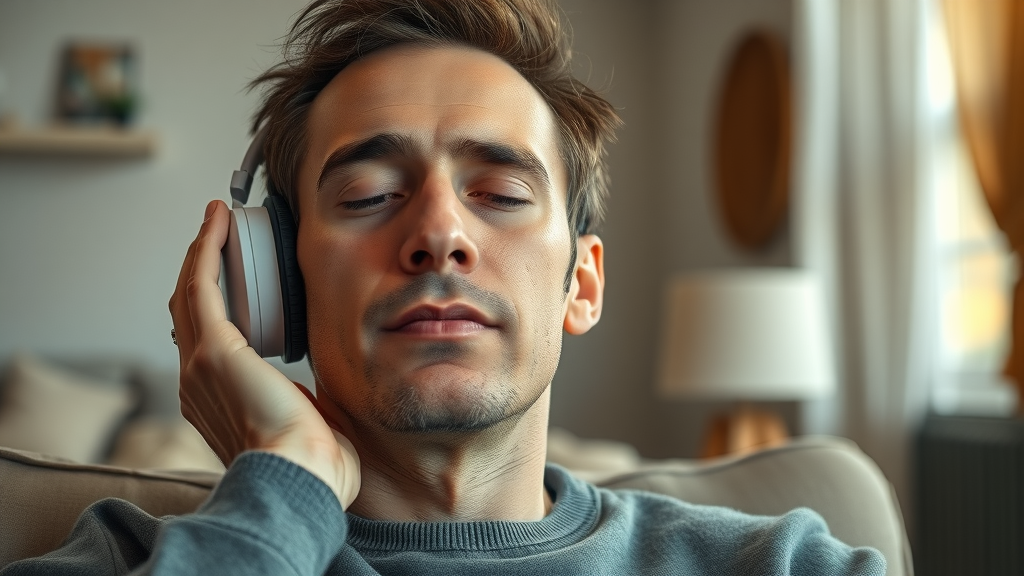
Defining Self-hypnosis vs. Hypnosis Sessions
Self-hypnosis is a natural state of focused attention, relaxation, and heightened suggestibility that you can enter and exit on your own. In contrast, a traditional hypnosis session typically involves a professional hypnotherapist guiding you into a hypnotic state and delivering suggestions crafted for your specific needs. With self-hypnosis, you take the reins—using internal dialogue, mental imagery, and sometimes an audio recording or hypnosis script—to reach a deep state of relaxation and make constructive changes in habits or thought patterns.
Unlike guided hypnosis sessions where the experience relies on external prompts and expertise, self-hypnosis is entirely self-directed. This means you can tailor every session to meet your goals, whether they’re related to weight loss, overcoming stress and anxiety, or boosting self-confidence. The process hinges on your ability to quiet the mind, focus inwardly, and introduce new ways of thinking and behaving, all while in a comfortable and safe setting.
The Science Behind Self-hypnosis and Hypnosis Session Outcomes
The effectiveness of self-hypnosis and guided hypnosis sessions has been widely researched, particularly for cognitive, emotional, and physical health issues. Neuroscience shows that during a hypnotic state, brainwave patterns shift to a deep state of relaxation similar to meditation, allowing for greater receptivity to positive suggestions. This state can stimulate brain regions involved in managing thoughts and emotions, which helps make it easier to tackle challenges like chronic pain, weight loss, and anxiety.
Studies by institutions like the University of California confirm that self-hypnosis can foster pain relief, reduce stress levels, and improve certain mental health outcomes. Both self-hypnosis and professional hypnosis session approaches harness these changes, but self-hypnosis gives you full control—enabling repeated practice anytime without the cost or scheduling needed for a hypnotherapist.
If you're interested in practical ways to deepen your practice, exploring a variety of self-hypnosis techniques for relaxing your own mind can help you discover which methods resonate best with your personal goals and lifestyle.
The Potential Benefits of Self-hypnosis
Self-hypnosis for Weight Loss, Stress Reduction, and More
People turn to self-hypnosis for a variety of reasons, from physical health improvement to emotional resilience and mental clarity. Its most lauded benefits include managing heart rate and anxiety, promoting weight loss, and achieving deep physical relaxation. For many, these techniques not only help reduce stress but also offer tools to shift unwanted thought patterns and habits—areas where traditional hypnosis sessions have also shown efficacy.
Additionally, using self-hypnosis enables enhanced focus and motivation, making it a powerful ally if you’re working towards personal or professional milestones (like quitting smoking, ending unhealthy eating, or overcoming fear of public speaking). Some even draw comparisons between self-hypnosis and guided meditation, reporting even greater control, flexibility, and intention when addressing daily obstacles and long-term goals.
Enhanced focus
Managing heart rate and anxiety
Self-motivation
Pain management and relaxation
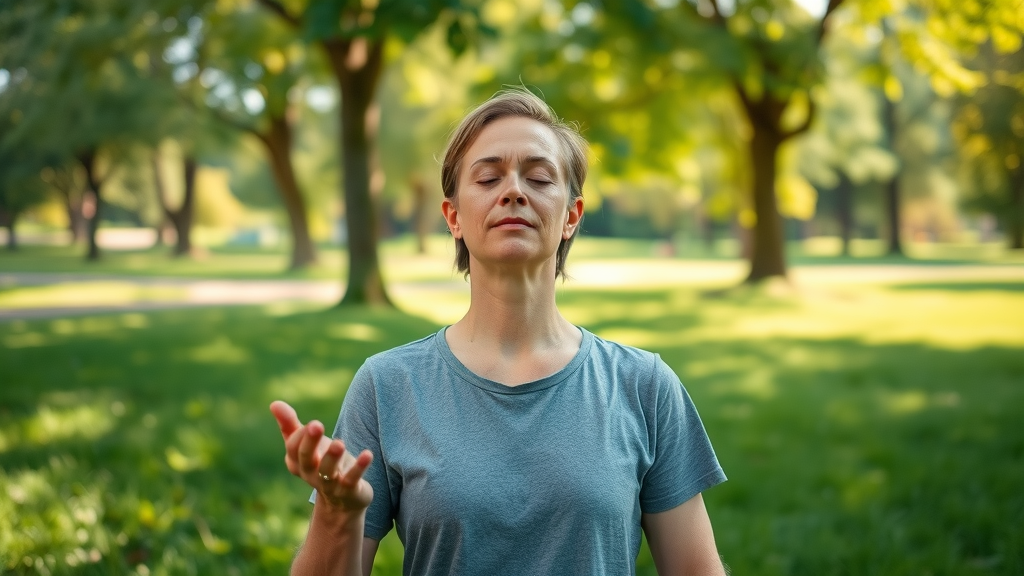
"Many users liken the clarity from self-hypnosis to guided meditation, but with even greater control over purpose and outcomes."
Self-hypnosis vs. Traditional Hypnosis Session: Key Differences
Factor |
Self-hypnosis |
Traditional Hypnosis Session |
|---|---|---|
Practitioner |
Self-guided |
Professional hypnotherapist |
Flexibility |
Any time, anywhere |
Appointment-based |
Cost |
Free or low-cost |
Can be expensive |
Level of expertise |
Beginner to advanced |
Guided expertise |
Self-hypnosis offers greater autonomy and can be a practical solution for people who prefer privacy or wish to practice at their convenience. In contrast, a traditional hypnosis session leverages the expertise of a trained professional, which may be ideal for complex mental health issues or when self-guidance is challenging. Cost, flexibility, and the desired level of expertise are crucial factors to consider when choosing between these methods.
Many people find it empowering to learn self-hypnosis as part of their routine, while others may benefit from starting with a professional hypnotherapist to learn foundational techniques before transitioning to self-guided practice.
How to Practice Self-hypnosis: A Step-by-Step Guide
Preparation: Creating an Ideal Self-hypnosis Environment
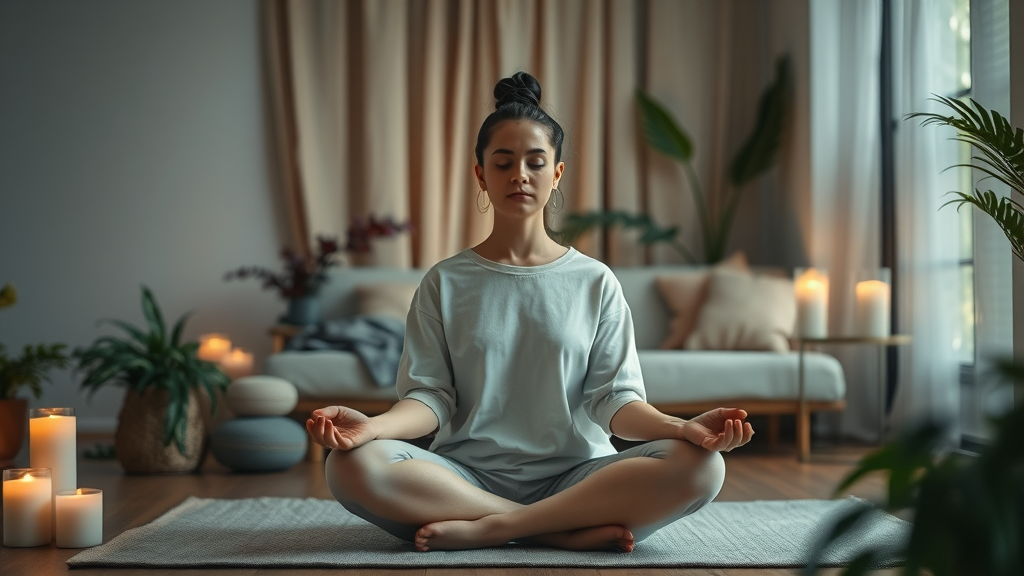
Before you begin, it’s essential to create a safe and relaxing space for self-hypnosis. Choose a quiet spot where you won’t be disturbed, dim the lights, and add calming touches like soft textures, gentle lighting, or relaxing scents. Many find that arranging a neat, tranquil area helps signal the mind and body that it’s time to enter a state of relaxation and focus—crucial for success in self-guided hypnosis sessions.
Silence your phone and inform others you’ll be taking private time to practice. Having a comfortable chair, mat, or pillow can make it easier to physically unwind. Some individuals like to use audio recordings or gentle background music, while others prefer silence. The more comfortable and supported you feel, the deeper you’ll be able to relax—making it easier for your mind to follow your mental cues and reach a beneficial hypnotic state.
The Four Steps of Self-hypnosis Explained
Setting intention
Relaxation and focus
Guided suggestion
Returning to consciousness

Begin by setting your intention—identify what you wish to address or achieve during your session (such as “I want to reduce stress and anxiety”). Next, close your eyes and focus on your breath, allowing any tension to melt away as you sink into a deep state of relaxation. Once calm, introduce guided suggestions—positive, clear statements tailored to your goal (e.g., “With every breath, I am more relaxed and free from stress”). Finally, gently guide yourself back by counting up from 1 to 5 or reminding yourself of your surroundings before opening your eyes.
Consistently repeating these steps can make it easier to achieve your goals, adjust unhealthy habits, and regulate your emotional and physical responses—proving self-hypnosis a practical tool for long-term positive change.
Staying Safe: When to Consult a Professional Hypnotherapist
While self-hypnosis is safe for most people, those with severe mental health issues, histories of trauma, or under treatment for significant physical pain should consult a healthcare professional or professional hypnotherapist first. These experts can help tailor suggestions for your unique needs, provide support during vulnerable moments, and guide your progress to ensure your wellbeing. Remember, if self-hypnosis ever causes distress, confusion, or unwanted emotions, a professional’s input can make all the difference.
In complex cases—like dealing with chronic pain, deep-seated fears, or serious health issues—a blend of self-hypnosis and professional hypnotherapy is often the safest, most effective path. Never hesitate to prioritize your own safety.
Choosing the Right Self-hypnosis Program
What Makes a Good Self-hypnosis Program?
A quality self-hypnosis program should feature reliable, evidence-based techniques and offer flexibility for both beginners and advanced users. Look for programs that provide clear instructions, scientific explanations, and a range of adaptable scripts—either written, audio, or digital formats—to meet your preferences. Top-rated products or services are mindful of safety guidelines and include support resources or access to professionals for questions and troubleshooting.
Other important qualities are user-friendly guides, customizable hypnosis scripts for different situations (weight loss, stress, confidence, pain relief), and options for tracking your progress. Always verify the credentials and reputation of the creators, and seek out genuine user reviews. Your comfort and trust in the material will enhance outcomes from every self-hypnosis session.
Popular Self-hypnosis Programs Reviewed
Among highly recommended programs are digital apps and audio series like “GraceSpace Hypnosis,” “Mindset by KB,” or the classic “Sleep Well Hypnosis.” These platforms often combine professional expertise with guided scripting and interactive tools—making it easier to stick to a routine and meet your goals. For those seeking guidance, programs endorsed by a professional hypnotherapist may offer added confidence, especially when starting out.
Explore trial versions to find the best fit for your needs—whether it’s weight loss, overcoming fear, or building better thought patterns. As with any wellness approach, what works best will depend on your learning style, goals, and comfort with digital tools or audio guidance.
Exploring Self-hypnosis in Specialized Areas
Self-hypnosis for Weight Loss: Does It Work?

Self-hypnosis is increasingly cited for its role in weight loss and body-image improvement. By using focused suggestions to shift negative behaviors and reinforce healthy habits, many people have found success in controlling cravings, increasing motivation to exercise, and making sustainable food choices. Unlike restrictive diets, self-hypnosis tackles the underlying thoughts and emotions driving eating patterns, which can help create lasting change.
Scientific trials show promising results: Regular self-hypnosis sessions paired with healthy lifestyle changes can promote weight loss and support long-term maintenance. While it’s not a quick fix, it provides a positive structure for addressing emotional eating, improving body confidence, and strengthening willpower. If you struggle with weight loss despite trying multiple approaches, self-hypnosis might be the key to addressing the mental blocks that hold you back.
Self-hypnosis and Heart Rate: Managing Physiological Responses
Anxiety, panic, and stress often manifest in the body as elevated heart rate or tension. Through self-hypnosis, you can train your body and mind to respond differently to stressors, using guided suggestions and breathing to induce a state of relaxation. This not only calms the mind but can also support pain relief, lower blood pressure, and improve sleep quality.
If you experience chronic stress or need to regulate your physiological response during intense moments, regular self-hypnosis practice can bolster your long-term well-being. Always consult a healthcare provider if symptoms persist, and consider self-hypnosis a complementary tool for better health rather than a solo solution for major medical issues.
Is Self-hypnosis Supported by Science and Faith?
Research Findings: Scientific Perspective on Self-hypnosis

There is mounting scientific evidence supporting the potential benefits of self-hypnosis for mental health, chronic pain, and stress reduction. Clinical trials and reviews from academic sources like the University of California demonstrate its role in changing thoughts, perceptions, and physical symptoms. Studies confirm that self-hypnosis can be a powerful companion to standard medical care, especially for promoting weight loss, managing anxiety, and relieving chronic pain.
Self-hypnosis is often compared with mindfulness, sharing key mechanisms—like attention regulation and deep relaxation—that provide measurable benefits for emotional and physical health. With more clinicians recommending self-hypnosis alongside traditional care, it’s clear that science sees value in these accessible, self-directed techniques.
What Does the Bible Say About Self-hypnosis?
"While the Bible does not directly address self-hypnosis, many scholars emphasize discernment, intent, and the pursuit of personal growth."
Ultimately, the practice of self-hypnosis is as much about positive intent and personal growth as any self-improvement effort—making it a potentially harmonious fit for individuals from diverse religious and spiritual backgrounds.
People Also Ask About Self-hypnosis
Is it possible to self-hypnosis?
Yes, self-hypnosis is a widely practiced method where individuals use relaxation and focused techniques to change habits, reduce stress, and achieve personal goals without a professional hypnotherapist.
What are the four steps of self-hypnosis?
The four basic steps of self-hypnosis include: setting an intention, achieving relaxation, introducing guided suggestions, and returning fully to normal awareness.
What is the best self-hypnosis program?
The best self-hypnosis program depends on personal needs, but top-rated digital programs feature clear guidance, adaptable scripts, and evidence-based practices.
What does the Bible say about self-hypnosis?
The Bible does not explicitly mention self-hypnosis but encourages self-reflection and mindfulness, which align with the intentions behind most self-hypnosis practices.
Frequently Asked Questions About Self-hypnosis
How often should I practice self-hypnosis?
For best results, daily or several times a week is recommended. Regular practice increases your ability to enter a deep state quickly and reinforces positive changes.Can self-hypnosis replace therapy?
Self-hypnosis can complement but should not replace therapy, especially for serious mental health issues. Consult a healthcare professional if you have ongoing concerns.Are there risks to self-hypnosis?
Self-hypnosis is safe for most people. However, those with a history of psychosis, trauma, or severe mental health issues should seek professional advice first.
Key Takeaways from Exploring Self-hypnosis
Self-hypnosis is accessible and evidence-based for many applications
Clear benefits include weight loss, heart rate regulation, and stress reduction
It’s essential to know when to seek help from a professional hypnotherapist
Conclusion: Embracing Self-hypnosis for Health and Personal Growth
Self-hypnosis can empower you to tackle stress, boost motivation, and embrace positive changes. With the right approach and commitment, it’s a safe and effective tool on your journey of personal growth.
Take the Next Step: Start Your Self-hypnosis Journey Today
"Empower yourself through self-hypnosis and open the door to personal transformation."
As you continue exploring the possibilities of self-hypnosis, consider broadening your understanding by delving into the wider world of hypnosis and its transformative effects. The life-changing potential of self-hypnosis extends far beyond relaxation, offering tools for deep personal growth, resilience, and lasting change. Whether you’re just starting or seeking to refine your practice, learning about the broader applications and real-life success stories can inspire your next steps. Take this opportunity to discover how hypnosis can become a cornerstone of your wellness journey and unlock new levels of self-mastery.
Self-hypnosis is a powerful tool that can aid in stress reduction, pain management, and personal development. To deepen your understanding and practice, consider exploring the following resources:
“Self-hypnosis: How to, benefits, and more” (medicalnewstoday.com)
“7 Powerful Self-Hypnosis Techniques to Boost Self-Improvement” (spiritualspur.com)
These articles provide comprehensive insights into the benefits and techniques of self-hypnosis, offering practical guidance to enhance your well-being.



Write A Comment