

Did you know? Nearly one in five people have used hypnosis at some point to address stress, pain, or behavioral change—yet, its clinical power is still widely misunderstood. This article peels back the layers of misinformation to uncover the life-changing benefits of hypnosis, and reveals how this transformative therapy is reshaping wellbeing for millions. If you’re looking for a science-backed way to unlock positive change, read on—you might be surprised by what hypnosis can offer.
Unlocking the Power: Startling Facts About the Life-Changing Benefits of Hypnosis
- A recent American Psychological Association survey found that over 80% of respondents reported a positive outcome after clinical hypnosis sessions, with half noting significant improvement in just a few appointments.
- Contrary to popular belief, hypnosis is now a standard therapy offered in hospitals and clinics, helping patients manage pain, hot flashes, PTSD, irritable bowel syndrome, and more.
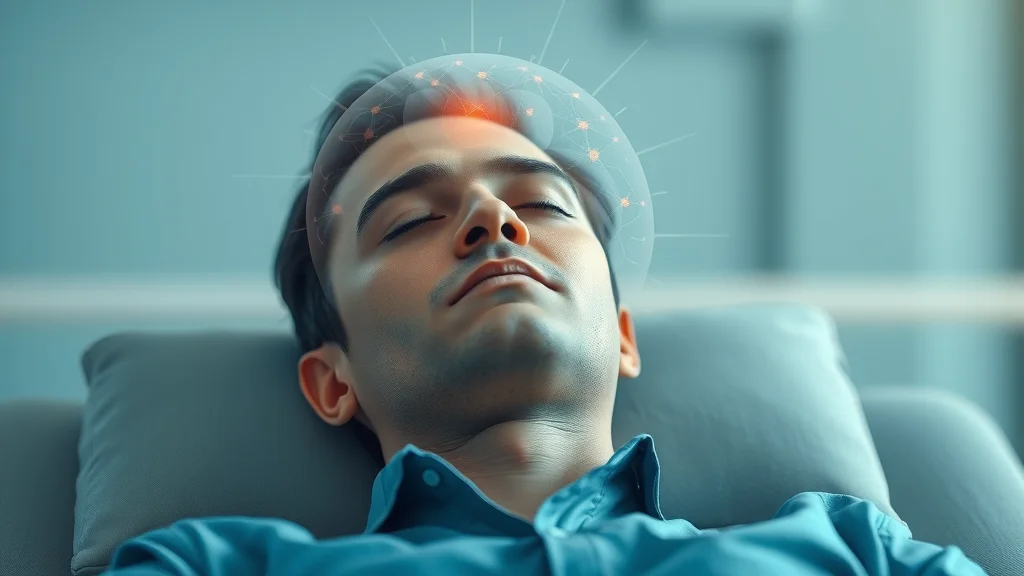
- Functional imaging studies confirm that hypnotic suggestion can cause measurable changes in the brain’s neural pathways, directly impacting how we perceive pain, anxiety, and even negative thought patterns.

Hypnosis in Numbers: An Eye-Opening Look
| Condition Treated | Improvement Rate With Hypnosis | Typical Number of Sessions | Notable Outcomes |
|---|---|---|---|
| Chronic Pain | 75-85% | 4-8 | Reduced need for medication |
| Anxiety/Stress | 66-80% | 3-6 | Improved daily function, less anxiety |
| Insomnia | 70% | 3-5 | Faster sleep onset, deeper sleep |
| Irritable Bowel Syndrome | 50-68% | 5-9 | Reduced symptoms, fewer flare-ups |
| Smoking Cessation | 40-60% | 1-3 | Long-term habit change |
What You'll Learn About the Life-Changing Benefits of Hypnosis
- How scientific and clinical hypnosis work and why they’re effective treatments in healthcare today.
- Ways hypnosis can address a wide range of health conditions, from chronic pain management to mental health and personal growth.
- Which common misconceptions about hypnosis are myths—and what the research actually says.
- Practical methods and real-world applications that make hypnosis a powerful tool for positive change.
Defining Clinical Hypnosis and Its Relevance Today
What is Clinical Hypnosis?
Clinical hypnosis is a carefully regulated form of therapy overseen by a trained care provider such as a psychologist, therapist, or specialized medical professional. Unlike stage hypnosis—often dramatized for entertainment—clinical hypnosis is deeply rooted in scientific principles and personalized to your unique needs. It uses a process called hypnotic induction to guide clients into a state of deep relaxation and focused attention. In this mental state, people are more open to suggestion, allowing the care provider to help them address negative thought patterns and make meaningful behavior changes. Clinical hypnosis is often used as part of a wider treatment plan for mental health, pain, and various health conditions, confirmed by both the National Institutes of Health and the American Psychological Association as an effective, evidence-based approach.
- Today, hospitals and private clinics use clinical hypnosis to manage pain, reduce the impact of hot flashes, support addiction recovery, and foster long-lasting positive change—far from the misconceptions of mind control or loss of awareness.
- Care providers follow ethical guidelines, tailoring every session to target your specific health concerns or personal growth goals, all while keeping you in control throughout the experience.

The Foundations: How Does Hypnosis Work?
Clinical and experimental hypnosis both stem from the science of focused attention and heightened suggestibility. During a session, the care provider uses calming language and guided imagery to help you relax and focus your mind—in essence, entering a state where you're more open to suggestion yet fully aware. According to research, this process bypasses the conscious mind's habitual resistance, activating the subconscious and supporting lasting change. Hypnosis work is not magical; instead, it leverages neuroplasticity and the brain’s ability to form new connections. Functional MRI and other imaging studies have shown that hypnotic suggestions can modify how the brain responds to pain, fear, or even negative thoughts.
- This state of deep relaxation and focused attention enables the provider to help you confront unhelpful thought patterns or behaviors, facilitate emotional healing, and even improve physical symptoms. People respond differently to hypnotic suggestion, but research affirms that over two-thirds experience clear, positive results, especially when hypnosis is guided by an experienced care provider.
For those interested in how hypnosis compares to other mind-body practices, exploring the distinctions between hypnosis and meditation can provide valuable context for choosing the right approach to personal growth. You can learn more about the unique benefits and differences in this in-depth comparison of hypnosis versus meditation.
The Science Behind the Life-Changing Benefits of Hypnosis
Neurobiology of Hypnosis: Rewiring Your Brain
“Hypnosis has been shown in brain imaging studies to change the way regions of the brain communicate, especially those involved in pain, perception, and self-awareness. This effect can recalibrate how sensations and emotions are processed, leading to real, measurable improvements.” – Dr. Sarah Mitchell, Clinical Neuroscientist
Modern neuroscience confirms that hypnosis alters how our brains process sensory information and emotions. When someone undergoes clinical hypnosis, key neural pathways become more interconnected, enhancing the brain’s capacity for positive change. This process is called neuroplasticity: the brain literally rewires itself to form healthier thought patterns and break away from entrenched habits. Research involving functional MRI scans shows that hypnotic suggestions can reduce the perception of pain, change physiological responses to stress, and even alter automatic thought loops tied to anxiety. The power of suggestion is real—and measurable in the human brain.

Hypnosis and Mental Health Conditions
Clinical hypnosis is now a recognized intervention for a spectrum of mental health issues—including depression, anxiety, stress, and trauma-related symptoms. Hypnosis works by guiding you into a deeply relaxed state where the conscious mind sets aside judgment, making it easier to reframe negative thoughts and develop new coping skills. In dozens of studies, people with anxiety disorders, PTSD, and chronic stress report significant symptom relief after hypnosis. Hypnosis can also help you identify the root of emotional struggles, replace destructive self-talk with supportive beliefs, and reinforce positive change through repeated hypnotic suggestions. Unlike some therapies, hypnosis is typically short-term, and its effects can continue long after sessions end—leading to improvement in mood, focus, and overall wellbeing.
- Many hospitals and mental health centers now recommend hypnosis as part of an integrated approach to emotional healing and stress reduction, highlighting its value as a tool for both immediate relief and long-lasting change.
Top 7 Life-Changing Benefits of Hypnosis
- Stress reduction: Hypnosis promotes deep relaxation, helping to calm the nervous system and reduce everyday stress.
- Anxiety management: Clinical hypnosis is proven effective at addressing both generalized anxiety and specific phobias.
- Pain control: From chronic pain to acute injuries, hypnosis can reduce the need for medication and improve quality of life.
- Improved sleep: Guided hypnosis works wonders for insomnia and sleep disturbances, helping you relax, fall asleep faster, and stay asleep longer.
- Breaking addictions: Smoking, overeating, or unwanted habits can be interrupted with targeted hypnotic suggestion, supporting sustainable change.
- Enhanced focus: Students, professionals, and athletes benefit from hypnosis by sharpening concentration and mental resilience.
- Emotional healing: Hypnosis makes it easier to process trauma, negative beliefs, and persistent sadness or grief.
- Decades of clinical and experimental hypnosis research show measurable benefits for mental health conditions, pain management, poor sleep, PTSD, addiction, IBS, and even menopausal hot flashes.
- According to a National Institute of Health review, clinical hypnosis delivers “statistically significant improvement across a wide range of health conditions”—especially when administered by a licensed care provider.
Watch: Hypnosis expert Dr. Lisa Carter explains how the life-changing benefits of hypnosis can transform wellbeing (video not included in this article).
How Care Providers Use Hypnosis in Practice
The Role of a Care Provider in Hypnotherapy
A qualified care provider is essential to ensure hypnosis works safely and effectively. These professionals—usually therapists, psychologists, or physicians trained in clinical hypnosis—carefully assess your goals, medical history, and readiness for hypnotic suggestion. The selection process involves an initial interview, screening for contraindications, and outlining a personalized treatment plan that fits your unique needs. Throughout each session, the care provider fosters a supportive and nonjudgmental environment, guiding you into deep relaxation while monitoring your well-being. They use evidence-based techniques to redirect thought patterns, support positive change, and address targeted health conditions—all while ensuring you feel empowered and in control.
- Under the guidance of a qualified provider, research confirms that people respond to hypnotic suggestions more reliably and see greater improvement across a wide range of health issues compared to self-hypnosis or unregulated therapies.
Success Stories: Real Transformations through Clinical Hypnosis
“After just four hypnotherapy sessions, my lifelong anxiety and chronic pain were finally manageable. I felt like I’d been given a reset for both body and mind—the process was gentle, deeply relaxing, and truly life-changing.” – Maria T., Patient

Addressing Health Conditions with the Life-Changing Benefits of Hypnosis
- Chronic pain: Hypnosis reduces pain intensity for people with arthritis, back pain, and fibromyalgia, often outperforming standard medication in side effect profiles.
- Irritable bowel syndrome (IBS): Multiple studies confirm a 50-70% symptom relief in IBS patients after hypnosis treatment.
- PTSD and trauma: Hypnosis aids in safely processing traumatic memories and reducing symptoms like nightmares, flashbacks, and anxiety.
- Hot flashes: Women experiencing menopause report a drastic reduction in both frequency and severity of hot flashes after hypnosis therapy.
- Behavioral change: Hypnosis has a proven record for helping people break free from addictions and unhealthy habits, with far fewer side effects than drug therapy.
| Health Condition | Benefit Observed | Improvement % | Supporting Research |
|---|---|---|---|
| Chronic Back Pain | Reduced pain and improved movement | 75% | Randomized control trials |
| IBS | Fewer digestive symptoms | 50-70% | Meta-analyses |
| PTSD | Lower anxiety and trauma triggers | 60% | Clinical case studies |
| Hot Flashes | Less frequent/severe hot flashes | 70% | NIH-funded studies |

Common Myths vs. Facts About Hypnosis
-
Myth: Hypnosis is mind control.
Fact: Clinical hypnosis is a collaborative process—you remain aware and in control throughout. -
Myth: Only weak-minded people respond to hypnosis.
Fact: Research shows that hypnosis works best for people who can relax and focus their mind—traits common to many high-functioning individuals. -
Myth: Hypnosis is unsafe and can cause harmful side effects.
Fact: Serious side effects are rare; the most common are mild dizziness or drowsiness that fade quickly. Clinical studies confirm hypnosis is safe when practiced by a care provider. -
Myth: Hypnosis only works for mental health.
Fact: Hypnosis aids in managing a wide range of health conditions, including pain, digestive issues, and behavioral change. -
Myth: Hypnosis is just for entertainment.
Fact: While stage hypnosis is for show, clinical hypnosis is a serious, science-backed therapy recognized globally.

People Also Ask: Life-Changing Benefits of Hypnosis
Can hypnosis cause dizziness?
- Sometimes, people report mild dizziness or lightheadedness after a hypnosis session, mainly because of the deep relaxation and changes in breathing. These symptoms are usually temporary and fade within minutes. Serious side effects from professionally administered hypnosis are extremely rare, making it safer than many medications used for the same conditions. Care providers screen for pre-existing medical or mental health factors that might increase risk, further reducing the chance of adverse effects.
Can hypnosis get rid of anxiety?
- There is strong evidence from dozens of clinical studies and meta-analyses that hypnosis can reduce both the symptoms and underlying causes of anxiety. By increasing relaxation, rewiring negative thought patterns, and teaching new coping mechanisms, hypnosis helps people manage and even eliminate anxiety in some cases. A professional care provider can tailor sessions to address specific triggers and reinforce long-lasting change through repeated hypnotic suggestion.
Can you rewire your brain with hypnosis?
- Yes—research in neurobiology and clinical and experimental hypnosis confirms that the brain is highly plastic. Hypnosis promotes new neural connections, especially in areas controlling behavior, emotion regulation, and perception of pain or stress. This process—called neuroplasticity—is the scientific basis for hypnosis’ ability to break old habits and foster new, healthier patterns and beliefs.
What actually happens when you get hypnotized?
- During a professional hypnosis session, a care provider uses calming words, guided visualization, and focused breathing exercises to help you achieve a state of deep relaxation. Next, the provider gives targeted hypnotic suggestions to support your goals, whether it’s pain relief, stress reduction, or changing a behavior. You remain fully aware, can hear and respond, and can end the session at any time. Many people describe feeling calm, focused, and refreshed—often with immediate positive outcomes.
Frequently Asked Questions About the Life-Changing Benefits of Hypnosis
- Who is eligible for clinical hypnosis? Most people can safely participate, but a care provider will screen you for any physical or mental health conditions that might make hypnosis less suitable.
- Are there long-term effects? Studies show benefits can last months to years, especially with periodic follow-up sessions or self-hypnosis practices.
- Is hypnosis evidence-based? Yes, a large body of clinical and experimental hypnosis research supports its safety and effectiveness for a wide range of health conditions.
- How many sessions will I need? Many people see improvements with 3-8 sessions, depending on severity and the specific issue addressed.
Expert Quotes: Voices on the Life-Changing Benefits of Hypnosis
“Hypnosis enables people to harness the power of suggestion to spark lasting transformation. It’s more than relaxation—it’s about tapping into the deepest layers of the mind to foster healing and resilience.” – Dr. Alan Jones, Licensed Psychologist
“Clinical and experimental hypnosis has revolutionized our approach to pain, anxiety, and stress. When guided by skilled care providers, it’s among the safest and most versatile tools in modern therapy.” – Susan Patel, Hypnotherapy Instructor
Key Takeaways: Are the Life-Changing Benefits of Hypnosis Right for You?
- Hypnosis offers science-backed relief for a wide range of physical and mental health conditions when practiced by a trained care provider.
- It works by promoting deep relaxation, enhancing focused attention, and leveraging the power of suggestion for lasting positive change.
- Common myths are easily debunked by modern research—hypnosis is safe, collaborative, and completely free of “mind control”.
- Clinical hypnosis may be ideal if you seek drug-free solutions for pain, anxiety, sleep, or behavioral challenges.
Ready to Experience the Life-Changing Benefits of Hypnosis?
- If you’re ready to unlock your potential and address health conditions, consult a qualified care provider to discover how hypnosis work in your unique situation. The journey to a better you begins with a single session—take the first step today.
If you found this exploration of hypnosis valuable and want to deepen your understanding of mind-body wellness, consider broadening your perspective by learning how hypnosis fits within the wider landscape of self-improvement techniques. By comparing hypnosis with other practices like meditation, you can discover which approach best aligns with your personal goals and lifestyle. For a comprehensive look at the similarities, differences, and unique strengths of each, visit this guide on hypnosis versus meditation. Expanding your knowledge in this way empowers you to make more informed choices on your journey to lasting wellbeing and personal transformation.



Write A Comment