

Imagine if you could edit your thoughts as easily as you revise a document. Neuro-linguistic programming and mental patterns offer tools to do exactly that, empowering you to replace unhelpful thinking with strategies that drive personal transformation.
Introduction to Neuro-Linguistic Programming and Mental Patterns
"Imagine rewriting your thoughts as effortlessly as editing a document—this is the promise of neuro-linguistic programming and mental patterns."
Neuro-linguistic programming and mental patterns have become buzzwords among personal development enthusiasts and professionals seeking to transform how individuals interact with their minds. Rooted in the pioneering work of Richard Bandler and John Grinder, NLP seeks to unravel how language, cognition, and behavior intertwine, sculpting our subjective experiences. In a world where anxiety disorders and mental health conditions are increasingly common, understanding and adapting thought patterns is no longer a luxury—it's a necessity for emotional well-being.
By exploring neuro-linguistic programming and mental patterns, we tap into highly actionable techniques that help reshape neural pathways, redirect emotional responses, and promote personal and professional development. Whether you’re aiming to address an anxiety disorder, optimize mental health, or simply cultivate a new mindset, NLP provides a framework for empowered change. Let’s set the stage for a journey into the mechanics of your mind and discover how NLP techniques can offer transformative results for everyday challenges.
Defining Neuro-Linguistic Programming and Mental Patterns
Neuro-linguistic programming (NLP) is a method developed in the 1970s by Richard Bandler and John Grinder, designed to uncover the connections among neurological processes (neuro), language (linguistic), and behavioral patterns learned through experience (programming). At its core, NLP revolves around the belief that language patterns and mental representations significantly shape our external reality and emotional state. Meanwhile, mental patterns refer to the recurring thought processes, beliefs, and strategies that determine our daily actions and responses.
Understanding these definitions goes beyond theory—NLP helps pinpoint limiting beliefs and habitual thought patterns that often hinder growth and well-being. By accessing and updating these mental programs, individuals can shift their emotional response, change unhelpful thought loops, and foster mental health. The foundation of every NLP technique lies in recognizing, decoding, and eventually reframing these mental and linguistic patterns for better self-management.

The Role of Thought Patterns in Shaping Behavior
The patterns that dominate our thinking—conscious or otherwise—guide behavior and emotional response in every situation. Neuroscience reveals that repeated thought patterns form neural pathways, effectively hardwiring certain habits and reactions into the brain. When a person encounters stress or anxiety disorders, for example, established neural pathways may prompt a habitual, sometimes unhelpful, emotional or physical reaction.
By applying neuro-linguistic programming, we can disrupt these automatic behaviors, making room for more adaptive responses and improved mental health. NLP practitioners work directly with clients to help them identify underlying thought patterns, then use targeted interventions—such as reframing or anchoring—to lay new neural tracks. Over time, this practice not only affects mental state but contributes significantly to behavioral change, fostering greater self-efficacy and emotional balance.
While NLP focuses on the interplay between language, thought, and behavior, it's interesting to note how other mind-training practices, such as hypnosis and meditation, also aim to reshape mental patterns. For a deeper look at how these approaches compare and contrast, you might find it helpful to explore the distinctions between hypnosis and meditation and their unique effects on the mind.
What You'll Learn in This Guide
- The core concepts of neuro-linguistic programming and mental patterns
- Real-world applications for mental health and personal growth
- Popular NLP techniques and how they influence neural pathways
- Expert insights on harnessing thought patterns through linguistic programs
The Science Behind Neuro-Linguistic Programming and Mental Patterns
Neural Pathways: Foundations and Influence
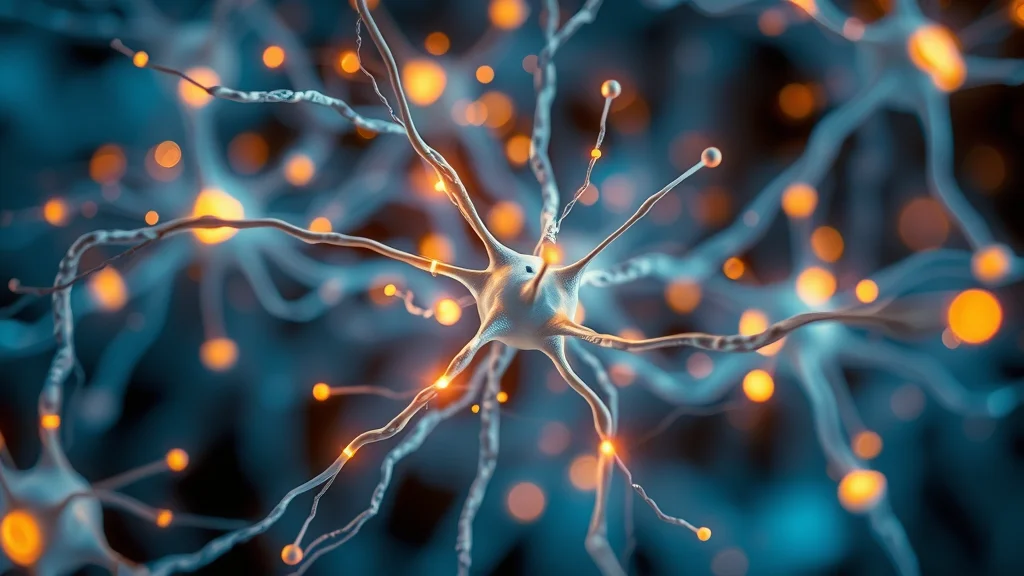
Neural pathways are the brain’s information highways—networks of neurons firing in synchronized patterns, forged from repeated actions, emotions, and thoughts. Every experience you have, every skill you master, and every belief you hold is etched into these neural connections. When you repeat a thought or behavior, the connection strengthens, making that response increasingly automatic. In cases such as anxiety disorders, the repeated pattern of anxious thoughts reinforces the neural loop, resulting in persistent emotional states.
Neuro-linguistic programming and mental patterns utilize the brain’s plasticity. By applying various NLP techniques, such as visualization or reframing, individuals can deliberately weaken maladaptive neural pathways and reinforce healthier ones. This scientifically grounded approach explains why NLP helps manage difficult emotions, reduces anxiety, and supports improved mental health. Through new language patterns and positive thought loops, anyone can change not just behavior but also the underlying structure of their mind.
How Neurolinguistic Programming Affects Mental Health
From overcoming anxiety disorders to building resilience, neuro-linguistic programming offers a toolkit to address a broad range of mental health concerns. By becoming aware of language and thought patterns, individuals can interrupt cycles of negative thinking and emotional distress. For example, someone experiencing chronic stress might notice how specific words used in self-talk or communication reinforce their mental state. NLP provides concrete steps to challenge and shift these patterns, empowering users to reclaim their mental equilibrium.
NLP therapists and practitioners frequently incorporate techniques like anchoring, swish patterns, or meta-model questioning to surface limiting beliefs and facilitate sustainable change. By targeting linguistic programs that underlie maladaptive behaviors, NLP supports both immediate relief and long-term transformation. The effectiveness of NLP in the broader mental health context lies in its insistence on treating root causes—thought patterns and subconscious narratives, not just symptoms.
Exploring the Connection Between Thought Patterns and Behavior
The influence of thought patterns extends beyond occasional moods—they dictate consistent behavioral responses and impact how we perceive opportunity, challenge, or connection. When a person’s internal language or narrative is negative or filled with self-doubt, they’re more likely to act cautiously or avoidantly, reinforcing the cycle of low confidence or anxiety. This dynamic is the essence of mental patterning, and neurolinguistic programming targets this loop with precision.
For example, by identifying a negative mental script—such as “I always fail at public speaking”—and employing NLP techniques to reframe or anchor positive experiences, new thought patterns emerge. Over time, this shift not only changes emotional response but also reinforces neural pathways associated with confidence and calmness. Through repeated application, NLP helps convert insight into lasting behavioral change.
Core Principles of Neuro-Linguistic Programming and Mental Patterns
Linguistic Program Fundamentals
The foundational concept behind NLP is that each person runs a unique “linguistic program”—an internal code shaped by words, images, feelings, and beliefs, all encoded through life experiences. This program is deeply personal, as it uses a preferred representational system (visual, auditory, kinesthetic, etc. ) to process information and memory. NLP practitioners work by decoding clients’ linguistic and mental patterns to guide them toward more empowering outcomes.
Language patterns—ranging from phrasing to metaphor—are pivotal in shaping internal conversations and emotional responses. When someone with an anxiety disorder consistently describes their world with negative or catastrophic language, their mental state often mirrors these descriptions. NLP helps individuals recognize these automatic patterns and substitute them with language that fosters healthy neural pathways and more positive outcomes.
Understanding the Four Pillars of NLP
At the heart of neuro-linguistic programming lie four pivotal pillars: rapport, sensory acuity, outcome thinking, and behavioral flexibility. These elements serve as guiding principles for practitioners and clients alike, setting the foundation for lasting transformation.
Rapport ensures trust and open communication between individuals or within oneself. Sensory acuity sharpens awareness of subtle verbal and nonverbal cues, essential for understanding subjective experiences and shifting thought patterns. Outcome thinking focuses attention on clear goals and desired states, while behavioral flexibility supports adapting strategies until the goal is achieved. Together, these pillars create a robust framework for successful intervention, whether you’re working with an NLP therapist or practicing techniques solo.
"NLP helps unlock the subconscious drivers of success and challenge." - NLP Practitioner
Seven Levels of Neurolinguistic Programming
The depth of neuro-linguistic programming is best appreciated through its seven levels, each targeting a specific layer of personal meaning and transformation. These levels include: environment, behavior, capabilities, beliefs, identity, values, and purpose. Beginning with observable behavior and environment, and working upward toward deeply held values and life purpose, NLP practitioners help clients create congruence between internal beliefs and external actions.
This hierarchical model provides structure for addressing challenges at the right depth. For example, someone struggling with a mental health condition might first address unproductive behaviors, then examine beliefs or identity issues. By moving fluidly through these levels, NLP offers a comprehensive approach to healing, self-discovery, and growth, making it an effective tool in both therapy and personal development.

Popular NLP Techniques for Transforming Mental Patterns
- Anchoring
- Reframing
- Swish Pattern
- Mirroring
- Meta Model
- Visual/Kinesthetic Dissociation
NLP Technique: Anchoring for Neural Pathway Reinforcement
Anchoring is perhaps the most widely recognized NLP technique—and for good reason. By creating a physical or mental “trigger,” individuals can deliberately anchor positive states like confidence or calmness to specific gestures or sensations. This technique draws directly on the principle of conditioning, helping to rewire neural pathways and mental patterns associated with specific emotional responses.
For example, an NLP practitioner might guide a client to recall a moment of confidence, linking that state to a subtle gesture (like squeezing a finger and thumb together). Over time, repeating this gesture can summon the positive mental state, crowding out negativity and reinforcing new neural connections. Anchoring is especially effective for individuals grappling with anxiety disorders or performance pressure, enabling them to quickly activate desirable emotional responses when needed.
NLP Techniques for Shifting Negative Thought Patterns
Beyond anchoring, NLP offers a suite of interventions—such as reframing, the swish pattern, and visual/kinesthetic dissociation—to challenge unhelpful mental scripts. Reframing invites an individual to reinterpret a situation with more empowering language and meaning, while the swish pattern uses visualization to substitute unwanted responses with preferred ones. Visual/kinesthetic dissociation, meanwhile, separates the emotional charge from distressing memories, helping to reduce symptoms of anxiety and stress.
Each of these techniques operates on the premise that thought patterns are malleable. Practicing them regularly, ideally with guidance from an NLP therapist or practitioner, gradually weakens old connections and strengthens positive neural pathways. This shift enables more resourceful thinking, greater emotional self-control, and lasting behavioral change.

Linguistic Program Applications in Everyday Life
The utility of neuro-linguistic programming and mental patterns is not confined to therapy rooms. Everyday situations—from difficult conversations at work to overcoming performance nerves—can benefit from NLP techniques. By consciously adjusting inner language patterns, individuals can shift their mental state, improve communication skills, and approach challenges with greater resilience.
For instance, a professional coach may use NLP to help a client prepare for a high-stakes presentation, fostering confidence through visualizations and language shifts. Parents might apply reframing techniques to support their children through anxiety-provoking moments, or athletes use pre-performance anchoring to enter peak mental states. These examples highlight how accessible and adaptable NLP programs are to real-world goals, supporting both short- and long-term personal and professional development.
Watch as a certified NLP practitioner guides a client through foundational techniques like anchoring and reframing, illustrating step-by-step how these approaches transform thought patterns in a safe, supportive setting.
Real-World Applications of Neuro-Linguistic Programming and Mental Patterns
Mental Health and Personal Development
Mental health is a domain where neurolinguistic programming truly shines. By helping individuals rewire persistent thought patterns related to anxiety, fear, or low self-worth, NLP supports long-term mental well-being. NLP therapists work with clients to set achievable goals and equip them with tools for self-regulation and adaptive thinking.
Personal development, too, is accelerated by NLP’s focus on actionable change. Whether one is striving to overcome a health condition, cultivate resilience, or break self-limiting habits, NLP offers an accessible roadmap for growth. The real power lies in consistent practice, transforming insight into new default habits.

Professional Coaching Using Neurolinguistic Programming
In the world of executive and life coaching, NLP is a trusted resource for helping clients break through plateaus and achieve professional development. Techniques like mirroring, rapport building, and goal visualization are commonly used to enhance communication skills, leadership ability, and workplace dynamics. By diagnosing and updating ingrained linguistic and mental patterns, coaches empower clients to pursue ambitious goals with clarity and confidence.
Coaching through neuro-linguistic programming and mental patterns isn’t about quick fixes—it’s about teaching clients to renew their neural pathways, recognize opportunity in challenges, and formulate strategies that align with their deepest values. The result is a more intentional, effective, and resilient leader—one who brings these same skills to teams and organizations.
Influence of NLP in Business and Communication
Business leaders and communicators use NLP principles to foster better client relationships, negotiate more effectively, and resolve conflicts with empathy. Language patterns, sensory acuity, and behavioral flexibility form a powerful toolkit for influencing both self and others. For instance, mirroring subtle body language or language style can build instant rapport, while reframing product challenges with empowering language turns obstacles into selling points.
At its best, NLP enhances both clarity and connection, making business communication more persuasive and collaborative. Companies who incorporate NLP into their training often report improvements in workplace culture, problem-solving capability, and overall morale—demonstrating the far-reaching impact of mastering mental and linguistic patterns.
Case Study: How Thought Patterns Change Through Linguistic Programs
Consider the journey of a client with chronic anxiety who, after working with an NLP practitioner, identified a core belief: “I am not safe in public spaces. ” Using the language reframing technique, the practitioner guided the client to recognize when this mental pattern was triggered and replace it with an empowering affirmation. Over weeks, the client practiced anchoring calmness to the act of touching her wrist, gradually experiencing reduced anxiety in previously challenging settings.
The result underscores a crucial lesson: conscious, structured intervention leads to sustainable change. NLP provides tools not just for temporary relief but for ongoing transformation of behavioral and mental patterns, positively affecting both the individual and those around them.
"Transforming mental patterns requires a conscious, structured approach—one that NLP is uniquely designed to provide."
Leading experts reveal the neuroscience behind NLP, highlighting how intentional interventions help rewire neural pathways and drive lasting mental and behavioral change.
People Also Ask
What do psychologists think of NLP?
Many psychologists maintain a cautious perspective regarding neuro-linguistic programming and mental patterns. While NLP offers practical strategies that some clients find helpful—particularly for enhancing personal development or mental state—robust scientific validation remains limited. Some clinical researchers find the subjective nature of NLP challenging to measure in traditional studies, yet practitioners and clients often report anecdotal evidence supporting its use in overcoming anxiety disorders and improving communication skills.
A growing number of mental health professionals now integrate selective NLP techniques into therapy, especially when used as part of a broader intervention strategy. As mental health research evolves, more evidence may clarify NLP’s role in supporting well-being and behavioral change.
Perspectives on neuro-linguistic programming and mental patterns from mental health professionals
Mental health practitioners who specialize in NLP often emphasize the importance of context and individualization. While some techniques—like anchoring and reframing—are highly effective for certain clients, others might require a blended approach, integrating cognitive-behavioral or mindfulness-based practices. Ultimately, NLP helps some clients gain rapid insights into thought patterns, but professionals recommend clients seek qualified, ethical NLP therapists or practitioners to ensure safe, tailored care.
Many mental health experts believe that neuro-linguistic programming and mental patterns are best understood as complementary: they may not replace evidence-based therapy entirely, but can provide practical strategies for everyday challenges, stress management, and positive behavioral change.
What are the 4 pillars of NLP?
The four guiding principles—or “pillars”—of neuro-linguistic programming are: rapport (building trust and connection), sensory acuity (attuning to verbal and non-verbal cues), outcome thinking (focusing on clear positive goals), and behavioral flexibility (adapting strategies for success). Together, these pillars define the foundation on which all NLP techniques and interventions are built, guiding users toward sustainable change in mental patterns and behaviors.
NLP practitioners use these pillars to structure coaching sessions and therapy, ensuring that every interaction is grounded in respect, clarity, and adaptability. When individuals embody these principles, the effectiveness of NLP for mental health, communication, and personal growth increases significantly.
Overview of the foundational concepts in neuro-linguistic programming and mental patterns
Neuro-linguistic programming and mental patterns rest on the belief that thoughts, language, and behavior are deeply interconnected. NLP offers detailed frameworks such as the preferred representational system, the meta-model for clarifying language, and swish patterns for habit change. Central to these concepts is the idea that with conscious attention and practice, anyone can override unhelpful mental scripts, reprogram emotional responses, and achieve more positive life outcomes.
By combining these foundational elements with goal setting and self-observation, individuals unlock access to powerful tools that propel both personal and professional development.
Does Tony Robbins use NLP?

Yes, Tony Robbins is famously associated with neuro-linguistic programming and mental patterns. Robbins has publicly credited NLP pioneers Richard Bandler and John Grinder for shaping his coaching philosophy, and integrates a variety of NLP techniques into his seminars, books, and one-on-one sessions. His approach often involves rapid pattern interruption, reframing limiting beliefs, and creating powerful anchors—all fundamental NLP methods.
Public figures like Robbins demonstrate how NLP can be scaled for transformative personal and professional impact. By modeling language patterns and teaching new mental scripts, he has helped countless individuals reshape their thoughts and behaviors for greater success.
How public figures apply neuro-linguistic programming and mental patterns in practice
Many high-performance coaches, athletes, and business leaders draw upon NLP for public speaking, confidence building, and communication mastery. They often use swish patterns or anchoring techniques to enter optimal mental states before important events. The success of these strategies lies in their accessibility—once a linguistic program is learned, it can be practiced anytime, reinforcing neural pathways linked to desired emotional responses.
From the boardroom to the sports arena, NLP helps individuals perform at their best by providing tools to manage nerves, direct focus, and foster resilient thought patterns. The visibility of such techniques among public figures underscores their versatility and broad appeal.
What are the 7 levels of NLP?
The seven levels of neuro-linguistic programming are: environment (external circumstances), behavior (actions), capabilities (skills and strategies), beliefs (core assumptions), identity (self-concept), values (motivational drivers), and purpose (meaning and vision). Practitioners use this layered framework to address issues at the appropriate depth, creating holistic change.
For example, shifting a habit may involve working at the level of behavior or capability, while resolving deeper life purpose questions might require exploring values and identity. By traversing these levels, neuro-linguistic programming and mental patterns provide a guided roadmap for understanding and evolution at every stage of personal growth.
The depths of neuro-linguistic programming and mental patterns explained
The seven levels model reminds us that all personal change is nested. Lasting transformation involves alignment from environment to purpose, ensuring that new thought patterns are supported not merely at the surface, but at every integral layer of a person’s life. NLP practitioners are trained to assess and address these levels methodically, resulting in changes that are sustainable and meaningful.
Clients whose challenges stem from conflict between beliefs and actions, for example, can achieve remarkable growth when these underlying patterns are surfaced and harmonized through NLP-based exercises and interventions.
Comparing NLP Techniques for Mental Health and Behavioral Change
| NLP Technique | Primary Focus | Effect on Neural Pathways | Impact on Thought Patterns | Relevance for Mental Health |
|---|---|---|---|---|
| Anchoring | Conditioning positive states | Strengthens new associations, weakens old responses | Replaces negative patterns with resourceful triggers | Reduces anxiety, boosts confidence |
| Reframing | Altering perception of events | Redirects neural focus, encourages flexibility | Transforms limiting beliefs and perspectives | Aids emotional regulation, decreases stress |
| Swish Pattern | Changing automatic reactions | Interrupts unwanted patterns, builds preferred ones | Creates quick shift in response mechanisms | Effective for habit and behavior change |
| Meta Model | Clarifying vague language | Improves processing of information | Strengthens analytical thinking | Supports therapy, enhances communication |
| Visual/Kinesthetic Dissociation | Distancing from emotional triggers | Decreases emotional intensity of memories | Reduces emotional "charge" of negative experiences | Helps treat trauma, anxiety disorders |
| Mirroring | Building rapport | Encourages empathy-linked pathways | Fosters trust and social ease | Improves relationships, aids social anxiety |
FAQs: Neuro-Linguistic Programming and Mental Patterns
-
How quickly can neuro-linguistic programming change mental patterns?
NLP can lead to noticeable improvements in thought patterns and emotional responses, sometimes even after a single session. However, for deep-rooted patterns, consistent practice and multiple sessions with an NLP therapist may be necessary. Everyone’s neural pathways and subjective experience evolve at different rates, so lasting change typically requires commitment and repetition. -
Is neuro-linguistic programming effective for anxiety?
Many individuals report that NLP techniques, such as anchoring and reframing, are useful in reducing anxiety and managing stress. While NLP offers accessible strategies for anxiety disorders, it works best when integrated with support from qualified mental health professionals, particularly for severe or complex issues. -
What is the best NLP technique for self-improvement?
The "best" NLP technique varies per person and goal. Commonly recommended techniques for self-improvement include anchoring for confidence, reframing for perspective shifts, and outcome thinking for clarity. An NLP practitioner can help select the most suitable approach based on an individual’s unique challenges. -
Can anyone learn neuro-linguistic programming and mental patterns?
Yes, NLP is designed to be accessible to anyone interested in personal and professional development. Whether through self-study, group seminars, or working one-on-one with an NLP coach, anyone can learn to recognize, challenge, and reprogram their mental patterns for improved well-being and achievement.
Key Takeaways on Neuro-Linguistic Programming and Mental Patterns
- Neuro-linguistic programming and mental patterns provide actionable strategies for mental health and personal growth.
- Understanding neural pathways and thought patterns is essential for sustainable behavioral change.
- NLP techniques are accessible and can be tailored to individual needs.
Begin Your Journey: Explore How Neuro-Linguistic Programming and Mental Patterns Can Transform Your Life Today
Ready to take ownership of your thoughts and behaviors? Start exploring NLP techniques and mental patterning—whether with a practitioner or in your own daily practice—and unlock the powerful potential waiting within your mind.
If you’re inspired by the possibilities of NLP and mental patterning, consider broadening your understanding by examining how other mind-focused practices can complement your journey. Exploring the nuanced differences between hypnosis and meditation can reveal additional pathways for self-mastery and mental clarity. By integrating insights from both NLP and these transformative disciplines, you’ll be better equipped to tailor your personal growth strategy and achieve deeper, more sustainable change. Discover how these approaches intersect and support your evolution by visiting this comprehensive guide on hypnosis versus meditation.




Write A Comment