

Imagine sitting in a conversation with someone who not only hears your words, but truly understands how you process those words, what motivates your decisions, and how you can change your thinking to overcome challenges. This is the everyday promise at the heart of neuro linguistic programming (NLP)—a set of ideas and techniques that claim to unlock new levels of personal growth and communication by tuning into the patterns in our minds and languages. In this educational guide, you'll discover what NLP is, why it keeps making headlines, and whether it holds the key to changing how you think, communicate, and achieve your goals.
Understanding Neuro Linguistic Programming: A Comprehensive Introduction
At its most basic, neuro linguistic programming is a method that studies and applies the relationship between how we think (neuro), how we use language (linguistic), and our habits or patterns of behavior (programming). Created in the 1970s by Richard Bandler and John Grinder, NLP was designed to uncover the mental “codes” of high achievers and model their communication patterns and strategies. Over the decades, NLP training has evolved into a toolbox for therapists, business leaders, and anyone curious about personal development.
So, what does NLP promise? The aim is simple, but powerful: by understanding the language of your mind and the structure of your thoughts, you could learn to shift unhelpful patterns, increase self-awareness, and communicate more effectively. Whether you’re seeking better relationships, success at work, or emotional resilience, these NLP techniques claim to offer a roadmap to your desired outcome. Yet, even as NLP has gained popularity, it remains a field of both enthusiastic support and ongoing scientific debate, especially regarding its effectiveness for mental health and general practice.

Imagine transforming the way you think, communicate, and achieve your goals just by understanding how your mind processes language and experience. That’s the promise of neuro linguistic programming.
What You'll Learn About Neuro Linguistic Programming
- The definition and foundational principles of neuro linguistic programming
- Core NLP techniques and how to apply them
- Real-world applications for personal growth and communication
- Perspectives from experts and practitioners
- Answers to commonly asked questions about neuro linguistic programming
The Origins and Core Concepts of Neuro Linguistic Programming
The roots of neuro linguistic programming can be traced back to the collaborative work of Richard Bandler and John Grinder at the University of California, Santa Cruz. Their goal was to study people who excelled in fields like therapy and communication, then codify what made their approaches effective. Their findings became the foundation for NLP, described in their early books like “The Structure of Magic. ” As a method, NLP is not just a collection of therapeutic tricks; it’s a philosophy that suggests you can “reprogram” how you process information, deeply influencing your behaviors and emotional responses.
At its heart, NLP is about choice—breaking free from limiting beliefs and patterns by learning to use your mind differently. It prioritizes flexibility, outcome-oriented thinking, and awareness of how sensory input shapes experience. While the scientific community continues to debate the effectiveness of NLP in treating various conditions, many users and practitioners report that addressing the structure behind their thoughts—rather than their content—can produce striking effects in achieving personal and professional goals.
Linguistic Programming: How Language Influences the Mind
One of the most intriguing aspects of linguistic programming is its focus on language as more than just words. In NLP, the way we talk about our experiences—internally and externally—shapes the way we feel, the choices we make, and the possibilities we see. For example, do you say “I always mess up under pressure,” or “I’m getting better at handling challenges”? NLP asserts that these subtle shifts in phrasing can dramatically alter your state of mind and your outcomes.
NLP teaches that everyone has a preferred “representational system”—visual, auditory, or kinesthetic—that guides how we process the world. By tuning into your unique system, or by “mirroring” someone else’s language patterns, you can improve rapport and influence, making communication flow more naturally. Through this lens, words, tone, and body language are not just tools for expressing yourself, but powerful levers for reshaping your own and others’ perspectives.
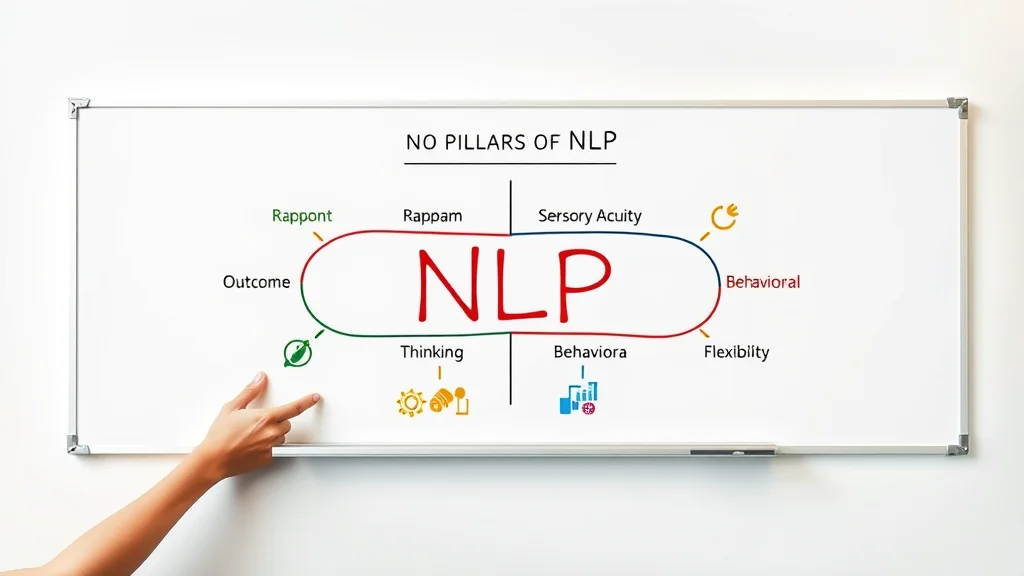
Exploring the Pillars: The Four Pillars of NLP
The foundation of neuro linguistic programming is built on four core principles, known as the Four Pillars of NLP: Rapport: Establishing trust and connection with others through authentic, empathetic communication. Sensory Acuity: Sharpening your awareness of subtle cues—like micro-expressions and shifts in tone—to gather information about others’ responses and emotions. Outcome Thinking: Focusing on a clear, positive result rather than on what you want to avoid or escape. Behavioral Flexibility: Adapting your actions and responses when your current approach isn’t working, ensuring you move toward your desired outcome. By mastering these pillars, NLP practitioners believe you can unlock powerful change, both within yourself and in your interactions with others.
These pillars underpin all NLP training, from the therapeutic applications in neurolinguistic psychotherapy to their use in coaching and leadership. No matter the path, the principles are consistent: improve your awareness, set meaningful goals, adjust your approach, and build strong relationships through tailored communication styles.
Essential NLP Techniques for Personal Growth
At the practical level, nlp techniques are what make neuro linguistic programming a go-to framework for those seeking to achieve personal and professional transformation. These techniques are designed to help you disrupt negative thought habits, set and maintain positive behaviors, and build robust self-awareness. Whether you work with an NLP practitioner or explore NLP interventions on your own, the underlying intention is to give you better control over how you react, choose, and succeed.
NLP’s toolbox is broad. Some techniques are used to anchor positive emotions or overcome negative thinking; others help you visualize and rehearse successful outcomes. What they all share is a focus on the structure beneath your thoughts—mapping and reworking the internal “scripts” that guide your daily actions. Research on the effectiveness of NLP is mixed—while scientific studies have pointed out the lack of empirical evidence supporting some claims, countless individuals and NLP practitioners alike describe meaningful improvements in their mindset, communication, and self-confidence through NLP training.
For those interested in how NLP compares to other mind-focused practices, exploring the distinctions between neuro linguistic programming and approaches like hypnosis or meditation can provide valuable context. For example, understanding the differences between hypnosis and meditation can help clarify where NLP fits within the broader landscape of personal development and mental training.
Popular NLP Techniques and Their Uses
Some of the most widely used nlp techniques include: Anchoring: Pairing a specific emotion or state (like confidence) with a unique gesture or word, so you can trigger that feeling when needed. Swish Pattern: Replacing an unwanted reaction or habit with a positive alternative by rehearsing mental images of the “problem” and “solution. ” Mirroring: Subtly matching another person’s body language and way of speaking to build trust and understanding—especially useful in sales or negotiation. Reframing: Challenging and shifting your perspective on a problem, so a setback becomes an opportunity to learn and grow. Each NLP intervention has its strengths, and many practitioners tailor these methods for mental health support, coaching, and even management training. The core message is that with the right nlp technique, you can rewrite patterns that hold you back and move consistently toward your desired outcome.
As with any approach involving the mind, there’s no one-size-fits-all. The best results often come from experimenting to find which NLP techniques best match your unique communication style and growth goals—many discover that simply becoming aware of their language patterns is a transformative first step.

NLP Technique for Overcoming Negative Thinking
A hallmark of neuro linguistic programming is tackling negative thinking at its core. Instead of just telling yourself to “think positive,” NLP offers structured ways to disrupt self-defeating internal dialogues and beliefs. One popular approach is to identify the “movie” you play in your mind when negative thoughts arise—what images, sounds, or feelings do you replay? By becoming aware of and then deliberately changing these images, you can soften the impact of negative self-talk and lay the groundwork for positive change.
For instance, the Swish Pattern technique asks you to visualize the negative image, then quickly “swish” or snap to a bright, empowering image of your desired outcome. Over time, practicing this shift, often with the support of an NLP practitioner, can help rewire old patterns and create a new default mindset. While the evidence base for NLP in treating mental health challenges continues to be debated, many users describe real benefits—whether by building confidence, breaking habits, or simply discovering new ways to self-motivate. The key is to remember that lasting change often comes from reshaping how you process information at the subconscious level.
Who Uses Neuro Linguistic Programming? Roles and Credentials
From life coaches and corporate trainers to therapists and educators, a diverse array of professionals have incorporated neuro linguistic programming into their work. NLP’s focus on communication enhancement and personal development makes it popular in fields where understanding human behavior is a daily priority. The field is not strictly regulated, so while some practitioners undergo extensive NLP training and certification, others are self-taught or blend NLP with other approaches like cognitive behavioral therapy.
If you’re considering NLP as a client or provider, it’s important to understand the roles and credentials of NLP practitioners. Different organizations and schools offer a variety of certifications, and quality can vary. Ideally, an effective mental health professional or coach trained in NLP will combine its techniques with evidence-based practices and clear ethical guidelines, giving clients confidence in both their skills and intentions.
What is an NLP Practitioner?
An nlp practitioner is someone formally trained in the methods and principles of neuro linguistic programming. These professionals use NLP techniques to help clients set goals, overcome blocks, and improve communication. Some practitioners work in therapeutic settings, while others focus on business coaching or personal development. Their expertise often includes teaching clients to gather information about their thoughts and feelings, analyze repeating patterns, and experiment with interventions to build new habits.
It’s important to note that being an NLP practitioner is different from being a licensed therapist—while some blend NLP with psychological counseling, others focus on solution-focused coaching or performance enhancement. As the field continues growing, many NLP practitioners join professional associations or networks to stay current on best practices and connect with peers around the world.
Necessary Qualifications for NLP
You don’t need a formal university degree to begin studying neuro linguistic programming, but quality training is crucial. Prospective practitioners usually complete courses or workshops in essential NLP techniques, ethics, and real-world application. Some NLP certifications are issued by independent organizations, covering everything from foundational skills to master practitioner status. If you want to achieve personal mastery or help others using NLP, prioritize programs with reputable trainers, clear course content, and plenty of opportunities for supervised practice.
A common route for becoming an nlp practitioner involves a mix of live or online training, demonstrations, and hands-on exercises. Many providers require you to demonstrate your abilities through role-play or supervised sessions before you earn your certification. This flexible approach lets people from diverse backgrounds—education, coaching, therapy, even business leadership—integrate NLP into their practice and use it to enhance results across a range of personal and professional settings.
Real-World Applications of Neuro Linguistic Programming
How does neuro linguistic programming play out in everyday life? Its real-world applications are as diverse as the people who use it. Here are just a few of the most common settings where nlp techniques make a difference:
- Communication enhancement in business and education: Leaders and teachers utilize NLP to read nonverbal cues, build rapport fast, and adapt their message to fit audiences’ preferred representational systems.
- Health and wellness strategies: Practitioners assist clients in overcoming obstacles like phobias or unhealthy habits by helping them reframe negative thinking and visualize success.
- Therapeutic and coaching settings: In personal development programs and therapy, NLP is often used to boost motivation, clarify goals, and help with things like anxiety or unwanted behaviors—though evidence for the effectiveness of NLP varies and should be considered alongside other options.
Across these fields, NLP practitioners and enthusiasts alike report using nlp interventions to develop empathy, deepen relationships, and create a tailored approach to problem-solving. Whether you’re seeking to improve your mental health or advance your career, exploring linguistic programming can offer powerful insights—so long as you choose reputable providers and stay open to combining approaches as needed.

Watch a demonstration of key nlp techniques and mindset shifts
Expert Perspectives: What Do Psychologists Think of NLP?
"While some psychologists remain skeptical about the evidence base, many practitioners report significant personal breakthroughs through neuro linguistic programming."
Within the psychological community, opinions about neuro linguistic programming are diverse. Some mental health professionals see potential in NLP interventions for improving communication and breaking negative thought cycles, while others emphasize NLP’s lack of empirical evidence and question its classification as science. As with other personal development tools, the bottom line often rests on whether the individual finds value and tangible benefit. For those who do, NLP can complement therapies, mindfulness practices, or coaching, even if it doesn’t replace traditional mental health treatments.
There are also ongoing discussions about the effectiveness of NLP techniques in areas such as anxiety, phobias, and personal development. The field’s openness attracts enthusiasts—but also criticism for mixed results and variations in training standards. As research continues, many NLP practitioners focus less on scientific validation and more on real-life results, drawing on personal stories and case studies to illustrate the value of NLP in achieving personal and professional breakthroughs.
Neuro Linguistic Programming: Debates and Misconceptions
Is NLP a Dead Field?
Despite its origins decades ago, neuro linguistic programming is far from dead. Courses, books, and workshops continue to attract new generations interested in self-improvement and powerful communication. However, interest fluctuates depending on trends in psychology and personal development, and heated debates persist over scientific support. Some believe that NLP is outdated or ineffective, often citing a lack of empirical evidence; others point to its lasting influence in coaching, leadership, and even therapy, where practitioners and clients alike testify to its transformative effects.
The reality is that NLP’s role has shifted over time—it’s less commonly integrated into mainstream mental health therapy than in coaching or self-help spaces. The flexibility of NLP techniques allows passionate practitioners to continue evolving the field, and even as mainstream science remains cautious, the worldwide network of NLP practitioners shows the field's enduring appeal.
Debunking Common Myths About Neuro Linguistic Programming
Several myths about neuro linguistic programming continue to circulate. One is that NLP is a “magic bullet” or a set of mind-control tricks—when, in fact, success with NLP requires active participation and practice. Another misconception is that all NLP practitioners are psychologists or therapists. While some have mental health or counseling qualifications, many come from diverse backgrounds such as education, business, or coaching.
A further myth is that NLP is “unscientific” or entirely unsupported by research. While critics point to a lack of rigorous evidence for some claims, scientific investigation into communications, representational systems, and language-based change is ongoing. As with other approaches like cognitive behavioral therapy or mindfulness, the true measure of NLP may ultimately be its practical contribution to people’s lives, regardless of academic status.

Table: Comparing Core NLP Techniques
| NLP Technique | Description | Typical Use |
|---|---|---|
| Anchoring | Associating a positive emotion or state with a physical action, word, or image. | Triggering confidence, calmness, or focus on demand. |
| Swish Pattern | Mentally replacing unwanted behaviors or states with desirable ones by visualizing both and quickly “swishing” from one to the other. | Breaking habits, shifting negative thinking, building new responses. |
| Mirroring | Subtly matching another’s tone, gestures, and body language to build rapport and connection. | Sales, negotiation, teaching, enhancing relationship trust. |
| Reframing | Changing the meaning you attach to a situation by viewing it from a new perspective. | Overcoming setbacks, reducing anxiety, improving resilience. |
FAQs About Neuro Linguistic Programming
- What do psychologists think of NLP?
- What qualifications do I need for NLP?
- What are the 4 pillars of NLP?
- Is NLP a dead field?
What do psychologists think of NLP?
The psychological community remains divided; some find value in NLP’s techniques for communication and perspective-shifting, while others critique its scientific foundation. NLP practitioners and mental health professionals have reported mixed results regarding the effectiveness of NLP in treating certain psychological conditions. Critics note a lack of empirical evidence, while supporters point to the real-world impact NLP training has had on clients’ mindsets and behaviors.
What qualifications do I need for NLP?
A range of certifications exists for aspiring NLP practitioners, often available through workshops, online courses, or independent NLP organizations. There is no single governing body, so you should look for programs with credible trainers, robust curriculum, and real practice opportunities. If you intend to integrate NLP into mental health or therapy, further credentials as a therapist or mental health professional may be required for certain roles or settings.

What are the 4 pillars of NLP?
The four pillars are Rapport, Sensory Acuity, Outcome Thinking, and Behavioral Flexibility—each central to mastering neuro linguistic programming. These principles constitute NLP’s foundation and are seen as key to effective change and communication in any NLP intervention.
Is NLP a dead field?
Despite controversy, neuro linguistic programming remains active in coaching, therapy, and personal development, with numerous practitioners and enthusiasts worldwide. Its reputation varies from one community to another, but the continued demand for NLP training and resources suggests it retains a passionate following and real-world application.
Key Takeaways: The Impact and Relevance of Neuro Linguistic Programming Today
- Neuro linguistic programming focuses on the interaction of language, perception, and personal development.
- Practical nlp techniques can benefit communication, mindset, and goal achievement.
- Diverse opinions exist regarding NLP’s empirical support, but it continues to influence coaching and self-help.
Further Learning on Neuro Linguistic Programming
Explore specialized courses, books, and practitioner networks to deepen your NLP expertise.
If you’re inspired to learn more, start with NLP training courses, books by Bandler and Grinder, or connect with experienced NLP practitioners. Personal development is a lifelong journey—NLP offers just one of many paths.
If you’re curious about how other mind-body practices compare or want to expand your toolkit for personal growth, consider exploring related topics such as the distinctions between hypnosis and meditation. Delving into how hypnosis and meditation differ in their approach and outcomes can offer fresh perspectives and help you choose the most effective strategies for your unique goals. The world of self-improvement is vast—continue your journey by discovering new methods that complement your understanding of NLP.




Write A Comment