
Add Row
Add Element
cropper
update

Wellness News for You
 Example site

update
Add Element
  • Home
    • Contact Us
  • Blog Categories
    • Hypnosis Basics & Education
    • Hypnosis Techniques & Methods
    • Health & Wellness Applications
    • Habit Change & Personal Growth
    • Hypnosis for Performance & Success
    • Self-Hypnosis Practice & Tools
    • Hypnosis Industry & Trends
    • Neuro-Linguistic Programming (NLP)
January 30.2026
1 Minute Read

Self-Hypnosis for Healing Chronic Pain

Did you know that over 50 million adults in the United States live with chronic pain, a condition more common than diabetes, heart disease, or cancer?* Yet, few know that simple self-hypnosis techniques can help take control of pain and transform daily life. This comprehensive guide explores self-hypnosis for chronic pain—unlocking science, step-by-step practices, expert insights, and real-world stories—to help you regain comfort and control. Discover what works, why it works, and how you can start healing today.

An Eye-Opening Statistic: The Hidden Burden of Chronic Pain

Chronic pain is a staggering silent epidemic, impacting health care systems, families, and individuals across every demographic. Despite advances in medical technology and pain relief options, the management of chronic pain remains a significant challenge for both patients and health professionals. The American Society of Regional Anesthesia and Pain Medicine recognizes chronic pain as a condition that not only reduces quality of life for millions of pain patients but also incurs substantial economic burdens—costing the United States up to $635 billion annually in lost productivity, medical care, and disability support.

Yet, within this vast population, the journey to effective pain control is frequently hampered by misconceptions, stigma, and lack of access to innovative solutions—such as clinical hypnosis. As resources become strained and reliance on pharmaceuticals grows, more people are searching for alternative, evidence-based modalities like self-hypnosis for chronic pain. This approach is now regarded by many medical experts and clinical trial leaders as both safe and empowering. Learn how this simple, powerful technique can help you or a loved one join those finding lasting pain relief, even after years of suffering.

Diverse group seeking self-hypnosis for chronic pain in a modern clinic, subtly displaying discomfort, photorealistic, softly lit.

What You'll Learn in This Guide to Self-Hypnosis for Chronic Pain

  • Understand the science behind self-hypnosis for chronic pain

  • Step-by-step instructions to begin your own hypnosis practices

  • Techniques to enhance pain control and improve daily well-being

  • Common misconceptions vs. medical hypnosis facts

  • Tips for seeking professional informed consent and guidance

Understanding Chronic Pain: Definitions and Impact

At its core, chronic pain is defined as any pain that persists beyond the normal healing period, typically lasting for more than three to six months. It differs significantly from acute pain, which is the body’s immediate reaction to injury or illness. Chronic pain can become a condition of its own—sometimes outlasting the initial health issue, and profoundly impacting an individual's mental, emotional, and physical health. The pain experience can vary widely, from dull aches to sharp, persistent sensations that interfere with sleep, work, and relationships.

Far too often, those living with chronic pain endure not just physical discomfort but also social isolation, depression, and anxiety. The ongoing struggle affects their quality of life and may even reshape the brain's pathways, making pain harder to manage. As many pain patients discover, traditional treatments such as medication, surgery, or physical therapy may provide only partial or temporary relief. This is where innovative strategies like self-hypnosis for chronic pain come into play, offering new hope by addressing both the mind and body components of long-term pain.

For those interested in exploring how self-hypnosis compares to other mind-body practices, understanding the distinctions between hypnosis and meditation can provide valuable context. You can learn more about the unique mechanisms and benefits of each approach in this in-depth comparison of hypnosis versus meditation.
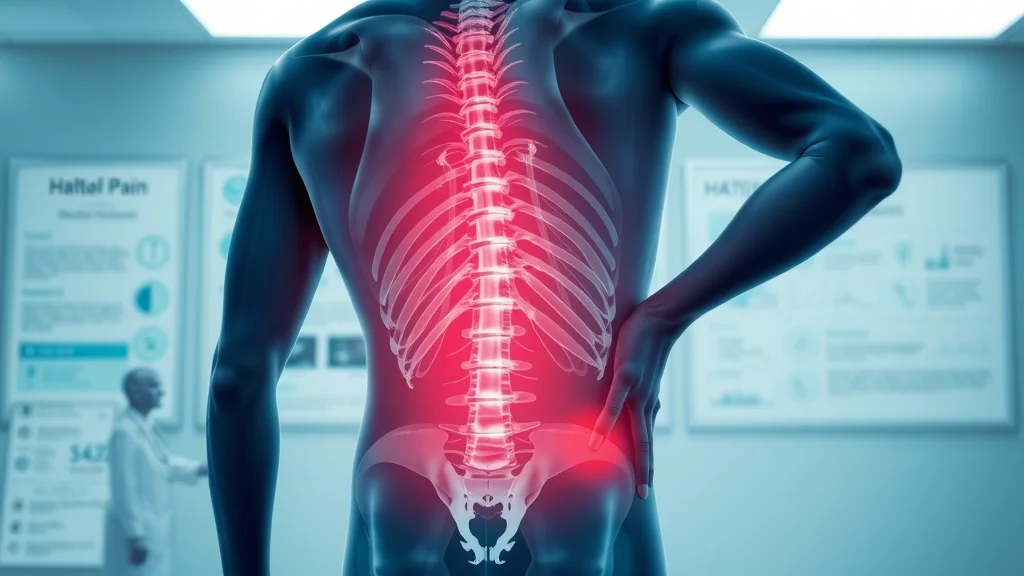
Anatomical silhouette with highlighted pain area to explain chronic pain and impact, photorealistic, clinical background, clean graphics.

Comparison of Acute vs. Chronic Pain Characteristics

Aspect

Acute Pain

Chronic Pain

Duration

Short-term, resolves with healing

Lasts for months or years, may persist after injury heals

Cause

Specific injury or condition

Often unclear or multifactorial

Purpose

Protective, signals harm

No protective function, often becomes a condition itself

Treatment

Usually resolves with standard care

Requires multidisciplinary approach and long-term management

What is Self-Hypnosis for Chronic Pain?

"Self-hypnosis is not about mind over matter, but teaching the mind to ease the body’s suffering." - Clinical Hypnosis Specialist

Self-hypnosis for chronic pain is a technique where individuals use targeted relaxation, focused attention, and mental imagery to modify their pain experience. Unlike stage hypnosis, medical or clinical hypnosis is a scientifically validated mind-body modality, often included in clinical and experimental pain management programs. During a hypnosis session, people are taught to enter a highly relaxed state, using suggestions or visualizations to reduce pain, shift peripheral awareness, and promote control over distressing sensations.

The process supports pain control by interrupting the cycle of tension, anxiety, and pain. It equips patients to "retrain" their brain’s automatic response to chronic pain, potentially translating to real-life reductions in suffering. Unlike external interventions, self-hypnosis puts pain patients in the driver’s seat, providing a cost-effective, accessible option for daily pain management. Many have used this technique successfully alongside health professional care or as a complement to therapies like medication, physical therapy, and mindfulness.

The Science Behind Self-Hypnosis and Hypnosis for Pain

Brain scan shows neural activity during self-hypnosis for chronic pain in serene patient, photorealistic, minimal lab, blue tones.

Scientific interest in self-hypnosis for chronic pain has surged, with numerous clinical trials and experimental hypnosis studies revealing its substantial benefits. Advanced brain imaging technologies now demonstrate how clinical hypnosis changes brain activity by reducing focus on pain signals, enhancing relaxation, and promoting pain relief. During hypnosis, regions connected to attention and pain perception (such as the anterior cingulate cortex and somatosensory cortex) show reduced activity, while new, more pleasant experiences of comfort and calm are amplified.

Several clinical studies suggest that hypnosis sessions can lower pain intensity, reduce peripheral awareness of discomfort, and improve overall quality of life in patients with fibromyalgia, arthritis, neuropathic pain, and migraines. One experimental hypnosis study compared standard care to hypnosis practices and found that those receiving hypnosis training reported lasting reductions in pain scores, with effects comparable to pharmacological interventions—but without the risks and side effects. Science clearly points to the value and safety of integrating medical hypnosis into the chronic pain management toolbox.

Selected Clinical Studies on Hypnosis for Pain: Outcomes & Methodologies

Study

Population

Method

Results

Montgomery et al. (2010)

Post-surgical patients

Single hypnosis session pre-surgery

Reduced surgical pain, fewer medications needed

Patterson & Jensen (2014)

Chronic back pain patients

6-week self-hypnosis training program

Improved pain control, decreased pain ratings

Cariati et al. (2020)

Fibromyalgia patients

Guided hypnosis plus relaxation

Enhanced quality of life, significant pain relief

Who Can Benefit from Self-Hypnosis for Chronic Pain?

Self-hypnosis for chronic pain doesn’t discriminate by diagnosis, age, or background. A wide variety of people—particularly those struggling with persistent conditions that resist standard treatments—find relief and empowerment through these techniques. The evidence supports its usefulness for both widespread and focused pain, whether the discomfort is related to nerves, muscles, or joints. In clinical settings, health professionals regularly recommend self-hypnosis for various pain syndromes.

  • Patients with fibromyalgia

  • Arthritis sufferers

  • Individuals with neuropathic pain

  • People with low back pain or migraines

No matter the cause, patients ranging from busy professionals to retirees, and from young adults to seniors, can benefit from adding hypnosis practices to their pain management strategies. If you live with chronic pain and seek to reduce reliance on medications, improve daily functioning, or simply enhance your sense of well-being, self-hypnosis is a promising adjunct—especially when practiced regularly with proper informed consent and guidance.

Middle-aged woman smiling gently, practicing self-hypnosis for chronic pain in a cozy home, photorealistic, soft sunlight.

Popular Myths vs. Facts: Medical Hypnosis and Informed Consent

Thoughtful adult weighing medical hypnosis myths vs facts, photorealistic, calm home office, neutral palette.

Myth #1: "Hypnosis is mind control." In reality, no one can be made to act against their will during a hypnosis session. Self-hypnosis is rooted in your own focused attention and voluntary participation—making it an empowering, not controlling, experience.

Myth #2: "Medical hypnosis isn't evidence-based." On the contrary, decades of clinical and experimental hypnosis studies show real, measurable benefits for chronic pain management and pain relief. Top healthcare organizations endorse hypnosis for pain, with informed consent as a central guiding principle.

It's crucial to practice with accurate information and always consider the guidance of a trained clinical hypnosis provider for complex pain or psychological conditions. Informed consent safeguards your autonomy and safety while enabling the most effective use of hypnosis techniques for your chronic pain journey.

Step-by-Step Guide: How to Practice Self-Hypnosis for Chronic Pain

  1. Prepare a quiet, comfortable environment: Find a “pleasant place” in your home—free from distractions. Sit or recline comfortably, ensuring no interruptions during your session.

  2. Focus on breathing and relaxation techniques: Begin by taking slow, deep breaths. With each exhale, let tension melt away. Keep your mind on your breath or a soothing word to enhance focused attention.

  3. Use positive affirmations for pain control: Gently say to yourself, “My body is relaxing,” or “With every breath, my pain eases.” Repetition of calming phrases is one of the most effective techniques taught in hypnosis training.

  4. Deepen your relaxation with guided visualization: Imagine warmth and comfort spreading outward from the areas of discomfort, or picture yourself in a safe, pain-free environment.

  5. Gradually return to alertness and reflect on changes: After about 10 minutes, count up from one to five, notice your body, and gently open your eyes. Take note of any reduced pain or increased calm.
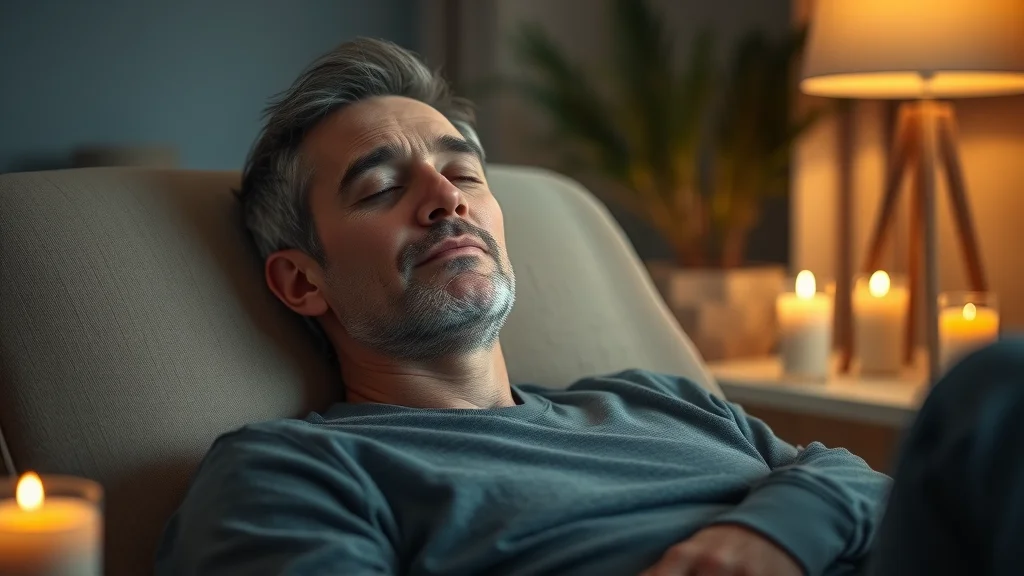
Calm adult practicing self-hypnosis for chronic pain, eyes closed, relaxing in dimly lit cozy space, photorealistic.

Practicing daily—even for 10 minutes—can progressively help reduce pain intensity and reshape your pain experience. Many find even simple self-hypnosis routines bring meaningful pain relief over time, especially when combined with other pain management strategies.

Advanced Hypnosis Practices for Long-Term Pain Relief

Once you've mastered basic self-hypnosis, you can deepen its effectiveness with several advanced techniques, often suggested by expert trainers and in clinical hypnosis sessions. For ongoing pain control, consider these enhancements:

  • Utilizing relaxation scripts: Written or recorded scripts guide you through a full-body relaxation process, reinforcing focused attention and positive suggestions around pain control. These are especially useful for newcomers or days when concentration wanes.

  • Combining music therapy with hypnosis for pain: Background music can enhance hypnosis for pain by promoting further relaxation, reducing peripheral awareness, and helping anchor your mind in a comforting, pleasant place during the session.

  • Keeping a pain diary to track progress: Document changes in your pain experience, mood, and functioning before and after each self-hypnosis session. Pattern recognition can build motivation and help tailor future hypnosis practices for maximum impact.

With regular application, these strategies not only support pain relief but empower you to measure and celebrate progress toward improved quality of life and pain control.

Integrating Self-Hypnosis for Chronic Pain into Daily Life

Optimistic adult integrating self-hypnosis for chronic pain into daily morning routine in a pastel sunlit bedroom, photorealistic, uplifting.

For self-hypnosis for chronic pain to deliver lasting benefits, it must become a routine aspect of daily life. Start by scheduling short, manageable sessions—perhaps after waking up or before sleep. This integration not only creates a sense of structure but transforms pain management into a habit rather than a chore.

Pairing self-hypnosis with other healthy lifestyle strategies, like gentle movement, healthy eating, mindfulness, or journaling, can maximize outcomes. Over time, these practices support not just pain relief but holistic well-being. When setbacks happen, aim for flexibility rather than rigidity—missing a session does not mean starting over, but picking up where you left off. Your journey is uniquely yours.

Weekly Self-Hypnosis Schedule Template

Day

Morning

Afternoon

Evening

Monday

10 min session

—

10 min visualization

Tuesday

—

10 min script

—

Wednesday

10 min music + relaxation

—

—

Thursday

Review pain diary

10 min session

—

Friday

10 min session

—

Guided script

Saturday

Outdoor relaxation

—

10 min deep breathing

Sunday

10 min session

—

Reflection/journaling

Potential Risks, Side Effects, and When to Seek Professional Guidance

  • Mild dizziness or emotional release: Some new practitioners may feel lightheaded, sleepy, or emotional during or after their initial hypnosis session. This is normal, but be sure your environment is safe and supportive.

  • Importance of medical supervision for severe conditions: Those with complex psychological histories, PTSD, or severe mental health concerns should always consult a health professional or certified clinical hypnosis practitioner before beginning self-hypnosis for chronic pain.

  • When to consult a certified clinical hypnosis practitioner: If you notice troubling side effects, find your pain experience worsening, or are unsure whether self-hypnosis is appropriate, seek professional guidance. This protects your health and ensures any contraindications are addressed promptly.

Concerned adult seeking guidance from health professional about self-hypnosis for chronic pain in a private clinic, photorealistic, calm setting.

The Role of Clinical Hypnosis vs. Self-Hypnosis in Pain Control

Both clinical hypnosis (conducted by a trained healthcare professional) and self-hypnosis are valuable options in the management of chronic pain. Clinical hypnosis sessions may offer more complex interventions or target deep-rooted psychological issues that underlie the pain experience. These are administered under medical supervision with careful consideration of informed consent and overall treatment planning.

In contrast, self-hypnosis for chronic pain empowers you to practice independent pain control anytime—in the comfort of your chosen environment. Many pain management specialists recommend a blend of both, so that patients receive targeted professional input when needed but also have ongoing techniques to use at home. Whichever path you choose, the goal is your increased comfort, safety, and overall quality of life.

Case Studies: Hypnosis for Chronic Pain Management

  • Fibromyalgia symptom reduction: A 48-year-old woman practicing daily self-hypnosis noted a 50% decrease in her pain score and improved sleep within 8 weeks. Her testimonial highlights the sustainability of these strategies beyond clinical sessions.

  • Post-surgical recovery: A study participant receiving medical hypnosis before and after joint surgery reported significant decreases in the need for opioid pain medications and faster functional recovery.

  • Migraine management success: A patient with chronic migraines found that guided imagery and relaxation-based self-hypnosis reduced both the frequency and severity of attacks, allowing a return to normal work routines.

"After practicing self-hypnosis, my daily pain dropped from an 8 to a 3. It’s been life-changing." - Patient Testimonial

Key Takeaways from Using Self-Hypnosis for Chronic Pain

  • Evidence-based improvement in quality of life

  • Low-cost, accessible adjunct to other therapies

  • Empowerment through self-management

People Also Ask (PAA): Self-Hypnosis for Chronic Pain

Does self-hypnosis work for pain?

Yes, numerous scientific studies and clinical trials confirm that self-hypnosis for chronic pain can reduce pain intensity and enhance comfort. By changing how your brain processes pain signals and building regular relaxation into your routine, you can reduce pain and complement other pain management strategies.

How to train your brain to beat chronic pain?

Training your brain involves regular self-hypnosis sessions using focused attention, positive affirmations, and guided imagery. With consistent practice, you can "rewire" your brain to reduce sensitivity to pain, change negative thought patterns, and enhance resilience. Tools like relaxation scripts, music, and keeping a pain diary can make this training easier and more effective.

How to reset your body from chronic pain?

Resetting your body’s response to chronic pain requires a holistic approach—combining self-hypnosis, stress reduction, gentle movement, and a supportive environment. By using relaxation and visualization during a hypnosis exercise, you help calm the nervous system, promote healing, and regain a sense of control over your pain experience.

Can you train your brain to not feel pain?

While it’s not always possible to eliminate pain entirely, research shows you can learn to alter your experience of pain. With self-hypnosis for chronic pain, many find that pain becomes less intrusive, more manageable, and less emotionally distressing. This empowers users to regain focus on what matters most in their lives.

Frequently Asked Questions about Self-Hypnosis for Chronic Pain

  • Is self-hypnosis for chronic pain safe for everyone?
    Most people can safely try self-hypnosis, but those with psychiatric or neurological conditions should consult a healthcare professional before starting. Medical supervision ensures appropriate practice and maximizes safety.

  • How long does it take to see results?
    Some people feel changes after a few sessions, while others require several weeks of consistent practice. Like any skill, self-hypnosis becomes easier and more effective over time.

  • Can I use self-hypnosis in conjunction with medication?
    Absolutely—self-hypnosis is often used alongside prescribed treatments. Always inform your healthcare team of any new therapies you add, and never adjust your medication without medical guidance.

Resources and Further Reading on Self-Hypnosis for Pain Control

  • Recommended books and research articles

  • Links to hypnosis practices directories

  • Where to find certified clinical hypnosis professionals

Your Next Steps: Start Your Self-Hypnosis for Chronic Pain Journey

Begin by setting aside 10 minutes today. Create a safe, comfortable space. Try the step-by-step practice outlined above and notice even small shifts in comfort or calm. Consult a clinical hypnosis professional as needed, and remember—every day brings new opportunities for healing and empowerment on your chronic pain management journey.

If you’re eager to deepen your understanding of mind-body techniques and how they can transform your approach to pain management, consider broadening your perspective beyond self-hypnosis. Exploring the nuanced differences between hypnosis and meditation can reveal new strategies for relaxation, focus, and self-healing. For a comprehensive look at how these practices compare and complement each other, visit our guide on hypnosis versus meditation. This resource can help you discover which approach—or combination—best supports your journey toward lasting comfort and well-being.
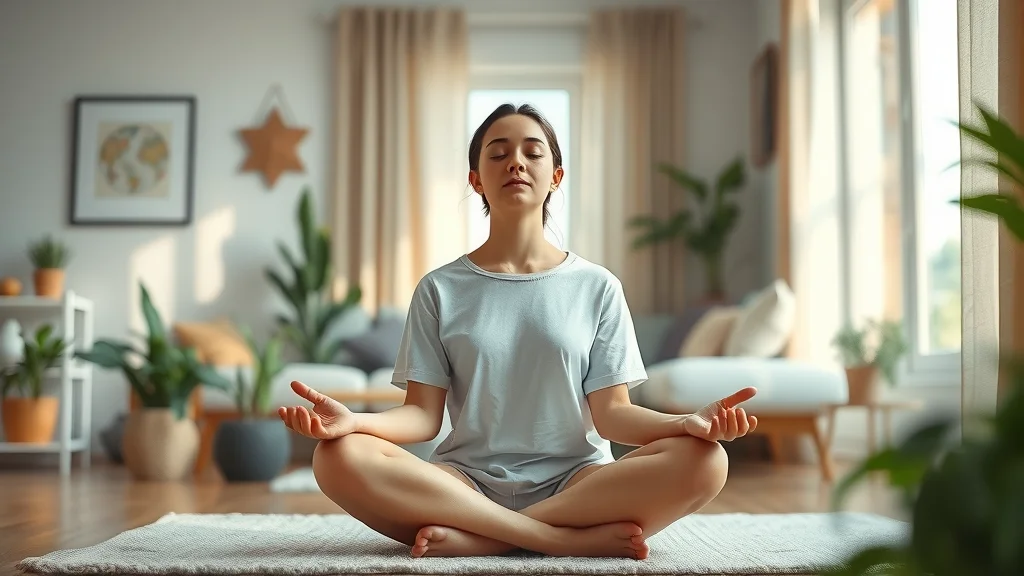

Self-Hypnosis Practice & Tools
Facebook Twitter

Write A Comment

*
*
Related Posts All Posts

Using Self-Hypnosis to Improve Study Habits

Ever wondered if you could unlock your full potential and achieve your academic goals simply by training your mind? Imagine challenging conventional study routines and discovering a method that improves your focus, memory, and confidence—all from the comfort of your study space. This guide explores the transformative power of self-hypnosis to improve study habits and gives you the tools to start your journey to academic excellence today. Curiosity Unlocked: Can Self-Hypnosis Transform Your Study Habits? Increasing numbers of students and professionals are asking: can self-hypnosis to improve study habits be the missing piece in boosting their academic performance, memory retention, and confidence? Unlike traditional methods, self-hypnosis doesn't require fancy gadgets or grueling all-nighters. Instead, it harnesses the natural power of your subconscious mind to build more effective study habits and enhance your ability to recall and retain information. This guide draws on both scientific evidence and real-life experiences to address common curiosities, encourage an open mind, and provide you with a clear path to academic success. By combining self-hypnosis with techniques like positive affirmations, you can establish a study routine that not only results in good grades but also allows you to achieve your goals with greater ease. Challenging Conventional Wisdom About Study Habits and Academic Performance Traditional study habits often revolve around repetition, late-night cramming, and rigid schedules. But what if you could outsmart the stress and anxiety that often accompany these tactics? Self-hypnosis offers a radically different approach—rather than just pushing harder, it encourages students to work smarter by tapping into the full capacities of their subconscious mind. By entering a deeply relaxed state, you can boost focus and concentration, naturally embed new routines, and set yourself up for sustainable, long-term achievement. By challenging the typical beliefs surrounding academic performance, this approach opens the door to innovative ways to retain information and maintain mental clarity, making it a must-try for anyone serious about lasting study success. Unveiling the Psychology Behind Hypnotic Suggestion in Academic Success At its core, hypnotic suggestion is about carefully planting the seeds of positive change in your subconscious—where habitual behavior, motivation, and even memory are shaped. When applied to academic performance, hypnotic suggestions can improve your ability to concentrate, motivate consistent study habits, and help you remain calm and focused during high-pressure situations like exams. Scientific research on hypnosis for learning shows that, compared to passive learning, self-hypnosis enables more active mental rehearsal, leading to stronger neural connections and greater ability to recall information when it counts. By mastering these techniques, you not only become better at learning but also more confident in your capacity to achieve your academic goals. What You'll Learn in This Guide to Self-Hypnosis to Improve Study Habits Fundamentals of self-hypnosis for better study habits Step-by-step self-hypnosis techniques for academic performance Scientific evidence behind hypnotic suggestion and study success How to use positive affirmations to retain information Practical strategies to remember and recall what you study Expert insights and frequently asked questions Understanding Self-Hypnosis to Improve Study Habits Defining Self-Hypnosis: Methodology and Application in Study Habits Self-hypnosis is a structured process where you intentionally guide yourself into a deeply relaxed state to plant positive suggestions for change. Unlike what pop culture might suggest, it isn’t about losing control or turning into a “rag doll”—it’s about focused attention and making deliberate adjustments to your mindset. When applied to study habits, self-hypnosis involves using techniques like deep breathing, eye fixation, and guided visualization to bypass mental resistance and boost willingness to adopt beneficial behaviors. For students and lifelong learners, this means regularly setting clear intentions (like “I will study on a regular basis” or “I am capable of understanding the material”) and reinforcing them through structured self-hypnosis sessions. It’s a flexible method that can be practiced daily, making it a practical addition to any effective study routine. The beauty of self-hypnosis is that it puts you in the driver’s seat: you decide what habits to build or break, how often to practice, and which academic challenges to tackle. By consistently applying self-hypnosis, you’ll find it easier to concentrate, remember and recall information, and truly enjoy the learning process. While self-hypnosis offers a unique approach to mental conditioning, many learners also explore related practices to enhance focus and well-being. If you're curious about how self-hypnosis compares to other mind-training techniques, you might find it helpful to review the distinctions between hypnosis and meditation, as discussed in this in-depth comparison of hypnosis vs meditation. The Science of Hypnotic Suggestion and Memory Retention Science backs the idea that hypnotic suggestion can influence how we learn and remember. Regular self-hypnosis sessions have been shown to help students enter a deeply relaxed state, making it easier to access the subconscious mind—where true learning takes root. Studies reveal that relaxation can deepen memory encoding, helping you retain and recall information more efficiently. Techniques involving breath control, focused attention, and positive affirmations activate brain regions tied to attention and memory (like the hippocampus and prefrontal cortex), enhancing academic performance through neuroplasticity. “Self-hypnosis is not about mind control—it’s about harnessing focus for your own academic goals.” When you incorporate methods such as visualization and suggestion into your study routine, you’re not simply learning by rote; you’re creating lasting neural pathways that make recalling information, solving problems, and achieving results much more natural. Over time, this leads to improved ability to concentrate, higher test scores, and a greater sense of accomplishment. How Self-Hypnosis Works to Improve Study Habits Step-by-Step Guide: Beginning Self-Hypnosis to Improve Study Habits If you’re ready to try self-hypnosis to improve study habits, start with a structured but gentle approach. Follow these phases for best results: Preparation: Define your study goals and set clear intentions (e.g., “I want to focus more during study sessions” or “I will recall information with clarity”). Induction: Find a calm, quiet place. Sit comfortably, take a deep breath, and relax your body head to toe. Techniques like eye fixation and gentle counting can help shift your mind from external distractions to a state of focused attention. Deepening: With your body calm and relaxed, use progressive relaxation or visualization (like imagining yourself as a rag doll) to deepen your trance. With each breath, let yourself go deeper into hypnosis, ensuring your mind is open to suggestion. Autosuggestion: Introduce positive affirmations tailored to your academic goals such as “With each breath, my ability to concentrate grows” or “I remember and recall information easily and confidently.” Repeat these affirmations several times. Awakening: When ready, count to five, telling yourself that you’ll open your eyes feeling alert and motivated. Integrate your new study habits by visualizing yourself using them successfully in real scenarios. On a regular basis, this brief hypnosis session will support habit formation and improve your academic performance. Over time, you’ll notice a stronger focus, better memory retention, and less stress or anxiety related to studying. The Role of Positive Affirmations in Retaining Information How Positive Affirmations Boost Study Habits and Recall Positive affirmations are more than just motivational phrases—they’re tools used during self-hypnosis to rewire your subconscious and solidify effective study habits. When you repeat statements like “I am capable of achieving my academic goals” or “Studying comes easily to me,” you condition your mind to believe these truths, gradually overcoming previous mental blocks. Research shows that integrating affirmations into a daily study routine strengthens neural pathways associated with memory and focus, making it easier to recall information under pressure. This repetitive practice helps embed new behaviors—be it better time management, improved ability to concentrate, or increased motivation—ultimately leading to higher academic performance and sustained confidence. During a hypnosis session, affirmations are most powerful when your mind is in a relaxed state. This is when your subconscious mind is most receptive to suggestion. The key is consistency: by repeating affirmations on a regular basis, you cultivate new habits and reinforce your commitment to good grades and effective study. Crafting Affirmations for Academic Performance and Goal Achievement The best affirmations are clear, concise, and directly related to your goals. For example, if you struggle with test anxiety, you might use: “When I take a deep breath and relax, I recall information with ease.” If you want to stay motivated, try: “I enjoy the learning process, and my effort leads to good grades.” By focusing on what you want to achieve—and stating it in the present tense—you send powerful signals to your mind, accelerating the path to achievement. During self-hypnosis, select one or two affirmations to repeat slowly, visualizing yourself already enjoying the success you seek. Over time, these positive statements become automatic, helping you achieve your goals and maintain effective study habits for the long term. “Repeating positive affirmations not only encourages your mind but also conditions your habits for academic success.” Scientific Evidence: Can Hypnotic Suggestion Improve Academic Performance? Comparing Self-Hypnosis with Other Study Habit Techniques Technique How It Works Benefits Drawbacks Self-Hypnosis Directs focused attention and positive suggestion to form effective study habits and boost memory retention. Improves concentration, reduces stress and anxiety, supports recall information, allows for self-adjustment of behavioral patterns. Requires practice to master; may face skepticism or require guidance at first. Meditation Promotes mindfulness and calm through focused breathing and stillness. Reduces anxiety, increases general awareness, supports stress management. Indirect effect on study success; requires time commitment and regularity for best results. Repetition Encourages learning through repeated review and practice of material. Solidifies understanding of the material, boosts ability to recall. Can become tedious; risk of burnout or shallow learning if not spaced appropriately. Mnemonics Uses associations (acronyms, rhymes) to remember information. Increases ability to remember and recall specific details. Less effective for complex or large-scale concepts; may not enhance understanding. Review of Studies on Self-Hypnosis and Retain Information Empirical research consistently demonstrates the value of self-hypnosis in learning. Studies report that hypnosis techniques lead to significant improvements in focus, comprehension, and ability to retain information compared to traditional strategies alone. For example, a study involving university students showed that those practicing self-hypnosis displayed higher test scores and an improved study routine compared to peers depending solely on repetition. Another trial found self-hypnosis aided in reducing anxiety and fostering a deeply relaxed state, which facilitated better memory encoding and recall that information. These findings suggest that integrating self-hypnosis into your educational practices may offer a measurable boost in academic performance—provided you maintain consistency and structure. Expert Opinions: Hypnotherapy’s Role in Study Habits Experts in the field of hypnotherapy agree: well-structured self-hypnosis sessions can support behavioral change, enhance learning experiences, and develop effective study habits on a regular basis. Many professional therapists recommend hypnosis as a complementary tool for students struggling with motivation, focus, or test anxiety. Through techniques that combine relaxation, positive affirmations, and focused intention, hypnotherapy proves powerful in helping individuals not only achieve your goals but also maintain them over the long term. By working with your subconscious mind, self-hypnosis can boost your natural abilities and help develop habits that translate into real-world academic success. Case Studies: Real-Life Success Stories Using Self-Hypnosis to Improve Study Habits Students Who Enhanced Their Academic Performance Many students report transformative results after consistently applying self-hypnosis to improve study habits. For example, Sarah—a university student who struggled with procrastination—began using guided hypnosis sessions with targeted affirmations like “I study efficiently and retain information effortlessly.” Within weeks, she noticed a significant uptick in her ability to concentrate and improved test scores. Similarly, Marcus found that repeated visualization of himself succeeding at exams not only curbed his anxiety but empowered him to recall information more confidently when it mattered most. These stories underscore a key point: self-hypnosis is not a quick fix, but a sustainable tool that, with practice, leads to meaningful academic performance improvements. Professional Athletes: Did Kobe Bryant Use Hypnosis for Goal Achievement? While self-hypnosis is most commonly associated with academic settings, its benefits extend to elite performance fields—including professional sports. Kobe Bryant, the iconic basketball player, was well-known for his use of mental conditioning, which sometimes included hypnotic techniques to boost focus and achieve his goals. Before major games, he engaged in visualization and relaxation routines that mirrored self-hypnosis, allowing him to maintain a calm and relaxed mindset on the court. His success story serves as a powerful testament to the universal value of mental training, proving that mastering the mind can help you achieve your goals in any field—not just academics. “Kobe Bryant credited hypnotic practices as part of his pre-game routine for focus and confidence.” Watch a professional hypnotherapist guide a student through a self-hypnosis session, focusing on relaxation, positive affirmation, and practical integration for better study habits. Observe both close-up and wide-angle views to easily follow along in your own study environment. [Video Demo - Guided Self-Hypnosis Session for Study Habits] Common Challenges and Solutions When Practicing Self-Hypnosis for Study Habits Overcoming Skepticism and Building Consistent Study Habits Skepticism is natural, especially when trying a new technique like self-hypnosis. The key is to begin with an open mind and low expectations, allowing your experience to shape your perception. Consistency is everything: practice self-hypnosis daily, even if only for a few minutes, and track changes in your focus, confidence, or ability to retain information as you develop your study routine. Small victories, such as one productive study session or improved recall, quickly snowball into lasting change. Remember, many who initially doubted self-hypnosis now rely on it as a mainstay for academic performance and achieving their goals. If at first you feel a lack of progress, remind yourself that real transformation is gradual and accumulative—stick with your practice and results will follow. Troubleshooting: When Hypnotic Suggestion Doesn’t Seem Effective Not everyone experiences immediate or dramatic effects from hypnotic suggestion. If you find your sessions lack impact, double-check your preparation—are you relaxed, free of distractions, and clear on your intention? Sometimes results are subtle and build slowly over repeated sessions. Enhance your routine by varying your induction (for example, add more progressive relaxation or try new affirmations), or seek feedback from an expert. Remember, your subconscious mind sometimes needs time to accept new patterns, especially if old habits are deeply ingrained. Finally, believe in your ability to improve: trust that, as you continue, you’ll strengthen both your concentration and retention skills. Enhancing Memory: Techniques to Remember and Recall More Effectively Integrating Self-Hypnosis into a Regular Study Routine for Lasting Study Habits The most effective way to enhance memory and cultivate lasting study habits is to incorporate self-hypnosis as a regular part of your routine. Schedule daily or weekly sessions, ideally before or after studying, and use this time to reinforce positive beliefs about your ability to learn and remember material. Consistency is crucial: the more often you train your subconscious mind with targeted suggestion, the easier it becomes to recall information during real-life academic challenges. Over time, you will find yourself more focused, less prone to procrastination, and naturally more motivated to engage with learning. Integrating self-hypnosis in this way helps ensure lasting results and authentic academic improvement. Retaining Information Through Structured Hypnotic Sessions Set clear, realistic study goals for each hypnosis session. For example, focus on a specific subject, memorizing key facts, or mastering a challenging concept. Use affirmations aligned with your desired outcomes, and visualize yourself successfully answering questions or explaining the material with confidence. These sessions should be concise yet consistent, repeated multiple times for optimal impact. By marrying structured hypnosis with ongoing study efforts, you create strong mental associations and neural connections, giving you a tremendous advantage in ability to recall information when it matters most—be it during exams, class discussions, or presentations. Lists: Top 7 Self-Hypnosis Scripts to Improve Study Habits Script: Focus and concentration improvement – Visualize a beam of clear light connecting you to your study material; affirm, “My mind is fully focused, I understand the material easily.” Script: Combating procrastination – Imagine procrastination as a fog lifting from your mind; affirm, “I begin my study tasks with motivation and energy.” Script: Test-taking confidence – See yourself calmly and confidently answering every question; affirm, “I remain calm and recall information during my exams.” Script: Effective recall and memory – Picture your memory as an organized library; affirm, “I easily recall all I learned when I need it.” Script: Motivation for study habits – Feel excitement for learning welling up inside you; affirm, “Studying is rewarding and leads me to good grades.” Script: Reducing anxiety – Breathe deeply and release tension; affirm, “I feel calm and relaxed when studying and taking tests.” Script: Long-term retention and understanding – Visualize concepts settling firmly into your mind; affirm, “Information I learn is stored for long-term use.” Frequently Asked Questions About Self-Hypnosis to Improve Study Habits Can I hypnotize myself to study? Yes, many individuals successfully use self-hypnosis techniques on a regular basis to achieve their study goals, boost motivation, and improve focus for better retention. The key is consistency—regularly practicing self-hypnosis helps condition your mind to support an effective study routine and academic performance. What is the rule of 7 in hypnosis? The “rule of 7” suggests you should repeat a hypnotic suggestion or positive affirmation at least seven times to help embed new behaviors or habits into your subconscious mind. This principle ensures that your intentions are reinforced strongly enough to impact your study habits and academic routine. Is hypnotherapy a 93% success rate? While some studies have reported high success rates—including up to 93% in certain clinical contexts—your personal results can vary based on individual factors and how consistently you apply self-hypnosis to improve study habits. The most important aspect is sustained practice and belief in the process to achieve your goals. Did Kobe Bryant use hypnosis? Yes, Kobe Bryant acknowledged incorporating hypnotic suggestion and visualization techniques for performance and focus. His endorsement highlights how self-hypnosis benefits even elite athletes striving to achieve their goals, showing its potential for academic and personal success alike. This guided video demonstrates a full self-hypnosis session, allowing you to follow each stage: preparation, induction, positive affirmation, and integration. Use it to structure your own powerful study habit routine. [Video - Guided Self-Hypnosis for Better Study Habits] Key Takeaways: Achieving Your Goals with Self-Hypnosis to Improve Study Habits Self-hypnosis is a powerful tool to establish and maintain effective study habits. Positive affirmations and hypnotic suggestions help retain information and boost recall. Consistency, practice, and tailored scripts drive academic performance and help you achieve your goals. Start Your Journey: Achieve Your Goals and Improve Study Habits with Self-Hypnosis Today If you’re ready to break through learning plateaus and develop habits that last, now is the time to explore self-hypnosis. With proven techniques, scientific support, and real stories of success, start practicing today to unlock your academic potential and achieve your goals. Conclusion: Embracing Self-Hypnosis to Improve Study Habits and Achieve Academic Excellence Embracing self-hypnosis to improve study habits can transform how you learn, remember, and perform—empowering you to reach your highest academic potential, one focused session at a time. If you found the strategies in this guide helpful, consider expanding your understanding of mind-training techniques to further enhance your academic journey. Exploring the broader landscape of mental wellness can reveal new ways to boost focus, manage stress, and sustain motivation throughout your studies. For a deeper dive into the similarities and differences between popular practices, take a look at how hypnosis and meditation each support personal growth and learning. By integrating these insights, you can craft a holistic approach to self-improvement that empowers you both in and out of the classroom.

Self-Hypnosis for Overcoming Negative Thoughts

Have you ever wondered if your mind holds the power to stop negative thinking and spark a positive transformation, even when nothing else works? If so, you’re not alone. Many people find themselves trapped in cycles of anxiety and negative thoughts, but what if you could break free with a simple, proven technique? Self-hypnosis for overcoming negative thoughts is gaining traction as a science-backed solution to stop negative thinking, reframe your thoughts, and unlock deeper levels of well-being. In this comprehensive guide, you’ll discover exactly how self-hypnosis can help you rise above anxiety, stop negative thought spirals, and build positive emotion — starting today. Are You Stuck in a Cycle of Negative Thoughts? Negative thinking can feel like an endless loop, each worry feeding the next until it seems impossible to stop negative patterns. Whether it’s work-related stress, anxiety and negative emotions, or deeply ingrained negative thinking, the cycle can control your mood, decisions, and relationships. But the good news is that self-hypnosis for overcoming negative thoughts offers a genuine path to escape. The power of self-hypnosis lies in its ability to reach deeper levels of your mind, allowing you to identify and address negative thinking patterns at their core. Instead of just managing surface-level symptoms, self-hypnosis empowers you to reframe negative thoughts, stop negative thinking, and create enduring change. With accessible techniques and a variety of hypnosis audio programs specifically designed to overcome anxiety and negative thoughts, even total beginners can quickly see the benefits. By addressing anxiety and negative thinking directly, you begin to reclaim your peace, focus, and personal well-being. Why Overcoming Negative Thinking Matters for Your Well-Being Unresolved negative thoughts can dominate your daily life, undermining self-confidence and making it difficult to experience positive emotion. The impact of persistent negative thinking ripples across every facet of your existence, reducing motivation, increasing stress, and even harming physical health. Scientific research shows that individuals engaged in chronic negative thought patterns have a higher risk for anxiety and negative thinking cycles, which can progress into more severe mental health challenges if left unaddressed. Overcoming negative thoughts with strategies like self-hypnosis isn’t just about feeling better for a moment—it’s a fundamental step in restoring long-term emotional equilibrium. You’ll not only stop negative thinking, but also teach your mind healthier thinking patterns and automatic responses. This shift leads to improvements in relationships, productivity, and optimism, all while instilling confidence that you have the tools needed to face future challenges. By investing in self-hypnosis for overcoming negative thoughts, you invest in your most valuable asset: your mental and emotional well-being. What You'll Learn About Self-Hypnosis for Overcoming Negative Thoughts How self-hypnosis works to stop negative thinking Techniques to reframe negative thoughts Benefits of using self-hypnosis to overcome anxiety and negative thinking patterns Reviews of hypnosis audio and self-hypnosis programs Step-by-step guide to using self-hypnosis for lasting positive emotion Understanding Negative Thought Patterns What Are Negative Thinking Patterns? Negative thinking patterns are habitual, automatic ways your mind interprets everyday events, often focusing on the worst-case scenario or reinforcing feelings of inadequacy. These default patterns can include catastrophizing, overgeneralizing, all-or-nothing thinking, or endlessly replaying critical comments in your mind. When such patterns take hold, they can fuel anxiety and negative emotions, making it increasingly difficult to stop negative thinking. Understanding negative thought patterns is the first step toward breaking their grip. With self-hypnosis for overcoming negative thoughts, you can access deeper levels of your consciousness, examine these harmful patterns, and start to reframe your thoughts in a constructive, positive manner. This awareness opens the door to lasting change—giving you a path to replace anxiety-driven, negative thoughts with healthier, more empowering perspectives. The Link Between Anxiety and Negative Thoughts Anxiety and negative thoughts often go hand in hand—each intensifying the other. When you’re anxious, your brain is more likely to focus on perceived threats and what could go wrong, creating a vicious cycle of worry and negative thinking. This heightened state not only affects your mental wellbeing but also influences your physical health, sleep quality, and overall happiness. By becoming aware of how anxiety and negative thinking are interconnected, you can interrupt the pattern and develop skills to stop negative thinking before it spirals out of control. Self-hypnosis helps by addressing anxiety at its roots and guiding your mind towards more balanced, positive emotion. Through regular practice, you’ll find it easier to step back from overwhelming thoughts, achieve emotional stability, and prevent anxiety from dominating your attention. “Awareness of negative thought patterns is the first step to overcoming anxiety and negative thinking.” How Negative Thoughts Impact Your Daily Life The effects of negative thinking patterns extend far beyond temporary gloom. Persistent negative thoughts can change the way you perceive yourself, the world, and your potential for growth. This constant stress activates your body’s fight-or-flight response unnecessarily, draining your energy and reducing your motivation to pursue activities or relationships that once brought joy. Beyond the personal aspects, negative thinking also impairs communication, reduces productivity, and feeds persistent anxiety. Over time, the brain can become wired to expect—and thus find—negativity everywhere, perpetuating the cycle. Using self-hypnosis for overcoming negative thoughts is a proactive way to reframe negative thoughts, stop negative thinking, and start experiencing renewed motivation, inner calm, and deeper well-being. If you're interested in understanding how self-hypnosis compares to other mind-calming practices, you might find it helpful to explore the distinctions between hypnosis and meditation. This comparison can clarify which approach best suits your needs for overcoming negative thought patterns. For a detailed breakdown, see how hypnosis and meditation differ in their methods and benefits. Reduced motivation Increased stress Impaired relationships Persistent anxiety How Self-Hypnosis Works for Overcoming Negative Thoughts The Science Behind Self-Hypnosis and Reframing Negative Self-hypnosis leverages focused relaxation and deep mental concentration to bypass the limiting influence of the conscious mind—opening access to deeper levels of thought. During this process, your mind becomes more receptive to positive suggestion, making it easier to reframe your thoughts and disrupt negative thinking patterns. Modern neuroscience indicates that hypnosis can create new neural connections, allowing your brain to form healthier habits and abandon unhelpful cycles. When you use self-hypnosis for overcoming negative thoughts, you’re essentially retraining your mind to focus on powerful feelings of positive emotion and calm. This shift not only helps to stop negative thinking in the moment but also strengthens your mind’s natural ability to overcome anxiety over time. Combined with evidence-based approaches like cognitive reframing, self-hypnosis encourages enduring change, fostering an internal environment where positive thoughts can begin to flourish. “Hypnosis to overcome negative thinking encourages new thinking patterns and positive emotion.” Self-Hypnosis Techniques to Stop Negative Thinking There are several practical techniques you can use in your journey to stop negative thinking and reframe negative thoughts through self-hypnosis. The process often starts with deep relaxation—helping you settle into a calm, focused state. From there, visualization exercises guide your mind to imagine positive outcomes and new possibilities, rather than recurring worries or fears. Positive affirmations, specifically designed to replace anxiety and negative thinking, reinforce new beliefs at a subconscious level. Guided hypnosis audio can be a powerful support tool, providing step-by-step instructions for overcoming negative thoughts. These professionally crafted sessions target negative thinking patterns directly and help you access deeper levels of your mind where meaningful change occurs. As you practice these techniques consistently, you gain the skills and confidence needed to break the cycle, overcome anxiety, and nurture sustained positive emotion in your daily experience. Deep relaxation Visualization Positive affirmations Guided hypnosis audio for overcoming anxiety and negative thought patterns Step-by-Step Guide: Self-Hypnosis for Overcoming Negative Thoughts Preparing Your Space and Mind for Self-Hypnosis Creating the right environment is crucial for a successful self-hypnosis session. Start by choosing a quiet, comfortable space free from distractions—think a softly lit corner or a cozy chair. Consider dimming the lights and adding soothing elements such as gentle music, scented candles, or relaxing textures. The goal is to give yourself permission to step back from the demands of daily life and immerse fully in your practice. Before you begin, set your intention: decide what specific negative thoughts or anxiety patterns you want to address. Take a few deep breaths, noticing any tension in your body and allowing it to melt away. Remind yourself that this is a safe time to focus inward, giving your conscious mind a much-needed break. With your space prepared and intention set, you’re primed to experience self-hypnosis for overcoming negative thoughts at deeper levels. Guided Practice: Using Hypnosis to Overcome Negative Thinking Patterns Begin your session by sitting or lying down in your prepared space. Close your eyes and focus on your breathing, letting each breath become slower and more relaxed. As you sink into this deeply relaxed state, imagine a wave of calm moving from the top of your head to the tips of your toes—a simple gesture that helps you access deeper levels of relaxation. Invoke a guided hypnosis audio or softly speak affirmations that directly counteract your usual negative thoughts (“I am calm,” “I can stop negative thinking and choose a positive emotion”). As you progress, visualize confronting your anxiety and negative thoughts as if you’re watching them float away, becoming less powerful with each passing moment. If your mind wanders, gently bring your focus back to your intention, trusting that each practice is a vital step toward overcoming anxiety and reshaping your thinking patterns. How to Reframe Negative Thoughts During Self-Hypnosis During your self-hypnosis session, take time to notice which negative thoughts arise. Rather than pushing them away, acknowledge their presence—this awareness is a key component of reframing and overcoming negative thinking patterns. Next, softly challenge those thoughts: ask yourself whether they’re rooted in reality or driven by anxiety and negative emotion. Now, visualize an alternative: for every negative thought, create a counter-example or reframe your thoughts into something empowering (“Instead of ‘I always fail,’ say ‘I am learning and improving every day’”). This deliberate act of reframing, reinforced through hypnosis to overcome negative self-talk, gradually shifts your mental habits and helps you stop negative thinking from taking over your outlook. Each session, remind yourself of your progress and celebrate small victories, knowing that lasting change is built one thought at a time. Benefits of Self-Hypnosis for Overcoming Negative Thoughts Reducing Anxiety and Negative Emotional Cycles One of the most immediate benefits of self-hypnosis for overcoming negative thoughts is a marked reduction in anxiety and emotional overwhelm. When you access deeper levels of relaxation and consciously switch your focus from worry to positive emotion, your body’s stress response calms down. This harnesses your mind’s natural ability to interrupt anxiety and negative thinking before it gains momentum. With regular practice, the simple gesture of beginning a self-hypnosis session acts as a powerful anchor, teaching your subconscious to stop negative thinking on autopilot. Over time, you’ll notice that stress doesn’t escalate as quickly, your ability to handle challenges improves, and episodes of crippling anxiety become less frequent and severe. Many people describe these changes as liberating, finally regaining freedom from the grip of persistent negative emotions. Increasing Positive Emotion and Well-Being The ultimate goal of self-hypnosis is not just to stop negative thinking, but to cultivate lasting positive emotion and a genuine sense of well-being. As you retrain your mind to favor empowering, optimistic thoughts, you begin to experience more joy, gratitude, and mental clarity in your everyday life. This shift builds resilience, helping you bounce back from challenges and maintain perspective during stressful times. Individuals who consistently use self-hypnosis for overcoming negative thoughts often report heightened self-confidence, better sleep, deeper relationships, and a revitalized zest for life. By focusing on positive emotion and using effective hypnosis audio tools, you set the foundation for ongoing happiness and fulfillment—no matter what life throws your way. Supporting Long-Term Change in Thinking Patterns Changing ingrained negative thinking patterns takes time, repetition, and the right techniques. Self-hypnosis for overcoming negative thoughts provides a roadmap for gently but consistently shifting your mental habits. By accessing deeper levels of your mind, you reinforce new, healthier patterns every session, until they become second nature. The benefits are cumulative: the more you practice, the easier it becomes to stop negative thinking and access a state of calm, focused intention. Compared to surface-level solutions, self-hypnosis creates meaningful, sustainable change—supporting you not just for days or weeks, but as a lifelong tool for overcoming anxiety and negative thinking patterns. Features and Options: Self-Hypnosis Audio and Programs Top-Rated Hypnosis Audio for Overcoming Anxiety and Negative Thoughts Product Features Price User Rating CalmMind Audio Guided hypnosis, reframe negative thoughts $29 4.7/5 MindShift Hypnosis Overcome anxiety, stop negative thinking patterns $35 4.5/5 Positive Thinking Package Positive emotion focus, hypnosis to overcome $25 4.8/5 What to Look for in Quality Self-Hypnosis for Negative Thinking Choosing the right hypnosis audio or self-hypnosis program is a critical personal aspect of your journey to overcome anxiety and negative thoughts. Look for features such as expert narration, evidence-based techniques, and positive user reviews. Seek out programs that focus specifically on negative thought transformation rather than generic relaxation or stress relief. High-quality programs ensure each session is effective, safe, and supports deeper levels of engagement. Many top-rated offerings even allow you to customize content to address your personal interests and negative thinking patterns, maximizing impact. When you invest in quality, you’re more likely to see quick results and maintain motivation to continue reframing negative thoughts for long-term well-being. Expert narration Evidence-based techniques Positive reviews Focus on negative thought transformation Real Results: Reviews and Success Stories Customer Testimonials on Overcoming Negative Thinking “Self-hypnosis for overcoming negative thoughts changed my outlook—and helped me stop negative thinking spirals.” — J. Lee Real users of self-hypnosis for overcoming negative thoughts share powerful transformations. Many describe starting in a place of chronic anxiety and negative thinking—where even a simple gesture felt overwhelming—and ending with greater control, positive emotion, and healthier thinking patterns. Most credit consistent use of high-quality hypnosis audio for helping them reframe negative thoughts and overcome anxiety even in high-stress situations. Reviews highlight not only immediate relief but sustained progress over weeks and months. This feedback underscores that with dedication and the right tools—especially guided hypnosis to overcome negative thinking—anyone can break the cycle and enjoy genuine improvements in everyday life. Before and After: Impact on Thinking Patterns and Anxiety Before starting self-hypnosis, many individuals find themselves constantly caught in cycles of persistent anxiety, focusing on fears and setbacks at the expense of joy and motivation. Negative thoughts seem to run on automatic, clouding decision-making and creating emotional exhaustion. After embracing self-hypnosis for overcoming negative thoughts, the difference is often striking. Worries quiet down. The mind naturally reverts to positive emotion and constructive solutions. Reports show greater emotional balance, enhanced well-being, and the ability to consciously stop negative thinking long before it spirals. These real-world stories make it clear that this powerful technique can bring about genuine, lasting transformation. Comparing Self-Hypnosis to Other Negative Thought Solutions Method Focus Cost Long-Term Benefits Self-Hypnosis Reframe negative, stop negative thinking $25–$50 High CBT Thought restructuring $100+/session High Meditation General relaxation Free–$30 Moderate Medication Symptom relief Varies Short-term When to Combine Self-Hypnosis with Therapy or Other Methods While self-hypnosis for overcoming negative thoughts is a highly effective standalone solution, some individuals benefit from integrating it with traditional therapy or other wellness practices. Cognitive behavioral therapy (CBT) offers a robust framework for reframing negative thoughts, and when combined with hypnosis audio or guided self-hypnosis, results can be even more profound. Those experiencing severe anxiety or persistent negative emotion may wish to consult with a mental health professional for tailored guidance. The key is personalization—experiment with various methods to find what works best for your unique thinking patterns, interests and personal aspects. Many people find the synergy between self-hypnosis, mindfulness, and therapy to be the catalyst for profound, lasting transformation in their emotional and mental well-being. Expert Insights: Overcoming Anxiety and Negative Thinking “Combining self-hypnosis with cognitive techniques enhances your ability to overcome anxiety and negative thoughts.” — Dr. S. Carter, Clinical Psychologist Experts in hypnotherapy and psychology recognize the growing evidence base for self-hypnosis as a tool to stop negative thinking and foster positive emotion. By teaching your brain to access deeper levels of relaxation and openness, you not only reframe negative thoughts but create long-term pathways to mental resilience. This uncommon knowledge gives everyone—from beginners to seasoned practitioners—new hope in their journey to well-being. Coming Soon: Watch our short, practical demonstration showing the basics of self-hypnosis for overcoming negative thoughts. Learn how to prepare your space, ease into relaxation, and follow a guided visualization for immediate relief from anxiety and negative thinking patterns. Try It Now: Experience a sample of our expert-designed hypnosis audio that helps you stop negative thinking patterns and cultivate positive emotion. Access simple, proven guidance tailored to overcoming anxiety and reframing your thoughts. People Also Ask About Self-Hypnosis for Overcoming Negative Thoughts Can hypnosis help with negative thinking? Hypnosis, including self-hypnosis, can help stop negative thinking by guiding the mind to form new, positive thinking patterns. It is a recognized technique to reframe negative thoughts and reduce the intensity of unwanted thought cycles. How can I remove negative thoughts from my mind? Techniques such as self-hypnosis, cognitive reframing, and mindfulness are effective in helping you overcome negative thinking. Self-hypnosis is particularly effective in stopping negative thoughts in a relaxed, focused state. What are the 5 C's of negative thinking? The 5 C’s of negative thinking commonly refer to Catastrophizing, Criticizing, Comparing, Complaining, and Creating chaos. These harmful thinking patterns feed anxiety and negative thoughts. How to rewire negative thinking? To rewire negative thinking, practice consistent self-hypnosis for overcoming negative thoughts, employ positive emotion techniques, and focus on reframing negative thoughts with constructive mental patterns. Frequently Asked Questions About Self-Hypnosis for Overcoming Negative Thoughts Is self-hypnosis safe to use for anxiety and negative thoughts? Yes! Self-hypnosis is generally safe for most people and can be used alone or alongside other methods for stopping negative thinking. However, if you have a history of mental health issues, check with a qualified professional before starting. How long until self-hypnosis reduces negative thought patterns? While individual results vary, many users report noticeable improvements in their thinking patterns within 2–4 weeks of consistent practice with hypnosis audio or guided sessions. Can anyone use hypnosis audio to overcome anxiety? Most adults can safely use hypnosis audio to overcome anxiety and negative thoughts. Look for programs that use expert narration and evidence-based techniques to ensure maximum effectiveness. Key Takeaways: Harness the Power of Self-Hypnosis to Stop Negative Thinking Self-hypnosis effective for reframing negative and anxiety-driven thoughts Overcoming negative thought patterns supports long-term well-being Quality hypnosis audio enhances results Ready to Overcome Negative Thoughts? Download Our Top Self-Hypnosis Audio Today! Take the first step to transforming your mind and ending the cycle of anxiety and negative thinking patterns. Explore our expertly crafted hypnosis audio programs and discover how self-hypnosis for overcoming negative thoughts can elevate your well-being—starting now. If you’re eager to deepen your understanding of mind-body practices, consider exploring the broader landscape of mental wellness techniques. Learning about the unique strengths and applications of both hypnosis and meditation can empower you to create a more holistic approach to overcoming negative thoughts. By integrating insights from both disciplines, you’ll be better equipped to tailor your self-care routine and achieve lasting emotional balance. For a comprehensive perspective on these transformative practices, visit this in-depth guide comparing hypnosis and meditation and discover new ways to support your journey toward positivity and resilience.

The Role of Binaural Beats in Self-Hypnosis

Did you know? Recent studies reveal that nearly 70% of individuals experimenting with binaural beats report heightened states of relaxation and self-awareness. The rapidly growing interest in binaural beats in self-hypnosis is more than just a fleeting trend—it's part of a changing landscape in conscious mind practices. This article dives deep into how these gentle audio frequencies are supporting personal transformation, boosting deep sleep quality, and rewiring mental clarity, based on both research and my lived experience.Unveiling the Fascination: How Binaural Beats in Self-Hypnosis Are Transforming Conscious Mind PracticesIf you’ve ever wondered why binaural beats in self-hypnosis are capturing the imagination of so many seekers, the answer goes beyond simple curiosity. As individuals strive to improve a profile of well-being and mental health, binaural beats have emerged as a tool for reshaping the conscious mind and fostering deeper awareness. Binaural beat frequencies synchronize with our brain wave activity, helping to shift us from waking beta waves into the relaxed, suggestible states that underpin effective self-hypnosis."Recent studies reveal that nearly 70% of individuals experimenting with binaural beats report heightened states of relaxation and self-awareness."These effects, reported by similar users and supported by current research, are not mere anecdote. Across forums, podcasts, and clinical studies, binaural beats are celebrated for reducing stress, anchoring focus, and paving the way for deeper relaxation—and ultimately, for enhancing the efficacy of self-hypnosis sessions. This transformation isn’t just about science; it’s about personal connection and discovering new avenues for growth.What You'll Learn From Exploring Binaural Beats in Self-HypnosisThe science behind binaural beats and self-hypnosisThe connection between binaural beats, the conscious mind, and deep sleepMy personal views and experiences with binaural beats in self-hypnosisTop FAQs and expert insightsUnderstanding Binaural Beat: The Foundation of Binaural Beats in Self-HypnosisWhat Are Binaural Beats and How Do They Work in Self-Hypnosis?Binaural beats are auditory illusions that occur when you listen to two slightly different frequencies in each ear, typically using stereo headphones. The brain then perceives a third tone— the binaural beat— which is equal to the difference between the two frequencies. This phenomenon is not only fascinating, but it forms the core of how many binaural beats in self-hypnosis programs aim to influence mental states. For example, listening to a 210 Hz tone in one ear and a 200 Hz tone in the other produces a 10 Hz binaural beat, linked to relaxed alpha brain wave activity.In self-hypnosis, these beats work by helping entrain your brain waves—gently guiding the conscious mind into specific mental states such as relaxation (alpha waves), focused meditation (theta waves), or even deep sleep (delta waves). It’s this ability to influence brainwave activity that has seen binaural beats gain traction for purposes explained by both holistic practitioners and neuroscientists alike, especially in personal growth, stress management, and sleep enhancement.The Science Behind Binaural Beat FrequenciesScientific interest in binaural beats soared with the realization that brain wave activity could be shifted intentionally to serve specific purposes. Neuroscientific research supports that different frequencies—ranging from (delta, theta, alpha, beta, and gamma waves)—can cultivate highly distinct states. For example, delta waves (0.5-3 Hz) correlate with deep sleep, whereas theta waves (4-8 Hz) are associated with meditative, dream-like states conducive to self-hypnosis. By developing content or ad campaigns focused on these uses, platforms can present practical affirmations for interested users about where and when to incorporate binaural beats for best effect.The effectiveness of different frequencies is still being explored, but the consensus is that binaural beats work best when matched to the desired outcome—whether that’s ramping up focus through beta waves (~13-30 Hz) or encouraging profound rest via deep sleep frequencies. The precise interaction between these beats and the conscious mind is an ongoing area of study, but thousands of personal accounts and a growing body of evidence suggest meaningful correlations.Binaural Beats, Conscious Mind, and States of AwarenessBinaural beats in self-hypnosis facilitate distinctive shifts in the conscious mind, taking listeners through different states of awareness by synchronizing neural oscillations. Adolescents and adults alike use them to move from highly alert (and often stressed) states into calmer, creative mindsets where visualization and suggestion are most effective. The order in which content is shown and the purposes explained in guided self-hypnosis often recommend specific beats for achieving particular results, such as improved memory, stress relief, or creative flow.What sets binaural beats apart in the realm of self-hypnosis is their potential to ease transitions—not just from wakefulness to sleep, but between varying depths of trance and mindfulness. This flexibility empowers the conscious mind to improve a profile of positive traits and behaviors, demonstrating again and again how such simple audio tools can yield complex, personal transformations connected with relaxation, memory, and emotional regulation.Deep Sleep and the Impact of Binaural BeatsMany people seek binaural beats in self-hypnosis for their documented influence on deep sleep. By using delta or theta frequencies before bedtime, users report falling asleep faster, experiencing more restorative sleep cycles, and waking up with renewed energy. The integration of these frequencies can help synchronize the mind’s peaceful state with physiological rest, ultimately supporting both mental and bodily well-being.The deep sleep connection is not mere marketing. Studies suggest that neural entrainment through these specific binaural beats supports the release of neurochemicals important for memory consolidation and emotional healing. For individuals battling insomnia or those striving to optimize their sleep hygiene, binaural beats offer an accessible, drug-free solution that addresses the underlying brain wave patterns influencing sleep quality and continuity.Mechanisms of Binaural Beats in Self-Hypnosis: Shaping the Conscious MindA Journey Through the Subconscious: Entraining The Brain with Binaural BeatEntraining the brain through binaural beats is akin to guiding a river along a set course. When you initiate self-hypnosis, your attention is drawn inward, and the gentle modulation of binaural beat frequencies helps lead brainwave states from high-frequency beta waves (associated with alertness) towards lower-frequency patterns conducive to relaxation and receptivity. Think of it as a gradual “tuning” of your mental state, allowing you to tap into the power of the subconscious more directly and meaningfully.Practically, this journey involves creating the right auditory environment: using reputable apps or audio recordings, wearing quality headphones, and minimizing distraction. By doing so, you align your senses and focus your conscious mind, making it easier to imprint new habits or beliefs—benefits that many users and hypnotherapists find foundational to personal growth and mental resilience.Transitioning from the Conscious Mind to Deep Hypnotic StatesThe true magic of self-hypnosis paired with binaural beats lies in the seamless transition from an active, often cluttered, conscious mind into deeper, more receptive layers of awareness. As frequencies gradually dip—moving from alpha into theta or delta— you slip beneath the surface chatter, entering a meditative space where suggestions “stick” more easily. Here, you’re most likely to experience flashes of creativity, insight, or catharsis.This shift is not only valuable for personal introspection but also crucial for reinforcing positive change, like stress management, confidence-building, or remedying insomnia. Binaural beats work by attenuating distractions and amplifying focus—particularly in a world loaded with competing stimuli—making them an essential tool for anyone looking to meaningfully reshape their inner landscape.Comparison Table: Different Binaural Beat Frequencies and Their Effects on Conscious Mind and Deep SleepFrequency (Hz)Brain Wave TypeAssociated StateEffect on Conscious MindImpact on Deep Sleep0.5-3Delta WavesDeep SleepComplete relaxation; unconscious mind dominancePromotes restorative deep sleep and cellular repair4-8Theta WavesLight Sleep/MeditationDream-like mental imagery and increased creativityPrepares body for natural sleep transition8-13Alpha WavesRelaxed WakefulnessMeditative state; heightened learning abilityMildly supports sleep induction13-30Beta WavesActive ThinkingFocused attention; active, waking consciousnessMay inhibit deep sleep if used before bedtime30+Gamma WavesCognitive ProcessingPeak concentration and mental acuityRarely used for sleep—usually for alertnessThe Personal Perspective: My Experiences with Binaural Beats in Self-HypnosisSelf-Reflection: Noticing Shifts in the Conscious MindFrom the first time I incorporated binaural beats in self-hypnosis into my routine, the results were immediately noticeable. My conscious mind felt clearer, less bogged down by daily anxieties or the endless parade of forms you submit online and the distractions of internet connection information overload. Instead, sessions fostered a growing sense of mental clarity and deep focus—almost as though the “noise” in my thoughts could be dialed down at will, allowing my truest intentions to surface.The most profound change wasn’t momentary relaxation, but a sustained ability to manage stress better throughout the day. Tasks that once required exhaustive concentration now flowed with surprising ease, and my personal aspects felt more unified—reflecting what experts describe as an “improved profile of conscious awareness.”Enhanced Deep Sleep and Emotional Well-Being After Self-HypnosisEqually significant has been the improvement in my deep sleep cycles. By adding delta and theta frequency beats to my nighttime ritual, I started sleeping more deeply and woke up feeling refreshed. The emotional benefits were subtle but consistent—I felt more resilient, less reactive, and more in tune with my needs and long-term goals. From insomnia-prone nights to peace-filled mornings, the transformation was undeniable."Integrating binaural beats into my nightly routine was a turning point for harnessing my subconscious potential."Increased mental clarityImproved stress managementEnhanced focus during self-hypnotic sessionsMore restful sleep patternsReviewing the Evidence: Binaural Beats, the Conscious Mind, and Deep SleepScientific Studies Linking Binaural Beat Frequencies and Self-HypnosisNumerous scientific studies have sought to explore the efficacy of binaural beats in self-hypnosis for promoting brain wave shifts and behavioral changes. For instance, EEG-based research demonstrates that applying specific frequencies can guide the brain from active alertness into deeper relaxation (theta and alpha states), which supports the anecdotal evidence of users experiencing significant improvements in deep sleep and stress reduction. This synergy between practical outcomes and neuroscientific validation anchors much of the optimism surrounding binaural beats today.Importantly, these results are rarely isolated. Participants consistently report greater focus, clarity, and emotional balance—benefits closely tied to the conscious mind’s adaptability and flexibility. While the order in which content or ad-based interventions are shown may influence results, the core findings point toward genuine, replicable benefits.Critiques and Limitations of Current Research on Binaural Beats in Self-HypnosisDespite the positive buzz, it’s important to acknowledge the limitations of current research. Many studies involve small participant pools or lack long-term follow-up, which means findings may not always generalize. The placebo effect can’t be ruled out, and some metrics—like subjective reports of relaxation—can be hard to quantify. As a result, while stronger, better-controlled trials emerge, it is wise for individuals to approach binaural beats in self-hypnosis as a supportive tool rather than a cure-all.Ultimately, while the conscious mind is undoubtedly changeable via auditory stimuli, users should combine binaural beats with evidence-based practices—such as meditation, regular exercise, and healthy sleep habits—for the greatest benefit. Careful attention to moderation and personal suitability is crucial for ensuring the most positive outcome.Expert Quotes: Perspectives from Researchers and HypnotherapistsDr. Hannah Liu, Clinical Neuroscientist: “Binaural beats are a promising adjunct for consciousness work, but users should remember that consistency, mindset, and intention play an equal role in results.”Rafael Gardner, Certified Hypnotherapist: “Incorporating binaural beats into self-hypnosis can accelerate learning and transformation, provided you listen to your own mind and body’s responses.”As research grows, so do the expert perspectives, reiterating that a balanced approach yields the safest and most rewarding journey into self-hypnosis.Practical Guide: Using Binaural Beats in Self-Hypnosis for Mind and Deep SleepStep-by-Step: Beginning with Binaural Beats in Self-HypnosisReady to try binaural beats in self-hypnosis? Here’s how I—and many experts—recommend you begin:Choose an appropriate binaural beat frequencyUse quality headphones for optimal effectSet a clear intention or goal for your sessionMaintain a distraction-free environmentThe first step is selecting an audio track designed for your intended outcome—alpha or theta frequencies for mental clarity and relaxation, and delta for deep sleep. Always use high-quality stereo headphones, as the effect depends on precise delivery of left/right ear frequencies. Before starting, reflect on why you want to use binaural beats: Is it to manage stress, enhance focus, or improve sleep? Setting an intention primes your conscious mind for success. Finally, ensure you’re in a comfortable space, free from interruptions that might disturb your session.Integrating Binaural Beats: Best Times for Self-Hypnosis PracticeThe beauty of self-hypnosis with binaural beats is its flexibility. Many people find the greatest benefit either at the beginning or end of the day—upon waking, to prime the mind for productivity, or before bed, to promote deep sleep. Use beta or alpha frequencies in the morning for alertness and focus, and switch to theta or delta frequencies at night to help the conscious mind unwind.For those with busy schedules, even short, 10–15 minute sessions during lunch or after work can anchor clarity and relaxation. Experiment to discover the routine that aligns best with your lifestyle—just remember the importance of moderation and regularity for optimal results.Potential Downsides: Critically Examining the Dark Side of Binaural Beats in Self-HypnosisDiscomfort, Overuse, and Unanticipated Side EffectsNo tool is without risk, and binaural beats in self-hypnosis are no exception. While most users report relaxation, a minority may encounter side effects such as headaches, dizziness, or increased anxiety, especially with overuse or inappropriate frequency selection. Sensitive ears or underlying medical conditions (like epilepsy) may further heighten risks, so it’s wise to consult a healthcare professional before extensive experimentation.Separating Myths from Evidence: Common MisconceptionsIt’s easy for misinformation to spread when binaural beats are presented as a universal solution for every problem. One persistent myth is that longer sessions always yield better results—when in fact, overuse can actually disrupt natural sleep and result in mental fatigue. Another misconception is that all binaural beat programs work the same for everyone; in reality, personal aspects and individual differences play a huge role."While most users report relaxation, a minority may experience increased anxiety or disrupted sleep cycles."When not to use binaural beats in self-hypnosisWarnings for individuals with certain conditionsImportance of moderationPeople Also Ask: Popular Questions About Binaural Beats in Self-HypnosisWhat binaural beats are best for hypnosis?Answer: For effective self-hypnosis, the best binaural beats are typically in the theta wave (4–8 Hz) and lower alpha (8–10 Hz) frequency ranges. These frequencies help relax the conscious mind, foster creative visualization, and enhance suggestibility, making them ideal for entering hypnotic states without falling asleep. Experimentation is key; some prefer delta (0.5–3 Hz) beats if using self-hypnosis for deep sleep induction.What is the dark side of binaural beats?Answer: The dark side of binaural beats may include possible interests and personal experiences of discomfort, headaches, increased anxiety, or disrupted sleep cycles, especially for those with sensitivity to auditory stimuli or neurological conditions. Overuse or inappropriate usage can aggravate these effects, so moderation, proper frequency selection, and listening to your body's feedback are essential practices.Can you do hypnosis by yourself?Answer: Absolutely! Self-hypnosis is a well-established technique that empowers individuals to access their subconscious mind without the need of a therapist. Binaural beats can enhance this process by helping guide the conscious mind into deeper states of focus and relaxation, making self-directed suggestions more effective. All it takes is a quiet environment, clear intention, and consistent practice.What is the best self-hypnosis program?Answer: The best self-hypnosis program is one that aligns with your goals, lifestyle, and comfort. Look for programs offering a variety of high-quality, frequency-specific tracks, guided instructions by practitioners, and reviews from similar users. Many online apps and platforms cater to self-hypnosis with built-in binaural beats, so exploring user feedback and trying demos can help identify the ideal solution.Watch: Video Insights on Binaural Beats in Self-HypnosisExpert Demonstration: Using Binaural Beat Techniques for Self-HypnosisVideo Guide: Step-by-Step Self-Hypnosis with Binaural BeatsWalkthrough: Binaural Beat Session for Deep Sleep and the Conscious MindIn the video guide, notice how the expert introduces each binaural beat frequency, walks you through finding a comfortable position, demonstrates the importance of intention-setting, and models breathing techniques for optimal results. Key takeaways include: always listen with stereo headphones, choose tracks relevant to your conscious mind goals, and reflect on your experience afterward to anchor new states of awareness.Frequently Asked Questions About Binaural Beats in Self-HypnosisAre binaural beats safe for everyone?Binaural beats are generally safe for most people but can pose risks for individuals with epilepsy, auditory sensitivity, or certain psychiatric conditions. Always consult with a medical professional if you have concerns or if adverse effects appear.Do binaural beats require special equipment?High-quality stereo headphones are essential for the full effect. While smartphone speakers or mono headphones do not provide the necessary separation, any well-made headphones will work for most users.How frequently can you use binaural beats in self-hypnosis?Moderation is key—daily sessions of 10–30 minutes are generally considered safe for most people. Listen to your body—and if any discomfort arises, reduce use or switch frequencies as needed.Key Insights and Reflections on the Role of Binaural Beats in Self-HypnosisBinaural beats are increasingly recognized in self-hypnosis for enhancing conscious mind flexibilityDeep sleep improvements are a commonly cited benefitCaution and educated use are necessaryFinal Thoughts: Reimagining Self-Hypnosis with Binaural BeatsWhy I Recommend Exploring Binaural Beats for Personal GrowthIf you’re seeking a tool to gently shift your conscious mind, deepen your self-hypnosis practice, or simply sleep more soundly, binaural beats in self-hypnosis are well worth exploring. They have been a game-changer in my own journey, and, when used thoughtfully, offer a remarkable gateway to self-discovery, healing, and personal growth. Start small, remain consistent, and notice how your mind—and your life—begin to transform.Discover top-quality binaural beats programs and begin your self-hypnosis journey today!

Terms of Service

Privacy Policy

Core Modal Title

Sorry, no results found

You Might Find These Articles Interesting

T
Please Check Your Email
We Will Be Following Up Shortly
*
*
*