

Did you know? Although as many as 48% of people believe hypnosis is just a type of sleep, studies show these two states are as distinct as night and day when it comes to brain activity, consciousness, and their impact on our well-being. This guide unpacks the fascinating science behind hypnosis vs sleep—and why understanding their differences matters for your mental and physical health.
A Surprising Truth About Hypnosis vs Sleep: Did You Know?
"Contrary to popular belief, hypnosis and sleep are distinctly different brain states—one is not a form of the other." — Leading Sleep Researcher
The confusion between hypnosis and sleep is remarkably common, but current neuroscience makes it clear: hypnosis is not sleep. Entering a trance during a hypnosis session still leaves you highly aware, while sleep pulls you into a state of minimal awareness and vivid dreaming. Even your brain activity tells a different story—with unique electrical patterns lighting up in each state. This knowledge is not just academic; recognizing the crucial differences can impact your sleep hygiene, mental health approaches, and wellness strategies.
Understanding hypnosis vs sleep can empower you to use hypnosis as a powerful tool for change—such as anxiety reduction or habit control—without confusing it for the vital, restorative power of true sleep. Read on to deepen your understanding and see how you can harness benefits from both.
What You'll Learn in This Hypnosis vs Sleep Guide
- Key distinctions between hypnosis and sleep
- How brain activity varies in hypnosis vs sleep
- Benefits of hypnosis and its role in wellness
- Understanding sleep hygiene and sleep disorders
- Expert answers to common hypnosis vs sleep questions
Defining Hypnosis vs Sleep: Core Concepts
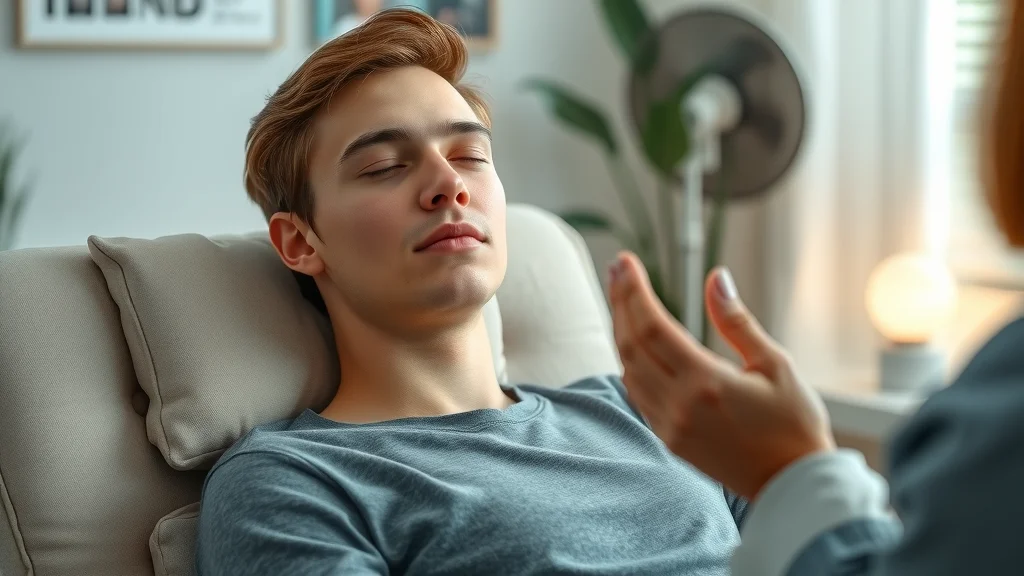
What is Hypnosis? Understanding Hypnosis and Sleep
Hypnosis is a natural state of focused attention and heightened suggestibility, often induced through relaxation techniques by a professional hypnotist. Unlike sleep, during a hypnosis session, you remain fully conscious and open to suggestions that aid in behavioral change. Hypnosis is fundamentally about fostering relaxation and focus, allowing the mind to temporarily bypass critical filters and become more receptive to positive change—such as breaking habits like quit smoking or managing chronic pain.
A common misconception is that hypnosis feels like deep sleep. In reality, your mind is alert, yet deeply relaxed, experiencing brainwave patterns similar to those seen during meditation rather than sleep. As you progress through the different features of hypnosis, you may notice a profound sense of calm, but you have not lost control or awareness. This ability to enter a hypnotic state can be utilized in both hypnosis sessions with a trained professional and through hypnosis recordings for self-guided practice.
Interestingly, the overlap in brainwave patterns between hypnosis and other altered states of consciousness, such as meditation, often leads to confusion about their similarities and differences. If you're curious about how hypnosis compares to meditation in terms of focus, awareness, and benefits, you can explore a detailed breakdown in this guide on hypnosis vs meditation.
What is Sleep? Clarifying Sleep in the Context of Hypnosis vs Sleep
Sleep, on the other hand, is a naturally recurring state characterized by reduced consciousness, minimal voluntary movement, and a distinct change in brain activity. Sleep encompasses several cycles, ranging from light to deep sleep and REM (rapid eye movement) phases, which are essential for mental restoration and physical healing. Unlike hypnosis, where you are aware and receptive to suggestion, sleep cuts you off from most external stimuli, immersing you in dreams rather than hypnotic suggestions.
Good sleep is crucial for consolidating memories, processing emotions, and repairing the body. Poor sleep quality or chronic sleep disorders can severely impact your health condition and quality of life. Understanding this difference is vital for those considering hypnosis as a method to alleviate insomnia, as hypnosis cannot replace restful sleep but may support better sleep hygiene and relaxation.
Hypnosis vs Sleep: Key Differences Explained
| Feature | Hypnosis | Sleep |
|---|---|---|
| Awareness | Heightened focus, conscious, open to suggestions | Reduced/absent awareness, limited perception of surroundings |
| Brain Activity | Predominantly alpha and theta waves; increased connectivity in attention networks | Dynamic: cycles through light, deep (delta waves), and REM stages |
| Physical Responses | Relaxed muscles, steady breathing; can respond to hypnotist | Muscle atonia (paralysis), irregular breathing patterns, lack of voluntary responses |
| Onset/Triggers | Induced through focused attention, relaxation techniques | Triggered by circadian rhythms, homeostatic sleep drive |
| Duration | Usually short (20–60 minutes) | Several cycles over 6–9 hours |
Levels of Consciousness in Hypnosis and Sleep
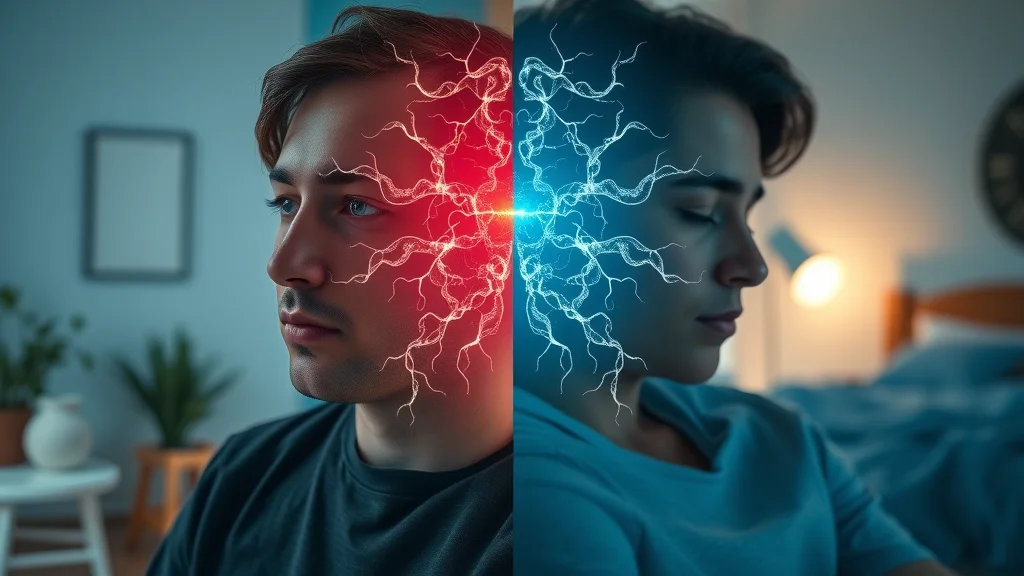
One of the defining contrasts between hypnosis and sleep is the level of consciousness. During a hypnosis session, individuals experience what is called a hypnotic state—marked by heightened focus and increased internal awareness. You are responsive to your surroundings, especially the voice of a hypnotist or an audio recording. Notably, studies show that hypnotized participants can recall details and respond to questions, proving that their consciousness is far from asleep.
In sleep, especially in deep sleep and REM stages, the brain’s ability to process external information drastically diminishes. Here, the body cycles through various levels of reduced consciousness, sometimes with intense dreams but little awareness of the outside world. Sleep is not a passive mental state; it’s an active, dynamic pattern of mental and bodily restoration beyond deliberate control.
Brain Activity: How Hypnosis vs Sleep Affect the Brain
Scientific studies using EEG and fMRI scans reveal that during hypnosis, the brain showcases enhanced connectivity in regions associated with attention, imagination, and control. Alpha and theta brainwaves dominate, highlighting the unique meditative focus of hypnosis sessions. You may feel deeply relaxed, yet your mind is primed for focused attention and change, unlike the unconsciousness of sleep.
Sleep, in contrast, is marked by a progression of brainwave changes: from light sleep (theta) to the slow, high-amplitude delta waves of deep sleep and the complex activity of REM periods. These stages are designed for processing memories, learning, and psychic healing. The difference is clear: brain activity during hypnosis encourages suggestibility and cognitive openness, while sleep’s patterns restore and defragment the mind for optimal mental health.
How Hypnosis vs Sleep Affect the Mind and Body
Physical Changes During Hypnosis and Sleep
The physical transformations in hypnosis vs sleep are just as significant as those seen in the mind. Hypnotic states generally bring about muscle relaxation, slowed breathing, and decreased blood pressure—conditions eerily similar to pre-sleep relaxation. However, unlike in deep sleep, you maintain the ability to move, talk, or respond to suggestions during a hypnosis session.
When sleep takes over, especially during the deepest phases, the body experiences near complete muscle atonia (temporary paralysis), which prevents you from acting out dreams and protects against injury. Heart rate and breathing become more erratic during REM, and voluntary responses are nearly impossible. Both states may produce similar relaxation, but their physical signatures make them fundamentally different in practice and purpose.
Cognitive Processes in Hypnosis vs Sleep
A major difference in hypnosis and sleep is the way each state interacts with cognition. Under hypnosis, your brain is primed for focused attention, imagination, and heightened receptivity, which is invaluable for changing habits, managing stress, or even enhancing performance. Your cognitive faculties remain online, allowing for memory retention, creative thinking, and powerful behavioral shifts.
Sleep, meanwhile, is the prime time for information processing and memory consolidation. During REM, your mind weaves emotional experiences into long-term memory, contributing to improved quality of life and overall mental health. Sleep is essential for healing and learning, offering a restorative break from conscious processing that hypnosis does not provide.
The Role of Hypnosis Sessions Compared to Sleep
What Happens in a Hypnosis Session?
A typical hypnosis session starts with gentle relaxation techniques, often supported by soft dialogue or audio recordings. The hypnotist guides you into a hypnotic state through focused instructions designed to bypass the analytical mind. Here, mental barriers lower, and you become open to suggestions tailored to your goals—be it stress relief, pain management, or habit change like quitting smoking.
Hypnosis sessions are widely used in hypnotherapy sessions for psychological concerns, pain, addiction, and even boosting confidence. The experience is guided, brief (30-60 minutes), and brings about deep relaxation without the full cognitive shut-down of sleep. Many people augment their progress using hypnosis recordings for ongoing support and to reinforce positive suggestions formed during the session.
Typical Sleep Cycle: An Overview
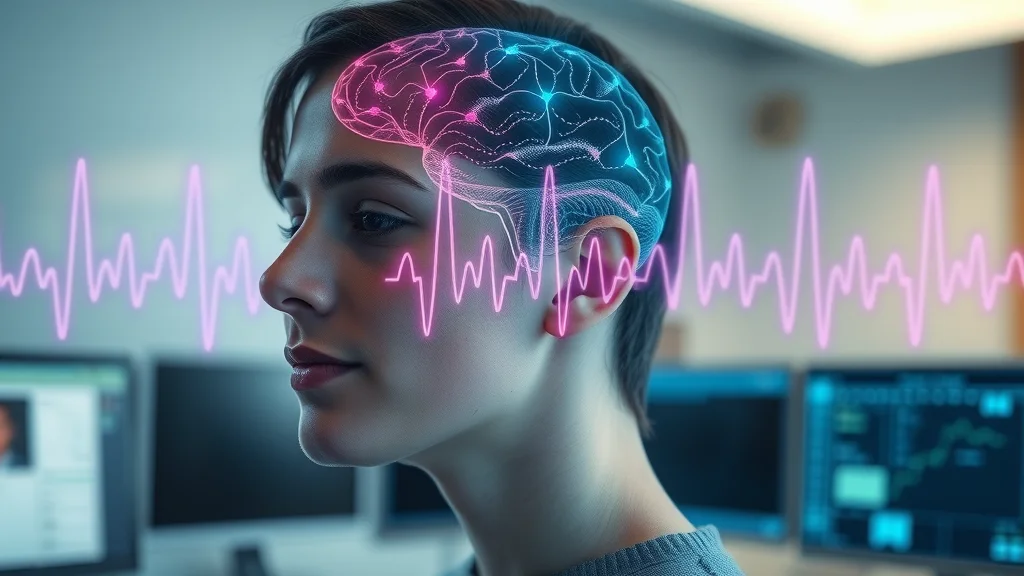
Sleep is governed by a sleep cycle lasting roughly 90 minutes, repeating multiple times each night. The journey begins in light sleep, transitions into deeper (delta) sleep, and culminates in REM, the phase associated with vivid dreams. Each cycle supports critical biological processes—deep sleep renews physical energy, while REM nurtures emotional and mental restoration.
Consistently moving through the full range of sleep stages is necessary for optimal sleep quality. Disruptions in this flow, caused by stress, environment, or sleep disorders, can impair memory, mood, and immune function—effects hypnosis alone cannot prevent or repair. Sleep is thus irreplaceable for your long-term health condition.
Benefits of Hypnosis vs the Benefits of Sleep
- Benefits of hypnosis: pain management, anxiety reduction, habit control (quit smoking, weight loss, stress management)
- Benefits of sleep: mental restoration, physical healing, memory consolidation, immune system support
The benefits of hypnosis are well-documented. Studies show that hypnosis can be a powerful tool for treating chronic pain, supporting addiction recovery, reducing anxiety, and improving sleep onset for those with insomnia. Hypnosis can also address health conditions like IBS or stress disorders by helping regulate subconscious responses and reduce symptom severity.
By contrast, the benefits of sleep are irreplaceable. Sleep is fundamental for mental health, physical repair, immune function, and overall quality of life. While hypnosis can support relaxation and habit change, it is not a substitute for the rejuvenating power of good sleep. Optimal health relies on both restful sleep and targeted, intentional use of hypnosis as a complementary practice when appropriate.
Sleep Hygiene and Its Importance in Hypnosis vs Sleep
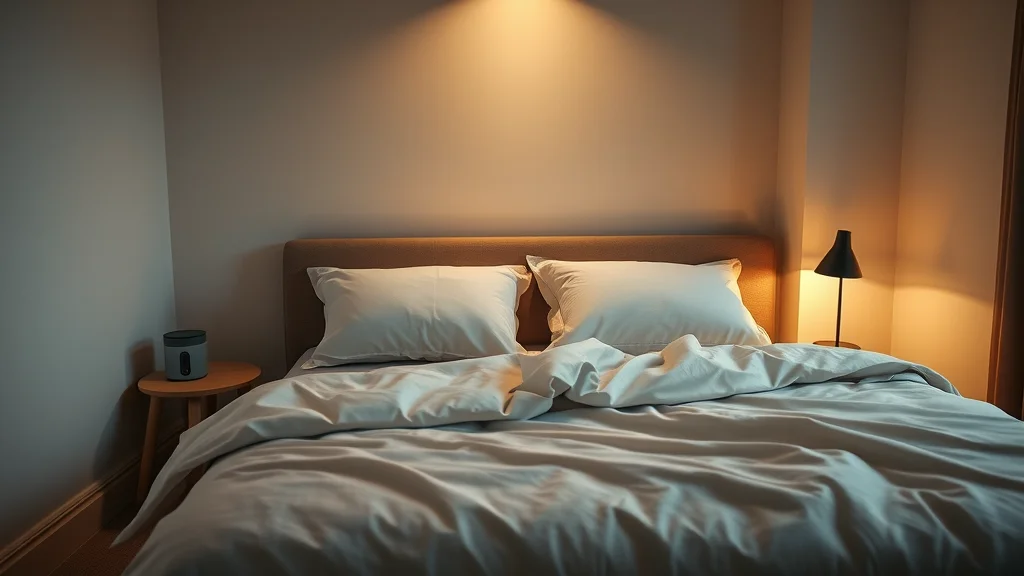
Sleep Hygiene: Best Practices
Developing sleep hygiene means adopting habits that lead to high-quality, uninterrupted sleep. Good sleep hygiene includes maintaining a regular bedtime, limiting screen time before bed, and using your bedroom solely for sleep and intimacy. Keeping the room cool, dark, and quiet anchors your circadian rhythm, helping you transition from wakefulness to deep, restorative sleep.
Other tips include avoiding caffeine or heavy meals near bedtime, creating a relaxing pre-sleep routine—perhaps involving mindfulness or gentle hypnosis recordings—and managing stress levels during the day. These practices can dramatically improve your sleep quality and support better overall mental health.
Common Sleep Disorders and Their Impact
Many struggle with sleep disorders such as insomnia, sleep apnea, and restless leg syndrome—each of which can drastically diminish quality of life and heighten the risk of other health conditions. Poor sleep disrupts cognitive performance, mood stability, and tissue repair, leading to a domino effect on both physical and mental well-being. Addressing sleep hygiene and working with healthcare providers is vital if you suspect a sleep disorder is impacting your daily function.
Research highlights that combining traditional therapies with hypnosis techniques may provide added benefit for some individuals, especially those battling mild insomnia or stress-related sleep disturbances. However, chronic or severe sleep disorders generally require medical intervention, not just increased use of hypnosis recordings or audio aids.
Can Hypnosis Help with Sleep Disorders?
Case Studies: Hypnosis Sessions for Sleep Disorders
There’s growing interest in using hypnosis sessions as complementary therapy for certain sleep disorders. In several case studies, participants with mild insomnia or stress-driven disturbances reported improvement after incorporating regular hypnotherapy sessions or listening to guided audio recordings at bedtime. Positive outcomes often include shorter sleep onset, deeper relaxation, and reduced nighttime awakenings.
"Many people have improved their sleep hygiene and reduced insomnia symptoms by incorporating hypnosis sessions into their routine. " It’s important to note, though, that while hypnosis can help some people relax and better manage anxiety symptoms, it is rarely a stand-alone cure for clinical sleep disorders. For best results, hypnosis should be used alongside proven treatments and healthy sleep habits.
Debunking Myths: Hypnosis vs Sleep Misconceptions
- Myth: Hypnosis is a form of sleep
- Myth: You lose control during hypnosis
- Myth: Hypnosis can replace restful sleep
Despite growing scientific evidence, misconceptions about hypnosis and sleep abound. Many still equate hypnosis with sleep or believe hypnotized individuals are completely unaware and under another’s control. In reality, hypnosis is a state of relaxed, focused attention where you are always aware and retain control of your actions. Another myth is that hypnosis can make up for missed sleep; while it can promote relaxation and calm, it cannot fulfill sleep’s critical functions for healing and mental health.
Debunking these myths is essential for anyone considering hypnosis sessions to improve well-being, whether for habit change, stress reduction, or supplemental help with simple sleep issues. Neither state is interchangeable, but each serves a unique role in optimizing your mind and body health.
People Also Ask: Addressing Your Top Questions About Hypnosis vs Sleep
Is hypnosis the same as sleep?
No, hypnosis is not the same as sleep. While both can produce deep relaxation, hypnosis involves increased focus and suggestibility without a loss of awareness. In true sleep, awareness fades and your body cycles through complex restorative processes. Recognizing this distinction helps you use both states—hypnosis for behavior change, sleep for healing—more effectively.
What is the rule of 7 in hypnosis?
The "rule of 7" in hypnosis suggests it often takes seven sessions or exposures to see noticeable results or changes in habits. This is not a scientific law, but rather a guideline based on observations in hypnotherapy sessions. Consistency and repetition are key for reinforcing positive behavioral shifts using hypnosis.
What does the Bible say about hypnosis?
The Bible does not directly address hypnosis. Views on hypnosis in spiritual communities vary, with some considering it a neutral tool for relaxation and healing, while others warn against practices that may alter consciousness. Individuals are encouraged to consult both faith leaders and health professionals when considering hypnosis sessions.
What is the negative side of hypnosis?
Potential side effects of hypnosis are rare but can include headaches, dizziness, or temporary confusion. For people with histories of severe mental illness or trauma, hypnosis could occasionally trigger distressing memories. Working with a qualified practitioner minimizes risk and ensures that hypnosis is used safely for your health condition and well-being.
FAQs: Hypnosis vs Sleep Answers
-
Can hypnosis replace sleep for recovery?
No, hypnosis cannot replace the restorative functions of true sleep. It is a supportive technique, not a sleep substitute. -
Is it safe to use hypnosis for sleep disorders?
Generally yes, for mild conditions, when guided by a qualified professional. For complex sleep disorders, consult your doctor first. -
What are the risks of hypnosis?
Hypnosis has few side effects but is best practiced with a certified hypnotherapist, especially if you have a mental health condition. -
How do I find a qualified hypnosis practitioner?
Look for certifications from reputable hypnosis or clinical associations, read reviews, and ensure the practitioner has experience with your health condition.
Key Takeaways from the Hypnosis vs Sleep Comparison
- Hypnosis and sleep are distinct, scientifically unique states.
- Both play vital but different roles in mind-body health.
- Hypnosis cannot be used as a substitute for proper sleep.
If you’re eager to expand your understanding of altered states of consciousness and how they can be harnessed for personal growth, consider exploring the nuanced relationship between hypnosis and meditation. Delving into the distinctions and overlaps between these practices can offer you new strategies for relaxation, focus, and self-improvement. For a deeper dive into how meditation and hypnosis each uniquely influence the mind and body, visit our comprehensive resource on the differences between hypnosis and meditation. This next step can help you unlock advanced techniques for mental clarity and holistic well-being, empowering you to make informed choices on your wellness journey.




Write A Comment