

Did you know? Studies have shown that over 85% of people can experience measurable changes in perception and memory after only one session of clinical hypnosis. This revolutionary finding highlights that the real magic of hypnosis lies not in mystery, but in the harnessing of specific hypnosis mental skills—skills that can be learned, practiced, and applied to transform lives. Whether you’re curious about how hypnosis works or eager to enhance your own mental abilities, exploring these fundamental skills will unveil the true power behind the hypnotic state.

A Surprising Look at Hypnosis Mental Skills: Did You Know?
Hypnosis isn't just the territory of stage performers or the mysterious realm of swinging watches—it’s a dynamic, evidence-backed technique now widely used by health professionals. In fact, organizations like the British Society of Clinical Hypnosis and the Society of Clinical & Experimental Hypnosis recognize that the mental skills required for effective hypnosis have proven benefits in health care, chronic pain management, and even supporting cancer patients with emotional resilience. What’s truly surprising is that these mental abilities—such as focused attention, cognitive flexibility, and suggestibility—are not innate superpowers, but practical skills that can be developed through consistent training and guided practice in therapy sessions. Clinical hypnosis and hypnotherapy rely on these core cognitive functions, fostering not only a hypnotic response but real improvements in mental health, performance, and daily well-being.
Unconventional Insights and Startling Statistics on Hypnosis Mental Skills
Consider this: recent studies suggest up to 30% of the general population are “high responders” to hypnotic suggestion, with the rest benefiting from moderate yet measurable enhancements in focus and stress resilience. In academic hypnosis research, functional MRI scans show that specific brain regions—related to imagination, attention, and memory—are highly active during a hypnotic state. What may sound unconventional is actually grounded in advanced neuroscientific observations and clinical applications. Dental hypnosis and hypnotherapy for anxiety or quit-smoking programs are just a few mainstream areas where these hypnotic skills are applied daily, shaping real-world outcomes for individuals seeking change.
What You'll Learn About Hypnosis Mental Skills
- The key cognitive skills hypnosis develops
- How the conscious and unconscious mind interact in clinical hypnosis
- Role of hypnosis and hypnotherapy in cognitive and emotional change
- Expert-backed techniques to enhance your hypnosis mental skills
Understanding the Fundamentals: What Are Hypnosis Mental Skills?
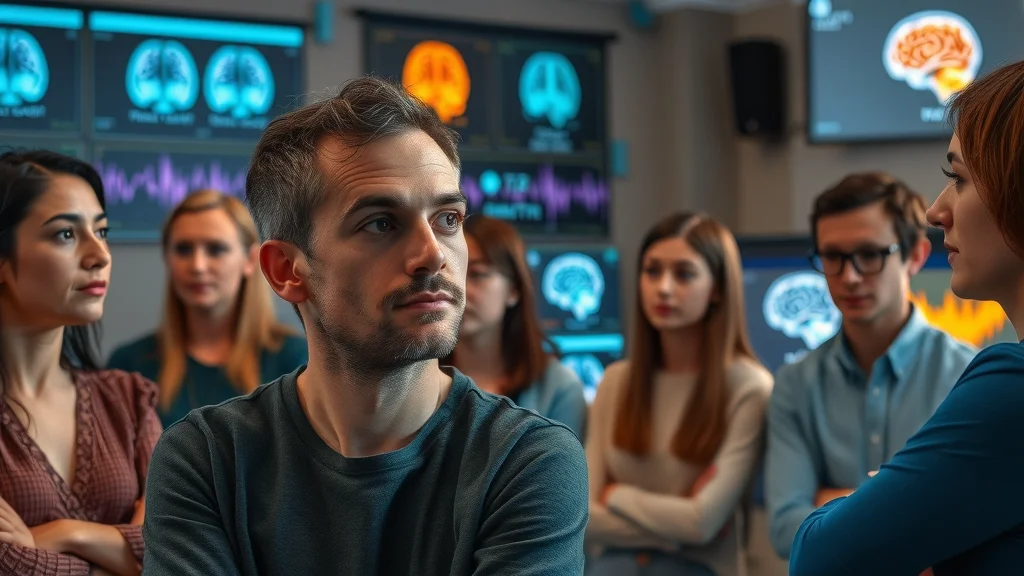
At its core, hypnosis mental skills are cognitive and psychological abilities that allow individuals to enter, deepen, and benefit from a hypnotic state. Unlike the common myth of mind control, these skills emphasize voluntary participation, where both the conscious mind and unconscious mind collaborate to enhance suggestibility and focused attention. The foundation of hypnosis work lies in selective attention, effective mental imagery, and a heightened state of consciousness—enabling targeted changes to behavior, perception, or emotion. Clinical hypnosis and hypnotherapy practitioners train clients to access these skills, resulting in measurable changes like decreased pain, reduced anxiety, or improved self-regulation. These are not supernatural abilities, but practical brain-based processes that are useful far beyond the therapy room, impacting everyday concentration, creativity, and emotional stability.
While hypnosis and meditation are often mentioned together, they each cultivate mental skills in unique ways. If you're interested in how these practices compare in terms of focus, relaxation, and cognitive benefits, you might find it helpful to explore the distinctions between hypnosis and meditation for a deeper understanding of their respective strengths and applications. Learn more about the differences between hypnosis and meditation.
The Building Blocks of Hypnosis Mental Skills
- Focus, concentration, and selective attention: These are the cornerstones of hypnosis work. By learning to filter out distractions and channel mental energy, people enhance their ability to receive and act on hypnotic suggestions.
- Imagination and visualization skills in hypnosis work: Mental imagery powers much of the transformation in hypnotherapy, supporting improved memory recall and creative problem-solving.
- Suggestibility and cognitive flexibility: A flexible mind is more receptive to positive change. Suggestibility, in this context, means openness to guidance and new ideas.
- Self-awareness and emotional regulation: Effective practitioners use hypnosis mental skills to build emotional control, identify triggers, and reframe responses—beneficial for both mental health and daily functioning.
The Science Behind Hypnosis: Insight Into the Conscious Mind and Unconscious Mind
How the Conscious Mind Participates in Hypnosis Mental Skills

The conscious mind is the gateway to intentional thought, self-reflection, and decision-making. In hypnosis work, the conscious mind must willingly cooperate, setting aside skepticism and resistance to access a more receptive state of focused attention. Hypnotic induction—the process of leading someone into a relaxed, highly concentrated state—relies on the conscious decision to follow a therapist's verbal instructions or guided visualizations. During a therapy session, both the therapist and participant work together to shape expectations and minimize distractions, creating the ideal internal environment for hypnotic suggestions to take hold. Rather than being switched off, the conscious mind facilitates trust, enables communication, and ultimately decides what to accept or reject. This partnership is critical for success in both clinical hypnosis and self-hypnosis, reinforcing the real-world significance of these mental skills.
The Role of the Unconscious Mind in Hypnosis Mental Skills
While the conscious mind sets the stage, it’s the unconscious mind where lasting change occurs. The unconscious governs habits, automatic behaviors, and deep emotional responses. Hypnosis enables a direct line to these foundational processes, allowing targeted suggestions to bypass critical filters and influence behavior at a profound level. The unconscious mind is highly responsive to symbolic language, story, and repetition—mechanisms that underpin the effectiveness of hypnotic work. Most health care professionals agree that lasting transformation, such as stopping unwanted habits or overcoming chronic pain, becomes possible only when hypnotic suggestions embed themselves into the unconscious routines. This interplay explains why hypnosis is so effective in areas like mental health, pain reduction, and behavior modification—domains where the unconscious dictates much of our automatic response.
"Hypnosis is a way of teaching people how to use their own mental abilities more effectively." – Dr. Milton Erickson
Clinical Hypnosis and Hypnosis Mental Skills in Modern Practice
Differentiating Clinical Hypnosis from Other Approaches

Clinical hypnosis stands apart from stage hypnosis or popular misconceptions because of its focus on therapeutic goals and empirically validated methods. In the hands of a trained health professional, clinical hypnosis is tailored to address individual problems—such as anxiety, chronic pain, or even preparing cancer patients for medical procedures—by building specific hypnosis mental skills. Unlike casual relaxation, clinical hypnosis utilizes structured therapy sessions that combine hypnotic induction, suggestive language, and reinforcement techniques. This approach is often integrated into broader treatment plans, alongside talk therapy, cognitive behavioral strategies, or medical interventions. Key distinctions include a strong therapeutic alliance, client safety, and measurable outcomes—all supported by respected organizations like the British Society of Clinical Hypnosis and mainstream health professionals worldwide.
Hypnosis and Hypnotherapy: How Mental Skills Enhance Therapeutic Outcomes
In hypnosis and hypnotherapy, the practitioner systematically enhances core hypnosis mental skills to achieve specific cognitive or emotional shifts. For example, training attention and cognitive flexibility can help with quit smoking, overcoming phobias, or managing emotional outbursts. Whether the goal is alleviating side effects from chemotherapy for cancer patients or reducing chronic pain, the application of hypnotic suggestions is highly individualized. Studies have shown that when patients improve their focus, visualization, and self-regulation, therapeutic outcomes are stronger and longer-lasting. As these mental skills develop, clients often report greater self-efficacy, resilience, and peace of mind—not just during sessions, but in everyday situations. These improvements make hypnosis a robust tool in the growing field of mental health care and holistic healing.
A Typical Therapy Session: Applying Hypnosis Mental Skills
During a typical therapy session, a hypnotherapist will guide the client through several key stages. The process often starts with rapport-building and education about what hypnosis is (and isn’t), addressing any misconceptions or skepticism. Next comes hypnotic induction, where the client uses focused attention and guided mental imagery to enter a trance-like, receptive state. Here, the therapist introduces targeted verbal suggestions aimed at specific outcomes—be it pain control, stress reduction, or behavioral change. Throughout the session, clients actively engage their hypnosis mental skills, such as concentration, openness, and emotional self-awareness. Tools like relaxation scripts, anchored cues, and post-hypnotic suggestions further cement the desired changes, making the session both a learning experience and a catalyst for deep, unconscious transformation.
How Hypnosis Mental Skills Work: Mechanisms and Methods
The Process of Entering Trance: A Step-by-Step Overview
- Preparation and setting intention: The first step is cultivating relaxation and a clear purpose—whether that's pain relief, performance enhancement, or emotional healing. Clients learn to set conscious goals to maximize engagement with hypnotic techniques.
- Induction techniques to access deeper mental states: Techniques like progressive muscle relaxation, guided breathing, or specific verbal cues help the mind shift from typical awareness to a receptive, concentrated state. This is where the conscious mind steps back, and subconscious processes take center stage.
- Utilization in therapy sessions: Once in a trance, hypnotic suggestions are delivered. These leverage developed hypnosis mental skills—such as openness to new perspectives or vivid mental imagery—to encourage real physical and psychological shifts that can be measured long after the session ends.

Practical Techniques to Strengthen Hypnosis Mental Skills
- Mindfulness practices: Focusing on the present moment through breathwork or body scans increases self-awareness, a crucial skill in hypnosis work.
- Guided visualization drills: Practicing detailed mental imagery exercises, such as imagining peaceful scenes or future goals, enhances cognitive flexibility and prepares the mind for hypnotic induction.
- Attention focus exercises: Simple activities like concentrating on a candle flame or repeating a positive affirmation help train selective attention—key for maximizing the impact of hypnotic suggestions.
The Benefits of Developing Hypnosis Mental Skills
| Aspect | Hypnosis Mental Skills | Traditional Cognitive Methods |
|---|---|---|
| Focus Enhancement | Uses trance & selective attention; improves receptivity to new ideas | Relies on repetitive practice and conscious effort |
| Emotional Regulation | Direct work with unconscious mind; fosters deep calm | Uses talk therapy and situational coping strategies |
| Creativity | Activates mental imagery; promotes cognitive flexibility | Dependent on brainstorming or structured exercises |
| Behavioral Change | Leverages hypnotic suggestions and repetition | Requires conscious trial and error over time |
- Enhanced focus and resilience—making everyday challenges easier to handle
- Improved emotional regulation—key for stress reduction and mental health
- Heightened creativity and problem-solving—vital for academics, sports, and innovation

What Mental Abilities Can Be Enhanced in Hypnosis? (People Also Ask)
Understanding the Potential Cognitive Gains Through Hypnosis Mental Skills

Answer
Through hypnosis mental skills, individuals can enhance concentration, memory recall, emotional resilience, self-regulation, and creative thinking. Evidence-based techniques facilitate the strengthening of these essential cognitive and psychological capacities.
What Is the Rule of 7 in Hypnosis? (People Also Ask)
Exploring the 'Rule of 7' in Hypnosis Mental Skills Training

Answer
The 'Rule of 7' in hypnosis refers to the guideline that it may take approximately seven sessions or repetitions for hypnotic suggestions to fully integrate into the subconscious. This rule highlights the importance of consistent practice in developing hypnosis mental skills.
What Does Hypnosis Do to Your Mind? (People Also Ask)
Changes in Mental Functioning During Hypnosis Mental Skills Application
Answer
Hypnosis influences brain wave patterns, enhances suggestibility, and facilitates communication between the conscious and unconscious mind. These mental shifts are central to effective hypnosis mental skills development.
What Do Psychologists Think of Hypnotherapy? (People Also Ask)
Expert Opinions on Clinical Hypnosis and Hypnosis Mental Skills
Answer
Many psychologists recognize hypnotherapy as a valuable adjunct to traditional therapy approaches, especially for anxiety, phobias, and certain behavioral modifications. The development of hypnosis mental skills is often viewed as a means to increase therapeutic efficacy.
Watch: Top 5 Hypnosis Mental Skills Every Practitioner Needs
Overcoming Common Challenges in Hypnosis Mental Skills Practice
Handling Resistance of the Conscious Mind

One of the biggest hurdles in effective hypnosis work is resistance from the conscious mind. When individuals enter a therapy session skeptical or anxious about losing control, their ability to benefit from hypnotic suggestions may be limited. Overcoming this challenge often requires clear communication, realistic education, and practical exercises designed to build confidence in both the process and the practitioner. Guided mindfulness, trust-building routines, and gradually increasing exposure to hypnotic exercises can help reduce resistance and facilitate a smoother transition into the trance state.
Building Trust and Rapport in the Therapy Session
- Addressing skepticism and misconceptions: Providing factual information about hypnosis, including its safety and benefits, creates a supportive environment for learning hypnosis mental skills.
- Overcoming distractions and maintaining focus: Practical tools like background relaxation sounds or removing digital interruptions are used during the session to help maintain a higher level of engagement with the therapeutic process.
Hypnosis Mental Skills in Everyday Life: Real-World Applications
Daily Self-Improvement Using Hypnosis Mental Skills
Outside the therapy room, hypnosis mental skills play an essential role in daily self-improvement. Techniques such as self-hypnosis, daily affirmations, and visualizations help individuals overcome procrastination, reinforce healthy habits, and manage stress more effectively. For students, these skills boost academic performance, while busy professionals harness focused attention to stay productive. The same foundational abilities cultivated in clinical hypnosis—such as mindful awareness, resilience, and adaptability—are key to unlocking one’s potential in any setting.
Performance Enhancement and Stress Management
- Examples from sports, academics, and corporate contexts: Elite athletes use hypnosis to sharpen focus and visualize success, while executives employ it to manage high-stakes presentations and negotiations. Likewise, students and creatives use self-hypnosis to spark innovation and maintain calm during exams or deadlines.
Frequently Asked Questions about Hypnosis Mental Skills
-
Are hypnosis mental skills innate or can they be learned?
Anyone can train and develop hypnosis mental skills. While some may have a natural predisposition to imaginative thinking or rapid focus, these skills improve substantially with regular, guided practice—whether in a therapy session or through self-hypnosis routines. -
Does hypnosis mental skills training require a professional hypnotherapist?
While working with a certified professional accelerates progress and ensures safety, motivated individuals can benefit from self-directed exercises, audio guides, and responsible use of mindfulness techniques at home. -
Can hypnosis mental skills help with overcoming bad habits?
Yes, the process of leveraging hypnotic suggestion and increased self-awareness is widely used for habit-breaking—such as quitting smoking, reducing stress eating, or minimizing procrastination. -
Is there scientific evidence supporting hypnosis mental skills?
Absolutely. Peer-reviewed studies, as well as endorsements from the British Society of Clinical Hypnosis and other health care professional bodies, confirm hypnosis mental skills facilitate observable changes in brain wave activity, emotional regulation, and cognitive performance.
Key Takeaways: Mastering Hypnosis Mental Skills
- Hypnosis mental skills rely on the interplay of focus, imagination, and suggestibility
- Both conscious mind and unconscious mind are critical in hypnosis work
- Consistent practice of hypnosis mental skills fosters powerful cognitive growth
Watch: Guided Hypnosis Session – Applying Mental Skills Effectively
Take the Next Step: Explore Hypnosis Mental Skills for Personal Transformation
If you’re ready to boost your focus, creativity, and resilience, start integrating hypnosis mental skills into your routine today—either with the help of a professional or by using trusted self-hypnosis resources. The pathway to personal transformation begins with mastering the mind.
For those eager to expand their understanding of mind-body practices, exploring the broader landscape of mental training can be incredibly rewarding. Delving into topics like the differences between hypnosis and meditation can offer new perspectives on how to tailor your personal growth journey and maximize the benefits of each approach. Discover how these complementary practices can work together to support your cognitive and emotional well-being by visiting our in-depth guide on hypnosis versus meditation.




Write A Comment