

Did you know that over 90% of our daily actions are driven by the subconscious mind? This extraordinary figure challenges the way we think about awareness, choice, and control—not just in everyday life, but especially when it comes to hypnosis. Understanding the delicate dance between conscious awareness and the powerful undercurrents of the subconscious is crucial for anyone intrigued by the mysterious practice of hypnosis. This article unpacks the science, the myths, and the transforming potential of awareness in hypnosis, weaving together expert opinions and compelling research to clarify how conscious and unconscious processes shape hypnotic experience.
Unlocking the Mysteries of Awareness in Hypnosis: A Surprising Statistic
Awareness in hypnosis is a subject brimming with intrigue and complexity. While many consider the hypnotic state to be one of sleep or unawareness, research repeatedly upends these ideas, suggesting that much of what occurs during a hypnotic trance is orchestrated by the subconscious mind. In fact, it's estimated that over 90% of our behaviors, thoughts, and emotional responses arise from subconscious patterns. This statistic not only gives us pause as we consider our daily routines, but also underscores the potential of hypnosis to interface with those deeper, less visible drivers of behavior.
For instance, conscious effort only plays a minor role during a hypnotic experience. While in an altered state, the conscious mind takes a step back, letting more automated, less filtered responses emerge. This interplay between the conscious and unconscious mind challenges traditional concepts of self-control, agency, and intent—prompting a closer look at the theory of hypnosis and what truly happens to awareness during a trance state. Whether you're a novice seeking to understand hypnotic suggestions or an experienced practitioner aiming to deepen your craft, appreciating this dynamic is essential for grasping both the limitations and the transformative possibilities of hypnosis.
As you explore the nuances of awareness and the interplay between conscious and subconscious processes in hypnosis, it can be helpful to compare these mechanisms with other altered states. For a detailed look at how hypnosis and meditation differ in their effects on the mind and awareness, consider reading this comprehensive comparison of hypnosis versus meditation.
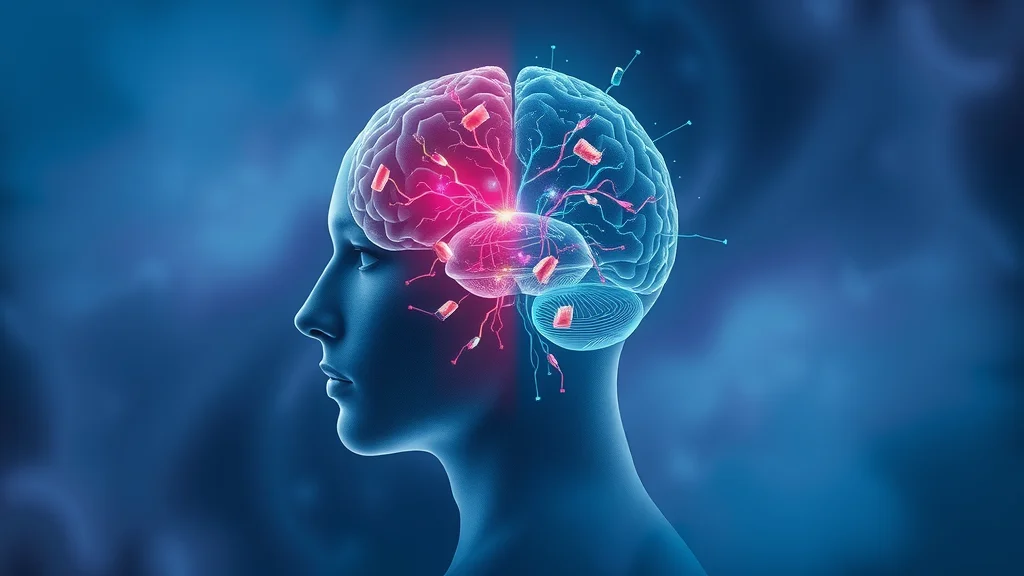
Did You Know? Over 90% of Our Daily Actions Stem from the Subconscious Mind
This insight is foundational: when we enter a hypnotic state, it's the subconscious mind that becomes especially accessible. The conscious part, often associated with deliberate, higher-order thought, recedes. In this condition, hypnotic response, suggestibility, and receptivity to new patterns all reach their peak. Thus, hypnosis is less about being unconscious and more about navigating the subtle balance between waking intention and deeply rooted subconscious patterns—the very core of awareness in hypnosis.
What You'll Learn About Awareness in Hypnosis
- The intricate relationship between the conscious and unconscious in hypnosis
- How the conscious mind and subconscious mind contribute to hypnotic trance
- The role of conscious awareness in achieving an altered state
- Critical perspectives on the state of consciousness during hypnosis
Understanding Awareness in Hypnosis: Conscious and Unconscious Interplay
At its essence, awareness in hypnosis bridges the conscious and unconscious minds. Hypnosis is not a simple case of losing consciousness or ceding all control. Instead, it’s about directing conscious mental focus toward specific goals while the subconscious mind becomes more open to suggestion. This interplay highlights the importance of understanding both the conscious mind's capacity for rational thought and the subconscious mind's wealth of hidden memories, automatic responses, and emotional drivers.
Hypnosis leverages a temporary shift in state of mind. Through deep relaxation and focused attention, the “gate” between the conscious and unconscious is loosened, allowing heightened suggestibility and the possibility of change. This process differs from our normal state, making the hypnotic trance a unique psychological phenomenon. Control theory and cold control theory offer frameworks for understanding how conscious intentions influence hypnotic state, but the highway between conscious and unconscious processes remains the subject of intense fascination and ongoing research.
Defining Awareness in Hypnosis
Awareness, in the context of hypnosis, means being attuned to one's internal experiences while simultaneously relaxing the grip of constant conscious analysis. It is this adaptive awareness—oscillating between alertness and openness—that enables the hypnotized person to respond to hypnotic suggestions. A person in a hypnotic trance may appear deeply relaxed, but often reports heightened internal awareness, noticing subtle shifts in feelings, physical sensations, and thoughts. Unlike sleep or unconsciousness, the hypnotic state involves a dynamic interplay where certain cognitive processes—such as memory, sensory perception, and motivation—are amplified under attentive control, while others recede into the background. Thus, awareness in hypnosis is a matter of expanded internal focus, not dullness or absence.
Modern theories of hypnosis, such as the control theory and cold control theory, point to the conscious mind's ability to voluntarily accept or reject hypnotic suggestions. Even when submerged in a trance state, subjects retain a core of conscious awareness, maintaining the ability to stop or alter suggestions at any time. This underscores the vital distinction between hypnosis and mind control: true hypnotic experience is always collaborative, a dance between conscious deliberation and unconscious receptivity.
The Distinction Between the Conscious Mind and Subconscious Mind
To appreciate the transformative potential of hypnosis, one must first understand the distinction between the conscious mind and the subconscious mind. The conscious mind handles order thought, logical reasoning, critical analysis, and immediate decision-making. It is "the captain of the ship," making real-time choices and processing sensory information in the present moment. In contrast, the subconscious mind acts as a vast repository for habits, beliefs, emotional responses, and automatic behaviors. It's this deeper, older aspect that silently shapes our lives without conscious effort—from daily routines to ingrained fears and unexplained preferences.
During hypnosis, the conscious mind paves the way for subconscious patterns to come forward through intense, focused attention. The hypnotic state thus activates the subconscious mind, amplifying receptiveness to new beliefs or behaviors. By leveraging altered states of consciousness, hypnosis allows us to bypass the "critical faculty"—the gatekeeper that filters out ideas counter to our self-image or habitual behavior. As a result, the conscious and unconscious minds collaborate within the hypnotic trance to enable deep change, growth, and personal insight.

How States of Consciousness Affect Hypnotic Trance
States of consciousness refer to the varying levels of alertness, perception, and mental clarity we experience throughout each day. From wakefulness to sleep to absorption during mindfulness meditation, our state of mind determines our responsiveness to the environment and to internal cues. In a hypnotic state—or altered state of consciousness—distinct shifts occur: external distraction fades, self-critical voice quiets, and the subconscious mind becomes accessible for exploration.
Hypnosis facilitates this transition intentionally. The hypnotist and the subject work together to guide the conscious mind into a relaxed, focused state, promoting a sense of security where the mind feels safe enough to accept positive change. The effectiveness of hypnotic suggestions hinges on this unique state of consciousness; struggling against or resisting the trance hampers the process, while openness and willingness dramatically enhance results. This delicate balance between conscious awareness and subconscious drive is what makes hypnosis a compelling and effective tool for behavioral change.
The Science of Conscious Awareness in Hypnosis
Scientific investigation has revealed much about the neurological and cognitive shifts underpinning hypnosis. Advanced imaging studies show that hypnosis activates regions of the brain related to focused attention, imaginative thinking, and the monitoring of internal sensations. The state of consciousness during hypnosis is neither sleep nor full wakefulness, but a unique neural configuration: one that alters perception, suggestibility, and the ability to form new associations without the usual interference from higher-order thought.
Researchers also note the role of cold control theory, which argues that hypnotic experience involves intense voluntary control, processed consciously but attributed to unconscious forces. Meanwhile, the hypnotic state is marked by decreased activity in the default mode network (DMN), allowing the mind to become more receptive to change. This science reinforces what hypnotists have known for centuries—the power of awareness in hypnosis stems from its ability to blend deliberate intent with subconscious openness in a safe, structured environment.
States of Consciousness and Altered State in Hypnosis
There are multiple states of consciousness that one may traverse before and during hypnosis: fully alert, daydreaming, deeply relaxed, and finally, the altered state. Each reflects a shift in brainwave activity and cognitive engagement. Hypnosis relies on smoothly guiding the subject from a normal state (everyday alertness) into the altered state through verbal cues, relaxation techniques, and focused attention.
In this altered state, past experiences stored in the subconscious mind can be accessed with ease, providing rich material for personal insight and behavioral change. By maintaining conscious awareness throughout the process, individuals can remain reflective and purposeful, making the experience not only safe but extraordinarily empowering. This unique interaction between conscious and unconscious elements in the altered state underscores why hypnosis is such an effective method for unlocking the mind’s potential.
| Aspect | Conscious Mind | Subconscious Mind |
|---|---|---|
| Function | Logical reasoning, analytical thinking, decision-making | Habitual behaviors, emotional reactions, automatic patterns |
| Awareness | Focused, deliberate, currently active | Background processing, often outside awareness |
| Role in Hypnosis | Sets intention, maintains safety, filters suggestions | Implements change, accepts & integrates new ideas |
| Access in Trance | Relaxed but still present | Heightened suggestibility & receptiveness |
The Role of Suggestibility and Perception in Hypnotic Trance
A hypnotic trance creates a unique psychological environment in which suggestibility—the openness to ideas or behavioral prompts—reaches its peak. Suggestibility is influenced by individual differences in imagination, trust, and willingness to experience new mental states. The conscious mind must "let go" of skepticism and judgment, allowing the subconscious mind to absorb fresh ideas unimpeded by habitual resistance.
Perception shifts during hypnosis have been documented by neuroscience. Individuals in a hypnotic trance often report enhanced mental imagery, altered sense of time, and a blurring of boundaries between internal and external realities. This is precisely why hypnosis can be such an effective vehicle for cognitive processes like memory retrieval, behavioral change, or emotional healing. Awareness, in this sense, is not diminished; it is redirected and amplified, opening the door to new states of consciousness and transformative inner work.
"Awareness in hypnosis is not about losing control; it’s about tuning into parts of the mind we seldom access. "
Why Awareness in Hypnosis Matters: An Opinionated Exploration
The very heart of hypnosis is awareness—conscious awareness acting as a guide through the realms of the subconscious mind. Critics have often characterized hypnosis as an act of surrendering willpower, or succumbing to outside control. In reality, the most profound hypnotic experience comes when conscious and unconscious minds cooperate as equals, using awareness as the bridge.
This bridge not only allows for psychological exploration, but also for dramatic transformation. When an individual enters an altered state of consciousness through hypnosis, they retain the ability to observe, redirect, and shape the process with intention. This capacity for conscious reflection—even in deep trance—enables growth, healing, and the rewriting of entrenched patterns that might otherwise remain untouched.
Awareness as a Bridge Between the Conscious and Unconscious
The relationship between conscious and unconscious is like that of a skilled navigator and the vast sea. Awareness acts as the vessel that allows the conscious mind to safely explore and interact with subconscious depths. Rather than erasing conscious experience, hypnosis invites both the rational and instinctual aspects of the mind to work in concert. This partnership is the cornerstone of successful change, self-discovery, and even therapeutic healing through hypnotic suggestion.
In this view, awareness in hypnosis is not an absence but an expansion—making possible the kind of learning, creativity, and self-mastery seldom achieved by conscious effort alone. Embracing awareness as a bridge dispels common myths about the submissive, powerless subject, and elevates hypnosis to a refined practice rooted in empowerment and choice.

Conscious Awareness and Transformation in an Altered State of Consciousness
True transformation during hypnosis occurs when conscious awareness is maintained, even as one delves into altered states of consciousness. The ability to observe, process, and integrate new information—all from a safe, reflective standpoint—amplifies the effectiveness of the hypnotic process. By retaining a thread of conscious awareness, individuals are not swept away by suggestion, but instead remain active participants in their own transformation.
This idea challenges the notion that “going under” means surrendering all thought. Instead, the most beneficial outcomes—overcoming fears, changing habits, or resolving inner conflicts—come when conscious awareness and subconscious openness collaborate. This dynamic validates hypnosis as a potent tool for personal development and self-mastery, rooted in a nuanced understanding of state of consciousness.
The Value of Intentionality in Hypnotic States
Intentionality is the distinguishing mark of effective hypnosis. Entering a hypnotic trance with clear, conscious intentions—such as stress reduction, habit change, or uncovering subconscious motivations—enables the subconscious mind to focus its immense power in the desired direction. Without this intentionality, hypnosis can result in meandering experiences, lacking depth or lasting change.
A skilled hypnotist emphasizes intentionality throughout the process, inviting subjects to set clear goals and maintain awareness of their motivations. This promotes a sense of agency, safety, and cooperation, reinforcing the healthy connection between conscious and unconscious aspects of the self. In this way, awareness becomes the engine driving positive and lasting transformation during hypnotic states.
Expert roundtable discussion with neuroscientist, hypnotist, and psychologist, filmed in a modern conference setting. Includes close-up shots, diagrams, and animated overlays visualizing states of mind, offering dynamic insight into the current science and debate on awareness in hypnosis.
How the Subconscious Mind Drives Change Through Hypnosis
The real power of hypnosis lies in its ability to directly access the subconscious mind. During a hypnotic state, the usual boundaries that define our sense of self and behavior are softened, allowing subconscious patterns to come forward for examination and modification. This is critical for breaking destructive habits, reshaping attitudes, or resolving long-standing emotional issues—tasks often out of reach for the conscious mind alone.
Hypnotic suggestion is the tool that bridges the conscious intention for change with the subconscious engine of belief and behavior. Once a suggestion is introduced and accepted subconsciously, the mind and body may respond automatically, bypassing engrained resistance. This streamlined process for creating profound change is what makes awareness in hypnosis a powerful modality for growth.
The Power of the Subconscious Mind Within Hypnotic Trance
Subconscious power is often underestimated. It governs how we feel, perceive, and react in countless situations throughout the day. Under hypnosis, this power is magnified because the usual critical filters of the conscious mind are relaxed. Hypnotic trance is the arena where deeply embedded patterns can be accessed, reevaluated, and changed—sometimes within a single session.
For example, individuals seeking help with anxiety, phobias, or unwanted habits frequently discover that their subconscious mind responds more quickly and completely to suggestion in this state than would ever be possible through conscious effort alone. Insights gained in this state of mind can result in lasting change, and the conscious mind can then adopt these new behaviors as part of its normal state. This highlights the practical potential of awareness in hypnosis for healing and empowerment.

Recognizing Subconscious Patterns Through States of Consciousness
Recognizing and transforming subconscious patterns requires deliberate engagement with different states of consciousness. Hypnosis serves as an effective vehicle for this journey by guiding the subject between ordinary waking awareness and a focused, introspective, and receptive state of mind. In this space, old scripts and reflexive behaviors can be brought to light—from automatic negative thoughts to persistent habits—and consciously rewritten.
The state of hypnosis thus acts as a stage for observing one’s inner life with clarity. Awareness doesn't vanish; it is redirected toward previously unconscious material. This heightened internal focus, combined with tailored hypnotic suggestions, facilitates healing and growth that ripple back into the conscious mind, fundamentally changing responses and reactions in daily life.
A detailed explanation of how the subconscious mind operates during hypnosis is provided by leading experts. The presentation uses brain scans, animated visuals, and real-world case studies to illustrate the complex interaction of conscious and unconscious processes in the hypnotic experience.
Common Myths About Awareness in Hypnosis Debunked
- Myth: Hypnosis is Mind Control – Hypnosis cannot override personal values or force action. The conscious part always retains veto power, ensuring that no one acts against their will during a hypnotic experience.
- Myth: Hypnotic Trance Means Unconsciousness – Unlike sleep, those in a trance state remain aware, able to recall their experience and respond if needed. Hypnosis involves a shift in awareness, not a loss of it.
- Myth: Only the Weak-minded Can Be Hypnotized – Hypnotizability is tied to openness, imagination, and willingness, not weakness. Both analytical and creative minds can enter a hypnotic state given the right conditions.
People Also Ask: Exploring Popular Questions on Awareness in Hypnosis
What is the rule of 7 in hypnosis?
Explanation: The 'rule of 7' in hypnosis suggests that the conscious mind can only hold about 7 pieces of information at once. This limited capacity is why, during hypnosis, shifting focus inward enables easier and deeper access to the subconscious mind, where far more information and patterns are stored. Using this principle, hypnotists guide the subject to bypass conscious limitations and tap into broader capacities for recall, creativity, and change within the subconscious mind.

What are three things hypnosis cannot do?
Answer: Hypnosis cannot force a person to act against their core values or ethical beliefs, cannot grant superhuman capabilities, and cannot compel an unconsenting or unconscious individual to divulge personal secrets beyond their own conscious awareness.
What are the 4 elements of hypnosis?
Explanation: The four essential elements of hypnosis include focused attention, deep relaxation, heightened suggestibility, and an altered state of consciousness. Each element represents a continuum of engagement—combining conscious intention with openness to subconscious processes—to create optimal conditions for hypnotic change.

What is subconscious awareness?
Answer: Subconscious awareness is the breadth of inner feelings, memories, and mental operations running below the threshold of conscious mind. In hypnosis, this hidden stream profoundly affects our choices and behavior, empowering us to bring about meaningful change by surfacing and modifying otherwise unconscious patterns.
FAQs on Awareness in Hypnosis, Conscious Mind, and Subconscious Mind
Is hypnosis safe for everyone?
For the vast majority of people, hypnosis is safe and enjoyable, provided it is facilitated by a trained professional. Hypnosis respects personal boundaries, never overrides conscious intentions, and can be adjusted or stopped at any time. However, individuals with certain medical or psychiatric conditions should consult their healthcare provider before undergoing hypnosis.
How does the conscious mind interact with hypnosis?
The conscious mind sets initial goals, maintains safety, and decides whether to accept or reject hypnotic suggestions. Even in deep trance, it stays alert enough to ensure that nothing occurs without consent, demonstrating that hypnosis is always a collaborative process grounded in conscious awareness.
What kind of issues can hypnosis address with conscious awareness?
Hypnosis—especially when guided by clear, conscious intentions—can address a wide array of challenges, including anxiety, habits, phobias, stress relief, creative blocks, and even chronic pain. Its value lies in making the most of both conscious and subconscious resources, promoting holistic personal growth and healing.
Key Takeaways: Awareness in Hypnosis and Its Transformative Potential
- Awareness in hypnosis links the conscious mind and subconscious mind for deeper transformation.
- Understanding states of consciousness can empower personal change.
- Myths around hypnosis often ignore its nuanced effects on conscious and unconscious processes.
Join the Conversation: Share Your Views on Awareness in Hypnosis
Fascinated by the science or skeptical about the myths? We invite you to share your experiences, questions, and perspectives on awareness in hypnosis in the comments section below. Let’s deepen our collective understanding and dispel misconceptions together.
If you’re inspired to further expand your understanding of altered states and the mind’s potential, exploring the distinctions and overlaps between hypnosis and meditation can offer valuable perspective. By learning how each practice uniquely engages awareness and the subconscious, you can discover new strategies for personal growth, stress relief, and self-mastery. For a deeper dive into these transformative modalities and how they can complement each other, visit our in-depth guide on hypnosis versus meditation and unlock new pathways to mental clarity and well-being.




Write A Comment