

Did you know? Recent studies reveal that nearly 70% of individuals experimenting with binaural beats report heightened states of relaxation and self-awareness. The rapidly growing interest in binaural beats in self-hypnosis is more than just a fleeting trend—it's part of a changing landscape in conscious mind practices. This article dives deep into how these gentle audio frequencies are supporting personal transformation, boosting deep sleep quality, and rewiring mental clarity, based on both research and my lived experience.
Unveiling the Fascination: How Binaural Beats in Self-Hypnosis Are Transforming Conscious Mind Practices
If you’ve ever wondered why binaural beats in self-hypnosis are capturing the imagination of so many seekers, the answer goes beyond simple curiosity. As individuals strive to improve a profile of well-being and mental health, binaural beats have emerged as a tool for reshaping the conscious mind and fostering deeper awareness. Binaural beat frequencies synchronize with our brain wave activity, helping to shift us from waking beta waves into the relaxed, suggestible states that underpin effective self-hypnosis.
"Recent studies reveal that nearly 70% of individuals experimenting with binaural beats report heightened states of relaxation and self-awareness."
These effects, reported by similar users and supported by current research, are not mere anecdote. Across forums, podcasts, and clinical studies, binaural beats are celebrated for reducing stress, anchoring focus, and paving the way for deeper relaxation—and ultimately, for enhancing the efficacy of self-hypnosis sessions. This transformation isn’t just about science; it’s about personal connection and discovering new avenues for growth.
What You'll Learn From Exploring Binaural Beats in Self-Hypnosis
The science behind binaural beats and self-hypnosis
The connection between binaural beats, the conscious mind, and deep sleep
My personal views and experiences with binaural beats in self-hypnosis
Top FAQs and expert insights
Understanding Binaural Beat: The Foundation of Binaural Beats in Self-Hypnosis
What Are Binaural Beats and How Do They Work in Self-Hypnosis?
Binaural beats are auditory illusions that occur when you listen to two slightly different frequencies in each ear, typically using stereo headphones. The brain then perceives a third tone— the binaural beat— which is equal to the difference between the two frequencies. This phenomenon is not only fascinating, but it forms the core of how many binaural beats in self-hypnosis programs aim to influence mental states. For example, listening to a 210 Hz tone in one ear and a 200 Hz tone in the other produces a 10 Hz binaural beat, linked to relaxed alpha brain wave activity.
In self-hypnosis, these beats work by helping entrain your brain waves—gently guiding the conscious mind into specific mental states such as relaxation (alpha waves), focused meditation (theta waves), or even deep sleep (delta waves). It’s this ability to influence brainwave activity that has seen binaural beats gain traction for purposes explained by both holistic practitioners and neuroscientists alike, especially in personal growth, stress management, and sleep enhancement.
The Science Behind Binaural Beat Frequencies
Scientific interest in binaural beats soared with the realization that brain wave activity could be shifted intentionally to serve specific purposes. Neuroscientific research supports that different frequencies—ranging from (delta, theta, alpha, beta, and gamma waves)—can cultivate highly distinct states. For example, delta waves (0.5-3 Hz) correlate with deep sleep, whereas theta waves (4-8 Hz) are associated with meditative, dream-like states conducive to self-hypnosis. By developing content or ad campaigns focused on these uses, platforms can present practical affirmations for interested users about where and when to incorporate binaural beats for best effect.
The effectiveness of different frequencies is still being explored, but the consensus is that binaural beats work best when matched to the desired outcome—whether that’s ramping up focus through beta waves (~13-30 Hz) or encouraging profound rest via deep sleep frequencies. The precise interaction between these beats and the conscious mind is an ongoing area of study, but thousands of personal accounts and a growing body of evidence suggest meaningful correlations.
Binaural Beats, Conscious Mind, and States of Awareness
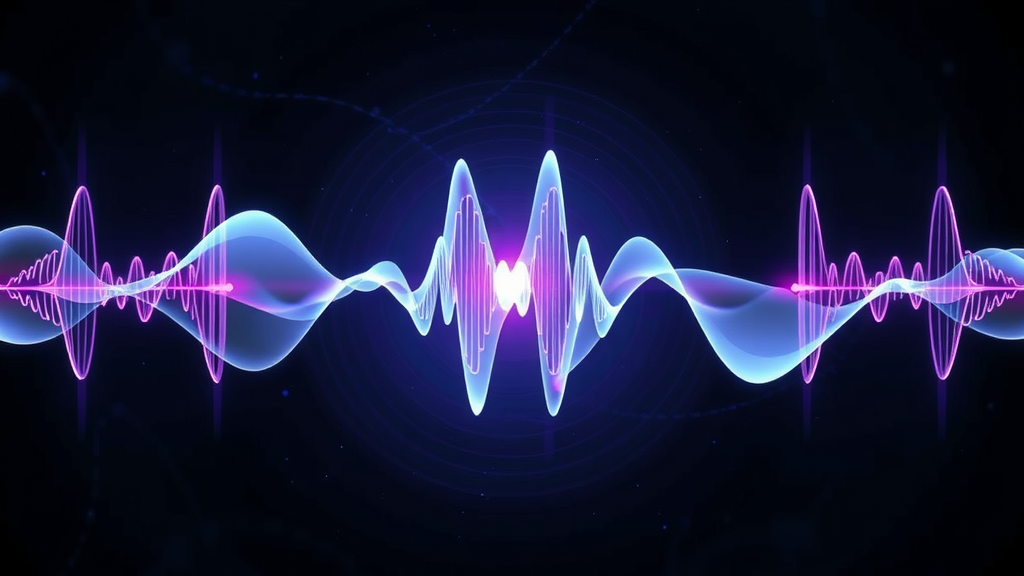
Binaural beats in self-hypnosis facilitate distinctive shifts in the conscious mind, taking listeners through different states of awareness by synchronizing neural oscillations. Adolescents and adults alike use them to move from highly alert (and often stressed) states into calmer, creative mindsets where visualization and suggestion are most effective. The order in which content is shown and the purposes explained in guided self-hypnosis often recommend specific beats for achieving particular results, such as improved memory, stress relief, or creative flow.
What sets binaural beats apart in the realm of self-hypnosis is their potential to ease transitions—not just from wakefulness to sleep, but between varying depths of trance and mindfulness. This flexibility empowers the conscious mind to improve a profile of positive traits and behaviors, demonstrating again and again how such simple audio tools can yield complex, personal transformations connected with relaxation, memory, and emotional regulation.
Deep Sleep and the Impact of Binaural Beats
Many people seek binaural beats in self-hypnosis for their documented influence on deep sleep. By using delta or theta frequencies before bedtime, users report falling asleep faster, experiencing more restorative sleep cycles, and waking up with renewed energy. The integration of these frequencies can help synchronize the mind’s peaceful state with physiological rest, ultimately supporting both mental and bodily well-being.
The deep sleep connection is not mere marketing. Studies suggest that neural entrainment through these specific binaural beats supports the release of neurochemicals important for memory consolidation and emotional healing. For individuals battling insomnia or those striving to optimize their sleep hygiene, binaural beats offer an accessible, drug-free solution that addresses the underlying brain wave patterns influencing sleep quality and continuity.
Mechanisms of Binaural Beats in Self-Hypnosis: Shaping the Conscious Mind
A Journey Through the Subconscious: Entraining The Brain with Binaural Beat
Entraining the brain through binaural beats is akin to guiding a river along a set course. When you initiate self-hypnosis, your attention is drawn inward, and the gentle modulation of binaural beat frequencies helps lead brainwave states from high-frequency beta waves (associated with alertness) towards lower-frequency patterns conducive to relaxation and receptivity. Think of it as a gradual “tuning” of your mental state, allowing you to tap into the power of the subconscious more directly and meaningfully.
Practically, this journey involves creating the right auditory environment: using reputable apps or audio recordings, wearing quality headphones, and minimizing distraction. By doing so, you align your senses and focus your conscious mind, making it easier to imprint new habits or beliefs—benefits that many users and hypnotherapists find foundational to personal growth and mental resilience.
Transitioning from the Conscious Mind to Deep Hypnotic States
The true magic of self-hypnosis paired with binaural beats lies in the seamless transition from an active, often cluttered, conscious mind into deeper, more receptive layers of awareness. As frequencies gradually dip—moving from alpha into theta or delta— you slip beneath the surface chatter, entering a meditative space where suggestions “stick” more easily. Here, you’re most likely to experience flashes of creativity, insight, or catharsis.
This shift is not only valuable for personal introspection but also crucial for reinforcing positive change, like stress management, confidence-building, or remedying insomnia. Binaural beats work by attenuating distractions and amplifying focus—particularly in a world loaded with competing stimuli—making them an essential tool for anyone looking to meaningfully reshape their inner landscape.
Comparison Table: Different Binaural Beat Frequencies and Their Effects on Conscious Mind and Deep Sleep |
||||
Frequency (Hz) |
Brain Wave Type |
Associated State |
Effect on Conscious Mind |
Impact on Deep Sleep |
|---|---|---|---|---|
0.5-3 |
Delta Waves |
Deep Sleep |
Complete relaxation; unconscious mind dominance |
Promotes restorative deep sleep and cellular repair |
4-8 |
Theta Waves |
Light Sleep/Meditation |
Dream-like mental imagery and increased creativity |
Prepares body for natural sleep transition |
8-13 |
Alpha Waves |
Relaxed Wakefulness |
Meditative state; heightened learning ability |
Mildly supports sleep induction |
13-30 |
Beta Waves |
Active Thinking |
Focused attention; active, waking consciousness |
May inhibit deep sleep if used before bedtime |
30+ |
Gamma Waves |
Cognitive Processing |
Peak concentration and mental acuity |
Rarely used for sleep—usually for alertness |
The Personal Perspective: My Experiences with Binaural Beats in Self-Hypnosis
Self-Reflection: Noticing Shifts in the Conscious Mind
From the first time I incorporated binaural beats in self-hypnosis into my routine, the results were immediately noticeable. My conscious mind felt clearer, less bogged down by daily anxieties or the endless parade of forms you submit online and the distractions of internet connection information overload. Instead, sessions fostered a growing sense of mental clarity and deep focus—almost as though the “noise” in my thoughts could be dialed down at will, allowing my truest intentions to surface.
The most profound change wasn’t momentary relaxation, but a sustained ability to manage stress better throughout the day. Tasks that once required exhaustive concentration now flowed with surprising ease, and my personal aspects felt more unified—reflecting what experts describe as an “improved profile of conscious awareness.”
Enhanced Deep Sleep and Emotional Well-Being After Self-Hypnosis
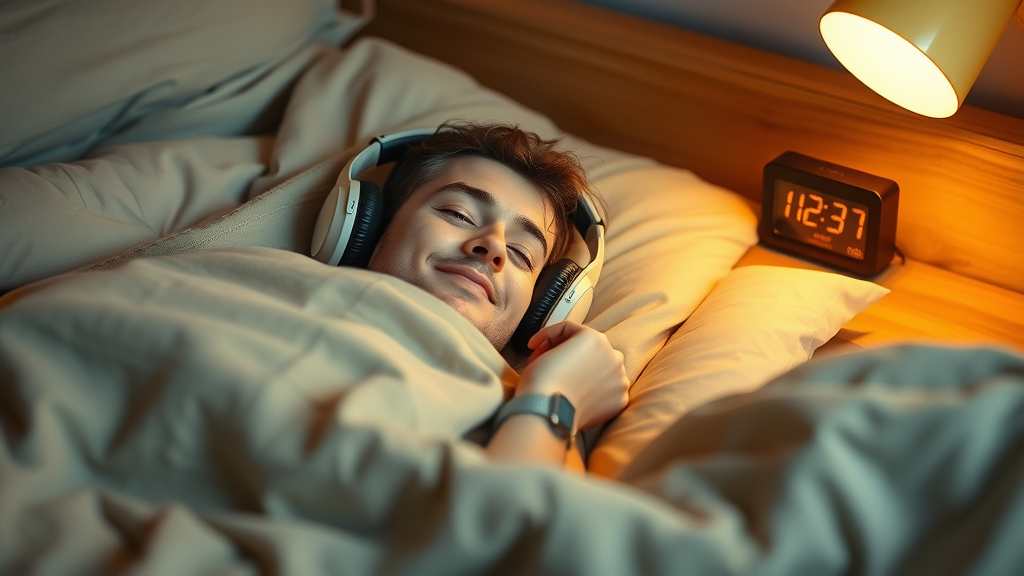
Equally significant has been the improvement in my deep sleep cycles. By adding delta and theta frequency beats to my nighttime ritual, I started sleeping more deeply and woke up feeling refreshed. The emotional benefits were subtle but consistent—I felt more resilient, less reactive, and more in tune with my needs and long-term goals. From insomnia-prone nights to peace-filled mornings, the transformation was undeniable.
"Integrating binaural beats into my nightly routine was a turning point for harnessing my subconscious potential."
Increased mental clarity
Improved stress management
Enhanced focus during self-hypnotic sessions
More restful sleep patterns
Reviewing the Evidence: Binaural Beats, the Conscious Mind, and Deep Sleep
Scientific Studies Linking Binaural Beat Frequencies and Self-Hypnosis
Numerous scientific studies have sought to explore the efficacy of binaural beats in self-hypnosis for promoting brain wave shifts and behavioral changes. For instance, EEG-based research demonstrates that applying specific frequencies can guide the brain from active alertness into deeper relaxation (theta and alpha states), which supports the anecdotal evidence of users experiencing significant improvements in deep sleep and stress reduction. This synergy between practical outcomes and neuroscientific validation anchors much of the optimism surrounding binaural beats today.
Importantly, these results are rarely isolated. Participants consistently report greater focus, clarity, and emotional balance—benefits closely tied to the conscious mind’s adaptability and flexibility. While the order in which content or ad-based interventions are shown may influence results, the core findings point toward genuine, replicable benefits.

Critiques and Limitations of Current Research on Binaural Beats in Self-Hypnosis
Despite the positive buzz, it’s important to acknowledge the limitations of current research. Many studies involve small participant pools or lack long-term follow-up, which means findings may not always generalize. The placebo effect can’t be ruled out, and some metrics—like subjective reports of relaxation—can be hard to quantify. As a result, while stronger, better-controlled trials emerge, it is wise for individuals to approach binaural beats in self-hypnosis as a supportive tool rather than a cure-all.
Ultimately, while the conscious mind is undoubtedly changeable via auditory stimuli, users should combine binaural beats with evidence-based practices—such as meditation, regular exercise, and healthy sleep habits—for the greatest benefit. Careful attention to moderation and personal suitability is crucial for ensuring the most positive outcome.
Expert Quotes: Perspectives from Researchers and Hypnotherapists
Dr. Hannah Liu, Clinical Neuroscientist: “Binaural beats are a promising adjunct for consciousness work, but users should remember that consistency, mindset, and intention play an equal role in results.”
Rafael Gardner, Certified Hypnotherapist: “Incorporating binaural beats into self-hypnosis can accelerate learning and transformation, provided you listen to your own mind and body’s responses.”
As research grows, so do the expert perspectives, reiterating that a balanced approach yields the safest and most rewarding journey into self-hypnosis.
Practical Guide: Using Binaural Beats in Self-Hypnosis for Mind and Deep Sleep
Step-by-Step: Beginning with Binaural Beats in Self-Hypnosis
Ready to try binaural beats in self-hypnosis? Here’s how I—and many experts—recommend you begin:
Choose an appropriate binaural beat frequency
Use quality headphones for optimal effect
Set a clear intention or goal for your session
Maintain a distraction-free environment

The first step is selecting an audio track designed for your intended outcome—alpha or theta frequencies for mental clarity and relaxation, and delta for deep sleep. Always use high-quality stereo headphones, as the effect depends on precise delivery of left/right ear frequencies. Before starting, reflect on why you want to use binaural beats: Is it to manage stress, enhance focus, or improve sleep? Setting an intention primes your conscious mind for success. Finally, ensure you’re in a comfortable space, free from interruptions that might disturb your session.
Integrating Binaural Beats: Best Times for Self-Hypnosis Practice
The beauty of self-hypnosis with binaural beats is its flexibility. Many people find the greatest benefit either at the beginning or end of the day—upon waking, to prime the mind for productivity, or before bed, to promote deep sleep. Use beta or alpha frequencies in the morning for alertness and focus, and switch to theta or delta frequencies at night to help the conscious mind unwind.
For those with busy schedules, even short, 10–15 minute sessions during lunch or after work can anchor clarity and relaxation. Experiment to discover the routine that aligns best with your lifestyle—just remember the importance of moderation and regularity for optimal results.
Potential Downsides: Critically Examining the Dark Side of Binaural Beats in Self-Hypnosis
Discomfort, Overuse, and Unanticipated Side Effects
No tool is without risk, and binaural beats in self-hypnosis are no exception. While most users report relaxation, a minority may encounter side effects such as headaches, dizziness, or increased anxiety, especially with overuse or inappropriate frequency selection. Sensitive ears or underlying medical conditions (like epilepsy) may further heighten risks, so it’s wise to consult a healthcare professional before extensive experimentation.

Separating Myths from Evidence: Common Misconceptions
It’s easy for misinformation to spread when binaural beats are presented as a universal solution for every problem. One persistent myth is that longer sessions always yield better results—when in fact, overuse can actually disrupt natural sleep and result in mental fatigue. Another misconception is that all binaural beat programs work the same for everyone; in reality, personal aspects and individual differences play a huge role.
"While most users report relaxation, a minority may experience increased anxiety or disrupted sleep cycles."
When not to use binaural beats in self-hypnosis
Warnings for individuals with certain conditions
Importance of moderation
People Also Ask: Popular Questions About Binaural Beats in Self-Hypnosis
What binaural beats are best for hypnosis?
Answer: For effective self-hypnosis, the best binaural beats are typically in the theta wave (4–8 Hz) and lower alpha (8–10 Hz) frequency ranges. These frequencies help relax the conscious mind, foster creative visualization, and enhance suggestibility, making them ideal for entering hypnotic states without falling asleep. Experimentation is key; some prefer delta (0.5–3 Hz) beats if using self-hypnosis for deep sleep induction.
What is the dark side of binaural beats?
Answer: The dark side of binaural beats may include possible interests and personal experiences of discomfort, headaches, increased anxiety, or disrupted sleep cycles, especially for those with sensitivity to auditory stimuli or neurological conditions. Overuse or inappropriate usage can aggravate these effects, so moderation, proper frequency selection, and listening to your body's feedback are essential practices.
Can you do hypnosis by yourself?
Answer: Absolutely! Self-hypnosis is a well-established technique that empowers individuals to access their subconscious mind without the need of a therapist. Binaural beats can enhance this process by helping guide the conscious mind into deeper states of focus and relaxation, making self-directed suggestions more effective. All it takes is a quiet environment, clear intention, and consistent practice.
What is the best self-hypnosis program?
Answer: The best self-hypnosis program is one that aligns with your goals, lifestyle, and comfort. Look for programs offering a variety of high-quality, frequency-specific tracks, guided instructions by practitioners, and reviews from similar users. Many online apps and platforms cater to self-hypnosis with built-in binaural beats, so exploring user feedback and trying demos can help identify the ideal solution.
Watch: Video Insights on Binaural Beats in Self-Hypnosis
Expert Demonstration: Using Binaural Beat Techniques for Self-Hypnosis
Video Guide: Step-by-Step Self-Hypnosis with Binaural Beats
Walkthrough: Binaural Beat Session for Deep Sleep and the Conscious Mind
In the video guide, notice how the expert introduces each binaural beat frequency, walks you through finding a comfortable position, demonstrates the importance of intention-setting, and models breathing techniques for optimal results. Key takeaways include: always listen with stereo headphones, choose tracks relevant to your conscious mind goals, and reflect on your experience afterward to anchor new states of awareness.
Frequently Asked Questions About Binaural Beats in Self-Hypnosis
Are binaural beats safe for everyone?
Binaural beats are generally safe for most people but can pose risks for individuals with epilepsy, auditory sensitivity, or certain psychiatric conditions. Always consult with a medical professional if you have concerns or if adverse effects appear.
Do binaural beats require special equipment?
High-quality stereo headphones are essential for the full effect. While smartphone speakers or mono headphones do not provide the necessary separation, any well-made headphones will work for most users.
How frequently can you use binaural beats in self-hypnosis?
Moderation is key—daily sessions of 10–30 minutes are generally considered safe for most people. Listen to your body—and if any discomfort arises, reduce use or switch frequencies as needed.
Key Insights and Reflections on the Role of Binaural Beats in Self-Hypnosis
Binaural beats are increasingly recognized in self-hypnosis for enhancing conscious mind flexibility
Deep sleep improvements are a commonly cited benefit
Caution and educated use are necessary
Final Thoughts: Reimagining Self-Hypnosis with Binaural Beats
Why I Recommend Exploring Binaural Beats for Personal Growth
If you’re seeking a tool to gently shift your conscious mind, deepen your self-hypnosis practice, or simply sleep more soundly, binaural beats in self-hypnosis are well worth exploring. They have been a game-changer in my own journey, and, when used thoughtfully, offer a remarkable gateway to self-discovery, healing, and personal growth. Start small, remain consistent, and notice how your mind—and your life—begin to transform.


Write A Comment