

Did you know the average person enters a natural trance state up to a dozen times each day—often without realizing it? From zoning out during your morning commute to losing yourself in a favorite song or book, trance states and hypnosis are more common and accessible than most people think. This guide unlocks the facts, science, and practical tips you need to understand how these altered states influence your daily life, wellness, and self-improvement.
A Surprising Fact About Trance States and Hypnosis in Everyday Life
Trance states aren’t reserved for stage hypnotists or clinical settings—they’re woven seamlessly into our everyday life. Surprisingly, research suggests that most people enter light trance or an altered state of consciousness multiple times daily. For instance, have you ever driven a familiar route only to arrive with little memory of the journey? Or perhaps you’ve become so engrossed in a movie that the outside world seemed to fade away. These are classic examples of trance states. It’s estimated that over 90% of adults naturally experience such trance phenomena during routine activities like reading, exercising, or staring out the window. Far from being mystical or rare, trance is a state of focused absorption—one where external stimuli fade and the conscious mind becomes quieter. Recognizing when you’re in a trance can empower you to harness these moments for creativity, problem-solving, and even well-being.
- Overview of the prevalence of trance state and hypnosis in modern society
- Unconventional statistics about how often people enter natural trance states
- Examples of trance states in everyday life activities

What You'll Learn About Trance State and Hypnosis
- Key characteristics of trance states
- Differences between trance state and hypnosis
- Recognizing natural trance states in your daily routine
- Understanding the concept of hypnotic trance and how it relates to wellness
Defining Trance State and Hypnosis
What is a Trance State: Core Features and Scientific Definitions
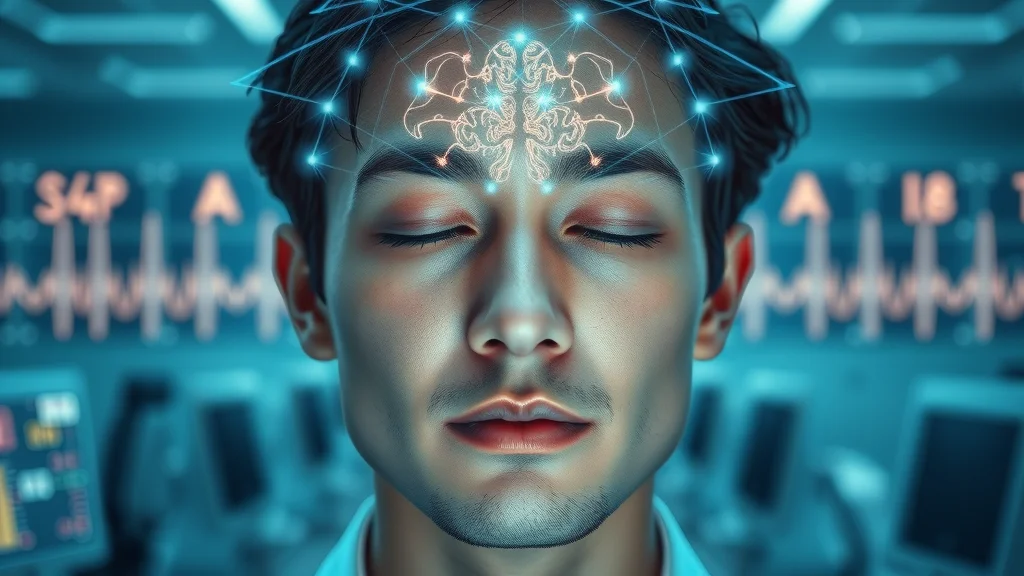
A trance state is best described as an altered state of consciousness characterized by focused attention, a reduction in awareness of external stimuli, and a shift in how the mind processes sensory input. Scientifically, trance states are recognized as periods where the brain’s activity patterns change, typically showing increased theta or alpha brainwave frequencies. During these episodes, a person may appear deeply relaxed, their attention turned inwards, and their emotional responses can become more vivid or detached from the immediate environment. Importantly, entering a trance is not the same as being asleep—it’s a unique state of mind between waking and sleep, marked by increased suggestibility, absorption, and creativity. Researchers and clinical psychologists often observe these states in contexts ranging from meditation to hypnotic trance, demonstrating their presence across cultures and through history.
Trance States Across Human History and Cultures
The experience of trance states isn’t just a modern curiosity—it’s deeply embedded in human history and found in virtually every culture. Shamans, monks, healers, and artists have all used ritualized methods of altering states of consciousness, from rhythmic drumming and dancing to focused prayer or meditation. Ancient traditions often viewed trance as a gateway to the subconscious mind and higher wisdom. Anthropologists note that these practices served as vital communal and spiritual tools for problem-solving, creativity, and healing long before hypnosis was scientifically studied. Even the earliest records, like those from ancient Egypt and Greece, describe techniques to induce altered states for insight or transformation. Understanding trance through this multicultural lens shows how it helps people everywhere transcend ordinary reality, connect with the unconscious mind, and strengthen well-being.
How the Hypnotic Trance Differs from Everyday Awareness
A hypnotic trance is a specialized state distinct from typical wakefulness. In daily life, our awareness constantly shifts, but during hypnosis, this focus becomes highly narrowed and selective. Where everyday consciousness involves juggling multiple sensory inputs, in a hypnotic trance, attention is purposely directed inwards, filtering out distractions. This state of deep relaxation enables access to otherwise inaccessible memories, sensations, or creative ideas. It also increases responsiveness to positive suggestion, making it incredibly useful for therapeutic change. The transition from normal awareness to hypnotic trance often involves deliberate trance induction techniques such as guided imagery, focused breathing, or progressive muscle relaxation, setting it apart from spontaneous, light trance states encountered naturally throughout the day.
Trance States in Everyday Life
Recognizing Light Trance States in Daily Activities
You don’t need a hypnotist to experience a light trance. In fact, you’ve likely slipped into one while lost in thought, daydreaming, or getting “in the zone” with a favorite activity. Common scenarios include sipping tea by the window as your mind drifts, becoming absorbed while listening to music, or experiencing a meditative calm while walking in nature. In these moments, external stimuli fade, and your internal world takes center stage. The key features are focused attention, a sense of comfort, and sometimes a diminished sense of passing time. These trance experiences require no special skills but arise from the natural ebb and flow of attention in daily life. Learning to recognize these states is the first step in harnessing their creative and restorative potential.
For those interested in how trance compares to other altered states, such as meditation, exploring the distinctions between hypnosis and meditation can provide valuable context for understanding the unique qualities and benefits of each approach. You can find a detailed comparison in this guide on hypnosis vs meditation.

Common Examples of Trance States: Highway Hypnosis and Flow
Perhaps the most famous instance of natural trance is “highway hypnosis”—that moment when you drive long distances and suddenly realize you’ve traveled miles without conscious recollection. Another well-documented state is “flow,” a term describing peak absorption when performing tasks you enjoy, like painting, playing sports, or coding. Both highway hypnosis and flow are practical manifestations of altered states, in which habitual actions, deep focus, and minimized conscious effort take over. These examples are a testament to how trance is not only common but also pivotal for efficiency, learning, and creativity. As such, trance states are central to the rhythms of everyday life, not just esoteric or clinical experiences.
The Science Behind Trance State and Hypnosis
Neurobiology of Trance State and Hypnotic Trance
Beneath the surface, the mechanics of trance state and hypnosis are fundamentally neurological. When you enter a trance, regions like the prefrontal cortex—responsible for self-reflection and critical thinking—tend to quiet down. Simultaneously, other brain areas associated with imagination, emotion, and sensory integration become more active. This shift enables the mind to respond more strongly to images, emotions, and suggestion while the usual cognitive chatter fades. Research using technologies like EEG and fMRI illustrates that hypnotic and meditative states are correlated with distinct patterns of brainwave activity (especially increased theta and alpha waves), altered connectivity between brain regions, and changes in the autonomic nervous system. These physiological changes help explain why trance states feel restorative and are linked to improved focus, creativity, and well-being.
How Brainwaves Shift During Trance States
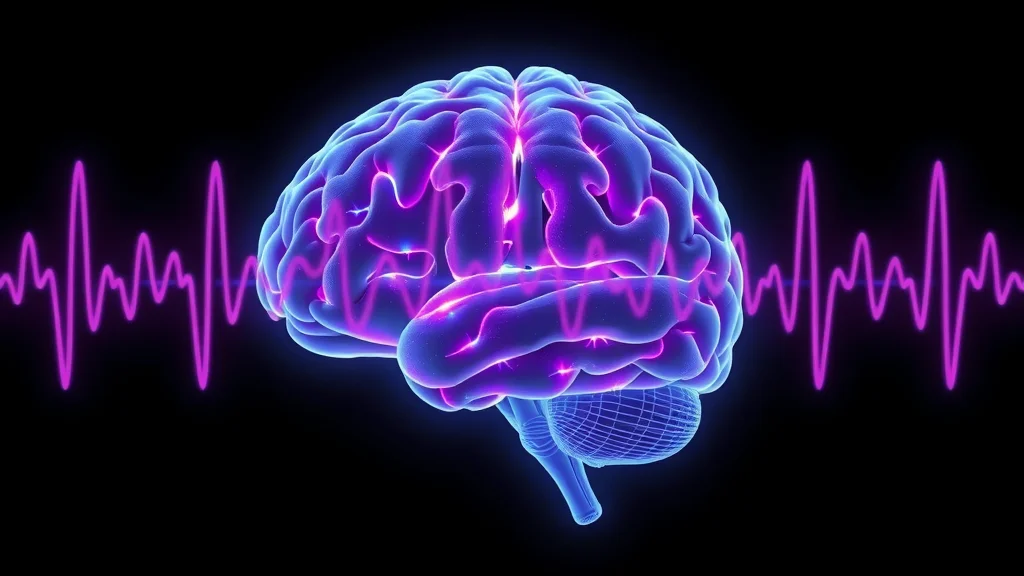
The journey from ordinary awareness to trance is closely tied to shifts in brainwave rhythms. In everyday life, the brain primarily displays beta waves, associated with alert thinking and problem-solving. During a light trance (such as during guided meditation or the early stages of hypnosis), alpha and theta waves become dominant. Alpha waves are linked to relaxed alertness and creativity, while theta waves signal even deeper absorption, often found in moments of inspiration or just before sleep. These shifts, measured through EEG, offer a concrete scientific marker for altered states. They reveal how entering a trance state is a natural, repeatable process and underscore its accessibility to anyone seeking relaxation, increased suggestibility, or self-exploration.
Methods of Trance Induction
There are many accessible methods for trance induction, ranging from informal self-practice to therapist-guided approaches. You don’t have to be a clinical psychologist to try these techniques—many are tailored for safe use at home, such as guided meditations and simple breathing exercises. Core methods include:
- Guided meditation for entering a hypnotic trance
- Breathing technique for light trance
- Role of suggestion in trance induction
- Self-hypnosis steps
Techniques often start by focusing the senses inward—closing your eyes, breathing deeply, and letting go of outer distractions. Suggestions and affirmations can deepen the trance, while progressive relaxation cues help you move from a light trance state into a deeper, hypnotic one. Each person’s experience is unique, but the essential factor is finding a method that helps shift your attention inwards and enables sustained relaxation—unlocking the powerful benefits of trance state and hypnosis.
Difference Between Trance State and Hypnosis
Comparing Trance States and Hypnotic Trance (Table)
While often used interchangeably, trance state and hypnotic trance aren’t identical. The following table highlights the core distinctions:
| Feature | Trance State | Hypnotic Trance |
|---|---|---|
| Awareness | Often reduced | Focused narrowing |
| Induction | Natural/spontaneous | Structured/guided |
| Control | Variable | Typically guided |
| Application | Everyday life | Therapy/self-improvement |
Benefits and Applications of Trance State and Hypnosis
- Uses of trance states in stress reduction
- Trance state and hypnosis in cognitive therapy
- Improved creativity through hypnotic trance
From reducing stress and anxiety to improving concentration and creativity, the benefits of trance state and hypnosis are vast. Clinical hypnosis is widely used in cognitive therapy for phobias, insomnia, pain management, and emotional regulation. Meanwhile, engaging in natural trance states throughout daily life supports problem-solving and emotional resilience. In creative industries, light trance or “flow” states are prized for igniting inspiration and breaking through creative blocks. By learning to intentionally induce these states, you can optimize mental performance, manage stress responses, and enjoy a greater sense of well-being.

Potential Risks and Misconceptions About Trance State and Hypnosis
"Entering a trance state is a natural phenomenon that everyone experiences, not a mystical or dangerous occurrence."
- Common myths about trance states and hypnosis
- Exploration and clarification of safety concerns
Despite its natural roots, many myths persist around trance state and hypnosis. Some believe hypnosis is mind control or can lead to loss of self-awareness, but research shows the opposite: people remain aware and in control throughout the process. Another misconception is that only certain individuals can be hypnotized, whereas most people can enter at least a light trance given the right conditions. The risks associated with trance induction are minimal when practiced responsibly—major safety concerns typically arise only with improper use or underlying mental health conditions. By understanding the reality—rooted in science rather than superstition—you can approach both natural and hypnotic trance experiences with confidence and curiosity.
Trance State and Hypnosis in Religious and Cultural Context
What Does the Bible Say About Hypnosis?
The Bible doesn’t directly mention the word “hypnosis,” but it does reference trance-like states—most notably in stories of prophets or visionaries entering deep contemplation, dreams, or God-inspired visions. Historically, certain faith communities expressed caution towards hypnosis, associating it with the occult. However, many modern Christian and religious leaders believe that, when practiced ethically, trance induction is simply another form of focused prayer or meditation. Ultimately, perspectives vary, but most modern faith communities view hypnosis as a neutral psychological tool, not inherently spiritual nor forbidden.
Trance States Through the Lens of Ancient Traditions
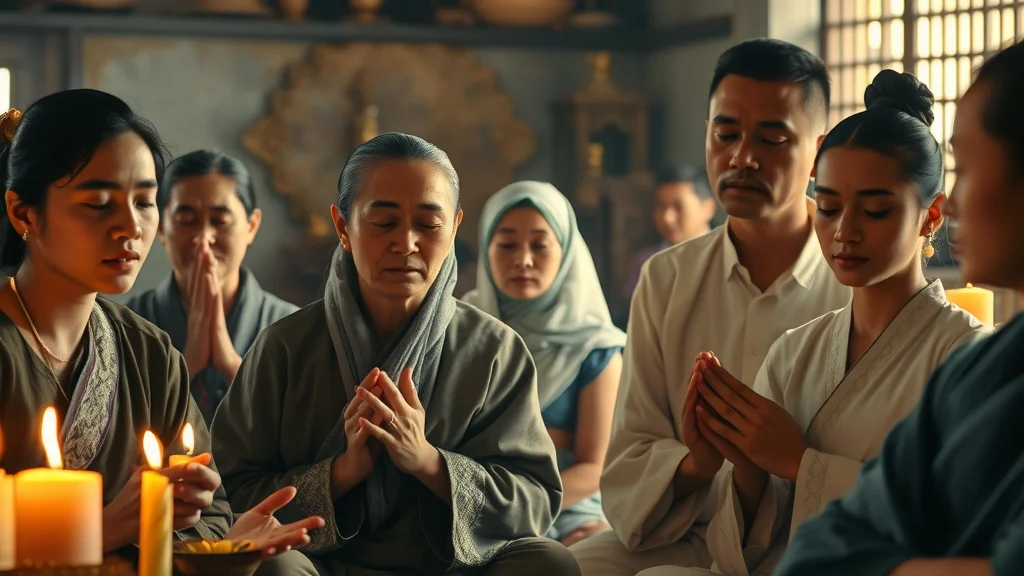
Throughout history, altered states—including trance and hypnosis—were embraced in rituals, healing, and rites of passage. From the shamanic journeys of indigenous tribes to Buddhist meditation and Sufi whirling, trance was understood as a bridge to the subconscious mind, divine inspiration, and personal growth. Understanding this rich heritage illuminates how trance states are innately human, serving psychological, communal, and spiritual needs across cultures.
People Also Ask: What is the trance state in hypnosis?
Answer to: What is the trance state in hypnosis?
- Definition of trance state in hypnosis
- Key differences from ordinary relaxation
In hypnosis, the trance state is a condition of deep focus and absorbed attention, where distractions fade and the mind becomes highly responsive to suggestion. Unlike ordinary relaxation, the hypnotic trance is characterized by a narrowed spotlight of awareness, heightened imagination, and a reduction in conscious mental chatter. People report feeling deeply relaxed yet mentally alert, with a strong inward focus facilitating psychological change and healing. This state is not sleep but a unique, natural mode of consciousness available to nearly everyone.
People Also Ask: What is the difference between trance and hypnosis?
Answer to: What is the difference between trance and hypnosis?
- Distinctive features of each state
- Practical implications for users
The core distinction is that trance is a broad, naturally occurring altered state (such as daydreaming or being absorbed in music), while hypnosis is a deliberately guided trance experience using suggestion. Trance can arise spontaneously during daily life, whereas hypnosis typically involves a structured induction led by a professional or through guided self-hypnosis. Understanding this difference helps people use both for practical benefit—spontaneous trances for creativity and stress relief, and hypnosis for targeted therapeutic outcomes.
People Also Ask: What does the Bible say about hypnosis?
Answer to: What does the Bible say about hypnosis?
- Historical religious views on trance and hypnosis
- Modern perspectives in faith communities
Historically, religious communities have seen trance and hypnosis through a lens of either reverence or skepticism. While biblical texts describe visionary and contemplative altered states, early church attitudes toward hypnosis were cautious. Today, most mainstream religious groups consider ethical hypnosis as a neutral, psychological phenomenon. They encourage practices that respect individual autonomy, mental health, and spiritual tradition.
People Also Ask: What state are you in during hypnosis?
Answer to: What state are you in during hypnosis?
- The psychological and physiological characteristics of hypnotic trance
- Description of consciousness during hypnosis
During hypnosis, the brain operates in a distinct state of mind—a calm yet alert period marked by increased alpha and theta brainwave activity. Physiologically, breathing and heart rate slow, muscles relax, and the conscious mind quiets. Psychologically, a person feels focused, detached from external distractions, and more open to suggestion. This combination supports deep relaxation and facilitates desired changes in thought, feeling, or behavior.
Step-by-Step Guide: Experiencing a Hypnotic Trance
- Choosing a safe and quiet environment: Select a peaceful location where you won’t be interrupted.
- Relaxation and deep breathing techniques: Close your eyes, breathe deeply, and consciously release tension throughout your body.
- Progressive suggestions for trance induction: Use gentle self-talk or guided audio to focus your awareness, saying things like, “With every breath, I feel more relaxed.”
- Emerging safely from a light trance state: When ready, count up from one to five, gradually returning awareness to your surroundings before opening your eyes and stretching.
"With practice, entering a trance state and hypnosis can become a valuable tool for self-improvement and relaxation."
Watch this animated explainer to discover how brainwaves shift as you enter trance state and hypnosis, breaking down the science in simple, visual steps.
Gain professional insights with this video, where hypnotists and clinical psychologists share practical trance induction methods and answer viewer questions.
FAQs: Trance State and Hypnosis
-
Is trance state dangerous?
No, the trance state is a natural phenomenon that most people experience multiple times daily. When practiced responsibly, including clinical hypnosis, it is considered safe. Risks are extremely rare and typically linked to misuse or existing mental health conditions. -
Can anyone be hypnotized?
Most people can enter a trance or be hypnotized if they are willing and comfortable. While susceptibility varies, almost everyone can achieve at least a light trance with practice. -
How long does a hypnotic trance last?
A hypnotic trance can last from a few minutes to an hour, depending on the method and purpose. Typical clinical sessions are 30–60 minutes, but even brief periods can yield benefits. -
Signs you have entered a trance state:
Common signs include a feeling of deep relaxation, focused attention, diminished awareness of time, and reduced sensitivity to external distractions. -
Are trance states useful for mental health?
Yes, trance states—especially in the form of guided hypnosis—are used in therapy for anxiety, stress, pain, and behavioral change, contributing to improved mental health and quality of life.
Key Takeaways About Trance State and Hypnosis
- Trance states and hypnosis are natural and accessible
- Practical applications range from creativity to well-being
- Understanding the differences helps you use both more effectively
Learn More or Explore Guided Hypnosis Sessions with a Certified Professional
To unlock the full benefits of trance state and hypnosis, consider seeking guidance from a certified hypnotherapist or trying reputable self-hypnosis resources. Building your skill can empower both mind and body.
If you’re eager to deepen your understanding of altered states and their role in personal growth, exploring related topics can offer new perspectives and advanced strategies. For a broader look at how hypnosis fits into the landscape of mental wellness and self-improvement, consider reading about the nuanced differences and complementary benefits of hypnosis and meditation. This expanded knowledge can help you make more informed choices on your journey toward greater well-being.




Write A Comment