

Picture this: after a stressful day, you close your eyes, take a deep breath, and—within moments—find yourself in a calm, focused state where worries fade away. This isn’t magic; it’s the power of self hypnosis cues. By intentionally using mental cues, you can transition into a relaxed, hypnotic state and tap into the subconscious mind for positive change. In this guide, we’ll explore the science, benefits, and practical steps to mastering these cues, making hypnosis techniques accessible for your mental health and personal growth journey.
Unlocking Your Mind: The Power of Self Hypnosis Cues
Self hypnosis cues are simple yet powerful tools that allow individuals to take charge of their mental state and overall well-being. Whether you are aiming to reduce anxiety, improve focus, or pursue weight loss goals, learning to use mental cues can help you enter a hypnotic trance state with ease. The best part? You do not need any complicated equipment—just consistent practice, open-mindedness, and a willingness to explore your thoughts and emotions. By practicing these cues, you can seamlessly induce hypnosis and experience a deeply relaxed state, supporting your mind and body in profound ways.
The ability to manage your physical or mental health with self hypnosis cues is not a far-off dream nor reserved for experts alone. With the right approach, you can introduce positive suggestion into your routine, helping reprogram unhelpful thought patterns and encouraging progress towards your goals. From stress reduction to fostering positive habits, these cues are designed to create lasting positive change, putting your mental health and well-being in your own hands.

Imagine taking control of your mental health with a simple mental cue—what doors could that open for your personal growth?
What You'll Learn About Self Hypnosis Cues
- Understanding self hypnosis cues and their connection to mental health
- Practical steps to induce a self-hypnotic state
- Science-backed insights on potential benefits and positive suggestion
- Effective cue techniques for weight loss, stress management, and habit change
Defining Self Hypnosis Cues and Their Role in Mental Health
What are self hypnosis cues?
Self hypnosis cues are specific mental, verbal, or physical signals you employ to guide yourself into a hypnotic trance. These cues may involve repeating a positive phrase, focusing on a mental image, or using a tactile gesture like touching your fingertips together. The key is association: over time, your brain learns to pair the cue with deep relaxation, allowing you to swiftly enter a hypnotic state whenever you use it. This process is simple and easy, requiring just a few minutes of focused attention during each hypnosis session. The beauty of self hypnosis cues lies in their customizability—what works for someone else may look different for you, but the effectiveness centers on repetition, positive suggestion, and intent.
If you’re curious about how self hypnosis cues compare to other mind-body practices, exploring the distinctions between hypnosis and meditation can provide valuable context for your journey. For a deeper understanding of how these approaches differ and complement each other, see this guide on hypnosis versus meditation.

How self hypnosis cues support mental health and transformation
Using self hypnosis cues regularly helps rewire subconscious thought patterns, making it easier to let go of unhelpful thoughts and foster a more positive mindset. The cues you establish work as anchors, supporting the mind and body as you sink deeper into a state of relaxation and receptiveness to change. Over time, regular practice enhances your ability to relax, manage stress, and maintain emotional balance. Many people report feeling calm, more in control of their emotions, and less overwhelmed by day-to-day challenges when they incorporate these techniques. Ultimately, self hypnosis cues give you an accessible way to take charge of your mental health, enabling positive transformation from within.
The Science Behind Mental Cues and Self-Hypnotic States
How mental cues influence subconscious patterns
When you use mental cues—whether it’s a word, image, or sensation—you’re tapping into powerful psychological mechanisms. The conscious mind may set an intention, but it’s the subconscious mind where new habits and beliefs take root. By signaling the brain that it’s time to relax or adopt a new mindset, mental cues help bypass the usual filters of the conscious mind, allowing positive suggestions to take hold. Progressive relaxation, where you systematically relax your body part by part, is a common hypnotic induction method that pairs exceptionally well with self hypnosis cues. This duo can help you transition into a hypnotic trance or relaxed state, priming your mind for thoughts and emotions that reinforce your goals.

Research on self hypnosis cues in mental health improvement
Studies in clinical hypnotherapy highlight that using cues during hypnosis sessions increases the likelihood of entering a trance state. Regular exposure to these cues has been shown to support mental health improvement by making it easier to fall asleep, manage chronic pain, and even break unhealthy habits. According to experts, “Self-hypnosis cues offer an accessible route to altering our thought patterns and behaviors. ” Their effectiveness stems from the direct influence these cues have on the subconscious mind, facilitating change without the resistance often encountered during conscious effort. Although results may differ from person to person, practicing self hypnosis cues can be a valuable addition to your wellness toolkit.
“Self-hypnosis cues offer an accessible route to altering our thought patterns and behaviors.”
Potential Benefits: Why Use Self Hypnosis Cues?
Mental health enhancement through self hypnosis cues
One of the most compelling reasons to use self hypnosis cues is the broad spectrum of potential benefits they offer for mental health. Whether you struggle with stress, anxiety, or sleep issues, these cues serve as a reliable pathway to calm and relaxation. By making it easy to enter a hypnotic trance, you’re opening the door to better mood regulation, cognitive focus, and emotional stability. Over time, using these cues can help eliminate unhelpful thought patterns, allowing positive change to flourish. The benefits of hypnosis aren’t just anecdotal—many users notice that after a few sessions, they feel calmer, sleep better, and are less reactive to stressors in everyday life.
Supporting weight loss with positive suggestion and mental cues
For those pursuing weight loss, self hypnosis cues can make a meaningful difference. Mental cues focused on positive suggestion, such as visualizing healthy eating or repeating encouraging phrases, help reframe attitudes towards food and exercise. Over repeated hypnosis sessions, these cues can reduce resistance to change and make sticking to healthy habits much easier. When paired with mindful eating and lifestyle adjustments, self hypnosis cues offer a holistic approach to achieving your weight loss goals, keeping you motivated and in tune with your subconscious drivers.

Reducing stress, increasing focus, and fostering positive change
Another invaluable benefit of self hypnosis cues is their impact on stress reduction and mental clarity. These cues train your mind to swiftly access a relaxed state, making it easier to manage tension, boost concentration, and achieve your goals. In a world filled with constant distractions, intentionally using cues to step back, breathe, and refocus can be the difference between feeling overwhelmed and feeling empowered. The mental space created by entering a self-hypnotic state allows for the unique combination of relaxation and alertness, making it possible to cultivate new, positive habits and thoughts.
| Benefit | Description | Who Can Benefit? |
|---|---|---|
| Stress Reduction | Quickly enter a relaxed state and ease physical or mental tension | Anyone feeling overwhelmed or anxious |
| Better Sleep | Facilitate falling asleep and improve sleep quality using calming cues | People with insomnia or restless nights |
| Habit Change | Use positive suggestions to rewire old patterns and adopt new behaviors | Those seeking weight loss or breaking unhealthy habits |
| Enhanced Focus | Sharpen concentration, reduce distractions, and enhance task performance | Students, professionals, or anyone needing mental clarity |
| Pain Management | Alleviate chronic pain symptoms through guided self hypnosis cues | People with chronic conditions or ongoing pain |
Types of Self Hypnosis Cues to Enhance Mental Health
Visual cues: Imagery and visualization techniques
Visual cues use the mind’s eye to focus on calming or empowering imagery that signals to your subconscious mind it’s time to enter a hypnotic state. This could be imagining yourself in a peaceful place or seeing a symbol that represents relaxation and safety. Visualization helps trigger the right response in both mind and body, leading to a feeling of calm and focus that makes initiating hypnosis simple and effective. Developing a mental image tied to a specific intention—such as feeling calm or confident—can be practiced during regular hypnosis sessions or before challenging situations for additional support.

Auditory cues: Voice, sound, and repetition
Many people find that specific words, phrases, or even gentle repetitive sounds are powerful self hypnosis cues. Listening to a favorite calm track, the ticking of a clock, or a self-recorded message with positive suggestions can help signal the brain to shift into a relaxed state. Repeating statements like, “With every breath, I am sinking deeper into relaxation,” create an auditory anchor, helping your mind associate certain sounds or words with hypnotic induction. Over time and with regular practice, these auditory cues make entering a trance state a predictable, almost automatic experience—whether at home or using a hypnosis app.
Tactile cues: Physical anchors and gestures
Physical self hypnosis cues, such as gently pressing your thumb and forefinger together, can serve as a unique bridge between the conscious and subconscious mind. These gestures or tactile sensations are easy to use anywhere, making them practical for daily stress relief or focus enhancement. When combined with positive suggestion, tactile cues become a strong anchor, helping reinforce new habits or reduce anxiety. Many experts recommend pairing physical cues with specific intentions to maximize their effectiveness, offering robust support for managing chronic pain or achieving other mental health goals.
- Examples of positive suggestion for mental health
- Cues to support weight loss journeys
- Cues to reduce anxiety and improve focus
Step-by-Step Guide: How to Use Self Hypnosis Cues
Preparing your space and mindset
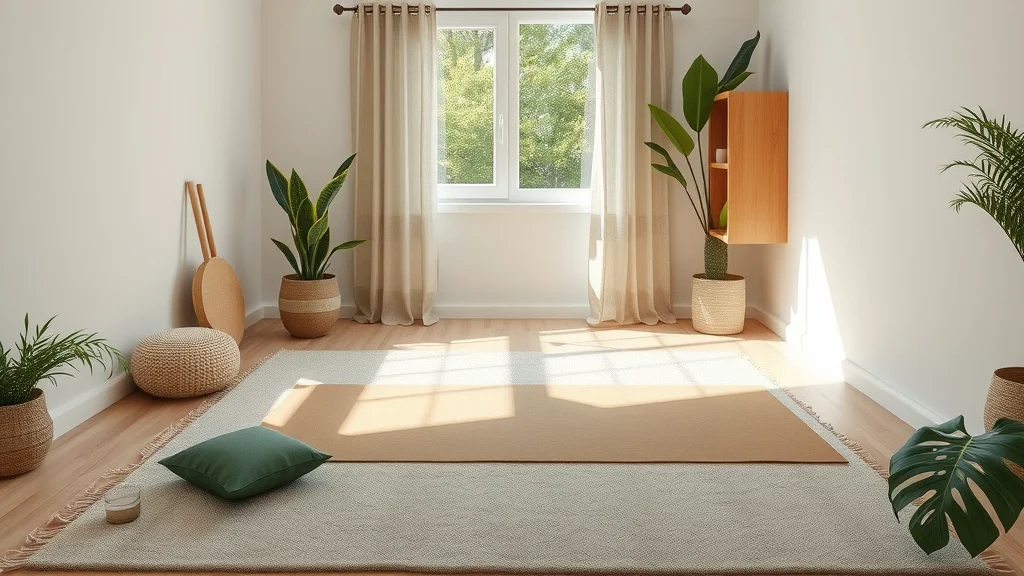
The environment in which you practice self hypnosis cues plays a pivotal role in your success. Choose a calm, clutter-free space where you feel safe and won’t be interrupted. Enhance the setting with soft lighting or calming sounds if desired. Sit or lie down comfortably, close your eyes, and take a few slow, deep breaths to signal your body it’s time to relax. Many find it helpful to set a gentle intention, like, “I choose to enter a relaxed state for my well-being. ” Creating this ritual not only strengthens the association between your cues and the hypnotic induction, but also makes it easier to repeat the process regularly.
Selecting effective self hypnosis cues for your goals
The most effective cues are those that resonate personally and feel natural in your daily life. Experiment with visual imagery, specific affirmations, or tactile gestures to see which shift you toward a more relaxed, focused state. If your goal is to fall asleep more easily, cues associated with nighttime routines (like a soft touch on your pillow or repeating a calming word) can be valuable. On the other hand, those focused on weight loss or building new habits might use a phrase like, “I feel strong and in control,” reinforced by a physical gesture. Regularly evaluate which cues lead you to sink deeper into relaxation and adjust as needed.
Guided process: Entering a self-hypnotic state using mental cues
Here is a practical, step-by-step method for using self hypnosis cues: Find your comfortable, prepared space. Sit or recline with your spine straight. Close your eyes and take three slow, deep breaths, focusing on how your body feels with each exhale. Start your chosen cue—this could be visualizing a safe space, repeating a positive phrase, or touching your hand in a specific way. Allow your mind to focus solely on the cue. If distractions arise, gently let them go and return to your anchor. As you feel your body relaxing, imagine yourself sinking deeper into comfort and safety, affirming your positive suggestion with every breath. After several minutes, bring your awareness back to the present by counting backward from five or wiggling your fingers and toes. Open your eyes, feeling refreshed and calm. Consistency is key: the more frequently you pair mental cues with relaxation, the easier and more automatic hypnosis induction becomes.
| Cue Type | Use Case | Strengths |
|---|---|---|
| Visual Imagery | Managing stress, improving focus | Easy to personalize, fast mental association |
| Auditory Repetition | Supporting sleep, reinforcing habits | Accessible, effective for positive suggestions |
| Tactile Gestures | On-the-go relaxation, anxiety reduction | Discreet, easily repeated in public settings |
Common Challenges and Troubleshooting When Using Self Hypnosis Cues
Recognizing barriers to entering a self-hypnotic state
Some people find it difficult to relax fully or get distracted while trying to use self hypnosis cues, especially at the outset. Common barriers include skepticism about the process, performance anxiety, or a racing mind that resists settling down. Physical discomfort, lingering eye strain, or environmental distractions can also impede progress. The important thing is to remember that learning to induce a hypnotic state is a skill—like any form of meditation or mindfulness, it improves with regular practice. Acknowledging and accepting occasional setbacks, rather than resisting them, allows you to continue growing more adept over time.

Adapting mental cues for better results
If your initial cues aren’t working as expected, don’t be discouraged—adaptation is part of the journey. Try varying your chosen phrases, visualizations, or gestures until you find what resonates. Consider adding simple environmental anchors, such as a particular scent or background sound, to reinforce your cues. If you experience strong emotions or discomfort, gently return your attention to your breath or a comfortable sensation. With patience and experimentation, even small adjustments can shift a routine from feeling forced to becoming a source of comfort and empowerment. Customizing your cues keeps hypnosis sessions engaging and relevant to your evolving mental health needs.
Advanced Tips: Enhancing Self Hypnosis Cues for Lasting Change
Combining positive suggestion with mental health goals
Maximize the transformative power of self hypnosis cues by aligning them with specific mental health goals and using positive suggestion. For example, if you want to reduce anxiety, pair your cue with affirmations like, “I am safe and calm” or “I have the power to relax my body and mind. ” These suggestions become progressively more ingrained with practice. For deeper impact, synchronize your mental cues with positive imagery or touch—this multi-sensory approach creates a powerful reinforcement loop in both the conscious and subconscious mind, leading to more consistent and enduring results.
Weight loss: Leveraging self hypnosis cues for habit formation
When using self hypnosis cues for weight loss, focus on integrating them into moments of decision-making around food, movement, or cravings. Phrases such as, “I make healthy choices easily,” combined with a gentle touch or visualizing your goals, can help counteract old, unhelpful thought patterns. Cognitive and behavioral research—often referenced in clinical hypnotherapy—shows that repeated reinforcement of such cues during hypnosis sessions helps weaken the grip of ingrained habits and build new, health-supportive routines. By tracking your progress and celebrating small successes, you strengthen the association between your cues and the positive changes you desire.

Maintaining consistency and tracking progress
Consistency is the engine behind lasting results with self hypnosis cues. Establish daily rituals—like journaling after each session or setting reminders on your phone—to make cue practice a reliable habit rather than an afterthought. Regularly reflect on your mental health, energy levels, and ability to maintain focus, using your observations to fine-tune cues and reinforce learning. This continuous feedback keeps your practice aligned with your goals and maintains your momentum, ensuring ongoing improvement in both mind and body.
Case Studies: Real-Life Transformations with Self Hypnosis Cues
Mental health improvement stories
Real-life examples abound of people using self hypnosis cues to transform their mental health. From individuals overcoming chronic anxiety to those managing stress during major life transitions, these stories highlight the accessibility and effectiveness of mental cues. One person shared how developing a daily practice—closing their eyes, visualizing a calm shore, and repeating a reassuring phrase—helped them overcome bouts of panic and develop a more grounded, resilient outlook. Such testimonials demonstrate that anyone, with patience and commitment, can use self hypnosis cues to unlock a brighter, more balanced state of mind.

Weight loss journeys supported by self hypnosis cues
For others, the integration of self hypnosis cues has made the difference between wishful thinking and actionable results during weight loss efforts. One user described how tactile cues and targeted affirmations helped minimize cravings when stressed or bored, allowing them to focus on their health objectives. Over time, the sense of control and empowerment gained from these short, focused hypnosis sessions proved pivotal in sustaining routine changes and reaching weight loss goals. These stories illustrate that with consistent effort, self hypnosis cues support both the psychological and behavioral aspects crucial for long-term success.
Integrating Self Hypnosis Cues into Your Daily Routine
Building a personalized cue practice for mental health
The best results with self hypnosis cues are achieved when the practice is woven naturally into your daily life. Whether you begin each morning with a mental cue ritual or use end-of-day relaxation cues before bed, personalized practice ensures lasting benefits. Start by identifying times in your day where stress, distraction, or unhealthy habits tend to creep in. Then, introduce your chosen cues into these moments, reinforcing positive suggestions and new, healthier reactions. Over time, you’ll find it easier to transition into a relaxed state, handle challenges, and support your overall mental health without needing a lengthy hypnosis session.

Setting reminders and tracking daily success
Incorporate reminders—physical objects, smartphone alerts, or notes in your planner—to prompt you to practice your cues each day. Many people benefit from recording their progress, jotting down how they felt before and after each hypnosis session, and noting changes in their thoughts and emotions over time. This practice not only builds accountability but also spotlights the cumulative impact of regular cue work, helping keep motivation high and adaptation continual. As you notice small successes, positive feedback naturally reinforces your commitment and enthusiasm for using self hypnosis cues as a mental health tool.
- Morning mental cue rituals
- End-of-day relaxation cues
- Positive suggestion in everyday scenarios
People Also Ask
How can I teach myself self hypnosis cues?
Answer section for: How can I teach myself self hypnosis cues?
Start by choosing a quiet, comfortable place free of distractions. Decide on a cue—such as a calming word, a specific visualization, or a gentle gesture—and practice using it regularly alongside deep breathing. Pay attention to how your mind and body respond. Over time, these cues will become associated with a relaxed, supportive state. With regular practice, you’ll gain confidence in inducing self hypnosis and can adjust your cues as you discover what works best for your mental health goals.
Are self hypnosis cues effective for mental health issues?
Answer section for: Are self hypnosis cues effective for mental health issues?
Yes, self hypnosis cues can be very effective for managing anxiety, stress, and other mental health issues. They work by providing accessible, positive suggestions to the subconscious mind, making it easier to shift from unhelpful thought patterns to healthier perspectives. While not a replacement for professional mental health care when needed, self hypnosis cues are a valuable tool in your overall mental wellness toolkit.
Can self hypnosis cues be used for weight loss?
Answer section for: Can self hypnosis cues be used for weight loss?
Absolutely. Self hypnosis cues are often integrated into weight loss plans as a way to reinforce healthy choices, reduce cravings, and improve motivation. By pairing cues with positive suggestions—like visualizing yourself feeling strong and in control—you can address subconscious blocks to weight loss and support new habits. As with any approach, consistency is key to success.
What are the potential benefits of self hypnosis cues?
Answer section for: What are the potential benefits of self hypnosis cues?
The potential benefits of self hypnosis cues are extensive: easing stress, improving quality of sleep, reducing anxiety, supporting habit change (such as weight loss), increasing focus, and even managing chronic pain. Through regular practice, people often experience heightened self-awareness, improved mood, and greater overall well-being.
FAQs About Self Hypnosis Cues
-
How long does it take to see results from using self hypnosis cues?
For many, noticeable improvements in relaxation, mood, or focus can occur within a few sessions, while deeper habit changes develop with continued practice over several weeks. -
Are there risks to practicing self hypnosis cues on your own?
Self hypnosis cues are generally safe for most people. However, if you have a severe mental health condition or a history of trauma, consult a professional before starting self-hypnosis techniques. -
Should self hypnosis cues be combined with professional mental health care?
While self hypnosis cues can be a powerful supplement, they are not a replacement for clinical hypnotherapy or professional mental health support when needed. Combining both approaches may yield the best outcomes for certain individuals.
Key Takeaways for Successful Use of Self Hypnosis Cues
- Self hypnosis cues are accessible tools for mental health improvement
- Positive suggestion and consistent practice enhance results
- Adapt tactics to fit individual needs and goals
Explore More Techniques for Mastering Self Hypnosis Cues
Unlocking your potential with self hypnosis cues is a journey that grows with every session. Stay curious, customize your practice, and make self-care a non-negotiable part of your routine. Ready to discover even more ways to harness the power of your subconscious mind? Begin exploring advanced techniques and guided resources—your next breakthrough may be just one cue away.
As you continue to refine your self hypnosis practice, expanding your understanding of related mind-body techniques can open new doors for personal growth. Exploring the broader landscape of hypnosis and meditation not only deepens your self-awareness but also helps you choose the most effective strategies for your unique needs. For a comprehensive look at how hypnosis and meditation compare—and how each can support your mental wellness—consider reading this in-depth comparison of hypnosis versus meditation. Embracing a holistic approach empowers you to unlock even greater benefits on your journey toward lasting well-being.



Write A Comment