

Did you know that 1 in 3 adults worldwide struggles each night with regular insomnia? Even more surprising, clinical studies have found that self-hypnosis can significantly deepen restorative sleep cycles without the side effects commonly associated with sleep medication. If falling or staying asleep is a challenge for you, self-hypnosis for better sleep might be the transformative answer you’ve been searching for. This guide will walk you through the latest science, user stories, expert insights, and actionable steps to mastering sleep hypnosis for healthier, more restful nights.
Startling Sleep Statistics and the Promise of Self-Hypnosis
Globally, more than 30% of adults experience symptoms of insomnia or another sleep disorder, disrupting daily life and impacting mental health and well-being.
Unlike traditional sleep meds, research in the Journal of Clinical Sleep Medicine highlights that self-hypnosis techniques can boost deep sleep—the most restorative sleep phase—by up to 80% in some controlled trials. These improvements extend far beyond anecdote, showing measurable benefits in sleep quality and fewer side effects.
What You'll Learn About Self-Hypnosis for Better Sleep
The science behind sleep hypnosis and how it improves your sleep
Step-by-step guide to practicing self-hypnosis for better sleep
Expert tips on choosing between a hypnosis app vs. other methods
Addressing mental health links with deep sleep and self-hypnosis techniques
Understanding Self-Hypnosis for Better Sleep
What Is Self-Hypnosis and How Does It Relate to Deep Sleep?
Sleep hypnosis is a calming, focused mental state that guides your mind into deep relaxation, encouraging a smoother transition to deep sleep. Unlike sleep hypnos or stage hypnosis, self-hypnosis is always self-directed—done by you, for you, to improve your sleep outcomes at home, often with the help of a hypnosis app or mental scripts.
It’s important to distinguish self-hypnosis for better sleep from stage hypnosis, as the latter is meant for entertainment and doesn’t foster restorative rest or enhance sleep quality. Sleep hypnosis targets your subconscious, slowing racing thoughts and relaxing the nervous system—key moves for tackling sleep med or sleep disorder challenges.
The Science Behind Self-Hypnosis for Better Sleep
Self-hypnosis practices work by soothing your mental health, calming the mind, and triggering the parasympathetic nervous system, the body’s natural “rest and digest” state. This reduces anxiety, primes the brain to fall asleep, and helps maintain deep sleep.
Multiple research studies and a 2020 systematic review in the field of clinical and experimental hypnosis show that self-hypnosis intervention effects on sleep outcomes are significant. People using self-hypnosis showed quicker sleep onset and longer durations of deep, restorative sleep compared to those relying solely on traditional sleep medicine or guided meditation.
How Self-Hypnosis for Better Sleep Can Improve Your Sleep Quality
Benefits of Sleep Hypnosis: Falling Asleep Faster and Enjoying Deep Sleep
Reduces nighttime anxiety—so you can fall asleep effortlessly. By quieting mental chatter, self-hypnosis replaces worry and rumination with calm, restorative relaxation, outperforming some sleep app or guided meditation solutions.
Promotes longer, deeper sleep cycles. Structured hypnosis for sleep has been linked to more time spent in deep sleep, which is vital for memory, hormone balance, and overall mental health. Users often notice they fall asleep faster and stay asleep through the night.
Sleep Hypnosis Compared to Other Sleep Med Methods
Method |
Benefits |
Common Side Effects |
Best For |
|---|---|---|---|
Self-Hypnosis (Sleep Hypnos) |
Non-habit forming, improves deep sleep, supports mental health, can be tailored via hypnosis app |
Minimal (occasional vivid dreams) |
Chronic insomnia, stress-related sleep disorders |
Sleep Medications |
Fast-acting relief for severe sleep disorder |
Dependency, grogginess, potential memory side effects |
Acute insomnia, severe medical conditions |
Mindfulness / Meditation |
Reduces stress, eases anxiety, accessible with sleep app or guided meditation session |
Requires time to build efficacy |
Mild insomnia, nightly relaxation routines |
Step-By-Step Guide: Practicing Self-Hypnosis for Better Sleep
Preparation: Creating Your Sleep Environment
Set up your bedroom for sleep success: Keep it cool, quiet, and clutter-free. Blackout curtains, a white noise machine, and dim light prime your brain to unwind, setting the stage for effective self-hypnosis for better sleep.
Eliminate digital distractions an hour before bed. Silence phone notifications, dim screens, and consider keeping your phone out of reach unless you’re using a dedicated sleep hypnos or hypnosis app to guide your session.

Self-Hypnosis Techniques for Falling Asleep
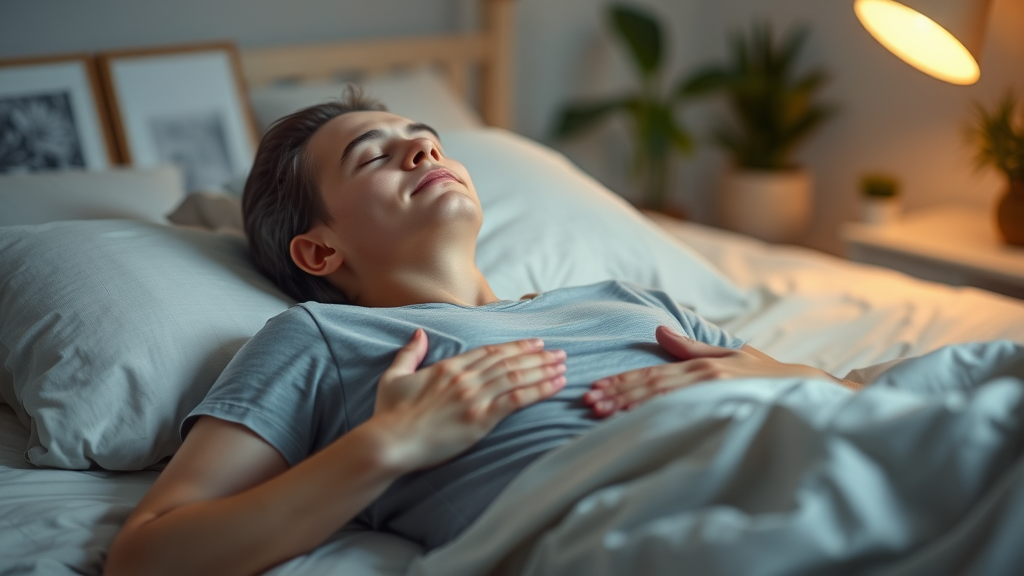
Breathing and guided imagery: Lie on your back, close your eyes, and begin slow, deep breaths. Imagine a peaceful scene—perhaps a beach or forest—allowing each breath to carry you deeper into relaxation.
Mental affirmations and self-hypnosis scripts: Repeat calming phrases like “With every breath, I relax more” or “My mind is quiet, and my body is ready for deep sleep.” These hypnotic suggestions retrain your mind for better sleep outcomes.
Progressive muscle relaxation and self-suggestion: Consciously tense and relax muscle groups from head to toe. Visualize tension melting away, and reinforce each relaxation phase with positive, sleep-focused affirmations.
How Long Does It Take for Self-Hypnosis to Improve Your Sleep?
Most users notice improvement within 1–2 weeks. However, the effectiveness of sleep hypnosis depends on consistency, your openness to hypnotic suggestion, and individual responses based on stress or underlying medical conditions.
Tracking your experience in a sleep journal and using a sleep app for feedback can accelerate progress by making adjustments based on your personal results.
Integrating Sleep Hypnosis Apps and Digital Tools
Choosing the Best Hypnosis App for Self-Hypnosis
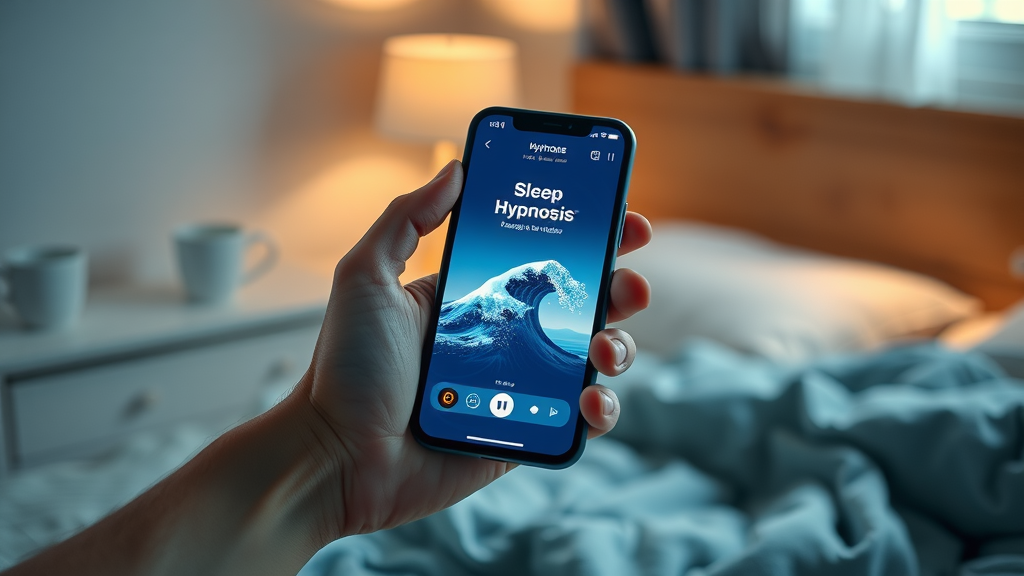
Look for a hypnosis app with high-quality audio, customizable session lengths, and a variety of deep sleep-focused programs. The top picks often offer calming background sounds, daily reminders, and track improvements in sleep quality.
Expert recommendations include “BetterSleep,” “Sleep Hypno,” and “Calm Hypnosis,” all praised for user-friendly designs, thorough instructions, and scientifically backed scripts for hypnosis for sleep. Reading reviews and testing a few options can help you select what fits best with your nightly routine.
How Sleep Apps Support Self-Hypnosis for Better Sleep
Modern sleep apps offer features such as scheduled bedtime reminders, sleep cycle tracking, and integration with smart home devices to optimize your routine. Regular use supports a structured wind-down ritual, which is key in making self-hypnosis for better sleep effective long-term.
Many sleep apps also provide statistics on your deep sleep duration, sleep onset time, and offer daily progress logs. This real-time feedback helps users fine-tune their approach and motivates consistent practice, essential for sustained sleep quality improvement.
When to Use Self-Hypnosis for Sleep: Timing and Frequency
The ideal time for self-hypnosis is just before bedtime, when winding down, or during periods of nighttime wakefulness. Consistency is crucial—practicing nightly trains your brain and body to associate these steps with falling asleep and staying asleep more easily.
Experts recommend beginning with a short 10-minute session and gradually extending to 20–30 minutes. Aim for at least 4–5 nights a week, with many experiencing the most profound improvements in deep sleep after regular practice for 2–3 weeks.
Common Challenges and Troubleshooting Self-Hypnosis for Better Sleep
Why Self-Hypnosis May Not Work Instantly
Mental blocks such as skepticism or overthinking can temporarily limit effectiveness of sleep hypnos practices. Remember, self-hypnosis is a skill; patience and practice are essential. Being open and persistent fosters stronger hypnotic suggestion and brings results over time.
If initial scripts or techniques seem ineffective, adapt your strategy. Consider changing your self-hypnosis script, incorporating more guided meditation elements, or using a reputable hypnosis app with new sessions designed for your unique sleep needs. Personalization increases the odds of success in those with sleep disorder or anxiety-driven insomnia.
Safety Tips and Precautions with Sleep Hypnosis
Consult your doctor if you’re managing complex medical conditions, are pregnant, or currently taking sleep med prescriptions or treatments for mental health. Self-hypnosis is generally safe, but be mindful of physical or psychological discomforts and discontinue if any arise.
Expert Insights on Self-Hypnosis and Sleep Quality
"Self-hypnosis can be a powerful and gentle method for improving sleep quality—especially for those struggling with racing thoughts or chronic insomnia. As a certified hypnotist, I guide clients to develop personalized scripts, using sleep hypnosis as a safe complement to traditional sleep medicine." — Dr. Sarah Milton, Certified Clinical Hypnotist & Sleep Specialist
Licensed practitioners approach self-hypnosis by tailoring techniques to each person’s needs, often integrating it with cognitive behavioral sleep strategies to deliver holistic, long-term intervention effects on sleep outcomes.
Self-Hypnosis for Better Sleep: Real Stories and Testimonials
Mark S., age 42: "I battled with sleep disorders for over a decade. Within three weeks of using a hypnosis app nightly, I now fall asleep in under 20 minutes and wake up feeling restored."
Cited research: Systematic review studies published in the Journal of Clinical Sleep Medicine show a marked improvement in deep sleep duration and overall sleep quality for participants practicing self-hypnosis compared to those using sleep medicine alone.

Lists: Quick Sleep Hypnosis Tips for Better Rest
Maintain a consistent sleep schedule, going to bed and waking up at the same time daily.
Add soothing rituals—like aromatherapy and soft music—before your self-hypnosis session to prime your senses for winding down.
Pair self-hypnosis with a sleep app for guided support and better habit tracking.
Journal your progress—write about how you felt after each hypnosis session to monitor improvements and fine-tune your approach.
Limit caffeine, alcohol, and heavy meals within 2–3 hours of bedtime for optimal deep sleep results.
Consider other environmental and routine hacks: blackout curtains, eye mask, white noise device, and keeping the room cool (~65°F) for best sleep outcomes.

People Also Ask: Self-Hypnosis for Better Sleep FAQs
Can you get hypnotised to sleep better?
Absolutely. Sleep hypnosis leverages focused relaxation, guided imagery, and hypnotic suggestion to quiet the mind, reduce anxiety, and ease you into deep sleep. Multiple clinical studies have demonstrated its effectiveness, with intervention effects on sleep outcomes showing significant improvements for those who practice regularly.
How to go to sleep in 30 minutes?
Begin with slow, deep breathing, then guide yourself into self-hypnosis using calming mental images and affirmations. Focused attention on your breath, coupled with a relaxing script or a reputable hypnosis app, can help you fall asleep quickly. Consistency with these techniques is key to making 30-minute sleep onset a habit.
Is it okay to fall asleep during self-hypnosis?
Yes, falling asleep during a self-hypnosis session is common and, in fact, one of the signs of success. Sleep hypnosis is designed to ease your mind so deeply that drifting off comes naturally, fostering beneficial deep sleep cycles.
What is the best self-hypnosis program?
Look for hypnosis programs and apps that offer high-quality audio, skilled narration, customizable session lengths, and track sleep quality. Top recommendations based on user ratings include “BetterSleep,” “Sleep Hypno,” and “Self Hypnosis” by Mindset, all highly regarded for both beginner and experienced users.
Key Takeaways: Mastering Self-Hypnosis for Better Sleep
Self-hypnosis for better sleep is a proven, side-effect-free option to fall asleep faster, deepen your sleep cycles, and support overall mental health.
Choose a reputable hypnosis app, craft a calming sleep environment, and practice consistently to maximize your sleep quality improvements.
Resources and Further Reading on Self-Hypnosis for Better Sleep
Visit the Sleep Foundation and National Institute of Mental Health for more on sleep disorders and mental health.
Explore hypnosis intervention techniques and reputable apps such as “BetterSleep,” “Sleep Hypno,” and “Mindset.”
Conclusion: Embracing Self-Hypnosis for Better Sleep and Lasting Rest
Embrace self-hypnosis for better sleep to foster deep rest, improve your mental health, and enjoy the rejuvenating benefits that consistent, quality sleep brings.


Write A Comment