

Are you really in control of your daily actions, or are your routines silently run by subconscious autopilot? Understanding the power and origin of subconscious habits will transform how you view your daily life—read on to discover the surprising science behind the behaviors that truly shape you.
Unlocking the Mystery: Are Your Actions Driven by Subconscious Habits?
Have you ever found yourself arriving somewhere and not recalling the drive, or caught your mindlessly snacking during moments of stress? You aren’t alone. A vast majority of our daily habits—sometimes up to 95% of what we do—play out as automatic routines orchestrated by the subconscious mind. This doesn’t mean you lack control; instead, it highlights how the brain strategically automates repetitive actions to save energy and mental space. By understanding why habits form at the subconscious level, you’ll gain greater self-mastery, the ability to mold better daily habits, and tools for breaking free from unhelpful patterns. In this comprehensive guide, we’ll unravel the science behind subconscious habits, the neural pathways that support them, real-world examples, and proven methods to train your subconscious toward positive change.
Introduction to Subconscious Habits and the Brain’s Inner Workings
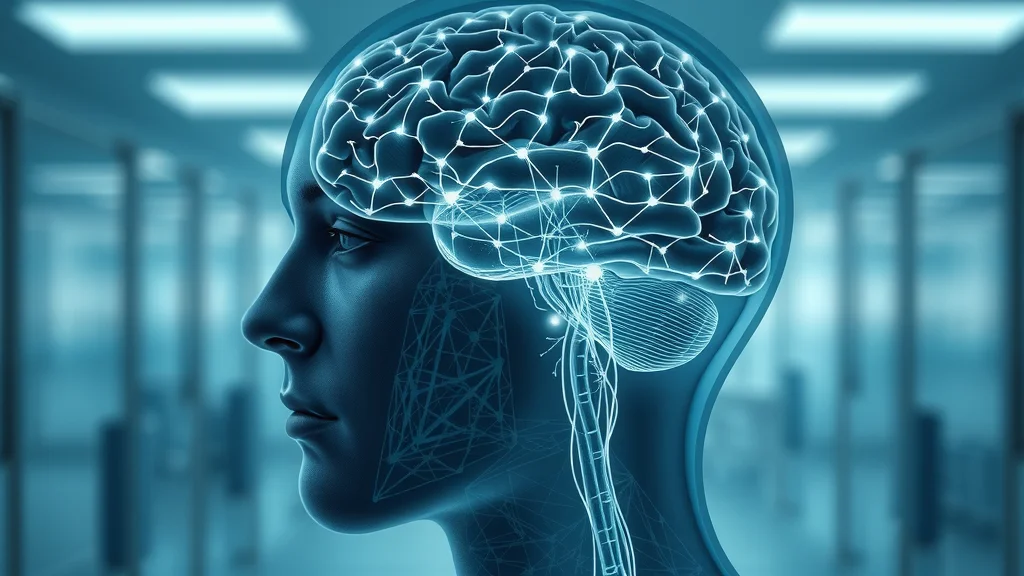
Your brain is designed for efficiency, and subconscious habits are the dedicated programs helping you navigate life without requiring constant conscious effort. While the conscious mind handles new challenges and learning, it’s the subconscious system that takes over repetitive behaviors—freeing up mental bandwidth for creative and strategic thinking. Through processes like habit formation, the brain lays down neural pathways that “hardwire” actions after enough repetition. This not only spares you from decision overload but also highlights why true behavior change means working with, not against, your subconscious mind. Renowned thinkers like Bruce Lipton and Charles Duhigg have built careers exploring how the mind operates on these “autopilot” modes and how you can consciously rewire them for lasting transformation.
As you explore the mechanisms behind subconscious habit formation, it’s valuable to consider how different mental practices can influence these automatic routines. For instance, understanding the distinctions and unique benefits of hypnosis and meditation can offer practical insights into how each approach interacts with the subconscious mind and supports habit change.
What You'll Learn About Subconscious Habits
- The science behind subconscious habits
- How the subconscious mind influences daily habits
- The difference between the conscious mind and subconscious mind in habit formation
- Real examples of subconscious behavior
- Strategies to train your subconscious for positive automatic routines
Understanding the Subconscious Mind and Conscious Mind in Habit Formation
Defining the Subconscious Mind versus the Conscious Mind
At its core, the subconscious mind acts as a silent driver of your daily actions. It stores memories, beliefs, and learned behaviors just below your surface awareness. In contrast, the conscious mind makes rational choices and responds to new situations—requiring you to be present and alert. When you’re learning a new skill or forming a chosen habit, it’s your conscious system in charge: you pay extra attention, recall instructions, and adjust behaviors. Over time, with repetition, these actions become embedded in the subconscious mind, manifesting as automatic routines carried out with little or no thought. This division of labor is essential for freeing up mental energy, but it also means your hurdles, patterns, and best opportunities for improvement often lie below the surface—in your habitual thoughts and routines.
Consider something as simple as brushing your teeth. During the first few attempts, a child must remember every step—how much toothpaste, how to move the brush, how long to continue. But soon, these motions merge into an automatic routine thanks to the subconscious mind. The difference becomes even more critical in situations where you want to change a subconscious habit—because until you bring it into conscious awareness, it’s almost impossible to redirect. Therefore, real habit change relies on understanding and leveraging both parts of your brain: use the conscious mind to select and reinforce better behaviors, while guiding the subconscious mind to automate them.
How the Brain Creates Subconscious Habits through Neural Pathways
The key mechanism behind habit formation is the brain’s ability to establish neural pathways—physical connections between neurons that make repeating an action easier each time. Studies in neuroscience show that when you perform a task repeatedly, especially with consistent rewards or cues, the brain “records” this pattern. As repetitions increase, the pathway becomes smoother and firmer, so the action requires less conscious effort and becomes a true automatic routine. This is why the first stage of learning a new daily habit—from riding a bike to preparing coffee—feels awkward, but soon becomes second nature after enough practice.
The brain’s tendency to automate stems from a need to conserve energy. By shifting repeated actions into the subconscious mind, your brain frees up attention for novel or complex activities. However, not all deeply rooted habits are positive. Some may stem from early experiences, emotional coping, or outdated circumstances—making certain subconscious habits tough to recognize or change. The good news: with willingness and the right strategies, you can guide your neural pathways toward healthier, more empowering daily routines.
“Most of what we do every day is driven by automatic routines rather than conscious thought.”
The Science of Subconscious Habits: How Automatic Routines Develop
The Role of Neural Pathways in Subconscious Habit Formation
Subconscious habits are sculpted by the persistent traffic of signals along neural pathways. Envision a trail on a grassy field: the more it’s walked on, the clearer and more entrenched it becomes. Similarly, repeated actions and automatic behaviors create strong links between brain cells, eventually shifting tasks away from deliberate conscious control to the streamlined management of the subconscious mind. This explains why even complex tasks—tying shoelaces, typing, driving familiar routes—can become effortless automatic routines over time.
The science behind this is known as “Hebbian learning”—neurons that fire together, wire together. Every time you engage in a repeated behavior in a consistent context (a certain time, place, or emotional state), your subconscious mind gradually weaves that behavior into a predictable script. Key reinforcing factors include repetition, the presence of rewards or positive emotions, and consistency of environmental cues. Ultimately, those seeking to develop—and maintain—better daily habits must focus on these critical elements to rewire the brain and train automatic behaviors more effectively.
Subconscious Habits vs. Chosen Habits: What’s the Difference?
A core distinction in habit formation lies between what you consciously decide to do (chosen habits) and what simply “runs in the background” (subconscious habits). Chosen habits start with clear intent: you deliberately decide to adopt a new behavior—such as reading each morning or going for a walk after dinner. In contrast, subconscious habits often form under the radar; they develop through repetition and environmental triggers without your explicit decision or awareness.
The implications are profound. While you may set conscious goals for improvement, your success depends on matching your subconscious mind with those objectives. Chosen habits that are not repeated enough (or set in the right context) rarely become automatic. Meanwhile, existing automatic routines—for better or worse—can silently dictate your performance, health, and happiness. Learning to recognize the difference equips you to break stale patterns, reinforce beneficial habits, and create daily habits that genuinely support your long-term conscious vision.
| Aspect | Subconscious Habits | Conscious (Chosen) Habits |
|---|---|---|
| Definition | Automatic routines below conscious awareness, formed by repetition and association | Purposeful actions selected by the conscious mind |
| Examples | Brushing teeth, locking doors, driving a usual route | Starting a new exercise program, learning a language |
| How They Form | Through repeated actions, consistent context, emotional or behavioral triggers | By making a conscious decision and repeating with deliberate effort |
| Duration | Often lifelong unless deliberately changed | Unstable until transferred to the subconscious via repetition |
Building Daily Habits: How Do Subconscious Habits Shape Daily Routines?
Examples of Subconscious Habits in Everyday Life
Many subconscious habits fade into the background, subtly guiding most of your daily actions. Ever grabbed your phone absentmindedly when bored? That’s your subconscious mind at work. These automatic routines ensure that countless tasks are completed efficiently, but they can also enable less desirable behaviors, such as stress snacking or zoning out during conversations. Identifying these habits is the first step to mastering them.
- Brushing teeth without thinking
- Driving familiar routes on autopilot
- Reaching for snacks during stress
Consider the child who instinctively grabs a snack after school because that’s always been the routine, or the adult who finds themselves in the kitchen after a difficult meeting. These automatic behaviors operate below conscious decisions, reflecting how the brain associates certain cues (time of day, emotion, place) with established automatic routines. Recognizing these patterns is vital if you want to substitute negative habits for positive ones.

The Impact of Automatic Routines on Productivity and Well-Being
The cumulative effect of subconscious habits determines the direction of your life. As Bruce Lipton eloquently notes, “Your daily habits are the architecture of your life. ” When beneficial, these automatic routines streamline productivity—think of the professional who automates morning preparation, deep work sessions, or healthy routines without struggle. Conversely, unconscious bad habits can sabotage conscious goals, leading to procrastination, stress, or time drains.
Optimizing your automatic behaviors is one of the most powerful routes to enhanced productivity, better health, and a deeper sense of well-being. By observing, understanding, and gradually redesigning these patterns, you unlock the potential to shape your destiny deliberately. Whether you’re seeking to improve professional performance, foster work-life balance (even when working from home), or break cycles of automatic distraction, a keen focus on subconscious habits will maximize your efforts.

“Your daily habits are the architecture of your life.” – Bruce Lipton
How to Train Your Subconscious: Transforming Unconscious Patterns into Positive Habits
Step-by-Step Guide to Changing Subconscious Habits
Rewiring the subconscious mind starts with intention and follows a series of actionable steps. To train your subconscious for better daily habits, it’s crucial to recognize and reshape your most frequent automatic routines. Consider this tried-and-true process:
- Identify the automatic routine: Observe patterns that appear without intentional effort, such as nighttime snacking or checking your phone when idle.
- Understand triggers: Pinpoint what immediately precedes the habit—a time, place, mood, or sensory cue.
- Interrupt negative patterns: Make a conscious effort to substitute a different response when triggers arise (like journaling instead of snacking).
- Reinforce chosen habits repeatedly: Through deliberate repetition in similar contexts, your chosen habit gradually becomes a subconscious, automatic routine.
- Use visualization and affirmation: Mentally rehearsing the new habit and affirming positive outcomes accelerates how the mind creates lasting change.
Over time, these steps will help rewire your subconscious, shifting healthy routines into the realm of automatic behavior. Remember: consistency is key—every repetition forges a stronger neural path, making the behavior more natural and enduring.

Common Barriers and How to Overcome Them
Changing established subconscious habits isn’t always straightforward. Emotional triggers, ingrained environments, or physiological dependencies can all act as barriers. You might hit plateaus, endure internal resistance, or experience backsliding—these are natural phases in the process of habit formation.
To overcome these challenges, first accept that willpower alone isn’t enough; you must reshape the environment, manage emotional cues, and reinforce chosen habits persistently. Support systems (friends, reminders, accountability partners), mindfulness techniques, and celebrating small wins all help sustain the momentum required for deep change. With time, as new automatic routines replace the old, you’ll find yourself acting in alignment with your conscious goals—often effortlessly.
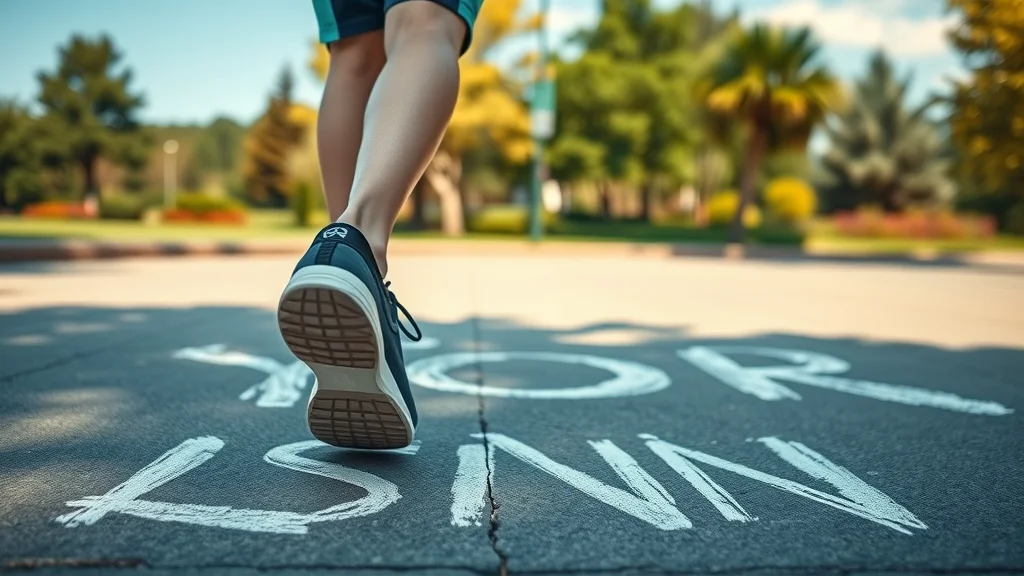
“You cannot change your destiny overnight, but you can change your habits, and your habits will change your destiny.”
Subconscious Habits in Practice: Real-World Examples and Success Stories
Case Study: How Daily Habits Become Subconscious in Professionals
Consider the example of a healthcare worker who, after years of conscious effort, now instinctively sanitizes hands after every patient interaction. Or a software developer who, through consistent cues and practice, automatically checks version control systems before every code change. These routines, once \“chosen habits\”, are now automatic routines running below the level of conscious awareness—saving cognitive effort for complex, non-repetitive tasks.
In another case, entrepreneurs and athletes structure their daily habits—like morning planning, visualization, or gratitude practices—until these form subconscious “scripts” that foster resilience, productivity, and creativity. The key to their success? They systemically identified important chosen habits, practiced them until they triggered automatically, and periodically checked for drift back into less-optimal behaviors. This willingness to engage both the conscious mind and the subconscious mind is what allows leaders in every field to cultivate high-level performance with less stress.
Frequently Asked Questions About Subconscious Habits
What are subconscious habits?
Subconscious habits are deeply ingrained automatic routines that operate below the level of conscious awareness, often formed through repetition and association over time.
What is the 3 3 3 rule for habits?
The 3 3 3 rule for habits involves focusing on three habits for three weeks and reflecting on the results for three minutes each day to reinforce positive subconscious habits.
What are the hardest habits to quit?
Habits tied to strong emotional triggers or physiological dependency, such as smoking, emotional eating, or procrastination, are among the hardest subconscious habits to break.
What is an example of a subconscious behavior?
Examples include locking your door and not remembering the action, or instinctively reaching for your phone in moments of boredom.
Key Takeaways: Mastering Subconscious Habits for a Better Life
- Most behaviors are driven by subconscious habits
- Daily habits shape our automatic routines
- Subconscious mind training is essential for lasting change
Conclusion: Start Transforming Your Subconscious Habits Today
By decoding and reshaping your subconscious habits, you can build automatic routines that naturally support your conscious goals and improve every area of life.
If you’re inspired to take your understanding of subconscious habits even further, consider exploring the broader landscape of mind training and self-improvement. Delving into topics like the science of hypnosis, the nuances of meditation, and other advanced mental techniques can provide you with a holistic toolkit for personal transformation. Each approach offers unique pathways to influence your subconscious and unlock deeper levels of self-mastery. By expanding your knowledge and experimenting with different strategies, you’ll be better equipped to create lasting, positive change in every aspect of your life.




Write A Comment