

Did you know that research suggests over 90% of our daily actions are driven by subconscious behavioral patterns we barely notice? Subconscious behaviors shape our routines, habits, and emotional reactions without us realizing it. Whether it’s automatically reaching for your phone, reacting emotionally in a tense situation, or falling into the same procrastination cycle, these behaviors run silently in the background, guiding our lives. In this comprehensive guide, we’ll explore what subconscious patterns are, how they develop, and—most importantly—how you can regain conscious control to foster positive change.
Startling Insights: The Prevalence of Subconscious Behavioral Patterns
Our minds are constantly operating below the surface, orchestrating an array of behaviors that bypass conscious thought. The subconscious mind is like a powerful engine room, processing vast amounts of information and influencing decisions before they even reach conscious awareness. More than just a psychological curiosity, subconscious behavioral patterns are at the core of habit formation, emotional responses, and daily routines. Studies indicate that the majority of our choices, from what we eat to how we react socially, are influenced by these ingrained subconscious patterns. This prevalence highlights the critical role of the subconscious and unconscious mind in daily life—reminding us that true personal growth often starts with understanding processes happening beyond conscious control. By exploring these patterns, you gain the power to disrupt negative cycles and install healthier, more intentional behaviors.

What You'll Learn About Subconscious Behavioral Patterns
- The difference between conscious mind, subconscious mind, and unconscious mind
- Key factors that generate subconscious behavioral patterns
- How unconscious patterns drive daily behaviors
- Techniques for recognizing and breaking habit formation cycles
Defining Subconscious Behavioral Patterns
" The conscious mind may be aware, but it is the subconscious mind that controls the majority of our actions. " – Behavioral Science Specialist
Subconscious behavioral patterns are deeply ingrained automatic behaviors, emotional reactions, or thought processes that happen without deliberate conscious effort. Unlike the conscious mind, which is responsible for intentional decisions and problem-solving, the subconscious takes over a large part of how our mind operates day-to-day. These embedded routines form through repeated experiences, emotional responses, and reinforced habits, sometimes stretching as far back as childhood. This means that while you may consciously intend to change an action, unless you tap into the underlying subconscious pattern, transformation can be challenging. The role of the subconscious is gigantic in enforcing routines like driving home without thinking, reacting to similar life triggers, or repeating past mistakes—even when you’re determined to do otherwise.
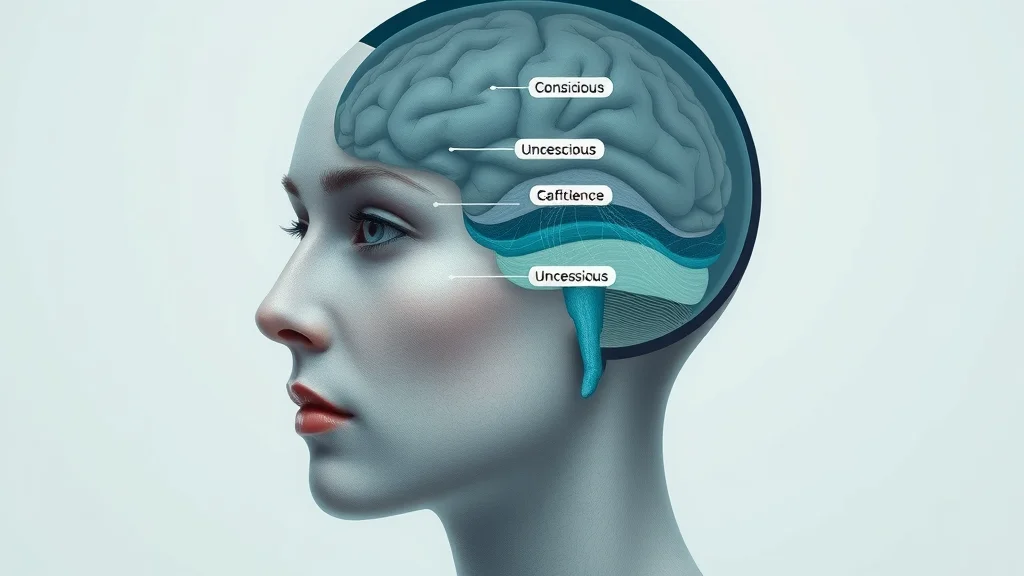
The Relationship Between the Subconscious Mind and the Unconscious Mind
| Aspect | Conscious Mind | Subconscious Mind | Unconscious Mind |
|---|---|---|---|
| Awareness | Full | Partial | None |
| Role in Behavior | Deliberate | Automatic | Instinctive |
| Pattern Influence | Minimal | High | Moderate |
The conscious mind, subconscious mind, and unconscious mind operate on different levels. The conscious mind is where active, deliberate choices happen—it enables conscious awareness and intentional actions. The subconscious mind bridges the gap, holding memories, emotional responses, and automated behaviors that influence us persistently. The unconscious mind digs deeper, housing long-term unconscious patterns and instincts—often shaped by significant past experiences and not easily accessed by conscious thought. Understanding these distinctions is crucial for realizing how subconscious behavioral patterns form and why certain repetitive behaviors persist despite conscious intentions to change.
How Subconscious Behavioral Patterns Develop
Early Life Experiences and Habit Formation
Many subconscious patterns begin forming during early childhood. Young minds absorb and adapt to their environment rapidly, shaping habit formation through repeated interactions, family dynamics, and cultural expectations. These early experiences create templates for how we respond to stress, pleasure, authority, and even love. For example, a child who receives comfort with food might develop a pattern of emotional eating as an adult. Since these past experiences are embedded before we even develop strong conscious awareness, they shape our responses throughout the human experience.

Once established, these patterns become increasingly automatic. What was once a learned coping mechanism during adolescence becomes an unconscious script in adulthood. The unconscious mind stores these reactions well beneath daily awareness, ensuring rapid deployment during similar situations. This is why internal conflicts and emotional responses can sometimes seem irrational—they originate from subconscious emotional memory rather than fresh conscious decisions.
Understanding how these patterns take root is essential, and exploring different approaches to accessing the subconscious—such as hypnosis or meditation—can offer practical tools for change. If you're curious about how these methods compare in influencing subconscious behavior, you may find this detailed comparison of hypnosis versus meditation for subconscious transformation especially insightful.
Role of Repetition and Neural Pathways
“Neurons that fire together, wire together. ” – Hebb’s Law on subconscious learning.
Repetition is the backbone of subconscious pattern development. Each time a behavior is repeated, neural pathways within the brain strengthen, making it easier to execute that behavior in the future. This process, known as neuroplasticity, is why habits and repetitive emotional responses become second nature over time. The role of the subconscious is to automate helpful routines—like brushing your teeth—but unfortunately, it doesn’t distinguish between positive and negative behaviors. If you respond to criticism with defensiveness or always procrastinate homework, those responses become the brain’s default trick. To change, one must consciously interrupt the cycle, create alternative decisions, and then reinforce these new pathways with purposeful repetition.
Unconscious Patterns: How They Show Up in Daily Life
Common Manifestations of Subconscious Behavioral Patterns
- Automatic reactions in social situations
- Repetitive unhealthy eating
- Impulse shopping
- Chronic procrastination
Subconscious behavioral patterns can explain why certain behaviors seem to repeat no matter how hard we try to change them. Think about the way you might bite your nails under stress, automatically check your phone in awkward moments, or eat for comfort after a tough day. These are automatic behaviors—the mind operates based on ingrained scripts set by years of repetition, emotional responses, and past experiences. Often, we’re unaware of what triggers them, as the role of the subconscious is to simplify and automate tasks to free up our conscious mind for more challenging decisions.
Case Study: Recognizing Unconscious Pattern Triggers
Let’s consider a typical morning routine. You wake up, check your smartphone, sip coffee, and mindlessly scroll as part of your daily kickstart. Without conscious effort, you may feel a pull to check social media or the news—an unconscious pattern reinforced by reward-driven dopamine spikes. Only by pausing to reflect do you recognize this habitual loop. This awareness reveals how internal conflicts or emotional triggers prompt automatic behaviors that often don’t align with current conscious intentions. Recognizing these triggers is the first step toward personal growth and positive behavioral change.

The Science Behind Habit Formation in the Subconscious Mind
| Stage | Description | Area of Mind Engaged |
|---|---|---|
| Trigger | Cue initiates behavior | Unconscious mind |
| Routine | Behavior occurs automatically | Subconscious mind |
| Reward | Positive reinforcement | Conscious mind (awareness of reward) |
All habit formation follows a neurological pattern—the habit loop—which consists of a trigger (cue), routine (behavior), and reward. The unconscious mind first responds to a cue, such as stress, by initiating a habitual routine, like grabbing a sugary snack. The subconscious mind drives the repeatable behavior, having learned this association through repeated past successes. Woven into your daily routine, these ingrained patterns act automatically, with the conscious mind only becoming aware once the behavior triggers a sense of satisfaction or reward. This three-part loop solidifies both helpful and destructive routines, making the process of change dependent on deliberately rewiring these subconscious behavioral patterns.

Diagnosing Your Own Subconscious Behavioral Patterns
Self-Reflection Techniques for the Conscious Mind
- Journaling daily routines
- Mindful observation
- Behavioral tracking apps
Identifying your own subconscious patterns involves shining a light on automatic behaviors and emotional reactions. Start by journaling your daily routines and emotional responses. This practice helps make the invisible visible, revealing triggers and the resulting habitual actions. Mindful observation also works—pay attention to moments when you act or react “without thinking. ” Are you reaching for comfort snacks, reacting defensively, or mindlessly scrolling when stressed? For those comfortable with technology, behavioral tracking apps can help identify patterns over time, offering valuable data on habits that might otherwise go unnoticed. This process builds conscious awareness, which is the first step toward breaking free from ingrained cycles.
Professional Assessment of Unconscious Patterns
Some unconscious patterns may be so entrenched or emotionally charged that they remain out of reach of simple self-reflection. Working with a mental health professional can reveal blind spots, resolve internal conflicts, and provide techniques tailored to your specific needs. Through therapy, guided self-exploration, and evidence-based interventions, professionals help uncover the roots of automatic behaviors, which often stem from childhood experiences, trauma, or long-held beliefs. Gaining insight through professional assessment can accelerate emotional healing and personal growth, giving you the tools to intentionally shift repetitive, problematic patterns.

Breaking Free: How to Change Subconscious Behavioral Patterns
Awareness Strategies for the Conscious Mind
- Meditation and mindfulness
- Cognitive-behavioral techniques
- Positive affirmation and reframing
Rewiring subconscious behavior begins with conscious awareness. Meditation and mindfulness help you become present, observe your thoughts nonjudgmentally, and spot patterns as they arise. Cognitive-behavioral techniques (CBT) teach you to identify and challenge unhelpful beliefs, replacing them with healthier responses. Positive affirmation and reframing allow you to introduce new storylines to old habits—encouraging the subconscious mind to adopt kinder, more productive scripts. This combined practice helps you consciously intervene before automatic behaviors take over, ultimately weakening the grip of old patterns through repetition of new, intention-driven actions.
Overcoming Unconscious Patterns Through Habit Formation
" Change begins with awareness; transformation begins with new patterns. " – Clinical Psychologist
Sustainable change relies on building new subconscious patterns rather than just suppressing old ones. Each time you disrupt a habit loop—whether by choosing a walk over comfort eating, or pausing before responding defensively—you create an opportunity for new neural pathways to form. Celebrate every small victory and reward yourself consciously, so the new routine becomes associated with positive feelings. This process, repeated over days or weeks, gradually shifts your mind’s automatic preferences from the unconscious level to conscious control. Over time, positive, healthy routines become just as automatic as the old behaviors you’re seeking to leave behind.
People Also Ask: What Are Some Subconscious Behaviors?
Subconscious behaviors include routines and responses like driving on “autopilot,” eating out of boredom or stress, reacting with anxiety to authority figures due to past experiences, or adopting someone else's mood without realizing it. These behaviors occur without conscious thought and are shaped by repeated emotional responses, ingrained beliefs, and environment. Many run in the background, unnoticed, until they’re intentionally examined.
People Also Ask: What Are Subconscious Patterns?
Subconscious patterns are cycles of thoughts, feelings, or actions that occur automatically, often as a result of repeated experiences or reinforced behaviors. These patterns may manifest as perfectionism, avoidance, or even certain relationship dynamics. Because they operate below the level of conscious awareness, breaking them requires identifying the underlying beliefs and emotional responses driving the behavior, and then consciously practicing alternatives until new patterns are established.
People Also Ask: What Is Subconscious Behaviour?
Subconscious behavior is any act, feeling, or response that happens below the level of active, conscious awareness. This includes habits, automatic reactions, and emotional responses learned through past events and repetition. Such behaviors serve to save mental energy and protect us from overwhelm, but may also perpetuate unwanted routines or internal conflict. Awareness is key to transforming these automatic responses.
People Also Ask: How to Break Subconscious Patterns?
To break subconscious patterns, start with mindful observation, noting where automatic behaviors appear. Use tools like journaling or behavioral apps to track triggers and actions. Next, interrupt the cycle with a small change—pause before reacting or substitute a new routine. Reinforce positive alternatives consistently, and seek professional guidance if needed to explore deeper unconscious patterns. Consistent effort and self-compassion are essential to lasting transformation.
Key Takeaways on Subconscious Behavioral Patterns
- Subconscious behavioral patterns drive most daily behaviors without conscious oversight.
- Understanding the distinction between conscious, subconscious, and unconscious mind aids self-awareness.
- Habit formation in the subconscious mind can be managed with deliberate practice and mindfulness.
Frequently Asked Questions About Subconscious Behavioral Patterns
-
Can subconscious behavioral patterns be inherited?
Some patterns may be influenced by genetics or inherited family dynamics, but most are developed through repeated environmental exposure and personal experiences. -
What is the fastest way to identify recurring subconscious patterns?
The quickest way is through structured self-reflection—keeping a daily journal, noting repeated emotional reactions, and observing triggers in real time. -
Are all repetitive behaviors negative?
No—many repetitive behaviors are beneficial, like brushing your teeth or exercising regularly. The key is to differentiate between helpful and harmful patterns, then focus on reinforcing the positive. -
How long does it take to change a subconscious behavior?
Research suggests it can take anywhere from 21 days to several months of consistent repetition to install a new habit, but the timeline varies based on the complexity and emotional intensity of the pattern.
Embrace Self-Awareness: Start Transforming Your Subconscious Behavioral Patterns Today
Change begins by recognizing the unseen scripts running your life. Start small—bring conscious awareness to one recurring routine, and with compassion and consistency, rewrite your story one pattern at a time.
If you’re inspired to deepen your understanding of how subconscious patterns shape your life, consider exploring the broader landscape of mind-body practices. Techniques like hypnosis and meditation each offer unique pathways to self-awareness and transformation, and learning the distinctions between them can empower your personal growth journey. For a comprehensive look at how these approaches differ and complement each other, discover the key insights in this guide to hypnosis versus meditation. Expanding your toolkit with these methods can help you unlock new levels of self-mastery and lasting behavioral change.



Write A Comment