

Did you know that nearly 40% of what you do every day isn’t a conscious decision, but a habit? It’s a revelation that flips everything we think about willpower and motivation on its head. While we hope motivation will drive a new workout regime or healthy eating routine, it’s actually our habits formed in the background that determine lasting success. Habit psychology explains why our best intentions often fade, but our routines continue almost on autopilot. If you’re tired of motivation fizzling out, this deep dive into how habits form—and stick—could be your breakthrough to genuine, lasting change.
The Startling Power of Habit Psychology: Motivation vs. Reflection
At the heart of every transformation lies the battle between short-term motivation and the enduring grip of habit psychology. Many of us jump into goals with bursts of motivation—be it a new diet, exercise regimen, or a commitment to read daily. But, as countless researchers like Wendy Wood and the University of Southern California’s habit lab have uncovered, motivation has an expiration date. In contrast, habits form quietly in the background, sculpting our daily life and guiding our behavior long after inspiration fades.
Habit psychology reveals that what keeps us consistent is not how inspired we feel, but the networks our brains automate over time. The discipline of forming good habits isn’t about naval-gazing for endless motivation, but establishing reliable context cues—triggers in our environment that spark automatic behavior. As Duke University research found, “Nearly 40% of daily actions are driven by habit, not conscious decisions. ” Reflection is important, but real transformation comes when we engineer routines so ingrained they carry us through slumps and distractions. The power of habit is that it turns positive routines into default settings for a better life.

Revealing the Gap Between Motivation and Lasting Habits
While motivation gets us started, lasting change hinges on processes much deeper than daily inspiration. Have you ever wondered why new year’s resolutions often fade by February? The answer lies in the distinction between fleeting motivational spikes and the deep-seated grooves carved by habit formation. When motivation dwindles—which it inevitably does—those without entrenched routines fall back into old patterns. But those who’ve planted the seeds of habitual behavior powered by context cues persist almost effortlessly.
The gap between motivation and habit reveals a profound truth: our brains crave efficiency. The basal ganglia—the ancient brain structure at the core of the habit loop—automates behaviors so we don’t waste energy overthinking our daily actions. That’s why turning positive changes into true routines is crucial. By intentionally using habit psychology, anyone can bridge the gulf between intention and real, lasting transformation in their daily life.
Interestingly, the way our minds respond to cues and routines shares similarities with other mental practices. For example, understanding the distinctions between hypnosis and meditation can further illuminate how different states of mind influence our ability to form or change habits. If you're curious about how these practices compare, explore the key differences between hypnosis and meditation to see how each can impact your approach to habit formation.
"Nearly 40% of daily actions are driven by habit, not conscious decisions." – Duke University research
What You'll Learn in This Guide to Habit Psychology
- How habit psychology explains the persistence of habits over motivation
- The mechanics of habit formation and the habit loop
- Effective strategies to form healthy habits that last
- Common myths versus facts in habit psychology
Understanding Habit Psychology: Why Habits Outlast Motivation
Defining Habit Psychology and Its Central Role
Habit psychology is the scientific study of how and why behavioral patterns repeat in predictable ways, regardless of how we feel in the moment. It goes far beyond mere repetition; habit psychology reveals that when habits form, they are encoded by neural pathways, especially in the basal ganglia, so they require less cognitive effort. This is why people often brush their teeth, tie their shoes, or reach for coffee automatically each morning.
William James, in The Principles of Psychology, first established that repeated actions become progressively easier, transitioning into what we now call habitual behavior. Modern social psychology and neuroscience have deepened this understanding, showing that habits anchor us when motivation, willpower, or emotional energy grow thin. In short, once actions become habits, they become our default behaviors, often outlasting even our strongest bursts of determination.
How Motivation and Habit Formation Interact
Motivation is crucial at the start of any change—but it’s not dependable for the long journey. Early on, motivation helps us make choices, but without proper structures, it quickly fizzles out thanks to stress, distractions, or competing priorities. The real magic is in how habit formation hijacks this initial motivation and channels it into routines through consistent cues and rewards. Over time, neural pathways strengthen through “context cue” repetition, so the behavior becomes automatic.
According to top research from Wendy Wood at the University of Southern California, persistent context cues—like setting a water bottle on your desk or a notification to meditate—do the heavy lifting when motivation wanes. This insight is central to why healthy habits endure and bad habits persist, even against our conscious wishes. Unlocking lasting change requires harnessing both motivation and the underlying scientific principles of habit psychology to ensure positive behaviors stick.

Habit Loop: The Engine of Lasting Change
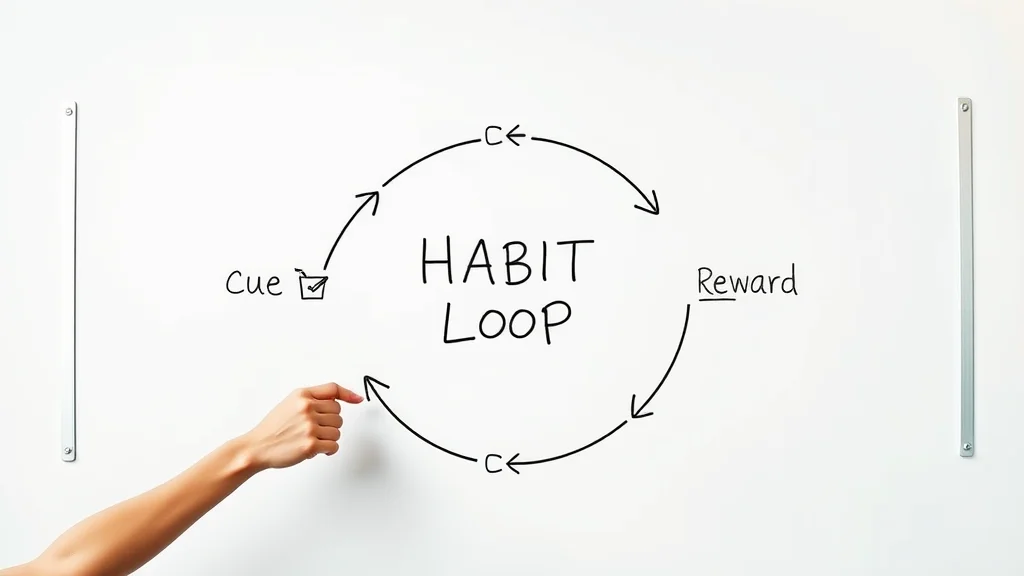
The habit loop is the backbone of habit psychology. Introduced and popularized by Charles Duhigg in The Power of Habit, the habit loop consists of three main components: cue, routine, and reward. The cue triggers your brain to initiate a specific behavior. The routine is the actual behavior, and the reward is the positive outcome that reinforces repetition. This closed loop means that once a behavior is initiated, it can easily become automatic, especially if the reward is something you subconsciously crave.
Habits include a vast array of behaviors, from productive morning rituals to damaging bad habits like smoking or excessive snacking. The secret to habit change lies in manipulating the loop—altering the routine or updating the reward—so you can align automatic behavior with your desired goals. Repeated cycles through this loop, supported by cues and consistent rewards, are how long-lasting healthy habits—and even positive habits you’re not yet aware of—are formed.
Habit Formation: How Habits Form and Stick
The Basic Components of the Habit Loop (Cue, Routine, Reward)
The building blocks of all habitual behavior come down to three interlinked steps: cue, routine, and reward. First, the cue acts as a signal or trigger—think of your alarm clock, a notification, or hunger pangs. Next is the actual routine or action you perform in response, such as exercising, checking your phone, or snacking. Finally, there is a reward: the pleasure or relief you gain, such as endorphins after a workout or satisfaction following a craving.
Understanding this loop is critical for anyone aiming to form habits—or break bad habits. Cues and rewards are like bookends for behavior patterns: they prompt action and reinforce repetition. Over time, the brain learns to crave the reward and anticipate the cue, strengthening the neural circuitry within the basal ganglia. This means less mental effort is required, and the routine becomes almost automatic. By structuring cues and rewards consciously, you can engineer better habits that sustain long past the point where motivation would otherwise collapse.
What Research Says About Habits Form and Their Sustainability
Decades of habit research confirm that consistency and repetition in stable environments—where cues and rewards hold steady—are the keys to sustainable habits. Studies from leading psychologists at universities like Duke and Southern California find it typically takes at least 21 days for new habits to form, but far longer for those habits to feel effortless. Individual results vary; some people take 66 days or more, especially when internal or external cues are inconsistent. The good news is that any habit—good or bad—can be reshaped through targeted changes in responses to cues and rewards.
Prominent author Charles Duhigg notes: “Change might not be fast and it isn’t always easy. But with time and effort, almost any habit can be reshaped. ” This insight, rooted in both theory and practice, is the backbone of the power of habit in daily life—and why healthy habits can endure when motivation disappears. With the right strategy, you can form habits that stick, transforming intention into automatic, positive routines.

"Change might not be fast and it isn't always easy. But with time and effort, almost any habit can be reshaped." – Charles Duhigg, The Power of Habit
The Power of Habit: Overcoming Motivation Slumps
Why the Power of Habit Surpasses Temporary Motivation
Motivational surges can spark new beginnings, but the power of habit anchors lasting change. When we are tired, stressed, or distracted, our brain defaults to automatic processes—routines hardwired through habit psychology. This is why, as soon as your morning routine is established, you’ll do it without even thinking, regardless of how inspired you feel. The reason? Habits reside in the basal ganglia, allowing you to form habits that work behind the scenes, keeping your life on track when conscious willpower is unavailable.
Habit psychology demonstrates that the reliability of routines trumps willpower in the long run. Automatic behavior patterns ensure we continue making healthy choices or sticking with exercise, even on days when motivation is nowhere to be found. This explains why some people develop bad habits—they become reliable defaults in moments of emotional vulnerability. The real trick is redirecting this powerful process toward positive, healthy routines through understanding and reshaping the habit loop.

Form Habits That Last Even When Motivation Disappears
To create habits that endure when motivation fails, structure your environment with intentional cues and rewards. For example, placing workout clothes by your bed or a journal on your desk cues you into action, just as the notification to meditate or a sticky note reminder triggers other healthy habits. The reward doesn’t need to be grand—a sense of accomplishment, a refreshing shower after a run, or even a checkmark on a habit tracker can reinforce the routine.
The science of habit psychology tells us that habits require consistency to become automatic. By committing to the process, rather than relying on fleeting feelings, you train your mind to default to positive actions—even on days when you feel uninspired. This is why routines formed by context cues are so resilient; they become embedded in your daily life and are reinforced by their own satisfaction. With patience and repetition, anyone can form habits that last—even when motivation is a distant memory.
Healthy Habit Psychology: Building Positive Routines
Examples of Healthy Habits Through Habit Psychology
Everyday routines, from morning meditation to drinking water before meals, are shaped and reinforced by the mechanics of habit psychology. Some of the most successful people rely not on unique motivation, but on thoughtfully constructed cues, routines, and rewards. For instance, setting a reminder to stretch at your desk, preparing vegetables ahead of time, or journaling each night—all depend on the habit loop for their staying power.
Why do these habits persist? They are often reinforced by intrinsic and extrinsic rewards—feeling more energetic after exercise, seeing steady progress in a checklist app, or enjoying social recognition for healthy choices. Even small acts like taking the stairs, meal prepping, or sharing daily gratitude can be transformed into automatic, healthy habits by applying habit formation principles.

Tips to Form Healthy Habits for Life
- Start small with new habits
- Consistency is key in habit psychology
- Track your habits for better results
Success comes from breaking down new habits into bite-sized, manageable actions—like writing just one sentence in a journal or taking a short walk each morning. Repeat the action daily, securing it with a familiar cue and a satisfying reward. Track your efforts in a notebook or app to see progress, which reinforces ongoing behavior. Remember: in habit psychology, consistency trumps occasional surges in motivation every time.
Debunking Myths: Common Misconceptions in Habit Psychology
Myth 1: Motivation Is Enough for Habit Formation

Many believe that if they stay motivated, they’ll effortlessly adopt good habits. But decades of research and everyday experience prove otherwise. Motivation may spark change, but it’s fleeting and inconsistent. Habit formation depends on repeated context cues and rewards, not how we feel. That’s why habit psychology stresses routines over motivation—by turning desired actions into automatic behaviors, long-term change becomes possible even when motivation inevitably fades.
Myth 2: Habits Form At the Same Rate for Everyone
Another common misconception says that everyone can form habits with the same effort and within the same timeframe. However, studies show individual differences in how rapidly habits form, depending on context cues, perceived rewards, and even personality. Some routines become second nature in three weeks, while others may take months. What matters most is sticking with the process and understanding your own cues and triggers—habit psychology is a tailored science, not a one-size-fits-all formula.
Myth 3: All Habits Are Difficult to Change
It’s easy to believe that once a pattern becomes ingrained, it’s permanent. Yet, habit psychology reveals otherwise. Every habit—good or bad—can be modified by changing one part of the habit loop: the cue or the reward. Armed with self-awareness and the right strategy, even the most stubborn bad habit can be replaced with a healthier alternative. Change isn’t always easy, but it’s entirely possible with consistent, strategic effort.
The 4 Stages of Habit: Exploring the Habit Loop
Cue: Recognizing the Trigger

The cue is the initial trigger that launches the habit loop. It could be a time of day, emotional state, location, or even a sight or sound (like your phone buzzing). Recognizing cues is the first step in designing or changing habits, according to habit psychology. By identifying your personal triggers—like craving a snack when stressed—you can start to intervene and rewire your routines for better outcomes.
Craving: Experiencing the Urge
After the cue comes the craving—a powerful psychological urge for the reward. Cravings drive us to perform a routine, whether it’s grabbing a coffee, scrolling social media, or going for a run. The intensity of craving distinguishes habits from mere routines. Strong craving strengthens the habit loop, prompting deep-rooted behaviors that aren’t easily disrupted. Habit psychology suggests that adjusting what you crave—choosing healthier alternatives—can make habit change more sustainable.
Response: Performing the Behavior
The response is the actual behavior that bridges the gap between craving and reward. Performing the response is made easier by repetition; the more frequently you respond to a specific cue with the same action, the more deeply embedded it becomes in the basal ganglia as automatic behavior. This is where the “magic” of habit formation happens—consistent responses to cues ultimately create a new behavioral normal, whether that’s taking a nightly walk or simply reaching for water instead of soda.
Reward: Reinforcing Habit Formation
The reward is the closing event that “seals the deal,” ensuring the habit loop continues. Whether it’s a surge of endorphins, a sense of satisfaction, or direct praise, rewards create positive feedback loops in the brain. Over time, the brain starts to crave both the routine and the reward, further entrenching the new behavior pattern. By being deliberate about rewards, you can form habits that genuinely improve your daily life and overall happiness.
| Stage | Description |
|---|---|
| Cue | The signal that triggers the habit action |
| Craving | The urge that fuels the habit |
| Response | The behavior performed in response to the cue |
| Reward | The benefit gained, reinforcing future repetition |
Case Study: Healthy Habits and Habit Formation in Everyday Life
How People Successfully Embed Healthy Habits

Let’s look at how real people use habit psychology to embed new behaviors into their lives. Consider a professional who replaces a sugary breakfast with oatmeal and fruit. The cue is waking up, the craving is hunger, the response is preparing a healthy meal, and the reward is energy for the day. By consistently repeating this loop, the new breakfast habit quickly becomes a staple of daily life, even on rushed mornings.
Case studies show that tracking progress—through checklists, fitness trackers, or accountability partners—magnifies success. When setbacks occur (as they inevitably do), effective habit builders analyze the habit loop for weak links: Was the cue unclear? Was the reward insufficient? By tweaking these variables, they reset the loop for stronger, more resilient healthy habits. Habit psychology in every aspect of daily life, from exercise to stress management, follows these same principles for lasting change.
Lessons Learned from Habit Psychology Research
Habit psychology research tells us that success is rarely about grand gestures. Instead, it’s about small, sustained routines compounded over weeks and months. Successful people don’t have more willpower—they have better default settings. They make use of triggers, carefully select cues and rewards, and reflect on progress regularly. As the science shows, mastery over behavior patterns is less about bouts of motivation and more about building a robust, adaptable habit loop for all circumstances.
Strategies to Form Habits and Make Them Stick
Goal Setting and Habit Formation: Where to Start

The first step to forming new habits is setting clear, achievable goals. According to the latest findings in behavioral change science, breaking large objectives into tiny, actionable steps is more effective than aiming for sweeping transformations. For instance, instead of deciding to “get fit,” aim to walk 5,000 steps each day, at the same time, for a week. This sets you up for early wins, which reinforce the habit loop and make further progress seem manageable.
Write down your specific goals, identify the cues that will prompt your new behaviors, and choose rewards that truly motivate you. Use visual trackers—like habit-tracking apps or a simple calendar—to monitor consistency. These tools not only give you feedback, but also build accountability, further embedding new positive habits into your daily routine.
The Role of Accountability and Environment in Habit Psychology
A supportive environment significantly influences whether habits stick. This includes physical setup—removing junk food from the house, placing running shoes by the door—plus social support, like workout partners or group challenges. Accountability increases your chances of success by making it harder to skip routines without notice. Research from social psychology confirms that sharing goals and reporting progress transforms private intentions into public commitments, a powerful motivator in itself.
Accountability can come from friends, family, online forums, or self-monitoring strategies. By shaping your surroundings and support structures, you amplify the principles of psychology that enable long-lasting habit formation and help eliminate negative behavior patterns more efficiently.
Harnessing the Habit Loop for Positive Change
- Visual cues and reminders
- Habit stacking techniques
- Reward systems for sustained motivation
Visual cues—like post-its or phone reminders—bring your goals to the forefront of your mind. Habit stacking, or tying a new habit to an existing one (for example, meditating right after brushing your teeth), makes routines easier to remember and harder to break. Finally, structured reward systems—like treating yourself after a week of consistency—close the habit loop and help good habits stick, even as motivation fluctuates. Use these tactics for reliable habit formation and sustained behavioral change.
Habit Psychology in Practice: Breaking Bad Habits
Why Motivation Often Isn't Enough to Break Habits
While motivation can catalyze the desire to break a bad habit, it usually isn’t enough to sustain change. That’s because bad habits rely on ingrained cues and rewarding outcomes, even when we know the results aren’t good for us. Habit psychology shows that unless we disrupt the routine or replace the reward, “just trying harder” rarely yields lasting results. Relying on willpower alone sets us up for relapse.
Real Solutions Rooted in Habit Psychology
The secret to breaking bad habits lies in applying the same tools used to form habits: analyze your habit loop. Identify your cues and the rewards you’re seeking—then, substitute a healthier routine that satisfies the same craving. For example, if stress (cue) triggers snacking (routine) for comfort (reward), consciously replace the snack with a short walk or a glass of water. Over time, this rewiring becomes easier and more automatic, aligning bad habit change with the framework of habit psychology.
Using the Habit Loop to Replace Negative Patterns
Consistency and patience are essential for uprooting long-standing negative patterns. Focus on one change at a time—overhauling your entire routine seldom works. Instead, alter your response to context cues and experiment with rewards that genuinely satisfy. Document each attempt and celebrate small successes. Over time, the former bad habits weaken as new, positive routines grow stronger, supported by the full science of the habit loop. With mindful application, habit psychology empowers anyone to reclaim control over their behavior.
Extending the Power of Habit: Building Healthy Habits for Life
Sustaining Healthy Habits Long-Term
The most important element in habit formation is persistence. Life’s disruptions—travel, illness, stress—can break even strong routines. The key is resuming your habits as soon as possible, without getting discouraged. Habit psychology is clear: missing a day won’t erase your progress, but dropping the routine for extended periods does. Resilience, not perfection, defines long-term success.
Tracking Progress with Habit Psychology Tools
Tracking reinforces habit loops by making your achievements visible. Tools like journals, smartphone habit trackers, or even a simple wall calendar can provide the cues and motivation necessary to sustain positive routines. These not only chart progress but also help diagnose obstacles, so you can adapt quickly to setbacks and keep improving your daily life and healthy habits over time.
"Excellence, then, is not an act, but a habit." – Will Durant (on Aristotle)
People Also Ask: Answers About Habit Psychology
What is the 3-3-3 rule for habits?
The 3-3-3 rule suggests practicing a habit for 3 minutes, repeating this 3 times a day, for 3 weeks, paving the way for lasting habit formation through repetition and consistency supported by habit psychology.
What is the 7 habits theory?
The 7 habits theory, originating from Stephen Covey’s book, outlines seven effective habits that support personal and professional success, grounded in strong principles and habit psychology.
What is the 7-21-90 rule?
The 7-21-90 rule states it takes 7 days to build awareness, 21 days to create a habit, and 90 days for the habit to become a permanent lifestyle change, aligning with key insights from habit psychology.
What are the 4 stages of habit?
The four stages of a habit are cue, craving, response, and reward, together forming the habit loop central to all habit psychology frameworks.
Frequently Asked Questions on Habit Psychology
- How do I use habit psychology to change my routine?
- Is motivation or habit psychology more important for self-improvement?
- Can habit psychology help break bad habits?
- What are some proven strategies from habit psychology for healthy habits?
Key Takeaways from Habit Psychology: Motivation Fades, Habits Endure
- Habit psychology reveals why habits persist when motivation weakens
- The habit loop explains the science behind habit formation
- Long-term change relies more on habits than fleeting inspiration
Summary and Next Steps: Applying Habit Psychology to Your Life
Implementing What You've Learned on Habit Psychology
- Review your current routines
- Identify cues and rewards
- Start building positive, healthy habits today
Ready to Transform? Put Habit Psychology to the Test and Share Your Journey
If you’re ready to harness the science of habit psychology and transform your routines, start with one small change this week. Track your progress, refine your cues and rewards, and celebrate every win—no matter how minor. Remember, forming habits that last is a journey, not a sprint. Share your successes and lessons with others, and together, let’s build a future where healthy habits—supported by habit psychology—lead the way to lasting change.
As you continue your journey toward lasting change, remember that understanding the psychology behind your routines is just the beginning. Exploring how different mental states—such as those achieved through meditation or hypnosis—can influence your habits opens up new possibilities for self-improvement. For a deeper dive into how these practices compare and how they might support your habit-building efforts, consider reading about the unique benefits and distinctions between hypnosis and meditation. Expanding your knowledge in this area can empower you to choose the most effective strategies for your personal growth, helping you build habits that truly last.




Write A Comment