

Did you know? Nearly one in four patients in major hospitals tries scientific hypnosis as part of their therapy for pain, anxiety, or trauma—according to recent surveys reported in the American Journal of Clinical Hypnosis. Far from stage tricks, today’s scientifically supported hypnosis techniques are transforming health care, guided by robust clinical research and modern brain imaging. This article dives into the real science behind hypnosis, separating fact from fiction and revealing how it works in clinics worldwide.
Exploring Scientific Hypnosis: Facts, Evidence, and Modern Relevance
For decades, the concept of hypnosis was shrouded in skepticism—seen as little more than a pseudoscientific parlor trick. Yet, the last twenty years have witnessed a profound shift. Clinical and experimental hypnosis is now recognized by leading health care institutions for its measurable effects on brain activity and patient outcomes. From relieving chronic pain to managing anxiety for cancer patients, scientific hypnosis is a validated adjunct in modern therapy.
This contemporary approach harnesses focused attention, mental imagery, and altered states of consciousness, monitored with advanced techniques like fMRI scans. In medical environments, therapists use scientific hypnosis to modulate the patient’s brain regions, directly impacting pain perception and emotional regulation. Popular myths are being dismantled as the evidence base grows, supported by prestigious journals such as the Journal of Clinical Hypnosis and work at Stanford University’s David Spiegel Laboratory. In this guide, we’ll unveil the surprising clinical applications, the science behind hypnotic states, and the distinct ways scientific hypnosis differs from common perceptions.
To better appreciate how today’s scientific hypnosis evolved into a respected clinical tool, it’s helpful to explore its fascinating journey from ancient rituals to modern therapy. For a deeper look at the origins and historical milestones that shaped current practices, visit the comprehensive history of hypnosis.

Startling Insights: How Prevalent Is Scientific Hypnosis in Clinical Settings?
Surveys from the Society of Clinical and Experimental Hypnosis reveal that up to 30% of hospitals now offer scientific hypnosis as a therapeutic option. This integration into health care reflects not only public demand but also the growing trust among clinicians for evidence-based hypnotic intervention. Many major cancer centers now use hypnosis for patient comfort, reducing procedural anxiety, controlling nerve pain, and even easing side effects for breast cancer patients. Notably, referrals to certified hypnosis practitioners have doubled in the past decade, suggesting a paradigm shift in treating complex medical and mental health conditions.
Importantly, the modern hypnosis session is vastly different from dramatic portrayals in television and film. Instead, clinicians carefully assess patients’ hypnotizability before guiding them through sessions that prioritize safety, ethical standards, and measurable outcomes. Hospitals report high patient satisfaction, minimal side effects, and evidence of long-term benefits, especially in chronic pain and trauma recovery. The trend points to scientific hypnosis becoming a cornerstone of integrative medicine over the coming years.
- Understand the core principles and evidence supporting scientific hypnosis.
- Learn about the different types and applications of hypnosis in modern clinical practice.
- Discover how brain imaging validates the effects of hypnosis on specific brain regions.
- Debunk common myths and misconceptions based on current scientific research.
- Gain practical insights for preparing for a hypnosis session and what to expect.
What Is Scientific Hypnosis? Definition and Key Concepts
Scientific hypnosis refers to the research-driven, clinically validated use of hypnotic techniques in health care and mental wellness. Unlike entertainment hypnosis, it relies on systematic hypnotic induction, focused attention, and mental imagery—key features that produce observable changes in brain activity. The state of hypnosis is now understood as a distinct altered state of consciousness, where suggestibility and focused attention are significantly heightened.
This altered state allows for direct communication with the subconscious, helping patients confront trauma, manage pain, or modify unwanted behaviors. Clinical hypnosis is underpinned by controlled trials and detailed neuroimaging studies that illustrate changes in prefrontal cortex and anterior cingulate activity. The American Journal of Clinical Hypnosis and the Journal of Clinical and Experimental Hypnosis regularly publish research confirming its efficacy for both mental and physical health applications. Importantly, sessions are tailored to the client’s needs—never a one-size-fits-all approach—making it a versatile tool in clinical psychology and medicine.
Clinical Hypnosis vs. Scientific Hypnosis: Key Differences

While people often use the terms interchangeably, clinical hypnosis stresses therapeutic intent and patient well-being, whereas scientific hypnosis emphasizes the methodology and evidence base behind hypnotic interventions. Clinical hypnosis is commonly performed in health care settings, targeting specific concerns like pain, anxiety, or habit control. Here, the “clinical” aspect highlights adherence to strict standards, ethical guidelines, and patient-focused outcomes.
Scientific hypnosis, meanwhile, often occurs in research or experimental environments. Its hallmark is documentation—using brain imaging or psychological metrics to measure effects. Both share foundational principles: altered states, focused attention, and induced suggestibility. However, the difference is in transparency and validation. Scientific hypnosis sessions are meticulously designed and observed, often involving cross-disciplinary oversight to ensure patient safety and scientific rigor. This approach sets it apart from general, anecdotal hypnosis practices you might see outside institutional health care.
Types of Hypnosis and Their Scientific Foundations
Scientific hypnosis encompasses a rich spectrum of hypnotic approaches, each with specific theoretical and practical bases. Historically, four main types have dominated both scientific study and clinical application:
- Traditional Hypnosis: Relies on direct suggestion and a formal, often ritualized, hypnotic induction. Its roots trace back centuries, but empirical studies now clarify which methods are truly effective for specific issues like pain management and habit control.
- Ericksonian Hypnosis: Named after Milton Erickson, this form uses indirect suggestion and metaphor, capitalizing on the individual’s existing thought patterns. Modern research shows that such approaches are ideal for clients resistant to direct suggestion, providing flexibility in clinical practice.
- Cognitive-Behavioral Hypnosis: Integrates principles of cognitive-behavioral therapy with hypnotic induction, enhancing change in thought and behavior. Current studies highlight its power in treating anxiety, depression, and trauma by strengthening new patterns through highly focused mental imagery.
- Self-Hypnosis: Empowers individuals to control physiological and psychological states without clinician guidance. Research finds self-hypnosis effective for stress reduction, pain relief, and boosting overall mental health among motivated, highly hypnotizable individuals.
| Traditional Hypnosis | Scientific Hypnosis |
|---|---|
| Relies on ritualistic procedures and direct suggestion; often used in non-clinical settings | Uses validated protocols, monitored through clinical metrics and brain imaging |
| Little to no objective measurement; outcomes often anecdotal | Outcomes tracked via standardized scales and neural markers (e.g., fMRI, EEG) |
| Practitioners may lack formal training | Requires certified clinicians and ethical oversight |
| May reinforce myths and misconceptions | Focuses on demystifying hypnosis and addressing clinical needs |
The Science of Hypnosis: How Scientific Hypnosis Affects Brain Activity
Breakthroughs in cognitive neuroscience have transformed our understanding of what happens in the brain during scientific hypnosis. Unlike a simple waking state, the hypnotic state profoundly alters communication among critical brain regions. Functional MRI and EEG studies show measurable differences in how the prefrontal cortex, anterior cingulate, and insula synchronize during hypnosis sessions. These changes underpin the hypnotic response and distinguish it from normal states of consciousness.
Researchers like David Spiegel at Stanford University have demonstrated through experimental hypnosis how the impact of suggestion directly correlates to shifts in brain activity. For example, highly hypnotizable individuals show greater functional connectivity between the executive and sensory processing areas, which clinical and experimental hypnosis studies believe is responsible for reduced pain and emotional distress. Such evidence is shifting the old paradigm—instead of faked or acted-out experiences, modern imaging shows physical, verifiable changes that match the reported effects of hypnosis.
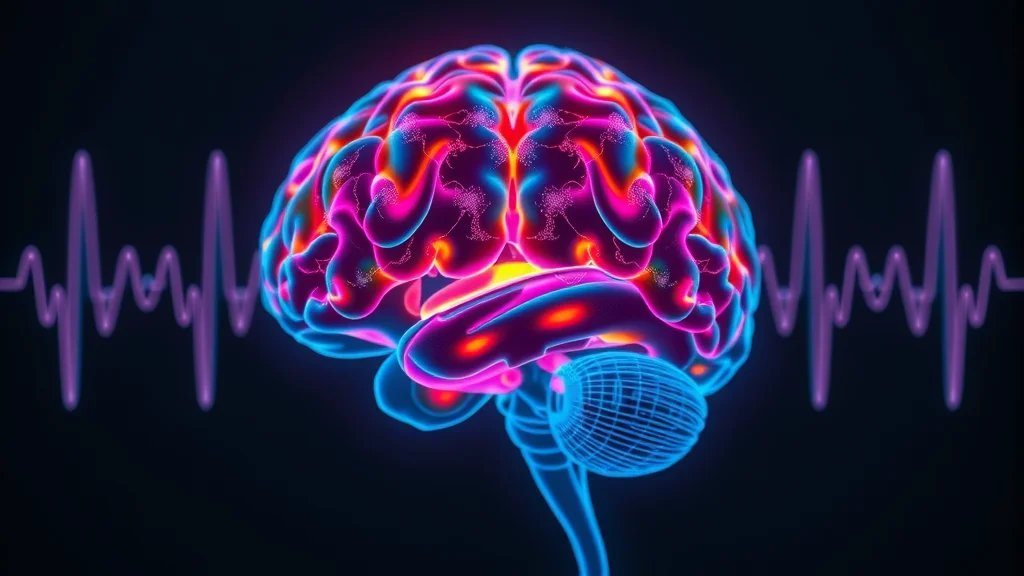
Brain Regions Involved During Scientific Hypnosis
Numerous brain regions are implicated in the hypnotic state, with neuroimaging studies highlighting the prefrontal cortex, anterior cingulate cortex, insula, and default mode network as key players. During a hypnosis session, the anterior cingulate’s role in focused attention becomes more prominent—allowing patients to block out distractions and respond only to therapeutic suggestions. Meanwhile, reduced activity in the default mode network is linked to the sense of deep immersion and diminished self-judgment, enhancing the effectiveness of mental imagery and positive suggestion.
Critically, the evidence base shows that these neural patterns vary depending on an individual’s hypnotizability, a trait evaluated through standardized tests in experimental hypnosis trials. Highly hypnotizable subjects show more pronounced shifts in functional connectivity and brain activity, especially in areas governing pain modulation and emotion regulation. These findings validate the clinical outcomes seen with scientific hypnosis and confirm that hypnosis is far more than a placebo effect—it’s a measurable brain phenomenon.
Modern Brain Imaging Evidence: fMRI and EEG Studies
Functional magnetic resonance imaging (fMRI) and electroencephalography (EEG) are the gold standards for studying neural changes during the state of hypnosis. Studies published in the Journal of Clinical and Experimental Hypnosis show clear changes in blood flow and electrical activity among key brain regions. For instance, EEG records shifts in alpha and theta waves during hypnotic induction—these brain activity patterns signal the movement from a normal waking state to an altered state where therapeutic interventions can take root.
fMRI research, often led by teams at Stanford University, visually demonstrates how hypnotic suggestion dampens pain centers in the brain or enhances mental imagery in regions like the occipital cortex. Notably, during a hypnosis session, patients experience brain activity changes that correspond to reported changes in perception, sensation, or mood. This tight interplay between subjective experience and objective measures is why scientific hypnosis has gained credibility in both academic and clinical settings.
Quotes from Leading Neuroscientists on Brain Activity and Hypnosis
“Scientific hypnosis is an invaluable adjunct in modern psychological and medical therapies.”
Dr. David Spiegel, a prominent figure at Stanford University and regular contributor to the American Journal of Clinical Hypnosis, routinely highlights the “remarkable alignment between patient-reported hypnotic states and brain imaging evidence. ” He notes that functional imaging reveals “real physiological underpinnings for the changes seen in pain, mood, and habit control. ” Other experts in the field echo this sense of optimism—firmly placing scientific hypnosis in the top tier of non-pharmaceutical, evidence-based therapies for mental health and chronic medical conditions.
Understanding a Hypnosis Session: A Step-by-Step Overview
For many, the idea of participating in a hypnosis session can be daunting—emotional images of swinging watches and mind control linger from popular culture. In reality, a clinical or scientific hypnosis session is calm, structured, and profoundly patient-centered. The process is grounded in safety, scientific protocol, and respect for patient autonomy. Let’s break down what you can expect from a modern hypnosis session from preparation to follow-up.
Sessions usually begin with a brief consultation, allowing the therapist to evaluate your needs, hypnotizability, and any existing mental health concerns. Then, you’ll be led through a hypnotic induction, often involving relaxation, focused attention, and guided mental imagery. The core therapeutic work follows—using tailored suggestions or cognitive interventions to target pain, anxiety, trauma, or habits. Finally, the session concludes with a gentle “re-orientation” back to normal waking state, ensuring you feel alert and well-grounded.

Common Elements in a Scientific Hypnosis Session
At the core of every clinical hypnosis session are several standard stages. First is the pre-session assessment, where therapists review the patient’s medical history, mental health status, and goals. Hypnotic induction then transitions the patient from normal waking state to the focused, suggestible hypnotic state—using calm verbal cues and relaxation techniques. This is followed by therapeutic suggestion, where the core issues are addressed, and the patient receives custom-tailored instructions for symptom relief, anxiety reduction, or habit change.
Importantly, the session always concludes with a safe return to normal consciousness, ensuring the patient is stable and aware. Throughout, the clinician may record patient feedback and—if in research settings—monitor brain activity using EEG or other devices. Patient comfort, voluntary participation, and ethical parameters are paramount, reflecting the scientific basis of the modern hypnosis session.
- Arrive well-rested and hydrated for your hypnosis session.
- Wear comfortable, non-restrictive clothing and avoid heavy meals just before the appointment.
- Clarify your goals and any health concerns with your therapist beforehand.
- Allow enough time; a typical session lasts 45-60 minutes.
- Be open to the process—no special mental preparation is needed, but receptivity enhances results.
Scientific Hypnosis in Medical Practice: Applications and Effectiveness
The validated uses of scientific hypnosis now span much of modern health care. Hospitals and clinics regularly use hypnosis for pain management, emotional regulation, and even as adjunct support for cancer patients. The Journal of Clinical Hypnosis and related publications report consistent, significant clinical benefits in populations ranging from those with nerve pain to trauma survivors.
Unlike medication—which often carries the risk of side effects—hypnosis provides a non-invasive approach. When supervised by trained clinicians, there is little to no risk and the methods can be tailored to all ages and backgrounds. Today, scientific hypnosis is particularly effective as a bridge between physical and mental health, blending neurological changes with psychological relief. This approach is increasingly integrated into oncology, pain clinics, and counseling centers around the world.
Scientific Hypnosis for Pain Management: Nerve Pain and Beyond

Numerous studies, including those in the American Journal of Clinical Hypnosis, show that scientific hypnosis helps manage pain both acute and chronic—including nerve pain, post-surgical discomfort, and pain in cancer patients. Hypnosis leverages altered brain activity in pain processing regions, diminishing pain perception without the side effects typical of opioid medications. Brain imaging confirms reduced activation in areas like the somatosensory cortex, while patients report lower pain ratings during and after hypnotic intervention.
For example, hypnosis is used in breast cancer clinics to ease discomfort related to surgery and treatment—often proving as effective as pharmaceutical analgesics for some patients. Additionally, hypnosis can modulate the emotional component of pain, reducing distress and improving overall quality of life. This dual-action—targeting both sensation and emotion—sets scientific hypnosis apart as a uniquely holistic tool in modern pain management.
Using Scientific Hypnosis for Anxiety, Depression, and Trauma
Scientific hypnosis has earned a strong reputation in mental health care, especially for patients facing anxiety, depression, or trauma. Hypnosis sessions target the subconscious associations fueling distress, using guided mental imagery and positive suggestion to reframe negative patterns. The Journal of Clinical Hypnosis notes that patients show measurable improvement in anxiety and trauma metrics, often with lasting effects after a short series of sessions.
For trauma survivors and those with chronic anxiety, hypnosis works by lowering arousal in brain regions like the amygdala and increasing activity in the prefrontal cortex, which governs rational thought and emotion regulation. The technique is especially valuable for clients resistant to standard talk therapy—offering them a direct, experiential way to gain control over symptoms. Additionally, hypnosis compounds the benefits of other therapeutic modalities, improving long-term outcomes for diverse mental health challenges.
Clinical Hypnosis in Habit Control and Addiction
Battling addiction and unhealthy habits often requires multifaceted intervention. Scientific hypnosis has been used to support smoking cessation, weight loss, and reduction of compulsive behaviors. Studies in the Journal of Clinical and Experimental Hypnosis suggest that hypnosis helps rewire habitual pathways by instilling new mental imagery and automatic responses. For instance, the process of hypnotic induction and suggestion interrupts the cycle of craving and reaction—providing patients with fresh options in the very brain regions responsible for impulse control.
The versatility of clinical hypnosis in this domain stems from its ability to address deep-seated behavioral roots, which often remain inaccessible to conscious intervention. Addiction programs are beginning to add hypnosis as a companion to standard cognitive-behavioral therapy, with results showing improved adherence, reduced relapse rates, and stronger patient engagement—all with minimal risk of negative side effects.
Expert Insight: "Scientific hypnosis is an invaluable adjunct in modern psychological and medical therapies."
| Study | Clinical Outcome | Patient Population | Citation |
|---|---|---|---|
| Stanford University (David Spiegel) | Reduced pain ratings by 40% in highly hypnotizable patients | Surgical, chronic pain | Journal of Clinical Hypnosis, 2016 |
| American Journal of Clinical Hypnosis Review | Consistently improved anxiety and depression with 6–8 sessions | General mental health | Am J Clin Hypn, 2018 |
| Society of Clinical and Experimental Hypnosis Trials | Increased quit rates for smoking over standard counseling | Addiction | Journal of Clinical and Experimental Hypnosis, 2017 |
| Cancer Patient Symptom Relief | Lower procedural pain and distress in breast cancer patients | Cancer centers | American Journal of Clinical Hypnosis, 2019 |
Debunking Myths: Scientific Hypnosis Versus Popular Misconceptions
Despite its growing foothold in health care, scientific hypnosis is often misunderstood—confused with mind control or mystical powers portrayed in movies. But evidence shatters these notions. True scientific hypnosis is nothing like stage performances; it never overrides your will or consciousness. Clinical guidelines, ongoing research, and real patient results all unveil the legitimacy of hypnosis in a modern, medical context.
Debunking these myths is essential—not only for public understanding but for advancing patient trust and broader adoption. Hypnosis does not impair memory, force you to reveal secrets, or render you powerless. On the contrary, it is a process of focused self-mastery, always conducted with explicit patient consent under the rigorous oversight of health care professionals.

Legitimacy of Scientific Hypnosis: What the Evidence Actually Says
Leading scientific organizations now officially recognize the legitimacy of hypnosis. Endorsements by the American Psychiatric Association and decades of clinical trials provide overwhelming evidence that hypnosis is an effective, safe, and ethical health care tool. Rigorous clinical studies—documented in the American Journal of Clinical Hypnosis—show reproducible results in pain reduction, anxiety relief, and behavior change.
Research consistently demonstrates that the effects of hypnosis are not due to suggestion alone; they are tied to verifiable neural changes and improved health outcomes. Scientific consensus asserts that when administered by qualified clinicians, scientific hypnosis holds as much validity as established therapies like cognitive-behavioral therapy or pharmacological intervention—only without the side effects of drugs. The conversation now centers on expanding access and education, rather than questioning legitimacy.
Common Fallacies about Hypnosis in Pop Culture
Pop culture depictions of hypnosis—people barking like dogs, losing memory, or being controlled—have little to do with clinical and experimental hypnosis. These myths stem from theatrical traditions that sensationalize hypnosis for entertainment, not patient care. In reality, patients remain in control, fully aware, and cannot be forced to act against their values during or after a hypnosis session.
Contrary to common belief, not everyone is equally hypnotizable, nor does scientific hypnosis erase personal boundaries. The narrative of hypnosis as “mind control” is not only inaccurate but hinders many who could benefit from its proven effects. Group and peer-reviewed evidence clarify that hypnosis is a safe, collaborative process—rooted in mutual trust and scientific rigor.
- Myth: Hypnosis can make you lose control. Fact: Patients remain in charge and aware throughout the session.
- Myth: Only weak-willed people can be hypnotized. Fact: Hypnotizability is a measurable cognitive trait—not linked to intelligence or character.
- Myth: Hypnosis erases memories. Fact: Memory loss is a stage trick—scientific hypnosis is focused and collaborative.
- Myth: There are dangerous side effects. Fact: In clinical hands, hypnosis is safer than most therapies and free from adverse effects seen with medication.
Frequently Asked Questions About Scientific Hypnosis
Has hypnosis been scientifically proven?
Exploring the Empirical Support for Scientific Hypnosis
Yes, hypnosis has been extensively studied and scientifically validated for a variety of conditions in well-controlled clinical trials. Peer-reviewed research, including that in the Journal of Clinical and Experimental Hypnosis and the American Journal of Clinical Hypnosis, consistently finds that scientific hypnosis produces significant improvements in pain perception, anxiety, depression, and habit control compared to placebos or standard care alone. Modern brain imaging confirms that hypnotic states have unique neural signatures distinct from waking states, further supporting its legitimacy in medical practice.
Can hypnosis help with nerve pain?
Pain Mechanisms and the Efficacy of Scientific Hypnosis
Scientific hypnosis has proved highly effective for managing nerve pain, with multiple studies showing reductions in pain intensity and distress. Hypnosis sessions modulate activity in the somatosensory cortex, anterior cingulate, and other brain regions responsible for pain processing. This allows patients to experience relief without relying solely on medications, reducing the risk of drug-related side effects and enhancing their overall quality of life—especially for cancer patients and those with chronic nerve conditions.
What are the four types of hypnosis?
Scientific Classifications and Descriptions
The four primary types recognized within scientific and clinical hypnosis literature are: Traditional Hypnosis (direct suggestion); Ericksonian Hypnosis (indirect, metaphor-based suggestion); Cognitive-Behavioral Hypnosis (integrating CBT techniques); and Self-Hypnosis (individual practice without therapist guidance). Each approach is rigorously tested for distinct clinical applications and is underpinned by empirical research highlighting their unique strengths.
Is there any legitimacy to hypnosis?
The Scientific Consensus on Legitimacy of Hypnosis
There’s overwhelming scientific consensus confirming the legitimacy of hypnosis as a clinical tool. Not only do academic journals and leading universities endorse its use, but international health care bodies integrate scientific hypnosis into best-practice guidelines. The efficacy and safety of hypnosis, particularly when guided by trained professionals, is comparable to the most trusted psychological and medical interventions available today.
People Also Ask: Further Inquiries into Scientific Hypnosis
Has hypnosis been scientifically proven?
Answer: Overview of Scientific Studies Validating Hypnosis
Dozens of randomized controlled trials—reported in Journal of Clinical Hypnosis and the American Journal of Clinical Hypnosis—report statistically significant benefits for hypnosis, beyond placebo. These effects span pain management, stress reduction, and habit change and are confirmed by parallel shifts in brain imaging studies. Hypnosis is now among the most scientifically scrutinized complementary therapies.
Can hypnosis help with nerve pain?
Answer: Mechanisms and Clinical Results of Hypnosis for Pain Relief
Yes, scientific hypnosis reduces nerve pain by altering brain activity in areas related to pain perception and emotional processing. Research highlights notable decreases in pain scores for both acute and chronic nerve pain conditions, with added benefits for emotional well-being—making it a dual-action therapy free from medication side effects.
What are the four types of hypnosis?
Answer: Breakdown of Major Hypnosis Methodologies in Science
The four methodologies are: Traditional Hypnosis (direct guidance); Ericksonian Hypnosis (metaphoric/indirect guidance); Cognitive-Behavioral Hypnosis (CBT-integrated); and Self-Hypnosis (self-administered). Each type is tested for reliability, applicability, and safety in clinical settings, as documented in peer-reviewed scientific literature.
Is there any legitimacy to hypnosis?
Answer: How the Scientific Community Views Hypnosis
Today, scientific and clinical communities universally regard hypnosis as a valid, evidence-based approach for select medical and mental health challenges. Extensive peer-reviewed literature, strict clinical guidelines, and measurable patient outcomes all reinforce its legitimacy, safety, and future promise in medicine.
Scientific Hypnosis in Visual Media: See the Science
A fascinating split-screen video demonstrates a real patient in a modern clinical hypnosis session, with real-time overlays of their brain activity. Expert narration explains each phase, highlighting changes in brain regions like the prefrontal cortex, anterior cingulate, and sensory cortices as the hypnotic state is achieved and maintained. This powerful visual evidence cements the neurological basis of scientific hypnosis—for clinicians, researchers, and the general public alike.
Understanding the Limitations and Ethical Questions in Scientific Hypnosis
Despite the wealth of supporting evidence, scientific hypnosis is not without limitations. Not every patient responds equally, and success rates vary according to hypnotizability, practitioner skill, and the issue being treated. Further, rigorous ethical standards must be maintained—preventing misuse or coercion and safeguarding vulnerable individuals. Current debates focus on patient selection, informed consent, and long-term efficacy tracking to ensure the field evolves responsibly.
Ongoing research helps address potential biases in study design and outcomes, pushing for continuous improvement. Meanwhile, professional organizations like the Society of Clinical and Experimental Hypnosis regularly update best practices for training, certification, and patient safety. The field’s commitment to ethical development is as strong as its scientific foundation—an essential balance for enduring trust and credibility.

Risks, Bias, and Misuse in Clinical and Scientific Hypnosis
While rare, misuse can occur if practitioners are inadequately trained or disregard ethical boundaries. Cases of coercion or inappropriate influence highlight the need for strict oversight. Additionally, observer bias and unscientific methodology in some early studies have historically clouded hypnosis’ reputation. Today, robust protocols and multi-site trials mitigate these risks.
Modern practitioners are required to complete specialized, accredited training in clinical hypnosis. In every session, patient autonomy is respected, and informed consent is prioritized. Continuous competency reviews and research updates ensure that scientific hypnosis remains a safe and productive adjunct in health care—never a standalone panacea, but a powerful complementary therapy.
Current Ethical Standards and Patient Safety
Ethical standards for scientific hypnosis are anchored in transparency, patient protection, and evidence-based practices. National and international guidelines—the American Psychological Association, the Society of Clinical and Experimental Hypnosis, and the National Institutes of Health—outline stringent rules on patient consent, confidentiality, competency, and the right to discontinue sessions at any time. These guardrails are essential for ensuring hypnosis is used only in the patient’s best interest, with harm minimization at its core.
Most importantly, any side effect or risk is closely tracked in real time, with treatment plans adapted as needed. Open communication and continuous monitoring define the ethical framework—assuring patients and providers that clinical and scientific hypnosis will continue to evolve safely and responsibly.
Key Takeaways: The State of Scientific Hypnosis Today
- Scientific hypnosis has robust clinical evidence supporting its use for pain, anxiety, trauma, and habit change.
- Brain imaging demonstrates unique neural signatures during hypnosis, distinguishing it from placebo and stage tricks.
- Applications in health care are expanding—especially for chronic pain, cancer care, and mental health.
- Strict ethical standards maintain patient safety and trust.
- The future is bright: with ongoing research, scientific hypnosis may soon be as mainstream as other validated therapies.
Ready to Experience the Benefits of Scientific Hypnosis? Start Your Evidence-Based Journey Today

If you’re ready for a science-backed approach to well-being, consider booking a session with a certified clinical hypnosis provider in your area—your evidence-based journey to relief, recovery, and resilience begins now.
For those eager to expand their understanding beyond the science and clinical applications, exploring the broader historical context of hypnosis can offer valuable perspective. By tracing its evolution from ancient healing rituals to the sophisticated, evidence-based practice we see today, you’ll gain a richer appreciation for how cultural beliefs and scientific discovery have shaped modern hypnosis. If you’re interested in the origins, pivotal figures, and transformative moments that paved the way for today’s breakthroughs, don’t miss the in-depth guide on the history of hypnosis from ancient practices to modern therapy. This journey through time not only deepens your knowledge but also highlights the enduring human quest to harness the mind’s potential for healing and change.




Write A Comment