

Did you know that over 90% of your daily actions are driven by subconscious behavior patterns, often without your awareness? This astonishing statistic reveals the tremendous impact your subconscious mind has on your life, shaping habits, decisions, and emotions often before you can even think about them consciously. In this comprehensive guide, you'll learn how to identify and break unwanted subconscious patterns and replace them with positive, empowering behaviors—putting you back in the driver’s seat of your personal growth and daily life.
Unveiling Subconscious Behavior Patterns: The Invisible Forces Guiding Daily Life
Subconscious behavior patterns are the unseen scripts that influence much of what we do every single day. Even when we believe we're making deliberate choices, these deep-seated patterns can subtly guide our actions, reactions, and automatic behaviors. Whether it's the morning routine you follow to the letter or the way you unconsciously react to stress, your subconscious mind is often at the wheel, steering your daily life more than you may realize. Understanding how these patterns work is the first step to reclaiming conscious control and making meaningful changes for personal development and emotional well-being.
A Startling Insight: The Depth of Subconscious Influence on Human Behavior
"Research suggests that over 90% of our daily actions are driven by subconscious behavior patterns, often without our awareness."
This fact underscores the power of the subconscious mind in directing not just simple habits but also complex decision-making and emotional responses. By recognizing the enormous contribution of subconscious influences to human behavior, we open the door to breaking unwanted cycles—and to personal growth that goes far deeper than surface-level changes.

What You'll Learn About Subconscious Behavior Patterns
- The science behind subconscious mind and conscious mind interaction
- Examples and mechanisms of subconscious behavior patterns in daily life
- Effective strategies to break harmful behavioral patterns
- Techniques for leveraging subconscious focus for personal transformation
As you explore the mechanisms behind subconscious behavior, it’s helpful to understand how different mental practices can influence these patterns. For instance, comparing approaches like hypnosis and meditation can reveal unique ways to access and reshape subconscious habits—discover more about their distinctions and benefits in this in-depth guide on hypnosis versus meditation.
Defining Subconscious Behavior Patterns and Their Impact
To effectively change our lives, it is essential to distinguish between the subconscious mind and the conscious mind. These two aspects of our thinking influence human behavior in profoundly different ways, each molding our patterns and experiences daily. By understanding their interplay, we start to see why some habits seem so hard to break and how lasting change really happens.
Subconscious Mind vs Conscious Mind: Key Distinctions
| Aspect | Subconscious Mind | Conscious Mind |
|---|---|---|
| Awareness | Largely hidden | Fully aware |
| Control over behavior | Automatic habits | Deliberate actions |
| Influence on human behavior | Significant | Limited |
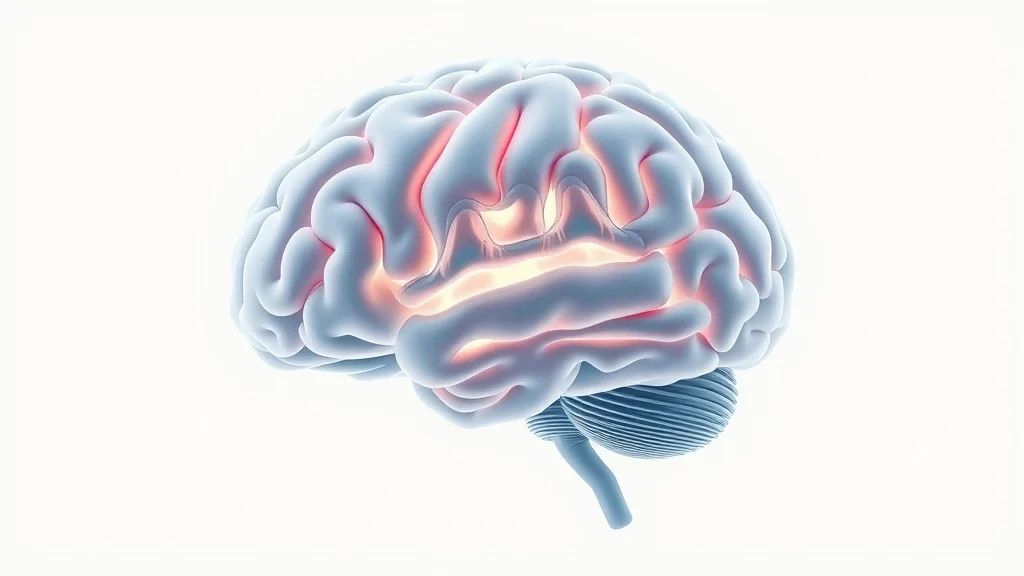
The Anatomy of Behavioral Patterns
Behavioral patterns are deeply ingrained habits or responses, often rooted in the subconscious mind. Over time, repeated actions—whether formed by conscious choices or automatic behavior—solidify into familiar routines. Even after circumstances change, we continue following these subconscious patterns because they require less mental energy than new, unfamiliar choices. This automatic programming can work in our favor, like taking the same safe route home, or against us, as in biting our nails during stress. Understanding the anatomy of these patterns is essential for conscious personal growth and breaking cycles that limit our potential.
Subconscious Influences Shaping Daily Life
Subconscious influences stem from past experiences, early memories, and emotional responses that have become wired into our behavior. These influences often bypass conscious thought, meaning you'll act or react with little awareness of the underlying drivers. For instance, the emotional response triggered by a certain smell or the automatic reaching for snacks when bored are prime examples. By becoming aware of these subconscious processes and their effect on daily life, you can start to spot the cues and triggers that shape your human behavior, paving the way for intentional change.
Understanding Habit Formation and Subconscious Mind’s Role
Habit formation is at the heart of how the subconscious mind shapes our behavior patterns. When actions are repeated consistently, the neural pathways in the brain strengthen, making these actions easier to repeat without conscious thought. This learning process helps save cognitive energy but can also make harmful patterns hard to break. Knowing how subconscious behaviors develop—and how they become habitual—is crucial for shifting even the most persistent routines.
How Subconscious Behavior Patterns Develop Over Time
Subconscious habits form through repetition, emotional reinforcement, and environmental cues. As we navigate daily life, our brains encode certain experiences—especially those tied to strong emotions or frequent repetition—into subconscious programs. Over time, these behaviors, such as unconsciously biting nails during anxiety or following automatic morning routines, become default responses. This development highlights why deep change often requires more than just conscious effort or willpower; rewiring subconscious processes and ingrained patterns demands deliberate, persistent action over time.
Key Triggers and Cues in Habit Formation
Triggers and cues are the catalysts that set subconscious patterns into motion. These can be external, like the sight of a snack bowl, or internal, such as a feeling of stress. Inhabit formation, recognizing and altering these triggers is essential. For example, by journaling when and why you reach for certain behaviors, you can begin to disrupt the sequence that leads to automatic responses, paving the way for more intentional actions. This understanding is vital for anyone aiming for personal development or seeking to replace negative cycles with empowering behaviors.

Behavioral Pattern Disruption: The Science Explained
Disrupting unwanted subconscious behavior patterns requires conscious awareness and intentional intervention. Scientists have shown that by changing routine triggers, practicing mindfulness, and progressively adjusting responses, individuals can re-route their brain’s habitual paths. This process, known as neuroplasticity, means that even deeply ingrained patterns can be updated. Through techniques like cognitive behavioral interventions, self-reflection, and active reward systems, we can essentially teach the subconscious mind new, healthier behaviors—proving that transformation is not just possible but scientifically supported.
Practical Examples of Subconscious Behavior Patterns in Daily Life
- Biting nails during stress
- Reaching for snacks unconsciously
- Automatic morning routines
- Unconscious decision-making
"Many of our choices appear rational, yet are shaped by subconscious influences from past experiences and learned associations."
These examples crystalize how habitual, everyday actions are often driven by subconscious processes rather than deliberate, conscious decision-making. Even actions that feel rational or well thought-through can stem from subconscious cues and past experiences. By noticing these patterns—like finding yourself in the kitchen reaching for snacks without remembering why—you’re beginning the journey toward understanding, and eventually transforming, your subconscious behavior patterns.
How the Subconscious Mind Drives Human Behavior
The role of the subconscious mind is more significant than many realize. It operates like an internal operating system, running "programs" initiated by past experiences, emotional responses, and repeated actions. When left unchecked, these subconscious processes can shape virtually every area of daily life, from your emotional reactions to the way you interact with others. By recognizing this powerful influence, you can begin to introduce more conscious thought into your actions and intentionally move toward your conscious goals.
The Power of Subconscious Influences on Daily Life
Subconscious influences thrive on routine, shaping automatic behaviors that streamline decision-making and save mental energy. For instance, commuters often find themselves arriving at work with little memory of the drive because the entire journey is handled by subconscious pattern recognition and muscle memory. While these patterns can make daily life efficient, they can also perpetuate habits and emotional responses that undermine personal development. Recognizing the power of these subconscious inputs is critical for anyone seeking to make intentional, conscious changes in their life.

Behavioral Patterns and Emotional Regulation
Emotional regulation—how you manage feelings in response to life events—is heavily influenced by subconscious behavior patterns. Past experiences and learned associations often dictate emotional responses, sometimes resulting in reactions that feel automatic or out of proportion. Techniques like mindfulness, self-awareness, and reflection are essential for bringing these responses into conscious awareness and adjusting them for healthier outcomes. Over time, building healthier emotional regulation patterns through conscious effort can transform long-standing subconscious habits, leading to improved personal growth and well-being.
Common Subconscious Patterns and Their Root Causes
Not all subconscious patterns are beneficial. Many unwanted habits or counterproductive reactions are rooted in early experiences, reinforced behaviors, or environmental conditioning. By exploring these root causes, it's possible to identify and target the underlying drivers of specific patterns, making them easier to shift through focused conscious attention and personal growth strategies.
Origins of Harmful Behavioral Patterns
Harmful subconscious behavior patterns often trace back to early experiences and emotional conditioning. For instance, if a child receives comfort with sweets during times of distress, they may develop a lifelong tendency to reach for food when stressed. Similarly, negative self-talk can become ingrained from repeated criticism or challenging circumstances. Identifying these origins helps create tailored strategies for behavioral pattern disruption and rewiring, setting the stage for healthy, conscious habits.
Inherited and Environmental Aspects of Subconscious Habits
Our subconscious mind absorbs influences not only from personal history but also from environment and even inherited family patterns. Genetic predisposition, the atmosphere in which we grow up, and the behaviors we observe all contribute to the formation of subconscious patterns. For example, seeing parents manage anxiety through avoidance might lead to similar unconscious coping mechanisms in adulthood. Recognizing the environmental and inherited nature of many subconscious habits is vital for compassionate self-reflection and for crafting effective, sustainable change.
Breaking the Cycle: Strategies to Reprogram Subconscious Behavior Patterns
Reprogramming subconscious behavior patterns requires more than just willpower. It is a structured process involving self-awareness, cognitive strategies, and actionable habits. These evidence-based techniques can help you disrupt negative cycles and reinforce conscious, positive pattern recognition, opening the door to powerful personal transformation.
Mindfulness and the Conscious Mind in Disrupting Old Patterns
Mindfulness—paying attention to the present moment without judgment—enables you to observe subconscious habits as they occur. This awareness creates a "pause" between trigger and response, allowing conscious choice to intervene. Developing mindfulness through meditation, breathwork, or mindful journaling has been shown to decrease automatic, maladaptive behaviors and increase conscious control. Over time, this conscious and subconscious cooperation can fundamentally alter your behavioral landscape, leading to healthier, more empowering subconscious processes.

Behavioral Pattern Rewiring Techniques
To successfully rewire behavioral patterns, employ techniques that interrupt old habits and reinforce new ones. Strategies such as identifying and journaling triggers, implementing positive reinforcement, using cognitive behavioral interventions, and creating reward systems are all highly effective. Continual self-awareness and environmental adjustments, such as removing cues for unwanted habits, help solidify these new routines. Through consistent practice, you can gradually replace deeply ingrained subconscious behavior patterns with those that support your conscious goals and personal development.
Habit Formation Science: Steps to Effective Change
- Self-awareness practices
- Journaling triggers and responses
- Cognitive behavioral interventions
- Reinforcement and reward systems
These action steps, rooted in behavior science, are fundamental for sustainable transformation. The process takes patience and dedication but is heavily supported by research in positive habit formation and neuroplasticity. By integrating these steps into your daily life, positive change becomes not only possible but permanent.
Leveraging Subconscious Focus for Positive Change
When you harness the power of subconscious focus, you initiate profound, lasting change. Techniques that use the subconscious mind’s immense processing power—like visualization, affirmations, and environmental cues—can reinforce your new behavioral patterns, making them stronger and easier to maintain over time. Focusing your intention not just on what you wish to remove, but also on the positive habits you want to instill, accelerates personal growth and success.
Harnessing the Power of Visualization and Affirmations
Visualization and affirmations utilize the subconscious mind's receptivity to images and repeated statements. By regularly picturing your desired behaviors and outcomes and reinforcing them with positive affirmations, you embed them deeply within your subconscious. These techniques not only increase motivation but also shift emotional responses and stress management, offering an accessible route to sustainable transformation. Over time, visualization and affirmations become powerful allies on your journey toward personal growth and conscious, empowered living.

Building Lasting Change Through Consistent Practice
Consistency is the backbone of reprogramming the subconscious mind. When you repeat new habits, positive self-talk, and intentional actions regularly, you reinforce new neural pathways and behavioral patterns, turning them into automatic behavior over time. Deliberate, consistent practice ensures these new subconscious patterns become your default responses, outpacing the old, limiting cycles. Whether it's setting aside time each morning to visualize success or using reward systems to encourage new actions, small steps practiced daily yield monumental results in your personal and emotional development.
Guided Visualization: Rewriting Subconscious Behavior Patterns
"Change begins not by fighting the old but by focusing on building new, empowering subconscious behavior patterns."
People Also Ask About Subconscious Behavior Patterns
What is an example of a subconscious behavior?
Examples include habitual actions like driving a familiar route without thinking, or reacting emotionally in certain contexts without conscious intent. Many daily activities—such as reaching for snacks when bored or responding instantly to a ringing phone—fall into this category because they're directed by deeply ingrained, automatic subconscious processes.
What are subconscious patterns?
Subconscious patterns are automatic responses developed through repetition and experience, deeply ingrained in the subconscious mind. These patterns govern much of our daily actions and choices, functioning beneath the level of conscious thought and influencing everything from routines to emotional responses. Their formation is often invisible but profoundly shapes human behavior over time.
How does the subconscious affect behavior?
It influences choices, habits, and reactions, shaping much of our human behavior without active awareness. The subconscious mind responds to cues and triggers, often resulting in automatic behaviors or emotional narratives before conscious awareness can intervene. Recognizing this influence is crucial for effective personal growth and the intentional redirection of behavioral patterns.
What are subconscious habits?
Subconscious habits are repeated actions performed with little or no conscious thought, often triggered by cues in daily life. Examples include brushing your teeth in the same sequence every morning, or automatically scrolling through your phone when bored. As these actions become increasingly automatic, conscious control diminishes—emphasizing the power and persistence of subconscious programming.
Frequently Asked Questions (FAQs) on Subconscious Behavior Patterns
- Can anyone change their subconscious behavior patterns? Yes, with conscious effort, self-awareness, and consistent practice, anyone can reprogram their subconscious behavioral patterns for positive change.
- How long does it take to reprogram behavior? While the timeline varies, consistent action over several weeks to months can create lasting changes in subconscious habits and patterns.
- Are subconscious beliefs permanent? No, subconscious beliefs and habits can be altered through awareness, focused practice, and supportive techniques like cognitive restructuring and mindfulness.
- What role does mindfulness play? Mindfulness helps bring subconscious actions and reactions into conscious awareness, making it easier to identify and change unwanted habits.
Key Takeaways for Mastering Subconscious Behavior Patterns
- Awareness is the first step to change
- Behavioral patterns are formed through repeated subconscious influences
- Deliberate focus and consistent practice yield sustainable transformation
Summary and Next Steps to Transform Subconscious Behavior Patterns
"Begin your journey by observing, not judging, your current behavioral patterns—and take conscious steps toward positive change."
Start today by becoming aware of your subconscious patterns, consistently applying proven techniques, and focusing on the positive change you wish to create. With time and dedication, transformation is well within reach.
If you’re inspired to deepen your understanding of how subconscious processes shape your life, consider exploring broader approaches that integrate both science and self-mastery. Expanding your knowledge of practices like hypnosis and meditation can offer new perspectives on personal transformation, helping you unlock advanced strategies for lasting change. By embracing a holistic view of the mind, you empower yourself to break free from old cycles and cultivate a more intentional, fulfilling life. For a comprehensive comparison of these transformative techniques and their unique benefits, take a look at how hypnosis and meditation differ and complement each other on your journey to self-improvement.



Write A Comment